
Updated planning guide for 2026, 2027-2028
Moshi To Isebania Border Safari: Best Guide 2026-2027-2028
Your comprehensive guide to planning a Moshi to Isebania Border Safari. Learn about routes, what to expect, best times to travel, and how to book your unforgettable safari experience.
WhatsApp +255616946642 | topguideadventures@gmail.com | info@topguideadventures.com
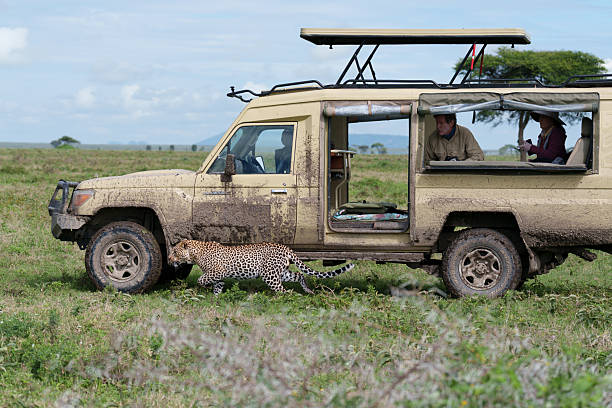
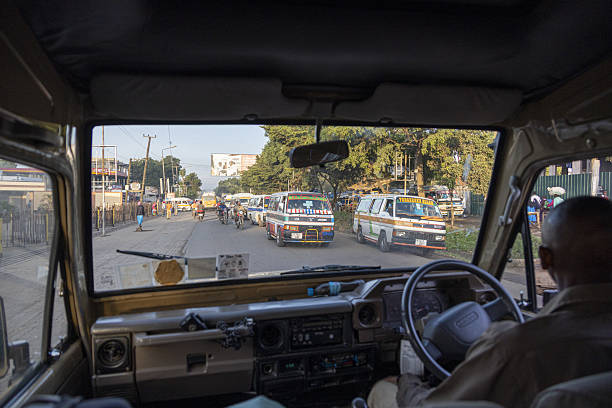
Your Complete Guide to the Moshi to Isebania Border Safari
The Moshi to Isebania border crossing is a well-trodden path for travelers seeking to connect Tanzania with Kenya, often as part of a larger East African safari circuit. For those coming from or heading towards Kilimanjaro International Airport (JRO) near Moshi, this route offers a unique overland journey. This guide is designed to provide an in-depth look at planning a Moshi to Isebania border safari, covering everything from route logistics and timing to what to expect on the ground and how to book a smooth transition. We’ll explore the nuances of this journey, ensuring your 2026 or 2027 adventure is well-prepared and memorable.
This safari route isn’t just about transit; it’s an opportunity to experience diverse landscapes and cultures as you move between two of Africa’s most renowned safari destinations. Understanding the intricacies of the Moshi to Isebania border crossing is key to a successful and enjoyable trip.
| Aspect | Details |
|---|---|
| Starting Point | Moshi, Tanzania (near Kilimanjaro) |
| Ending Point | Isebania Border Post (Tanzania/Kenya), leading to Kisii/Migori in Kenya |
| Primary Purpose | Border crossing, overland safari connection, transit between Tanzania and Kenya |
| Key Regions Accessed | Northern Tanzania (Serengeti, Ngorongoro access points), Western Kenya (Masai Mara access) |
| Typical Duration | 1-3 days depending on safari stops and border crossing efficiency |
| Best Time to Travel | June to October (dry season), January to February (short dry season) |
| Travel Style | Overland safari, private vehicle, shared shuttle (less common for safari) |
| Vehicle Requirements | 4×4 safari vehicle recommended for Tanzanian side, standard vehicles for Kenyan side post-border |
Understanding the Moshi to Isebania Border Safari Route
The journey from Moshi to the Isebania border is a significant overland route that links the popular Northern Tanzania safari circuit with the renowned Masai Mara National Reserve in Kenya. While it can be a direct transit, it’s often incorporated into a safari itinerary, allowing for game drives in areas like the Serengeti National Park before reaching the border.
The Overland Path: Moshi to Serengeti Gateway
Starting in Moshi, the initial leg of the journey typically heads towards the western Serengeti corridor. This route involves driving through towns like Arusha (if not starting there directly), Karatu, and then entering the Serengeti National Park. The exact entry point into the Serengeti can vary depending on your specific safari plan and the time of year, especially concerning the Great Migration.
Travelers often spend a few days on a Tanzanian safari, perhaps in the central Serengeti, Western Corridor (Grumeti area), or even near the Ndutu region (depending on the season and migration patterns) before making their way towards the western side of the park. The goal is to position yourself closer to the Musoma region, which is the gateway to the Isebania border.
Serengeti to Isebania Border Post
Leaving the Serengeti, the drive continues towards Musoma, the largest town on the southern shores of Lake Victoria. From Musoma, the road stretches northwards towards the Isebania border post. This section of the journey can be dusty and may involve varying road conditions, especially during the rainy seasons. The final stretch involves navigating through local villages and agricultural lands, offering glimpses into daily life away from the main tourist hubs.
The Isebania border post itself is a bustling entry/exit point. Once you cross, you will be in Kenya, with the town of Isebania on the Kenyan side. From here, onward travel is typically towards Migori or Kisii, and then further into Kenya, often aiming for the Masai Mara.
Connecting to the Masai Mara
Upon clearing immigration and customs at Isebania, arrangements are made for your onward journey into Kenya. This might involve a transfer to a different vehicle, especially if you are switching operators or tour styles. The drive from Isebania to the nearest entry points of the Masai Mara, such as the Musiara Gate or Oloololo Gate, typically takes 1-3 hours, depending on road conditions and the specific camp or lodge you are heading to within the Mara.
This overland route is a popular choice for those who want to experience both the Tanzanian and Kenyan sides of the Serengeti-Mara ecosystem without flying between locations. It offers a more immersive, ground-level perspective of the landscapes and the transition between the two countries.
Route Illustration: Moshi to Isebania Border
This is a conceptual overview of the overland route:
- Moshi/Arusha: Start point, often after arrival at JRO or a prior safari/Kilimanjaro climb.
- Western Serengeti Access: Drive towards the Serengeti, potentially spending 2-3 days on safari in areas like the Western Corridor (Grumeti) or Central Serengeti.
- Serengeti to Musoma: Exit the Serengeti and drive towards Musoma on the shores of Lake Victoria.
- Musoma to Isebania Border Post: Travel north from Musoma to the Tanzanian side of the Isebania border.
- Border Crossing: Immigration and customs procedures for exiting Tanzania and entering Kenya.
- Isebania (Kenya) to Masai Mara: Continue into Kenya towards the Masai Mara National Reserve.
Note: This route is often integrated into multi-day safari packages. Specific entry/exit points for parks and reserves can vary.
Why Choose a Moshi to Isebania Border Safari?
Opting for a Moshi to Isebania border safari is a strategic choice for several compelling reasons, appealing to a specific type of traveler seeking a comprehensive East African experience.
Seamless Transition Between Ecosystems
The Serengeti in Tanzania and the Masai Mara in Kenya are part of the same vast ecosystem. The Great Migration, a spectacular wildlife phenomenon, moves between these two iconic parks. Traveling via the Isebania border allows you to experience this continuous movement of wildlife without the need for expensive internal flights. You can follow the herds from Tanzania into Kenya, or vice versa, offering an unparalleled wildlife viewing opportunity.
Cost-Effectiveness Over Flights
While flying between Kilimanjaro/Arusha and the Masai Mara is quicker, it can be considerably more expensive. An overland safari that includes the Moshi to Isebania border crossing can offer significant savings, especially for longer trips or for groups. The cost of a private safari vehicle and guide for the overland journey is often less than multiple flight tickets and associated transfer costs.
Experiencing Diverse Landscapes and Cultures
The overland journey itself is an experience. You’ll witness the changing landscapes as you move from the dry plains of the Serengeti towards the shores of Lake Victoria and then into the rolling hills of western Kenya. You’ll pass through local towns and villages, offering a more grounded perspective of East African life beyond the well-trodden safari circuits.
Flexibility in Itinerary Planning
This route offers great flexibility. You can customize your safari in Tanzania to include specific areas of the Serengeti or even other parks like Lake Manyara or Tarangire before heading to the border. Similarly, your Kenyan safari can be tailored to focus on specific areas of the Masai Mara. It allows for a more personalized adventure.
Connecting with Other East African Destinations
For travelers planning a longer East African journey, the Isebania border crossing is a vital link. It connects you efficiently to the Masai Mara, which can then lead to other Kenyan destinations like Lake Nakuru, Amboseli, or even onward travel to Uganda or Rwanda for gorilla trekking. It’s a strategic point for multi-country adventures in 2026 and 2027.
Best Time to Travel for a Moshi to Isebania Border Safari
The ideal time for your Moshi to Isebania border safari largely depends on what you want to see, particularly concerning wildlife movements. However, general weather patterns also play a significant role in the comfort and experience of overland travel.
Dry Seasons (June to October and January to February)
June to October: This is the prime dry season in both Tanzania and Kenya. The vegetation is less dense, making wildlife spotting easier. It’s also the period when the Great Migration typically moves northwards through the Serengeti and into the Masai Mara, crossing the Mara River (usually July-September). This is considered the peak season, offering excellent game viewing but also higher visitor numbers and prices. Road conditions are generally good during this period.
January to February: This is a shorter dry season, often coinciding with the calving season in the southern Serengeti (Ndutu area). While the migration is in the south, game viewing is still excellent. The weather is typically sunny and warm, with less rain than the long rains. This can be a good alternative to the peak dry season if you want to avoid the largest crowds.
Green Seasons (November to May)
November to December (Short Rains): This period can see short, localized showers. The landscape becomes greener, and it’s a beautiful time to visit. Wildlife is more dispersed, but resident game viewing remains good. It’s generally less crowded and more affordable than the dry season.
March to May (Long Rains): These months typically bring heavier and more consistent rainfall. While game viewing can still be rewarding, especially in the early mornings and late afternoons, some roads might become challenging to navigate, potentially affecting travel times and accessibility. However, the scenery is lush and vibrant, and the lack of crowds and lower prices can be appealing for budget-conscious travelers or those seeking a more solitary experience. It’s crucial to have a reliable 4×4 vehicle during this period.
Recommendation for 2026-2027: For the best chance of witnessing the Great Migration river crossings and experiencing optimal game viewing conditions, aim for July to September 2026 or 2027. If you prefer fewer crowds and are less focused on river crossings, consider the shoulder months like June, October, or even January/February.
Sample Itinerary: Moshi to Isebania Border Safari (5 Days)
This sample itinerary focuses on the overland journey and incorporates wildlife viewing. It assumes you have already completed any Kilimanjaro climbs or Zanzibar holidays and are ready for a safari adventure starting from Moshi.
Day 1: Moshi to Serengeti National Park (Western Corridor/Central)
- Morning: After breakfast in Moshi, meet your safari guide and vehicle. Begin the drive towards the Serengeti National Park.
- Midday: Stop for lunch en route, perhaps in Karatu or near the Ngorongoro Conservation Area entrance.
- Afternoon: Enter the Serengeti National Park, often via the Naabi Hill gate (if heading central) or a western gate. Begin your first game drive as you head towards your lodge or camp.
- Evening: Check into your accommodation in the Serengeti. Dinner and overnight stay.
Accommodation: Serengeti Camp/Lodge
Day 2: Full Day Game Drive in Serengeti National Park
- Morning: Early morning game drive in the Serengeti, seeking out predators and observing the vast plains.
- Midday: Return to your lodge for brunch/lunch and a short rest.
- Afternoon: Another extensive game drive, focusing on areas known for resident wildlife or following the migration, depending on the season and location.
- Evening: Sundowners in the bush, followed by dinner and overnight at your Serengeti accommodation.
Accommodation: Serengeti Camp/Lodge
Day 3: Serengeti to Musoma & Towards Isebania
- Morning: Enjoy a final morning game drive in the Serengeti as you make your way towards the park’s western exit.
- Midday: Exit the Serengeti and drive towards Musoma, a town on the shores of Lake Victoria. Stop for lunch in Musoma.
- Afternoon: Continue the drive north from Musoma towards the Isebania border post. The road conditions can vary. Aim to reach a lodge or camp near the border for the night, or cross into Kenya if time and border operations permit.
- Evening: Dinner and overnight at your chosen accommodation near the border.
Accommodation: Lodge/Camp near Isebania or just across the border in Kenya.
Day 4: Border Crossing & Transfer to Masai Mara
- Morning: After breakfast, proceed to the Isebania border post. Complete immigration and customs procedures for exiting Tanzania and entering Kenya. This process can take time.
- Midday: Once cleared, meet your Kenyan guide/vehicle (if different). Begin the drive towards the Masai Mara National Reserve.
- Afternoon: Enter the Masai Mara and enjoy your first game drive as you head towards your camp or lodge.
- Evening: Check into your Masai Mara accommodation. Dinner and overnight.
Accommodation: Masai Mara Camp/Lodge
Day 5: Masai Mara Game Drive & Departure Options
- Morning: Full morning game drive in the Masai Mara, renowned for its high concentration of predators and diverse wildlife.
- Midday: Return to camp for lunch.
- Afternoon: Depending on your onward travel plans, you can either have another game drive or be transferred to a nearby airstrip (e.g., Keekorok, Ol Kiombo) for a flight to Nairobi, or continue your overland journey within Kenya.
End of Moshi to Isebania Border Safari segment.
This is a sample. Itineraries can be customized to include more days in the Serengeti, Ngorongoro Crater, or to spend longer in the Masai Mara.
What to Expect on the Ground
The Moshi to Isebania border safari offers a rich, albeit sometimes challenging, travel experience. Understanding the realities of overland travel in this region is crucial for setting expectations.
Road Conditions
Roads within Tanzania’s national parks, particularly the Serengeti, are generally well-maintained dirt tracks suitable for 4×4 safari vehicles. However, outside the parks, especially the stretch from Musoma to Isebania, road conditions can vary significantly. During the rainy seasons (March-May and November), these roads can become muddy and difficult to traverse, leading to delays. The Kenyan side of the roads leading into the Masai Mara are also primarily dirt tracks, which can become challenging during wet periods.
Border Crossing Procedures
The Isebania border post is a busy, sometimes chaotic, but generally functional crossing. You will need to go through Tanzanian immigration to exit the country and then Kenyan immigration to enter. Visa requirements should be checked and arranged in advance. Your tour operator should assist with this process, but be prepared for potential queues and the need for patience. It’s advisable to have your passport, visa documentation, and any required health certificates readily accessible.
Vehicle and Guide
For the Tanzanian leg of the journey, a robust 4×4 safari vehicle with a pop-up roof is essential. This provides comfort, excellent game viewing opportunities, and the capability to handle varied terrain. You will typically have a dedicated safari guide for the Tanzanian portion. Upon crossing into Kenya, you may transfer to a different vehicle and guide, especially if you are using separate Tanzanian and Kenyan tour operators. Ensure clear communication with your operator about these arrangements.
Accommodation
Accommodation options range from mid-range lodges and tented camps within the Serengeti and Masai Mara to more basic guesthouses or lodges near the border towns. In the parks, expect comfortable lodges or luxury tented camps with en-suite facilities. Near the border, options might be simpler but will provide a safe and clean place to rest.
Pace of Travel
This is an overland journey, meaning it involves significant driving time. While game drives are interspersed, expect full days on the road, especially on days transitioning between parks and the border. It’s a different pace than flying between locations.
Inclusions and Packing Essentials
To ensure a smooth Moshi to Isebania border safari, proper planning regarding what’s included in your tour and what you need to pack is vital.
Typical Inclusions in a Safari Package
While packages vary, a comprehensive Moshi to Isebania border safari typically includes:
- Accommodation: Lodges or tented camps as per itinerary.
- Meals: Usually full board (breakfast, lunch, dinner) during safari days. Drinks may or may not be included.
- Safari Vehicle: 4×4 safari vehicle with a pop-up roof for game drives.
- Driver/Guide: Professional English-speaking safari guide.
- Park Entrance Fees: Fees for Serengeti National Park and Masai Mara National Reserve.
- Cross-border Assistance: Support with border crossing procedures.
- Activities: Game drives as per itinerary.
What’s Usually Not Included
- International flights.
- Visa fees for Tanzania and Kenya.
- Travel insurance (highly recommended).
- Tips for guides and lodge staff.
- Personal expenses (souvenirs, laundry, drinks not specified).
- Optional activities (e.g., hot air balloon safari).
- Meals and drinks outside of safari days (e.g., in Moshi before departure).
Packing Essentials for the Journey
Pack light and smart. Soft-sided duffel bags are often preferred for safari vehicles due to space constraints. Consider these items:
- Clothing: Neutral-colored, lightweight clothing (khaki, beige, olive green). Avoid bright colors and dark blue/black (attracts tsetse flies). Include long-sleeved shirts and trousers for sun and insect protection. A fleece or warm jacket for cool mornings/evenings.
- Footwear: Comfortable walking shoes or hiking boots (if any walking is planned), sandals or flip-flops for camp.
- Headwear: Wide-brimmed hat for sun protection.
- Eyewear: Sunglasses.
- Sun Protection: High SPF sunscreen, lip balm with SPF.
- Insect Repellent: Containing DEET or Picaridin.
- Camera: With extra batteries and memory cards. Binoculars are highly recommended.
- Personal First-Aid Kit: Include any personal medications, pain relievers, antiseptic wipes, bandages.
- Toiletries: Biodegradable options are preferred.
- Reusable Water Bottle: Stay hydrated.
- Adapter: For charging electronics (Type G in Tanzania/Kenya).
- Passport & Documents: Keep copies separate.
- Cash: USD is widely accepted for tips and small purchases. Local currency for smaller vendors.
Common Mistakes to Avoid
Planning a Moshi to Isebania border safari involves navigating unique logistical challenges. Avoiding common pitfalls will ensure a smoother and more enjoyable experience.
- Underestimating Travel Time: Overland journeys, especially those involving border crossings, can take longer than anticipated due to road conditions, queues, or unexpected delays. Factor in buffer time.
- Not Verifying Visa Requirements: Ensure you have the correct visas for both Tanzania and Kenya well in advance. Check current requirements for your nationality for 2026-2027 travel.
- Packing Inappropriately: Overpacking or bringing the wrong type of luggage (hard suitcases) can be problematic. Stick to soft duffel bags and neutral-colored clothing.
- Ignoring Health Precautions: Consult your doctor about necessary vaccinations (e.g., Yellow Fever certificate may be required) and malaria prophylaxis.
- Assuming All-Inclusive Services: Understand exactly what is included in your safari package to avoid unexpected costs for meals, drinks, or park fees.
- Booking Last Minute: Especially during peak seasons (July-September), popular lodges and safari vehicles get booked up months in advance. Plan your 2026 or 2027 trip early.
- Not Having a Reliable Operator: Choose a reputable tour operator with experience in cross-border safaris. Poor coordination can lead to significant problems at the border or during transfers.
- Not Budgeting for Tips: Tipping is customary and an important part of income for guides and support staff. Factor this into your budget.
Who is This Safari Best Suited For?
The Moshi to Isebania border safari is an excellent option for a specific type of traveler:
- Adventurous Travelers: Those who enjoy overland journeys and are comfortable with potentially longer travel days and varied road conditions.
- Wildlife Enthusiasts: Particularly those keen on witnessing the Great Migration and experiencing the vast Serengeti-Mara ecosystem across two countries.
- Budget-Conscious Travelers: Individuals or groups looking for a more economical way to experience both the Serengeti and Masai Mara compared to flying between them.
- Independent Travelers: Those who prefer a more integrated journey rather than hopping between separate country tours.
- Travelers on Longer East African Itineraries: This route is ideal for those combining Tanzania and Kenya into a single trip, seeking a logical overland connection.
- Couples and Small Groups: The private vehicle aspect makes it ideal for couples or families/friends traveling together.
It might be less suitable for travelers who prioritize speed, luxury with minimal travel, or those with very limited time who prefer to fly between major destinations.
Alternatives to the Moshi to Isebania Border Crossing
If the Moshi to Isebania route doesn’t perfectly align with your travel plans, several alternatives exist for connecting Tanzania and Kenya, or for experiencing similar safari destinations.
| Option | Pros | Cons | Best For |
|---|---|---|---|
| Flying: Kilimanjaro (JRO) to Masai Mara Airstrip | Fastest, most convenient, avoids long drives and border crossing. Luxurious start to Masai Mara. | Most expensive option. Less overland experience. Limited luggage weight. | Time-pressed travelers, luxury seekers, those prioritizing comfort. |
| Overland via Namanga Border (Arusha to Amboseli/Nairobi) | Connects Northern Tanzania (Tarangire, Manyara, Ngorongoro) to Kenya’s Amboseli National Park and then Nairobi. Different ecosystem focus. More affordable than flying. | Does not directly access Masai Mara from Serengeti overland. Requires separate planning for Mara. Namanga border can also be busy. | Travelers interested in Amboseli’s elephant herds and Kilimanjaro views, or those heading to Nairobi first. |
| Focusing Solely on Tanzania | Deeper exploration of Tanzania’s parks (Serengeti, Ngorongoro, Tarangire, Lake Manyara, Ruaha, Selous). Simplifies logistics. | Misses out on the Masai Mara experience. | Travelers wanting an in-depth Tanzanian safari experience. |
| Focusing Solely on Kenya | Deeper exploration of Kenya’s parks (Masai Mara, Lake Nakuru, Samburu, Tsavo). Simplifies logistics. | Misses out on the Serengeti experience. | Travelers prioritizing Kenya’s specific wildlife and landscapes. |
Planning Your 2026-2027 Trip
Planning ahead is key for a successful safari, especially when coordinating cross-border travel. Here are some tips for planning your 2026 or 2027 Moshi to Isebania border safari.
Book in Advance
For peak seasons (July-September 2026/2027), popular lodges and safari vehicles are booked up to a year in advance. Aim to book your safari at least 6-9 months ahead. For shoulder or low seasons, 3-4 months might suffice, but earlier is always better for securing preferred accommodations and guides.
Choose the Right Tour Operator
Selecting an experienced and reputable tour operator is paramount. Look for companies that:
- Have a strong track record in Tanzania and cross-border operations.
- Offer customizable itineraries.
- Provide clear communication and detailed quotes.
- Have positive reviews and testimonials.
- Employ experienced guides.
Top Guide Adventures specializes in creating seamless safari experiences across Tanzania and into Kenya. Contact us to discuss your 2026-2027 plans.
Confirm Vehicle and Guide Arrangements
Clarify whether your operator handles the entire journey from Moshi to the Masai Mara or if a handover at the border is required. Ensure the vehicle is suitable for all terrains and that your guide is knowledgeable about both Tanzanian and Kenyan parks.
Budgeting for the Trip
Safari costs can vary widely based on accommodation level, vehicle type (private vs. shared), and duration. Factor in:
- Safari package cost (accommodation, meals, park fees, vehicle, guide).
- International flights.
- Visa fees.
- Tips for guides and staff.
- Travel insurance.
- Personal expenses and optional activities.
Obtain detailed quotes from operators and compare what is included. Remember that the cheapest option is not always the best; quality and reliability are crucial for such a journey.
Health and Safety Preparations
Consult your doctor 4-6 weeks before your trip regarding vaccinations and malaria prevention. Ensure you have a comprehensive travel insurance policy that covers medical emergencies and evacuation.
Visa and Passport Validity
Ensure your passport is valid for at least six months beyond your intended stay and has sufficient blank pages. Research the visa requirements for both Tanzania and Kenya for your nationality. Many nationalities can obtain visas on arrival or apply online, but it’s best to confirm current regulations for 2026-2027.
Booking Your Moshi to Isebania Border Safari
Securing your Moshi to Isebania border safari requires careful consideration and clear communication with your chosen tour operator. Here’s how to approach the booking process.
Step 1: Research and Inquire
Identify reputable tour operators specializing in Tanzanian and cross-border safaris. Look for those with a strong online presence, positive reviews, and clear contact information. Reach out to several operators with your desired travel dates, number of travelers, budget range, and specific interests (e.g., Great Migration focus, specific parks).
Step 2: Request Detailed Itineraries and Quotes
Ask for sample itineraries that include the Moshi to Isebania border crossing. Ensure the itinerary details:
- Daily activities and driving times.
- Accommodation names and levels.
- Inclusions and exclusions.
- Vehicle type and guide information.
- Cost breakdown.
Compare these proposals carefully. Pay attention to the level of detail and responsiveness of the operator.
Step 3: Customize Your Trip
Work with your chosen operator to fine-tune the itinerary. You might want to add an extra day in the Serengeti, include a visit to the Ngorongoro Crater (though this adds significant distance and time from the direct Isebania route), or customize your time in the Masai Mara. Discuss your interests, such as birdwatching, photography, or specific wildlife.
Step 4: Confirm and Deposit
Once you are satisfied with the itinerary and quote, confirm your booking. You will typically be required to pay a deposit (often 20-50%) to secure your reservation. Ensure you receive a booking confirmation with all agreed-upon details.
Step 5: Final Payment and Pre-Departure Information
The balance of the payment is usually due 30-60 days before your safari departure. Your operator should then provide you with detailed pre-departure information, including packing lists, visa advice, health recommendations, and contact details for emergencies.
Step 6: During Your Safari
Your operator should be available throughout your trip for any issues that may arise. Maintain open communication with your guide.
Ready to plan your unforgettable Moshi to Isebania Border Safari for 2026 or 2027?
Contact Top Guide Adventures today:
- WhatsApp: +255616946642
- Email: topguideadventures@gmail.com
- Backup Email: info@topguideadventures.com
Let us craft your perfect East African overland adventure!
Frequently Asked Questions (FAQs)
Q1: How long does the Moshi to Isebania border safari typically take?
A: The overland journey itself, from starting in the Serengeti towards the border and then into the Masai Mara, can take 2-3 days. This is in addition to any safari days you spend within the Serengeti National Park. A common itinerary might be 2-3 days in the Serengeti, followed by 1 day for the border crossing and transfer to the Masai Mara, and then 2-3 days in the Mara.
Q2: Is the Moshi to Isebania border crossing safe?
A: The border crossing itself is a busy official point. When traveling with a reputable tour operator, your safety is prioritized. They manage the logistics, ensure you use appropriate transport, and are aware of the local conditions. Standard travel precautions apply.
Q3: What are the visa requirements for crossing from Tanzania to Kenya at Isebania?
A: You will need to exit Tanzania (requiring any necessary exit stamps) and enter Kenya (requiring a Kenyan visa). Visa requirements vary by nationality. Many nationalities can obtain e-visas or visas on arrival for Kenya. It is crucial to check the latest visa regulations for both countries for your nationality well in advance of your 2026-2027 travel dates.
Q4: Can I do this as a solo traveler, or is it only for groups?
A: Yes, solo travelers can absolutely do this safari. Most reputable operators offer private safaris, which are ideal for solo travelers who want their own vehicle and guide. Alternatively, some operators might offer small group joining options, though these are less common for specific cross-border routes like this.
Q5: What kind of vehicle will I use for the Moshi to Isebania border safari?
A: For the Tanzanian portion, particularly within the Serengeti, a 4×4 safari vehicle (like a Land Cruiser or Land Rover) with a pop-up roof is standard. On the Kenyan side, a similar 4×4 vehicle is used for the Masai Mara. Your tour operator will confirm the specific vehicle type.
Q6: What is the best time of year for the Great Migration river crossings when doing this route?
A: The Great Migration river crossings typically occur between July and September, as the herds move northwards through the Serengeti and into the Masai Mara. This is also the dry season, making game viewing excellent, but it is peak tourist season.
Q7: Do I need to arrange my own transport on the Kenyan side after the border?
A: Ideally, your tour operator should arrange the entire journey, including a seamless transfer to a Kenyan vehicle and guide after you clear customs at Isebania. If you are booking Tanzanian and Kenyan safaris separately, you will need to coordinate this handover carefully.
Q8: What currency should I carry for tips and expenses?
A: US Dollars (USD) are widely accepted for tips and many larger purchases in both Tanzania and Kenya. It’s also advisable to carry some local currency (Tanzanian Shilling and Kenyan Shilling) for smaller purchases in local markets or from roadside vendors.
Q9: Can I include the Ngorongoro Crater in this itinerary?
A: While technically possible, adding the Ngorongoro Crater significantly lengthens the journey and deviates from the most direct route towards Isebania. It would typically require at least an extra day and might be better suited to a separate Tanzanian itinerary before heading to the border.
Q10: What if I have a medical emergency during the border crossing?
A: Comprehensive travel insurance that includes medical evacuation is essential. Reputable tour operators have protocols for handling emergencies and will coordinate with medical services and your insurance provider.
Final Thoughts on Your Moshi to Isebania Border Safari
The Moshi to Isebania border safari is more than just a transit; it’s an integral part of a comprehensive East African safari experience. It offers a unique perspective on the vast Serengeti-Mara ecosystem, allowing travelers to follow wildlife movements across borders and experience the diverse landscapes overland. By understanding the logistics, best travel times, and preparation needed, you can plan a truly remarkable adventure for 2026 or 2027.
Whether you’re seeking to witness the drama of the Great Migration river crossings or simply connect your Tanzanian adventure with the famed Masai Mara, this overland route provides an authentic and rewarding journey. Careful planning with an experienced operator is the key to a smooth and unforgettable trip.
Ready to plan your Moshi to Isebania Border Safari? Let Top Guide Adventures create your perfect East African overland experience for 2026-2027. Contact us today:
- WhatsApp: +255616946642
- Email: topguideadventures@gmail.com
- Backup Email: info@topguideadventures.com
We look forward to helping you explore the wonders of Tanzania and Kenya!
Plan your Moshi to Isebania Border Safari with Top Guide Adventures
Tell us your travel dates, group size, comfort level, and dream experience. We will help you shape a clear, realistic, and memorable Tanzania itinerary.

 Veedesigner
 Fatma Kizanga
 Benjamin Waryuba
 Philip Philip
 John jr Itaja
 Antonia Optatus
 Edith Kanyere
 Neema Iddy
 Kelvin Boniphace
 Damari Maiga



