
Updated planning guide for 2026, 2027-2028
Moshi To Kenya Safari: Best Guide 2026-2027-2028
Considering a journey from Moshi, Tanzania, to a Kenyan safari? This comprehensive guide covers everything you need to know, from planning your route and understanding seasonality to essential packing lists and booking advice for 2026-2027 adventures.
WhatsApp +255616946642 | topguideadventures@gmail.com | info@topguideadventures.com
Moshi to Kenya Safari: Your Expert Planning Guide
The allure of East Africa’s wildlife is undeniable. For many travelers, a safari experience is a lifelong dream. If you find yourself in Moshi, Tanzania, perhaps after climbing Mount Kilimanjaro or exploring the Serengeti, and your sights are set on the incredible wildlife viewing opportunities in Kenya, planning a Moshi to Kenya safari is a natural next step. This guide is designed to provide you with all the essential information, practical advice, and detailed planning insights to make this cross-border adventure a resounding success, especially as you look towards 2026 and 2027.
Transitioning from the Tanzanian side of the border to Kenya’s renowned national parks requires careful consideration of logistics, timing, and expectations. Unlike a self-contained safari within one country, a Moshi to Kenya safari involves crossing an international boundary, which adds layers to the planning process. We will cover everything from visa requirements and border crossings to the best routes, park recommendations, and how to ensure a smooth and unforgettable wildlife experience.
Quick Answers for Your Moshi to Kenya Safari
| Aspect | Details |
|---|---|
| Primary Goal | Experiencing Kenya’s iconic wildlife, particularly in parks like the Masai Mara, Amboseli, and Tsavo. |
| Starting Point | Moshi, Tanzania (often after Kilimanjaro climb or Serengeti/Ngorongoro visit). |
| Main Border Crossing | Namanga Border Post (Tanzania/Kenya). |
| Key Kenyan Parks | Masai Mara National Reserve, Amboseli National Park, Tsavo East & West National Parks, Lake Nakuru National Park. |
| Typical Duration | 5-10 days (can be customized). |
| Best Time to Travel | June-October (dry season, Great Migration in Masai Mara), January-February (calving season, less crowded). |
| Travel Style | Often starts with a drive from Moshi to Nairobi, then internal flights or drives to parks, or a full overland safari. |
| Visa Requirements | Check current requirements for your nationality for both Tanzania (if applicable) and Kenya. E-visas are common. |
Understanding the Moshi to Kenya Safari Journey
A Moshi to Kenya safari is more than just a transfer; it’s an extension of your East African adventure. Moshi, nestled at the foot of Mount Kilimanjaro, is a common starting point for many travelers. From here, the most popular route to Kenya involves heading north towards the border and then continuing to major Kenyan safari destinations. This journey can be undertaken in several ways, each offering a different pace and experience.
The primary decision is whether to travel overland entirely, utilizing safari vehicles and lodges, or to combine ground travel with internal flights within Kenya. Overland travel offers a more immersive experience, allowing you to see the changing landscapes and potentially stop at points of interest along the way. However, it can be time-consuming. Internal flights, particularly from Nairobi, can significantly reduce travel time to remote parks like the Masai Mara, maximizing your time on safari.
Why Choose a Moshi to Kenya Safari?
The appeal of a Moshi to Kenya safari lies in combining the unique offerings of both countries. Tanzania is famed for the Serengeti’s vast plains, the Ngorongoro Crater’s dense wildlife, and Mount Kilimanjaro. Kenya, on the other hand, is renowned for the dramatic Great Migration in the Masai Mara, the iconic elephant herds against Kilimanjaro’s backdrop in Amboseli, and the diverse birdlife of Lake Nakuru.
By planning a trip that transitions from Moshi into Kenya, you can:
- Experience the Great Migration: Witnessing millions of wildebeest and zebras crossing the Mara River is a highlight of any East African safari. This phenomenon is best seen in Kenya’s Masai Mara from July to October.
- See Diverse Landscapes: Transition from the volcanic highlands around Kilimanjaro to the savannahs of the Masai Mara, the semi-arid plains of Tsavo, and the alkaline lake of Nakuru.
- Maximize Wildlife Viewing: Access the high-density wildlife areas of Kenya that might be logistically challenging to reach from within Tanzania alone.
- Streamline Logistics (Potentially): If you’ve already booked a significant portion of your Tanzanian trip, extending into Kenya with a trusted operator can simplify overall planning.
Planning Your Moshi to Kenya Safari: Key Considerations for 2026-2027
Successful safari planning hinges on understanding the nuances of the region and your personal preferences. For a Moshi to Kenya safari, several critical factors come into play. These include the best time to travel, visa and immigration procedures, and the ideal route to maximize your experience.
Best Time to Travel for a Moshi to Kenya Safari
The timing of your safari significantly impacts wildlife viewing opportunities, weather, and crowds. For a Moshi to Kenya safari, consider these periods:
| Period | Key Features | Pros | Cons |
|---|---|---|---|
| June – October (Dry Season) | Great Migration in Masai Mara, dry conditions, easier game viewing. | Prime time for wildlife action, especially the river crossings. Pleasant weather. | Peak season, higher prices, more crowded parks. |
| November – December (Short Rains) | Greener landscapes, fewer crowds, animals dispersed. | More affordable, quieter parks, beautiful scenery. | Rain showers can occur, some roads may be muddy, migration is not in Kenya. |
| January – February (Calving Season) | Calving season in Serengeti (Tanzania), good game viewing in Kenya, dry. | Excellent predator-prey action, good weather, fewer crowds than peak dry season. | Migration is generally in Tanzania during this period, though some herds may be in Kenya. |
| March – May (Long Rains) | Lush landscapes, very few tourists, baby animals born. | Lowest prices, parks are quiet, beautiful green scenery. | Heavy rains can disrupt travel, some lodges may close, game viewing can be more challenging due to vegetation. |
For those specifically targeting the Great Migration, the period from July to October is paramount. If your focus is more general wildlife viewing and you wish to avoid peak crowds and prices, the shoulder seasons (late October-December and January-February) offer a good balance.
Visa and Border Crossing: Moshi to Kenya
Crossing the border from Tanzania to Kenya is a critical logistical step. The primary crossing point for travelers coming from Moshi is the Namanga Border Post.
- Tanzania Exit: You will need to complete exit formalities at the Tanzanian immigration office.
- Kenya Entry: You will then proceed to the Kenyan immigration office to obtain your Kenyan visa and complete entry procedures.
Important Notes:
- Visa Requirements: Check the latest visa regulations for your nationality for both Kenya and Tanzania well in advance of your travel dates for 2026 and 2027. Many nationalities can obtain e-visas for Kenya online prior to arrival. For Tanzania, visa requirements vary, and some may be able to obtain visas on arrival, but pre-arrangement is often smoother.
- Passport Validity: Ensure your passport has at least six months of validity remaining from your date of entry into Kenya and at least two blank pages.
- Yellow Fever Certificate: A Yellow Fever vaccination certificate is often required, especially if you are arriving from or have recently visited a country with a risk of Yellow Fever transmission. Check the latest requirements.
- Customs: Be prepared for customs checks for any goods you are bringing across the border.
- Assistance: Traveling with a reputable tour operator like Best Tanzania Tour Operator can significantly smooth this process, as they often have experienced guides who can assist with border formalities.
Routes and Itinerary Options for Your Safari
There are several popular ways to structure a Moshi to Kenya safari, depending on your time, budget, and interests. The most common approach involves traveling from Moshi to Nairobi, Kenya’s capital, and then heading to the safari parks.
Option 1: Overland Safari (Moshi -> Nairobi -> Parks -> Moshi/Departure)
This is the most comprehensive overland option, ideal for those who want to see the journey unfold.
Illustrative Route:
- Day 1: Moshi to Namanga Border Crossing. Drive to Nairobi (approx. 5-7 hours from border). Overnight in Nairobi.
- Day 2-4: Drive to Masai Mara National Reserve. Game drives.
- Day 5: Drive to Lake Nakuru National Park. Game drives.
- Day 6: Drive to Amboseli National Park. Game drives with Kilimanjaro backdrop.
- Day 7: Drive back to Nairobi for departure or onward travel.
Note: This is a sample; durations and park order can be customized. This route involves significant driving time.
Option 2: Hybrid Safari (Moshi -> Nairobi -> Internal Flights to Parks)
This option saves considerable travel time by flying between Nairobi and key parks.
Illustrative Route:
- Day 1: Moshi to Namanga Border Crossing. Drive to Nairobi. Overnight in Nairobi.
- Day 2: Fly from Nairobi Wilson Airport to Masai Mara Airstrip. Game drives.
- Day 3-4: Masai Mara game drives.
- Day 5: Fly from Masai Mara to Amboseli Airstrip. Game drives.
- Day 6: Morning game drive in Amboseli. Fly from Amboseli back to Nairobi for departure or onward travel.
Note: This option prioritizes time in parks over overland travel and is generally more expensive due to flight costs.
Option 3: Nairobi as the Hub
Many travelers flying into Kenya will use Nairobi as their primary hub. If you are arriving from Moshi, you can arrange for transport directly from the border to Nairobi, or even fly from Kilimanjaro International Airport (JRO) to Jomo Kenyatta International Airport (NBO) in Nairobi, though this is often more expensive than overland travel.
Key Kenyan Parks to Consider:
- Masai Mara National Reserve: Famous for the Great Migration, vast herds, big cats, and diverse birdlife. It’s the quintessential Kenyan safari experience.
- Amboseli National Park: Known for its large elephant herds and stunning views of Mount Kilimanjaro across the border in Tanzania.
- Tsavo East & West National Parks: Vast and wild, offering a more rugged safari experience with red-dusted elephants, lions, and diverse landscapes.
- Lake Nakuru National Park: Famous for its large flocks of flamingos (though numbers fluctuate) and as a sanctuary for rhinos.
What to Expect on Your Moshi to Kenya Safari
Understanding the realities of safari travel, especially across borders, is key to managing expectations and ensuring a fulfilling experience. From the moment you leave Moshi to your final game drive in Kenya, expect a journey rich in wildlife, culture, and adventure.
Wildlife Encounters
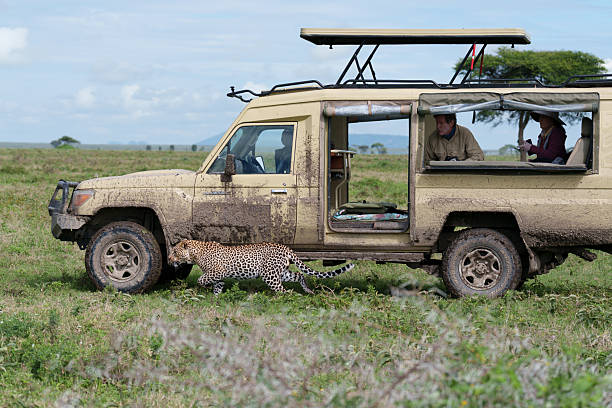
Kenya’s parks are teeming with wildlife. In the Masai Mara, you have excellent chances of seeing the Big Five (lion, leopard, elephant, rhino, buffalo), cheetahs, giraffes, zebras, and countless other species. Amboseli offers incredible elephant viewing with the iconic Kilimanjaro backdrop. Lake Nakuru provides opportunities to see rhinos and a variety of birdlife. The quality of sightings can vary based on season, location within the park, and the skill of your guide.
Accommodation Options
Safari accommodation ranges from basic but comfortable tented camps to luxurious lodges. Options include:
- Tented Camps: Offer a more immersive experience, often with canvas walls and en-suite bathrooms.
- Safari Lodges: Permanent structures offering more amenities, often with swimming pools and restaurants.
- Luxury Camps/Lodges: High-end properties with exceptional service, gourmet dining, and exclusive locations.
Your choice of accommodation will significantly influence the overall cost and feel of your safari. When planning for 2026-2027, consider booking popular lodges well in advance, especially during peak season.
Safari Vehicles and Guides
Most safaris in Kenya utilize custom-built 4×4 safari vehicles (Land Cruisers or Land Rovers) with pop-up roofs for optimal game viewing and photography. Your guide is crucial to your safari experience. An experienced guide can not only track animals effectively but also provide insights into the ecosystem, local culture, and animal behavior. When booking a Moshi to Kenya safari, ensure your operator provides highly-rated, knowledgeable guides.
The Pace of Travel
Overland safaris involve significant driving. Days can be long, with early morning starts to catch animals at their most active. While driving between locations, you’ll have opportunities to see the diverse landscapes of Kenya. If time is a constraint, internal flights are a worthwhile consideration.
Packing and Preparation for Your Safari
Proper packing is essential for comfort and enjoyment on a safari. The climate in Kenya’s safari regions can vary, but generally, days are warm to hot, and nights can be cool, especially in higher altitudes or during the dry season.
Essential Items to Pack:
- Clothing: Neutral-colored clothing (khaki, olive green, brown) is recommended to blend in with the environment and avoid startling wildlife. Avoid bright colors and black/dark blue (which can attract tsetse flies). Pack light layers: t-shirts, long-sleeved shirts, trousers, shorts. A fleece or warm jacket for cool mornings and evenings.
- Footwear: Comfortable walking shoes or hiking boots (if planning any walks), and sandals or flip-flops for relaxing at the lodge.
- Sun Protection: Wide-brimmed hat, sunglasses, high SPF sunscreen.
- Insect Repellent: With DEET or Picaridin for protection against mosquitoes and other insects.
- Camera Gear: Camera, extra batteries, memory cards, zoom lens (essential for wildlife photography), binoculars (crucial for spotting distant animals).
- Personal Items: Personal medications, basic first-aid kit, hand sanitizer, wet wipes.
- Documents: Passport, visa, Yellow Fever certificate, flight tickets, insurance details, emergency contact list. Keep digital copies.
- Adapter: Universal travel adapter for charging electronics.
- Water Bottle: Reusable water bottle to stay hydrated and reduce plastic waste.
Health and Safety
Consult your doctor or a travel clinic at least 4-6 weeks before your trip regarding necessary vaccinations and malaria prophylaxis. While malaria risk exists in many safari areas, it can be mitigated with medication and insect repellent. Drink bottled or purified water only. Be aware of your surroundings, especially in towns and cities. Follow your guide’s instructions at all times when in wildlife areas.
Pre-Trip Checklist
- Book your Safari Package: Confirm itinerary, accommodation, and inclusions.
- Check Passport Validity: Ensure it meets the 6-month requirement.
- Apply for Visas: Research and apply for Kenyan (and Tanzanian if needed) visas.
- Book Flights: Secure international and any necessary internal flights.
- Vaccinations & Malaria Prevention: Consult your doctor and get necessary shots.
- Purchase Travel Insurance: Comprehensive coverage is essential.
- Pack Appropriately: Refer to packing list.
- Inform Bank of Travel: For credit/debit card usage.
- Learn Basic Swahili/Maasai Phrases: A few words can enhance interactions.
- Download Offline Maps: For navigation if traveling independently.
Common Mistakes to Avoid on a Moshi to Kenya Safari
To ensure your safari is as smooth and enjoyable as possible, it’s helpful to be aware of common pitfalls:
- Underestimating Travel Times: Distances in East Africa can be deceiving, and road conditions can be variable. Always factor in ample travel time, especially for border crossings.
- Not Booking in Advance: Popular lodges and safari vehicles, particularly during peak seasons like the Great Migration (July-October), get booked up months, sometimes a year, in advance for 2026 and 2027.
- Ignoring Visa Requirements: Failing to secure the correct visas or having insufficient passport validity can lead to denied entry or significant delays at the border.
- Packing Inappropriately: Bringing the wrong type of clothing can make you uncomfortable, attract insects, or make wildlife wary.
- Over-Scheduling: Trying to cram too many parks or activities into a short trip can lead to exhaustion and less enjoyment. Allow for downtime and spontaneous moments.
- Choosing the Cheapest Option: While budget is a factor, opting for the absolute cheapest tour operator can sometimes mean compromising on vehicle quality, guide experience, or accommodation standards, ultimately impacting your safari.
- Not Clarifying Inclusions/Exclusions: Understand what your safari package covers (e.g., park fees, meals, drinks, guide services) to avoid unexpected costs.
Who is a Moshi to Kenya Safari Best For?
A Moshi to Kenya safari is ideal for travelers who:
- Are seeking a diverse East African experience: Those who want to combine the highlights of Tanzania (like Kilimanjaro or Serengeti) with Kenya’s iconic wildlife destinations.
- Are interested in the Great Migration: Specifically aiming to witness the migration in the Masai Mara during the July-October period.
- Have limited time and want to maximize wildlife viewing: Using internal flights can make this feasible.
- Are adventurous and adaptable: Comfortable with overland travel, border crossings, and the unpredictable nature of wildlife viewing.
- Appreciate expert guidance: Relying on experienced tour operators to handle complex cross-border logistics.
It might be less suitable for travelers who prefer a completely relaxed pace with no long drives, or those who are extremely budget-conscious and unwilling to allocate funds for essential services like experienced guides and reliable vehicles.
Alternatives to a Direct Moshi to Kenya Safari
While a direct Moshi to Kenya safari is a popular choice, other options exist depending on your priorities:
- Tanzania-Focused Safari: If your primary goal is wildlife and you’ve already climbed Kilimanjaro, you could focus entirely on Tanzania’s parks like the Serengeti, Ngorongoro Crater, Tarangire, and Lake Manyara. This avoids border crossings and simplifies logistics.
- Kenya-Focused Safari: If Kenya’s parks are your main interest, you could fly directly into Nairobi (NBO) and begin your safari there, skipping Tanzania altogether.
- Southern Tanzania Safari: For a more off-the-beaten-path experience, consider parks in southern Tanzania like Selous Game Reserve (now Nyerere National Park) and Ruaha National Park. These offer vast wilderness and fewer crowds but are less accessible from Moshi.
- Uganda/Rwanda Gorilla Trekking: If primate encounters are a higher priority, consider combining your Tanzanian experience with gorilla trekking in Uganda or Rwanda, which can be accessed via flights from Nairobi or Kilimanjaro.
Planning Your Safari for 2026-2027
Planning a safari for future years, especially 2026 and 2027, requires foresight and a strategic approach. The demand for East African safaris, particularly for iconic experiences like the Great Migration, remains high.
- Book Early: For peak seasons (July-October 2026, July-October 2027), start planning and booking at least 12-18 months in advance. This is crucial for securing preferred lodges and vehicles.
- Flexibility with Dates: If your schedule allows, consider traveling during the shoulder seasons (e.g., November-December 2026 or January-February 2027) for potentially better availability and prices.
- Monitor Visa and Health Requirements: Regulations can change. Stay updated on official government websites for Kenya and Tanzania regarding visa applications and health advisories for 2026-2027 travel.
- Research Operators Thoroughly: Look for tour operators with a strong track record in cross-border safaris. Read reviews, check their safety protocols, and ensure they are responsive to your queries.
- Understand Park Fee Changes: National park fees can be subject to change. Confirm the current fees with your operator and ensure they are included in your quote.
Booking Your Moshi to Kenya Safari: Expert Advice
Choosing the right tour operator is paramount for a successful Moshi to Kenya safari. At Best Tanzania Tour Operator, we specialize in creating seamless cross-border experiences, leveraging our deep knowledge of both Tanzania and Kenya.
What to Look for in a Tour Operator:
- Experience: Proven experience in organizing multi-country safaris.
- Local Knowledge: Deep understanding of border crossings, park regulations, and best wildlife viewing areas in both countries.
- Customization: Ability to tailor itineraries to your specific interests, budget, and time constraints.
- Quality of Guides and Vehicles: Ensure they use experienced, professional guides and well-maintained 4×4 safari vehicles.
- Transparency: Clear communication regarding inclusions, exclusions, and payment terms.
- Responsiveness: Prompt and helpful responses to your inquiries.
Our Approach at Best Tanzania Tour Operator:
We understand the complexities of a Moshi to Kenya safari. Our team works diligently to ensure every aspect of your journey is meticulously planned:
- Personalized Itinerary Design: We craft bespoke itineraries that flow logically from Moshi into Kenya, optimizing your time and wildlife viewing opportunities.
- Logistical Expertise: We manage all ground transportation, border assistance, internal flights (if chosen), accommodation bookings, and park permits.
- Experienced Guides: Our guides are not only skilled drivers but also passionate naturalists with extensive knowledge of East African wildlife and ecosystems.
- Quality Assurance: We partner with reputable lodges and camps that meet our high standards for comfort, service, and location.
- 24/7 Support: You will have access to our team for support throughout your journey.
Ready to plan your unforgettable Moshi to Kenya safari? Contact us today to discuss your dream itinerary. We are here to help you create a journey of a lifetime, filled with incredible wildlife encounters and seamless travel experiences for 2026 and 2027.
Get in touch:
- WhatsApp: +255616946642
- Email: topguideadventures@gmail.com
- Backup Email: info@topguideadventures.com
Frequently Asked Questions (FAQs)
Q1: Is it possible to do a safari in Kenya starting from Moshi?
A: Absolutely. A Moshi to Kenya safari is a popular and well-established route. It typically involves traveling from Moshi to Nairobi, Kenya, and then proceeding to Kenya’s renowned national parks. We specialize in arranging these seamless cross-border journeys.
Q2: What is the best way to travel from Moshi to the Masai Mara?
A: The most common method is to drive from Moshi to Nairobi (approximately 5-7 hours from the border crossing at Namanga), and then either take a scenic overland drive to the Masai Mara (about 5-6 hours from Nairobi) or take a short internal flight from Nairobi’s Wilson Airport to a Masai Mara airstrip. The flight option saves significant time.
Q3: How long does it take to cross the border from Tanzania to Kenya at Namanga?
A: The border crossing process can vary in time. It typically takes between 1 to 3 hours to complete exit formalities in Tanzania and entry procedures in Kenya. Having an experienced guide or tour operator assist can expedite this process. This is a key consideration when planning your travel for 2026 or 2027.
Q4: What are the visa requirements for a Moshi to Kenya safari?
A: You will need to ensure you have the correct visas for Kenya. Many nationalities can obtain an e-visa for Kenya online before arrival. If you are a Tanzanian resident or citizen, or have a Tanzanian visa, you will still need a separate Kenyan visa. Always check the latest requirements for your specific nationality on official government websites well in advance of your 2026-2027 trip.
Q5: When is the best time to see the Great Migration in Kenya?
A: The Great Migration is primarily in Kenya’s Masai Mara National Reserve from approximately July to October. The most dramatic event, the river crossings of the Mara River, typically occurs between August and October, though this can vary annually. This is a peak time, so booking for 2026 or 2027 during this period requires early planning.
Q6: What is the typical cost of a Moshi to Kenya safari?
A: Safari costs vary significantly based on accommodation level (budget, mid-range, luxury), duration, number of parks visited, and mode of transport (overland vs. flights). A rough estimate for a mid-range 7-day safari could range from $2,000 to $4,000+ per person, excluding international flights. We can provide a personalized quote based on your specific requirements for 2026-2027.
Q7: Do I need a Yellow Fever vaccination for Kenya?
A: A Yellow Fever vaccination certificate is often required for entry into Kenya, especially if you are arriving from or have transited through a country with a risk of Yellow Fever. It’s essential to check the latest health advisories and requirements from official sources or your travel clinic before your 2026 or 2027 safari.
Q8: Can I customize a Moshi to Kenya safari itinerary?
A: Yes, customization is highly recommended. We tailor every safari to our clients’ interests, pace, and budget. Whether you want to focus on specific parks, spend more time on game drives, or include cultural experiences, we can create a unique itinerary for your 2026-2027 adventure.
Q9: What should I pack for a safari in Kenya?
A: Pack light, neutral-colored clothing (khaki, beige, olive green), comfortable walking shoes, a warm jacket for cool evenings, sun protection (hat, sunglasses, sunscreen), insect repellent, binoculars, and your camera. Avoid bright colors and black/dark blue clothing. A detailed packing list will be provided upon booking.
Q10: Is it safe to travel from Moshi to Kenya for a safari?
A: Yes, with proper planning and reputable operators, it is safe. We prioritize your safety by using experienced guides, well-maintained vehicles, and adhering to all safety protocols. We will brief you on any necessary precautions for border crossings and wildlife viewing.
Begin Your Unforgettable Moshi to Kenya Safari Adventure
The journey from Moshi to Kenya offers an unparalleled opportunity to witness the magic of East African wildlife. From the majestic plains of the Masai Mara to the elephant-filled landscapes of Amboseli, this cross-border safari promises memories that will last a lifetime. Planning a trip for 2026 or 2027 requires careful consideration, and we are here to guide you every step of the way.
Let Best Tanzania Tour Operator craft your perfect Moshi to Kenya safari. Our expertise ensures a smooth transition, exceptional wildlife encounters, and a truly immersive experience. Don’t miss out on the adventure of a lifetime.
Contact us today to start planning your 2026-2027 safari:
- WhatsApp: +255616946642
- Email: topguideadventures@gmail.com
- Backup Email: info@topguideadventures.com
Plan your Moshi to Kenya Safari with Top Guide Adventures
Tell us your travel dates, group size, comfort level, and dream experience. We will help you shape a clear, realistic, and memorable Tanzania itinerary.







 Veedesigner
 Fatma Kizanga
 Benjamin Waryuba
 Philip Philip
 John jr Itaja
 Antonia Optatus
 Edith Kanyere
 Neema Iddy
 Kelvin Boniphace
 Damari Maiga



