
Updated planning guide for 2026, 2027-2028
Moshi To Mount Meru Tour: Complete Guide 2026-2027-2028
Discover the wonders of a Moshi to Mount Meru tour. This comprehensive guide covers everything you need to know, from planning and preparation to the best routes and what to expect on this incredible Tanzanian adventure.
WhatsApp +255616946642 | topguideadventures@gmail.com | info@topguideadventures.com
Moshi to Mount Meru Tour: Your Ultimate Planning Guide
The Moshi to Mount Meru tour is an extraordinary adventure that offers a unique perspective on Tanzania’s stunning landscapes and rich cultural heritage. Often overshadowed by its famous neighbor, Kilimanjaro, Mount Meru presents a challenging yet rewarding trekking experience, accessible from the vibrant town of Moshi. This guide is designed to provide you with all the essential information needed to plan and execute an unforgettable Moshi to Mount Meru tour, covering everything from initial planning and preparation to detailed itinerary options and booking advice for 2026 and 2027.
Choosing a Moshi to Mount Meru tour means opting for a trek that is both physically demanding and visually spectacular. Mount Meru, standing at 4,566 meters (14,980 feet), is an extinct volcano and the second-highest mountain in Tanzania. It forms the backdrop to the northern Tanzanian plains and is a vital ecosystem, home to diverse wildlife including buffalo, antelope, and various bird species, particularly in its lower reaches. The trek offers incredible views of Kilimanjaro on clear days, making it a perfect acclimatization trek for those planning to climb Kili, or a fantastic destination in its own right for experienced hikers.
This comprehensive guide will help you understand the nuances of planning a Moshi to Mount Meru tour, ensuring you are well-prepared for the journey ahead. We will explore the best times to go, different route options, what to pack, and how to choose the right tour operator for your 2026 or 2027 adventure.
Quick Facts About Mount Meru
| Feature | Details |
|---|---|
| Elevation | 4,566 meters (14,980 feet) |
| Location | Arusha Region, Tanzania |
| National Park | Arusha National Park |
| Typical Trek Duration | 3 to 5 days |
| Starting Point | Momella Gate (Arusha National Park) |
| Ending Point | Miriakamba Hut or Momella Gate |
| Difficulty | Moderate to Challenging |
| Scenery | Rainforest, moorland, volcanic desert, panoramic views |
| Wildlife Viewing | Common in lower forest zones (elephants, buffalo, monkeys, antelopes) |
Understanding the Moshi to Mount Meru Tour Experience
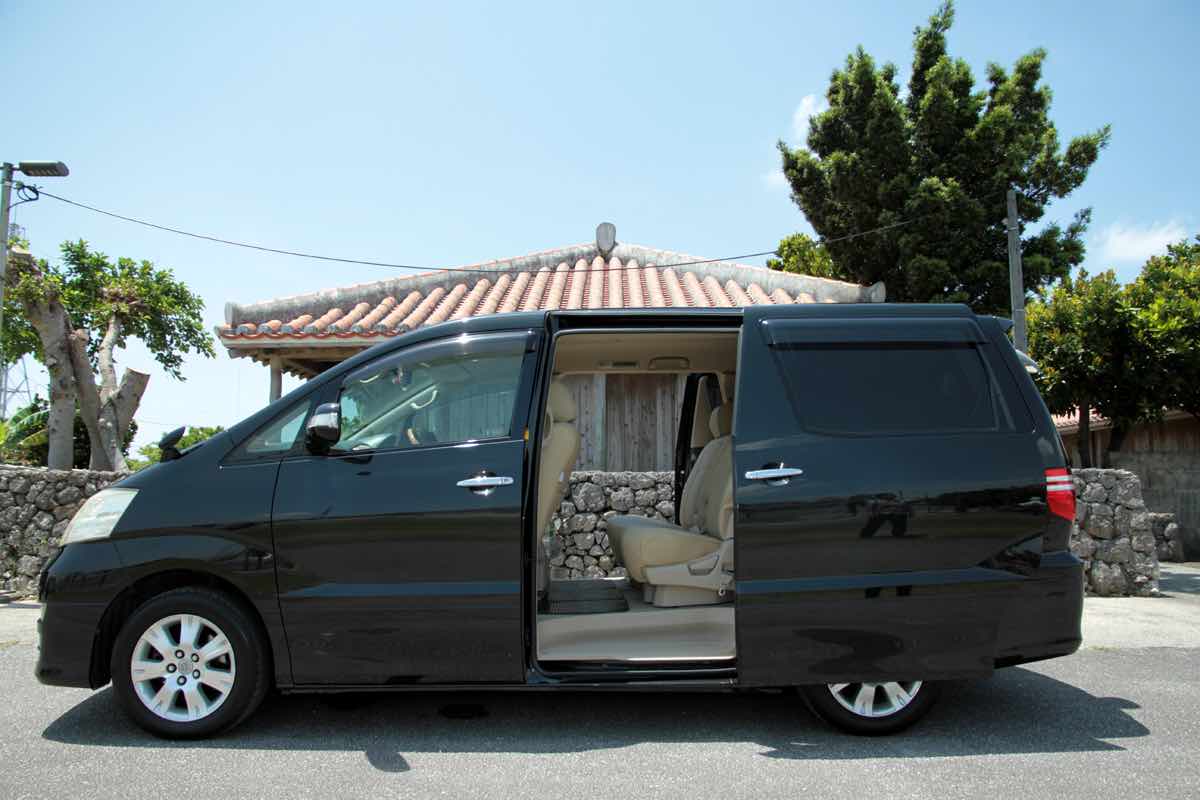
A Moshi to Mount Meru tour is more than just a climb; it’s an immersion into the wild heart of Tanzania. Starting from Moshi, a town nestled at the foot of Mount Kilimanjaro, travelers typically arrange their transport to Arusha National Park, the gateway to Mount Meru. The journey from Moshi to the park entrance, Momella Gate, is relatively short, usually taking around 1-1.5 hours.
The trek itself is usually undertaken via the Momella Route, which is known for its scenic beauty and opportunities for wildlife spotting in the lower forest areas. This route is often preferred for its gradual ascent and the chance to experience the diverse ecological zones of the mountain.
The mountain’s ecosystem transitions dramatically as you gain altitude. You begin in lush rainforests teeming with colobus monkeys, blue monkeys, and various bird species. As you ascend, the vegetation changes to moorland, characterized by heather, giant groundsels, and lobelias, before finally giving way to a stark, rocky alpine desert landscape near the summit.
The summit, Socialist Peak, offers breathtaking 360-degree views, often including Mount Kilimanjaro, Mount Kenya, and the Great Rift Valley on exceptionally clear days. The sense of accomplishment after reaching the summit, especially after navigating the steep final ascent, is immense.
Why Choose Mount Meru Over Other Treks?
While Kilimanjaro is the undisputed king of African peaks, Mount Meru offers a distinct set of advantages for trekkers:
- Acclimatization: Its elevation makes it an excellent training climb for Kilimanjaro, helping trekkers acclimatize to altitude and test their endurance.
- Wildlife Encounters: Arusha National Park is home to a variety of wildlife, and guided walks on the lower slopes often provide close encounters with animals like giraffes, zebras, buffalo, and various monkey species. This is a significant difference from the higher slopes of Kilimanjaro where wildlife is scarce.
- Less Crowded: Compared to Kilimanjaro’s popular routes, Mount Meru is significantly less crowded, offering a more intimate and peaceful trekking experience.
- Scenery: The volcanic crater and diverse ecological zones provide stunning and varied landscapes, from dense forests to barren, rocky terrains. The views of Kilimanjaro from Meru are iconic.
- Shorter Duration: Typically completed in 3-5 days, it’s a more accessible option for those with limited time.
Best Time for a Moshi to Mount Meru Tour
Timing is crucial for any mountain trek, and Mount Meru is no exception. The best periods to undertake a Moshi to Mount Meru tour are during the dry seasons when the weather is most favorable for trekking.
The two primary dry seasons are:
- June to October: This is the longest dry season, offering clear skies, cool temperatures, and excellent visibility. It’s often considered the prime time for trekking in Tanzania.
- December to February: This is the shorter dry season, characterized by warmer temperatures and sunny days. It’s a good alternative if you cannot make it during the June-October window.
While trekking is possible during the wet seasons (March-May and November), it comes with significant challenges:
- Rainfall: Heavy rains can make trails muddy, slippery, and difficult to navigate.
- Visibility: Cloud cover is more frequent, obscuring the spectacular views, especially of Kilimanjaro.
- Temperature: While not as cold as in other regions, the mountain can experience cooler temperatures and higher humidity during the rains.
For planning your Moshi to Mount Meru tour in 2026 or 2027, aiming for the June-October window or the December-February period will maximize your chances of good weather and stunning vistas. It’s advisable to book your trek well in advance, especially if you plan to travel during these peak seasons, as availability can be limited.
Mount Meru Routes and Itinerary Options
The most common and recommended route for a Moshi to Mount Meru tour is the Momella Route. While there are variations, a standard 4-day itinerary is popular for balancing acclimatization, enjoyment, and the challenge of reaching the summit.
The Momella Route (Standard 4-Day Itinerary)
This route starts at Momella Gate and typically involves overnight stays at Miriakamba Hut and Saddle Hut before the summit push.
Day 1: Momella Gate (1,500m) to Miriakamba Hut (2,500m)
- Trek Time: 4-6 hours
- Distance: Approximately 10 km
- Description: The trek begins at Momella Gate, entering the montane forest zone. The path is relatively gentle, winding through dense vegetation. You’ll likely see various species of monkeys, including colobus and blue monkeys, as well as diverse birdlife. Rangers often accompany trekkers for safety due to wildlife in the area. The hike concludes at Miriakamba Hut, situated at 2,500 meters.
Day 2: Miriakamba Hut (2,500m) to Saddle Hut (3,500m)
- Trek Time: 3-5 hours
- Distance: Approximately 8 km
- Description: Today’s trek is steeper as you ascend out of the forest into the moorland zone. The scenery opens up, offering glimpses of the plains below. You’ll pass through lush vegetation with giant heather and groundsels. The destination is Saddle Hut, located at the saddle between Meru’s peaks, offering a strategic point for the summit attempt.
Day 3: Saddle Hut (3,500m) to Socialist Peak (4,566m) and back to Miriakamba Hut (2,500m)
- Trek Time: 8-12 hours (summit and return)
- Distance: Approximately 12 km (round trip to summit)
- Description: This is the most challenging day. The ascent to Socialist Peak begins in the early morning hours (around 2-3 AM) to reach the summit by sunrise. The path is steep and rocky, requiring good physical condition and mental fortitude. The final section involves scrambling. Upon reaching the summit, you’ll be rewarded with spectacular panoramic views. After celebrating, you descend back to Saddle Hut for a short rest before continuing the descent to Miriakamba Hut. This is a long and tiring day.
Day 4: Miriakamba Hut (2,500m) to Momella Gate (1,500m)
- Trek Time: 2-3 hours
- Distance: Approximately 10 km
- Description: A relatively easy descent back to Momella Gate. The trail is often quicker on the way down, and you might spot different wildlife than on the ascent. Upon arrival at the gate, you will be met by your transport back to Moshi or Arusha.
Alternative: 3-Day Itinerary
A 3-day itinerary is also possible, though it significantly increases the difficulty and reduces acclimatization time. It usually involves combining Day 2 and Day 3 of the standard trek, pushing from Miriakamba Hut directly towards the summit, then descending all the way back to Momella Gate on Day 3. This is only recommended for very fit and experienced high-altitude trekkers.
Alternative: 5-Day Itinerary
For those seeking a more relaxed pace and better acclimatization, a 5-day itinerary can be arranged. This often involves an extra night at Miriakamba Hut or Saddle Hut, allowing for acclimatization hikes or simply more time to enjoy the surroundings.
Example 5-Day Itinerary:
- Day 1: Momella Gate to Miriakamba Hut
- Day 2: Miriakamba Hut to Saddle Hut
- Day 3: Saddle Hut – Summit (Socialist Peak) – Saddle Hut
- Day 4: Saddle Hut to Miriakamba Hut
- Day 5: Miriakamba Hut to Momella Gate
The choice of itinerary depends on your fitness level, acclimatization needs, and available time. For most trekkers planning a Moshi to Mount Meru tour, the 4-day Momella Route provides the best balance.
What to Expect on Your Moshi to Mount Meru Tour
Preparation is key to enjoying your trek. Understanding what to expect will help you pack appropriately and mentally prepare for the challenges and rewards.
Terrain and Trails
The trails on Mount Meru vary significantly. The lower slopes are characterized by well-trodden paths through dense rainforest, often muddy and slippery, especially after rain. As you ascend, the terrain becomes more open, transitioning to rocky paths, scree slopes, and eventually a volcanic cinder path leading to the summit. The final ascent to Socialist Peak is steep and requires careful footing and sometimes scrambling.
Wildlife Encounters
Arusha National Park is a wildlife haven. While trekking, especially on the first day, you have a good chance of spotting:
- Colobus monkeys and blue monkeys in the forest.
- Buffalo and various antelope species (e.g., bushbuck, duiker).
- Zebras and giraffes can sometimes be seen from the trail in the lower park areas.
- Birds of prey and numerous smaller bird species.
Safety Note: Due to the presence of wild animals, especially elephants and buffalo, trekkers are accompanied by armed rangers on the lower slopes. Always follow the advice of your guide and rangers.
Accommodation
Accommodation on the mountain consists of basic mountain huts:
- Miriakamba Hut: A larger hut complex with dormitory-style sleeping arrangements. Basic toilet facilities are available.
- Saddle Hut: A smaller hut, also with dormitory-style rooms. Facilities are basic.
These huts provide shelter and a place to sleep but are not luxurious. Expect communal sleeping areas, and shared, basic toilet facilities. Meals are prepared by your trekking crew and served in a communal dining area or your hut.
Guides and Porters
A professional trekking team is essential for a safe and enjoyable Moshi to Mount Meru tour. This typically includes:
- Lead Guide: Experienced in high-altitude trekking and knowledgeable about the mountain’s flora, fauna, and safety protocols.
- Assistant Guides: Support the lead guide, especially on the summit push.
- Porters: Carry your main luggage, tents (if applicable, though huts are standard), and equipment to the huts.
- Cook: Prepares all meals during the trek.
- Armed Ranger: Required by park regulations for the lower forest sections due to wildlife.
Your tour operator will arrange this team. Ensure they are reputable and well-equipped.
Climate and Weather
The weather on Mount Meru can change rapidly. Even during dry seasons, you can experience sunshine, mist, rain, and wind, sometimes all in one day. Temperatures can range from pleasant during the day at lower altitudes to freezing at the summit during the early morning hours.
Summit Night
The ascent to Socialist Peak is the most demanding part of the trek. It’s a long, cold, and steep climb in the dark. Proper preparation, including warm clothing, adequate hydration, and mental resilience, is crucial. The reward of watching the sunrise from the summit, with views stretching across Tanzania, is unparalleled.
Packing and Preparation for Your Moshi to Mount Meru Tour
Proper packing is vital for comfort and safety. You’ll need to pack for a range of conditions, from warm rainforests to cold, windy summit nights. Your main bag will be carried by porters to the huts, while you’ll need a daypack for essentials during the trek.
Essential Gear Checklist
- Clothing:
- Moisture-wicking base layers (tops and bottoms)
- Insulating mid-layers (fleece jacket, down vest)
- Waterproof and windproof outer shell (jacket and trousers)
- Trekking trousers (quick-drying)
- Warm hat (wool or fleece)
- Sun hat or cap
- Gloves (warm, waterproof if possible)
- Liner gloves
- Warm socks (wool or synthetic, several pairs)
- Camp clothes (comfortable trousers, t-shirt)
- Footwear:
- Sturdy, broken-in hiking boots (waterproof recommended)
- Camp shoes or sandals (for evenings at the hut)
- Trekking Gear:
- Backpack (40-60 liters for porters, 25-35 liters for daypack)
- Waterproof backpack cover
- Trekking poles (highly recommended for ascents and descents)
- Headlamp or flashlight with extra batteries
- Water bottles or hydration reservoir (at least 2-3 liters capacity)
- Sunglasses
- Sunscreen (high SPF)
- Lip balm with SPF
- Insect repellent
- Personal first-aid kit (with any personal medications)
- Toiletries (biodegradable soap, toothbrush, toothpaste, wet wipes)
- Quick-drying towel
- Hand sanitizer
- Snacks (energy bars, nuts, dried fruit)
- Camera and spare batteries/power bank
- Toilet paper
- Sleeping Gear:
- Sleeping bag (rated to at least -10°C / 15°F, down recommended)
- Sleeping bag liner (optional, for added warmth)
- Documents & Money:
- Passport and visa (if required)
- Travel insurance details
- Cash (USD for tips, local currency for incidentals)
Physical Preparation
Mount Meru is a demanding trek. Physical fitness is paramount. Start training at least 2-3 months before your trek. Focus on:
- Cardiovascular Fitness: Engage in regular aerobic activities like running, cycling, swimming, or brisk walking.
- Strength Training: Focus on leg strength (squats, lunges) and core strength.
- Hiking Practice: Undertake regular hikes, ideally with a backpack and on uneven terrain, to simulate mountain conditions. Include some longer, multi-day hikes if possible.
- Altitude Acclimatization: If possible, spend a few days at moderate altitude before starting your trek.
Mental Preparation
Be prepared for the physical discomfort, the cold, the early starts, and the long hours of trekking. A positive attitude and determination are as important as physical fitness. Remember why you are doing the trek and focus on the incredible experience.
Vaccinations and Health
Consult your doctor or a travel clinic well in advance of your trip for recommended vaccinations and malaria precautions. Yellow fever vaccination may be required for entry into Tanzania, depending on your travel history. It is advisable to have a comprehensive travel insurance policy that covers emergency medical evacuation from remote areas.
Common Mistakes to Avoid on a Moshi to Mount Meru Tour
Many trekkers make similar mistakes that can detract from their experience. Being aware of these can help you avoid them:
- Inadequate Preparation: Not training sufficiently for the physical demands of the trek.
- Poor Gear Choices: Bringing inappropriate clothing (e.g., cotton), worn-out boots, or insufficient layers.
- Underestimating Altitude: Not taking acclimatization seriously, leading to altitude sickness. Ascending too quickly is a common cause.
- Dehydration: Not drinking enough water. Altitude can increase fluid loss, and dehydration exacerbates altitude sickness symptoms.
- Poor Nutrition: Relying solely on provided meals without bringing personal snacks for energy boosts.
- Ignoring Symptoms of Altitude Sickness: Pushing on despite symptoms like headache, nausea, or dizziness, rather than informing your guide.
- Not Packing Essentials: Forgetting items like a headlamp, sunscreen, or sufficient warm clothing for summit night.
- Choosing an Unreliable Operator: Opting for the cheapest option without verifying their safety standards, guide qualifications, and porter welfare policies.
- Overpacking: Bringing too much gear that adds unnecessary weight, especially for your daypack.
By learning from these common pitfalls, you can significantly enhance your chances of a successful and enjoyable Moshi to Mount Meru tour.
Who is a Moshi to Mount Meru Tour Best For?
A Moshi to Mount Meru tour is a rewarding experience suited for a range of travelers:
- Aspiring Kilimanjaro Climbers: It’s an excellent preparatory trek, offering vital acclimatization and a taste of high-altitude trekking without the commitment of a full Kili climb.
- Experienced Hikers Seeking a Challenge: Those who enjoy challenging treks and want to conquer a significant African peak.
- Nature Enthusiasts and Wildlife Lovers: The trek offers diverse landscapes and opportunities to see wildlife in its natural habitat, especially in the lower park areas.
- Travelers with Limited Time: The 3-5 day duration makes it feasible for those who cannot undertake longer expeditions.
- Adventurous Souls: Anyone looking for an authentic African adventure away from the most beaten paths.
It is generally not recommended for:
- Individuals with severe pre-existing medical conditions that could be aggravated by high altitude or strenuous activity.
- Young children who may not be able to cope with the physical demands or altitude.
- Those seeking a purely relaxing holiday; this is an active adventure.
Alternatives to a Moshi to Mount Meru Tour
If a Moshi to Mount Meru tour isn’t quite what you’re looking for, Tanzania offers several other incredible adventure and trekking opportunities:
| Option | Description | Best For |
|---|---|---|
| Kilimanjaro Climb | Africa’s highest peak (5,895m). Offers multiple routes (Machame, Lemosho, Marangu, etc.) and varying durations (5-9 days). More challenging and requires greater commitment. | Those seeking the ultimate African summit challenge. |
| Mount Kenya Trekking | Second highest peak in Kenya (5,199m). Offers diverse routes (Sirimon, Chogoria) and stunning alpine scenery. Less crowded than Kilimanjaro. | Trekkers looking for a challenging alpine environment with beautiful lakes and peaks. |
| Usambara Mountains Trekking | Located in northeastern Tanzania, these mountains offer lush forests, unique biodiversity, and cultural experiences. Treks are generally lower altitude and focus on nature walks and village visits. | Nature lovers, birdwatchers, and those interested in cultural immersion and gentle trekking. |
| Grumeti River Safari (Serengeti) | While not a trek, this offers a different kind of adventure. Focuses on wildlife viewing, particularly during the Great Migration. | Wildlife enthusiasts seeking classic African safari experiences. |
| Zanzibar Beach Holiday | Relaxation and cultural exploration on the Spice Island. Not a trekking option, but a popular addition to Tanzanian trips. | Those looking for relaxation, history, and beautiful beaches after an adventure. |
Each of these options provides a unique Tanzanian experience. A Moshi to Mount Meru tour offers a fantastic middle ground, combining significant trekking challenge with accessible wildlife viewing and stunning scenery, without the extreme altitude or logistical complexity of Kilimanjaro.
Planning Your Moshi to Mount Meru Tour for 2026-2027
Planning ahead is essential for a successful trek, especially for popular travel years like 2026 and 2027. Early booking ensures better availability of guides, porters, and accommodation. Here’s a guide to help you plan:
Booking Timeline
- 12+ Months Ahead: Ideal for booking during peak seasons (June-October, December-February) and for securing preferred dates in 2026 or 2027. Research and choose your tour operator.
- 6-9 Months Ahead: If you missed the ideal window, start booking now. Confirm your itinerary and any specific requirements. Begin your physical training.
- 3-6 Months Ahead: Finalize your booking. Purchase necessary gear and start a consistent training regimen. Arrange necessary visas and vaccinations.
- 1-3 Months Ahead: Continue training. Pack your gear, ensuring everything is functional. Confirm flight details and travel insurance.
- Weeks Before Departure: Get a final medical check-up. Inform your bank about your travel plans. Pack your daypack with essentials.
Choosing a Tour Operator
Selecting the right tour operator is crucial for safety, quality, and your overall experience. Look for operators that:
- Are locally based: Operators like Best Tanzania Tour operator (Top Guide Adventures) have in-depth knowledge of the local conditions and established relationships.
- Prioritize Safety: Ensure they have qualified guides, emergency protocols, and carry comprehensive first-aid kits.
- Support Porter Welfare: Ethical treatment and fair wages for porters are important indicators of a responsible company.
- Offer Clear Inclusions/Exclusions: Understand what is covered in the price (park fees, permits, meals, accommodation, guides, porters, transport) and what is not (tips, personal items, travel insurance).
- Have Positive Reviews: Look for independent reviews and testimonials.
Budget Considerations
While exact prices fluctuate, the cost of a Moshi to Mount Meru tour is influenced by several factors:
- Tour Operator: Local operators are often more affordable than international ones.
- Itinerary Length: Longer treks cost more due to additional days of guiding, porterage, and park fees.
- Group Size: Private treks are more expensive per person than joining a group.
- Inclusions: Packages that include more amenities or higher quality gear might be pricier.
Typically, the price covers park entry fees, camping/hut fees, rescue fees, guide and porter salaries, food during the trek, and transportation to/from the park gate. Tips for the crew are usually additional and are a significant part of their income.
Visa and Vaccinations
Ensure you have the necessary visa for Tanzania well in advance. Check the latest requirements with the Tanzanian embassy or consulate in your country. Consult your doctor about recommended vaccinations, including Yellow Fever (which may be mandatory depending on your travel history), Typhoid, Hepatitis A, and routine vaccines. Malaria prophylaxis is also recommended for Tanzania.
Travel Insurance
Comprehensive travel insurance is non-negotiable. It should cover:
- High-altitude trekking up to 4,566 meters.
- Emergency medical treatment and evacuation (including helicopter evacuation).
- Trip cancellation and interruption.
- Lost or stolen baggage.
Frequently Asked Questions (FAQs) About Moshi to Mount Meru Tours
Is Mount Meru suitable for beginners?
Mount Meru is considered moderately challenging. While not as technically demanding as some peaks, its altitude and the steep final ascent require good physical fitness and acclimatization. It is suitable for beginners with a solid fitness base and proper preparation, but it’s a step up from casual hiking.
What is the best route for a Moshi to Mount Meru tour?
The Momella Route is the most popular and recommended route. It offers a scenic ascent through diverse ecological zones and allows for wildlife viewing. A standard 4-day itinerary on the Momella Route is generally considered the best balance for most trekkers.
How difficult is the summit day?
Summit day is the most challenging part of the trek. It involves an early morning start (around 2-3 AM), a steep, sustained climb in the dark, and often cold, windy conditions. The final section to Socialist Peak involves scrambling and requires significant endurance and mental fortitude.
What are the accommodation facilities like on Mount Meru?
Accommodation is in basic mountain huts, typically Miriakamba Hut and Saddle Hut. These offer dormitory-style sleeping quarters. Facilities are very basic, with shared beds and shared toilet facilities. They provide shelter and a place to rest, but not luxury.
Do I need to be accompanied by a guide and porters?
Yes, it is mandatory to trek with licensed guides. Rangers are also required for the lower forest sections due to wildlife. Porters are highly recommended to carry your main luggage, allowing you to focus on your daypack and the trek itself. Reputable tour operators will arrange a full professional team.
What is the best time to plan a Moshi to Mount Meru tour in 2026-2027?
The best times are during the dry seasons: June to October and December to February. These periods offer clearer skies, better visibility, and more stable weather conditions, making the trek more enjoyable and safer.
What is the risk of altitude sickness on Mount Meru?
There is a significant risk of altitude sickness, as Mount Meru reaches 4,566 meters. Proper acclimatization, a slow ascent, adequate hydration, and avoiding overexertion are crucial. Inform your guide immediately if you experience any symptoms.
What should I pack for a Moshi to Mount Meru tour?
Key items include waterproof and windproof outer layers, warm mid-layers (fleece, down), thermal base layers, sturdy hiking boots, warm hat and gloves, a good sleeping bag, trekking poles, and a reliable headlamp. A detailed packing list is essential.
Can I climb Mount Meru solo?
No, it is not permitted to climb Mount Meru solo. Park regulations require trekkers to be accompanied by licensed guides and rangers for safety reasons, particularly due to wildlife in the lower sections and the challenging nature of the upper mountain.
How much should I tip the trekking crew?
Tipping is customary and a significant part of the crew’s income. A general guideline is around $10-$20 per day for the lead guide, $8-$15 for assistant guides and cooks, and $5-$10 for porters, per trekker. Your tour operator can provide more specific recommendations for 2026-2027.
Book Your Moshi to Mount Meru Tour with Experts
Planning a Moshi to Mount Meru tour is an exciting endeavor, and partnering with an experienced and reputable tour operator will ensure your adventure is safe, memorable, and well-organized. We specialize in creating personalized trekking experiences in Tanzania, including comprehensive Moshi to Mount Meru tours.
Our team is dedicated to providing high-quality service, prioritizing your safety, and ensuring a responsible and ethical trekking experience. We handle all the logistics, from park permits and guide arrangements to meals and transportation, allowing you to focus on the incredible journey ahead.
Whether you are planning for 2026, 2027, or 2028, we are ready to help you craft the perfect Mount Meru adventure. Don’t leave your once-in-a-lifetime trek to chance. Reach out to our expert team today to discuss your requirements and get a personalized quote.
Contact us to start planning your Moshi to Mount Meru tour:
- WhatsApp: +255616946642
- Email: topguideadventures@gmail.com
- Backup Email: info@topguideadventures.com
Let us help you conquer Mount Meru and experience the breathtaking beauty of Tanzania!
Plan your Moshi to Mount Meru Tour with Top Guide Adventures
Tell us your travel dates, group size, comfort level, and dream experience. We will help you shape a clear, realistic, and memorable Tanzania itinerary.







 Veedesigner
 Fatma Kizanga
 Benjamin Waryuba
 Philip Philip
 John jr Itaja
 Antonia Optatus
 Edith Kanyere
 Neema Iddy
 Kelvin Boniphace
 Damari Maiga



