
Updated planning guide for 2026, 2027-2028
Moshi To Nairobi Transfer And Safari: Best Guide 2026-2027-2028
Your ultimate guide to the Moshi to Nairobi transfer and safari experience. Get practical advice, itinerary ideas, and planning tips for your 2026-2027 adventure.
WhatsApp +255616946642 | topguideadventures@gmail.com | info@topguideadventures.com
Moshi to Nairobi Transfer and Safari: Your Expert Travel Guide
The journey from Moshi, Tanzania, to Nairobi, Kenya, is a popular route for travelers looking to experience two distinct yet complementary East African safari destinations. Whether you are concluding a Kilimanjaro climb in Moshi and heading to Kenya for a different wildlife viewing experience, or starting your Tanzanian adventure from Nairobi, understanding the transfer process and the safari opportunities is key to a smooth and memorable trip. This guide provides an in-depth look at everything you need to know for your Moshi to Nairobi transfer and safari plans in 2026 and 2027.
This comprehensive resource covers transportation options, safari highlights in both regions, essential planning details, cost considerations, and tips to make your cross-border journey and safari as rewarding as possible. We aim to equip you with the knowledge to make informed decisions, avoid common pitfalls, and truly appreciate the incredible biodiversity and cultural richness that lies between these two iconic East African hubs.
| Aspect | Details |
|---|---|
| Primary Route | Road transfer via Namanga border crossing. |
| Transfer Time | Approximately 6-9 hours, including border crossing. |
| Key Safari Destinations (Tanzania side, near Moshi) | Kilimanjaro National Park, Arusha National Park, Lake Manyara National Park, Tarangire National Park, Ngorongoro Conservation Area, Serengeti National Park. |
| Key Safari Destinations (Kenya side, accessible from Nairobi) | Masai Mara National Reserve, Amboseli National Park, Lake Nakuru National Park, Tsavo National Parks, Samburu National Reserve. |
| Best Time to Travel (Safari) | Dry seasons: June-October and December-February for general game viewing. June-October for wildebeest migration in Masai Mara. January-February for calving season in Serengeti. |
| Visa Requirements | Tanzania visa (if needed) and Kenya visa (or e-visa) required. Check specific nationality requirements. |
| Currency | Tanzanian Shilling (TZS) and Kenyan Shilling (KES). USD widely accepted for tourism. |
Understanding the Moshi to Nairobi Transfer
The most common and practical method for traveling between Moshi and Nairobi is by road. This route involves crossing the border between Tanzania and Kenya at Namanga. While flights are technically possible (e.g., Kilimanjaro International Airport – JRO to Jomo Kenyatta International Airport – NBO), they are often significantly more expensive, require connections, and do not offer the same immersive experience as a road trip, which allows for glimpses of rural life and changing landscapes.
Road Transfer Options
Several types of road transfers are available, catering to different budgets and preferences:
- Shared Shuttle Buses: These are the most budget-friendly option. Companies operate daily services, picking up passengers from designated points in Moshi and dropping them off at similar points in Nairobi. They are generally reliable but can be crowded and less comfortable, with fixed schedules. The journey can take longer due to multiple stops.
- Private Transfers: This offers the most comfort and flexibility. You can hire a private vehicle (usually a 4×4 or a comfortable minivan) with a dedicated driver. This allows you to set your own departure time, stop for photos or breaks as needed, and enjoy a more personalized journey. This is often the preferred choice for tourists combining safari packages or seeking convenience.
- Self-Drive: While possible, self-driving across the border is generally not recommended for tourists due to varying road conditions, unfamiliarity with local driving habits, and the complexities of cross-border vehicle insurance and permits.
The Namanga Border Crossing
The Namanga border post is a bustling point of entry and exit. The process involves clearing immigration and customs in Tanzania and then proceeding to the Kenyan side to complete the entry procedures. This can take anywhere from 30 minutes to over two hours, depending on the volume of travelers and efficiency on the day. Having your visa documentation (or confirmation of e-visa) ready is crucial.
Key Steps at the Border:
- Tanzanian Exit: Present your passport and immigration departure card.
- Kenyan Entry: Present your passport and required visa for Kenya. You may need to fill out an entry form.
- Baggage Check: Your luggage may be inspected by customs officials on both sides.
Pro Tip: If you are on a private transfer, your driver will be experienced with the border procedures and will guide you through the process, often assisting with paperwork.
Duration and Stops
The total travel time for the Moshi to Nairobi transfer is typically between 6 to 9 hours. This includes the drive from Moshi to Namanga (approx. 2-3 hours), the border crossing time, and the drive from Namanga to Nairobi (approx. 3-4 hours). If you opt for a private transfer, you can schedule stops at scenic viewpoints or for refreshments along the way. Shared shuttles have fixed schedules and limited stopping points.
Safari Opportunities: Tanzania vs. Kenya
The primary allure of this route is the access it provides to world-class safari destinations in both Tanzania and Kenya. While geographically close, the safari experiences, wildlife concentrations, and landscapes offer unique perspectives.
Tanzanian Safari Highlights (Near Moshi)
Moshi serves as a gateway to Northern Tanzania’s renowned safari circuit, often referred to as the ‘Northern Circuit’. This region is famous for its high concentration of wildlife and dramatic landscapes.
- Kilimanjaro National Park: While primarily for climbing, the lower slopes offer guided nature walks and opportunities to spot forest-dwelling wildlife and diverse birdlife.
- Arusha National Park: Easily accessible from Moshi, this park features Mount Meru, alkaline lakes, and diverse habitats. It’s known for its large herds of buffalo, diverse birdlife, and opportunities for walking safaris and canoeing. It’s a great introduction to Tanzanian wildlife.
- Lake Manyara National Park: Famous for its tree-climbing lions, large elephant herds, and vibrant birdlife, especially flamingos on the lake’s edge. The park’s compact size makes it ideal for shorter game drives.
- Tarangire National Park: Known for its massive baobab trees and large elephant populations, Tarangire is particularly spectacular during the dry season (June-October) when animals congregate around the Tarangire River.
- Ngorongoro Conservation Area: A UNESCO World Heritage Site, the Ngorongoro Crater is a collapsed volcano caldera teeming with wildlife. It offers exceptional opportunities to see the ‘Big Five’ (lion, leopard, elephant, rhino, buffalo) in a single day, often with high visibility.
- Serengeti National Park: Tanzania’s most famous park, the Serengeti is synonymous with the Great Migration. Its vast plains offer incredible game viewing year-round, with different regions best visited depending on the time of year to track the movement of wildebeest and zebras.
Kenyan Safari Highlights (Accessible from Nairobi)
Nairobi serves as the hub for Kenya’s legendary safari destinations, offering a different, yet equally spectacular, wildlife experience.
- Masai Mara National Reserve: Arguably Kenya’s most famous park, the Mara is renowned for its large predator populations, abundant wildlife, and the annual Great Migration (July-October). It shares a border with the Serengeti, and the migration moves between the two.
- Amboseli National Park: Famous for its large elephant herds and breathtaking views of Mount Kilimanjaro across the border in Tanzania. It’s an iconic safari backdrop.
- Lake Nakuru National Park: Known for its large flamingo population (though numbers can vary), rhinos (both black and white), and diverse birdlife. It’s also home to Rothschild giraffes.
- Tsavo National Parks (East & West): These are Kenya’s largest parks, offering vast, rugged landscapes and opportunities to see the ‘red elephants’ of Tsavo. They are less crowded than the Mara and offer a more wild, remote feel.
- Samburu National Reserve: Located in northern Kenya, Samburu is known for its unique ‘Samburu Special Five’: the reticulated giraffe, Grevy’s zebra, Somali ostrich, gerenuk, and beisa oryx.
Planning Your Moshi to Nairobi Transfer and Safari
Effective planning is crucial for a successful Moshi to Nairobi transfer and safari. Consider these factors well in advance, especially if you are planning for 2026 or 2027.
Best Time for the Transfer and Safari
The ‘best time’ depends on your priorities. For the transfer itself, the dry seasons (June-October and December-February) generally mean better road conditions. However, the rains usually don’t make the main routes impassable.
For safari, the dry seasons are generally preferred for game viewing as animals congregate around water sources, making them easier to spot. The Great Migration is a major draw, typically crossing the Mara River from Tanzania into Kenya between July and October. If your goal is to witness this spectacle, plan your trip accordingly.
| Month | Tanzania (Northern Circuit) | Kenya (Masai Mara focus) | Moshi-Nairobi Transfer |
|---|---|---|---|
| Jan-Feb | Calving season in Serengeti; excellent game viewing. Dry season. | Dry season; good game viewing, fewer crowds. | Good for transfer. |
| Mar-May | Long rains; can disrupt game viewing and road conditions. | Long rains; lush landscapes, fewer tourists, but game viewing can be challenging. | Transfer possible, but potential for rain delays. |
| Jun-Oct | Dry season; Great Migration in Western/Northern Serengeti. Excellent game viewing. | Dry season; Great Migration arrives in Masai Mara (peak Jul-Oct). Excellent game viewing. | Ideal for transfer; dry roads. |
| Nov-Dec | Short rains; can be good for birding and lush scenery. | Short rains; landscapes become greener. Game viewing still good. | Transfer possible, expect some rain. |
Visa and Entry Requirements
Ensure you have the correct visas for both Tanzania and Kenya well in advance. Many nationalities can obtain visas upon arrival, but e-visas are increasingly common and recommended to expedite the process. Check the official government websites for the most up-to-date requirements for your nationality.
- Tanzania: Visa required for most nationalities. Can be obtained online or on arrival.
- Kenya: Visa required for most nationalities. An e-visa is mandatory for many travelers and should be applied for online before arrival.
Currency and Budgeting
While USD is widely accepted for tourism services (safaris, accommodation, private transfers), it’s useful to have local currency (TZS in Tanzania, KES in Kenya) for smaller purchases, tips, or local markets. ATMs are available in major towns like Moshi and Nairobi. For budgeting, factor in the cost of the transfer, accommodation, park fees, activities, and food.
Cost Notes:
- Shared shuttles are the cheapest transfer option.
- Private transfers are more expensive but offer comfort and flexibility.
- Safari costs vary significantly based on accommodation standard (budget, mid-range, luxury), duration, parks visited, and whether you join a group or opt for a private safari.
- Park fees are a significant part of safari costs and are charged per person per day.
Booking Your Transfer and Safari
It’s highly recommended to book your safari and transfer in advance, especially if traveling during peak season (June-October) or planning for 2026-2027. Reputable tour operators can arrange both the transfer and your safari package, offering a convenient, all-in-one solution.
When booking, consider:
- Tour Operator Reputation: Look for operators with good reviews and a proven track record.
- Inclusions: Clearly understand what is included in your safari package (accommodation, park fees, meals, guide, vehicle, water, etc.) and what is not (visas, tips, personal expenses).
- Customization: Can the operator tailor an itinerary to your interests and budget?
Sample Itinerary Logic: Combining Moshi & Nairobi Safaris
A common traveler path involves experiencing Tanzanian safaris before crossing to Kenya, or vice versa. Here’s a potential itinerary flow, assuming you are starting from Moshi.
Option 1: Tanzania Safari First, then Transfer to Nairobi for Kenya Safari
Day 1-3: Arusha/Kilimanjaro Region
- Arrive in Moshi/Arusha.
- Optional: Day trip to Arusha National Park, or guided walk on Kilimanjaro slopes.
Day 4-7: Northern Circuit Safari (e.g., Tarangire & Ngorongoro)
- Begin a 3-4 day safari covering Tarangire National Park and the Ngorongoro Crater. Stay in lodges or tented camps.
Day 8: Serengeti Safari (Optional Extension)
- Continue to the Serengeti for 2-3 days of exploration, focusing on game drives.
Day 9: Moshi to Nairobi Transfer
- Morning: Enjoy a final breakfast.
- Mid-morning: Depart Moshi for your pre-booked private transfer to Nairobi.
- Afternoon: Arrive in Nairobi, check into your hotel.
Day 10-13: Nairobi & Kenya Safari (e.g., Masai Mara)
- Day 10: Nairobi city tour, visit Giraffe Centre, or Sheldrick Elephant Orphanage.
- Day 11-13: Fly or drive to Masai Mara for a 3-day safari. Experience game drives, optional hot air balloon ride.
Option 2: Nairobi First, then Transfer to Moshi for Tanzania Safari
Day 1-3: Nairobi & Kenya Safari (e.g., Amboseli or Lake Nakuru)
- Arrive in Nairobi.
- Day trip or short safari to a nearby park like Amboseli or Lake Nakuru.
Day 4: Nairobi to Moshi Transfer
- Morning: Depart Nairobi for your pre-booked transfer to Moshi.
- Afternoon: Arrive in Moshi, check into your accommodation.
Day 5-8: Tanzania Safari (e.g., Ngorongoro & Serengeti)
- Begin a 4-5 day safari covering the Northern Circuit, including Lake Manyara, Ngorongoro Crater, and Serengeti National Park.
Day 9 onwards: Kilimanjaro Climb or Departure
- Prepare for a Kilimanjaro climb, or explore local culture around Moshi before departure.
Route Overview: Moshi to Nairobi
The primary overland route connects Moshi (Tanzania) to Nairobi (Kenya) via the Namanga border crossing.
Simplified Route:
- Moshi, Tanzania
- Drive East/North-East towards the Tanzanian side of the Namanga border (approx. 2-3 hours).
- Namanga Border Post: Immigration and customs clearance for Tanzania exit and Kenya entry.
- Drive North/North-East from the Kenyan side of Namanga towards Nairobi (approx. 3-4 hours).
- Nairobi, Kenya
This route passes through varied landscapes, from the fertile plains around Kilimanjaro to the semi-arid savannahs bordering the Amboseli ecosystem and then into the more populated areas approaching Nairobi.
What to Expect on Your Safari and Transfer
Combining a road transfer with safaris in two countries offers a rich experience. Here’s what to anticipate:
On the Road (Moshi to Nairobi Transfer)
- Scenery: Expect changing landscapes, from agricultural areas and the shadow of Kilimanjaro to dry savannah and bustling towns.
- Comfort: Private transfers offer good comfort. Shared shuttles can be less so, especially on longer journeys. Bring water and snacks.
- Border Process: Be patient. Have all your documents ready. Your driver will assist, but it can still take time.
- Arrival in Nairobi: Nairobi is a large, vibrant city. Your accommodation will likely be pre-booked.
On Safari (Tanzania & Kenya)
- Wildlife Viewing: Both countries offer incredible wildlife. Tanzania’s Northern Circuit is known for density and the Ngorongoro Crater’s unique ecosystem. Kenya’s Masai Mara is famed for predators and the migration.
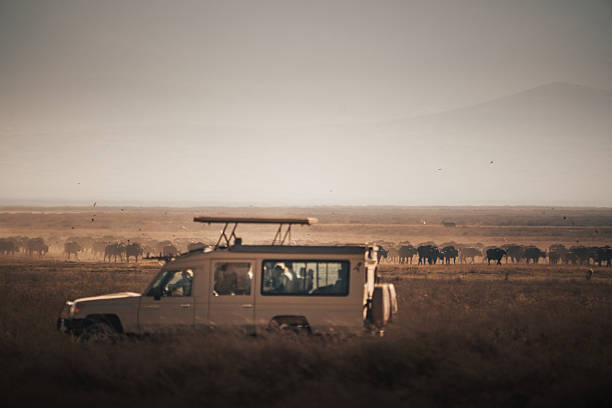
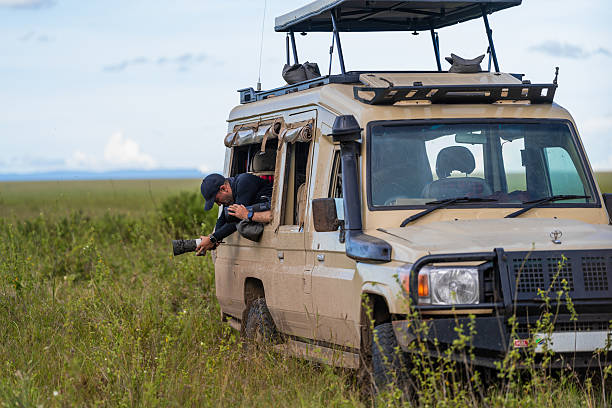
- Game Drives: Typically conducted in 4×4 safari vehicles with pop-up roofs for optimal viewing. Early morning and late afternoon drives usually yield the best sightings.
- Accommodation: Ranges from comfortable tented camps to luxurious lodges. Options cater to various budgets.
- Guides: Experienced safari guides are essential for spotting wildlife and understanding animal behavior.
- Park Fees: These are substantial and contribute to conservation efforts. They are usually included in package prices.
Essential Packing and Preparation
Proper packing ensures comfort and readiness for your adventure. The climate can vary, so layering is key.
Clothing
- Neutral Colors: Khaki, beige, olive green are best for safaris to avoid startling wildlife. Avoid bright colors and black/dark blue (attracts tsetse flies).
- Layers: T-shirts, long-sleeved shirts (for sun and insect protection), fleece jacket or sweater for cool mornings/evenings.
- Trousers/Shorts: Comfortable walking trousers and a couple of pairs of shorts.
- Rain Gear: A lightweight waterproof jacket, especially during the rainy seasons.
- Sun Protection: Wide-brimmed hat, sunglasses, high SPF sunscreen.
Footwear
- Comfortable Shoes: Closed-toe walking shoes or hiking boots are ideal for game walks or light trekking.
- Sandals/Flip-flops: For relaxing at camps/lodges.
Health and Safety
- Insect Repellent: With DEET for malaria prevention.
- Personal First-Aid Kit: Include any personal medications, antiseptic wipes, bandages, pain relievers.
- Antimalarials: Consult your doctor about prophylaxis.
- Hand Sanitizer: Useful when facilities are basic.
- Water: Always drink bottled or purified water. Your tour operator will provide this on safari.
Other Essentials
- Camera and Extra Batteries/Memory Cards: You’ll want to capture everything.
- Binoculars: Highly recommended for spotting distant wildlife.
- Power Adapter: For charging electronics (Type G in Kenya, Type D in Tanzania, but often Type G is also used).
- Headlamp/Torch: Useful in camps/lodges at night.
- Passport and Copies: Keep originals secure and have photocopies.
- Cash: USD for tips and small purchases.
Preparation Checklist:
- Confirm visa requirements for Tanzania and Kenya.
- Book flights to Kilimanjaro International Airport (JRO) or Nairobi Jomo Kenyatta International Airport (NBO).
- Book your Moshi to Nairobi transfer and safari package.
- Arrange travel insurance covering medical emergencies and trip cancellations.
- Consult your doctor for necessary vaccinations and malaria precautions.
- Pack appropriate clothing and gear.
- Inform your bank about your travel dates to avoid card issues.
- Download offline maps or relevant travel apps.
Common Mistakes to Avoid
Planning a trip across borders and into safari parks requires attention to detail. Avoiding these common mistakes can save you time, money, and stress.
- Underestimating Transfer Time: The 6-9 hours for the Moshi-Nairobi transfer can feel longer with border delays. Don’t schedule critical appointments immediately after arrival.
- Ignoring Visa Requirements: Failing to secure the correct visas can lead to being denied entry or significant delays at the border. Check requirements for your nationality for both countries.
- Booking Too Late: Popular accommodations and safari vehicles, especially for peak seasons in 2026-2027, get booked up months in advance.
- Not Budgeting for All Costs: Park fees, conservation fees, tips, and personal expenses can add up. Ensure your safari package clearly states what’s included.
- Packing Inappropriately: Bright clothing, heavy luggage, or forgetting essentials like insect repellent can detract from your experience.
- Relying Solely on Mobile Connectivity: While available in towns, connectivity can be spotty in national parks. Download offline maps and important documents.
- Not Researching Tour Operators: Using unverified operators can lead to poor service, safety issues, or hidden costs.
- Overlooking Health Precautions: Skipping vaccinations or malaria prophylaxis without consulting a doctor can have serious consequences.
Who is This Trip Best For?
The Moshi to Nairobi transfer combined with safaris appeals to a range of travelers:
- Adventure Seekers: Those who enjoy overland travel and experiencing different cultures and landscapes.
- Wildlife Enthusiasts: Anyone eager to witness the diverse fauna of East Africa in two distinct, world-renowned safari destinations.
- Climbers Finishing Kilimanjaro: Many climbers finish their trek in Moshi and want to extend their East African adventure with a Kenyan safari.
- Photographers: The iconic landscapes and abundant wildlife offer unparalleled photographic opportunities.
- Couples and Families: With careful planning and appropriate accommodation choices, this route can be tailored for romantic getaways or family adventures.
- Travelers Seeking Variety: Experience the unique offerings of Tanzania’s Northern Circuit and Kenya’s famous reserves.
Alternatives to the Moshi to Nairobi Road Transfer
While the road transfer is popular, other options exist, each with pros and cons:
- Flying: Direct flights from Kilimanjaro International Airport (JRO) to Nairobi’s Jomo Kenyatta International Airport (NBO) are available but are considerably more expensive than road transfers. This is the fastest option, saving considerable travel time, but you miss the overland scenery and border experience. It’s often chosen by those on very tight schedules or seeking maximum comfort.
- Bus Services: Standard public buses operate between Moshi and Nairobi. These are the cheapest option but are much less comfortable, take longer, and require navigating the border independently, which can be challenging for tourists.
- Separate Safaris: Instead of combining, you could focus solely on Tanzania’s Northern Circuit or Kenya’s main parks, flying directly between major hubs if needed, rather than undertaking the cross-border transfer.
Planning for 2026 and 2027
Planning for safaris in 2026 and 2027 requires foresight, especially with evolving travel trends and potential demand. Booking well in advance is crucial.
- Early Booking is Key: For peak seasons (June-October 2026 and 2027), secure your safari lodges, vehicles, and preferred guides at least 9-12 months ahead.
- Visa E-services: Keep an eye on updates regarding e-visa systems for Kenya and Tanzania. Applying online well before your travel date is recommended.
- Flexibility: While planning is essential, maintaining some flexibility in your itinerary can be beneficial in case of unforeseen circumstances or to adapt to wildlife movements.
- Consult Experts: Work with experienced tour operators who have up-to-date knowledge of park conditions, accommodation availability, and travel regulations for 2026 and 2027.
- Sustainability: Consider operators who prioritize responsible tourism and conservation efforts.
Booking Advice for Your Moshi to Nairobi Transfer and Safari
Choosing the right tour operator is paramount for a successful and stress-free experience. Here’s how to approach booking:
1. Research Reputable Operators
Look for companies with a strong online presence, positive reviews on platforms like TripAdvisor, and clear contact information. Ensure they specialize in Tanzania and Kenya safaris.
2. Get Detailed Itineraries and Quotes
Request a detailed itinerary that outlines daily activities, accommodation, meals, and inclusions. Compare quotes from different operators, but remember that the cheapest option may not always be the best. Focus on value and quality of service.
3. Clarify Inclusions and Exclusions
Pay close attention to what is covered. Common inclusions are accommodation, park fees, vehicle, guide, and meals on safari. Exclusions often include international flights, visas, tips, drinks, and personal expenses.
4. Understand Payment Terms
Reputable operators typically require a deposit to confirm bookings, with the balance due closer to the travel date. Understand their cancellation and refund policies.
5. Communication is Key
Engage with the operator. Ask questions about the transfer, safari vehicles, guide experience, and accommodation. Good communication indicates a professional and attentive service.
Contact Us for Your Bespoke Safari:
At Best Tanzania Tour Operator, we specialize in crafting unforgettable safari experiences that connect seamlessly with your travel plans, including the Moshi to Nairobi transfer. Whether you’re planning for 2026, 2027, or beyond, our expert team can design a personalized itinerary to match your interests and budget.
Get in touch today:
- WhatsApp: +255616946642
- Email: topguideadventures@gmail.com
- Backup Email: info@topguideadventures.com
Frequently Asked Questions (FAQs)
Q1: What is the fastest way to get from Moshi to Nairobi?
The fastest way is by flying from Kilimanjaro International Airport (JRO) to Nairobi (NBO). However, this is significantly more expensive than the road transfer. For most travelers, a private road transfer offers a good balance of speed, comfort, and cost.
Q2: Can I book the Moshi to Nairobi transfer and safari as one package?
Yes, absolutely. Many tour operators, including us, can arrange both the transfer and your safari in either Tanzania or Kenya as a combined package. This simplifies planning and often ensures a smoother transition.
Q3: How much luggage can I take on the transfer and safari?
For shared shuttles, luggage space is limited. For private transfers and safaris, most operators allow for two medium-sized soft duffel bags per person. Hard suitcases can be difficult to fit in safari vehicles. Always confirm luggage restrictions with your operator.
Q4: What are the typical costs for a Moshi to Nairobi transfer?
Shared shuttle transfers can cost between $30-$50 USD per person. Private transfers will be significantly more, ranging from $200-$400 USD or more for the vehicle, depending on the type of vehicle and the operator. Safari costs vary widely based on duration, accommodation, and parks visited.
Q5: Is it safe to cross the border at Namanga?
The Namanga border crossing is a well-established route used by thousands of travelers annually. When using reputable transfer services, the process is generally safe and straightforward. It’s advisable to stay with your driver and be aware of your surroundings.
Q6: What if I need a visa for Kenya or Tanzania in 2026?
Visa requirements can change. For 2026 travel, it is essential to check the official immigration websites for both Kenya and Tanzania well in advance of your trip. Most nationalities will need a visa for at least one, if not both, countries. Applying for e-visas online before arrival is often the most efficient method.
Q7: Can I do a day trip safari from Moshi to a Kenyan park?
While technically possible to drive to parks like Amboseli from Moshi for a day trip, it’s very rushed due to the travel time and border crossing. It’s generally not recommended. It’s better to plan for at least an overnight stay in Kenya to truly enjoy the safari experience.
Q8: What is the best time of year for a safari combining both Tanzania and Kenya in 2027?
For optimal game viewing in both countries, the dry seasons (June to October and December to February) are generally best. If witnessing the Great Migration is a priority, aim for July to October when it’s typically in the Masai Mara. Planning for 2027 should consider these periods.
Q9: Do I need to tip my driver/guide?
Tipping is customary for guides and drivers in both Tanzania and Kenya. Your tour operator can provide recommended daily rates. This is usually paid at the end of your safari or transfer.
Q10: What happens if my flight arrives late in Nairobi or Moshi?
If you’ve booked a private transfer with a reputable operator, they will monitor your flight status and adjust your pickup time accordingly. For shared shuttles, you may need to rebook for the next available service if you miss your scheduled departure.
Final Thoughts on Your Moshi to Nairobi Transfer and Safari
The journey from Moshi to Nairobi and the subsequent safaris in Tanzania and Kenya offer an unparalleled East African adventure. By understanding the transfer logistics, the incredible wildlife opportunities, and the importance of meticulous planning, you can ensure a trip that is both exciting and smooth. Whether you’re an intrepid explorer or seeking a classic wildlife experience, this route provides access to some of the continent’s most iconic landscapes and magnificent creatures.
We are passionate about helping travelers create these life-changing experiences. Let us assist you in planning your Moshi to Nairobi transfer and safari for 2026, 2027, or 2028. Our expertise ensures you get the most out of your journey, with memories to last a lifetime.
Contact us today to start planning your dream safari:
- WhatsApp: +255616946642
- Email: topguideadventures@gmail.com
- Backup Email: info@topguideadventures.com
Plan your Moshi to Nairobi Transfer and Safari with Top Guide Adventures
Tell us your travel dates, group size, comfort level, and dream experience. We will help you shape a clear, realistic, and memorable Tanzania itinerary.







 Veedesigner
 Fatma Kizanga
 Benjamin Waryuba
 Philip Philip
 John jr Itaja
 Antonia Optatus
 Edith Kanyere
 Neema Iddy
 Kelvin Boniphace
 Damari Maiga



