
Updated planning guide for 2026, 2027-2028
Moshi To Same Hidden Gems Tour: Complete Guide 2026-2027-2028
Explore the lesser-known wonders between Moshi and Same, Tanzania. This guide details a unique tour focusing on hidden gems, cultural encounters, and natural beauty, perfect for adventurous travelers in 2026-2027.
WhatsApp +255616946642 | topguideadventures@gmail.com | info@topguideadventures.com
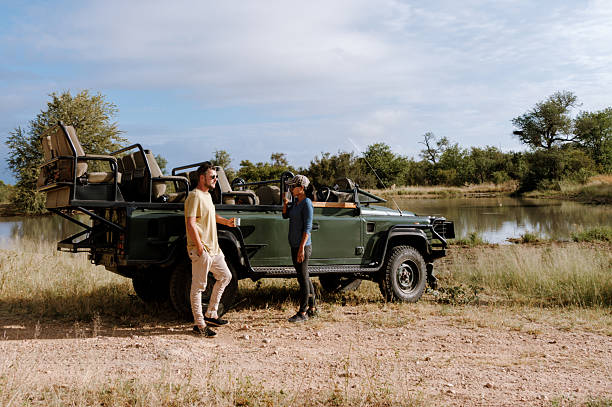
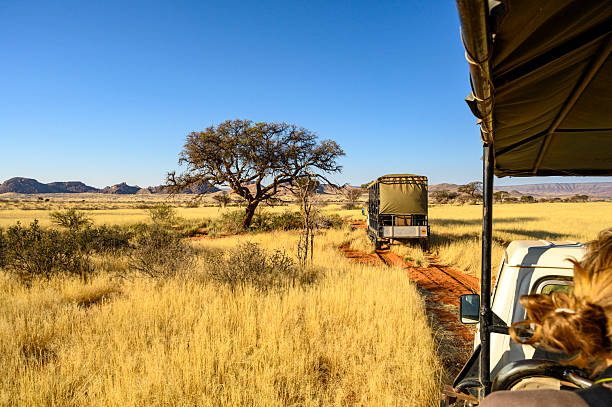
Moshi to Same Hidden Gems Tour: Your Ultimate Planning Guide
For travelers seeking experiences beyond the typical tourist trails in Tanzania, the Moshi to Same hidden gems tour offers a captivating journey. This route, often overlooked in favor of Mount Kilimanjaro climbs or the famous Northern Circuit safaris, reveals a different side of Tanzania. It’s a region rich in local culture, unique landscapes, and authentic encounters, promising a rewarding adventure for those who venture off the beaten path. This guide provides everything you need to plan and execute an unforgettable Moshi to Same hidden gems tour, covering logistics, highlights, and essential preparation for your 2026-2027 travels.
Many visitors to Tanzania focus on Kilimanjaro’s summit or the wildlife-rich parks. However, the corridor between Moshi and Same, particularly the areas branching off the main highway, holds a wealth of undiscovered treasures. This tour is designed to immerse you in the lives of local communities, explore stunning natural formations, and appreciate the quiet beauty of rural Tanzania. Whether you’re interested in agricultural practices, traditional crafts, or simply breathtaking scenery away from the crowds, this journey has something special to offer.
Quick Facts: Moshi to Same Hidden Gems Tour
| Aspect | Details |
|---|---|
| Primary Destinations | Areas between Moshi and Same, including villages, local markets, natural sites, and community projects. Specific locations depend on the chosen itinerary. |
| Tour Focus | Cultural immersion, local life, off-the-beaten-path exploration, natural scenery, community interaction. |
| Best Time to Visit | June to October (dry season), January to February (short dry season). Avoid major rainy periods for easier travel. |
| Typical Duration | 3 to 7 days, customizable based on traveler interest and pace. |
| Travel Style | Adventurous, cultural, educational, community-based tourism. |
| Accommodation | Homestays, community guesthouses, modest lodges, camping. |
| Key Activities | Village visits, market exploration, guided walks, traditional cooking, craft demonstrations, learning about local agriculture, exploring natural springs or waterfalls. |
Understanding the Appeal of the Moshi to Same Route
The stretch of road connecting Moshi, the gateway to Kilimanjaro, and Same, a town nestled in the Usambara Mountains foothills, is more than just a transit corridor. For the discerning traveler, it’s a gateway to authentic Tanzanian experiences. Unlike the well-trodden paths of Serengeti or Ngorongoro, this region offers a more intimate and direct connection with the country’s heartland. The ‘hidden gems’ are not necessarily single, spectacular landmarks but rather a collection of unique cultural interactions, everyday life observations, and lesser-known natural beauties that collectively form a rich travel experience.
This tour is ideal for those who appreciate slow travel, genuine cultural exchange, and the satisfaction of discovering places not found in typical guidebooks. It’s about understanding the rhythm of rural Tanzanian life, engaging with communities that are often the backbone of the nation’s economy, and appreciating landscapes that are shaped by local livelihoods rather than mass tourism. The proximity to Mount Kilimanjaro also means that this tour can serve as an excellent add-on for trekkers looking to extend their stay and gain a deeper understanding of the region’s people and environment.
Why Choose a Moshi to Same Hidden Gems Tour?
- Authentic Cultural Immersion: Engage directly with local communities, learn about their traditions, and witness daily life. This is not a staged cultural show but a genuine opportunity for interaction.
- Off-the-Beaten-Path Exploration: Discover villages, landscapes, and activities that most tourists miss, offering a unique perspective on Tanzania.
- Support Local Economies: Many tours in this region focus on community-based tourism, ensuring your travel directly benefits the people you meet.
- Natural Beauty Beyond the Parks: Explore rolling hills, agricultural landscapes, potentially hidden waterfalls, and unique geological formations away from the main safari circuits.
- Flexibility and Customization: This type of tour is highly adaptable, allowing for itineraries tailored to specific interests, such as agriculture, crafts, or specific ethnic groups.
- Complementary to Other Tanzania Adventures: It’s a perfect addition for those climbing Kilimanjaro or doing a Northern Circuit safari, providing a grounding cultural experience before or after more strenuous or wildlife-focused activities.
Key Regions and Potential Hidden Gems
The journey from Moshi to Same is not a single, linear path but rather a network of roads and opportunities for exploration. The specific ‘hidden gems’ discovered will depend heavily on the chosen itinerary and the local guides who know the area intimately. However, several areas and types of experiences are commonly featured:
Areas Around Moshi (Pre-Same Exploration)
- Local Villages near Moshi: Beyond the immediate town, explore villages where Chagga culture is prominent. Activities might include visiting banana and coffee plantations, learning about traditional farming methods, and understanding the local economy.
- Local Markets: While Moshi has its own markets, venturing to smaller, less-frequented markets in surrounding villages can offer a more authentic glimpse into daily commerce and social life.
- Community Projects: Some tours partner with local schools, women’s groups, or agricultural cooperatives, offering visitors a chance to see development initiatives firsthand and understand their impact.
The Journey Towards Same
- Rural Landscapes: The drive itself offers views of changing agricultural patterns, from coffee and banana farms to maize and livestock grazing. The open spaces and distant mountains provide a sense of scale and tranquility.
- Small Towns and Trading Centers: Stopping in smaller towns along the route can provide opportunities for informal interactions, trying local snacks, and observing the flow of regional trade.
- Potential for Natural Sites: Depending on the exact route, there might be opportunities to visit local springs, small waterfalls, or unique rock formations that are known to locals but not widely advertised. These often require local knowledge to find and access.
Areas Around Same
- Usambara Foothills: While the Usambara Mountains themselves are a destination, the foothills near Same offer accessible cultural experiences. This could include visiting villages involved in traditional crafts or local agriculture.
- Local Crafts and Artisans: Seek out opportunities to meet local artisans, perhaps potters, weavers, or woodcarvers, and learn about their skills and the materials they use.
- Community-Led Initiatives: Similar to areas near Moshi, communities around Same often have projects focused on education, health, or sustainable farming that visitors can learn about.
It is crucial to work with a reputable local tour operator who has established relationships with these communities and understands how to facilitate respectful and beneficial interactions. They will be able to craft an itinerary that highlights the specific hidden gems relevant to your interests.
Crafting Your Itinerary: A Sample Moshi to Same Hidden Gems Tour (5 Days)
This sample itinerary is designed to provide a balanced experience of culture, nature, and local life. It can be customized significantly based on your preferences and the expertise of your tour operator. For 2026-2027 travel, booking in advance is recommended, especially if you have specific interests.
Day 1: Arrival in Moshi & Coffee Plantation Visit
- Arrive in Moshi and meet your local guide.
- Transfer to a lodge or guesthouse.
- Afternoon visit to a local coffee plantation. Learn about the process from bean to cup, including cultivation, harvesting, and roasting. Participate in a tasting.
- Evening: Welcome dinner featuring local Tanzanian cuisine.
Day 2: Village Life and Local Crafts near Moshi
- Morning: Travel to a nearby Chagga village. Engage with community members, visit a traditional homestead, and learn about daily routines.
- Activity: Participate in a hands-on experience, such as preparing a local dish or learning a traditional craft.
- Afternoon: Visit a local market (if timing aligns) or a women’s cooperative involved in art or handicrafts.
- Overnight: Homestay or community guesthouse in the village for deeper immersion.
Day 3: Journey to Same & Rural Exploration
- Morning: Depart from Moshi, heading towards Same. The drive offers scenic views of rural landscapes.
- Stop en route at a local trading center for a break and to observe local commerce.
- Afternoon: Arrive in the Same region. Settle into your accommodation, which might be a simple lodge or a community-run facility.
- Activity: Guided walk through the surrounding rural areas, learning about local agriculture and community structures.
Day 4: Usambara Foothills and Community Interaction
- Full Day: Explore villages in the foothills of the Usambara Mountains near Same.
- Visit a local school or health clinic supported by community tourism initiatives (subject to availability and prior arrangement).
- Engage with local farmers and learn about their crops and farming techniques, which may differ from those near Moshi.
- Optional: A short hike to a scenic viewpoint or a local natural feature like a spring.
- Evening: Cultural exchange with local storytellers or musicians, if possible.
Day 5: Departure or Extension
- Morning: Enjoy a final local breakfast.
- Depending on your onward travel plans, you can be transferred back to Moshi for connections, or continue your journey to other destinations in Tanzania.
What to Expect: Reality of a Hidden Gems Tour
A Moshi to Same hidden gems tour is distinct from a luxury safari or a Kilimanjaro climb. It requires a certain mindset and flexibility. Here’s what you can realistically expect:
- Accommodation: Expect simpler accommodations than in major tourist hubs. This could include homestays where you share facilities with a host family, community guesthouses that are basic but clean, or small, locally-run lodges. Hot water may not always be available, and electricity can be intermittent in more remote areas.
- Food: Meals will be predominantly local Tanzanian dishes – rice, ugali (maize porridge), beans, vegetables, and perhaps some chicken or fish. While often delicious and fresh, it’s generally less varied than in tourist hotels. Be prepared for simple but hearty fare.
- Transportation: Travel will likely be in a 4×4 vehicle, especially for reaching more remote areas. Roads can be unpaved and bumpy, so expect a slower pace and a less comfortable ride at times. Your guide will manage navigation and vehicle suitability.
- Cultural Sensitivity: This tour is about respectful engagement. You will be interacting with people in their homes and communities. Your guide will brief you on appropriate dress, behavior, and customs. Asking permission before taking photos is essential.
- Pace: The pace is generally slower, allowing for deeper engagement. This isn’t about ticking off sights but about experiencing moments. Be prepared for spontaneous stops and conversations.
- Language: While your guide will be fluent in English and Swahili, learning a few basic Swahili phrases (like ‘Jambo’ – hello, ‘Asante’ – thank you) will be greatly appreciated by the local communities.
- Connectivity: Mobile phone reception and internet access will likely be limited or non-existent in many of the areas visited. This is an opportunity to disconnect and be present.
Best Time to Travel for Your Moshi to Same Tour
Choosing the right time to visit significantly impacts your experience. For a Moshi to Same hidden gems tour, the primary considerations are weather and local agricultural cycles.
| Period | Weather & Conditions | Pros | Cons |
|---|---|---|---|
| June – October (Dry Season) | Low rainfall, clear skies, cooler temperatures. Roads are in good condition. | Ideal for comfortable travel and outdoor activities. Best visibility for landscapes. Roads are easily navigable. | Peak tourist season for Tanzania overall; some areas might be busier. Prices can be slightly higher. |
| November – December (Short Rains) | Intermittent showers, can be humid. Landscapes become greener. | Fewer tourists, lush scenery. Can be a good time for birdwatching. | Rain can disrupt travel plans and make some roads muddy or impassable. Less predictable weather. |
| January – February (Short Dry Season) | Generally dry with occasional showers. Warm temperatures. | Good weather for travel, fewer crowds than the main dry season. Lush after the short rains. | Can still experience some rain. May coincide with local holidays, affecting availability. |
| March – May (Long Rains) | Heavy, persistent rainfall. High humidity. Roads can become very challenging. | Very few tourists, lowest prices. Landscapes are extremely green. | Significant travel disruptions likely. Many community activities may be limited. Not recommended for this type of tour. |
For the most reliable and comfortable Moshi to Same hidden gems tour experience in 2026 and 2027, targeting the dry seasons (June-October and January-February) is advisable. However, if you are a traveler who doesn’t mind occasional rain and seeks fewer crowds, the shoulder seasons can also be rewarding.
Planning Your Moshi to Same Hidden Gems Tour: Key Considerations
Successful planning for an off-the-beaten-path tour involves attention to detail. Here are the crucial elements to consider for your 2026-2027 trip:
1. Choosing a Reputable Tour Operator
This is paramount for a hidden gems tour. A good local operator:
- Has established relationships with communities.
- Understands how to facilitate respectful cultural exchange.
- Knows the local conditions and safety protocols.
- Can customize itineraries to your interests.
- Employs experienced, local guides who are knowledgeable and ethical.
Look for operators who emphasize community-based tourism and sustainability.
2. Customizing Your Itinerary
Discuss your interests thoroughly with your chosen operator. Are you passionate about:
- Specific crafts like pottery or weaving?
- Agricultural practices (coffee, bananas, maize)?
- Understanding local governance or education systems?
- Exploring specific natural features?
A well-tailored itinerary will maximize your engagement and enjoyment.
3. Health and Safety
- Vaccinations: Consult your doctor or a travel clinic well in advance for recommended vaccinations (e.g., Hepatitis A, Typhoid, Tetanus) and malaria prophylaxis.
- Travel Insurance: Ensure your insurance covers medical emergencies, evacuation, and trip cancellations.
- Water: Drink only bottled or purified water. Carry purification tablets or a filter as a backup.
- Food Safety: Eat well-cooked food and peel fruits and vegetables yourself.
- Sun Protection: The Tanzanian sun is strong. Use high SPF sunscreen, wear a hat, and stay hydrated.
- First-Aid Kit: Pack a basic first-aid kit with essentials like bandages, antiseptic wipes, pain relievers, and any personal medications.
4. Packing Essentials
Pack light but smart. Focus on practical items:
- Clothing: Lightweight, breathable clothing. Long-sleeved shirts and trousers for sun and insect protection. A light jacket or fleece for cooler evenings. Modest attire (covering shoulders and knees) is respectful when visiting villages.
- Footwear: Comfortable walking shoes or sturdy hiking boots. Sandals for relaxing.
- Rain Gear: A waterproof jacket or poncho, especially if traveling outside the driest months.
- Insect Repellent: With DEET or Picaridin.
- Sunscreen, Hat, Sunglasses.
- Personal Toiletries: Including hand sanitizer.
- Camera and Extra Batteries/Power Bank.
- Small Backpack: For day trips and carrying essentials.
- Headlamp or Flashlight: Useful in accommodations with limited electricity.
- Copies of Important Documents: Passport, visa, insurance.
5. Budget Considerations
While specific prices vary, factor in costs for:
- Tour operator fees (which usually include guide, vehicle, driver, accommodation, and some meals).
- Community contributions or entrance fees (often part of the tour cost).
- Personal expenses (souvenirs, extra snacks, tips).
- Pre-trip costs (visas, vaccinations, insurance).
Hidden gems tours often represent good value as they focus on authentic experiences rather than luxury amenities.
Common Mistakes to Avoid on Your Tour
To ensure a positive and respectful experience, be aware of potential pitfalls:
- Underestimating Road Conditions: Roads can be rough and slow. Don’t expect high-speed travel. Build buffer time into your schedule.
- Expecting Luxury Amenities: This is about authenticity, not luxury. Be prepared for basic facilities and embrace the simplicity.
- Lack of Cultural Sensitivity: Dress modestly, ask before taking photos, and be mindful of local customs. Your guide will assist, but your awareness is key.
- Not Engaging with Locals: The ‘hidden gems’ are the people and their way of life. Be open to conversation and learning.
- Ignoring Health Precautions: Dehydration, sunstroke, and stomach issues can easily spoil a trip. Follow health advice diligently.
- Rushing the Experience: This type of tour is about immersion. Avoid trying to cram too much into each day. Allow time for spontaneous moments.
- Not Booking with a Reputable Operator: A poorly chosen operator can lead to disappointing experiences, ethical concerns, or safety issues. Do your research.
- Assuming English Fluency: While guides speak English, not everyone in the villages will. Patience and simple communication are important.
Who is the Moshi to Same Hidden Gems Tour Best Suited For?
This unique tour appeals to a specific type of traveler who prioritizes depth over breadth and authenticity over luxury.
- Cultural Enthusiasts: Individuals keen to understand different ways of life, traditions, and social structures.
- Adventurous Travelers: Those comfortable with basic accommodations, bumpy roads, and unpredictable elements, seeking genuine exploration.
- Conscious Travelers: People who want their tourism to have a positive impact on local communities and economies.
- Photographers: Those looking for authentic, unposed shots of rural life and landscapes.
- Students of Anthropology or Sociology: Anyone interested in observing and learning about community dynamics and development.
- Travelers Seeking Authenticity: Those who want to escape the typical tourist circuit and experience a more real, unfiltered side of Tanzania.
- Add-on Travelers: People who have completed a Kilimanjaro climb or a safari and wish to gain a deeper cultural understanding of the region.
It is generally not recommended for travelers seeking high-end luxury resorts, fast-paced sightseeing, or guaranteed creature comforts. Travelers with very limited mobility might also find some aspects challenging due to the terrain and facilities.
Alternatives to the Moshi to Same Hidden Gems Tour
While the Moshi to Same route offers a distinct experience, other options in Tanzania cater to similar interests in cultural immersion and off-the-beaten-path travel:
| Alternative | Focus | Key Differences | Best For |
|---|---|---|---|
| Usambara Mountains Trekking | Hiking through lush mountain forests, visiting villages like Lushoto and Mtae. | More focused on trekking and natural landscapes within the Usambara range. Stronger emphasis on physical activity. | Hikers, nature lovers, those seeking stunning mountain scenery and moderate cultural interaction. |
| Maasai Cultural Bomas | Visiting traditional Maasai villages, learning about their nomadic lifestyle, customs, and pastoralism. | Specific focus on Maasai culture, often closer to safari areas. Can sometimes feel more curated than spontaneous village visits. | Travelers interested in Maasai heritage, often combined with safari tours. |
| Hadza & Datoga Cultural Tours (Lake Eyasi) | Interacting with hunter-gatherer Hadza communities and the Datoga pastoralists/craftsmen. | Unique opportunity to learn from indigenous groups with ancient traditions. Requires travel to a different region (south of Arusha/Manyara). | Deep cultural immersion, interest in anthropology, unique indigenous experiences. |
| Zanzibar Cultural Tours | Exploring spice farms, local villages, Stone Town’s history, and community projects on the island. | Island-based, focused on Swahili culture, history, and spice cultivation. Different climate and environment. | Beach lovers, history buffs, those interested in Swahili coastal culture. |
The Moshi to Same Hidden Gems Tour stands out for its specific blend of rural Tanzanian life, agricultural insights, and accessible cultural encounters in the northern highlands, bridging the gap between the popular northern tourist hubs and the less-explored Usambara region.
Planning Your 2026-2027 Moshi to Same Hidden Gems Tour
Planning ahead is key for a successful and fulfilling trip, especially for trips planned for 2026 and 2027. Early booking ensures availability and allows for thorough preparation.
Booking Timeline
- 12-18 Months in Advance: For peak season travel (June-October 2026/2027) or if you have very specific customization needs. This allows ample time to research operators and secure preferred dates.
- 6-12 Months in Advance: Recommended for most travelers planning for 2026 or 2027. This provides a good balance between securing availability and having time for preparations like vaccinations and visa applications.
- 3-6 Months in Advance: Still feasible, especially for travel during shoulder seasons or if your schedule is flexible. However, popular operators and specific community homestays might already be booked.
Visa Requirements
Most nationalities require a visa to enter Tanzania. This can often be obtained online through the official Tanzanian immigration website or upon arrival at Kilimanjaro International Airport (JRO). Check the latest requirements for your nationality well before your departure date for 2026-2027 travel.
Health Preparations
As mentioned earlier, consult your doctor 4-6 weeks before your trip regarding vaccinations and malaria prevention. Ensure you have adequate travel insurance that covers medical emergencies and evacuation.
Cultural Briefing
Request a cultural briefing from your tour operator before your trip. Understanding local customs, etiquette, and appropriate dress will enhance your interactions and show respect.
Language Basics
Learning a few Swahili phrases can significantly enhance your experience. Basic greetings and thank yous go a long way.
Booking Your Moshi to Same Hidden Gems Tour with Us
At Best Tanzania Tour Operator, we specialize in creating authentic and memorable travel experiences that go beyond the ordinary. Our Moshi to Same hidden gems tour is meticulously designed to connect you with the heart of Tanzania, offering genuine cultural immersion and exploration of lesser-known landscapes. We partner directly with local communities, ensuring that your journey not only enriches your life but also directly benefits the people you meet.
Our expert guides are locals who possess deep knowledge of the region, its culture, and its natural beauty. They are committed to providing a safe, respectful, and deeply engaging experience. We understand that every traveler is unique, so we offer fully customizable itineraries. Whether your interest lies in traditional farming, local crafts, community development, or simply soaking in the rural atmosphere, we can craft a tour that perfectly matches your desires.
For your 2026 or 2027 adventure, let us help you discover the true essence of Tanzania. We pride ourselves on transparent pricing, ethical tourism practices, and a commitment to responsible travel.
Contact Us to Plan Your Tour
Ready to explore the hidden gems between Moshi and Same? We are here to assist you every step of the way. Get in touch with our travel specialists:
- WhatsApp: +255616946642
- Email: topguideadventures@gmail.com
- Backup Email: info@topguideadventures.com
Let us help you design an unforgettable Moshi to Same hidden gems tour that will leave you with lasting memories of Tanzania’s authentic spirit.
Frequently Asked Questions (FAQs)
What makes the Moshi to Same route ‘hidden gems’?
These areas are considered ‘hidden gems’ because they are not typically part of mainstream tourist itineraries. They offer authentic cultural interactions, local life experiences, and natural scenery that are often overlooked by visitors focusing on safaris or Kilimanjaro. The focus is on genuine discovery rather than pre-packaged attractions.
Is this tour suitable for solo travelers?
Yes, the Moshi to Same hidden gems tour is very suitable for solo travelers. It offers a safe and immersive way to experience local culture, and traveling with a reputable local guide and operator ensures companionship and support throughout the journey.
What is the typical cost of a Moshi to Same hidden gems tour?
Exact prices vary greatly depending on the duration, level of customization, accommodation choices, and the specific operator. However, these tours are generally more budget-friendly than luxury safaris. Expect costs to cover guide services, transportation, accommodation, and community engagement fees. It’s best to request a personalized quote from operators like Best Tanzania Tour Operator.
Can I customize the itinerary for 2026 or 2027?
Absolutely. Customization is a key benefit of this type of tour. You can discuss your specific interests, such as focusing more on agriculture, crafts, or specific community projects, with your tour operator to tailor the itinerary to your preferences for your 2026-2027 trip.
What kind of physical fitness is required?
The physical demands are generally moderate. While there will be walking and potentially some light hiking, it’s not an intense trekking tour. Good walking shoes are essential. Travelers should be comfortable with uneven terrain and potentially warm weather.
How can I ensure my visit is respectful to local communities?
Respectful travel involves dressing modestly (covering shoulders and knees), asking permission before taking photos of people, being open to learning and listening, and engaging with genuine curiosity. Your guide will provide specific advice on local etiquette.
What are the accommodation standards like?
Accommodation is typically basic but clean and comfortable, often consisting of homestays, community guesthouses, or small local lodges. Amenities may be simpler than in major tourist hotels, with a focus on providing an authentic local experience.
Is it safe to drink tap water?
No, it is strongly advised not to drink tap water. Always opt for bottled water, boiled water, or water purified using reliable methods like filter bottles or purification tablets.
What currency should I use for local purchases or tips?
The Tanzanian Shilling (TZS) is the local currency. While some larger establishments might accept USD, it’s best to have Shillings for smaller purchases, markets, and tips. Your tour operator can advise on appropriate tipping practices.
Can I combine this tour with a safari or Kilimanjaro climb?
Yes, this tour is an excellent addition to a safari or Kilimanjaro climb. It provides a grounding cultural experience before or after more demanding activities and offers a different perspective on the region and its people.
Ready to Explore Tanzania’s Hidden Gems?
Discover the authentic heart of Tanzania with our expertly crafted Moshi to Same hidden gems tour. Experience genuine cultural encounters, explore stunning rural landscapes, and support local communities. Let us help you plan your unforgettable 2026-2027 adventure.
Contact us today:
- WhatsApp: +255616946642
- Email: topguideadventures@gmail.com
- Backup Email: info@topguideadventures.com
Your journey into the real Tanzania begins here!
Plan your Moshi to Same Hidden Gems Tour with Top Guide Adventures
Tell us your travel dates, group size, comfort level, and dream experience. We will help you shape a clear, realistic, and memorable Tanzania itinerary.







 Veedesigner
 Fatma Kizanga
 Benjamin Waryuba
 Philip Philip
 John jr Itaja
 Antonia Optatus
 Edith Kanyere
 Neema Iddy
 Kelvin Boniphace
 Damari Maiga



