
Updated planning guide for 2026, 2027-2028
Moshi Village Homestay Tour: Complete Guide 2026-2027-2028
Explore the heart of Tanzania with a Moshi Village Homestay Tour. This comprehensive guide details what to expect, planning tips, itineraries, and booking advice for an unforgettable cultural experience.
WhatsApp +255616946642 | topguideadventures@gmail.com | info@topguideadventures.com
Moshi Village Homestay Tour: Your Gateway to Authentic Tanzanian Culture
The Moshi Village Homestay Tour offers a unique opportunity to step away from the usual tourist paths and immerse yourself deeply in the daily life and traditions of the Chagga people, the indigenous community surrounding Mount Kilimanjaro. Unlike standard safari trips or Kilimanjaro climbs, this experience focuses on genuine human connection, cultural exchange, and understanding the rhythms of rural Tanzanian living. If you’re seeking an authentic travel experience that goes beyond sightseeing, a homestay in Moshi village presents an unparalleled chance to connect with local communities, learn about their customs, and contribute positively to their lives.
This extensive guide will walk you through everything you need to know to plan and enjoy your Moshi Village Homestay Tour. We cover what makes this tour special, the best times to visit, potential itineraries, what to pack, common pitfalls to avoid, and how to book your immersive experience for 2026 and 2027.
Table of Contents
- Quick Facts: Moshi Village Homestay Tour
- What is a Moshi Village Homestay Tour?
- Why Choose a Moshi Village Homestay Tour?
- Best Time to Visit for Your Homestay
- Moshi Village Homestay Area Overview
- Sample Moshi Village Homestay Itinerary (3 Days/2 Nights)
- What to Expect During Your Homestay
- Typical Inclusions and Exclusions
- Packing and Preparation Essentials
- Common Mistakes to Avoid
- Who is a Moshi Village Homestay Tour Best For?
- Alternatives to a Moshi Village Homestay
- Planning Your Moshi Village Homestay Tour for 2026-2027
- Booking Your Moshi Village Homestay Tour
- Frequently Asked Questions (FAQs)
Quick Facts: Moshi Village Homestay Tour
| Aspect | Details |
|---|---|
| Location | Villages surrounding Moshi town, Kilimanjaro Region, Tanzania |
| Primary Activity | Cultural immersion, living with a local family, learning traditions. |
| Duration | Typically 1 to 5 days, customizable. |
| Accommodation | Basic, clean room in a local family’s home. |
| Food | Traditional Tanzanian home-cooked meals. |
| Key Experiences | Interacting with family, village walks, local crafts, farming, cooking lessons, storytelling. |
| Best For | Cultural explorers, budget travelers, those seeking authentic experiences. |
| Seasonality | Year-round, but consider rainy seasons. |
What is a Moshi Village Homestay Tour?
A Moshi Village Homestay Tour is more than just a visit; it’s an invitation into the heart of Tanzanian life. Organized by local tour operators like Best Tanzania Tour Operator, these tours place you directly with a host family in a rural village near Moshi. You’ll share their home, eat their food, and participate in their daily activities. This provides an intimate look at customs, social structures, and the challenges and joys of everyday living for the Chagga people and other local communities.
The experience is designed to be reciprocal. While you gain insights into a different culture, your presence also offers a modest economic benefit to the host family and can foster cross-cultural understanding. It’s an educational journey that emphasizes respect, participation, and genuine interaction over passive observation.
Key Elements of the Experience:
- Living with a Host Family: You are integrated into the daily routine of your assigned family.
- Cultural Exchange: Opportunities to learn about local customs, language (Swahili basics), beliefs, and social norms.
- Daily Activities: Participation in farming, cooking, fetching water, visiting local markets, or assisting with household chores.
- Community Exploration: Guided walks through the village and surrounding areas, visiting local schools, community projects, or nearby natural attractions.
- Traditional Cuisine: Enjoying authentic Tanzanian dishes prepared by your host family.
Why Choose a Moshi Village Homestay Tour?
Choosing a Moshi Village Homestay Tour over more conventional travel options offers distinct advantages for the discerning traveler. It caters to a desire for depth, authenticity, and meaningful connection that often eludes mass tourism.
Unparalleled Authentic Immersion:
This is the cornerstone of the homestay experience. You’re not just observing; you’re living alongside locals. This level of immersion allows you to grasp the nuances of daily life, from the morning routines to evening storytelling, in a way that a hotel or lodge simply cannot replicate. You witness firsthand the community’s social fabric, their resourcefulness, and their warm hospitality.
Deep Cultural Understanding:
Direct interaction with a host family provides a window into their worldview. You’ll learn about their history, their challenges, their celebrations, and their aspirations. This fosters a profound understanding and appreciation for different ways of life, breaking down stereotypes and building bridges of empathy.
Direct Economic Benefit to Local Communities:
Unlike many tourism models where profits are siphoned off by distant companies, a homestay directly supports the host family and, by extension, the local village economy. Your participation provides a valuable income stream, helping families improve their living conditions and fund education for their children. This makes your travel a force for good.
Access to Off-the-Beaten-Path Experiences:
Homestays are typically located in villages away from the main tourist hubs. This allows you to discover hidden gems, understand local agriculture (like coffee and banana farming), witness traditional crafts, and experience the natural beauty of the Kilimanjaro foothills without the crowds.
Opportunities for Personal Growth:
Stepping outside your comfort zone, adapting to new environments, and communicating across cultural divides are powerful catalysts for personal development. The challenges and rewards of a homestay can lead to increased resilience, empathy, and a broader perspective on the world.
Relative Affordability:
While not always the cheapest option, homestays generally offer excellent value for money, especially when considering the depth of experience. Accommodation and meals are included, and the focus is on experience rather than luxury amenities.
Best Time to Visit for Your Homestay
Tanzania’s climate varies, but the Kilimanjaro region, where Moshi is located, generally experiences two main seasons: dry and wet. The Moshi Village Homestay Tour can be undertaken year-round, but certain periods offer more comfortable weather for daily activities.
| Period | Description | Considerations for Homestay |
|---|---|---|
| January – February | Short rains, then hot and dry season. Pleasant temperatures. | Generally good. Rains are usually brief. Ideal for village walks. |
| March – May | Long rainy season. Heavy rainfall, cooler temperatures. | Can be challenging. Muddy paths, frequent downpours may limit outdoor activities. Roads could be affected. |
| June – October | Dry season. Cooler temperatures, less humidity. | Excellent. Ideal weather for all outdoor activities, including village exploration and farming activities. Very popular for Kilimanjaro climbs, so the region is active. |
| November – December | Short rains, then warmer temperatures. | Can be mixed. Rains are usually short showers, but can be unpredictable. Good for those who prefer fewer crowds. |
Recommendation for 2026-2027: The dry seasons (June to October and January to February) are generally the most comfortable for a Moshi Village Homestay Tour, offering sunny days suitable for exploring villages and participating in outdoor activities. However, even during the rainy season, the experience can still be rewarding, offering a different perspective on rural life and fewer tourists.
Moshi Village Homestay Area Overview
Moshi town itself is a bustling hub, but the homestay experiences are typically situated in the surrounding villages, nestled on the fertile lower slopes of Mount Kilimanjaro. These villages are characterized by lush vegetation, coffee plantations, banana farms, and smallholder plots.
Illustrative Route/Area:
- Arrival in Moshi: Travelers typically arrive at Kilimanjaro International Airport (JRO) and transfer to Moshi town or directly to their designated village.
- Village Locations: Homestays are found in villages such as Marangu, Himo, Kibosho, or smaller, less-known settlements within a 10-30 km radius of Moshi town. Each village offers a slightly different landscape and cultural emphasis (e.g., Marangu is famous for its coffee and proximity to Kilimanjaro’s Marangu route).
- Surrounding Environment: Expect rolling hills, small rivers, local markets, schools, churches, and mosques. The backdrop is often dominated by the majestic presence of Mount Kilimanjaro, weather permitting.
- Accessibility: Villages are usually accessible by 4×4 vehicles or sturdy 2WD vehicles, especially during the dry season. Roads can become challenging during the rains.
The specific location will depend on the tour operator’s arrangements and the availability of host families. Best Tanzania Tour Operator works with carefully vetted families in various villages to offer diverse experiences.
Sample Moshi Village Homestay Itinerary (3 Days/2 Nights)
This sample itinerary provides a framework for a typical Moshi Village Homestay Tour. Durations and activities can be customized based on your interests and the family’s daily schedule.
| Day | Morning | Afternoon | Evening |
|---|---|---|---|
| Day 1: Arrival & Introduction | Arrive at your homestay location. Meet your host family and get acquainted with your room and the household. | Participate in a village walk with your host. Learn about local farming (e.g., coffee, bananas), visit a local school or community project. | Help prepare dinner with your host family. Share stories and learn about Chagga culture. Enjoy traditional dinner. |
| Day 2: Daily Life & Local Crafts | Join the family in their morning chores. This might include fetching water, tending to crops, or helping with livestock. | Learn a traditional skill, such as cooking a specific local dish, making a craft, or brewing local beer (if appropriate). Visit the local market if it’s market day. | Enjoy another home-cooked meal. Engage in conversation, perhaps learn some Swahili phrases. Experience traditional music or storytelling if possible. |
| Day 3: Farewell & Departure | Enjoy a final breakfast with your host family. Participate in any last morning activities or share final conversations. | Say goodbye to your host family. Transfer back to Moshi town or your next destination. | N/A |
Note: This is a flexible itinerary. Longer stays can include multi-day treks to nearby waterfalls, more in-depth farming experiences, or visits to neighboring villages.
What to Expect During Your Homestay
A Moshi Village Homestay Tour is an immersive cultural experience, and managing expectations is key to enjoying it fully. It’s different from a hotel stay and requires an open mind and a willingness to adapt.
Accommodation:
Expect clean but basic living conditions. You will likely have your own room, which might be simple, perhaps with a bed, a small table, and a mosquito net. Bathrooms are often shared and may be of the pit latrine or basic flush type. Hot water might not always be available.
Food and Drink:
You’ll eat traditional Tanzanian food, which is often based on staples like Ugali (maize porridge), rice, beans, vegetables, and occasional chicken or fish. Meals are typically prepared with local ingredients. Water provided will be safe for drinking (often boiled or filtered), but it’s wise to confirm. You’ll eat with the family, sharing meals at the same table or floor.
Hygiene and Sanitation:
Basic hygiene is important. You’ll have access to washing facilities, but water might be limited. Hand sanitizer is highly recommended. Be mindful of local customs regarding hygiene.
Language:
The official language is Swahili, and the local dialect is Chagga. While some younger family members or guides might speak English, communication can often be non-verbal or through simple Swahili phrases. Learning a few basic greetings and phrases will be greatly appreciated.
Daily Routine:
Life in the village follows a predictable rhythm, often dictated by agricultural needs and daylight. Expect early mornings and a focus on practical tasks. Your participation is encouraged, but always at your own pace and comfort level.
Privacy:
Privacy is different in a communal village setting. While you will have your own space, expect to be part of the family’s life. Respect their customs and personal space.
Electricity:
Electricity can be intermittent in rural villages. Bring a power bank for your devices and be prepared for periods without power.
Cultural Norms:
Dress modestly, especially when interacting with elders or attending community events. Ask permission before taking photos of people. Be respectful of elders and local traditions.
Typical Inclusions and Exclusions
Understanding what’s included in your Moshi Village Homestay Tour package is crucial for budgeting and avoiding surprises. While specific inclusions can vary between tour operators, here’s a general guide:
| Typical Inclusions | Typical Exclusions |
|---|---|
| Accommodation: Lodging with a host family for the duration of the tour. | International Flights: Flights to and from Kilimanjaro International Airport (JRO). |
| Meals: All meals (breakfast, lunch, dinner) prepared by the host family, featuring local cuisine. | Visa Fees: Costs associated with obtaining a Tanzanian visa. |
| Activities: Guided village walks, participation in daily chores, cultural demonstrations, and visits to local sites as per the itinerary. | Travel Insurance: Comprehensive travel and medical insurance is essential. |
| Local Guide/Translator: Often, a local guide or a family member who speaks some English will facilitate communication. | Personal Expenses: Souvenirs, alcoholic beverages, soft drinks, laundry, tips. |
| Water: Safe drinking water provided by the host family. | Vaccinations and Medications: Costs for any required medical preparations. |
| Community Contribution: A portion of the tour fee often goes towards supporting the host family or a community project. | Optional Activities: Entrance fees for additional sites not part of the standard itinerary (e.g., national parks, museums). |
| Transfers: Typically includes transfers from Moshi town to the village and back. Airport transfers may be extra or included depending on the package. | Gratuities/Tips: For guides, drivers, and host families (though a small gift can be appreciated). |
Always confirm the exact inclusions and exclusions with your tour operator before booking.
Packing and Preparation Essentials
Proper packing and preparation are vital for a comfortable and respectful Moshi Village Homestay Tour. Focus on practical, modest, and versatile items.
Clothing:
- Lightweight, breathable clothing: Cotton or linen shirts, t-shirts, and trousers/skirts.
- Modest attire: Long skirts, trousers, and tops that cover shoulders and knees are essential out of respect for local customs. Avoid revealing clothing.
- Warm layer: A fleece or light jacket for cooler evenings, especially during the dry season (June-August).
- Rain jacket/poncho: Essential, especially during the rainy seasons.
- Comfortable walking shoes: Sturdy trainers or hiking boots suitable for village paths.
- Sandals or flip-flops: For around the homestay.
- Socks: Several pairs.
- Hat: For sun protection.
Toiletries and Health:
- Personal toiletries: Biodegradable options are preferred.
- Hand sanitizer: Crucial for maintaining hygiene.
- Sunscreen and insect repellent.
- Basic first-aid kit: Including plasters, antiseptic wipes, pain relievers, and any personal medications.
- Prescription medications: Enough for your entire trip, with a copy of the prescription.
- Malaria prophylaxis: Consult your doctor about necessary vaccinations and malaria precautions for Tanzania.
Documents and Money:
- Passport: Valid for at least six months beyond your stay, with sufficient blank pages.
- Visa: Obtainable on arrival or in advance for many nationalities. Check requirements.
- Travel insurance details: Policy number and emergency contact.
- Copies of important documents: Passport, visa, insurance, flight tickets (stored separately from originals).
- Cash: Tanzanian Shillings (TZS) for small purchases, and USD for larger payments or emergencies. ATMs are available in Moshi town.
Other Essentials:
- Reusable water bottle: To minimize plastic waste.
- Power bank: For charging devices when electricity is unavailable.
- Adapter: Tanzania uses Type D sockets.
- Small backpack or daypack: For daily excursions.
- Camera and extra memory cards/batteries.
- Small notebook and pen: For jotting down notes or learning Swahili phrases.
- A small gift for the host family: Optional, but appreciated. Consider practical items like school supplies for children, nice soap, or a small kitchen gadget. Avoid giving money directly unless it’s for a specific purpose agreed upon with the tour operator.
Common Mistakes to Avoid
To ensure a fulfilling and respectful Moshi Village Homestay Tour, be aware of common pitfalls that can detract from the experience or cause unintended offense.
1. Having Unrealistic Expectations About Accommodation and Comfort:
Mistake: Expecting hotel-like amenities, constant hot water, or private en-suite bathrooms.
Correction: Understand that this is a homestay. Embrace the basic living conditions as part of the authentic experience. Focus on the cultural exchange rather than luxury.
2. Dressing Inappropriately:
Mistake: Wearing revealing clothing (shorts, tank tops, short skirts) outside the immediate homestay area or when interacting with elders.
Correction: Always dress modestly. Cover shoulders and knees. Long skirts, trousers, and t-shirts are appropriate. When in doubt, observe your hosts and dress more conservatively.
3. Disrespecting Local Customs and Traditions:
Mistake: Being loud, dismissive of local practices, or failing to ask permission before taking photos.
Correction: Be observant and respectful. Ask questions politely about customs. Always ask for permission before photographing individuals, especially children. Show deference to elders.
4. Expecting Everyone to Speak English:
Mistake: Becoming frustrated when communication is difficult due to language barriers.
Correction: Learn a few basic Swahili phrases. Use gestures and patience. Your effort to communicate will be appreciated. Rely on your guide if one is provided.
5. Neglecting Personal Hygiene:
Mistake: Not using hand sanitizer regularly, especially before meals.
Correction: Maintain good hygiene. Use hand sanitizer frequently. Be mindful of water usage.
6. Over-scheduling or Being Too Passive:
Mistake: Either trying to do too much and overwhelming the hosts, or being too shy to participate in activities.
Correction: Find a balance. Show enthusiasm for participating in daily tasks and learning. Don’t be afraid to say ‘no’ respectfully if you’re tired or uncomfortable, but try to engage as much as possible.
7. Giving Money Directly or Unsolicited Gifts:
Mistake: Handing out cash indiscriminately, which can create dependency or awkwardness.
Correction: If you wish to give a gift, consult your tour operator for appropriate suggestions (e.g., school supplies, practical household items). Contributions to community projects are often more beneficial than direct cash handouts.
8. Not Having Adequate Travel Insurance:
Mistake: Traveling without comprehensive insurance that covers medical emergencies and evacuation.
Correction: Ensure you have robust travel insurance before your trip. This is non-negotiable for your safety and peace of mind.
Who is a Moshi Village Homestay Tour Best For?
The Moshi Village Homestay Tour is a niche experience that appeals to a specific type of traveler. It’s ideal for those who prioritize cultural immersion and authentic connection over creature comforts.
- Cultural Enthusiasts: Travelers eager to understand different ways of life, traditions, and social structures.
- Responsible Travelers: Individuals looking for ways to ensure their tourism dollars directly benefit local communities and have a positive impact.
- Adventurous Spirits: Those willing to step outside their comfort zone, adapt to basic living conditions, and embrace the unexpected.
- Budget-Conscious Travelers: While not always the cheapest option, it offers significant value for the depth of experience, often more affordable than luxury lodges or high-end safaris.
- Students and Researchers: Individuals seeking firsthand experience for educational purposes or research into rural African life.
- Solo Travelers: Often a safe and rewarding experience for solo travelers looking for genuine interaction and a sense of community.
- Families Seeking Educational Experiences: Older children might benefit from the cultural lessons, provided they are adaptable and open-minded.
It is NOT for: Travelers seeking luxury amenities, those who are easily unsettled by basic living conditions, or individuals who prefer to remain detached observers rather than active participants.
Alternatives to a Moshi Village Homestay
While a Moshi Village Homestay Tour offers a unique experience, other options in Tanzania cater to different interests and travel styles. Best Tanzania Tour Operator can help you find the perfect fit.
| Tour Type | Description | Key Differences from Homestay | Best For |
|---|---|---|---|
| Moshi Cultural Tourism Program (Day Tours) | Guided day trips to villages, coffee farms, local markets, and craft centers around Moshi, often with a local guide. | No overnight stay with a family; less immersion, more structured sightseeing. | Those with limited time or who prefer day excursions. |
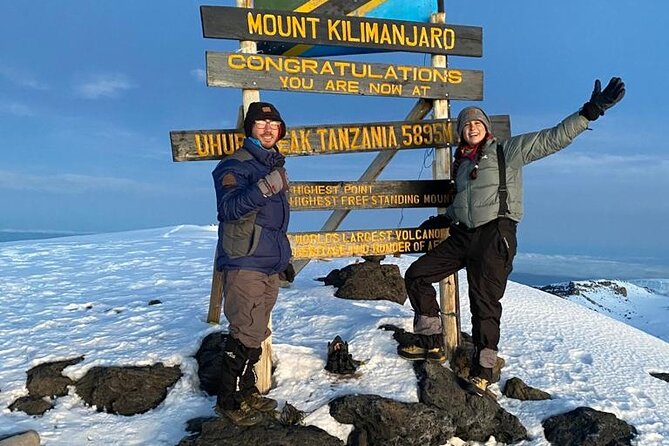
| Kilimanjaro Trekking (e.g., Marangu, Machame) | Climbing Mount Kilimanjaro, often with stays in mountain huts or basic campsites. | Focus is on the climb and reaching the summit; limited interaction with local village life beyond the starting point. | Adventure seekers, hikers, those aiming for a physical challenge. |
| Northern Circuit Safaris (Serengeti, Ngorongoro) | Wildlife viewing in Tanzania’s famous national parks. Stays in lodges or tented camps. | Focus on wildlife; accommodation is comfortable but detached from local communities. | Wildlife enthusiasts, first-time visitors to Tanzania wanting classic safari experience. |
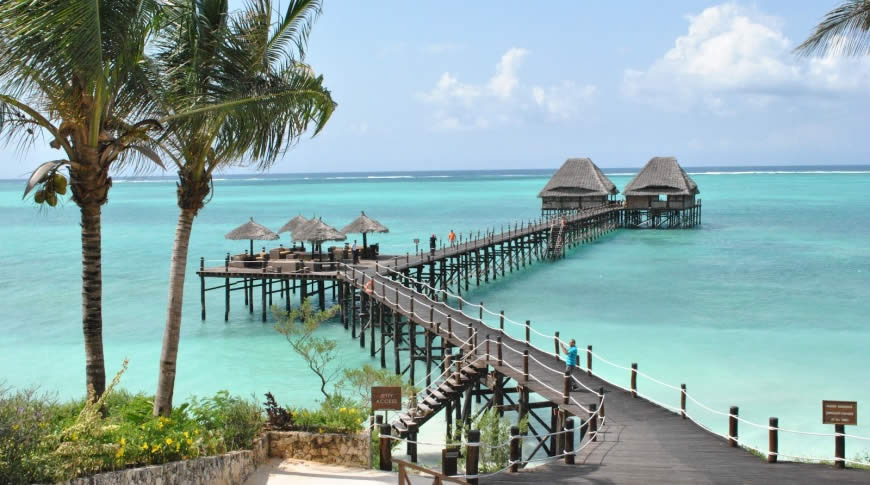
| Zanzibar Cultural Tours | Exploring Stone Town, spice farms, and local villages on the island of Zanzibar. Stays in hotels or guesthouses. | Island culture, different history and influences (Swahili, Arab, Indian); accommodation is typically not with local families. | Beach lovers, history buffs, those interested in island life and spices. |
| Community-Based Tourism Projects (Various Locations) | Volunteering or staying in villages involved in specific community development projects. | Often more structured around volunteer work; may or may not involve living with a family. | Volunteers, those wanting to contribute to specific projects. |
Best Tanzania Tour Operator can tailor any of these experiences, including integrating a Moshi Village Homestay Tour into a larger itinerary for 2026 or 2027.
Planning Your Moshi Village Homestay Tour for 2026-2027
Planning ahead is key to securing the best experience for your Moshi Village Homestay Tour, especially if you’re looking at peak travel times in 2026 or 2027. Here’s a step-by-step approach:
1. Define Your Goals and Interests:
What do you hope to gain from this experience? Are you interested in farming, local crafts, education, or simply observing daily life? Knowing your interests helps tailor the itinerary and choose the right village and host family.
2. Choose Your Duration:
Homestays can range from a single day to several days or even a week. A 2-3 day stay is common for a good introduction. Longer stays allow for deeper immersion.
3. Select a Reputable Tour Operator:
Choose an operator with experience in community-based tourism and a strong local presence. Best Tanzania Tour Operator is known for its authentic experiences and commitment to responsible tourism. Look for operators who:
- Work directly with local communities.
- Have clear guidelines for host families.
- Prioritize traveler safety and cultural respect.
- Offer transparent pricing.
4. Consider Timing and Seasonality:
As discussed earlier, the dry seasons (June-October, Jan-Feb) are generally best for weather. However, if you’re planning for 2026 or 2027, book well in advance, especially for these popular periods.
5. Health and Vaccinations:
Consult your doctor or a travel clinic at least 6-8 weeks before your trip regarding recommended vaccinations (e.g., Hepatitis A, Typhoid, Tetanus) and malaria prevention. Ensure your routine vaccinations are up-to-date.
6. Check Visa Requirements:
Research visa requirements for Tanzania based on your nationality. Many nationalities can obtain a visa on arrival, but it’s wise to check official government sources or your chosen tour operator for the latest information for 2026-2027.
7. Budgeting:
Factor in the tour cost, flights, visa fees, travel insurance, vaccinations, personal expenses, and tips. While homestays are generally affordable, ensure you have a clear understanding of all potential costs.
8. Pack Smart and Prepare Mentally:
Use the packing list provided earlier. Mentally prepare for a different pace of life, basic amenities, and the rewarding challenge of cultural immersion.
9. Booking Timeline for 2026-2027:
12+ Months Ahead: Research operators, destinations, and ideal travel dates. Start saving.
9-12 Months Ahead: Book international flights for better prices. Confirm your chosen tour operator and itinerary.
6-9 Months Ahead: Apply for any necessary visas if required in advance. Book accommodations if combining with other destinations.
3-6 Months Ahead: Schedule medical check-ups and vaccinations. Purchase travel insurance.
1-3 Months Ahead: Finalize packing. Exchange currency. Confirm all travel details.
Booking Your Moshi Village Homestay Tour
Booking the right Moshi Village Homestay Tour is crucial for a positive experience. Here’s how to approach it with Best Tanzania Tour Operator or similar reputable providers.
1. Research and Choose Your Operator:
Look for tour operators specializing in cultural tourism and community-based initiatives in Tanzania. Best Tanzania Tour Operator is a strong choice due to their local expertise and commitment to authentic experiences. Check reviews, ask for references, and ensure they have a strong online presence and clear contact details.
2. Inquire About Specifics:
When you contact an operator, ask detailed questions:
- What specific villages do you work with?
- What is the typical profile of the host families?
- What are the accommodation and sanitation facilities like?
- What activities are included? Can they be customized?
- What is the group size for homestay tours? (Smaller is usually better for immersion).
- What is the payment schedule and cancellation policy?
- How is the community benefit structured?
3. Clarify Inclusions and Exclusions:
Get a detailed itinerary and a clear list of what is included (accommodation, meals, activities, guides, transfers) and what is not (flights, visas, insurance, personal expenses, tips). This prevents misunderstandings later.
4. Understand Payment Terms:
Reputable operators usually require a deposit (e.g., 20-30%) to confirm your booking, with the balance due closer to the travel date (e.g., 30-60 days prior). Understand their payment methods (e.g., bank transfer, online payment) and currency.
5. Review Contracts and Policies:
Read the booking terms and conditions carefully. Pay close attention to cancellation policies, liability clauses, and emergency procedures. Ensure you understand the cancellation window and any associated fees.
6. Confirm Health and Safety Protocols:
Ask about the operator’s approach to traveler safety, including any health precautions they recommend or implement. Ensure they have a plan for emergencies.
7. Communication is Key:
Maintain open communication with your chosen operator throughout the planning process. Don’t hesitate to ask questions, no matter how small they seem. This builds trust and ensures you are well-prepared.
Booking your Moshi Village Homestay Tour for 2026-2027: For an authentic and well-organized experience, contact Best Tanzania Tour Operator directly. They can guide you through the options and help craft a memorable cultural journey.
Contact Us for Booking:
Ready to plan your unique Moshi Village Homestay Tour? Get in touch with our expert team at Best Tanzania Tour Operator:
- WhatsApp: +255616946642
- Email: topguideadventures@gmail.com
- Backup Email: info@topguideadventures.com
We are here to help you create an unforgettable Tanzanian adventure for 2026 or 2027.
Frequently Asked Questions (FAQs)
Q1: What is the primary goal of a Moshi Village Homestay Tour?
A1: The primary goal is deep cultural immersion. It allows travelers to live with a local family, understand their daily life, customs, and traditions firsthand, fostering genuine cultural exchange and providing direct economic benefit to the community.
Q2: Is the accommodation in a homestay comfortable?
A2: Accommodation is basic but clean. Expect a private room with a bed and mosquito net. Bathrooms are usually shared and may be simple (e.g., pit latrine). Hot water is not always guaranteed. It prioritizes authenticity over luxury.
Q3: What kind of food will I eat during the homestay?
A3: You will eat traditional Tanzanian home-cooked meals, typically featuring staples like Ugali, rice, beans, local vegetables, and sometimes chicken or fish. Meals are prepared by your host family.
Q4: How much Swahili do I need to know?
A4: You don’t need to know any Swahili to participate. However, learning basic greetings and phrases (like ‘Jambo’ for hello, ‘Asante’ for thank you) is highly appreciated and enhances interaction.
Q5: What should I pack for a Moshi Village Homestay?
A5: Pack light, breathable, and modest clothing. Essentials include long trousers/skirts, t-shirts, a warm layer, rain gear, comfortable walking shoes, toiletries, a first-aid kit, hand sanitizer, sunscreen, insect repellent, and a power bank. Refer to the detailed packing list in this guide.
Q6: Is it safe to do a Moshi Village Homestay Tour?
A6: Yes, when booked through a reputable operator like Best Tanzania Tour Operator. They vet host families and provide support. Standard travel safety precautions apply. It’s crucial to have travel insurance.
Q7: When is the best time to visit for a homestay in Moshi?
A7: The dry seasons (June to October and January to February) offer the most pleasant weather for village exploration. However, homestays can be done year-round, with the rainy seasons offering a different, less crowded perspective.
Q8: Can I book a Moshi Village Homestay Tour for 2026 or 2027?
A8: Absolutely. Booking in advance is recommended, especially for popular travel periods in 2026 and 2027, to secure your preferred dates and ensure availability with host families.
Q9: What are the typical costs involved?
A9: Costs vary based on duration and operator. Generally, expect to pay for the tour package (which includes accommodation and meals), plus flights, visa, insurance, personal expenses, and tips. Specific prices should be obtained directly from tour operators.
Q10: Can I visit a school or other community projects?
A10: Yes, many homestay tours include visits to local schools or community projects. This is often a highlight, allowing you to see the impact of community initiatives and interact with children and locals.
Plan Your Authentic Moshi Village Homestay Tour with Us!
Are you ready to experience the true heart of Tanzania? A Moshi Village Homestay Tour offers an unparalleled opportunity for cultural immersion, genuine connection, and unforgettable memories. Let Best Tanzania Tour Operator guide you through this enriching journey.
We specialize in crafting authentic travel experiences that benefit local communities and provide our clients with deep insights into Tanzanian life. Whether you are planning for 2026, 2027, or beyond, our team is dedicated to making your Moshi Village Homestay Tour exceptional.
Contact us today to start planning your adventure:
- WhatsApp: +255616946642
- Email: topguideadventures@gmail.com
- Backup Email: info@topguideadventures.com
Let us help you connect with Tanzania in a way you never thought possible.
Plan your Moshi Village Homestay Tour with Top Guide Adventures
Tell us your travel dates, group size, comfort level, and dream experience. We will help you shape a clear, realistic, and memorable Tanzania itinerary.

 Veedesigner
 Fatma Kizanga
 Benjamin Waryuba
 Philip Philip
 John jr Itaja
 Antonia Optatus
 Edith Kanyere
 Neema Iddy
 Kelvin Boniphace
 Damari Maiga



