
A Mtwara mangrove kayaking tour offers an immersive exploration of Tanzania’s stunning coastal ecosystems, allowing you to paddle through intricate waterways, observe diverse birdlife and marine creatures, and experience the tranquility of this unique environment. Tours typically range from half-day excursions to full-day adventures, often departing from Mtwara town, and are ideal for nature lovers and those seeking a peaceful yet engaging activity away from typical safari routes.
Discovering the Untamed Beauty of Mtwara’s Mangroves
Tanzania is renowned for its dramatic savannah safaris and the iconic peak of Kilimanjaro. However, its extensive coastline holds a different kind of magic, one that whispers with the ebb and flow of the tide and teems with life often unseen. The Mtwara region, in the far southeast of the country, is a gateway to one of these hidden natural treasures: its expansive mangrove forests. A Mtwara mangrove kayaking tour is not just an activity; it’s an invitation to connect with a vital and beautiful ecosystem in a profoundly intimate way.
Unlike the bustling tourist trails of the Serengeti or the crowded slopes of Kili, Mtwara offers a more authentic, off-the-beaten-path experience. Here, the rhythm of life is dictated by the sea and the forest, and kayaking provides the perfect, non-intrusive method to navigate this delicate world. Imagine gliding silently through narrow channels, sunlight dappling through the dense canopy of mangrove leaves, the only sounds the gentle dip of your paddle and the calls of unseen birds. This is the essence of a Mtwara mangrove kayaking adventure.
For travelers planning their trips for 2026 and 2027, seeking unique experiences beyond the usual safari circuit, Mtwara presents an exceptional opportunity. It’s a chance to witness the incredible biodiversity that thrives in these intertidal zones – a critical nursery for marine life and a vital buffer against coastal erosion.
Why Choose Kayaking for Mangrove Exploration?
The choice of kayaking as the primary mode of exploration in Mtwara’s mangroves is deliberate and highly effective. Traditional motorized boats can disturb wildlife and damage the sensitive mangrove roots. Kayaks, on the other hand, offer a silent, low-impact approach that allows for unparalleled closeness to nature.
- Environmental Friendliness: Kayaks produce no emissions and minimal noise pollution, ensuring that your presence has a negligible impact on the fragile mangrove environment and its inhabitants. This aligns with the growing trend towards sustainable and eco-conscious tourism for 2026-2027.
- Accessibility: Mangrove channels can be narrow and shallow, making them difficult for larger boats to navigate. Kayaks, with their maneuverability, can access the heart of the mangrove forest, reaching hidden creeks and secluded areas.
- Immersive Experience: Being low to the water and paddling under your own power allows for a deeper sensory experience. You can feel the gentle breeze, hear the rustling leaves, smell the unique aroma of the mangroves, and see wildlife up close without startling it.
- Wildlife Observation: The quiet nature of kayaking significantly enhances wildlife viewing opportunities. Birds are less likely to fly away, and small marine animals might be seen closer to the surface.
- Physical Engagement: For those who enjoy a bit of activity, kayaking provides a gentle workout while exploring. It’s a refreshing way to engage with the landscape.
This method of exploration is particularly suited to the specific geography of Mtwara’s coastline, where winding waterways and dense vegetation define the landscape. It transforms a simple tour into an intimate encounter with nature.
The Mtwara Mangrove Ecosystem: A Natural Wonder
Mtwara’s mangrove forests are more than just dense clusters of trees; they are complex, dynamic ecosystems crucial to the health of the coastal region. Understanding their significance enhances the appreciation of any kayaking tour.
Biodiversity Hotspots
Mangroves act as nurseries for a vast array of marine species, including fish, crustaceans, and mollusks. The sheltered waters and intricate root systems provide protection and food for juvenile organisms before they venture into the open ocean. This makes the mangroves vital for supporting local fisheries, a fact appreciated by the communities living along the coast.
Coastal Protection
The dense root systems of mangrove trees act as natural barriers, stabilizing shorelines and protecting coastal communities from erosion, storm surges, and tsunamis. They trap sediments, which helps to build up land and maintain the coastline.
Carbon Sequestration
Mangrove forests are exceptionally effective at capturing and storing carbon dioxide from the atmosphere, often at rates far higher than terrestrial forests. They play a significant role in mitigating climate change, making their preservation a global priority.
Avian Havens
For birdwatchers, Mtwara’s mangroves are a paradise. The forests provide essential habitats, feeding grounds, and nesting sites for a multitude of bird species, both resident and migratory. During a kayak tour, you can expect to see a variety of water birds, waders, and forest-dwelling species.
Planning Your Mtwara Mangrove Kayaking Tour in 2026-2027
To make the most of your kayaking adventure, careful planning is essential. Considering the best time to visit, what to pack, and how to choose a reputable tour operator will ensure a safe and memorable experience.
Best Time to Visit
The climate in Mtwara is tropical, characterized by distinct wet and dry seasons. For kayaking, the dry season is generally preferred, offering more predictable weather and calmer waters.
- Dry Season (June to October): This period typically sees less rainfall, lower humidity, and plenty of sunshine. The sea conditions are usually calmer, making kayaking more comfortable and enjoyable. This is the ideal window for planning your 2026 or 2027 trip.
- Shoulder Seasons (November, March-May): These months can offer a good balance, with fewer crowds than the peak dry season. However, there’s a higher chance of rain, especially during the long rains from March to May.
- Wet Season (November to February & March to May): While possible, kayaking during the peak of the rainy season (especially April-May) can be challenging due to heavy downpours, strong winds, and rough seas. However, the landscape is lush and vibrant, and you might encounter fewer tourists.
It’s always advisable to check local weather forecasts closer to your travel dates, as microclimates can influence conditions.
What to Pack
Packing smart ensures comfort and safety during your kayaking tour. Lightweight, quick-drying clothing is key.
Essential Packing List:
- Lightweight, quick-drying clothing: Long-sleeved shirts and trousers to protect from the sun and insects.
- Sun protection: High SPF sunscreen, a wide-brimmed hat, and sunglasses are crucial.
- Insect repellent: Especially important for dawn and dusk.
- Waterproof bag or dry bag: To keep electronics, keys, and valuables dry.
- Reusable water bottle: Stay hydrated.
- Camera: To capture the stunning scenery and wildlife (ensure it’s protected).
- Footwear: Water shoes or sandals that can get wet and provide grip.
- Change of clothes: For after the tour.
- Small first-aid kit: For personal use.
Choosing a Tour Operator
Selecting a reputable tour operator is paramount for safety, environmental responsibility, and the overall quality of your experience. Look for operators who:
- Prioritize safety: Ensure they provide proper safety equipment (life vests, first aid) and have experienced guides.
- Are environmentally conscious: They should follow eco-friendly practices, educate visitors about conservation, and minimize their impact.
- Offer knowledgeable guides: Guides familiar with the local flora, fauna, and culture can significantly enrich the tour.
- Have good reviews: Check platforms like TripAdvisor for feedback from previous clients.
- Provide clear itineraries and inclusions: Understand what is covered in the tour price.
For reliable and well-organized Mtwara mangrove kayaking tours, consider contacting local experts. For instance, Top Guide Adventures can assist with planning your coastal exploration as part of a larger Tanzania itinerary. You can reach them via WhatsApp +255616946642 or email at topguideadventures@gmail.com.
Typical Mtwara Mangrove Kayaking Tour Experiences
While specific tour details can vary, most Mtwara mangrove kayaking tours are designed to offer a comprehensive and engaging experience of the local environment.
Half-Day Tours
Ideal for those with limited time or as an addition to other activities, half-day tours typically last 3-4 hours. They usually focus on a specific section of the mangrove forest, allowing participants to paddle through main channels, observe common bird species, and learn about the mangrove ecosystem from their guide.
Full-Day Tours
A full-day tour offers a more in-depth exploration. These tours might venture further into the mangroves, potentially including stops at secluded beaches or local fishing villages (if permitted and culturally appropriate). Lunch, often a packed meal featuring local flavors, is usually included. This allows for a more relaxed pace and greater opportunities for wildlife spotting.
What You Might See and Experience
The biodiversity within Mtwara’s mangroves is surprisingly rich. During your kayak journey, keep an eye out for:
- Birdlife: Expect to see various kingfishers (malachite, pied, giant), herons (grey, striated), egrets, mangrove snapes, curlews, and potentially even mangrove-specific species like the mangrove grey-white-eye. The calls of unseen birds often add to the atmosphere.
- Marine Life: While often elusive, you might spot mudskippers (fascinating fish that ‘walk’ on land), fiddler crabs scuttling across mudflats, and various small fish darting through the clear water near the roots. With luck, you might also see small rays or juvenile sharks in deeper channels.
- Mangrove Species: Learn to identify the different types of mangroves, such as red, black, and white mangroves, and understand how their unique adaptations allow them to thrive in saline, waterlogged conditions.
- Local Life: Observe traditional fishing activities, small dhows navigating the waters, and perhaps glimpses of local communities living in harmony with the coastal environment.
Guided vs. Self-Guided Tours
For the Mtwara mangroves, a guided tour is highly recommended, especially for first-time visitors. Local guides possess invaluable knowledge of the waterways, tidal patterns, safe paddling routes, and the local flora and fauna. They can point out wildlife you might otherwise miss and ensure your safety. Self-guided tours are generally not advisable due to the complexity of the waterways and potential safety risks.
Wildlife Encounters in the Mtwara Mangroves
The Mtwara mangrove system is a sanctuary for a variety of wildlife, offering unique viewing opportunities for kayakers. The quiet approach of a kayak allows for closer observation than larger boats.
Avian Wonders
The birdlife is a major draw. The intricate network of branches and mudflats provides ideal conditions for numerous species. Look for:
- Wading Birds: Herons, egrets, and sandpipers are commonly seen foraging in the shallow waters and along the muddy banks.
- Kingfishers: The vibrant colors of malachite kingfishers and the larger pied kingfishers are often spotted perched on branches or diving for fish.
- Mangrove Specialists: Keep an eye out for birds that are specifically adapted to mangrove habitats, such as the mangrove white-eye.
- Raptors: Occasionally, larger birds of prey like ospreys or sea eagles might be seen soaring overhead or fishing in the channels.
Aquatic and Semi-Aquatic Life
Beneath the surface and along the water’s edge, a different world exists:
- Mudskippers: These unique fish are a highlight for many visitors. Watching them ‘walk’ on their fins across the mudflats and interact is fascinating.
- Crabs: Fiddler crabs, with their disproportionately large claws, are abundant on the mudflats, especially during low tide. Other crab species also inhabit the mangrove roots.
- Fish: The mangroves serve as a crucial breeding and feeding ground for many fish species. While direct sightings can be difficult from a kayak, guides can explain the importance of the mangroves for the local fishery.
- Reptiles: Though rare, monitor lizards or even small crocodiles might inhabit larger mangrove systems, but sightings are uncommon on typical tourist routes.
Remember that wildlife sightings are never guaranteed, but the serene environment and the expertise of your guide significantly increase your chances.
The Cultural Context of Mtwara’s Coastline
Mtwara and its surrounding coastal areas are home to distinct cultural groups, primarily the Makonde people, renowned for their intricate wood carvings. While a kayaking tour focuses on nature, understanding the local context adds depth to the experience.
- Local Communities: Many communities in the Mtwara region depend directly on the mangrove ecosystem for fishing and livelihoods. A responsible tour operator will ensure interactions with communities are respectful and beneficial.
- Traditional Practices: You might observe traditional fishing methods or see small dhows used for transport and fishing, reflecting a long-standing relationship between people and the sea.
- Makonde Art: While not directly part of a kayak tour, Mtwara is the heartland of Makonde art. If time permits, visiting a local carving workshop can offer a rich cultural insight.
Engaging with the local culture, even passively through observation during your tour, provides a more holistic understanding of the region.
Sustainability and Conservation in Mtwara Mangroves
As interest in eco-tourism grows, particularly for future travel in 2026 and 2027, the conservation of sensitive ecosystems like the Mtwara mangroves becomes increasingly important. Responsible tourism plays a vital role.
Eco-Friendly Practices
Choosing tour operators committed to sustainability is crucial. This includes:
- Minimizing waste: Encouraging visitors to carry out all their trash and avoiding single-use plastics.
- Respecting wildlife: Maintaining a safe distance, not feeding animals, and avoiding disturbance.
- Protecting habitats: Sticking to designated routes and avoiding damage to mangrove roots or vegetation.
- Supporting local economies: Employing local guides and sourcing supplies locally.
The Role of Tourism in Conservation
Well-managed ecotourism can provide economic incentives for local communities to protect mangrove areas. Revenue generated from tours can contribute to conservation efforts, research, and community development projects. Educating visitors about the ecological importance of mangroves is also a key component of responsible tourism.
Beyond Kayaking: Other Mtwara Coastal Experiences
While mangrove kayaking is a signature activity, Mtwara’s coast offers other attractions that can complement your trip.
- Mikindani Bay: Explore the historic port town of Mikindani, with its rich Swahili and Omani heritage. The bay itself is beautiful and offers opportunities for boat trips.
- Beaches: Mtwara has several pristine, less-crowded beaches where you can relax and enjoy the Indian Ocean.
- Local Markets: Immerse yourself in the vibrant atmosphere of Mtwara town’s markets, experiencing local life and perhaps sampling fresh seafood.
- Cultural Visits: As mentioned, exploring Makonde carving villages offers a unique cultural dimension.
Combining a mangrove kayaking tour with these activities provides a well-rounded Mtwara coastal experience.
Logistics and Booking Your Mtwara Mangrove Kayaking Tour
Booking your tour in advance is generally recommended, especially if you are traveling during peak seasons in 2026 or 2027.
Getting to Mtwara
Mtwara is accessible via:
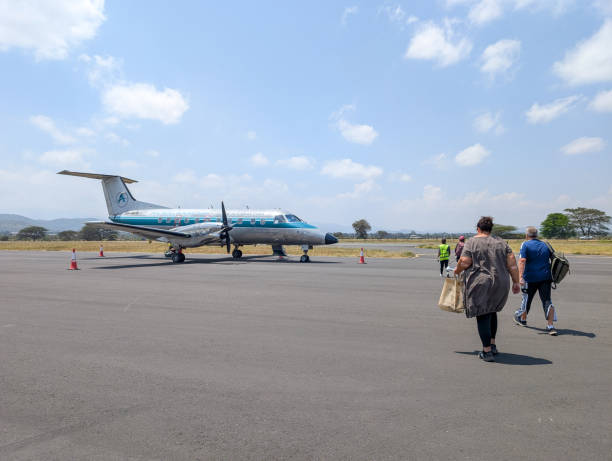
- Flights: Daily flights operate from Dar es Salaam to Mtwara Airport (MYW).
- Road: While possible, road travel from Dar es Salaam is long (10-12 hours) and can be challenging.
Accommodation in Mtwara
Mtwara offers a range of accommodation options, from simple guesthouses to more comfortable hotels. Options include:
- Hotels in Mtwara town: Offering standard amenities.
- Lodges and guesthouses near coastal areas: Some may offer direct access or proximity to mangrove areas.
- Mikindani: Offers charming heritage accommodations.
Booking Your Tour
It’s best to book your Mtwara mangrove kayaking tour through a reputable tour operator. This ensures:
- Safety: Experienced guides and proper equipment are provided.
- Logistics: Transportation to the launch site and any necessary permits are handled.
- Quality: A well-planned itinerary that maximizes your experience.
- Support: Assistance with any issues that may arise.
For a smooth booking process and expert advice tailored to your travel plans for 2026-2027, consider reaching out to Top Guide Adventures. They specialize in creating customized Tanzanian travel experiences and can integrate a mangrove kayaking tour into your broader itinerary. Contact them via WhatsApp +255616946642 or email topguideadventures@gmail.com (backup: info@topguideadventures.com).
Frequently Asked Questions about Mtwara Mangrove Kayaking
What is the best time of year for Mtwara mangrove kayaking?
The dry season, from June to October, is generally the best time due to calmer waters and less rainfall. However, shoulder seasons can also be suitable, weather permitting.
Do I need to be an experienced kayaker?
No, Mtwara mangrove kayaking tours are typically suitable for beginners. Guides provide instruction, and the waters are usually calm and sheltered. However, a reasonable level of fitness is beneficial.
What wildlife can I expect to see?
You can expect to see a variety of birdlife, including kingfishers and herons, as well as marine life like mudskippers and crabs. Sightings of larger animals are rare but possible.
Is it safe to kayak in the mangroves?
Yes, when undertaking a tour with a reputable operator. They provide safety equipment like life vests and have experienced guides who know the waterways and potential hazards.
What should I wear?
Wear lightweight, quick-drying clothing, sun protection (hat, sunglasses, sunscreen), and water-friendly shoes. A waterproof bag for valuables is also recommended.
Can I combine this with a safari?
Absolutely. Mtwara is in the south of Tanzania. While not on the northern circuit, it can be combined with southern circuit safaris (like Selous/Nyerere National Park, Ruaha) or visited as a distinct coastal experience. Many tour operators can help arrange multi-destination trips.
Your Unforgettable Coastal Adventure Awaits
The Mtwara mangrove kayaking tour offers a refreshing perspective on Tanzania’s diverse natural beauty. It’s an opportunity to paddle through a vital ecosystem, witness unique wildlife, and experience the tranquility of the coast in an environmentally conscious way. Whether you’re planning for 2026 or 2027, this adventure promises to be a highlight of your Tanzanian journey.
For expert planning and to ensure your Mtwara mangrove kayaking tour is perfectly tailored to your interests, connect with experienced local guides. Top Guide Adventures is ready to help craft your dream Tanzanian coastal experience. Reach out via WhatsApp +255616946642 or email topguideadventures@gmail.com (backup: info@topguideadventures.com) and start planning your unforgettable exploration today.
Check Availability for Mtwara Mangrove Kayaking Tour: Explore Tanzanias Coastal Wilderness…
Ready to compare dates, prices, and the best option for your group? Send the package name and travel month so the team can reply with a clear quote, availability, and what is included.
 Mtwara Snorkeling Experience GuideExplore the untouched beauty of Mtwara's coastline with an unforgettable snorkeling experience. Discover vibrant coral gardens, diverse marine…View package
 Mtwara Scuba Diving Tour: Your Ultimate Guide For 2026-2027Discover the underwater wonders of Mtwara with our comprehensive guide to scuba diving tours. Perfect for marine life enthusiasts and adventure…View package
 1-Day Mtwara City Tour: Discover Southern Tanzanias Coastal Charm 2026-2027A comprehensive guide to a 1-day tour of Mtwara City, Tanzania, highlighting its cultural richness, historical significance, and unique coastal…View package
 Mtwara Region Packages: Your Gateway To Southern Tanzanias Untamed BeautyExplore comprehensive Mtwara Region packages designed for an authentic Southern Tanzania adventure. These tours offer unique safaris, cultural…View package
 3-Day Mikindani Heritage Adventure: Explore Historic Swahili Coast 2026-2027A detailed 2026-2027 guide to 3-Day Mikindani Heritage Adventure, with clear planning and booking information for travelers.View package
 1-Day Mnazi Bay Marine Park Tour: Your Ultimate Zanzibar Coastal AdventureA 1-day tour to Mnazi Bay Marine Park offers a spectacular escape into Zanzibar's underwater world. This itinerary focuses on snorkeling…View package
 1-Day Mikindani Old Town Tour: A Journey Through Zanzibars Rich HistoryA detailed 2026-2027 guide to 1-Day Mikindani Old Town Tour, with clear planning and booking information for travelers.View packageMalagarasi River Nature Expedition: Unveiling Tanzanias Less Crowded PlaceA detailed 2026-2027 guide to Malagarasi River Nature Expedition, with clear planning and booking information for travelers.View package


