
Updated planning guide for 2026, 2027-2028
Ndarakwai Ranch Walking Safari From Moshi: Best Guide 2026-2027-2028
Discover the unique experience of a Ndarakwai Ranch walking safari starting from Moshi. This guide covers everything you need to know for an unforgettable adventure in Tanzania.
WhatsApp +255616946642 | topguideadventures@gmail.com | info@topguideadventures.com
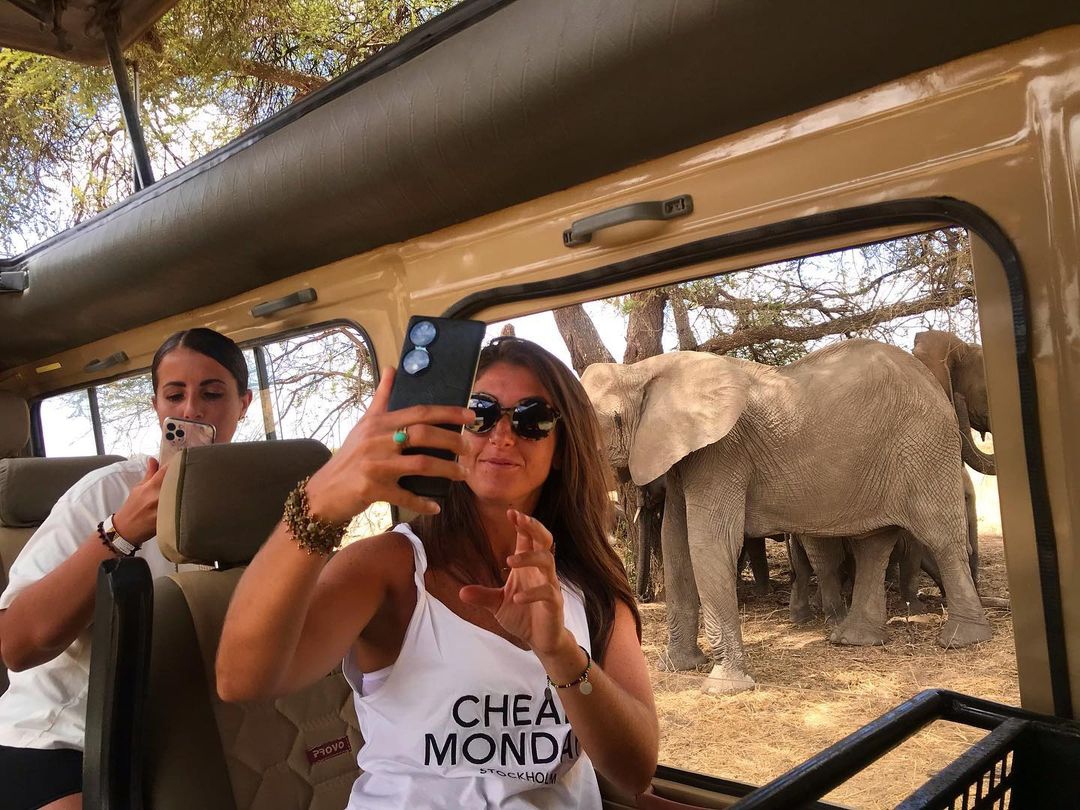
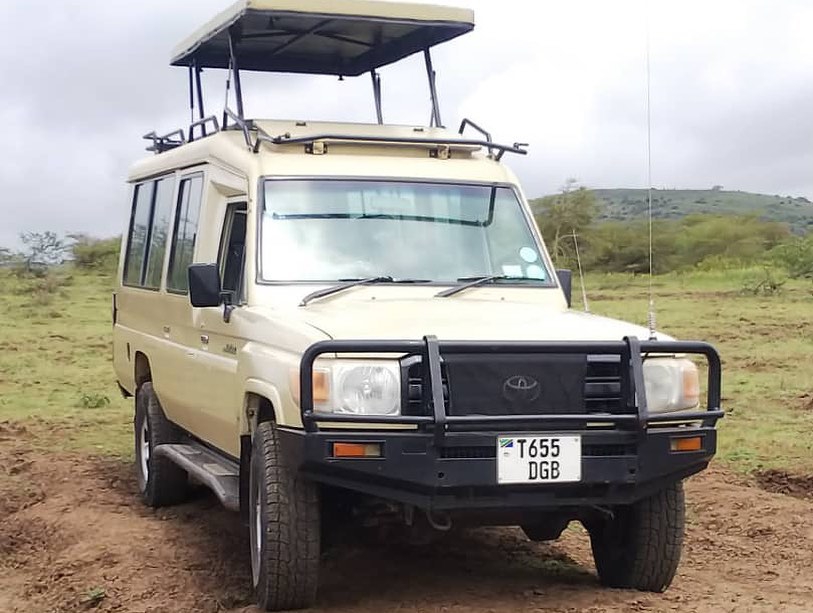
Ndarakwai Ranch Walking Safari From Moshi: Your Complete Tanzania Adventure Guide
For travelers seeking an intimate connection with the African wilderness, a Ndarakwai Ranch walking safari from Moshi offers a distinct and deeply rewarding experience. Moving away from the confines of a vehicle, this style of safari allows you to engage your senses fully, observe the subtle details of the bush, and feel the pulse of the land beneath your feet. Ndarakwai Ranch, situated in a prime location near Kilimanjaro and the renowned safari areas of northern Tanzania, provides an ideal base for such an exploration. This guide is designed to provide you with all the essential information to plan and book your walking safari adventure, ensuring a memorable journey in 2026 and 2027.
We understand that planning a safari can seem complex. That’s why we’ve created this detailed resource, covering everything from what to expect on a walking safari to practical advice on packing, seasonality, costs, and booking. Whether you’re a seasoned traveler or new to African safaris, this guide aims to simplify the process and highlight the unique advantages of a Ndarakwai Ranch walking safari originating from Moshi.
Quick Answer: What is a Ndarakwai Ranch Walking Safari from Moshi?
A Ndarakwai Ranch walking safari from Moshi is a guided, on-foot exploration of the natural environment surrounding Ndarakwai Ranch, a private conservancy often used as a staging point or destination for walking safaris. It emphasizes a slow, immersive approach to wildlife viewing and bush education, allowing participants to experience the sights, sounds, and smells of the African landscape up close. It’s an alternative to traditional vehicle-based safaris, focusing on smaller details, tracking, and understanding the ecosystem from ground level, typically starting or ending in the convenient hub of Moshi.
Table of Contents
- Ndarakwai Ranch Walking Safari: Quick Facts
- Understanding the Ndarakwai Ranch Walking Safari Experience
- Why Choose a Walking Safari at Ndarakwai Ranch?
- Best Time to Visit for a Ndarakwai Ranch Walking Safari
- Ndarakwai Ranch Area Overview & Map
- Sample Ndarakwai Ranch Walking Safari Itinerary (3 Days / 2 Nights)
- What to Expect on Your Walking Safari
- Inclusions, Packing List, and Preparation
- Common Mistakes to Avoid
- Who is a Ndarakwai Ranch Walking Safari Best Suited For?
- Alternatives to Ndarakwai Ranch Walking Safaris
- Planning Your Safari for 2026-2027
- Booking Your Ndarakwai Ranch Walking Safari
- Frequently Asked Questions (FAQs)
Ndarakwai Ranch Walking Safari: Quick Facts
| Feature | Details |
|---|---|
| Primary Activity | Guided walking safaris, bush walks, nature observation |
| Starting/Ending Point | Typically Moshi, Tanzania |
| Location of Walks | Ndarakwai Ranch and surrounding areas; may include nearby conservancies. |
| Wildlife Focus | Smaller game, birds, insects, flora, tracks, and signs of wildlife; larger game may be encountered cautiously. |
| Accommodation | Often includes lodge/tented camp accommodation at or near Ndarakwai Ranch. |
| Group Size | Typically small, intimate groups for safety and immersion. |
| Guides | Experienced, armed rangers and knowledgeable local guides. |
| Seasonality | Accessible year-round, but dry seasons (June-Oct, Jan-Feb) are generally preferred for comfort and wildlife viewing. |
| Duration | Can range from a half-day activity to multi-day immersive experiences. |
Understanding the Ndarakwai Ranch Walking Safari Experience
A walking safari is fundamentally different from a game drive. It’s not about ticking off a list of the ‘Big Five’ from the comfort of a safari vehicle. Instead, it’s about slowing down, engaging your senses, and gaining a profound appreciation for the intricate details of the African bush. At Ndarakwai Ranch, this experience is enhanced by the unique environment it offers, often characterized by diverse vegetation, scenic vistas, and a less crowded atmosphere compared to some of the more famous national parks.
Your journey typically begins in Moshi, the bustling town at the foot of Mount Kilimanjaro. From Moshi, you’ll be transferred to Ndarakwai Ranch. The ranch itself is more than just a base; it’s often a destination in its own right, providing accommodation and acting as a gateway to the walking trails. The walks are led by highly trained and armed guides who are experts in bushcraft, tracking, local ecology, and ensuring guest safety. They will point out things you might otherwise miss: the intricate patterns of an insect’s wing, the subtle scent of a medicinal plant, the fresh tracks of a leopard, or the alarm call of a bird signaling nearby movement.
The focus is on education and immersion. You’ll learn about animal behavior by observing tracks and signs, understand the relationships between different species, and gain insight into the medicinal and practical uses of local flora. While you might encounter larger wildlife such as giraffes, zebras, various antelopes, and perhaps even elephants or buffalo depending on the specific area within the ranch’s influence, the approach is always one of respect and caution. The guides prioritize your safety, maintaining a safe distance and ensuring you are always aware of your surroundings.
Why Choose a Walking Safari at Ndarakwai Ranch?
Ndarakwai Ranch offers a compelling proposition for those looking for a walking safari experience near Moshi, distinct from the more common safari destinations like the Serengeti or Ngorongoro Crater. Here’s why it stands out:
- Intimate Wildlife Encounters: Walking allows for a much closer, more personal connection with the environment. You are part of the landscape, not just an observer.
- Sensory Immersion: Engage all your senses. Hear the rustle of leaves, smell the earthy scent of the soil after rain, feel the warmth of the sun, and see the minute details of the flora and fauna.
- Expert Guidance: Ndarakwai Ranch partners with skilled guides who are not only armed for safety but are also deeply knowledgeable about tracking, botany, entomology, and local culture. They bring the bush to life.
- Unique Landscape: The ranch and its surroundings often boast varied terrain, from open plains to acacia woodlands, offering diverse habitats for wildlife and beautiful scenery, often with Kilimanjaro providing a majestic backdrop.
- Peace and Tranquility: Walking safaris are inherently quieter and less disruptive than vehicle safaris. This allows for a more peaceful experience and often leads to more relaxed wildlife sightings.
- Educational Value: Learn about the ecosystem from a ground-up perspective. Understand tracking, identify plants and their uses, and learn about the smaller creatures that form the foundation of the food chain.
- Proximity to Moshi: Being accessible from Moshi makes it a convenient option for those arriving or departing via Kilimanjaro International Airport (JRO) or for combining with a Kilimanjaro climb or other regional activities.
- Less Crowded: While not a national park in the traditional sense, private conservancies like Ndarakwai often offer a more exclusive experience with fewer tourists.
For travelers planning for 2026 or 2027, a walking safari at Ndarakwai Ranch presents an opportunity to experience Tanzania’s wilderness in a way that is both authentic and deeply personal. It’s an adventure that stays with you long after you’ve left.
Best Time to Visit for a Ndarakwai Ranch Walking Safari
While Tanzania’s climate allows for walking safaris year-round, certain periods offer distinct advantages for comfort and wildlife viewing around Ndarakwai Ranch. Understanding the seasons will help you plan your 2026 or 2027 trip effectively.
| Season | Months | Pros for Walking Safari | Cons for Walking Safari |
|---|---|---|---|
| Dry Season (Long) | June – October | Cooler temperatures, less rain, easier walking conditions, wildlife congregates around water sources, good visibility. Ideal for comfortable trekking. | Can be busier, especially July-September. Some vegetation is sparser. |
| Short Rains | November – December | Pleasant temperatures, landscape becomes greener, fewer tourists. Good for birdwatching. | Short, unpredictable showers can occur, potentially interrupting walks. |
| Long Rains | March – May | Lush green scenery, dramatic skies, excellent for photography, very few tourists. Lower prices may be available. | Heavy, prolonged rains can make walking difficult and muddy. Some wildlife may disperse. Certain areas might be less accessible. |
| Dry Season (Short) / Hot Season | January – February | Warm to hot, dry conditions, good for wildlife viewing as animals gather near water. Good visibility. | Can be quite hot, making midday walks challenging. Requires good hydration and sun protection. |
Recommendation: For the most comfortable walking experience with good wildlife viewing potential, the dry seasons (June to October, and January to February) are generally recommended. However, the shoulder months of November and March can also be very rewarding, offering a balance of good conditions and fewer crowds. For 2026-2027 planning, consider booking your preferred dates well in advance, especially if targeting the peak dry season.
Ndarakwai Ranch Area Overview & Map
Ndarakwai Ranch is strategically located in the northern part of Tanzania, offering a unique landscape that blends savannah, woodlands, and the foothills leading towards the Kilimanjaro massif. While a detailed topographical map is best viewed on a specialized service, we can illustrate the general area and its relation to Moshi and other key points.
The ranch is situated to the east of the Arusha-Moshi road, not far from the town of Arusha and closer to Moshi. Its location is significant because it sits in a transitional zone, benefiting from the proximity to Kilimanjaro’s foothills and also being relatively accessible to areas that might be considered extensions of the Northern Safari Circuit, though it operates more as a private conservancy or specialized walking safari destination.
General Area Layout:
| North: | Mount Kilimanjaro (visible on clear days), agricultural lands, foothills. |
| East: | Open country, potentially leading towards other conservancies or wilderness areas. |
| South: | Savannah plains, acacia woodlands, grazing areas. |
| West: | The main Arusha-Moshi highway, connecting to Arusha town and Kilimanjaro International Airport (JRO). |
Key Points of Interest/Activities in the Walking Safari Area:
- Ndarakwai Ranch Grounds: The primary area for accommodation and starting point. Offers its own network of trails.
- Riverine Areas: Often attract a variety of wildlife, especially birds and smaller mammals.
- Acacia Woodlands: Provide shade and habitat for diverse species. Guides will teach about the flora.
- Open Savannah Patches: Where larger plains game might be spotted grazing.
- Lookout Points: Elevated spots offering panoramic views, sometimes including Kilimanjaro.
- Watering Holes: Natural or man-made sources that attract animals.
The walking routes are designed by the guides based on recent animal movements, weather conditions, and guest preferences. They are not fixed paths but rather areas explored on foot, prioritizing safety and immersion. Your safari operator will provide specific details about the exact terrain and areas covered during your trip.
Sample Ndarakwai Ranch Walking Safari Itinerary (3 Days / 2 Nights)
This is a sample itinerary designed to give you a feel for a typical walking safari experience based at Ndarakwai Ranch, starting and ending in Moshi. Actual itineraries can be customized to your interests and fitness levels.
| Day | Morning | Afternoon | Evening |
|---|---|---|---|
| Day 1: Arrival in Moshi & Transfer to Ndarakwai Ranch | Arrive at Kilimanjaro International Airport (JRO) or your hotel in Moshi. You will be met by your safari guide. | Scenic drive from Moshi to Ndarakwai Ranch (approx. 1-1.5 hours). Check into your accommodation. After lunch and a briefing, take a short, introductory bush walk around the ranch to get acquainted with the environment and your guide’s expertise. Focus on flora, insects, and birdlife. | Return to the lodge/camp. Relax, enjoy sundowners with views of Kilimanjaro (weather permitting). Dinner is served, followed by a briefing for the next day. |
| Day 2: Full Day Walking Safari Exploration | After an early breakfast, set out for a substantial walking safari (3-4 hours). Your guide will lead you through varied terrain, focusing on tracking animals, identifying different bird species, and learning about the bush. You might encounter smaller plains game, various antelope species, or even signs of larger predators. Learn about edible and medicinal plants. | Return to the lodge for a hearty lunch. After a rest period during the hottest part of the day, you’ll head out for another walking excursion (2-3 hours), perhaps exploring a different area or focusing on specific interests like birding or photography. | Return to the lodge/camp before sunset. Freshen up. Enjoy dinner, sharing stories of the day’s discoveries. Stargazing can be spectacular here away from city lights. |
| Day 3: Morning Walk & Departure | An early morning wake-up call. Enjoy a final bush walk (2-3 hours) focusing on any particular interests or areas you haven’t explored. This could be a chance to spot wildlife that is more active in the cool morning air. | Return to the lodge for a final breakfast. Check out and begin your transfer back to Moshi or Kilimanjaro International Airport (JRO) for your onward journey, filled with memories of your immersive walking safari experience. | N/A |
Note: This itinerary can be extended to 4 or 5 days for deeper exploration. It can also be combined with other activities like visits to local communities, cultural tours, or even a short Kilimanjaro climb preparation day.
What to Expect on Your Walking Safari
A walking safari is an adventure that engages you physically and mentally. Here’s a breakdown of what you can realistically expect:
- Pace: The pace is slow and deliberate. You’ll stop frequently to observe, listen, and learn from your guide. It’s about quality of observation, not covering vast distances quickly.
- Guides: You will be accompanied by at least one, often two, highly trained and armed rangers. They are your eyes and ears, ensuring your safety while also sharing immense knowledge about the bush. They are skilled in tracking, identifying species, and understanding animal behavior.
- Wildlife: While you are in wildlife areas, the encounters are different from vehicle safaris. You’ll likely see plenty of smaller game like antelopes (impala, dik-dik, gazelles), zebras, warthogs, and a vast array of birdlife. You may also encounter larger animals like giraffes, buffalo, or even elephants. Guides will always ensure a safe distance is maintained, especially with potentially dangerous animals. The emphasis is on observing behavior and understanding the ecosystem, rather than just spotting large mammals.
- Terrain: Expect to walk on uneven ground, through grass, light bush, and potentially over rocky or sandy patches. The terrain is generally manageable for most fitness levels, but it requires sturdy footwear and a reasonable level of mobility.
- Sensory Experience: This is a key aspect. You will hear the sounds of the bush, smell the earth and vegetation, feel the temperature changes, and see details often missed from a vehicle.
- Safety: Safety is paramount. Your guide is armed and trained to handle any wildlife encounters. They will brief you on safety protocols, such as staying together, not running if an animal is spotted, and following their instructions implicitly. Walking safaris are conducted in areas deemed safe by experienced guides.
- Duration: Walks can range from a few hours to a full day, often with a break for a packed lunch in the bush. The length and intensity can usually be tailored to your preferences and fitness.
- Accommodation: Typically, you’ll stay in comfortable lodges or tented camps at or near Ndarakwai Ranch, offering amenities like comfortable beds, en-suite bathrooms, and delicious meals.
- Learning: Expect to learn a great deal about tracking, animal behavior, plants, insects, and the delicate balance of the ecosystem. It’s an educational experience as much as an adventure.
For travelers planning for 2026-2027, managing expectations is key. A walking safari is about immersion and understanding, not just adrenaline-pumping sightings of big cats at every turn, though those can happen!
Inclusions, Packing List, and Preparation
To ensure your Ndarakwai Ranch walking safari from Moshi is comfortable and successful, proper preparation and packing are essential. Your tour operator will provide a detailed list, but here are the general guidelines:
Typical Inclusions:
- Accommodation at Ndarakwai Ranch (or similar)
- All meals (breakfast, lunch, dinner) during your stay at the ranch
- Guided walking safaris as per itinerary
- Expert, armed guides and rangers
- Park fees or conservancy fees (if applicable to the specific area)
- Transfers from Moshi to Ndarakwai Ranch and back
- Drinking water during walks and transfers
What to Pack:
Focus on lightweight, neutral-colored clothing suitable for walking and warm weather. Avoid bright colors, which can disturb wildlife.
- Clothing:
- Lightweight, breathable long-sleeved shirts (neutral colors: khaki, green, brown) – for sun and insect protection.
- Long trousers (hiking trousers are ideal) – neutral colors.
- T-shirts and comfortable tops for relaxing.
- A warm fleece or jacket for cooler mornings/evenings.
- A lightweight waterproof or windproof jacket.
- Comfortable walking shorts (for around the lodge/camp).
- Socks (moisture-wicking, several pairs).
- Underwear.
- Footwear:
- Sturdy, broken-in hiking boots or strong walking shoes with good ankle support. This is crucial for walking safaris.
- Comfortable shoes or sandals for relaxing at the lodge/camp.
- Headwear & Sun Protection:
- Wide-brimmed hat or cap for sun protection.
- High SPF sunscreen.
- Sunglasses.
- Health & Hygiene:
- Personal first-aid kit (band-aids, antiseptic wipes, pain relievers, any personal medications).
- Insect repellent (with DEET or Picaridin).
- Hand sanitizer.
- Any prescription medications.
- Accessories:
- Binoculars (essential for spotting wildlife and birds).
- Camera with extra batteries and memory cards.
- Reusable water bottle.
- Small backpack or daypack for walks (to carry water, snacks, camera, binoculars).
- Headlamp or small flashlight (useful around camp at night).
- Travel adapter for charging electronics.
- Personal toiletries.
Preparation:
- Fitness: While not a strenuous trek, a walking safari requires a moderate level of fitness to walk for several hours over uneven terrain. Start incorporating walking into your routine a few months before your trip.
- Vaccinations & Health: Consult your doctor or a travel clinic at least 6-8 weeks before your trip regarding recommended vaccinations (e.g., Yellow Fever, Typhoid, Hepatitis A) and malaria prophylaxis.
- Travel Insurance: Ensure you have comprehensive travel insurance that covers medical emergencies, evacuation, and trip cancellation.
- Visa: Check the visa requirements for Tanzania for your nationality.
- Currency: Tanzania Shilling (TZS) is the local currency. US Dollars are widely accepted for tourist services, but it’s good to have some local currency for smaller purchases.
- Respect Local Customs: Dress modestly when not on safari activities, especially if visiting local villages.
Common Mistakes to Avoid
To ensure your Ndarakwai Ranch walking safari from Moshi is as smooth and enjoyable as possible, be aware of common pitfalls that travelers sometimes encounter.
- Underestimating the Walking: Some people assume a walking safari is leisurely stroll. While the pace is slow, it can involve hours of walking on uneven terrain. Ensure you are prepared physically.
- Wearing the Wrong Clothing/Footwear: Bright colors can alert wildlife and are not recommended. Cotton clothing can be uncomfortable when it’s hot and takes a long time to dry if it gets wet. Open-toed shoes are unsuitable for walking safaris.
- Not Packing Enough Sun Protection: The African sun can be intense. Forgetting hats, sunscreen, and sunglasses can lead to discomfort and sunburn.
- Bringing Too Much Luggage: While Ndarakwai Ranch may not have strict weight limits like small bush planes, it’s always best to pack light for ease of travel and transfer. Focus on multi-functional items.
- Ignoring Guide Instructions: Your guides are experts. Their instructions are for your safety and the well-being of the wildlife. Always listen carefully and follow their lead, especially regarding animal encounters.
- Expecting Constant Big Game Sightings: Walking safaris offer a different perspective. While you might see big game, the focus is on the smaller details, tracking, and the overall ecosystem. Don’t be disappointed if you don’t see a lion on every walk; appreciate the diversity you do encounter.
- Not Bringing Binoculars: Binoculars are almost essential for appreciating the details of wildlife and birdlife at a distance. Don’t leave them behind!
- Forgetting Insect Repellent: Even in dry seasons, mosquitoes can be present, especially around dusk and dawn or near water sources.
- Not Discussing Fitness Levels: If you have any concerns about your fitness or mobility, communicate them to your tour operator *before* booking. They can help tailor the experience.
- Booking Last Minute for Peak Seasons (2026-2027): If you plan to travel during popular times like the dry season in 2026 or 2027, book well in advance to secure your preferred accommodation and dates.
Who is a Ndarakwai Ranch Walking Safari Best Suited For?
A walking safari at Ndarakwai Ranch from Moshi is an exceptional choice for a specific type of traveler who values depth, immersion, and a unique connection with nature. It is particularly well-suited for:
- Nature Enthusiasts: Those who appreciate the intricate details of the natural world – the plants, insects, birds, and smaller mammals – as much as the larger game.
- Adventurous Travelers: Individuals seeking an active, immersive experience that goes beyond traditional sightseeing.
- Photographers: Photographers looking for unique perspectives and intimate shots of wildlife and landscapes, away from the crowds.
- Learning-Oriented Travelers: People who want to deepen their understanding of ecology, tracking, and bushcraft from expert guides.
- Couples and Small Groups: The intimate nature of walking safaris makes it ideal for couples or small groups of friends who want a shared, personal experience.
- Repeat Safari-Goers: Travelers who have experienced vehicle-based safaris and are looking for a different, more grounded perspective on the African wilderness.
- Those Seeking Peace and Quiet: Individuals who want to escape the noise and bustle, and find tranquility in the sounds of the bush.
- Travelers with Moderate Fitness: Anyone who is comfortable walking for a few hours at a time on uneven terrain.
It is generally less suited for very young children (unless specifically arranged with the operator and guides), individuals with significant mobility issues, or those who are solely focused on seeing the ‘Big Five’ from a vehicle within a short timeframe.
Alternatives to Ndarakwai Ranch Walking Safaris
While Ndarakwai Ranch offers a fantastic walking safari experience, Tanzania boasts a diverse range of safari and nature-based activities. If a walking safari isn’t quite what you’re looking for, or if you wish to combine it with other experiences, consider these alternatives:
| Alternative | Description | Why Choose This? | Best For |
|---|---|---|---|
| Vehicle-Based Safaris in Northern Parks | Traditional game drives in iconic parks like Serengeti, Ngorongoro Crater, Tarangire, and Lake Manyara. | Maximizes chances of seeing a wide variety of wildlife, including the Big Five, with less physical exertion. Excellent for covering large areas. | First-time safari-goers, those focused on Big Five sightings, families. |
| Day Hikes on Mount Kilimanjaro’s Lower Slopes | Guided day treks on the lower routes of Kilimanjaro, like Marangu or Machame, offering stunning views and forest exploration. | Experience the grandeur of Kilimanjaro without the commitment of a full climb. Good for acclimatization or shorter stays. | Fitness enthusiasts, photographers, those interested in Kilimanjaro’s environment. |
| Cultural Tours & Village Visits | Exploring local communities around Moshi, learning about Chagga culture, visiting coffee plantations, and interacting with residents. | Gain insights into the local way of life, history, and traditions. Offers a cultural counterpoint to wildlife viewing. | Culturally curious travelers, those interested in local crafts and agriculture. |
| Selous Game Reserve (Nyerere National Park) Walking Safaris | Located in southern Tanzania, this vast reserve is renowned for its walking safaris, boat safaris, and traditional game drives. | Offers a different ecosystem and a more remote, wilder feel than northern parks. Excellent for boat safaris on the Rufiji River. | Travelers seeking a more remote experience, those interested in boat safaris alongside walking. |
| Ruaha National Park Safaris | Tanzania’s largest national park, known for its large elephant and predator populations, offering both vehicle and walking safari options. | Wild, remote, and less visited. Offers a truly wild African experience with excellent predator sightings. | Experienced safari-goers, those seeking off-the-beaten-path adventures. |
| Zanzibar Beach Holidays | Relaxing on pristine beaches, snorkeling, diving, spice tours, and exploring Stone Town. | Offers a complete contrast to safari, providing relaxation and a different cultural experience. | Those looking to combine safari with beach relaxation, honeymooners. |
A Ndarakwai Ranch walking safari from Moshi is unique in its blend of accessibility, intimate bush experience, and educational focus, making it a standout choice for many.
Planning Your Safari for 2026-2027
Planning a safari for future years like 2026 or 2027 requires foresight, especially for popular destinations and experiences. Here’s a planning checklist to help you organize your Ndarakwai Ranch walking safari from Moshi:
| Timeline | Action Item | Notes |
|---|---|---|
| 12-18 Months Prior | Define your travel window and priorities. | Consider the best time to visit (see ‘Best Time’ section). Decide if you want to combine with other activities (Kilimanjaro, Zanzibar). |
| 10-12 Months Prior | Research tour operators. | Look for operators with experience in walking safaris and good reviews. Contact a few for quotes and sample itineraries. |
| 8-10 Months Prior | Book your safari. | Secure your preferred dates, especially for peak season 2026-2027. Confirm inclusions and exclusions. |
| 6-8 Months Prior | Book flights. | International flights can be booked once your safari is confirmed. Consider booking Kilimanjaro International Airport (JRO) as your arrival/departure point. |
| 4-6 Months Prior | Health consultations and vaccinations. | Visit your doctor or a travel clinic. Discuss malaria prevention and other necessary inoculations. Obtain any required visa information. |
| 2-3 Months Prior | Purchase travel insurance. | Ensure it covers medical emergencies, evacuation, and trip cancellation. |
| 1-2 Months Prior | Start packing and fitness preparation. | Begin breaking in hiking boots. Pack appropriate clothing and gear. Review your packing list. |
| 2-4 Weeks Prior | Finalize payments and confirm details. | Ensure all payments are made. Reconfirm flight and safari arrangements. Obtain contact details for your operator. |
| 1 Week Prior | Exchange currency, pack essentials. | Get some USD for tips/incidentals and some TZS if needed. Pack toiletries and personal items. Make copies of important documents (passport, visa, insurance). |
| During Trip | Stay hydrated, follow guide instructions, enjoy! | Be present and soak in the experience. Tip your guides and staff appropriately. |
Planning ahead for 2026 and 2027 is crucial for securing the best options and ensuring a stress-free adventure.
Booking Your Ndarakwai Ranch Walking Safari
Choosing the right tour operator and understanding the booking process are key to a successful Ndarakwai Ranch walking safari from Moshi. Here’s expert advice:
- Choose a Reputable Operator: Look for a Tanzania-based tour operator with proven experience in walking safaris and a strong local presence. Websites like Best Tanzania Tour Operator specialize in these types of trips and can offer tailored advice. Check reviews on platforms like TripAdvisor, but also look for direct testimonials.
- Ask Detailed Questions: Don’t hesitate to ask about guide qualifications (e.g., armed ranger certification, specific training), group sizes, safety protocols, the exact areas covered on walks, and what wildlife is typically seen.
- Understand Inclusions and Exclusions: Clarify what is covered in the price. This typically includes accommodation, meals at the lodge, guided walks, park/conservancy fees, and transfers. Exclusions often include international flights, visas, travel insurance, tips, alcoholic beverages, and personal items.
- Confirm Itinerary Flexibility: While sample itineraries are useful, ask if the plan can be customized to your interests (e.g., more focus on birding, photography, or specific types of terrain).
- Deposit and Payment Schedule: Most operators require a deposit (often 20-50%) to confirm a booking, with the balance due closer to the travel date (e.g., 30-60 days prior). Understand their payment terms and cancellation policy thoroughly.
- Contract and Confirmation: Ensure you receive a detailed booking confirmation and contract outlining all agreed-upon services, dates, prices, and terms and conditions.
- Communication is Key: Maintain open communication with your chosen operator. Share any special requirements, dietary needs, or health concerns well in advance.
- For 2026-2027 Travel: Book early. The best guides, accommodations, and preferred travel dates, especially during the dry seasons, get booked up quickly. Planning 10-12 months in advance is advisable for these future years.
Contacting us directly is a great way to start planning. You can reach out via:
- WhatsApp: +255616946642
- Email: topguideadventures@gmail.com
- Backup Email: info@topguideadventures.com
We are dedicated to creating unforgettable Tanzanian adventures and can help you craft the perfect Ndarakwai Ranch walking safari from Moshi.
Frequently Asked Questions (FAQs)
1. Is Ndarakwai Ranch a National Park?
No, Ndarakwai Ranch is typically a private conservancy or a private land area that functions as a lodge and a base for walking safaris. It offers a different experience from the more regulated national parks, often with more flexibility for walking activities.
2. Are walking safaris dangerous?
Walking safaris are conducted with highly trained, armed rangers who are experts in wildlife behavior and safety protocols. While there are inherent risks in being in the wilderness, these risks are managed extremely carefully. Your safety is the guides’ top priority. You must always follow their instructions.
3. What kind of wildlife can I expect to see?
You can expect to see a variety of plains game like zebras, wildebeest, various antelopes (dik-dik, impala, gazelles), warthogs, and abundant birdlife. Depending on the specific area and conditions, you may also encounter giraffes, buffalo, and potentially signs of predators like lions or leopards. The focus is on the details of the bush and the ecosystem.
4. Do I need to be very fit for a walking safari?
A moderate level of fitness is recommended. You should be comfortable walking for 2-4 hours at a time over uneven terrain. The pace is slow and includes many stops, but it’s not a leisurely stroll. If you have concerns, discuss them with your tour operator.
5. What is the best time of year for a walking safari at Ndarakwai Ranch?
The dry seasons (June-October and January-February) are generally best for comfortable walking conditions and good wildlife visibility. However, walking safaris can be done year-round.
6. What should I wear on a walking safari?
Wear neutral-colored, lightweight, long-sleeved shirts and long trousers for sun and insect protection. Sturdy, broken-in hiking boots are essential. Avoid bright colors and open shoes.
7. Can children go on walking safaris?
Walking safaris are generally recommended for children aged 12 and above due to safety considerations and the need to follow instructions precisely. However, some operators may allow younger children if the walks are shorter and tailored, especially if accompanied by parents and with prior agreement. Always check with your tour operator.
8. How far in advance should I book for 2026 or 2027?
For travel in 2026 or 2027, it is highly recommended to book at least 8-12 months in advance, especially if you plan to travel during the peak dry seasons (June-October). This ensures availability of preferred accommodation and guides.
9. What is the difference between a walking safari and a game drive?
A walking safari is on foot, allowing for a very intimate, sensory experience focused on details, tracking, and learning about the bush. A game drive is in a vehicle, allowing you to cover more ground and often see larger animals from a safe distance more quickly.
10. Can I combine a walking safari with other activities?
Absolutely! A Ndarakwai Ranch walking safari from Moshi can be easily combined with a Mount Kilimanjaro climb, a visit to other northern circuit parks, or a trip to Zanzibar for a complete Tanzanian experience.
Ready for Your Ndarakwai Ranch Walking Safari Adventure?
A Ndarakwai Ranch walking safari from Moshi offers an unparalleled opportunity to connect with the wild heart of Tanzania. It’s an experience that awakens the senses, deepens understanding, and creates lasting memories. Whether you are planning for 2026, 2027, or beyond, we are here to help you craft the perfect journey.
Let us assist you in designing a personalized itinerary that matches your interests, fitness level, and travel style. We handle all the details, ensuring a smooth and unforgettable safari experience.
Contact us today to start planning your dream walking safari:
- WhatsApp: +255616946642
- Email: topguideadventures@gmail.com
- Backup Email: info@topguideadventures.com
We look forward to helping you explore the magic of Ndarakwai Ranch and Tanzania!
Plan your Ndarakwai Ranch Walking Safari From Moshi with Top Guide Adventures
Tell us your travel dates, group size, comfort level, and dream experience. We will help you shape a clear, realistic, and memorable Tanzania itinerary.







 Veedesigner
 Fatma Kizanga
 Benjamin Waryuba
 Philip Philip
 John jr Itaja
 Antonia Optatus
 Edith Kanyere
 Neema Iddy
 Kelvin Boniphace
 Damari Maiga



