
Updated planning guide for 2026, 2027-2028
Ngorongoro Camping Safari From Moshi: Best Guide 2026-2027-2028
Discover how to arrange an unforgettable Ngorongoro camping safari starting from Moshi. This guide covers everything from planning and packing to potential itineraries and what makes this experience unique for 2026-2027 adventures.
WhatsApp +255616946642 | topguideadventures@gmail.com | info@topguideadventures.com
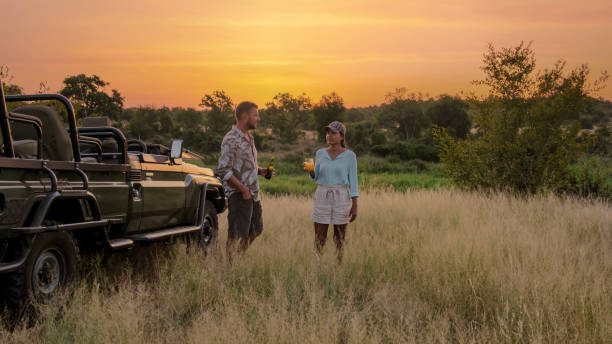
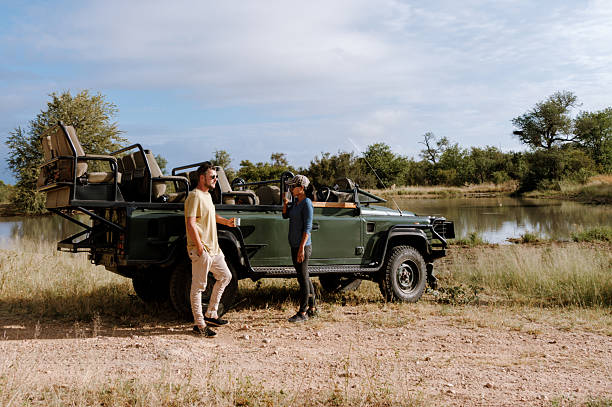
Ngorongoro Camping Safari From Moshi: Your Ultimate Planning Guide
A Ngorongoro camping safari from Moshi offers a profound connection with nature and wildlife, bringing you closer to the heart of Tanzania’s most iconic conservation area. For many travelers, the dream of witnessing the ‘eighth wonder of the world’ involves experiencing it intimately, and camping within or near the Ngorongoro Conservation Area (NCAA) provides just that. This guide is designed to help you understand every facet of planning and executing a memorable camping safari from Moshi, covering essential details for your 2026-2027 travels.
Starting your journey in Moshi, a town famously known as the gateway to Mount Kilimanjaro, positions you well for a safari adventure. It’s a logical starting point, especially if you’re combining your trek with a wildlife experience. This guide will detail the practicalities, the magic, and the planning required for a Ngorongoro camping safari from Moshi, ensuring you’re well-prepared.
Quick Overview: Ngorongoro Camping Safari from Moshi
| Aspect | Details |
|---|---|
| Starting Point | Moshi, Tanzania |
| Primary Destination | Ngorongoro Conservation Area (NCAA) |
| Accommodation | Camping (inside or near the crater rim) |
| Typical Duration | 1-3 days within Ngorongoro; often part of a longer Northern Circuit safari |
| Key Wildlife Sightings | Big Five (lion, leopard, elephant, rhino, buffalo), hippos, wildebeest, zebras, numerous bird species |
| Activities | Game drives within the crater, bird watching, cultural visits (Maasai villages) |
| Best Time to Travel | Dry seasons (June-October, December-March) for easier wildlife viewing; green season (November, April-May) for fewer crowds and lush landscapes. |
| Travelers for 2026-2027 | Adventure seekers, budget-conscious travelers, nature enthusiasts, photographers |
Why Choose a Camping Safari for Ngorongoro from Moshi?
Opting for a camping safari from Moshi to Ngorongoro is a deliberate choice for those seeking an authentic and immersive wilderness experience. Unlike lodge stays, camping places you directly within the sounds and sights of the African bush. This approach offers several distinct advantages:
- Proximity to Nature: Waking up to the sounds of the African dawn, with the vast landscape stretching before you, is unparalleled. Camping sites are often strategically located to offer breathtaking views and a genuine sense of being in the wild.
- Cost-Effectiveness: Camping is generally more affordable than staying in lodges or tented camps, making it an excellent option for budget-conscious travelers planning their trips for 2026 and 2027. This saving can allow for longer safaris or more activities.
- Authentic Experience: Sharing stories around a campfire under a star-filled sky is a quintessential safari experience that lodges cannot replicate. It fosters a deeper connection with the environment and fellow travelers.
- Flexibility: Depending on the tour operator and itinerary, camping can offer more flexibility in terms of accessing remote areas or spending extra time at specific wildlife hotspots.
- Focus on Wildlife: The simplicity of camping often leads to a more focused appreciation of the wildlife and natural beauty surrounding you, rather than the amenities of a luxury lodge.
Understanding the Ngorongoro Conservation Area (NCAA)
The Ngorongoro Conservation Area is a UNESCO World Heritage Site, renowned for its stunning natural beauty and incredible biodiversity. It’s unique because it’s one of the few places in Tanzania where wildlife and human populations (primarily Maasai pastoralists) coexist. The centerpiece is the Ngorongoro Crater, a vast volcanic caldera teeming with wildlife.
Key Features of the NCAA:
- The Crater: This is the main attraction. The 260 square kilometer crater floor is a self-contained ecosystem, supporting an estimated 25,000 large animals. Its dense concentration of wildlife makes for exceptional game viewing.
- Biodiversity Hotspot: It’s one of the best places in Africa to spot the endangered black rhino. You can also find lions, leopards, cheetahs, elephants, buffalo, hippos, wildebeest, zebras, and a huge variety of birdlife, including flamingos on the alkaline lakes.
- Olduvai Gorge: This world-famous paleoanthropological site, located between the Serengeti and Ngorongoro, is where early human fossils have been discovered, offering a glimpse into our ancient past.
- Maasai Culture: The NCAA is home to semi-nomadic Maasai people, who continue their traditional way of life. Visits to Maasai villages can be arranged, offering insight into their culture and customs.
The Route: Moshi to Ngorongoro
The journey from Moshi to the Ngorongoro Conservation Area is a scenic drive, typically taking around 5-7 hours, depending on road conditions and stops. Most tours will include stops for supplies and photo opportunities.
Typical Route Breakdown:
- Moshi to Arusha: A short drive (approx. 1 hour) to Arusha, the safari capital of Tanzania. Many tours start by meeting clients here or picking them up from their accommodation in Moshi.
- Arusha to Karatu: The main stretch of the journey. You’ll drive through agricultural lands, small towns, and eventually into more rural landscapes. Karatu is a key town before entering the NCAA, often used as a base for lodges and sometimes for campsites.
- Karatu to Ngorongoro Gate: A short drive to the Lodoare Gate of the Ngorongoro Conservation Area. Here, park fees are processed, and you’ll officially enter the protected zone.
- Ascent to Crater Rim: After entering, you’ll ascend a steep track through the montane forest. This drive itself is often a wildlife viewing opportunity, with chances to spot monkeys and birds.
- Crater Rim Campsites: Depending on your booking, you’ll head to designated campsites located on the crater rim, offering spectacular views, or to campsites located further out in the conservation area.
Route Overview Illustration:
| Moshi | —> (Approx. 1 hr) | Arusha | —> (Approx. 4-5 hrs) | Karatu | —> (Approx. 30-45 mins to gate & ascent) | Ngorongoro Conservation Area (Crater Rim/Campsites) |
Best Time for Your Ngorongoro Camping Safari (2026-2027)
The timing of your Ngorongoro camping safari significantly impacts your experience. Tanzania has distinct wet and dry seasons, influencing wildlife movements, road conditions, and overall comfort.
| Period | Conditions | Wildlife Viewing | Crowds | Pros/Cons |
|---|---|---|---|---|
| June – October (Dry Season) | Cooler temperatures, clear skies, dry ground. Roads are in good condition. | Excellent. Animals congregate around water sources. Easier to spot due to less vegetation. The Ngorongoro Crater is always a wildlife haven. | Moderate to High. Peak tourist season. | Pros: Reliable weather, easy game viewing, good road access. Cons: Higher prices, more tourists. |
| November (Short Rains) | Short, unpredictable showers. Landscapes become greener. | Good. Animals begin to disperse as new grass grows. | Moderate. | Pros: Fewer crowds, beautiful scenery, potentially lower prices. Cons: Occasional rain can disrupt game drives. |
| December – March (Long Rains Lite / Dry Spells) | Generally dry with occasional rain. Hotter temperatures. | Very Good. Animals are spread out but still abundant within the crater. Good for bird watching. | Moderate. Holiday season can see a spike. | Pros: Lush landscapes, good wildlife, fewer crowds outside holidays. Cons: Can be hot; occasional rain showers. |
| April – May (Long Rains) | Heavy, prolonged rainfall. Muddy roads, lush vegetation. | Good, but sightings can be harder due to dense foliage. Many animals remain in the crater. | Low. Shoulder season. | Pros: Very few tourists, lowest prices, beautiful green scenery. Cons: Heavy rain can make roads difficult, potentially limiting access or game drive duration. Some camps/lodges may close. |
| June 2026 – October 2026 | Peak dry season. | Optimal. | Peak. | Ideal for 2026 planning if you prioritize guaranteed sightings and good weather. |
| June 2027 – October 2027 | Peak dry season. | Optimal. | Peak. | Ideal for 2027 planning if you prioritize guaranteed sightings and good weather. |
For a Ngorongoro camping safari from Moshi in 2026 or 2027, the dry seasons (June-October and December-March) are generally recommended for the best balance of weather and wildlife viewing. However, the shoulder months can offer a more exclusive and budget-friendly experience.
Sample Itinerary: 3-Day Ngorongoro Camping Safari from Moshi
This is a sample itinerary. It can be customized by your tour operator to fit your specific interests, budget, and time constraints for your 2026 or 2027 trip.
Day 1: Moshi to Ngorongoro Crater Rim
- Morning: Pick up from your hotel in Moshi after breakfast. Drive towards Arusha and then continue west.
- Lunch: Stop for lunch en route, perhaps in Arusha or a smaller town.
- Afternoon: Arrive at the Ngorongoro Conservation Area gate. Complete park formalities. Begin the scenic drive up to the crater rim, looking out for wildlife and enjoying the forest environment.
- Late Afternoon: Arrive at your designated crater rim campsite. Set up camp with assistance from your crew. Enjoy sundowners with a breathtaking view over the crater.
- Evening: Dinner is prepared by your chef at the campsite. Overnight camping on the crater rim.
Day 2: Full Day Ngorongoro Crater Exploration
- Morning: Early breakfast at the campsite. Descend approximately 600 meters to the crater floor for an intensive game drive.
- Game Drive: Spend the morning exploring the diverse habitats within the crater, searching for the Big Five, large herds of wildebeest and zebra, hippos, and abundant birdlife. You’ll have opportunities to see rhinos and lions up close.
- Lunch: Enjoy a packed picnic lunch at a designated picnic site, often near a hippo pool, with the sounds of wildlife around you.
- Afternoon: Continue your game drive on the crater floor, exploring different sections and seeking out species you may have missed.
- Late Afternoon: Ascend back to the crater rim campsite. Relax and reflect on the day’s sightings.
- Evening: Dinner prepared by your chef. Overnight camping on the crater rim.
Day 3: Ngorongoro to Moshi
- Morning: Enjoy a final breakfast at the campsite. Depending on your schedule, you might have time for a short optional activity, such as a visit to a Maasai village (if pre-arranged) or a brief walk near the campsite (under guide supervision).
- Late Morning: Begin the drive back towards Moshi. You may stop at the Maasai market in Mto wa Mbu for souvenirs or at a viewpoint for final photos.
- Lunch: Stop for lunch in Karatu or Arusha.
- Afternoon: Arrive back in Moshi and be transferred to your hotel or the airport.
This itinerary focuses solely on Ngorongoro. Many travelers extend their safari to include other Northern Circuit parks like Tarangire, Lake Manyara, and the Serengeti, often starting from Moshi and returning to Moshi or flying out from Kilimanjaro International Airport (JRO).
Camping Options in Ngorongoro
When planning your Ngorongoro camping safari from Moshi, you’ll encounter different camping options, each offering a distinct experience:
- Public Campsites (NCAA Designated): These are the most common for budget and mid-range safaris. They are often located on the crater rim or in other scenic parts of the conservation area. They typically have basic facilities like pit latrines and sometimes running water. They offer a true bush camping feel.
- Special Campsites (NCAA): These are exclusive, less crowded campsites within the NCAA, often offering more space and a quieter experience. They are usually more expensive and require specific booking.
- Maasai Boma Camps: Some tours might arrange camping in or near traditional Maasai villages, offering a cultural immersion alongside the safari. This needs careful arrangement with community-approved operators.
Your tour operator will guide you on the best camping options available for your 2026 or 2027 safari based on your budget and desired level of comfort.
What to Expect During Your Camping Safari
A camping safari is an adventure. Be prepared for a different pace and style of travel compared to staying in hotels.
- Bush Living: Expect to be close to nature. This means insects, potentially a variety of sounds at night (animals, insects), and basic facilities.
- Camp Crew: You will have a dedicated camp crew, including a chef and possibly porters/guides, who set up tents, prepare meals, and manage camp logistics.
- Meals: Meals are typically hearty and prepared fresh by your chef. Expect a mix of local and international dishes, often including rice, ugali (maize porridge), various stews, fresh fruits, and vegetables. Dietary requirements can usually be accommodated with advance notice.
- Sanitation: Most campsites have pit latrines. Some may have basic showers. Your crew will ensure cleanliness within the camp.
- Wildlife Encounters at Camp: While rare and usually managed by guides, you might see smaller animals or birds around your campsite. It’s crucial to follow your guide’s instructions regarding food storage and staying safe.
- Campfires: Evenings are often spent around a campfire, sharing stories and enjoying the vast African night sky.
- Tents: Tents are usually sturdy canvas, dome-style, and come with sleeping mats or mattresses. You’ll typically bring your sleeping bag.
Packing Essentials for Your Ngorongoro Camping Safari
Packing smart is key to enjoying your camping safari. Aim for lightweight, practical items.
Clothing:
- Lightweight, breathable clothing (long-sleeved shirts and trousers for sun and insect protection).
- Neutral colors (khaki, beige, olive green) – avoid bright colors or dark blue/black, which can attract insects.
- Warm fleece or jacket for cool evenings and early mornings.
- Rain jacket or poncho, especially if traveling during the shoulder seasons.
- Comfortable walking shoes or hiking boots (for around camp or optional short walks).
- Sandals or flip-flops for relaxing at camp.
- Socks (moisture-wicking).
- Underwear.
Gear:
- Sleeping bag (check with your operator if one is provided or if you need to bring your own; a 0-10°C rating is usually sufficient).
- Headlamp or flashlight with extra batteries.
- Personal toiletries (biodegradable options are preferred).
- Sunscreen (high SPF).
- Insect repellent (with DEET or Picaridin).
- Sunglasses.
- Wide-brimmed hat or cap.
- Reusable water bottle.
- Small backpack or daypack for game drives.
- Camera with extra batteries and memory cards. Binoculars are highly recommended.
- Personal first-aid kit (including any personal medications, pain relievers, antiseptic wipes, bandages, anti-diarrhea medication).
- Hand sanitizer.
- Quick-dry towel.
- Power bank or portable charger for electronics.
Documents & Money:
- Passport and visa (if required).
- Copies of passport and visa.
- Yellow fever vaccination certificate (if required).
- Travel insurance details.
- Cash (USD is widely accepted for tips and souvenirs; have smaller denominations).
Note: Most operators provide tents, sleeping mats, and cooking equipment. Confirm what’s included with your tour provider.
Common Mistakes to Avoid
Planning a safari involves many details. Here are common pitfalls to sidestep for your Ngorongoro camping safari from Moshi:
- Underestimating Travel Time: Tanzania’s roads can be slow. Always factor in ample travel time between destinations.
- Packing Too Much: Luggage space in safari vehicles can be limited. Pack light and focus on essentials.
- Not Bringing Enough Warm Layers: Evenings and early mornings on the crater rim can be surprisingly cold, especially during the dry season.
- Ignoring Insect Repellent: Mosquitoes and other insects are present, especially near water. Use repellent diligently.
- Not Informing About Dietary Needs: If you have allergies or specific dietary requirements, inform your tour operator well in advance.
- Assuming All Operators Are Equal: Research and choose a reputable operator with good reviews and safety records. Not all budget options provide the same level of service or safety.
- Rushing the Itinerary: Ngorongoro deserves at least a full day on the crater floor. Don’t try to cram too much into too little time.
- Not Budgeting for Tips: Tipping the safari crew (guide, chef, drivers) is customary and appreciated.
- Forgetting Binoculars: Essential for spotting distant wildlife and appreciating details.
- Not Staying Hydrated: The Tanzanian climate can be dry and hot. Drink plenty of water.
Who is a Ngorongoro Camping Safari from Moshi Best For?
This type of safari is ideal for a range of travelers, especially those planning for 2026 and 2027:
- Adventure Seekers: Those who enjoy a more hands-on, rugged experience and aren’t afraid of basic facilities.
- Budget Travelers: Camping significantly reduces accommodation costs, making safaris more accessible.
- Nature Enthusiasts: Travelers who want to feel immersed in the natural environment and experience the sounds and sights of the bush.
- Photographers: Camping often allows for early morning or late evening game drives (depending on tour operator policy) and offers unique perspectives.
- Younger Travelers/Backpackers: Often seeking affordable yet authentic experiences.
- Those Combining with Kilimanjaro: Moshi is the starting point for Kili treks, making a safari a natural add-on.
- Families with Older Children: For families who enjoy camping and want an educational and exciting adventure.
It might be less suitable for travelers seeking luxury amenities, air-conditioned rooms, or those with significant mobility issues who would find navigating campsites challenging.
Alternatives to Ngorongoro Camping Safari from Moshi
While a camping safari is a fantastic option, other ways to experience Ngorongoro and surrounding areas exist:
- Ngorongoro Lodge Safari: Staying in lodges or tented camps within or near the NCAA offers more comfort, amenities, and private bathrooms. This is a more luxurious option.
- Day Trip to Ngorongoro from Arusha: A long day, but feasible if time is very limited. You’d drive from Arusha, spend several hours on the crater floor, and drive back. This misses the camping experience and the magic of evenings in the bush.
- Northern Circuit Safari (Lodge/Tented Camp): Combining Ngorongoro with other parks like Tarangire, Lake Manyara, and the Serengeti, staying in lodges or comfortable tented camps. This offers a broader safari experience.
- Self-Drive Safari (Not Recommended for Ngorongoro): While possible in some African parks, self-driving in the NCAA and navigating its complex regulations and terrain is generally not advised for international visitors. Hiring a guide and vehicle is standard and recommended.
Planning Your 2026-2027 Ngorongoro Camping Safari: Key Considerations
Advance planning is crucial for a successful safari, especially when targeting popular years like 2026 and 2027. Here’s a breakdown:
- Choose Your Operator Wisely: This is paramount. Look for operators with a strong reputation, positive reviews, and clear communication. They should be experienced in camping safaris and knowledgeable about the NCAA. Best Tanzania Tour Operator (Top Guide Adventures) is a recommended choice for their expertise and customer focus.
- Determine Your Budget: Camping safaris offer a range of price points. Discuss your budget openly with potential operators. Factors influencing cost include the number of days, group size, type of campsite, and inclusions.
- Select Your Itinerary: Decide if Ngorongoro is a standalone trip or part of a larger Northern Circuit tour. Consider the number of days you want to spend in Ngorongoro itself. A minimum of one full day on the crater floor is recommended.
- Book in Advance: Especially for peak seasons in 2026 and 2027, campsites and popular tour slots fill up quickly. Aim to book at least 6-12 months in advance.
- Health Precautions: Consult your doctor about necessary vaccinations (like Yellow Fever) and malaria prophylaxis well before your travel dates.
- Visa Requirements: Check visa requirements for Tanzania for your nationality and apply in advance if possible.
- Travel Insurance: Comprehensive travel insurance covering medical emergencies, trip cancellation, and lost belongings is essential.
Booking Your Ngorongoro Camping Safari from Moshi
Booking your safari should be a straightforward process with the right operator. Here’s how to proceed:
- Research and Inquire: Identify a few reputable tour operators. For a Ngorongoro camping safari from Moshi, consider operators based in Tanzania for local expertise.
- Request a Custom Quote: Provide your desired dates, duration, number of people, and any specific interests. Be clear that you are interested in a camping safari starting from Moshi.
- Review the Itinerary and Inclusions: Carefully examine the proposed itinerary, what is included (meals, park fees, accommodation, transport, guide services), and what is excluded (tips, drinks, personal expenses).
- Ask Questions: Don’t hesitate to ask for clarification on any aspect of the tour, including the type of tents, camping equipment, vehicle type, and guide qualifications.
- Confirm Details: Once you are happy, confirm all details and the total cost.
- Payment: Operators typically require a deposit to secure your booking, with the balance due closer to your travel date. Understand their payment terms and cancellation policy.
- Final Preparations: After booking, you’ll receive detailed pre-departure information. Use this to finalize your packing and prepare for your adventure.
When you’re ready to plan your unforgettable Ngorongoro camping safari from Moshi, reach out to experienced local operators. For expert advice and tailor-made itineraries for 2026 and 2027, consider contacting Best Tanzania Tour Operator.
Contact Us for Your Safari Planning:
WhatsApp: +255616946642
Email: topguideadventures@gmail.com
Backup Email: info@topguideadventures.com
Frequently Asked Questions (FAQs)
1. Is a Ngorongoro camping safari safe?
Yes, when organized by a reputable operator, a Ngorongoro camping safari is very safe. Your experienced guide will manage all aspects of safety, including camp setup, wildlife proximity, and ensuring you follow park regulations. Campsites are in designated areas, and guides are trained to handle wildlife encounters.
2. What is the difference between a camping safari and a lodge safari in Ngorongoro?
The primary difference is accommodation. Camping involves sleeping in tents, often with shared basic facilities, offering a more rustic and immersive experience. Lodge safaris involve staying in hotels or permanent tented camps with private bathrooms and more amenities, providing a more comfortable and luxurious experience.
3. How much does a Ngorongoro camping safari from Moshi cost?
The cost varies significantly based on the number of days, group size, operator, and inclusions. Generally, camping safaris are more budget-friendly than lodge safaris. For a 2-day/1-night camping safari focusing on Ngorongoro, expect prices to be in the mid-to-upper range for budget safaris, reflecting park fees and services. For 2026-2027 travel, research current pricing with operators.
4. Can I do a Ngorongoro camping safari independently?
While it’s possible to arrange transport and book campsites independently, it is highly recommended to use a registered tour operator. They handle park permits, vehicle logistics, guide services, and ensure compliance with NCAA regulations, which are complex. Independent travel is not practical or advisable for this type of safari.
5. What wildlife can I expect to see in Ngorongoro Crater?
Ngorongoro Crater is famous for its high density of wildlife, including the Big Five (lion, leopard, elephant, rhino, buffalo). You’ll also see large herds of wildebeest, zebras, hippos, hyenas, various antelopes, and over 400 species of birds. It’s one of the best places to see the endangered black rhino.
6. Do I need to bring my own camping gear?
Most tour operators provide tents, sleeping mats, and all necessary camping equipment (cookware, etc.). You will typically need to bring your own sleeping bag and possibly a pillow. Always confirm with your operator what is included and what you need to pack.
7. What is the best time of year for a Ngorongoro camping safari in 2026 or 2027?
The dry seasons, from June to October and December to March, are generally considered the best times for wildlife viewing due to animals congregating around water sources and less dense vegetation. However, the shoulder months can offer fewer crowds and lush scenery.
8. How many days are recommended for a Ngorongoro safari?
For a camping safari focusing on Ngorongoro, a minimum of two days (one full day on the crater floor) is recommended. A 3-day itinerary allows for a more relaxed pace, potential cultural visits, or combining Ngorongoro with a nearby attraction like Lake Manyara.
9. What are the accommodation options within the Ngorongoro Conservation Area?
Within the NCAA, options include public campsites (basic), special campsites (more exclusive), and a few lodges and tented camps. For a camping safari, you’ll be utilizing the designated public campsites, often located on the crater rim for spectacular views.
10. Can I combine a Ngorongoro camping safari with Kilimanjaro trekking?
Absolutely. Moshi is the primary starting point for Kilimanjaro treks. Many travelers combine a trek with a safari. You can arrange this as a single package with a tour operator, starting with your trek and concluding with a Ngorongoro camping safari from Moshi before your departure.
Book Your Dream Ngorongoro Camping Safari from Moshi
A Ngorongoro camping safari from Moshi is an adventure that promises unparalleled wildlife encounters and a deep connection with the natural world. It’s an experience that stays with you long after you return home. For 2026 and 2027, planning ahead is key to securing the best experiences and operators.
Let Best Tanzania Tour Operator craft your perfect Ngorongoro camping safari from Moshi. Our team has extensive experience in creating memorable and authentic safari adventures tailored to your needs and budget. We ensure all logistics are handled professionally, allowing you to focus on the incredible wildlife and landscapes.
Ready to plan your adventure? Get in touch today!
WhatsApp: +255616946642
Email: topguideadventures@gmail.com
Backup Email: info@topguideadventures.com
Let us help you create an unforgettable Ngorongoro camping safari from Moshi for 2026-2027!
Plan your Ngorongoro Camping Safari From Moshi with Top Guide Adventures
Tell us your travel dates, group size, comfort level, and dream experience. We will help you shape a clear, realistic, and memorable Tanzania itinerary.







 Veedesigner
 Fatma Kizanga
 Benjamin Waryuba
 Philip Philip
 John jr Itaja
 Antonia Optatus
 Edith Kanyere
 Neema Iddy
 Kelvin Boniphace
 Damari Maiga



