
Updated planning guide for 2026, 2027
Ngorongoro Conservation Area Travel Guide: Best Safari
Discover the wonders of the Ngorongoro Conservation Area with this in-depth guide. From planning your trip and understanding the best times to visit, to packing essentials and booking your safari, we cover everything you need for an unforgettable Tanzanian adventure.
WhatsApp +255616946642 | topguideadventures@gmail.com | info@topguideadventures.com
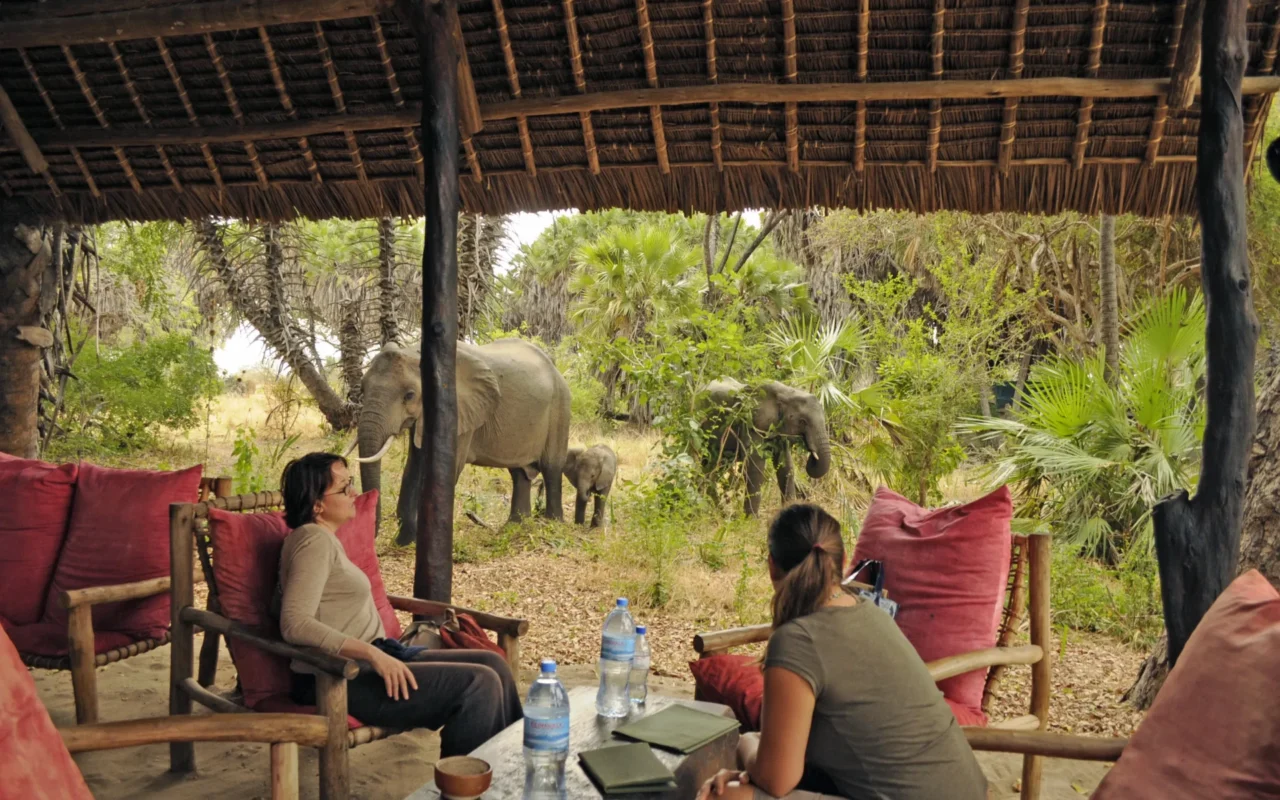
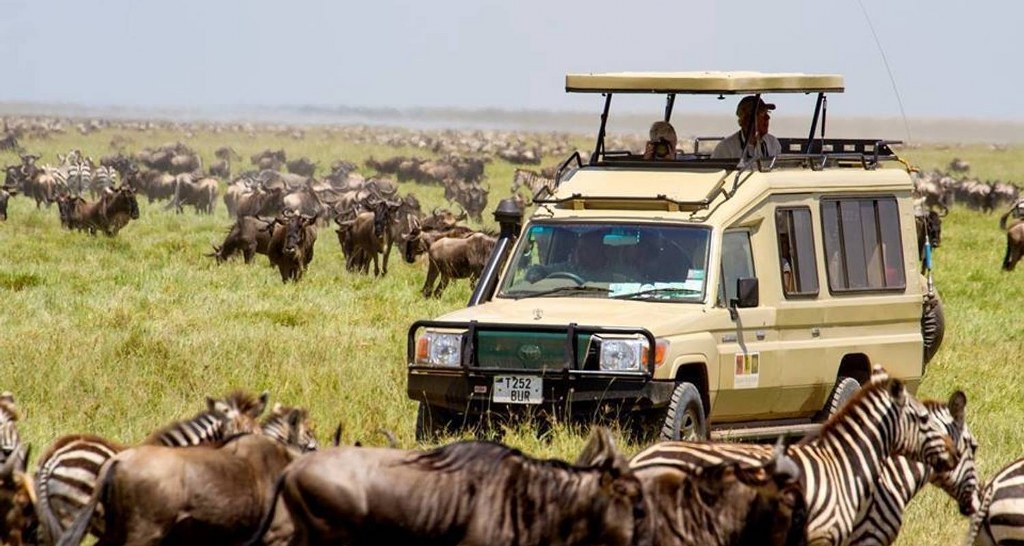
Ngorongoro Conservation Area: Your Essential Travel Guide
The Ngorongoro Conservation Area (NCA) is a UNESCO World Heritage Site and one of Tanzania’s most iconic natural attractions. Known for its breathtaking crater, abundant wildlife, and unique coexistence of Maasai pastoralists and wildlife, it offers an unparalleled safari experience. This guide provides everything you need to plan your visit, from understanding its significance to practical tips for your 2026 or 2027 adventure.
Quick Answers for Your Ngorongoro Trip
Planning a trip to the Ngorongoro Conservation Area can bring up many questions. Here are some quick answers to get you started:
What is the Ngorongoro Conservation Area? It’s a protected zone in northern Tanzania, famous for the Ngorongoro Crater, a vast volcanic caldera teeming with wildlife. It’s also home to the Maasai people.
What is the main attraction? The Ngorongoro Crater, a natural amphitheater that hosts a high density of animals, including the ‘Big Five’.
When is the best time to visit? The dry seasons (June to October and December to March) offer excellent game viewing, though it’s a year-round destination.
How long should I spend there? A full day is the minimum to experience the crater floor. Many combine it with a 2-3 day visit to the wider NCA, including Lake Manyara and Serengeti.
What is the cost? Entrance fees, crater service fees, and accommodation contribute to the overall cost. Expect it to be a significant portion of a Tanzania safari budget.
Table of Contents
- Introduction to the Ngorongoro Conservation Area
- Why Visit the Ngorongoro Conservation Area?
- Ngorongoro Conservation Area: Quick Facts
- Geography and Landscape
- Wildlife of Ngorongoro: The Crater’s Residents
- Best Time to Visit Ngorongoro Conservation Area
- Planning Your Ngorongoro Conservation Area Trip
- Getting to the Ngorongoro Conservation Area
- Where to Stay: Accommodation Options
- The Ngorongoro Crater Tour: What to Expect
- Sample Ngorongoro Conservation Area Itineraries
- What to Pack for Your Ngorongoro Safari
- Common Mistakes to Avoid in Ngorongoro
- Who is the Ngorongoro Conservation Area Best For?
- Alternatives to Ngorongoro Conservation Area
- Planning Your 2026-2027 Ngorongoro Safari
- Booking Your Ngorongoro Conservation Area Experience
- Frequently Asked Questions (FAQs)
- Ready to Plan Your Ngorongoro Adventure?
Introduction to the Ngorongoro Conservation Area
The Ngorongoro Conservation Area, often simply called “Ngorongoro,” is more than just a safari destination; it’s a unique ecosystem and a cultural landscape. Located in northern Tanzania, west of Arusha, it’s part of the larger Serengeti ecosystem. Its most famous feature is the Ngorongoro Crater, a massive, intact volcanic caldera that is home to an astonishing concentration of wildlife. Unlike national parks, the NCA is a multiple-use area, allowing Maasai pastoralists to live within its boundaries alongside the animals. This coexistence is a defining characteristic and contributes to its special status. Visiting Ngorongoro offers a chance to witness incredible biodiversity in a dramatic natural setting, making it a highlight for any Tanzania safari.
Why Visit the Ngorongoro Conservation Area?
The allure of Ngorongoro is multi-faceted:
- Exceptional Wildlife Density: The crater floor is a natural bowl where animals have found a haven. You can see a vast array of species in a relatively small area, including the Big Five (lion, leopard, elephant, rhino, buffalo) on a good day. The black rhino, in particular, is a major draw here.
- The “Eighth Wonder of the World”: Its sheer scale and the concentration of life within the crater are awe-inspiring. The views from the crater rim are spectacular.
- Maasai Culture: The NCA is one of the few places where you can witness the traditional Maasai way of life coexisting with wildlife. Visits to Maasai villages offer a glimpse into their rich culture.
- Birdwatching Paradise: With over 400 species recorded, Ngorongoro is a haven for bird enthusiasts, especially around the permanent water sources like Ngoitokitok Springs.
- Scenic Beauty: Beyond the crater, the NCA features highlands, forests, and plains, offering diverse landscapes and photographic opportunities.
Ngorongoro Conservation Area: Quick Facts
| Feature | Details |
|---|---|
| Location | Northern Tanzania, west of Arusha |
| Size | Approximately 8,288 sq km (3,200 sq mi) |
| Main Attraction | Ngorongoro Crater (a UNESCO World Heritage Site) |
| Key Wildlife | Big Five (lion, leopard, elephant, rhino, buffalo), wildebeest, zebra, hippos, hyenas, various antelopes, numerous bird species. |
| Unique Aspect | Multiple-use area allowing Maasai pastoralists to live alongside wildlife. |
| Altitude | Crater rim: approx. 2,200m (7,200 ft); Crater floor: approx. 1,800m (5,900 ft) |
| Park Fees (Approximate) | Daily conservation fee per person, vehicle fee, crater service fee per vehicle. Specific rates are set by TANAPA/Ngorongoro Conservation Authority and can change. |
| Activities | Game drives (crater floor, surrounding areas), Maasai village visits, walking safaris (designated areas), birdwatching. |
Geography and Landscape
The Ngorongoro Conservation Area is part of the Great Rift Valley system. Its landscape is dramatically shaped by ancient volcanoes. The centerpiece is the Ngorongoro Crater, a colossal caldera formed when a massive volcano collapsed about 2-3 million years ago. The crater floor is approximately 19 kilometers (12 miles) in diameter, covering about 260 square kilometers (100 square miles). Its walls rise steeply up to 610 meters (2,000 feet) above the floor.
Within the crater, you’ll find a diverse environment: lush grasslands, acacia woodlands, swamps, and a central soda lake (Lake Magadi), which attracts flamingos and other water birds. Outside the crater, the NCA encompasses the Ngorongoro Highlands, including the active volcano Ol Doinyo Lengai, and vast plains that stretch towards the Serengeti. The Olduvai Gorge, a significant paleoanthropological site, is also located within the NCA.
Wildlife of Ngorongoro: The Crater’s Residents
The Ngorongoro Crater is often described as a natural Noah’s Ark due to its incredible wildlife density. The enclosed environment and permanent water sources mean that many animals do not need to migrate out, allowing for fantastic game viewing year-round. Visitors can expect to see:
- Mammals: Lion, leopard, cheetah (though more elusive), elephant, black rhinoceros (a major highlight and one of the most protected species), Cape buffalo, hippopotamus, spotted hyena, wildebeest, zebra, gazelles (Grant’s and Thomson’s), eland, various other antelopes, warthogs, and baboons.
- Birds: Over 400 species have been recorded. Look out for flamingos on Lake Magadi, ostriches, secretary birds, kori bustards, various eagles, vultures, and water birds near the swamps and lake.
The high concentration of predators means you have a good chance of witnessing thrilling interactions. The crater’s ecosystem is delicately balanced, and the conservation efforts focus on maintaining this biodiversity.
Best Time to Visit Ngorongoro Conservation Area
Ngorongoro is a year-round destination, but the experience can vary slightly depending on the season. For general safari-goers, the dry seasons are often preferred for optimal wildlife viewing.
- June to October (Dry Season): This is considered peak season. Wildlife is concentrated around permanent water sources, making game viewing excellent. The landscape is drier, and the grass is shorter, offering clearer views. The weather is generally pleasant with cooler temperatures. This period is ideal for planning your 2026 or 2027 safari if you prefer dry conditions.
- November to May (Wet Season): This period brings rain, which can be short, heavy downpours or longer spells. The landscape becomes lush and green, offering beautiful scenery. The rains attract migratory birds and are the time for wildebeest and zebra calving (typically January-March), which can lead to increased predator activity. However, roads can become muddy and difficult to traverse, and some wildlife may disperse. Birdwatchers often find this period particularly rewarding.
- December to March: This is a transition period with some rain. It’s still a good time for wildlife viewing, especially if you’re interested in seeing young animals. It’s also a popular time for Tanzanians and international visitors.
Crater Floor Specifics: Unlike the Serengeti, the Ngorongoro Crater has permanent water sources, so wildlife remains concentrated year-round. The primary difference during the wet season is the lushness of the vegetation and the potential for challenging road conditions.
Planning Your Ngorongoro Conservation Area Trip
A successful Ngorongoro trip requires thoughtful planning. Here’s a step-by-step approach:
- Determine Your Travel Dates: Consider the best time to visit based on your interests (wildlife, birding, calving season, weather). For 2026 and 2027, book well in advance, especially for peak dry seasons.
- Decide on the Duration: A single day is sufficient for the crater floor. However, most visitors combine Ngorongoro with other destinations like Lake Manyara and the Serengeti, typically spending 1-3 days in the broader NCA region.
- Choose Your Safari Style: Will you opt for a lodge on the crater rim, a camp within the NCA, or a property outside the conservation area? Consider your budget and desired experience.
- Book with a Reputable Tour Operator: This is crucial. A good operator will handle park permits, vehicle arrangements, accommodation bookings, and guide services, ensuring a smooth experience.
- Understand the Costs: Be aware of park entrance fees, vehicle fees, crater service fees, accommodation, and guide costs. These are significant components of a Tanzania safari budget.
- Pack Appropriately: Layered clothing, sun protection, insect repellent, and a good camera are essential.
- Health Precautions: Consult your doctor about necessary vaccinations and malaria prophylaxis.
Getting to the Ngorongoro Conservation Area
The most common gateway to Ngorongoro is Kilimanjaro International Airport (JRO) near Arusha. From Arusha, you have a few options:
- By Road (Most Common): This is the standard way to reach Ngorongoro. A 4×4 safari vehicle with a knowledgeable driver-guide is essential. The drive from Arusha to the Ngorongoro Conservation Area gate takes approximately 3-4 hours. The journey itself is scenic, passing through Maasai villages and agricultural lands. You’ll ascend to the crater rim, often stopping at viewpoints.
- By Air (Less Common for Ngorongoro Directly): While there are airstrips within the NCA (like Lake Manyara’s airstrip, which is close), flying is typically used for longer distances between parks (e.g., from Serengeti to Arusha) or for accessing more remote areas. For Ngorongoro itself, driving is more practical and offers a better introduction to the landscape.
Your tour operator will arrange all transport from Arusha. The roads within the NCA can be rough, especially during the wet season, reinforcing the need for a sturdy 4×4 vehicle.
Where to Stay: Accommodation Options
Accommodation in and around the Ngorongoro Conservation Area ranges from luxury lodges to budget-friendly options. Your choice will significantly impact your experience and budget.
| Accommodation Type | Location | Pros | Cons |
|---|---|---|---|
| Crater Rim Lodges | Perched on the edge of the crater. | Stunning views, immediate access to the crater floor for early starts, luxurious amenities. | Highest price point, can feel busy, limited by conservation area rules on expansion. |
| Lodges/Camps within NCA (e.g., Karatu area) | Just outside the main crater, often in or near Karatu town. | Good value, comfortable, convenient access to the crater and other NCA attractions, some offer cultural experiences. | Requires driving to the crater rim each day. |
| Maasai Boma/Cultural Camps | Various locations within the NCA. | Unique cultural immersion, authentic experience, often more rustic and budget-friendly. | Basic facilities, may not be for everyone, requires specific booking. |
| Outside NCA (e.g., Mto wa Mbu) | Further from the crater, often in more populated areas. | Most budget-friendly option, access to local culture and markets. | Longer drives to the crater, less of an immersive safari feel. |
Booking accommodation is best done through your tour operator, who can recommend options that fit your budget and safari itinerary. For 2026 and 2027 trips, popular rim lodges and well-regarded camps book up months, sometimes a year, in advance.
The Ngorongoro Crater Tour: What to Expect
A typical Ngorongoro Conservation Area travel guide must detail the crater tour. This is the highlight for most visitors.
- Descent: Your safari vehicle will descend the steep track from the crater rim to the floor. The drive down offers increasingly dramatic views.
- Game Drive: You’ll spend several hours on the crater floor, typically 5-6 hours, exploring the diverse habitats. Your guide will know the best spots for sightings.
- Wildlife Viewing: Expect to see a high concentration of animals. The black rhino is a special sighting here. You’ll likely see lions, elephants, buffalo, hippos in the lake, and numerous gazelles and zebras.
- Picnic Lunch: Most crater tours include a picnic lunch, often enjoyed at a designated picnic site, such as Ngoitokitok Springs, where hippos often gather.
- Ascent: After your allocated time, you’ll ascend back up to the crater rim.
Important Regulations:
- Time Limit: There’s a strict 6-hour limit for vehicles on the crater floor.
- Vehicle Restrictions: Only 4×4 safari vehicles are permitted. Off-road driving is prohibited.
- No Walking: Walking is not allowed on the crater floor for safety reasons.
- No Overnight Stays: Overnight stays are not permitted on the crater floor itself.
- Waste Disposal: Strict rules apply to waste disposal to protect the fragile ecosystem.
The experience is intense and rewarding, offering a concentrated safari experience unlike any other.
Sample Ngorongoro Conservation Area Itineraries
The Ngorongoro Conservation Area is often part of a larger Northern Circuit safari. Here are a couple of sample itinerary ideas:
Short Ngorongoro Focus (2 Days/1 Night)
Day 1: Arrive & Karatu/Crater Rim
- Morning: Depart Arusha for Ngorongoro Conservation Area.
- Midday: Arrive at your lodge (either on the rim or in the Karatu area). Enjoy lunch and settle in.
- Afternoon: Optional Maasai village visit or relax and enjoy the views.
- Evening: Dinner at your lodge.
Day 2: Ngorongoro Crater Tour & Departure
- Early Morning: Descend into the Ngorongoro Crater for a 6-hour game drive.
- Late Morning/Midday: Enjoy a picnic lunch.
- Afternoon: Ascend from the crater and begin your journey back to Arusha.
Standard Northern Circuit (5 Days/4 Nights)
Day 1: Arusha to Lake Manyara
- Morning: Depart Arusha for Lake Manyara National Park.
- Midday: Game drive in Lake Manyara, known for its tree-climbing lions and large elephant herds.
- Afternoon: Drive to your lodge/camp in the Karatu area or near Lake Manyara.
Day 2: Ngorongoro Conservation Area – Crater Tour
- Early Morning: Descend into the Ngorongoro Crater for a full morning game drive.
- Midday: Picnic lunch on the crater floor.
- Afternoon: Ascend and drive to your accommodation in the Karatu area or on the crater rim.
Day 3: Ngorongoro Highlands & Maasai Culture
- Morning: Explore the wider Ngorongoro Conservation Area. Options include a visit to Olduvai Gorge, a guided walk in the highlands (if permitted and arranged), or a visit to a Maasai village.
- Afternoon: Relax or explore local craft markets.
Day 4: Ngorongoro to Serengeti National Park
- Morning: Depart for the Serengeti, stopping at Olduvai Gorge if not visited previously.
- Midday: Game drive en route to your Serengeti camp/lodge.
- Afternoon: Continue game drive in the Serengeti.
Day 5: Serengeti & Departure
- Morning: Early morning game drive in the Serengeti.
- Midday: Transfer to the nearest airstrip for your flight back to Arusha or Kilimanjaro, or continue your safari.
These are just samples. Your itinerary can be customized to your interests and pace. For 2026 and 2027, consider adding extra days for deeper exploration of the Serengeti or Tarangire.
What to Pack for Your Ngorongoro Safari
Packing smart is key for comfort and practicality on your Ngorongoro Conservation Area safari.
- Clothing:
- Neutral-colored clothing (khaki, beige, green, brown) – avoid bright colors or white.
- Lightweight, breathable long-sleeved shirts and trousers (for sun and insect protection).
- Warm fleece or jumper (mornings and evenings can be cool, especially on the crater rim).
- Waterproof and windproof jacket.
- Comfortable walking shoes or sturdy trainers.
- Sandals or flip-flops for relaxing at the lodge.
- A few smarter outfits for lodge dinners (optional).
- Socks (including warm ones for evenings).
- Gear:
- Binoculars (essential for wildlife spotting).
- Camera with extra batteries and memory cards. A zoom lens is highly recommended.
- Sunscreen (high SPF).
- Wide-brimmed hat or cap.
- Sunglasses.
- Insect repellent (with DEET).
- Small backpack or daypack.
- Reusable water bottle.
- Headlamp or small flashlight.
- Health & Personal:
- Personal first-aid kit (band-aids, antiseptic wipes, pain relievers, any personal medication).
- Hand sanitizer.
- Motion sickness medication if prone to car sickness (roads can be bumpy).
- Malaria prophylaxis (consult your doctor).
- Toiletries (though lodges usually provide basics).
- Passport, visa, and copies of important documents.
- Cash (USD is widely accepted for tips and souvenirs, but carry some Tanzanian Shillings).
Note on Luggage: Safari vehicles often have limited luggage space. Soft duffel bags are preferred over hard suitcases.
Common Mistakes to Avoid in Ngorongoro
To ensure your trip to the Ngorongoro Conservation Area is as smooth and enjoyable as possible, be aware of these common pitfalls:
- Not Booking in Advance: Especially for rim lodges or popular camps, booking 6-12 months ahead is crucial for 2026-2027 travel, particularly during peak seasons.
- Underestimating Costs: Ngorongoro is one of the more expensive destinations in Tanzania due to high park fees and the required 4×4 vehicle. Factor this into your budget.
- Rushing the Crater Tour: The 6-hour limit can feel short. Ensure your itinerary allows for sufficient time or consider a multi-day stay in the NCA to explore other areas.
- Ignoring Maasai Culture: The NCA is a unique cultural landscape. Approach Maasai villages with respect and be mindful of local customs if you visit. Always ask permission before taking photos of people.
- Not Bringing Warm Layers: The crater rim is at high altitude and can be cold, especially in the early morning and evening.
- Expecting to See Everything on One Visit: While wildlife is dense, seeing specific animals like leopards or rhinos requires luck and a good guide. Patience is key.
- Overpacking: Soft-sided bags are essential due to space constraints in safari vehicles.
- Buying Souvenirs in the Crater: There are no shops or vendors inside the crater. Purchase souvenirs at designated areas or local markets.
Who is the Ngorongoro Conservation Area Best For?
The Ngorongoro Conservation Area is a destination that appeals to a wide range of travelers, but it’s particularly suited for:
- First-time Safari Goers: The high concentration of easily visible wildlife makes it an excellent introduction to African safaris.
- Wildlife Enthusiasts: Anyone passionate about animals will be captivated by the sheer diversity and density of species. The chance to see the black rhino is a significant draw.
- Photographers: The dramatic landscapes and abundant wildlife provide endless photographic opportunities.
- Families: The ease of wildlife viewing and the educational aspect of seeing different animals and the Maasai culture make it suitable for families with older children.
- Those Seeking Iconic Landscapes: The view from the crater rim is one of the most recognizable and stunning vistas in Africa.
- Travelers Interested in Culture: The NCA’s unique status as a multiple-use area allows for interaction with the Maasai people.
It might be less ideal for budget backpackers due to the cost, or for those seeking absolute solitude, as the crater floor can be busy during peak times. However, with careful planning, a fulfilling experience is achievable for most.
Alternatives to Ngorongoro Conservation Area
While Ngorongoro is unparalleled, other destinations in Tanzania and East Africa offer incredible safari experiences. Consider these if Ngorongoro doesn’t quite fit your plans or if you’re looking to complement your trip:
- Serengeti National Park: Adjacent to Ngorongoro, the Serengeti offers vast plains, the Great Migration (seasonal), and a more expansive wilderness feel. It’s essential for any comprehensive Tanzania safari.
- Tarangire National Park: Known for its large elephant herds and baobab trees, Tarangire is particularly spectacular during the dry season when animals congregate around the Tarangire River. It’s often visited on the way to or from Ngorongoro.
- Lake Manyara National Park: Famous for its tree-climbing lions and rich birdlife, this smaller park is easily accessible and offers a good day trip or overnight stop.
- Selous Game Reserve (Nyerere National Park): Located in southern Tanzania, it’s one of Africa’s largest game reserves, offering boat safaris, walking safaris, and a more remote feel.
- Ruaha National Park: Tanzania’s largest national park, offering a wild and less-visited safari experience with large predator populations.
- Maasai Mara National Reserve (Kenya): Across the border from the Serengeti, it offers similar vast plains and the Great Migration. It’s a direct alternative if you’re considering cross-border travel.
Each destination offers a unique perspective on African wildlife and landscapes. Ngorongoro’s strength lies in its concentrated wildlife and dramatic crater setting.
Planning Your 2026-2027 Ngorongoro Safari
Planning your trip to the Ngorongoro Conservation Area for 2026 or 2027 requires foresight, especially with increasing demand for Tanzanian safaris. Here are key considerations:
- Book Early: As mentioned, popular accommodations and safari packages for 2026 and 2027 will sell out quickly, particularly for the dry seasons (June-October). Aim to book at least 9-12 months in advance.
- Consider Off-Peak Seasons: If your schedule allows, traveling during the shoulder seasons (e.g., November, early December, April, May) can offer fewer crowds and potentially better rates, while still providing good wildlife viewing.
- Budgeting: Park fees and conservation levies are subject to change. While exact prices for 2026-2027 are not yet set, they are generally expected to remain high or increase slightly. Factor in a buffer for potential price adjustments. Your tour operator will have the most up-to-date information.
- Itinerary Flexibility: While a standard Northern Circuit is popular, consider adding a day to explore the wider NCA beyond just the crater floor, or combining it with less-visited parks like Tarangire or Lake Manyara for a richer experience.
- Sustainability: Look for tour operators and lodges that demonstrate a commitment to responsible tourism, supporting local communities and conservation efforts.
- Health and Safety: Stay informed about any health advisories or recommended vaccinations for Tanzania for 2026-2027. Consult your travel doctor well in advance.
Working with an experienced tour operator is your best strategy for navigating these planning steps and securing a memorable Ngorongoro Conservation Area travel experience for the upcoming years.
Booking Your Ngorongoro Conservation Area Experience
Securing your Ngorongoro Conservation Area adventure is a critical step. Here’s how to approach it effectively:
- Choose a Reputable Tour Operator: This is paramount. Look for operators with deep knowledge of Tanzania, good reviews, clear communication, and a commitment to responsible tourism. They will handle all logistics, including park permits, vehicle hire, driver-guide, and accommodation.
- Get Multiple Quotes: Contact a few different operators to compare itineraries and pricing. Be wary of prices that seem too low, as they might compromise on quality or vehicle standards.
- Understand Inclusions and Exclusions: Clarify exactly what is covered in your package. This typically includes park fees, accommodation, meals, vehicle, and guide. Exclusions often involve international flights, visa fees, tips, personal insurance, and drinks.
| Typical Inclusions | Typical Exclusions |
|---|---|
| Park entrance fees (NCA, crater fees) | International flights |
| Crater service fee | Visa fees |
| 4×4 safari vehicle and fuel | Travel insurance |
| Professional driver-guide | Tips for guide and lodge staff |
| Accommodation (as per itinerary) | Drinks (alcoholic and non-alcoholic, unless specified) |
| Meals (as specified, usually full board on safari) | Personal expenses (souvenirs, laundry) |
| Crater game drive | Optional activities (e.g., Maasai village visit, if not included) |
- Ask Questions: Don’t hesitate to ask your operator about the vehicle type, guide’s experience, accommodation quality, and cancellation policies.
- Payment Schedule: Most operators require a deposit to confirm your booking, with the balance due a certain number of weeks or months before your travel date.
- Read the Contract: Carefully review the terms and conditions, especially regarding cancellations and changes.
For your 2026 or 2027 Ngorongoro Conservation Area travel, starting this process early will give you the best options and peace of mind.
Frequently Asked Questions (FAQs)
Q1: Is the Ngorongoro Conservation Area safe for tourists?
Yes, the Ngorongoro Conservation Area is generally very safe for tourists. The main risks are related to wildlife, but this is managed by staying within your vehicle during game drives and following your guide’s instructions. Like any travel, it’s wise to be aware of your surroundings, especially in towns like Arusha.
Q2: What is the difference between Ngorongoro Crater and Ngorongoro Conservation Area?
The Ngorongoro Conservation Area (NCA) is the larger protected region. The Ngorongoro Crater is a specific, massive volcanic caldera located within the NCA and is its most famous feature. The NCA also includes other areas like the Empakai Crater, Olduvai Gorge, and surrounding highlands and plains.
Q3: Can I visit the Ngorongoro Crater in a single day?
Yes, it is possible to visit the Ngorongoro Crater in a single day, typically as part of a longer safari. This usually involves descending into the crater for a 5-6 hour game drive and then ascending. However, many travelers prefer to stay overnight nearby to make the most of the experience and avoid a very long travel day.
Q4: What are the typical Ngorongoro Conservation Area fees?
Fees typically include a per-person conservation fee per 24 hours, a vehicle entrance fee, and a crater service fee (charged per vehicle per descent). These are set by the Ngorongoro Conservation Authority and are subject to change. Your tour operator will include these in your package price.
Q5: Do I need a guide for the Ngorongoro Crater?
Yes, you must be accompanied by a registered guide and travel in an authorized 4×4 safari vehicle to enter the Ngorongoro Crater. This is mandatory for all visitors.
Q6: Can I see the Great Migration in Ngorongoro?
The Great Migration primarily occurs in the Serengeti. While some wildebeest and zebra may be present in the Ngorongoro Conservation Area year-round, they are not part of the main migratory herds that move between the Serengeti and the Maasai Mara. The Ngorongoro Crater’s wildlife is largely resident.
Q7: What is the altitude of the Ngorongoro Crater rim and floor?
The crater rim is at an altitude of approximately 2,200 meters (7,200 feet) above sea level. The crater floor is lower, around 1,800 meters (5,900 feet).
Q8: Is it possible to do walking safaris in Ngorongoro?
Walking safaris are permitted in designated areas within the Ngorongoro Conservation Area, often on the highlands or around certain lodges, but they are not allowed on the crater floor for safety reasons.
Q9: What kind of vehicle is best for Ngorongoro?
A 4×4 safari vehicle is mandatory for entering the Ngorongoro Crater and is highly recommended for the entire NCA due to the rough terrain, especially during the wet season. Your tour operator will provide an appropriate vehicle.
Q10: What should I pack for a 2026/2027 Ngorongoro safari?
Pack neutral-colored clothing, layers for varying temperatures, sun protection (hat, sunscreen, sunglasses), insect repellent, binoculars, and a camera. Comfortable walking shoes are essential. Check our detailed packing list above for more specifics.
Ready to Plan Your Ngorongoro Adventure?
The Ngorongoro Conservation Area offers an unforgettable safari experience, a true jewel of Tanzania. From the breathtaking views of the crater to the incredible wildlife encounters and unique cultural landscape, it promises memories that last a lifetime. Planning is key to maximizing your enjoyment and ensuring a smooth journey.
Let us help you craft your perfect Ngorongoro Conservation Area travel itinerary for 2026 or 2027. We specialize in creating bespoke safari experiences tailored to your interests and budget.
Contact us today to start planning:
WhatsApp: +255616946642
Email: topguideadventures@gmail.com
Backup Email: info@topguideadventures.com
We look forward to helping you discover the magic of Ngorongoro!
Plan your Ngorongoro Conservation Area Travel Guide with Top Guide Adventures
Tell us your travel dates, group size, comfort level, and dream experience. We will help you shape a clear, realistic, and memorable Tanzania itinerary.







 Veedesigner
 Fatma Kizanga
 Benjamin Waryuba
 Philip Philip
 John jr Itaja
 Antonia Optatus
 Edith Kanyere
 Neema Iddy
 Kelvin Boniphace
 Damari Maiga



