
Updated planning guide for 2026, 2027-2028
Ngorongoro Crater And Mto Wa Mbu Tour From Moshi: Best Safari Guide
Planning a trip to the Ngorongoro Crater and Mto wa Mbu from Moshi? This comprehensive guide covers everything you need to know, from itinerary options and wildlife viewing to cultural experiences and booking advice for your 2026-2027 safari.
WhatsApp +255616946642 | topguideadventures@gmail.com | info@topguideadventures.com
Ngorongoro Crater and Mto wa Mbu Tour From Moshi: The Ultimate Planning Guide
Many travelers seeking an unforgettable Tanzanian safari experience often find themselves based in Moshi, the gateway to Mount Kilimanjaro. While the mountain calls to many, the surrounding regions offer incredible wildlife viewing and cultural immersion opportunities. A popular and highly recommended excursion from Moshi is a tour combining the breathtaking Ngorongoro Crater with the vibrant cultural hub of Mto wa Mbu. This guide provides an in-depth look at what makes a Ngorongoro Crater and Mto wa Mbu tour from Moshi such a compelling choice for 2026 and 2027 travelers, covering planning, logistics, what to expect, and how to make the most of your adventure.
| Feature | Details |
|---|---|
| Primary Destination | Ngorongoro Conservation Area (Crater floor) |
| Cultural Stop | Mto wa Mbu village |
| Departure Point | Moshi, Tanzania |
| Typical Duration | 1 to 2 days (can be extended) |
| Key Attractions | Abundant wildlife (Big Five potential), unique crater ecosystem, Maasai culture, local crafts, banana plantations. |
| Best Time to Visit | Dry seasons (June-October, December-March) for wildlife viewing; Mto wa Mbu is accessible year-round. |
| Travel Style | Safari, Cultural Tourism, Nature Observation |
| Accommodation | Day trip from Moshi, or overnight near Karatu or within the Crater rim (for longer trips). |
Understanding the Ngorongoro Crater and Mto wa Mbu Experience
The Ngorongoro Crater is a UNESCO World Heritage Site and one of Africa’s most iconic wildlife destinations. It’s a vast, intact volcanic caldera teeming with an extraordinary density of wildlife. What makes it particularly special is the high concentration of predators, making sightings of lions, leopards, cheetahs, hyenas, and wild dogs more probable. The crater floor also supports large populations of herbivores, including wildebeest, zebras, buffaloes, elephants, and rhinos. Its unique geological formation creates a self-contained ecosystem, offering a phenomenal wildlife viewing experience in a relatively compact area.
Mto wa Mbu, translating to “Mosquito Creek” in Swahili, is a bustling and diverse village located on the route between Arusha and the Ngorongoro Conservation Area. It’s renowned for its rich cultural tapestry, representing over 30 different Tanzanian tribes living harmoniously. The village is famous for its extensive banana plantations and vibrant local market. A visit here offers a chance to interact with local communities, learn about their traditions, sample local produce, and purchase unique handicrafts. It provides a vital contrast to the wildlife-focused Ngorongoro experience, offering a deeper understanding of the people and cultures that inhabit this region.
Why Combine Ngorongoro Crater and Mto wa Mbu on a Tour from Moshi?
Combining these two distinct yet complementary destinations on a tour from Moshi offers a well-rounded introduction to northern Tanzania’s natural beauty and cultural richness. For travelers based in Moshi, whether they’ve just finished a Kilimanjaro climb or are using it as a base for other adventures, this tour provides:
- Convenience: Moshi is a practical starting point, with tour operators readily available to arrange these excursions.
- Efficiency: It allows you to experience two major attractions in a short timeframe, ideal for those with limited days.
- Contrast: The raw, wild beauty of the Ngorongoro Crater is beautifully balanced by the vibrant, human-centric culture of Mto wa Mbu.
- Logistics: Mto wa Mbu lies directly on the most common route to Ngorongoro from Arusha (and by extension, Moshi), making it a natural stop.
For your 2026 or 2027 travels, this combination promises an enriching experience that goes beyond just wildlife spotting.
Planning Your Ngorongoro Crater and Mto wa Mbu Tour from Moshi
Careful planning is key to a successful and enjoyable tour. Here’s a breakdown of essential considerations:
Best Time to Travel for Ngorongoro and Mto wa Mbu
The Ngorongoro Crater offers excellent wildlife viewing year-round due to its permanent water sources and resident populations. However, certain periods are generally preferred:
| Period | Ngorongoro Crater | Mto wa Mbu | Notes |
|---|---|---|---|
| June – October (Dry Season) | Excellent. Abundant wildlife, clear skies, good game viewing. Animals congregate around water. | Accessible year-round. Dry season means pleasant weather for village tours. | Peak tourist season. Higher prices, need to book in advance. |
| November – December (Short Rains) | Good. Wildlife disperses slightly but remains visible. Landscape becomes greener. | Accessible year-round. Rains can be short and localized. | Fewer crowds. Good photographic opportunities with lush scenery. |
| January – March (Long Rains / Green Season) | Good, especially for birdwatchers. Newborn animals may be present. Some areas can be challenging for vehicles. | Accessible year-round. Rains can be heavier. | Low season. Fewer tourists, lower prices. Landscape is vibrant green. |
| April – May (Long Rains) | Can be challenging. Heavy rains can make crater floor access difficult and impact game viewing visibility. | Accessible year-round. Rains can be heavy. | Very low season. Best for budget travelers if weather permits. |
For most visitors, the dry seasons (June-October and December-March) offer the most predictable and rewarding wildlife viewing in the Ngorongoro Crater. Mto wa Mbu is accessible and enjoyable throughout the year, though drier periods might offer more comfortable walking tours.
Tour Duration and Itinerary Options
A Ngorongoro Crater and Mto wa Mbu tour from Moshi can be structured in various ways, primarily as a day trip or a two-day excursion. The choice depends on your available time, budget, and desired pace.
Option 1: The Classic Day Trip (Long Day!)
This is the most common and economical option for those based in Moshi and short on time. It’s a very long day, requiring an early start and a late return.
- 05:00 – 06:00: Early morning pick-up from your hotel in Moshi.
- 06:00 – 09:00: Drive from Moshi to Mto wa Mbu.
- 09:00 – 10:30: Guided cultural tour in Mto wa Mbu. Visit a banana plantation, learn about local farming, and explore the village market.
- 10:30 – 11:30: Drive from Mto wa Mbu to the Ngorongoro Conservation Area gate.
- 11:30 – 12:00: Pay park fees and descend into the Ngorongoro Crater.
- 12:00 – 16:00: Game drive on the crater floor. Focus on spotting wildlife, including the Big Five. Picnic lunch will be served at a designated spot.
- 16:00 – 16:30: Ascend from the crater.
- 16:30 – 19:30/20:00: Drive back to Moshi, arriving in the late evening.
Pros: Cost-effective, time-efficient for a single day.
Cons: Extremely long travel time, limited time in the crater, can be tiring.
Option 2: The Extended 2-Day Tour
This option provides a more relaxed pace and allows for deeper immersion in both experiences. It typically involves an overnight stay near the Ngorongoro area.
- Day 1: Moshi to Mto wa Mbu & Ngorongoro Rim
- 08:00 – 09:00: Pick-up from your Moshi hotel.
- 09:00 – 12:00: Drive to Mto wa Mbu.
- 12:00 – 13:30: Cultural tour and lunch in Mto wa Mbu.
- 13:30 – 15:00: Drive towards Ngorongoro, perhaps stopping at the Olduvai Gorge (optional, extra cost).
- 15:00 – 17:00: Check into your lodge/campsite near Karatu or on the crater rim. Enjoy the views and relax.
- Day 2: Ngorongoro Crater Game Drive & Return to Moshi
- 06:30 – 07:00: Early breakfast.
- 07:00 – 07:30: Descend into the Ngorongoro Crater.
- 07:30 – 13:00: Morning game drive on the crater floor. Enjoy a picnic lunch.
- 13:00 – 13:30: Ascend from the crater.
- 13:30 – 18:30/19:00: Drive back to Moshi, arriving in the early evening.
Pros: More relaxed pace, more time in the crater, better wildlife viewing opportunities (early morning is prime time), less travel fatigue.
Cons: Higher cost due to accommodation and extended park fees.
Route Overview: Moshi to Mto wa Mbu to Ngorongoro
The journey from Moshi to Ngorongoro Crater with a stop in Mto wa Mbu follows a well-trodden path through northern Tanzania.
| Moshi | (Start Point) |
| ~3-4 hours drive | (A road, towards Arusha) |
| Mto wa Mbu | (Cultural stop, lunch) |
| ~1-1.5 hours drive | (B road, towards Karatu/Ngorongoro) |
| Ngorongoro Conservation Area Gate | (Park fees, check-in) |
| ~30-45 mins drive | (Crater rim access road, then descent) |
| Ngorongoro Crater Floor | (Game drive area) |
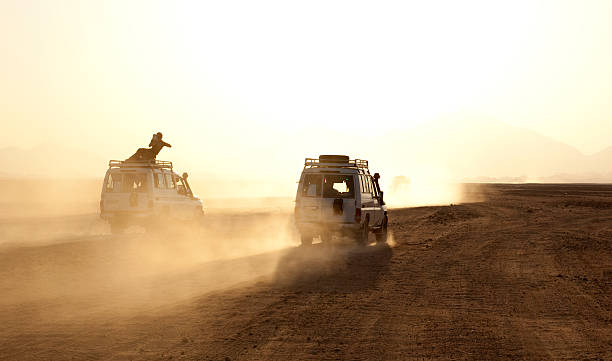
The roads are generally in good condition, though they can be dusty, especially during the dry season. The drive itself offers glimpses of Tanzanian rural life, agricultural landscapes, and distant mountains.
What to Expect on Your Ngorongoro Crater and Mto wa Mbu Tour
Understanding what awaits you will help manage expectations and enhance your enjoyment.
Ngorongoro Crater: A Wildlife Spectacle
The crater is roughly 19 kilometers (12 miles) in diameter, with a floor area of about 260 square kilometers (100 square miles). Its sheer walls rise over 600 meters (2,000 feet) high. The environment is a mix of grassland, swamps, forests, and a soda lake, providing diverse habitats for its inhabitants.
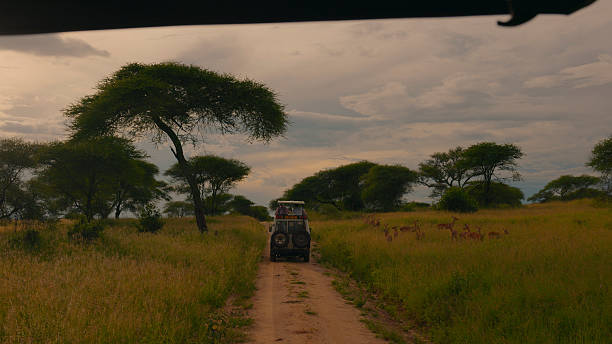
- Wildlife Density: Expect to see a large number of animals in a relatively small space. It’s common to see hundreds of zebras and wildebeest grazing together.
- The Big Five: Ngorongoro is one of the best places in Tanzania to see the Big Five: Lion, Leopard, Elephant, Buffalo, and Rhinoceros. Black rhinos are particularly rare and endangered, and seeing one in the crater is a special event.
- Predator Sightings: Lions are abundant and often seen lounging on the crater floor or hunting. Cheetahs are more elusive but can be spotted on the open grasslands. Hyenas are common, and wild dogs are sometimes seen.
- Birdlife: The crater is a paradise for birdwatchers, with flamingos on the soda lake, various raptors, and numerous other species.
- Crater Floor Restrictions: Game drives are restricted to specific tracks. You cannot drive off-road. Vehicles are typically 4×4 safari vehicles with pop-up roofs for optimal viewing.
- Picnic Lunch: Lunch is usually a picnic enjoyed at a designated site, often near a hippo pool, offering a unique dining experience amidst nature.
- Time Limit: There’s a strict time limit for vehicles on the crater floor (usually 6 hours) to manage conservation efforts and visitor numbers.
Mto wa Mbu: A Cultural Immersion
Mto wa Mbu offers a vibrant contrast to the wildness of the crater.
- Banana Plantations: The village is famous for its extensive banana cultivation, with numerous varieties grown. You’ll learn about the farming process and how bananas are used in local cuisine and even for brewing.
- Local Market: The market is a bustling hub where you can see and buy local produce, spices, and handicrafts. It’s a great place to observe daily life.
- Cultural Diversity: Mto wa Mbu is a melting pot of over 30 different tribes, including the Maasai, Chagga, and Iraqw. Your tour guide will likely explain how these different groups coexist.
- Craftsmanship: You’ll have opportunities to see local artisans at work, creating wood carvings, paintings, and other souvenirs.
- Local Cuisine: Depending on the tour, you might have the chance to sample local foods, including dishes made from bananas or other fresh produce.
- Interaction: The tours are designed to be interactive, allowing you to ask questions and learn directly from the community.
Preparation and Packing for Your Tour
Proper preparation ensures comfort and maximizes your enjoyment. While this is often a day trip, some items are essential.
Packing Checklist:
- Clothing: Layers are key. Light, breathable clothing for warmer parts of the day, and a warmer jacket or fleece for early mornings and evenings, especially in the crater which can be cooler. Neutral colors (khaki, beige, green) are best for safaris to avoid startling wildlife.
- Footwear: Comfortable closed-toe shoes are recommended. You won’t be doing much walking outside the vehicle, but comfortable shoes are important for the day.
- Sun Protection: A wide-brimmed hat, sunglasses, and high SPF sunscreen are crucial due to the strong equatorial sun.
- Insect Repellent: Especially important for Mto wa Mbu, though less of an issue in the open crater.
- Camera & Binoculars: Essential for capturing memories and spotting distant wildlife. Ensure you have spare batteries and memory cards.
- Water Bottle: Stay hydrated. Many operators provide water, but a reusable bottle is eco-friendly.
- Snacks: While lunch is provided, having a few personal snacks can be useful.
- Small Backpack: To carry essentials like your camera, water, sunscreen, and a light jacket.
- Hand Sanitizer: Useful after visiting the market or before eating.
- Cash: For souvenirs in Mto wa Mbu or tips for your guide. US Dollars are widely accepted for park fees and major purchases, but Tanzanian Shillings are useful for small market purchases.
- Passport/ID Copy: Always good to have a copy of your identification.
Important Note: For a day trip, you won’t need extensive camping gear. If opting for the 2-day tour, you’ll need overnight clothing and toiletries.
Common Mistakes to Avoid
To ensure a smooth trip, be aware of these common pitfalls:
- Underestimating Travel Time: The drive from Moshi is long. Be prepared for early starts and late finishes, especially on a day trip.
- Not Booking in Advance: Especially during peak seasons (2026, 2027), popular tour operators and accommodations can fill up quickly.
- Overpacking for a Day Trip: Stick to essentials. You’ll be in a vehicle for most of the day.
- Expecting Guaranteed Sightings: While Ngorongoro is excellent, wildlife sightings are never guaranteed. Be patient and enjoy the experience.
- Ignoring Local Customs in Mto wa Mbu: Be respectful when interacting with locals. Ask permission before taking photos of people. Dress modestly in the village.
- Not Checking Inclusions: Understand what your tour package covers (park fees, meals, guide, vehicle, water) to avoid surprise costs.
- Leaving Valuables Unattended: Standard travel advice, but always keep an eye on your belongings.
- Not Informing Your Operator of Dietary Needs: If you have allergies or dietary restrictions, communicate them well in advance.
Who is This Tour Best For?
The Ngorongoro Crater and Mto wa Mbu tour from Moshi is suitable for a wide range of travelers:
- First-Time Safari Goers: The high wildlife density makes it an excellent introduction to African safaris.
- Nature Enthusiasts: The unique ecosystem and abundance of animals are captivating.
- Culture Seekers: Mto wa Mbu offers a genuine glimpse into Tanzanian village life.
- Photographers: The dramatic landscapes and diverse wildlife provide endless photographic opportunities.
- Travelers with Limited Time: The day trip option is perfect for those who cannot dedicate multiple days to safari.
- Climbers Post-Kilimanjaro: A fantastic way to unwind and experience more of Tanzania after a challenging trek.
- Families: Children are often fascinated by the animals, though very young children might find the long drives challenging.
For 2026 and 2027 trips, this tour remains a top choice for a diverse set of traveler interests.
Alternatives to a Ngorongoro Crater and Mto wa Mbu Tour from Moshi
While this combination is excellent, other options exist if your interests or logistics differ:
- Tarangire National Park Day Trip: Known for its large elephant herds and baobab trees. It’s also a considerable drive from Moshi but offers a different safari experience.
- Lake Manyara National Park Day Trip: Famous for its tree-climbing lions and large flamingo populations. It’s closer to Arusha than Ngorongoro but still a long day from Moshi.
- Arusha National Park Day Trip: The closest national park to Moshi. Offers opportunities to see colobus monkeys, diverse birdlife, and Mount Meru. More accessible for a shorter day trip.
- Extended Northern Circuit Safari: If you have more time, combine Ngorongoro with Tarangire, Lake Manyara, and Serengeti for a comprehensive safari experience. This would require multiple days and overnight stays.
- Local Cultural Tours near Moshi: Focus on the Chagga culture, coffee plantations, and waterfalls around Mount Kilimanjaro without the long travel to Mto wa Mbu.
The Ngorongoro Crater and Mto wa Mbu tour from Moshi offers a unique balance that these alternatives might not provide in a single excursion.
Planning Your 2026-2027 Trip: Key Considerations
Booking your Ngorongoro Crater and Mto wa Mbu tour for 2026 or 2027 requires foresight, especially if you aim for peak seasons.
- Book Early: For 2026 and 2027 travel, especially if you plan to visit during the popular dry seasons (June-October, December-March), secure your booking at least 6-12 months in advance. This is crucial for securing preferred operators and accommodations if you choose the 2-day option.
- Operator Selection: Choose a reputable tour operator. Look for companies with good reviews, clear communication, and knowledgeable guides. Best Tanzania Tour Operator (Top Guide Adventures) is a trusted choice for these kinds of excursions.
- Vehicle Quality: Ensure the tour operator uses well-maintained 4×4 safari vehicles with pop-up roofs. This is essential for comfort and viewing in the crater.
- Guide Experience: A good guide can significantly enhance your safari. They are knowledgeable about wildlife behavior, local culture, and the best spots for sightings.
- Park Fees: Be aware that park fees are a significant portion of the tour cost. These are set by the Tanzanian government and are subject to change. Your operator should provide a clear breakdown. For 2026-2027, expect these fees to remain substantial.
- Customization: Discuss your specific interests with the tour operator. If you have a particular focus (e.g., birdwatching, photography), they might be able to tailor the itinerary.
- Budget: Day trips are more budget-friendly. The 2-day option with accommodation will be more expensive. Factor in potential costs for souvenirs and tips.
Booking Your Ngorongoro Crater and Mto wa Mbu Tour From Moshi
When you’re ready to book your Ngorongoro Crater and Mto wa Mbu tour from Moshi for your 2026 or 2027 adventure, follow these steps:
- Research Tour Operators: Look for experienced Tanzanian tour operators who specialize in Northern Circuit safaris and day trips from Moshi. Check their websites, read reviews, and compare offerings.
- Request Detailed Itineraries: Ask for a day-by-day breakdown of what the tour includes, the type of vehicle, guide qualifications, and meal arrangements.
- Clarify Inclusions and Exclusions: Ensure you know exactly what is covered in the price. Common inclusions are park fees, vehicle hire, guide services, and meals. Exclusions might include tips, personal expenses, and drinks.
- Confirm Vehicle Type: For Ngorongoro, a 4×4 safari vehicle with a pop-up roof is standard and recommended.
- Discuss Payment Terms: Understand the deposit requirements and final payment deadlines. Reputable operators will have clear terms.
- Ask About Safety Protocols: Inquire about safety measures, emergency procedures, and the experience of their guides.
- Communicate Your Needs: If you have special requests (e.g., dietary needs, specific interests), inform the operator early on.
Contact Best Tanzania Tour Operator (Top Guide Adventures) to discuss your tour options:
- WhatsApp: +255616946642
- Email: topguideadventures@gmail.com
- Backup Email: info@topguideadventures.com
They can help you craft the perfect Ngorongoro Crater and Mto wa Mbu tour from Moshi, tailored to your interests and schedule for 2026 or 2027.
Frequently Asked Questions (FAQs)
What is the typical cost of a Ngorongoro Crater and Mto wa Mbu tour from Moshi?
Exact prices vary significantly based on the tour operator, whether it’s a private or group tour, the duration (day trip vs. 2-day), vehicle type, and the season. A day trip will generally be more affordable than a 2-day trip with accommodation. Park fees for Ngorongoro Crater are substantial and form a large part of the cost. For 2026-2027, expect costs to be competitive but reflect the value of the experience and rising operational costs.
Is a day trip enough for the Ngorongoro Crater and Mto wa Mbu?
A day trip allows you to experience both highlights, but it is a very long and rushed day. You’ll have a limited time in the crater (typically 6 hours) and a brief cultural visit. If your schedule and budget permit, a 2-day tour is highly recommended for a more relaxed and immersive experience, allowing for early morning game drives when wildlife is most active and a more in-depth cultural interaction.
Can I see the Big Five in Ngorongoro Crater?
Yes, Ngorongoro Crater is one of the best places in Tanzania to see the Big Five (Lion, Leopard, Elephant, Buffalo, and Rhino). While sightings of lions, elephants, and buffalo are very common, leopards can be elusive, and black rhinos are rare but present. The high density of animals makes sightings more probable than in many other parks.
What should I wear for the Mto wa Mbu cultural tour?
It’s advisable to dress modestly out of respect for the local culture. This means covering your shoulders and knees. Light, breathable clothing is comfortable, and comfortable walking shoes are recommended. Avoid overly revealing clothing.
Do I need to tip my guide?
Tipping is customary in Tanzania for safari guides and drivers. While not mandatory, it’s a way to show appreciation for good service. Your tour operator can advise on appropriate amounts, but typically a daily tip per person is expected for excellent service. This is usually a separate cost not included in the tour package for 2026-2027 bookings.
Is it safe to visit Mto wa Mbu?
Yes, Mto wa Mbu is generally considered safe for tourists, especially when visiting as part of an organized tour. Your guide will ensure your safety and comfort during the village tour. Like any busy village, it’s wise to be aware of your surroundings and keep valuables secure.
What’s the difference between Ngorongoro Crater and Serengeti?
The Ngorongoro Crater is a volcanic caldera with a unique, contained ecosystem and very high wildlife density, offering excellent Big Five viewing within a smaller area. The Serengeti is a vast, open savanna known for the Great Migration and more dispersed wildlife, offering a classic, expansive safari experience. They are complementary, not substitutes.
Can I extend my trip to include Serengeti?
Absolutely. A Ngorongoro Crater tour can easily be combined with a Serengeti safari. Many operators offer multi-day packages that include both. This would typically involve an overnight stay near Ngorongoro and then driving to the Serengeti for several days of game drives. This is a popular option for those wanting a more comprehensive Northern Circuit experience in 2026 or 2027.
What kind of vehicle will I use for the tour?
For a Ngorongoro Crater and Mto wa Mbu tour from Moshi, you will typically use a 4×4 safari vehicle, often a Land Cruiser or Land Rover, equipped with a pop-up roof. This is essential for game viewing and photography, especially within the crater. Ensure your operator confirms the vehicle type when booking.
Are park fees included in the tour price?
Reputable tour operators will include all necessary park fees in their quotes. However, it’s crucial to confirm this explicitly when booking. Ngorongoro Conservation Area fees are significant and can impact the overall cost of your 2026-2027 tour.
Book Your Unforgettable Ngorongoro Crater and Mto wa Mbu Tour From Moshi
A Ngorongoro Crater and Mto wa Mbu tour from Moshi offers an exceptional blend of Africa’s most spectacular wildlife and vibrant cultural encounters. Whether you opt for a thrilling day trip or a more leisurely two-day exploration, this excursion promises lasting memories. Planning your 2026 or 2027 adventure with a reliable tour operator is key to a smooth and enriching experience.
Ready to plan your safari? Contact us today to discuss your personalized Ngorongoro Crater and Mto wa Mbu tour from Moshi.
Get in touch with Best Tanzania Tour Operator (Top Guide Adventures):
- WhatsApp: +255616946642
- Email: topguideadventures@gmail.com
- Backup Email: info@topguideadventures.com
Plan your Ngorongoro Crater and Mto wa Mbu Tour From Moshi with Top Guide Adventures
Tell us your travel dates, group size, comfort level, and dream experience. We will help you shape a clear, realistic, and memorable Tanzania itinerary.







 Veedesigner
 Fatma Kizanga
 Benjamin Waryuba
 Philip Philip
 John jr Itaja
 Antonia Optatus
 Edith Kanyere
 Neema Iddy
 Kelvin Boniphace
 Damari Maiga



