
Updated planning guide for 2026, 2027
Ngorongoro Crater Safari Guide: Everything You Need To Know: Best
Discover everything you need for an unforgettable Ngorongoro Crater safari. This guide covers wildlife viewing, planning for 2026/2027, accommodation, and essential tips from Tanzania's safari experts.
WhatsApp +255616946642 | topguideadventures@gmail.com | info@topguideadventures.com
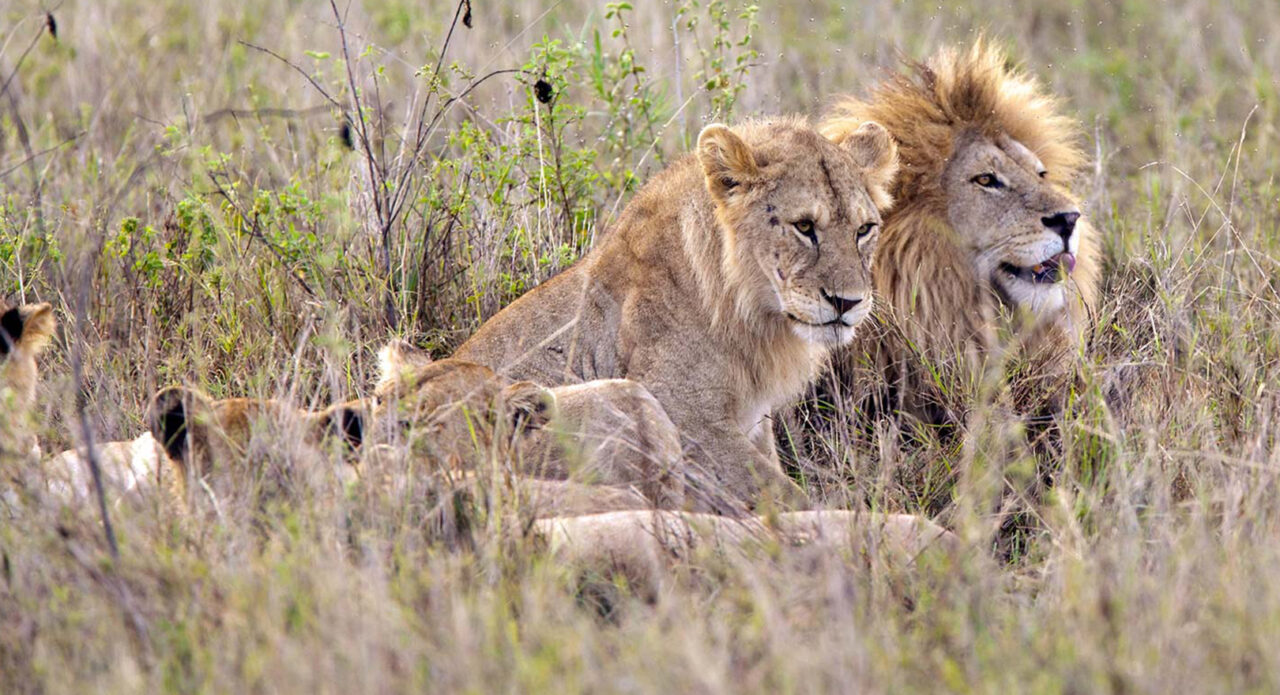
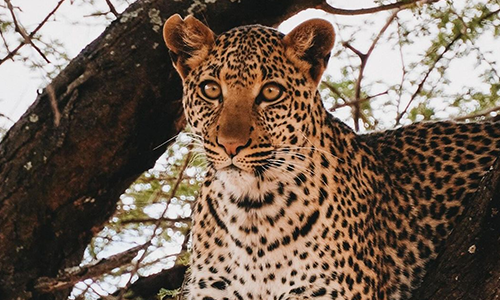
Ngorongoro Crater Safari Guide: Everything You Need to Know
The Ngorongoro Crater, a UNESCO World Heritage Site, stands as one of Africa’s most iconic natural wonders. Its unique caldera, a collapsed volcano, cradles an astonishing concentration of wildlife, creating a breathtaking wildlife viewing arena. For many, a safari here is the highlight of a Tanzanian adventure. This Ngorongoro Crater safari guide is designed to provide you with all the essential information needed to plan and enjoy a truly remarkable experience, whether you’re envisioning a trip in 2026, 2027, or beyond.
Quick Answer: What is the Ngorongoro Crater?
The Ngorongoro Crater is a large, intact, un-eroded volcanic caldera located in the Ngorongoro Conservation Area in Tanzania. It’s famous for its high density of wildlife, including the Big Five, and offers a unique, self-contained ecosystem ideal for safaris.
Table of Contents
- Ngorongoro Crater: A Natural Amphitheater of Wildlife
- Why a Ngorongoro Crater Safari is Essential
- Ngorongoro Crater Quick Facts
- Best Time to Visit Ngorongoro Crater
- Ngorongoro Conservation Area Map & Crater Layout
- Planning Your Ngorongoro Crater Safari
- Sample Ngorongoro Crater Safari Itinerary (1 Day)
- What to Expect on Your Ngorongoro Crater Safari
- The Incredible Wildlife of Ngorongoro Crater
- Where to Stay: Ngorongoro Crater Lodges and Camps
- Packing and Preparation for Your Safari
- Common Mistakes to Avoid
- Who is a Ngorongoro Crater Safari Best Suited For?
- Alternatives to the Ngorongoro Crater
- Ngorongoro Crater Planning for 2026 & 2027
- Booking Your Ngorongoro Crater Safari
- Frequently Asked Questions
- Your Ngorongoro Crater Adventure Awaits
Ngorongoro Crater: A Natural Amphitheater of Wildlife
Imagine a vast, bowl-shaped depression in the earth, approximately 19 kilometers (12 miles) in diameter, teeming with life. This is the Ngorongoro Crater. Formed by the collapse of a giant volcano, the crater floor is a rich ecosystem, sustained by underground springs and a permanent water source. Its high altitude (around 2,300 meters or 7,500 feet) contributes to a cooler climate compared to the surrounding plains. What makes it truly special is the incredible density and diversity of animals that call it home, all within a relatively compact area. Unlike many other parks where animals migrate extensively, a significant population remains within the crater year-round, offering exceptional viewing opportunities.
Why a Ngorongoro Crater Safari is Essential
A safari to the Ngorongoro Crater is often considered a pinnacle experience in East African wildlife viewing. Here’s why it’s a must-see:
- Unrivaled Wildlife Density: The crater boasts one of the highest concentrations of predators and prey in Africa. It’s not uncommon to see lions, elephants, rhinos, buffalo, and hippos in a single game drive.
- The Big Five: It is one of the best places in Tanzania to spot the Big Five: lion, leopard, elephant, rhino, and buffalo. The endangered black rhino, in particular, is more easily seen here than in many other locations.
- Unique Landscape: The sheer scale and beauty of the crater, with its steep walls and diverse habitats (grasslands, swamps, forests), create a dramatic and visually stunning backdrop for your safari.
- All-Year-Round Viewing: While seasons affect animal behavior, the permanent water sources mean that wildlife is present in the crater throughout the year, making it a reliable safari destination.
- Conservation Success Story: The Ngorongoro Conservation Area (NCA) is a unique model that allows wildlife and human populations (primarily the Maasai) to coexist. Your visit contributes to these conservation efforts.
Ngorongoro Crater Quick Facts
| Attribute | Details |
|---|---|
| Location | Northern Tanzania, within the Ngorongoro Conservation Area |
| Size of Crater Floor | Approx. 260 sq km (100 sq miles) |
| Crater Rim Elevation | Approx. 2,300 m (7,500 ft) |
| Key Wildlife | Big Five (Lion, Leopard, Elephant, Rhino, Buffalo), Hippos, Flamingos, Wildebeest, Zebras, Hyenas, various birds. |
| Primary Activity | Game drives within the crater floor. |
| Conservation Status | UNESCO World Heritage Site, part of the Ngorongoro Conservation Area (NCA) |
| Time Needed | Typically 4-6 hours for a crater floor game drive. Often combined with a full day in the NCA. |
Best Time to Visit Ngorongoro Crater
The Ngorongoro Crater is a fantastic safari destination year-round due to its permanent water sources. However, the experience can vary slightly depending on the season. Understanding these nuances can help you plan your visit for 2026 or 2027 to align with your priorities.
| Season | Months | Pros | Cons | Wildlife Highlights |
|---|---|---|---|---|
| Dry Season | June to October | Clear skies, excellent game viewing as animals congregate around water sources, easier to spot wildlife against dry vegetation. Lower malaria risk. Peak tourist season. | Can be crowded, especially during July-September. Higher prices. | Abundant game, predator-prey interactions, easier sightings of elusive animals like leopards. |
| Short Rains | November to December | Lush landscapes, fewer tourists, migratory birds arrive, good photographic opportunities with dramatic skies. | Occasional rain showers, can make some tracks muddy. | Calving season for some species, excellent birdwatching. |
| Long Rains (Green Season) | January to March | Spectacular green scenery, very few tourists, excellent birdwatching, calving season for wildebeest and zebras. | Heavy rain can disrupt game drives, vegetation can be dense making spotting harder, some animals may disperse. Roads can be challenging. | Baby animals abundant, vibrant birdlife, dramatic landscapes. |
| Shoulder Season (End of Rains) | April to May | Beautiful green landscapes, very few tourists, lower prices. | Long rains can persist into April, making roads muddy and game viewing potentially challenging. | Still good game viewing, though less concentrated than dry season. |
For 2026 and 2027: If your priority is guaranteed excellent game viewing and you don’t mind crowds, aim for the dry season (June-October). If you prefer fewer people, lush scenery, and potentially lower prices, consider the shoulder seasons or the short rains (November-December, January-March). The long rains (April-May) are generally the least recommended due to potential travel disruptions and denser vegetation, though they offer a unique, quiet experience for the adventurous.
Ngorongoro Conservation Area Map & Crater Layout
While a visual map isn’t possible in this text format, understanding the layout is key. The Ngorongoro Conservation Area (NCA) is vast, spanning over 8,000 square kilometers. The Ngorongoro Crater is just one, albeit the most famous, feature within it. The NCA also includes the Ngorongoro Highlands, Lake Ndutu (often visited during the migration season, though technically in Serengeti), and the Olduvai Gorge.
Key Geographical Features within the NCA relevant to your safari:
| Crater Rim: The edge of the caldera, where most lodges are situated, offering spectacular views. Access to the crater floor is via steep, winding roads. |
| Crater Floor: The main wildlife viewing area. It features diverse habitats: |
| Central Grasslands: Home to large herbivores like wildebeest, zebras, and gazelles, attracting predators. |
| Lerai Forest: A significant woodland area, good for spotting leopards and elephants. |
| Gorigor Swamp: A wetland area, attracting hippos, waterbirds, and providing water for many animals. |
| Lake Magadi: A shallow soda lake often frequented by flamingos and other waterbirds. |
| Access Roads: There are a limited number of entry and exit points onto the crater floor, managed by park authorities. Game drives typically follow designated tracks. |
| Main Gates: The Lodoare Gate is the primary entrance to the NCA. The Karatu area serves as a gateway town. |
Planning Your Ngorongoro Crater Safari
Planning a safari to the Ngorongoro Crater involves several key decisions. It’s often part of a larger Northern Circuit safari in Tanzania, which might include Serengeti National Park, Tarangire National Park, and Lake Manyara National Park.
1. Duration of Your Visit
A typical Ngorongoro Crater safari involves a half-day game drive on the crater floor. This means you will spend a full day in the Ngorongoro Conservation Area, with the game drive usually taking 4-6 hours. Many visitors stay overnight at lodges on the crater rim or nearby in Karatu, allowing for an early morning descent into the crater. If you are on a tight schedule, it is possible to visit as a day trip from Arusha, but this involves a very early start and a late return, with limited time on the crater floor.
2. Itinerary Integration
The Ngorongoro Crater is usually visited on Day 3 or Day 4 of a typical 7-day Northern Circuit safari. For example:
- Day 1: Arrive Kilimanjaro International Airport (JRO), transfer to Arusha.
- Day 2: Drive to Tarangire National Park for game drive. Overnight near Tarangire.
- Day 3: Drive to Ngorongoro Conservation Area. Game drive in Ngorongoro Crater. Overnight on the crater rim or Karatu.
- Day 4: Visit Olduvai Gorge, drive to Serengeti National Park.
- …and so on.
Consider how Ngorongoro fits into your overall Tanzanian safari plan. Are you focusing solely on the crater, or is it one stop among many?
3. Accommodation Choices
Your choice of accommodation significantly impacts your Ngorongoro Crater experience and budget. Options include:
- Crater Rim Lodges: Offer the most spectacular views and immediate access to the crater. These are typically the most expensive options. Waking up to sunrise over the crater is unforgettable.
- Lodges/Camps in the Ngorongoro Highlands/Karatu: Located a short drive (15-45 minutes) from the crater access road. These offer a wider range of prices and styles, from mid-range to luxury.
- Camping (Public/Special Campsites): For budget travelers or those seeking a more rustic experience. Special campsites are located within the NCA and offer a more exclusive feel.
4. Transport and Vehicle
You’ll need a 4×4 safari vehicle with a pop-up roof for optimal game viewing and photography. Ensure your tour operator provides a well-maintained vehicle and an experienced, knowledgeable guide. The drive down into the crater is steep and can be rough, requiring a capable vehicle.
5. Permits and Fees
Entry to the Ngorongoro Conservation Area requires permits, and there are fees for vehicle entry, crater descent, and game drives. These are typically included in your tour package price but are significant costs. Expect to pay per vehicle and per person for crater access.
Sample Ngorongoro Crater Safari Itinerary (1 Day)
This sample itinerary focuses purely on the Ngorongoro Crater experience, assuming you are staying nearby the previous night.
| Time | Activity | Details |
|---|---|---|
| ~6:00 AM | Early Breakfast | At your lodge/camp (e.g., in Karatu or on the crater rim). |
| ~7:00 AM | Drive to Crater Access Gate | Your guide will drive you to the Ngorongoro Conservation Area entrance. |
| ~7:30 AM | Crater Descent | Navigate the steep, winding track down to the crater floor. This is your first exciting view into the caldera. |
| ~8:00 AM – 1:00 PM | Crater Floor Game Drive | Enjoy a 4-6 hour game drive. Your guide will take you to prime wildlife viewing spots, including the Gorigor Swamp, Lake Magadi, and open grasslands. Look for lions, elephants, rhinos, buffalo, hippos, flamingos, and numerous other species. Stop for a picnic lunch at a designated spot (e.g., near the hippo pool). |
| ~1:00 PM | Ascent from Crater | Begin the drive back up the steep crater walls. |
| ~1:30 PM onwards | Departure / Next Destination | Depart from the Ngorongoro Conservation Area, heading to your next destination (e.g., Serengeti) or returning to your lodge for relaxation. |
What to Expect on Your Ngorongoro Crater Safari
The Ngorongoro Crater safari is a unique experience, and understanding what to expect will enhance your enjoyment.
- Limited Time on Floor: Visitors are typically allowed a maximum of 6 hours on the crater floor. This is strictly enforced to minimize environmental impact.
- Crowds: Due to its fame and relatively small size, the crater floor can get crowded, especially during peak season. You may encounter many other safari vehicles, particularly around popular sightings.
- Strict Regulations: Off-roading is prohibited. You must stay on designated tracks. Littering is strictly forbidden. Vehicles are not permitted to stay longer than the allocated time.
- Predator-Prey Dynamics: The high density of animals means you’re likely to witness fascinating predator-prey interactions. Lions are abundant, and leopard sightings, while more elusive, are possible, especially in the forested areas.
- Rhino Sightings: The Ngorongoro Crater is one of the best places in Tanzania to see the endangered black rhino. The population here is relatively healthy and visible.
- Birdlife: The crater is a haven for birdwatchers, with flamingos on Lake Magadi, secretary birds, ostriches, eagles, and many waterbirds in the swamps.
- Picnic Lunch: Most full-day game drives include a picnic lunch. These are taken at designated picnic sites, often with views of the crater and its inhabitants. Be mindful of monkeys and birds trying to steal food.
- Vehicle Type: A sturdy 4×4 safari vehicle with a pop-up roof is essential for navigating the terrain and for clear viewing.
The Incredible Wildlife of Ngorongoro Crater
The concentration of wildlife within the Ngorongoro Crater is simply astonishing. It’s a self-contained ecosystem supporting an estimated 25,000 large animals.
- Mammals:
- The Big Five:
- Lion: A healthy population of lions inhabits the crater, often seen resting in the grass or actively hunting.
- Elephant: Large bull elephants are common, often seen near the Lerai Forest or grazing on the plains. Cow elephants with calves are less common on the floor itself, tending to stay on the highlands.
- Buffalo: Large herds of Cape buffalo are a common sight, often grazing alongside zebras and wildebeest.
- Leopard: Elusive but present, leopards are more likely to be spotted in the wooded areas, particularly the Lerai Forest, often during early morning or late afternoon drives.
- Black Rhinoceros: The crater is a stronghold for the endangered black rhino. While sightings are not guaranteed, the chances are higher here than in most other parks. Look for them grazing on the open plains.
- Other Notable Mammals:
- Hippopotamus: Large pods of hippos reside in the Gorigor Swamp and along the permanent rivers.
- Wildebeest and Zebra: Large numbers of wildebeest and zebras are found on the crater floor, especially during the dry season when they are attracted to the permanent water.
- Gazelles: Thomson’s gazelles and Grant’s gazelles are abundant.
- Cheetah: While not as common as lions, cheetahs can be seen hunting on the open plains.
- Spotted Hyena: A significant population of spotted hyenas is found here, often seen scavenging or hunting.
- Jackals, Mongoose, Baboons, Monkeys: Various smaller mammals are commonly encountered.
- Birds:
- The crater is a birdwatcher’s paradise with over 400 species recorded. Key highlights include:
- Flamingos: Often seen in large numbers on Lake Magadi, though their presence can vary.
- Ostrich: Frequently seen on the plains.
- Secretary Bird: A striking terrestrial bird of prey.
- Eagles: Martial eagles, crowned eagles, and fish eagles are present.
- Waterbirds: Various herons, storks, and waders inhabit the swamps and water bodies.
Where to Stay: Ngorongoro Crater Lodges and Camps
Accommodation choices play a crucial role in the Ngorongoro Crater experience. Your location affects convenience, views, and cost. For planning your 2026 or 2027 trip, consider these categories:
Luxury Lodges (Crater Rim & Highlands)
- Examples: Ngorongoro Crater Lodge, The Highlands Ngorongoro, Gibb’s Farm (nearby), Serena Mountain Village Ngorongoro.
- Pros: Unparalleled views, exceptional service, gourmet dining, exclusive amenities, often offer private conservancy experiences. Ideal for honeymoons or special occasions.
- Cons: Very expensive.
Mid-Range Lodges & Camps (Crater Rim & Karatu)
- Examples: Ngorongoro Serena Safari Lodge, Ngorongoro Sopa Lodge, Kudu Lodge, Bougainvillea Lodge (Karatu).
- Pros: Good balance of comfort, service, and price. Many offer stunning views or are conveniently located near the crater access road.
- Cons: Can still be relatively costly due to the location.
Budget/Camping Options (NCA & Karatu)
- Public Campsites: Basic facilities within the NCA. Requires self-catering or arrangement with a tour operator.
- Special Campsites: More exclusive than public sites, offering a more private wilderness feel.
- Budget Lodges in Karatu: Simpler accommodations in the nearby town.
- Pros: Most affordable way to experience the area. Offers a closer connection to nature (camping).
- Cons: Facilities are basic. Requires more planning for food and amenities. Less comfort than lodges.
Booking Tip: Lodges on the crater rim, especially those with direct crater views, book up months, sometimes a year, in advance. For peak seasons in 2026 and 2027, book well ahead.
Packing and Preparation for Your Safari
Proper packing ensures comfort and readiness for your Ngorongoro Crater safari. Layering is key due to the varying temperatures.
Clothing Essentials:
- Lightweight, breathable clothing: Cotton or moisture-wicking fabrics are best for daytime.
- Neutral colors: Khaki, olive green, beige, brown. Avoid bright colors (which can scare wildlife) and dark colors like black or navy (which attract tsetse flies) or white (which shows dirt easily).
- Long-sleeved shirts and trousers: For sun protection and insect protection in the evenings.
- Fleece or warm jacket: Evenings and early mornings can be chilly, especially on the crater rim.
- Waterproof/windproof jacket: For unexpected rain showers, particularly outside the dry season.
- Comfortable walking shoes/hiking boots: If your itinerary includes any light walking or exploring around lodges.
- Sandals or flip-flops: For relaxing at the lodge.
- Hat: Wide-brimmed for sun protection.
- Sunglasses.
Health & Safety:
- Insect repellent: With DEET is recommended, especially for evenings.
- Sunscreen: High SPF.
- Personal first-aid kit: With any personal medications.
- Malaria prophylaxis: Consult your doctor about recommended anti-malarial medication for Tanzania.
- Hand sanitizer.
Gear & Accessories:
- Camera and extra batteries/memory cards: You’ll want to capture everything! A zoom lens is highly recommended.
- Binoculars: Essential for spotting distant wildlife.
- Reusable water bottle: To reduce plastic waste.
- Small backpack/daypack: For carrying essentials during game drives.
- Adapter for electronics: Tanzania uses Type G (UK style) sockets.
- Headlamp or small flashlight: Useful around camps/lodges at night.
Documents:
- Passport: Valid for at least six months beyond your stay.
- Visa: Check requirements for your nationality. Many can get a visa on arrival or apply online.
- Yellow Fever Certificate: May be required for entry into Tanzania.
- Travel insurance details.
- Flight tickets and tour operator confirmations.
Common Mistakes to Avoid
To ensure your Ngorongoro Crater safari is as smooth and enjoyable as possible, be aware of these common pitfalls:
- Underestimating Travel Times: Distances in Tanzania can be deceiving, and road conditions can be slow. Factor in ample travel time between destinations.
- Not Booking in Advance: Especially for lodges on the crater rim or during peak seasons (July-October), accommodation and popular tour slots book up very quickly. For 2026/2027, start planning early.
- Expecting to See Everything on One Drive: While wildlife is dense, seeing specific animals like leopards or rhinos can still require luck and a good guide. A single drive is a snapshot.
- Ignoring Park Rules: Strict rules are in place for conservation. Do not litter, drive off-road, or attempt to feed animals. Stick to the 6-hour limit on the crater floor.
- Packing Inappropriately: Bringing only light summer clothing is a mistake. The crater rim can be surprisingly cold, and evenings require warmer layers.
- Not Using a Qualified Guide: An experienced guide is invaluable for spotting wildlife, understanding animal behavior, and navigating the park safely and efficiently.
- Focusing Only on the Crater: The Ngorongoro Conservation Area is vast and offers more than just the crater floor. Consider exploring the highlands, visiting Maasai villages (responsibly), or seeing Olduvai Gorge.
- Over-reliance on Mobile Phones: Connectivity can be spotty. Download offline maps and ensure you have all necessary documents printed or saved offline.
- Not Budgeting for Extras: While most safaris include accommodation, meals, and park fees, remember to budget for tips, souvenirs, and drinks.
Who is a Ngorongoro Crater Safari Best Suited For?
The Ngorongoro Crater safari appeals to a broad range of travelers, but it particularly shines for:
- First-Time Safari Goers: Its high wildlife density and ease of viewing make it an excellent introduction to African safaris. You’re almost guaranteed to see a wide variety of animals.
- Wildlife Enthusiasts: The chance to see the Big Five, especially the black rhino, in such a concentrated area is a major draw.
- Photographers: The dramatic landscape and abundant wildlife provide endless photographic opportunities. The pop-up roof of a safari vehicle is ideal for this.
- Families: The relatively short game drives and high chance of seeing iconic animals make it engaging for children. Ensure your tour operator can cater to family needs.
- Travelers on a Tight Schedule: If you have limited time in Tanzania, a single day’s game drive in the Ngorongoro Crater can offer a significant wildlife experience.
- Luxury Travelers: The area boasts some of Tanzania’s most exclusive and luxurious lodges, offering a high-end safari experience.
- Budget Travelers (with caveats): While lodges are expensive, camping options exist, making it accessible, though it requires more self-sufficiency.
Alternatives to the Ngorongoro Crater
While the Ngorongoro Crater is exceptional, other destinations in Tanzania and East Africa offer incredible safari experiences. If the Ngorongoro Crater doesn’t quite fit your plans or you’re looking to combine it with other parks:
Within Tanzania (Northern Circuit):
- Serengeti National Park: Famous for the Great Migration and vast plains. Offers a more expansive safari experience with diverse landscapes and excellent predator sightings. It’s a must-visit if time permits.
- Tarangire National Park: Known for its large elephant herds, baobab trees, and diverse birdlife, especially during the dry season when animals congregate around the Tarangire River.
- Lake Manyara National Park: Famous for its tree-climbing lions, large elephant herds, and extensive birdlife, especially around the alkaline lake. It’s a smaller park, often visited for a half or full day.
Within Tanzania (Southern Circuit):
- Selous Game Reserve (Nyerere National Park): The largest game reserve in Africa, offering a more wild and less crowded experience. Known for its boat safaris on the Rufiji River and excellent wild dog sightings.
- Ruaha National Park: Tanzania’s largest national park, offering a remote and rugged wilderness experience with large elephant and predator populations.
Other East African Destinations:
- Masai Mara National Reserve (Kenya): Directly across from the Serengeti, famous for the Great Migration (July-October) and high predator numbers.
- Queen Elizabeth National Park (Uganda): Known for its tree-climbing lions, diverse birdlife, and boat safaris on the Kazinga Channel.
- Volcanoes National Park (Rwanda) / Bwindi Impenetrable National Park (Uganda): For mountain gorilla trekking, a vastly different but profoundly rewarding wildlife encounter.
The Ngorongoro Crater’s unique selling point remains its unparalleled density of wildlife in a contained caldera. If that’s your priority, it’s hard to beat. If you seek vast open plains and the migration, Serengeti is key. If you want fewer crowds and a wilder feel, consider the southern parks or parts of Kenya/Uganda.
Ngorongoro Crater Planning for 2026 & 2027
Planning your Ngorongoro Crater safari for 2026 or 2027 requires foresight, especially given the growing popularity of Tanzanian safaris. Here’s how to approach it:
1. Book Well in Advance
This cannot be stressed enough. For popular accommodation, particularly lodges on the crater rim, and for peak season travel (June-October), booking 9-12 months in advance is highly recommended for 2026 and 2027. Even for mid-range options or travel during the shoulder seasons, early booking ensures availability and potentially better rates.
2. Consider the Shoulder Seasons
If your schedule allows and you prefer fewer crowds, look at the shoulder seasons around the main dry season. November/December or even late March/April can offer beautiful scenery, good game viewing, and potentially more availability and competitive pricing for your 2026/2027 trip.
3. Choose Your Tour Operator Wisely
Research and select a reputable tour operator that specializes in Tanzanian safaris. Look for operators with strong local knowledge, good reviews, and clear communication. They will be crucial in navigating park regulations, booking permits, and securing accommodation. For personalized service and expert advice for your 2026 or 2027 safari, consider contacting local operators.
4. Understand the Costs
Ngorongoro Crater safaris are not inexpensive due to park fees, conservation levies, and the cost of specialized 4×4 vehicles and guides. Be realistic about your budget. A typical safari package will include park entry fees, crater service fees, vehicle and guide costs, accommodation, and meals. Exclusions often include tips, drinks, and personal expenses.
5. Health Preparations
Consult your doctor or a travel clinic at least 6-8 weeks before your trip for necessary vaccinations and malaria prophylaxis advice for Tanzania. Ensure you have any required health certificates, like Yellow Fever, well in advance of your 2026/2027 travel dates.
6. Factor in Other Parks
Unless you are making a very specific, short trip focused only on the crater, plan how it fits into a broader itinerary. Combining the Ngorongoro Crater with Serengeti, Tarangire, and Lake Manyara is the classic Northern Circuit, offering diverse ecosystems and wildlife experiences for your 2026 or 2027 adventure.
Booking Your Ngorongoro Crater Safari
Booking your Ngorongoro Crater safari is a critical step. Here’s how to do it effectively:
1. Choose Your Travel Style and Budget
Decide if you’re looking for a luxury, mid-range, or budget safari. This will guide your choice of accommodation and tour operator. For 2026 and 2027, prices can fluctuate, so getting quotes is essential.
2. Research and Select a Tour Operator
Look for operators with a strong presence in Tanzania, excellent reviews, and clear communication channels. Many operators offer pre-designed packages, but custom itineraries are also common. A good local operator will offer valuable insights and better pricing.
3. Get Detailed Quotes
Request detailed itineraries and quotes from 2-3 reputable operators. Ensure the quotes clearly list what is included (accommodation, park fees, meals, vehicle, guide, transfers) and what is excluded (tips, drinks, international flights, visas).
4. Understand Payment Terms
Reputable operators typically require a deposit (e.g., 30-50%) upon booking to secure services, with the balance due closer to your travel date (e.g., 30-60 days prior). Be wary of operators asking for full payment upfront too early.
5. Read the Fine Print
Understand the cancellation policy, change fees, and what happens in case of unforeseen circumstances (e.g., illness, flight delays). Travel insurance is highly recommended.
6. Confirm Everything
Before finalizing, double-check all details: dates, accommodation names, flight information, vehicle type, and guide arrangements. Ensure you have contact details for your operator for emergencies.
For a personalized and expertly guided Ngorongoro Crater safari experience, we are here to help. Contact us to discuss your dream trip for 2026 or 2027.
Frequently Asked Questions
1. Is a Ngorongoro Crater safari worth the cost?
Yes, for most travelers, a Ngorongoro Crater safari is absolutely worth the cost. The sheer density and diversity of wildlife, combined with the unique landscape of the caldera, offer an unparalleled wildlife viewing experience that is hard to replicate elsewhere. The fees contribute directly to conservation efforts.
2. How long should I spend in the Ngorongoro Crater?
A standard game drive on the crater floor is typically 4-6 hours, with a strict 6-hour limit enforced by park authorities. This is usually sufficient for a comprehensive experience. Many visitors spend a full day in the Ngorongoro Conservation Area, including this crater drive, and stay overnight at a lodge on the rim or in Karatu.
3. Can I walk around the Ngorongoro Crater?
No, walking is not permitted on the crater floor for safety and conservation reasons. All wildlife viewing is done from a safari vehicle. Guided walking safaris are sometimes offered in other parts of the Ngorongoro Conservation Area (e.g., highlands or Maasai villages), but not inside the crater itself.
4. What is the difference between Ngorongoro Crater and Ngorongoro Conservation Area?
The Ngorongoro Crater is a specific geological formation and a contained ecosystem within the much larger Ngorongoro Conservation Area (NCA). The NCA is a UNESCO World Heritage Site that also encompasses highlands, Olduvai Gorge, and allows for the co-existence of wildlife and human populations, primarily the Maasai people.
5. Is it possible to see the Big Five in Ngorongoro Crater?
Yes, it is one of the best places in Tanzania to see the Big Five (lion, leopard, elephant, buffalo, and rhino) in a single day due to the high concentration of animals. The endangered black rhino is particularly well-represented here.
6. What is the best month to visit Ngorongoro Crater for game viewing?
The dry season, from June to October, is generally considered the best time for game viewing in the Ngorongoro Crater. Animals tend to congregate around permanent water sources, and the vegetation is less dense, making sightings easier. However, the crater offers excellent viewing opportunities year-round.
7. Are there any risks associated with visiting Ngorongoro Crater?
Like any safari, there are inherent risks. The primary concerns are wildlife encounters (though rare and managed by guides), road conditions (can be rough), and health risks like malaria. Following your guide’s instructions, taking precautions against malaria, and having appropriate travel insurance are essential. The park authorities and guides are highly experienced in managing safety.
8. Can I visit Ngorongoro Crater as a day trip from Arusha?
Yes, it is possible to visit the Ngorongoro Crater as a day trip from Arusha. However, it involves a very early start (around 4:30 AM) and a late return (around 7-8 PM), with limited time (6 hours) on the crater floor. It’s a long day but feasible if you have very limited time.
9. What are the park fees for Ngorongoro Crater for 2026/2027?
Park fees are subject to change annually by the Tanzania National Parks Authority (TANAPA) and the Ngorongoro Conservation Area Authority (NCAA). Generally, fees include Ngorongoro Conservation Area entry fees per person per day, vehicle entry fees, and a specific Ngorongoro Crater service fee per vehicle for the 6-hour game drive. These are significant costs and are usually bundled into tour packages. It’s best to get the latest fee structure from your tour operator when planning your 2026 or 2027 trip.
10. Is it better to stay on the crater rim or in Karatu?
Staying on the crater rim offers the most spectacular views and immediate access, meaning you can descend into the crater very early. However, these lodges are typically the most expensive. Staying in Karatu offers a wider range of accommodation options, often at a more affordable price, and is usually only a 15-45 minute drive to the crater access road. For early morning access, crater rim lodges are superior.
Your Ngorongoro Crater Adventure Awaits
The Ngorongoro Crater safari is an experience that stays with you long after you leave Tanzania. Its unique ecosystem, incredible wildlife density, and dramatic landscapes make it a highlight of any African adventure. Whether you’re planning for 2026, 2027, or further into the future, careful planning is key to maximizing your experience.
We specialize in crafting unforgettable Tanzanian safari experiences, including the iconic Ngorongoro Crater. Our expert guides and personalized service ensure your trip is seamless and memorable. Let us help you plan the Ngorongoro Crater safari of your dreams.
Contact us today to start planning:
- WhatsApp: +255616946642
- Email: topguideadventures@gmail.com
- Backup Email: info@topguideadventures.com
Let us guide you through the wonders of the Ngorongoro Crater and beyond.
Plan your Ngorongoro Crater Safari Guide: Everything You Need to Know with Top Guide Adventures
Tell us your travel dates, group size, comfort level, and dream experience. We will help you shape a clear, realistic, and memorable Tanzania itinerary.







 Veedesigner
 Fatma Kizanga
 Benjamin Waryuba
 Philip Philip
 John jr Itaja
 Antonia Optatus
 Edith Kanyere
 Neema Iddy
 Kelvin Boniphace
 Damari Maiga



