
Updated planning guide for 2026, 2027
Northern Serengeti Guide: Mara River Crossing Safari: Best
Discover the magic of the Northern Serengeti's Mara River crossing. This comprehensive guide covers everything you need to plan your unforgettable safari adventure, from the best viewing times to essential preparation.
WhatsApp +255616946642 | topguideadventures@gmail.com | info@topguideadventures.com

The Ultimate Northern Serengeti Guide: Experiencing the Mara River Crossing
Witnessing the Great Migration is a dream for many wildlife enthusiasts, and at its heart lies one of nature’s most dramatic spectacles: the Mara River crossing in the Northern Serengeti. This epic journey sees millions of wildebeest, zebras, and other herbivores brave the crocodile-infested waters of the Mara River, a true test of survival and a photographer’s paradise. This guide is designed to equip you with everything you need to know to plan and execute an unforgettable Northern Serengeti safari focused on this incredible event.
From understanding the best timing and locations to practical advice on booking, packing, and what to expect, we cover it all. Whether you’re planning for 2026, 2027, or beyond, this expert guide will help you prepare for an adventure of a lifetime.
Quick Facts: Mara River Crossing Safari
| Aspect | Details |
|---|---|
| Primary Wildlife Event | Wildebeest and Zebra river crossings (Great Migration) |
| Location | Northern Serengeti National Park, Tanzania |
| Best Viewing Season | Late July to October |
| Key Species to See | Wildebeest, Zebras, Crocodiles, Lions, Leopards, Cheetahs, Hyenas, Elephants, Giraffes, Hippos |
| Typical Safari Duration | 3-5 days in the Northern Serengeti (part of a longer Tanzania safari) |
| Accommodation Types | Luxury Lodges, Tented Camps (permanent and mobile), Bush Camps |
| Getting There | Fly into Kogatende Airstrip (Northern Serengeti) or Seronera Airstrip (Central Serengeti) and drive. |
Table of Contents
- What is the Mara River Crossing?
- Why is the Mara River Crossing So Special?
- Best Time to See the Mara River Crossing
- Understanding the Migration Patterns
- Where to Stay in the Northern Serengeti
- Planning Your Mara River Crossing Itinerary
- Sample Northern Serengeti Itinerary (5 Days)
- What to Expect on a River Crossing Safari
- Essential Packing List for the Northern Serengeti
- Common Mistakes to Avoid
- Who is a Mara River Crossing Safari Best For?
- Alternatives to the Mara River Crossing
- Planning for 2026 and 2027 Safaris
- Booking Your Mara River Crossing Safari
- Frequently Asked Questions (FAQs)
What is the Mara River Crossing?
The Mara River, flowing from the Kenyan highlands through the Serengeti National Park in Tanzania, is a crucial geographical barrier for the Great Migration. Each year, approximately 1.5 million wildebeest, hundreds of thousands of zebras, and a smaller number of gazelles undertake a monumental journey in search of fresh grazing. This journey inevitably leads them to the Mara River, where they must cross to reach new pastures on the other side.
The crossings are not a daily occurrence and can happen with little warning. Herds gather on the riverbanks, often for days, building up courage or waiting for favorable conditions. When they finally decide to move, it’s a chaotic and powerful surge of life. Thousands of animals plunge into the water, creating a torrent of hooves and bodies. Predators, like crocodiles lurking in the depths and lions and hyenas waiting on the banks, seize this opportunity to hunt.
It’s a raw, primal display of nature that is both awe-inspiring and humbling. The sheer scale of the event, combined with the inherent danger, makes it a truly unforgettable wildlife experience.
Why is the Mara River Crossing So Special?
The Mara River crossing stands out among wildlife events for several reasons:
- Scale: The sheer number of animals involved is staggering. Watching hundreds, sometimes thousands, of wildebeest and zebras cross the river simultaneously is a sight few other wildlife encounters can match.
- Drama: The river itself presents a formidable obstacle. Crocodiles are a constant threat, and stampedes can occur, leading to animals being swept away by the strong currents. The presence of predators on the banks adds another layer of intense drama.
- Rarity: While the Great Migration is a continuous cycle, the actual river crossings are unpredictable. They depend on rainfall, grass availability, and the animals’ instincts. This unpredictability adds to the allure and makes witnessing a crossing feel like a significant achievement.
- Photographic Opportunity: The combination of vast herds, dramatic action, and the stunning African landscape provides unparalleled opportunities for photographers. Capturing a successful crossing is a career highlight for many wildlife photographers.
- Ecological Significance: The crossing is a vital part of the Serengeti-Mara ecosystem. It ensures the redistribution of nutrients and the continuation of predator-prey dynamics that have shaped this landscape for millennia.
Best Time to See the Mara River Crossing
The most reliable period for witnessing the Mara River crossing is generally from late July through October. During these months, the migration has typically moved north into the Serengeti’s Lamai Wedge and Kogatende areas, where the Mara River forms a natural boundary.
However, it’s crucial to understand that wildlife movements are not dictated by a calendar. While this is the peak season, crossings can occur earlier or later depending on environmental factors. Some smaller crossings might be observed in other months, but the large-scale, dramatic events are most common during the dry season when the grass in the southern plains has been depleted, and the herds are driven north by the search for fresh grazing.
Key Considerations for Timing:
- Rainfall: Early or excessive rains can alter the migration’s path and timing.
- Grass Availability: The herds follow the best grazing. If the southern plains remain green longer, the migration might delay its northward movement.
- Predator Activity: Predators can influence where and when herds decide to cross.
For planning your 2026 or 2027 safari, aiming for August or September offers the highest probability of witnessing a crossing. However, flexibility and working with experienced guides are key.
Understanding the Migration Patterns
The Great Migration is a perpetual cycle, a continuous movement of over 1.5 million wildebeest, around 300,000 zebras, and thousands of gazelles. Understanding this cycle is fundamental to planning a safari to see the river crossings.
The Annual Cycle:
- December – March: The herds are typically in the southern Serengeti plains (Ndutu area, bordering the Ngorongoro Conservation Area) for calving season. This is when thousands of calves are born.
- April – May: The ‘long rains’ usually begin, and the herds start moving north and west across the central and western Serengeti in search of greener pastures. This is often a quieter time for viewing as the herds disperse.
- June – July: The migration continues its journey northwards, often gathering in large numbers along the Grumeti River in the western corridor. While the Grumeti River can also present crossings, they are typically smaller and less dramatic than the Mara River crossings.
- Late July – October: This is the prime time for the Mara River crossings. The herds reach the northern Serengeti, and the Mara River becomes the primary obstacle. They will cross back and forth multiple times during this period as conditions change.
- November: As the ‘short rains’ begin, the herds start to move south from the northern Serengeti, heading back towards the southern plains, completing the cycle.
The exact timing can shift by a few weeks each year. This is why booking a safari that is flexible and allows your guide to track the herds is essential. A good guide will have up-to-date information on the migration’s location.
Where to Stay in the Northern Serengeti
The Northern Serengeti, particularly the Kogatende and Lamai areas, offers a range of accommodation options, from rustic camps to luxurious lodges. The choice of accommodation can significantly impact your experience, especially your proximity to prime river crossing viewing spots.
Types of Accommodation:
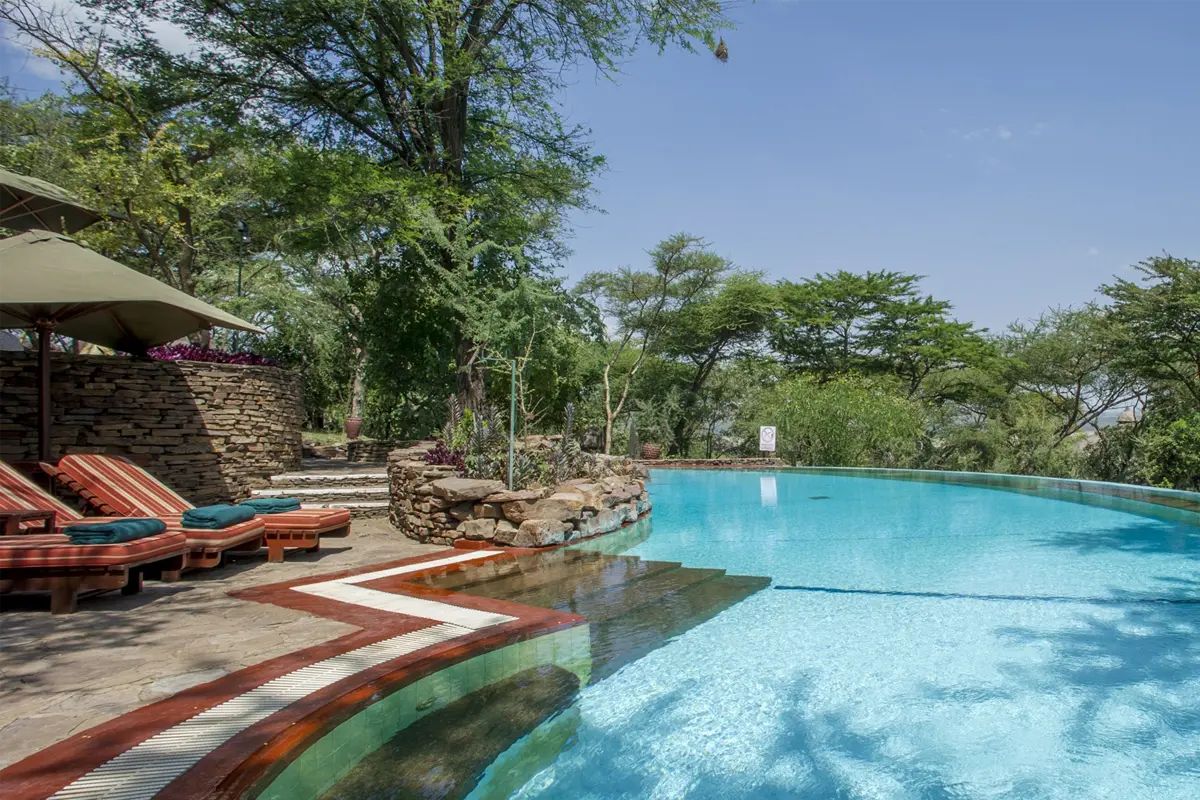
- Luxury Lodges: These offer high-end amenities, fine dining, swimming pools, and spacious rooms or suites. They provide comfort and excellent service, often with stunning views. Examples include Four Seasons Safari Lodge Serengeti (though further south, accessible by flight), Singita Mara River Tented Camp, and Sayari Camp.
- Tented Camps: These range from comfortable to very luxurious. They offer a more immersive bush experience with canvas tents that are often furnished like hotel rooms, complete with en-suite bathrooms. Mobile tented camps are strategically moved to follow the migration, offering prime locations. Examples include Nomad Tanzania’s Lamai Serengeti and Asilia Africa’s Olakira Camp.
- Bush Camps: More intimate and often more rustic, these camps offer a closer connection to the wilderness. They are usually smaller and focus on the safari experience.
Location Matters:
- Staying near the Mara River itself, in areas like Kogatende, puts you in the heart of the action for crossings.
- Lamai Wedge is another prime location, offering excellent viewing opportunities.
- Some lodges and camps are situated further afield but offer game drives that can take you to the riverbanks.
When choosing, consider your budget, desired comfort level, and how close you want to be to the river crossing action. Proximity is key for maximizing your chances of witnessing a crossing without excessive travel time each day.
Planning Your Mara River Crossing Itinerary
A successful Mara River crossing safari requires careful planning. The goal is to maximize your chances of witnessing a crossing while also enjoying the abundant wildlife of the Northern Serengeti.
Key Planning Considerations:
- Duration: Allocate at least 3-4 full days specifically for the Northern Serengeti and the Mara River area. This provides enough time for multiple game drives and increases your chances of catching a crossing. Many people combine this with other Serengeti regions (like Central Serengeti for resident wildlife) or other Tanzanian parks.
- Arrival and Departure: The most convenient way to reach the Northern Serengeti is by light aircraft. Fly into Kogatende Airstrip (northern Serengeti) or Seronera Airstrip (central Serengeti) and then take a connecting flight or drive to your chosen lodge/camp. Flights from Arusha or Kilimanjaro International Airport (JRO) are common.
- Daily Schedule: Game drives are typically scheduled for early morning and late afternoon, when animals are most active. Your lodge or guide will decide the best locations to search for crossings based on current herd movements. This might involve spending long hours near the riverbanks.
- Flexibility: Be prepared for your plans to change daily. Your guide will be in constant communication with other guides and rangers to track the herds. A crossing might happen unexpectedly, requiring an immediate change of plans.
- Combination Safaris: Consider combining your Northern Serengeti experience with other regions. For example, spend a few days in Central Serengeti (Seronera) for resident predators and then fly north for the migration.
Itinerary Logic:
- Day 1: Arrive at Kogatende Airstrip, transfer to your lodge/camp, afternoon game drive.
- Days 2-4: Full days dedicated to searching for river crossings and exploring the Northern Serengeti. This includes early morning and late afternoon drives, potentially spending significant time near the Mara River.
- Day 5: Morning game drive, followed by transfer to the airstrip for your onward flight.
This is a basic framework. A custom itinerary will be tailored to your interests and the latest migration reports.
Sample Northern Serengeti Itinerary (5 Days)
This sample itinerary focuses on maximizing opportunities to witness the Mara River crossing. It assumes arrival into Kogatende.
Day 1: Arrival in the Northern Serengeti & First Game Drive
Arrive at Kogatende Airstrip (Northern Serengeti). You’ll be met by your guide and transferred to your chosen lodge or tented camp. After settling in and a brief rest, head out for your first afternoon game drive. The focus will be on exploring the immediate surroundings and getting a feel for the area, with an initial search for any migrating herds near the river.
Evening: Sundowners and dinner at the lodge/camp.
Day 2: Full Day – Mara River Crossing Focus
An early start for a full day of searching for river crossings. Your guide will have the latest intelligence on herd movements. You might spend hours observing herds gathering on the banks, waiting for the right moment to cross. This day involves a packed lunch to maximize time in the field. The afternoon will continue the search, possibly at a different crossing point along the Mara River.
Evening: Return to camp, share stories over dinner.
Day 3: Exploring Northern Serengeti & Migration Dynamics
Today, you’ll continue your quest for crossings, but also explore other areas of the Northern Serengeti. This region boasts excellent resident wildlife, including large prides of lions, leopards, cheetahs, and elephants. You’ll visit different sections of the Mara River and surrounding plains, observing how the migration impacts the ecosystem. Another packed lunch is likely.
Evening: Relax and enjoy the bush ambiance.
Day 4: Dedicated Crossing Watch & Predator Action
This day is dedicated to being in the right place at the right time for a crossing. Your guide will position you strategically. While waiting, you’ll have opportunities to observe predators that often follow the migration, such as lions, hyenas, and cheetahs, which are particularly active in this region. If a crossing occurs, you’ll witness the full drama unfold. If not, you’ll still experience incredible wildlife viewing.
Evening: Farewell dinner and reflection on the safari.
Day 5: Final Game Drive & Departure
Enjoy a final early morning game drive, perhaps revisiting a favorite spot or searching for any last-minute sightings. Afterwards, you’ll be transferred back to Kogatende Airstrip for your flight back to Arusha or your next destination.
What to Expect on a River Crossing Safari
A safari focused on the Mara River crossing is different from a typical game drive. Here’s what you can realistically expect:
- Long Waits: Witnessing a crossing often involves significant waiting periods. Herds can spend hours or even days on the riverbank before committing to a crossing. Patience is key.
- Unpredictability: Crossings are never guaranteed. You might spend days waiting and miss the main event, or witness multiple crossings in a single day. Your guide’s expertise in tracking and predicting movements is invaluable.
- Crowds: The Mara River is a prime location, and many safari vehicles will be present, especially if a crossing is imminent. Reputable tour operators and guides will manage this to minimize disruption and ensure responsible viewing.
- Intense Wildlife Action: When a crossing happens, it’s incredibly dramatic. Expect to see animals struggling against the current, predators seizing opportunities, and the sheer power of nature.
- Other Wildlife: Even when not focused on crossings, the Northern Serengeti is rich in wildlife. You’ll see large prides of lions, elusive leopards, cheetahs on the hunt, elephants, giraffes, and numerous bird species. Crocodiles and hippos are residents of the Mara River.
- Bush Experience: Accommodation in the Northern Serengeti is often in tented camps, offering a more intimate and immersive bush experience. Expect delicious meals, comfortable surroundings, and the sounds of the African night.
- Weather: The dry season (July-October) means sunny days, but temperatures can vary. Mornings and evenings can be cool, while midday can be warm. Pack layers.
Essential Packing List for the Northern Serengeti
Packing smart ensures comfort and preparedness for your safari. Given the light aircraft travel often involved, luggage weight is usually restricted (typically 15-20 kg / 33-44 lbs per person in soft-sided bags).
Clothing:
- Neutral Colors: Khaki, beige, olive green, brown. Avoid bright colors and white, which can scare wildlife or attract insects. Black and dark blue can attract tsetse flies.
- Lightweight Long-Sleeved Shirts: For sun protection and insect defense.
- T-shirts and Polo Shirts: For warmer parts of the day.
- Trousers/Convertible Pants: Comfortable for game drives.
- Shorts: For warmer days at the lodge/camp.
- Fleece Jacket or Warm Sweater: Essential for cool mornings and evenings.
- Lightweight Waterproof Jacket: For unexpected rain showers.
- Comfortable Walking Shoes/Hiking Boots: If your itinerary includes any walking safaris.
- Sandals or Flip-flops: For relaxing at the lodge/camp.
- Socks: Including moisture-wicking ones.
- Swimsuit: For lodges with pools.
Accessories:
- Sun Hat: Wide-brimmed for maximum protection.
- Sunglasses: Essential for glare.
- Scarf or Bandana: Useful for dust and sun protection.
- Binoculars: Crucial for wildlife viewing. Bring your best pair!
- Camera and Extra Batteries/Memory Cards: You’ll take thousands of photos. Consider a zoom lens.
- Power Bank/Portable Charger: For keeping devices charged on the go.
- Adapter: Tanzania uses Type G plugs (UK style), 230V.
- Headlamp or Small Flashlight: Useful around camp at night.
- Reusable Water Bottle: To stay hydrated and reduce plastic waste.
Toiletries & Health:
- Sunscreen: High SPF.
- Insect Repellent: Containing DEET or Picaridin.
- Personal First-Aid Kit: Include any personal medications, pain relievers, antiseptic wipes, bandages, motion sickness medication.
- Hand Sanitizer.
- Malaria Prophylaxis: Consult your doctor well in advance.
- After-bite Balm.
Documents & Money:
- Passport and Visa: Ensure they are valid.
- Yellow Fever Certificate: If required.
- Flight Tickets and Itinerary.
- Travel Insurance Details.
- Credit Cards and Some USD Cash: For tips, souvenirs, and emergencies.
Common Mistakes to Avoid
Planning a safari to witness the Mara River crossing is exciting, but a few common mistakes can detract from the experience.
- Underestimating the Time Needed: Trying to squeeze the Northern Serengeti and a river crossing into a very short trip (e.g., 1-2 days) significantly reduces your chances of success and can feel rushed. Allow ample time.
- Not Booking in Advance: The peak season (July-October) is extremely popular. Lodges and flights fill up months, sometimes over a year, in advance. Book your 2026 or 2027 safari as early as possible.
- Choosing the Wrong Location: Staying too far from the Mara River means long drives to potential crossing points, reducing your time in prime areas and your chances of seeing a crossing.
- Ignoring Luggage Restrictions: Light aircraft transfers have strict weight limits. Overpacking means you might have to leave items behind or pay for extra space. Stick to soft-sided bags.
- Expecting Guaranteed Crossings: While this is the best time and place, nature is unpredictable. Don’t let the disappointment of missing a crossing overshadow the incredible wildlife viewing that is still guaranteed.
- Not Packing Appropriately: Forgetting layers for cool mornings/evenings or not bringing binoculars can impact your comfort and enjoyment.
- Focusing Solely on Crossings: The Northern Serengeti has fantastic resident wildlife year-round. While the migration is the draw, appreciate the lions, leopards, cheetahs, and other animals you’ll encounter.
- Not Using a Reputable Tour Operator: A good operator provides expert advice, handles logistics, and ensures you have experienced guides who can track the migration effectively.
Who is a Mara River Crossing Safari Best For?
A safari specifically timed and focused on the Mara River crossing is ideal for:
- Wildlife Enthusiasts: Those who are passionate about observing large-scale wildlife events and natural phenomena.
- Photographers: The dramatic scenes offer unparalleled photographic opportunities, from wide-angle landscapes of the migration to close-ups of predators and intense action shots.
- First-Time Safari-Goers (with realistic expectations): While it’s a dramatic introduction, first-timers should understand the waiting and unpredictability involved. It’s an epic experience but requires patience.
- Repeat Safari Visitors: Those who have experienced other aspects of the Serengeti or Tanzania and want to witness this iconic event.
- Travelers Seeking Drama and Raw Nature: If you want to see nature at its most powerful, with high stakes and intense moments, this is the safari for you.
- Those Planning for 2026 or 2027: Early planners can secure the best camps and flights for this highly sought-after period.
It may be less suitable for travelers who prefer a very relaxed pace with guaranteed sightings at all times, or those who are uncomfortable with the idea of potentially long waits or very dramatic wildlife action.
Alternatives to the Mara River Crossing
While the Mara River crossing is the most famous, other parts of the Great Migration cycle and other Tanzanian wildlife experiences offer incredible value:
- Grumeti River Crossing (Western Serengeti): Usually occurs in June and July. The Grumeti River is generally wider and more challenging to cross than the Mara, but crossings are typically smaller scale and less frequent. It’s a great option if you’re traveling earlier in the migration season.
- Calving Season (Southern Serengeti/Ndutu): From late January to March, the herds are concentrated in the south for calving. This is a spectacular time to see large numbers of wildebeest and zebras, and it’s prime time for predator sightings as lions, cheetahs, and hyenas take advantage of vulnerable newborns.
- Central Serengeti (Seronera Valley): This region offers excellent resident wildlife viewing year-round, with high concentrations of predators like lions and leopards. It’s a fantastic option if you want reliable game viewing and don’t mind missing the dramatic river crossings.
- Masai Mara National Reserve (Kenya): The Mara River also flows through Kenya’s Masai Mara. During the migration months (July-October), the herds are present in the Masai Mara, and crossings of the Mara River occur here as well. Many safaris combine both the Serengeti and Masai Mara for a comprehensive migration experience.
- Other Tanzanian Parks: For diverse wildlife viewing without the specific focus on migration crossings, consider Tarangire National Park (known for elephants and baobab trees), Lake Manyara National Park (tree-climbing lions), or the Ngorongoro Crater (a dense concentration of wildlife in a unique caldera).
Each of these experiences offers unique wildlife viewing opportunities and should be considered based on your interests, travel dates, and desired intensity of experience.
Planning for 2026 and 2027 Safaris
Securing a spot for the peak Mara River crossing season in 2026 or 2027 requires proactive planning. Here’s how to get ahead:
- Book Early: This cannot be stressed enough. The most popular camps, especially those with prime locations on or near the Mara River, book up 12-18 months in advance for the July-October period. Don’t wait!
- Define Your Budget: The Northern Serengeti during migration season is a premium safari experience. Understand what you’re willing to spend, as this will influence accommodation choices and the overall tour package.
- Choose Your Operator Wisely: Select a tour operator with deep knowledge of the Serengeti and the migration. They can advise on the best camps, timing, and logistics. Look for operators who specialize in Tanzania and have strong local connections.
- Consider a Combination: Think about whether you want to focus solely on the Northern Serengeti or combine it with other regions like Central Serengeti, Ngorongoro, or even fly into Kenya’s Masai Mara. A well-planned itinerary balances different experiences.
- Flight Bookings: Internal Tanzanian flights are limited and essential for reaching the Northern Serengeti efficiently. Booking these as part of your package with your tour operator is advisable.
- Health Preparations: Consult your doctor about necessary vaccinations (like Yellow Fever) and malaria prophylaxis well in advance of your 2026 or 2027 trip.
- Visa Requirements: Check the latest visa regulations for Tanzania for your nationality.
By starting your planning now for 2026 and 2027, you significantly increase your chances of securing your preferred dates and accommodations for this extraordinary wildlife event.
Booking Your Mara River Crossing Safari
Booking a safari to witness the Mara River crossing involves several steps. Working with a reputable tour operator simplifies this process and ensures you get the best experience.
Steps to Booking:
- Inquire with a Specialist: Contact a Tanzania tour operator like Best Tanzania tour operator. Share your desired travel dates (aiming for July-October), your interests (specifically the Mara River crossing), your budget, and your preferred travel style (e.g., luxury, mid-range, family).
- Itinerary Design: The operator will propose a customized itinerary based on your input. This will include suggested camps/lodges, daily activities, internal flights, and transfers. They will explain why certain camps are recommended for migration viewing.
- Review and Refine: Discuss the proposed itinerary. You might want to adjust the duration, change accommodation, or add other destinations. The operator will provide expert advice throughout this stage.
- Confirmation and Deposit: Once you approve the itinerary, the operator will confirm availability with lodges, camps, and airlines. A deposit is typically required to secure your booking.
- Visa and Health: While the operator handles safari logistics, ensure you manage your passport, visa applications, and health preparations independently or with their guidance.
- Final Payment: The remaining balance is usually due 60-90 days before your departure.
- Pre-Departure Briefing: Closer to your travel date, you’ll receive detailed information about packing, what to expect, and contact details for your guides.
Why Book with Us?
At Best Tanzania tour operator, we specialize in creating unforgettable safari experiences tailored to your desires. We have in-depth knowledge of the Serengeti, the Great Migration, and the logistics of witnessing the Mara River crossing. Our team works diligently to secure the best camps and ensure a smooth, enriching journey for our clients. We understand the nuances of timing, location, and what it takes to maximize your chances of seeing this spectacular event. For an expertly guided Northern Serengeti safari focused on the Mara River crossing, reach out to us.
Contact Us to Plan Your 2026/2027 Northern Serengeti Safari:
WhatsApp: +255616946642
Email: topguideadventures@gmail.com
Backup Email: info@topguideadventures.com
Frequently Asked Questions (FAQs)
What are the chances of seeing a Mara River crossing?
While the period of late July to October offers the highest probability, crossings are natural events and cannot be guaranteed. Patience, staying in the right location, and having an experienced guide significantly increase your chances. Some travelers might wait days, while others might witness multiple crossings within a few days.
Is the Northern Serengeti safari expensive?
Yes, safaris focused on the Mara River crossing during the peak season (July-October) are generally considered premium experiences and can be more expensive than safaris at other times or in other regions. This is due to high demand, limited accommodation availability, and the logistics of reaching the remote Northern Serengeti. However, value can be found across different accommodation tiers.
How long should I spend in the Northern Serengeti for the crossing?
To maximize your chances and experience the area fully, we recommend a minimum of 3-4 full days dedicated to the Northern Serengeti and the Mara River area. This allows for flexibility in tracking the herds and observing their behavior.
Can I see the crossing in other months?
While the large-scale, dramatic crossings are most common from late July to October, smaller crossings or herd movements can occur at other times. However, for the highest probability, this period is recommended. For example, the Grumeti River crossings in the Western Serengeti happen around June/July.
What is the difference between a lodge and a tented camp in the Serengeti?
Lodges are typically permanent structures with solid walls, often featuring more amenities like swimming pools and restaurants. Tented camps use canvas tents, offering a more immersive bush experience, but can range from very basic to extremely luxurious, often with en-suite bathrooms and comfortable furnishings.
What are the main predators I might see during a crossing?
The most significant predators at the river crossing are the Nile crocodiles lurking in the water. On the banks, you’ll often find lions, hyenas, and sometimes cheetahs, all hoping to catch a weakened or isolated animal. Vultures and other scavengers are also present.
Is it safe to travel to the Northern Serengeti?
Yes, Tanzania is a safe safari destination when traveling with reputable operators. Your guide is trained to handle wildlife encounters and ensure your safety. The lodges and camps also have safety protocols. Following your guide’s instructions is paramount.
What about malaria in the Serengeti?
Malaria is present in Tanzania. It is recommended to consult your doctor about malaria prophylaxis well in advance of your trip. Using insect repellent and wearing long sleeves/trousers during dawn and dusk can also help prevent mosquito bites.
Can I combine the Northern Serengeti with the Masai Mara in Kenya?
Absolutely. Many travelers opt for a cross-border safari combining the Serengeti (Tanzania) and the Masai Mara (Kenya). This requires a flight between the two parks and can offer a comprehensive view of the migration and diverse ecosystems. Ensure your visa and travel arrangements account for crossing international borders.
What kind of vehicle will I use for game drives?
Safari vehicles are typically 4×4 Land Cruisers or Land Rovers, modified for game viewing with pop-up roofs or open sides. They are designed for comfort and visibility in the bush. Your tour operator will use vehicles suitable for the terrain and your group size.
When should I book my 2026 or 2027 Mara River Crossing safari?
For the peak migration season (July-October), it is highly recommended to book your 2026 or 2027 safari at least 12-18 months in advance. This is crucial for securing accommodation in the most sought-after camps and for getting the best flight options.
Plan Your Unforgettable Northern Serengeti Safari
Witnessing the Mara River crossing is a bucket-list experience for any wildlife lover. The sheer scale, drama, and raw power of nature on display are unparalleled. Planning this safari requires careful consideration of timing, location, and logistics to maximize your chances of success.
By understanding the migration patterns, choosing the right time to visit, and selecting suitable accommodation and an experienced tour operator, you can create an itinerary that offers the best possible opportunity to see this incredible natural phenomenon. Whether you are planning for 2026, 2027, or beyond, let us help you craft the perfect Northern Serengeti safari adventure.
Contact us today to start planning your journey to witness the spectacular Northern Serengeti Mara River Crossing Safari. We are here to guide you every step of the way.
Let’s Plan Your Dream Safari!
WhatsApp: +255616946642
Email: topguideadventures@gmail.com
Backup Email: info@topguideadventures.com
Plan your Northern Serengeti Guide: Mara River Crossing Safari with Top Guide Adventures
Tell us your travel dates, group size, comfort level, and dream experience. We will help you shape a clear, realistic, and memorable Tanzania itinerary.







 Veedesigner
 Fatma Kizanga
 Benjamin Waryuba
 Philip Philip
 John jr Itaja
 Antonia Optatus
 Edith Kanyere
 Neema Iddy
 Kelvin Boniphace
 Damari Maiga



