
Updated planning guide for 2026-2027
Overland Travel Across Tanzania: Complete Guide 2026-2027
Your ultimate guide to overland travel across Tanzania. This detailed resource covers everything from planning your route and understanding costs to essential packing lists and booking advice for your 2026-2027 adventure.
WhatsApp +255616946642 | topguideadventures@gmail.com | info@topguideadventures.com
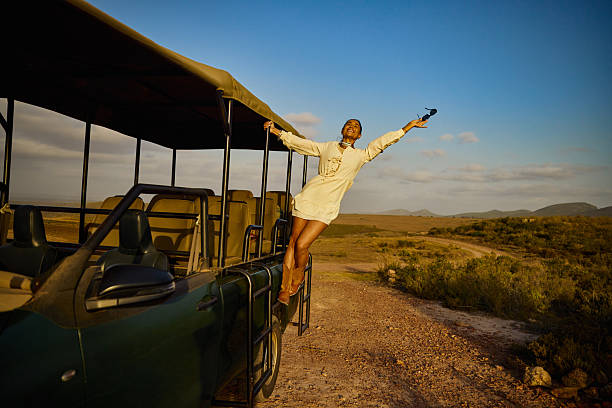
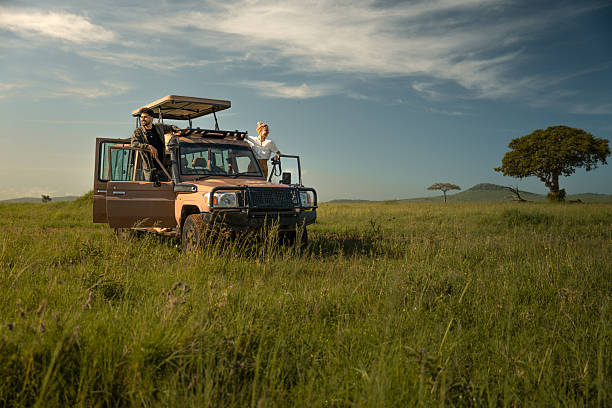
Overland Travel Across Tanzania: The Complete Planning Guide
Overland travel across Tanzania offers an unparalleled way to experience the diverse landscapes, vibrant cultures, and iconic wildlife of East Africa. Unlike a typical safari where you might fly between destinations or stick to pre-defined circuits, overland journeys allow for a deeper immersion. You’ll traverse vast savannas, cross rugged terrain, visit remote villages, and witness the rhythm of daily life unfold. This guide is designed to equip you with all the knowledge needed for a successful overland adventure in Tanzania, whether you’re planning for 2026, 2027, or beyond.
Table of Contents
- Quick Facts for Overland Travel in Tanzania
- Why Choose Overland Travel Across Tanzania?
- Best Time for Overland Travel in Tanzania
- Popular Overland Routes and Regions
- Sample 14-Day Overland Itinerary: Northern Circuit Focus
- What to Expect on an Overland Trip
- Inclusions, Packing, and Preparation
- Common Mistakes to Avoid
- Who is Overland Travel Across Tanzania Best For?
- Alternatives to Full Overland Journeys
- Planning Your Trip for 2026-2027
- Booking Your Overland Adventure
- Frequently Asked Questions
Quick Facts for Overland Travel in Tanzania
| Aspect | Details |
|---|---|
| Primary Focus | Wildlife safaris, cultural immersion, scenic landscapes |
| Typical Duration | 7 days to 3+ weeks, depending on route and depth |
| Modes of Transport | 4×4 safari vehicles, overland trucks, sometimes local buses (for independent travelers) |
| Key Regions | Northern Circuit (Serengeti, Ngorongoro), Southern Circuit (Ruaha, Selous), Zanzibar, Kilimanjaro foothills |
| Best Time to Visit | June-October (dry season), January-February (short rains, calving season) |
| Accommodation | Campsites, lodges, tented camps |
| Visa Requirements | Required for most nationalities; apply online or on arrival |
| Health Precautions | Consult doctor for vaccinations (Yellow Fever, Typhoid, Hepatitis A), Malaria prophylaxis recommended |
Why Choose Overland Travel Across Tanzania?
Overland travel across Tanzania isn’t just a way to get from point A to point B; it’s an experience in itself. It provides a unique perspective that a flight or a short guided tour might miss. Here’s why it’s a compelling choice:
- Deeper Cultural Immersion: Traveling overland means you’re on the ground, passing through villages, seeing local markets, and interacting with communities. This offers a far richer understanding of Tanzanian life than staying solely within tourist hubs.
- Flexibility and Spontaneity: While organized overland tours have set routes, they often allow for spontaneous stops to admire a herd of zebras by the roadside, chat with local children, or investigate an interesting roadside stall. Independent overland travel offers even more flexibility.
- Access to Remote Areas: Many overland vehicles are robust 4x4s capable of reaching areas that standard vehicles cannot. This opens up opportunities to explore less-visited parks and off-the-beaten-path attractions.
- Cost-Effectiveness (Potentially): For longer trips, especially when sharing costs in a group overland truck or opting for camping, overland travel can be more economical than a series of internal flights and lodge stays.
- Connecting the Dots: Tanzania is vast. Overland journeys naturally connect its diverse attractions – from the plains of the Serengeti to the crater of Ngorongoro, and perhaps further south to the wilder parks.
- Sense of Adventure: There’s an undeniable thrill in traversing a continent by road. You witness the changing landscapes firsthand, experience different weather patterns, and embrace the journey as much as the destination.
Best Time for Overland Travel in Tanzania
The ideal time for your overland travel across Tanzania depends on your priorities, particularly regarding wildlife viewing and weather.
Dry Season (June to October)
This is generally considered the prime time for safaris and overland trips. The weather is pleasant, with sunny days and cooler evenings. Vegetation is less dense, making wildlife spotting easier. The Great Migration is typically in the Serengeti during these months, often crossing the Grumeti or Mara Rivers. This period is popular, so expect higher prices and more fellow travelers.
Short Rains (November to December)
The landscape becomes greener, and tourist numbers decrease. Wildlife viewing is still good, though the dense vegetation can make spotting more challenging. This is a great time for birdwatching.
Long Rains (March to May)
This is the low season. The landscape is lush and vibrant, and prices are often lower. However, heavy rains can make some roads impassable, potentially disrupting overland routes. The Great Migration is usually in the southern Serengeti and Ngorongoro Conservation Area during March and April for the calving season, which is a spectacular sight, but road conditions can be a significant factor.
Calving Season (January to February)
This period falls between the short and long rains. It’s an excellent time to witness the Great Migration’s calving season in the southern Serengeti. The weather is generally good, though there can be occasional short showers.
For overland travel, the dry season (June-October) often presents the most reliable road conditions. However, if you’re seeking fewer crowds and greener scenery, the shoulder months or even the calving season can be rewarding, provided you’re prepared for potential rain.
Popular Overland Routes and Regions
Tanzania is a vast country, and overland journeys can be tailored to focus on specific regions or span a significant portion of the country. Here are some of the most popular overland routes and areas:
The Northern Circuit (Most Popular)
This is the classic Tanzanian safari route, renowned for its high concentration of wildlife and iconic parks. An overland trip here typically covers:
- Tarangire National Park: Famous for its large elephant herds and baobab trees.
- Lake Manyara National Park: Known for its tree-climbing lions and diverse birdlife.
- Ngorongoro Conservation Area: Home to the Ngorongoro Crater, a UNESCO World Heritage site with an incredible density of wildlife.
- Serengeti National Park: The heart of the safari experience, famous for the Great Migration and vast plains teeming with predators and prey.
An overland journey through the Northern Circuit usually starts and ends in Arusha or Moshi.
The Southern Circuit (Wilder and Less Crowded)
For travelers seeking a more remote and less-visited safari experience, the Southern Circuit is ideal. It’s significantly larger and less developed for tourism than the North.
- Ruaha National Park: Tanzania’s largest national park, known for its wild, untamed landscapes and large predator populations, especially lions and wild dogs.
- Selous Game Reserve (Nyerere National Park): One of Africa’s largest reserves, offering boat safaris on the Rufiji River, walking safaris, and diverse wildlife.
Traveling between the Northern and Southern Circuits overland is possible but requires significant time and planning, often involving long travel days.
Zanzibar and Coastal Extensions
Many overland journeys include a visit to the spice islands of Zanzibar. After a safari, travelers can take a ferry from Dar es Salaam or fly to Stone Town. Zanzibar offers history, culture, beautiful beaches, and opportunities for snorkeling and diving.
Kilimanjaro and Meru Trekking Routes
While not strictly overland travel in the safari sense, many overland expeditions begin or end in Moshi or Arusha, the gateway towns for climbing Mount Kilimanjaro or Mount Meru. Trekking itself is a form of overland exploration.
Cross-Border Journeys
Some extensive overland trips might extend into neighboring countries like Kenya, Uganda, or Malawi, but this requires more complex logistics, visas, and longer itineraries.
A typical overland trip in Tanzania focuses on the Northern Circuit due to its accessibility and concentration of famous attractions. However, for the truly adventurous, combining Northern and Southern Circuits offers a comprehensive view of Tanzania’s wilderness.
Sample 14-Day Overland Itinerary: Northern Circuit Focus
This sample itinerary outlines a classic overland journey through Tanzania’s Northern Circuit, starting and ending in Arusha. It’s designed to give you a good balance of game drives, cultural experiences, and travel time. This is a common route for organized overland tours and can be adapted for private trips.
| Day | Location | Activities | Overland Travel Notes |
|---|---|---|---|
| 1 | Arrive in Arusha | Airport pickup, transfer to accommodation, trip briefing. | Settle in, prepare for the journey. |
| 2 | Arusha to Tarangire NP | Morning drive to Tarangire. Afternoon game drive. | Approx. 2-3 hours drive on paved/graded roads. |
| 3 | Tarangire National Park | Full day game drive in Tarangire, looking for elephants and baobabs. | Stay at a campsite or lodge near the park. |
| 4 | Tarangire to Lake Manyara / Karatu | Morning game drive in Tarangire. Drive to Mto wa Mbu for cultural visit/lunch. Continue to Karatu area. | Approx. 1-2 hours drive to Mto wa Mbu, then another 1 hour to Karatu. |
| 5 | Ngorongoro Crater Tour | Descend into the Ngorongoro Crater for a full-day game drive. | The drive down to the crater floor is steep and can be bumpy. Stay at a campsite on the crater rim or in Karatu. |
| 6 | Karatu to Serengeti NP (Central) | Drive to Serengeti National Park, stopping at Olduvai Gorge (optional). Afternoon game drive in Central Serengeti. | Approx. 3-4 hours drive, including park entry. Roads inside Serengeti can be rough. |
| 7 | Serengeti National Park (Central) | Full day game drives in Central Serengeti, exploring different areas. | Accommodation in tented camps or lodges. |
| 8 | Serengeti National Park (North/East – optional) | Morning game drive, then drive towards a different region of Serengeti (e.g., Seronera Valley or towards Lobo). | Longer driving distances within the park possible depending on migration location. |
| 9 | Serengeti National Park | Full day game drives in the chosen Serengeti region. | Focus on predator sightings or migration if applicable. |
| 10 | Serengeti to Lake Victoria (Speke Bay/Biharamulo) | Morning game drive in Serengeti, then drive towards Lake Victoria. | Approx. 4-5 hours drive. Experience rural life near the lake. |
| 11 | Lake Victoria to Musoma / border area | Visit local fishing villages, enjoy lake views. Drive towards Musoma. | Opportunity to see a different side of Tanzania. |
| 12 | Musoma to Mwanza (optional detour) or back towards Arusha | Depending on route, either continue towards Mwanza for a different perspective of Lake Victoria, or begin the overland journey back towards Arusha via a different route. | This day often involves longer driving. If heading back to Arusha, it might be a very long travel day or broken up. |
| 13 | Travel back towards Arusha / Moshi | Continue overland journey back towards Arusha or Moshi. Possible stop in a town like Babati. | Long driving day. Arrive in Arusha/Moshi in the late afternoon/evening. |
| 14 | Arusha / Moshi Departure | Leisurely breakfast, last-minute souvenir shopping, transfer to airport for departure. | Trip concludes. |
Note: This is a sample and can be customized. Some overland tours might extend the Serengeti stay, add a visit to Kenya, or include a Zanzibar extension. The exact route and duration can vary significantly based on the tour operator and your interests.
What to Expect on an Overland Trip
Overland travel across Tanzania is an adventure. It’s important to set realistic expectations:
- Long Driving Days: Be prepared for extended periods in the vehicle, sometimes on rough, dusty, or bumpy roads. While game drives are a highlight, significant travel time between destinations is part of the experience.
- Basic Accommodation (Sometimes): Depending on the tour operator and your chosen level of comfort, accommodation can range from basic campsites with shared facilities to comfortable lodges. Camping is common on many overland tours and offers a close-to-nature experience.
- Shared Experience: If you’re on a group overland tour, you’ll be sharing the vehicle and facilities with other travelers. This can be a fantastic way to meet people and share experiences, but it requires a degree of flexibility and compromise.
- Wildlife Encounters: While Tanzania is rich in wildlife, sightings are not guaranteed. Patience is key. The magic of overland travel is often in the unexpected encounters, not just ticking off the Big Five.
- Cultural Interactions: You’ll have opportunities to visit local villages, markets, and interact with communities. Be respectful, ask permission before taking photos, and be open to learning.
- Mechanical Issues: Vehicles can break down, especially on challenging terrain. Experienced guides are skilled at handling minor repairs, but delays can occur. It’s part of the adventure!
- Food: Meals on overland trips are often prepared by a dedicated cook or are part of lodge/camp packages. Expect hearty, often simple, but satisfying meals. Camping tours usually involve communal cooking and dining.
- Dust and Heat: Tanzania can be hot and dusty, especially during the dry season. You’ll get dusty, and that’s part of the experience.
Inclusions, Packing, and Preparation
Proper preparation is crucial for a comfortable overland journey. Here’s what to consider:
Typical Inclusions on an Overland Tour:
While specific inclusions vary, most organized overland tours will cover:
- All park entrance fees
- Accommodation (camping or lodges as per itinerary)
- Meals (usually breakfast, lunch, and dinner, though this can vary)
- Vehicle and fuel
- Professional driver/guide
- Game drives
- Airport transfers
- Water during drives
Exclusions often include: International flights, visas, travel insurance, tips for guides and crew, personal expenses, alcoholic beverages, optional activities (e.g., hot air balloon safari).
Essential Packing List:
- Clothing: Lightweight, breathable clothing in neutral colors (khaki, green, brown) for safaris. Avoid bright colors and dark blue/black (which can attract tsetse flies). Include long-sleeved shirts and trousers for sun protection and evenings. A warm fleece or jacket for cooler mornings/evenings, especially in the crater or at higher altitudes.
- Footwear: Comfortable walking shoes or hiking boots (if trekking is involved), sandals or flip-flops for camp/lodge.
- Sun Protection: Wide-brimmed hat, sunglasses, high SPF sunscreen.
- Insect Repellent: Containing DEET or Picaridin.
- Health Kit: Personal medications, basic first-aid supplies (band-aids, antiseptic wipes, pain relievers), motion sickness medication.
- Toiletries: Biodegradable soap and shampoo if camping. Wet wipes are invaluable.
- Camera and Accessories: Extra batteries, memory cards, binoculars (essential for wildlife viewing), zoom lens if possible.
- Power Bank/Adapter: For charging devices, especially if camping. Tanzania uses Type G sockets.
- Headlamp or Torch: Essential for navigating campsites at night.
- Reusable Water Bottle: To reduce plastic waste.
- Small Backpack/Daypack: For carrying essentials during game drives and excursions.
- Dry Bag: To protect electronics from dust and potential rain.
- Travel Towel: Quick-drying, if camping.
- Cash: For tips, souvenirs, and personal expenses. US Dollars are widely accepted, but smaller denominations are useful.
Preparation:
- Consult Your Doctor: Discuss necessary vaccinations (Yellow Fever is often required) and malaria prophylaxis well in advance.
- Get Travel Insurance: Ensure it covers medical emergencies, evacuation, and trip cancellation.
- Visas: Check visa requirements for your nationality. Many can be obtained online or on arrival.
- Fitness: While not strenuous, an overland trip involves long days and potentially some walking. Good general fitness is beneficial.
- Mental Preparation: Embrace the adventure, be flexible, and be prepared for the unexpected.
Common Mistakes to Avoid
To ensure your overland travel across Tanzania is as smooth and enjoyable as possible, be aware of these common pitfalls:
- Underestimating Travel Times: Tanzania’s road network can be challenging. Distances that look short on a map can take many hours to cover. Always factor in buffer time.
- Not Packing Appropriately: Forgetting essential items like sun protection, insect repellent, or warm layers can make your trip uncomfortable. Neutral colors are key for safaris.
- Bringing Too Much Luggage: Especially on group overland trucks, luggage space is often limited. Opt for soft duffel bags rather than hard suitcases.
- Expecting Luxury at Every Turn: Overland travel, particularly camping, is about immersion and adventure. If you require constant luxury, consider a different type of tour.
- Ignoring Health Advice: Skipping vaccinations or malaria precautions can have serious consequences.
- Not Budgeting for Extras: Ensure you have enough cash for tips, souvenirs, drinks, and any optional activities not included in your tour package.
- Being Inflexible: Road conditions, wildlife movements, and vehicle issues can cause itinerary changes. A flexible attitude is essential.
- Not Researching Tour Operators Thoroughly: Not all operators are created equal. Look for reviews, check their safety record, and understand what’s included in their price.
- Forgetting Binoculars: These are essential for spotting wildlife at a distance.
- Not Staying Hydrated: The heat and dust can lead to dehydration. Drink plenty of water, especially on game drives.
Who is Overland Travel Across Tanzania Best For?
Overland travel across Tanzania appeals to a specific type of traveler seeking a more involved and adventurous experience:
- Adventurous Travelers: Those who enjoy the journey as much as the destination and are open to spontaneous experiences.
- Budget-Conscious Travelers: Group overland tours, especially those focusing on camping, can offer a more affordable way to see Tanzania’s highlights compared to luxury lodge-based safaris.
- Cultural Enthusiasts: Individuals interested in experiencing local life, visiting villages, and understanding the nuances of Tanzanian culture beyond tourist resorts.
- Nature Lovers and Wildlife Enthusiasts: Those who want to spend extended time in national parks, observing wildlife in its natural habitat.
- Younger Travelers and Backpackers: Many overland tours cater to a younger demographic, offering a social and adventurous way to explore.
- Solo Travelers: Group overland tours are excellent for solo travelers looking to join a group and share costs and experiences.
- Photographers: The opportunity for extended time in diverse landscapes and varied lighting conditions is ideal for photographers.
It is less suited for travelers who prioritize comfort above all else, have very limited time, or dislike long drives. If you prefer a highly structured, luxurious, and fast-paced trip with minimal travel time between locations, a different type of safari might be more appropriate.
Alternatives to Full Overland Journeys
If a full overland expedition across Tanzania doesn’t quite fit your travel style or time constraints, several excellent alternatives offer incredible experiences:
- Classic Lodge-Based Safaris: This involves staying in lodges or tented camps within or near national parks. You typically fly between destinations or have a private vehicle and driver. This offers more comfort, privacy, and quicker transitions between locations. It’s ideal for those who want to maximize game viewing time in specific parks without long drives.
- Fly-In Safaris: For ultimate time efficiency and comfort, fly-in safaris use light aircraft to hop between remote airstrips located near exclusive camps. This is the most luxurious and expensive option, perfect for those with limited time or who want to experience very remote areas without the arduous travel.
- Short Safari Packages: Many operators offer 3-5 day safari packages focusing on the Northern Circuit’s highlights (e.g., Tarangire, Ngorongoro, Serengeti). These are ideal for those with less time or who want to combine a safari with a Zanzibar holiday or Kilimanjaro climb.
- Independent Travel with Hired 4×4: For experienced self-drivers, hiring a 4×4 vehicle with a rooftop tent can offer a sense of independence. However, this requires significant planning, navigation skills, and comfort with potential mechanical issues and remote driving. It’s not recommended for first-time visitors to Tanzania.
- Day Trips from Arusha/Moshi: For a taste of the region without committing to a long trip, day trips to nearby attractions like Materuni Waterfalls, local coffee plantations, or short game drives in less famous parks are available.
Each of these alternatives offers a different way to experience Tanzania’s wonders, catering to varied budgets, timeframes, and comfort levels.
Planning Your Trip for 2026-2027
Planning your overland travel across Tanzania for 2026 or 2027 requires foresight, especially if you aim for peak seasons or specific events like the Great Migration. Here’s how to approach it:
- Book Early: For 2026-2027 travel, especially if you’re planning during the dry season (June-October) or around holidays, book your tour at least 6-12 months in advance. Popular operators and specific vehicle configurations can fill up quickly.
- Research Operators: Look for reputable tour operators with experience in overland travel in Tanzania. Check their safety records, reviews, and the type of vehicles they use. Ensure they understand the nuances of overland logistics.
- Define Your Budget: Overland travel costs vary significantly. Decide whether you’re looking for a budget camping tour, a mid-range lodge and camping mix, or a more comfortable private overland experience.
- Consider the Great Migration Timing: If seeing the Great Migration is a priority for your 2026 or 2027 trip, research its expected location during your travel dates. While the migration is a year-round phenomenon, river crossings (July-September) and calving season (January-February) are particularly sought-after.
- Factor in Travel Time: Tanzania is huge. Don’t underestimate the time needed to travel between destinations. A 14-day trip might only cover 2-3 major parks thoroughly due to travel. For a more comprehensive overland experience covering more ground, consider 3-4 weeks.
- Visa and Health Preparations: Start researching visa requirements and necessary vaccinations for 2026-2027 well in advance. Consult your doctor 4-6 weeks before departure.
- Travel Insurance: Secure comprehensive travel insurance that covers adventure activities, medical emergencies, and evacuation.
- Flexibility for 2026-2027: While detailed planning is essential, remain open to minor adjustments. Weather, road conditions, or unexpected wildlife movements can sometimes lead to itinerary changes.
- Currency: The Tanzanian Shilling (TZS) is the local currency, but US Dollars are widely accepted for park fees and often for tours. Ensure you have a mix of cash and cards.
Booking Your Overland Adventure
Choosing the right tour operator and booking process is key to a successful overland travel across Tanzania. Here’s how to navigate it:
- Identify Your Needs: Are you looking for a group tour or a private overland trip? What’s your budget? What are your must-see destinations? What level of comfort do you expect?
- Research Operators: Look for companies specializing in Tanzanian safaris and overland tours. Seek out those with excellent reviews and a clear commitment to safety and sustainability. Ask about their vehicles – are they well-maintained 4x4s suitable for the terrain?
- Get Detailed Itineraries: Request comprehensive itineraries that clearly outline daily activities, driving times, accommodation types, and what is included and excluded.
- Ask Questions: Don’t hesitate to ask potential operators about their guides’ experience, vehicle maintenance schedules, emergency procedures, and group sizes. A good operator will be transparent and helpful.
- Compare Quotes (Carefully): When comparing prices, ensure you’re comparing like-for-like. A cheaper quote might mean fewer inclusions, lower-quality accommodation, or smaller group sizes. Understand what you are getting for your money.
- Understand Payment Terms: Most operators require a deposit to confirm a booking, with the balance due a certain number of weeks before departure. Clarify cancellation policies.
- Confirm Inclusions: Double-check that all park fees, accommodation, meals, and activities you expect are clearly listed as included.
- Booking for 2026-2027: As mentioned, booking for popular periods in 2026 and 2027 should be done well in advance. Popular operators and specific dates, especially during school holidays or peak migration seasons, get booked up early.
- Contact Us: For a personalized overland experience, tailored to your interests and budget, consider reaching out to experienced local operators.
Ready to Plan Your Overland Adventure?
Let us help you craft the perfect overland travel across Tanzania. With years of experience, we offer customized itineraries, reliable vehicles, and knowledgeable guides to ensure an unforgettable journey. Whether you’re dreaming of the Serengeti plains, the Ngorongoro Crater, or a combination of Tanzania’s incredible highlights, we can make it happen.
Contact us today to discuss your tailor-made overland trip:
WhatsApp: +255616946642
Email: topguideadventures@gmail.com
Backup Email: info@topguideadventures.com
We look forward to helping you plan your 2026-2027 Tanzanian adventure!
Frequently Asked Questions
Q: Is overland travel across Tanzania safe?
A: Yes, overland travel across Tanzania is generally safe when undertaken with reputable operators. Safety is paramount, with experienced guides, well-maintained vehicles, and adherence to park regulations. It’s crucial to choose a tour company with a strong safety record. Following your guide’s instructions is essential for your well-being, especially concerning wildlife.
Q: What is the difference between an overland truck and a 4×4 safari vehicle for overland travel?
A: Overland trucks are typically larger vehicles designed for group travel, often with more basic amenities and a focus on affordability and covering distances. 4×4 safari vehicles (like Land Cruisers or Land Rovers) are more common for smaller groups or private tours, offering better maneuverability in rough terrain and often more comfort and a closer-to-the-ground safari experience.
Q: How much does overland travel across Tanzania cost?
A: Costs vary significantly based on the duration, accommodation type (camping vs. lodges), group size, and operator. Budget camping tours can range from $150-$250 per person per day, while mid-range or private 4×4 overland trips can be $300-$600+ per person per day. This usually includes most major expenses like park fees, accommodation, meals, and vehicle.
Q: Can I do overland travel across Tanzania independently?
A: Yes, it’s possible, especially for experienced travelers. This would typically involve renting a 4×4, planning your own routes, booking campsites or lodges, and navigating. However, for first-time visitors, a guided overland tour is highly recommended due to the complexities of logistics, road conditions, and wildlife regulations.
Q: What should I pack for an overland safari in Tanzania in 2026?
A: Pack light, neutral-colored clothing, sun protection (hat, sunscreen, sunglasses), insect repellent, a warm layer, comfortable walking shoes, a camera with binoculars, a headlamp, and any personal medications. A detailed packing list is essential, and soft-sided luggage is preferred due to space constraints.
Q: How much time is spent driving versus game viewing on an overland trip?
A: This varies greatly. On longer overland journeys, a significant portion of your time will be spent traveling between destinations. However, dedicated game drive days in national parks are long, often starting at dawn and continuing until dusk, maximizing wildlife viewing opportunities. A good itinerary balances travel and safari time.
Q: Is it possible to combine overland travel with Zanzibar for a 2027 trip?
A: Absolutely. Many overland tours conclude in Arusha or Dar es Salaam, from where you can take a ferry or a short flight to Zanzibar for a beach extension. It’s a popular way to combine the adventure of a safari with relaxation on the islands.
Q: What are the main differences between the Northern and Southern Circuits for overland travel?
A: The Northern Circuit (Serengeti, Ngorongoro, etc.) is more developed, offers higher wildlife concentrations, and is the most popular. The Southern Circuit (Ruaha, Selous) is wilder, less crowded, and offers a more remote safari experience. Overland travel is more common and logistically simpler on the Northern Circuit.
Q: What kind of wildlife can I expect to see on an overland trip across Tanzania?
A: Tanzania is renowned for its incredible biodiversity. You can expect to see lions, elephants, giraffes, zebras, wildebeest, buffalo, hippos, crocodiles, and a vast array of antelopes, gazelles, and primates. The Great Migration in the Serengeti is a major draw. Birdlife is also exceptionally rich.
Q: What are the visa requirements for Tanzania for overland travel?
A: Most nationalities require a visa for Tanzania. You can often apply for a tourist visa online in advance or obtain one upon arrival at major entry points. It is advisable to check the latest requirements with the Tanzanian embassy or consulate in your country well before your planned 2026-2027 trip.
Plan your Overland Travel Across Tanzania with Top Guide Adventures
Tell us your travel dates, group size, comfort level, and dream experience. We will help you shape a clear, realistic, and memorable Tanzania itinerary.







 Veedesigner
 Fatma Kizanga
 Benjamin Waryuba
 Philip Philip
 John jr Itaja
 Antonia Optatus
 Edith Kanyere
 Neema Iddy
 Kelvin Boniphace
 Damari Maiga



