
Updated planning guide for 2026-2027
Packing List For Tanzania Travel: Complete Guide 2026-2027
Planning a trip to Tanzania? This comprehensive packing list covers everything you need for safaris, Kilimanjaro treks, Zanzibar holidays, and custom adventures in 2026-2027. Pack smart for an unforgettable experience.
WhatsApp +255616946642 | topguideadventures@gmail.com | info@topguideadventures.com
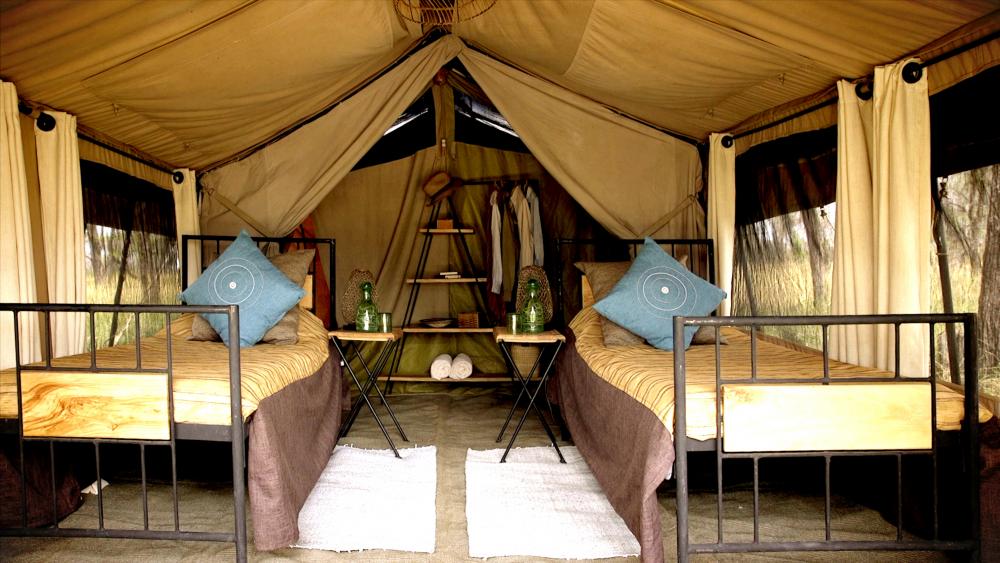
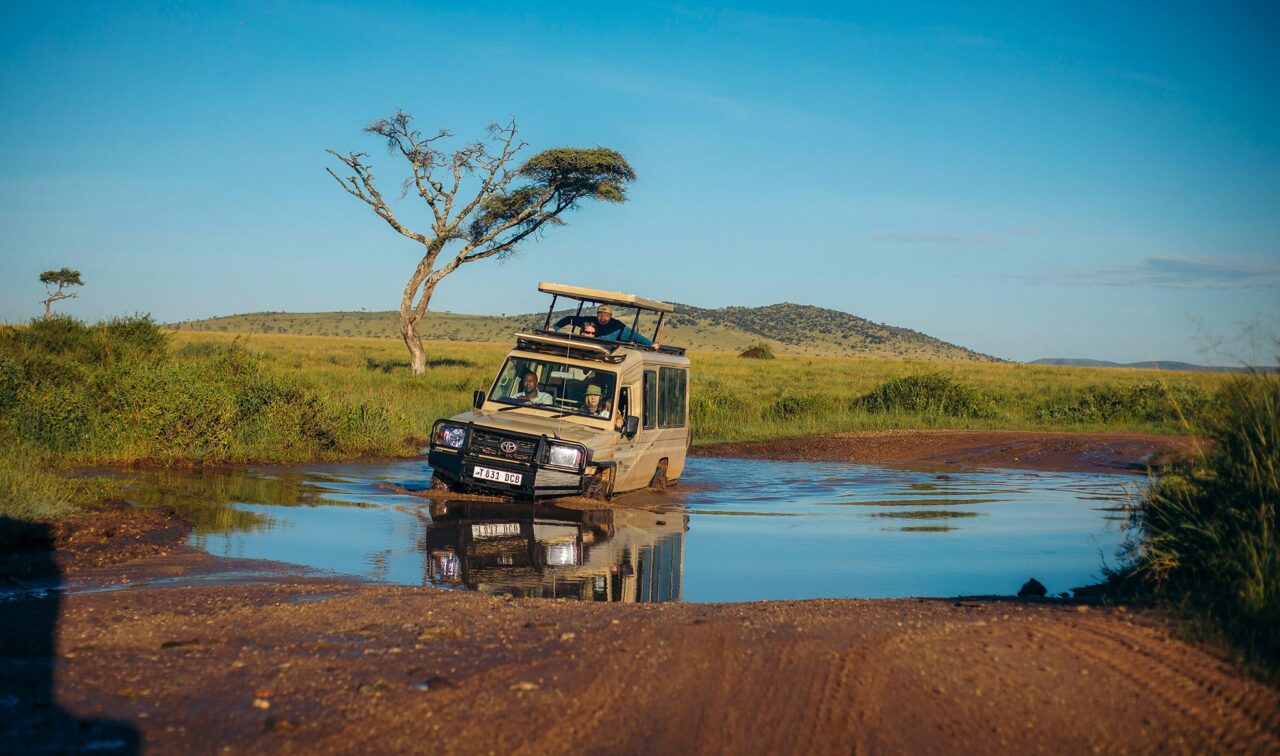
Your Definitive Packing List for Tanzania Travel: Essential Guide
Planning a trip to Tanzania is an exciting prospect, promising incredible wildlife encounters, breathtaking mountain vistas, and idyllic tropical beaches. To ensure your adventure is as smooth and enjoyable as possible, proper preparation is key, and that starts with the right packing list for Tanzania travel. Whether you’re heading for a thrilling safari across the Serengeti, aiming to conquer Mount Kilimanjaro, or relaxing on the spice-scented shores of Zanzibar, having the correct gear makes a significant difference. This guide provides a detailed, item-by-item breakdown, considering the diverse activities and varied climates you might encounter across Tanzania in 2026 and 2027.
Understanding what to pack for Tanzania isn’t just about listing items; it’s about anticipating needs based on activities, weather patterns, and local conditions. We’ll cover everything from essential clothing layers for fluctuating temperatures to crucial health and safety items, photography gear, and important documents. This isn’t a one-size-fits-all list; we’ll tailor recommendations for different types of Tanzanian adventures, ensuring you’re well-equipped for every scenario.
Quick Facts About Tanzania Travel
| Aspect | Details |
|---|---|
| Visa Requirements | Most nationalities require a visa, obtainable online or on arrival. Check current regulations. |
| Currency | Tanzanian Shilling (TZS). USD is widely accepted for tourist services, but carry Shillings for local markets. |
| Language | Swahili (official), English widely spoken in tourist areas. |
| Health Precautions | Consult your doctor about vaccinations (Yellow Fever often required) and malaria prophylaxis. |
| Best Time to Visit | Dry seasons (June-Oct, Dec-Feb) for safaris and Kilimanjaro. Rainy seasons (Mar-May, Nov) can be less crowded but impact travel. |
| Power Outlets | Type D and G, 230V. Bring a universal adapter. |
Why Your Tanzania Packing List Matters
Packing correctly for Tanzania is more than just convenience; it directly impacts your safety, comfort, and overall experience. Imagine being on a thrilling game drive and realizing you left your sun hat at home, or struggling on a Kilimanjaro ascent with ill-fitting boots. Conversely, having the right gear allows you to fully immerse yourself in the moment, whether it’s capturing that perfect wildlife photograph, enjoying a cool evening breeze after a hot day, or navigating the bustling markets of Stone Town.
Tanzania’s diverse geography means you can experience everything from the sweltering heat of the plains to the chilly alpine conditions on Kilimanjaro’s summit. Packing a versatile wardrobe that accommodates these extremes is crucial. Furthermore, certain items, like insect repellent and a basic first-aid kit, are non-negotiable for health and well-being. This guide aims to equip you with the knowledge to pack intelligently, avoiding common oversights and ensuring you are prepared for the adventure of a lifetime in 2026-2027.
Understanding Tanzania’s Climate and Seasons
Tanzania experiences distinct climate patterns that heavily influence what you should pack. The country largely enjoys a tropical climate, but altitude and proximity to the coast create variations.
- The Long Rains (March – May): Heavy rainfall, particularly in the northern safari circuit and central regions. Lush green landscapes, fewer tourists, but some roads can become challenging. Packing should include good waterproofs and quick-drying clothing.
- The Short Rains (November – December): Intermittent showers, often in the afternoons. Generally pleasant temperatures.
- The Dry Season (June – October): The most popular time for safaris and Kilimanjaro climbs. Sunny days, cooler nights. Ideal for wildlife viewing as animals congregate around water sources. Packing focuses on layers and sun protection.
- The Hot Season (January – February): Hot and humid along the coast, dry and warm in the interior. Good for wildlife viewing before the long rains.
Coastal areas like Zanzibar are generally hot and humid year-round, with a short dry spell in February and a longer one from June to October. Kilimanjaro’s weather is dictated by altitude, with summit temperatures dropping significantly below freezing. Understanding these patterns is the first step to building an effective packing list for Tanzania travel.
Tanzania Itinerary Logic & Sample Routes
Your packing list will vary significantly based on your itinerary. Here are a few common trip styles and how they influence packing.
1. Classic Northern Circuit Safari (7-10 Days)
Focus: Serengeti, Ngorongoro Crater, Tarangire, Lake Manyara.
Route Overview:
| Arusha | → Tarangire National Park (Elephants, Baobabs) |
| Tarangire | → Ngorongoro Conservation Area (Crater Floor Safari) |
| Ngorongoro | → Serengeti National Park (Great Migration, Big Five) |
| Serengeti | → Arusha (or fly out from Seronera Airstrip) |
Packing Focus: Mid-weight layers, sun protection, camera gear, comfortable walking shoes for lodge/camp areas, binoculars.
2. Kilimanjaro Trek (e.g., Machame Route, 7 Days)
Focus: Summiting Mount Kilimanjaro.
Route Overview (Machame 7 Days):
| Day 1 | Machame Gate → Machame Camp |
| Day 2 | Machame Camp → Shira Camp |
| Day 3 | Shira Camp → Barranco Camp |
| Day 4 | Barranco Camp → Karanga Camp |
| Day 5 | Karanga Camp → Barafu Camp |
| Day 6 | Barafu Camp → Summit → Mweka Camp |
| Day 7 | Mweka Camp → Mweka Gate |
Packing Focus: Technical outdoor gear, extreme cold weather clothing, waterproofs, sturdy hiking boots, headlamp, sleeping bag, thermal layers, high-altitude essentials.
3. Zanzibar Beach Holiday (5-7 Days)
Focus: Beaches, Stone Town, spice tours, snorkeling/diving.
Area Overview:
| Arrival | Zanzibar Airport (ZNZ) → Stone Town |
| Stone Town | Explore historic alleys, markets, spice tours. |
| North/East Coast | Nungwi, Kendwa, Paje, Jambiani for beaches, water sports. |
| Departure | From Zanzibar Airport (ZNZ) |
Packing Focus: Lightweight beachwear, swimwear, sun protection (hats, sunglasses, high SPF sunscreen), casual evening wear, comfortable sandals, insect repellent, light rain jacket (just in case).
4. Combination Trip (e.g., Safari + Zanzibar, 10-14 Days)
Focus: Experiencing both wildlife and beach.
Sample Itinerary Logic:
- Fly into Kilimanjaro International Airport (JRO).
- 3-5 days Northern Circuit Safari.
- Fly from a safari airstrip (e.g., Seronera) or Arusha to Zanzibar (ZNZ).
- 3-5 days Zanzibar (Stone Town & Beach).
- Depart from Zanzibar (ZNZ) or fly back to JRO for departure.
Packing Focus: A blend of safari and beach essentials. Versatile clothing that can be layered. Pack in soft duffel bags for safaris (often required by small aircraft/safari vehicles). Ensure you have items suitable for both dusty plains and humid coastlines.
The Ultimate Packing List for Tanzania Travel
This is a comprehensive list. Adjust it based on your specific itinerary, planned activities, and personal preferences. Remember that for safaris, especially those involving light aircraft transfers, soft-sided duffel bags are often preferred over rigid suitcases due to space constraints.
Clothing Essentials
Focus on lightweight, breathable, and quick-drying fabrics. Neutral colors (khaki, beige, olive green, brown) are best for safaris as bright colors can scare wildlife. Avoid black and dark blue, which can attract tsetse flies.
- T-shirts/Tops: 4-6 (moisture-wicking, quick-dry materials recommended).
- Long-Sleeved Shirts: 2-3 (for sun protection, cooler evenings, and insect protection). Lightweight, breathable fabrics.
- Trousers/Pants: 2-3 pairs (convertible zip-off trousers are very useful for safaris. Comfortable, durable material. Avoid jeans for long travel days or trekking).
- Shorts/Skirts: 1-2 pairs (for warmer days, beach, or camp).
- Fleece Jacket or Warm Mid-Layer: 1-2 (essential for early morning/late evening game drives and Kilimanjaro).
- Lightweight Waterproof/Windproof Jacket: 1 (crucial for unexpected rain showers or windy conditions, especially on Kilimanjaro).
- Comfortable Travel Pants: 1 pair (for flights and rest days).
- Underwear: Sufficient for your trip duration (consider quick-dry options).
- Socks: 5-7 pairs (moisture-wicking, breathable. Wool or synthetic blends are good. Include thicker socks for Kilimanjaro).
- Sleepwear: 1 set (lightweight).
Kilimanjaro Specific Gear (If Applicable)
If your Tanzania travel includes climbing Kilimanjaro, this section is vital. You’ll need specialized gear for extreme cold and high altitudes.
- Waterproof/Windproof Outer Shell Jacket: High-quality, breathable (Gore-Tex or similar).
- Waterproof/Windproof Outer Shell Trousers: Full-length side zips are helpful.
- Insulated Down or Synthetic Jacket: A very warm jacket for summit night and cold camps.
- Thermal Base Layers: 2-3 sets (merino wool or synthetic).
- Mid-Layer Fleece or Insulated Jacket: 1-2 (for layering).
- Hiking Trousers: 2 pairs (quick-drying, comfortable).
- Insulated Gloves or Mittens: 1 pair (waterproof outer, warm inner).
- Liner Gloves: 1 pair (for dexterity).
- Warm Hat/Beanie: Covers ears.
- Balaclava or Neck Gaiter: For face protection against wind and cold.
- Hiking Boots: Waterproof, broken-in, sturdy, with good ankle support.
- Camp Shoes/Sandals: For use around camp.
- Gaiters: To keep snow and debris out of boots.
- Sleeping Bag: Rated to at least -15°C (0°F), preferably -20°C (-4°F).
- Sleeping Bag Liner: Adds warmth and keeps your bag clean.
- Trekking Poles: Highly recommended for stability and reducing strain.
- Duffel Bag (80-100L): Waterproof, for porters to carry.
- Daypack (30-40L): For carrying essentials during the trek (water, snacks, camera, layers).
Footwear
- Comfortable Walking Shoes/Trail Runners: 1 pair (for light walking, lodge wear, or days not spent in vehicles).
- Sandals or Flip-Flops: 1 pair (for camp, beach, or relaxing).
- Hiking Boots: (See Kilimanjaro section if applicable).
Headwear and Eye Protection
- Wide-Brimmed Hat or Cap: Essential for sun protection on safaris and general wear.
- Sunglasses: With UV protection. Polarized lenses are a bonus for spotting wildlife.
- Bandana or Buff: Versatile for dust, sun, or warmth.
Outerwear and Accessories
- Lightweight Scarf: Can be used for warmth, sun protection, or style.
- Gloves: Lightweight pair for cooler mornings/evenings on safari. (Heavier gloves for Kilimanjaro).
Health and Hygiene
Prioritize these items for a safe and healthy trip. Consult your doctor well in advance of your 2026-2027 travel dates.
- Personal First-Aid Kit: Include bandages, antiseptic wipes, pain relievers (e.g., ibuprofen, paracetamol), antihistamines, motion sickness medication, blister treatment, any personal prescriptions.
- Insect Repellent: Containing DEET (30-50%) or Picaridin. Essential for malaria prevention.
- Sunscreen: High SPF (30-50+), broad-spectrum.
- After-Sun Lotion: Soothing for sun-exposed skin.
- Hand Sanitizer: For use when soap and water aren’t available.
- Wet Wipes: Useful for freshening up.
- Personal Toiletries: Travel-sized shampoo, conditioner, soap/body wash, toothbrush, toothpaste, deodorant. Biodegradable options are preferred.
- Prescription Medications: Bring enough for your entire trip, plus a little extra, in their original packaging with a copy of the prescription.
- Malaria Prophylaxis: As prescribed by your doctor.
- Vaccination Certificates: Especially Yellow Fever, if required for entry or onward travel.
Documents and Money
Keep these secure and accessible.
- Passport: Valid for at least six months beyond your stay, with sufficient blank pages.
- Visas: Printed confirmation if applied for online.
- Flight Tickets/Confirmations: Printed or digital copies.
- Travel Insurance Details: Policy number and emergency contact information.
- Driver’s License/ID: As a backup ID.
- Credit/Debit Cards: Inform your bank of your travel dates.
- US Dollars: Essential for visas on arrival, tips, and some park fees. Bring newer, clean bills (2009 or later).
- Tanzanian Shillings: For local purchases, markets, and smaller vendors.
- Emergency Contact List: Including your tour operator’s details.
Electronics and Photography
Capture your memories and stay connected.
- Camera: With extra batteries and memory cards. Consider a telephoto lens for wildlife.
- Smartphone: For photos, navigation, and communication.
- Portable Power Bank: Essential for charging devices on the go, especially during long safari days or on Kilimanjaro.
- Universal Travel Adapter: With surge protection. Tanzania uses Type D and G outlets.
- Headlamp or Small Flashlight: With extra batteries. Useful for camps, lodges, and Kilimanjaro.
- Binoculars: Highly recommended for wildlife viewing on safari.
- E-reader or Books: For downtime.
Miscellaneous Items
- Reusable Water Bottle: Stay hydrated and reduce plastic waste. Many lodges and camps offer filtered water refills.
- Small Backpack or Daypack: For daily excursions, hikes, or carrying essentials on safari.
- Dry Bag: Useful for protecting electronics or valuables during boat trips or in wet conditions.
- Zip-top Bags: Various sizes, useful for organizing, protecting items, or carrying snacks.
- Travel Towel: Quick-drying, microfiber towel.
- Earplugs: For light sleepers in noisy lodges or camps.
- Small Padlock: For securing luggage or lockers.
- Journal and Pen: To record your experiences.
- Snacks: Energy bars, nuts, or dried fruit for long drives or treks.
Packing for Specific Tanzanian Adventures
Safari Packing Tips
Your packing list for Tanzania safaris focuses on comfort, sun protection, and unobtrusive clothing.
- Neutral Colors: Khaki, beige, olive green, light brown are ideal. Avoid bright colors and dark blue/black (tsetse flies).
- Layers: Mornings and evenings can be cool, while midday is hot.
- Sun Protection: Wide-brimmed hat, sunglasses, high SPF sunscreen are non-negotiable.
- Binoculars: A must-have for spotting distant wildlife.
- Camera: With a good zoom lens.
- Soft Duffel Bag: Often required for small aircraft transfers.
- Insect Repellent: Essential, especially during dawn and dusk.
Kilimanjaro Trek Packing Tips
This requires specialized outdoor gear. Quality and functionality are paramount for safety and comfort.
- Layering System: Base, mid, and outer layers are critical.
- Extreme Cold Weather Gear: Down jacket, warm gloves, balaclava, warm hat.
- Waterproofs: High-quality jacket and trousers.
- Broken-in Hiking Boots: Waterproof and supportive.
- Trekking Poles: Save your knees and improve stability.
- High-Altitude Specifics: Sleeping bag rated for extreme cold, hydration system (bottles or bladder), high SPF lip balm.
- Headlamp: Essential for summit night.
Zanzibar Beach Holiday Packing Tips
Think light, breezy, and sun-protective.
- Swimwear: Multiple options if you plan on swimming often.
- Lightweight, Breathable Clothing: Cotton, linen, or quick-dry synthetics.
- Sun Protection: Rash guards, hats, sunglasses, high SPF sunscreen.
- Modest Clothing: For visiting Stone Town or local villages (shoulders and knees covered).
- Water Shoes or Sandals: For rocky shorelines or water activities.
- Insect Repellent: Especially for evenings.
Packing Checklist for Tanzania Travel 2026-2027
Use this checklist to ensure you don’t forget anything. Tick off items as you pack.
- [ ] Passport & Visa
- [ ] Flight Tickets
- [ ] Travel Insurance Details
- [ ] Cash (USD & TZS)
- [ ] Credit/Debit Cards
- [ ] Prescription Medications
- [ ] Basic First-Aid Kit
- [ ] Insect Repellent (DEET/Picaridin)
- [ ] Sunscreen (SPF 30+) & Lip Balm
- [ ] Hand Sanitizer
- [ ] Reusable Water Bottle
- [ ] Universal Travel Adapter
- [ ] Power Bank
- [ ] Camera & Accessories
- [ ] Binoculars (Safari)
- [ ] Headlamp/Flashlight
- [ ] T-shirts/Tops (4-6)
- [ ] Long-Sleeved Shirts (2-3)
- [ ] Trousers/Pants (2-3)
- [ ] Shorts/Skirts (1-2)
- [ ] Fleece or Mid-Layer Jacket (1-2)
- [ ] Waterproof/Windproof Jacket (1)
- [ ] Underwear
- [ ] Socks (5-7 pairs)
- [ ] Sleepwear
- [ ] Comfortable Walking Shoes
- [ ] Sandals/Flip-flops
- [ ] Wide-Brimmed Hat/Cap
- [ ] Sunglasses
- [ ] Bandana/Buff
- [ ] Duffel Bag (Soft-sided for safaris)
- [ ] Daypack (30-40L)
- [ ] Swimwear (Zanzibar)
- [ ] Modest Clothing (Zanzibar/Cultural visits)
- [ ] Hiking Boots (Kilimanjaro)
- [ ] Thermal Base Layers (Kilimanjaro)
- [ ] Warm Hat & Gloves (Kilimanjaro)
- [ ] Balaclava/Neck Gaiter (Kilimanjaro)
- [ ] Waterproof Trousers (Kilimanjaro)
- [ ] Insulated Down Jacket (Kilimanjaro)
- [ ] Trekking Poles (Kilimanjaro)
- [ ] Sleeping Bag (Kilimanjaro)
- [ ] Dry Bag (Optional)
- [ ] Journal & Pen (Optional)
- [ ] Snacks (Optional)
Common Packing Mistakes to Avoid for Tanzania
Many travelers make similar errors when packing for Tanzania. Being aware of these can save you discomfort and hassle.
- Overpacking: Lugging unnecessary items is burdensome, especially with potential luggage restrictions on internal flights or safari vehicles. Stick to versatile, multi-functional items.
- Packing Brightly Colored Clothing: Especially for safaris. Neutral colors blend in and are less likely to startle wildlife. Bright colors can also attract insects.
- Forgetting Sun Protection: The African sun is intense. A wide-brimmed hat, sunglasses, and high SPF sunscreen are essential. Don’t forget lip balm with SPF.
- Not Packing Layers: Temperatures can fluctuate significantly between day and night, and with altitude changes. A good layering system is key.
- Bringing New, Unbroken-in Boots: Especially for Kilimanjaro. Blisters can ruin a trek. Always break in hiking boots thoroughly before your trip.
- Underestimating Cold on Kilimanjaro: Summit night is extremely cold. Adequate warm clothing, including a down jacket and insulated gloves, is vital.
- Bringing Rigid Suitcases for Safaris: Many safari vehicles and light aircraft have limited storage space. Soft-sided duffel bags are much more practical.
- Forgetting Insect Repellent: Malaria and other insect-borne diseases are a risk. Pack effective repellent containing DEET or Picaridin.
- Not Carrying Enough Cash (USD): While cards are accepted in many hotels and larger shops, USD is widely used for park fees, tips, and smaller expenses. Ensure you have newer bills.
- Leaving Health Preparations to the Last Minute: Consult your doctor about necessary vaccinations and malaria prophylaxis well in advance of your 2026-2027 travel dates.
Who is Tanzania Travel Best Suited For?
Tanzania offers diverse experiences catering to a wide range of travelers. Your packing list will reflect your chosen style of travel.
- Adventure Seekers: Kilimanjaro climbs, white-water rafting on the Rufiji River, diving in Zanzibar, and exploring remote areas appeal to those seeking adrenaline and physical challenges.
- Wildlife Enthusiasts: The Serengeti, Ngorongoro Crater, and other national parks offer unparalleled opportunities to see the “Big Five” and witness the Great Migration.
- Nature Lovers: Beyond safaris, Tanzania boasts stunning landscapes, from the Ngorongoro Highlands to the Usambara Mountains and the beaches of Zanzibar.
- Culture Explorers: Visiting Maasai villages, exploring the historic streets of Stone Town, and experiencing local markets offer rich cultural immersion.
- Photographers: Tanzania is a photographer’s paradise, with dramatic landscapes and abundant wildlife.
- Honeymooners & Couples: Romantic beach resorts in Zanzibar, luxury safari lodges, and the breathtaking scenery provide an unforgettable setting for a honeymoon.
- Families: Safaris can be adapted for children, offering educational and exciting experiences. Zanzibar provides safe beach environments for families.
Alternatives to Consider for Your Tanzania Trip
While Tanzania is a premier destination, other East African countries offer similar, yet distinct, experiences. Your packing list might subtly change depending on your choice.
- Kenya: Offers world-renowned safaris, particularly the Masai Mara for the Great Migration. Packing is very similar to Tanzania’s safari requirements.
- Uganda/Rwanda: The prime destinations for gorilla trekking. This requires specific gear for dense rainforest trekking (waterproofs, sturdy boots, potentially gaiters).
- Botswana: Known for its luxury, low-impact safaris, particularly in the Okavango Delta. Packing is similar to Tanzania but may lean more towards comfortable lodge wear for a higher-end experience.
- South Africa: Offers a mix of safaris (Kruger National Park), city experiences, and wine regions. Packing can be more varied, including city attire alongside safari essentials.
Planning Your Tanzania Trip for 2026-2027
Planning ahead is crucial for securing the best accommodations, guides, and flight availability, especially for peak seasons in 2026 and 2027. Consider these points:
- Book in Advance: Especially for Kilimanjaro climbs and popular safari lodges during peak dry seasons (June-October, December-February). Aim to book 6-12 months ahead for 2026-2027 travel.
- Choose Your Season Wisely: The dry season offers ideal game viewing and trekking conditions, but is more crowded and expensive. The shoulder and wet seasons can offer better value and fewer crowds, but require more flexibility with weather.
- Consider a Combination Trip: Many travelers opt for a safari and Zanzibar combination to experience the best of Tanzania. This requires careful coordination of internal flights.
- Dietary Needs: If you have specific dietary requirements, inform your tour operator well in advance.
- Health Consultations: Schedule appointments with your doctor or a travel clinic 4-6 weeks before your trip to discuss vaccinations and malaria prevention.
- Visa Applications: Start the visa application process early if required.
Booking Advice for Tanzania Adventures
Choosing the right tour operator is as important as packing the right gear. Here’s how to make an informed decision for your 2026-2027 adventure.
- Reputation and Reviews: Look for operators with a strong track record, positive reviews, and affiliations with reputable tourism bodies.
- Experience and Specialization: Does the operator specialize in the type of trip you want (safari, Kilimanjaro, Zanzibar)? Experience matters.
- Itinerary Customization: Can they tailor an itinerary to your interests, budget, and timeframe?
- Safety Standards: Especially crucial for Kilimanjaro climbs. Ensure they follow strict safety protocols and have well-trained guides.
- Inclusions and Exclusions: Clearly understand what is covered in the price (accommodation, meals, park fees, guides, activities) and what is not (tips, personal expenses, certain drinks).
- Communication: A good operator will be responsive and helpful throughout the planning process.
When you’re ready to plan your unforgettable Tanzanian journey, from thrilling safaris to challenging Kilimanjaro treks and relaxing Zanzibar holidays, our team is here to help. We specialize in crafting custom itineraries that meet your specific needs and ensure a safe, memorable, and authentic experience. Don’t hesitate to reach out for expert advice and personalized planning for your 2026-2027 adventure.
Contact Us to Plan Your Tanzania Trip
Let us help you create the perfect packing list for Tanzania travel and craft your dream itinerary. Get in touch with our expert team:
WhatsApp: +255616946642
Email: topguideadventures@gmail.com
Backup Email: info@topguideadventures.com
We look forward to assisting you with your 2026-2027 travel plans!
Frequently Asked Questions (FAQs)
What are the most essential items for a Tanzania safari packing list?
The most essential items for a Tanzania safari packing list include neutral-colored, lightweight clothing (long-sleeved shirts and trousers for sun/insect protection), a wide-brimmed hat, sunglasses, high SPF sunscreen, insect repellent, binoculars, a camera, and comfortable walking shoes. Layers are important as mornings and evenings can be cool.
Do I need to pack formal wear for Tanzania?
Generally, no. Tanzania is a very casual country, especially in safari lodges and beach resorts. Lightweight, comfortable clothing is sufficient. If you plan to visit a high-end restaurant in Dar es Salaam or Arusha, smart casual attire might be appropriate, but it’s not a strict requirement for most tourist activities.
What kind of bag should I use for a safari in Tanzania?
For most safaris, especially those involving light aircraft transfers between parks, a soft-sided duffel bag is highly recommended. Many small planes have strict weight and size limits for luggage. Rigid suitcases can be difficult to store. Aim for a duffel bag around 70-90 liters.
Is it safe to drink tap water in Tanzania?
It is not recommended to drink tap water in Tanzania. Stick to bottled water, filtered water provided by lodges and camps, or use a reliable water purification method. Always ensure bottled water has an intact seal.
What vaccinations are required for Tanzania?
Consult your doctor or a travel clinic for the most up-to-date advice regarding vaccinations for Tanzania. Typically, Yellow Fever vaccination is mandatory if arriving from or transiting through a country with a risk of Yellow Fever. Routine vaccinations like Hepatitis A, Typhoid, and Tetanus are also often recommended. Malaria prophylaxis is usually advised.
How much cash should I bring for a trip to Tanzania?
You’ll need US Dollars (USD) for visa fees on arrival (if applicable), park entrance fees (sometimes), tips for guides and staff, and for purchasing souvenirs. Bring newer, clean bills (printed from 2009 onwards). It’s also advisable to have some Tanzanian Shillings (TZS) for smaller purchases in local markets or for tips where USD might not be preferred. A good estimate for cash would be around $50-100 USD per person per day, depending on your spending habits and the trip type.
What is the best way to pack for both safari and Zanzibar?
For a combined safari and Zanzibar trip, pack versatile clothing that can be layered. Focus on lightweight, quick-drying fabrics. Bring items suitable for both the dusty plains (neutral colors, long sleeves) and the tropical coast (swimwear, light cottons, modest clothing for Stone Town). A soft duffel bag is ideal for the safari portion. Ensure your packing list for Tanzania travel accounts for these varied environments.
Are there laundry services available in Tanzania?
Yes, most safari lodges and hotels offer laundry services, though they can be expensive and sometimes take 24-48 hours. On Kilimanjaro, your trekking company will typically wash your sweaty clothes at lower camps. For longer trips or if you prefer to do your own, quick-dry clothing and a travel clothesline can be useful.
What should I pack for a 7-day Kilimanjaro trek in 2027?
For a 7-day Kilimanjaro trek in 2027, essential items include waterproof and windproof outer layers, a warm down jacket, thermal base layers, fleece mid-layers, sturdy, broken-in hiking boots, waterproof trousers, warm gloves, a warm hat, gaiters, trekking poles, a high-quality sleeping bag rated to at least -15°C, and a headlamp. Pack these in a waterproof duffel bag for your porters.
Can I buy essential items like sunscreen or insect repellent in Tanzania?
Yes, you can buy many essential items like sunscreen, insect repellent, and basic toiletries in larger towns and tourist areas. However, selection may be limited, and prices can be higher than at home. It is best to bring your preferred brands and sufficient quantities, especially specialized items like high-factor sunscreen or specific medications.
What is the dress code in Stone Town, Zanzibar?
Stone Town is a culturally conservative area. While beach resorts are relaxed, when visiting Stone Town, it’s respectful to dress modestly. This means covering your shoulders and knees. Lightweight, loose-fitting clothing like long skirts, loose trousers, and shirts with sleeves are appropriate. Swimwear should be reserved for the beach or hotel pools.
How important is packing a power bank for Tanzania travel in 2026?
Packing a power bank is highly important for Tanzania travel in 2026. Power outages can occur, and during long safari days or strenuous treks like Kilimanjaro, access to charging points may be limited. A reliable power bank ensures your phone, camera, and other essential electronics remain charged.
Plan your Packing List for Tanzania Travel with Top Guide Adventures
Tell us your travel dates, group size, comfort level, and dream experience. We will help you shape a clear, realistic, and memorable Tanzania itinerary.







 Veedesigner
 Fatma Kizanga
 Benjamin Waryuba
 Philip Philip
 John jr Itaja
 Antonia Optatus
 Edith Kanyere
 Neema Iddy
 Kelvin Boniphace
 Damari Maiga



