



A Pangani River Cultural Tour offers an intimate exploration of Tanzania’s historic Swahili coast, focusing on the river’s delta, nearby fishing villages, and archaeological sites, providing insights into centuries of trade, culture, and local life. These tours typically involve guided walks, boat trips on the river, visits to local communities, and opportunities to learn about traditional crafts, cuisine, and the historical significance of the Pangani region, a vital hub during the Omani Sultanate era and early colonial periods. Expect to engage directly with local people, understand their daily routines, and appreciate the natural environment shaped by the river and the Indian Ocean.
Unveiling the Heart of Swahili Coastal Life: The Pangani River Cultural Tour Experience
Tanzania is renowned globally for its breathtaking wildlife safaris and the majestic Mount Kilimanjaro. However, beyond the well-trodden paths of the savanna and the high-altitude trails lies a different, yet equally captivating, facet of this East African gem: its rich coastal heritage. The Pangani River, flowing from the Usambara Mountains to the Indian Ocean, serves as a historical artery and a cultural conduit, connecting communities and echoing centuries of Swahili traditions. A Pangani River Cultural Tour is designed for the discerning traveler eager to move beyond the surface and immerse themselves in the authentic rhythms of coastal Tanzanian life.
This journey isn’t about ticking off famous landmarks; it’s about connection. It’s about understanding the intricate relationship between the people, the river, and the sea. It’s about tracing the footsteps of ancient traders, listening to the stories whispered by the wind through the baobab trees, and experiencing the warmth of hospitality that defines the Swahili coast. For travelers planning their adventures in 2026 or 2027, a Pangani River Cultural Tour presents an opportunity to witness a side of Tanzania that remains largely untouched by mass tourism, offering profound personal enrichment and a deeper appreciation for human history and cultural resilience.
The Allure of the Pangani River: A Cradle of Swahili Civilization
The Pangani River is more than just a waterway; it is a living testament to Tanzania’s vibrant history. For centuries, its fertile banks and strategic location near the Indian Ocean made it a focal point for trade and settlement. The Swahili civilization, a unique blend of African and Arab influences, flourished here, driven by maritime trade routes that connected East Africa to the Arabian Peninsula, Persia, and even India. The town of Pangani itself, located at the river’s mouth, was once a significant port, bustling with dhows carrying ivory, gold, and slaves, and later, German and British colonial administrators.
Today, the echoes of this past are palpable. Exploring the Pangani River region on a cultural tour means encountering remnants of this history – old colonial buildings, abandoned slave market sites, and ancient burial grounds. But more importantly, it means connecting with the descendants of these historical inhabitants, whose lives are still deeply intertwined with the river’s bounty and the ocean’s embrace. The river provides fresh water, supports agriculture, and is a source of livelihood through fishing. The cultural tour illuminates these connections, showing how the past continues to shape the present.
What to Expect on a Pangani River Cultural Tour
A typical Pangani River Cultural Tour is an immersive experience, meticulously crafted to offer a holistic understanding of the region’s heritage and contemporary life. Unlike a typical safari, which focuses on wildlife, this tour prioritizes human stories, cultural practices, and historical narratives. The pace is generally relaxed, allowing for genuine engagement and reflection.
Key components often include:
- Village Visits: Spend time in local Swahili villages, interacting with residents, learning about their daily routines, agricultural practices, and community structures. This might involve visiting a local school, a women’s cooperative, or a traditional healer’s home.
- River Exploration: Navigate the Pangani River by traditional dhow or a local motorboat. Observe the diverse birdlife, mangrove ecosystems, and riverside communities. Some tours may include opportunities for swimming in freshwater pools or exploring sandbanks.
- Historical Sites: Explore archaeological ruins and historical landmarks that tell the story of Pangani’s past as a major trading port and administrative center. This could include visiting old German and Omani architecture, remnants of the slave trade, and historic mosques.
- Cultural Immersion: Participate in or observe traditional activities such as cooking demonstrations featuring local Swahili dishes, learning about traditional fishing techniques, or witnessing local music and dance performances.
- Craft Workshops: Engage with local artisans to understand traditional crafts like basket weaving, wood carving, or dhow building. Some tours may offer hands-on opportunities to try these crafts.
- Local Markets: Visit vibrant local markets to experience the hustle and bustle of daily commerce, interact with vendors, and sample local produce and snacks.
- Culinary Experiences: Enjoy authentic Swahili cuisine, often prepared with fresh, locally sourced ingredients. This could range from communal meals with host families to special cooking classes.
The duration of these tours can vary, typically ranging from 2 to 5 days, depending on the depth of exploration desired. They can be integrated into a larger Tanzania itinerary or undertaken as a standalone cultural experience.
Historical Echoes: Pangani’s Role in East African Trade and Colonialism
To truly appreciate a Pangani River Cultural Tour, understanding the town’s historical significance is paramount. Pangani was a crucial nexus in the complex web of East African trade long before the arrival of European powers. Its natural harbor at the mouth of the Pangani River facilitated the movement of goods and people between the interior and the Indian Ocean trade routes.
The Era of the Omani Sultanate: Under the Omani Sultanate, which exerted considerable influence along the Swahili coast from the 17th century onwards, Pangani grew in importance. It became a center for the export of ivory, gold, and, tragically, slaves, sourced from the interior and transported via routes that often passed through or near the Pangani River. The Omani presence left an indelible mark on the culture, architecture, and language of the region, with many Swahili words having Arabic origins.
German East Africa: In the late 19th century, Pangani fell under German colonial rule as part of German East Africa. The Germans recognized its strategic value and established administrative centers and infrastructure, including a customs house and a hospital. They also introduced sisal plantations, which became a major economic driver, employing a large local workforce. The architectural style of some remaining buildings reflects this colonial period, often a fusion of Swahili and European designs.
British Mandate and Beyond: After World War I, German East Africa was divided, with Pangani becoming part of Tanganyika under British administration. The economic importance of Pangani gradually declined as other ports, like Tanga and Dar es Salaam, grew in prominence. However, the town retained its cultural significance and its connection to the river and the sea.
A cultural tour often includes visits to sites like the old German administration buildings, remnants of the slave market, and historic mosques, allowing travelers to visualize this layered history and understand how these events shaped the present-day community. For those interested in planning for 2026-2027, researching the specific historical sites and their accessibility is a valuable step.
Connecting with the People: The Soul of the Tour
The true magic of a Pangani River Cultural Tour lies in the opportunity to connect with the people who call this region home. The Swahili people are known for their warmth, hospitality, and deep connection to their traditions. Engaging with them offers a unique window into a way of life that balances ancient customs with the realities of modern existence.
Daily Life and Traditions: Witnessing daily life unfold in a coastal village is a profound experience. You might see fishermen mending their nets by the shore, women tending to their kitchen gardens, children playing by the river, and elders sharing stories under the shade of a mango tree. Understanding their reliance on the river and the ocean for sustenance and livelihood provides context to their cultural practices and social structures.
Language and Communication: While Kiswahili is the national language, English is spoken in tourist areas and by many guides. However, learning a few basic Swahili phrases – such as ‘Jambo’ (Hello), ‘Asante’ (Thank you), and ‘Karibu’ (Welcome) – can significantly enhance interactions and show respect for the local culture. Guides on these tours often facilitate communication, bridging any language barriers.
Community-Based Tourism: Many operators are increasingly focusing on community-based tourism initiatives. This means that a portion of the tour’s revenue directly benefits the local communities through employment, support for schools, or funding for local projects. This ensures that tourism is a positive force, contributing to the sustainable development of the region.
Storytelling: The Swahili coast is rich in oral traditions. Elders and community members often have fascinating stories about local folklore, historical events, and their ancestors. Listening to these narratives, perhaps around a crackling fire or during a quiet afternoon, is an unforgettable part of the cultural immersion.
Exploring the Natural Wonders Along the Pangani River
While the focus is cultural, the natural environment surrounding the Pangani River is an integral part of the experience. The river’s journey from the highlands to the sea shapes a diverse ecosystem that supports a variety of flora and fauna, and influences the lifestyle of the people.
Mangrove Forests: The lower reaches of the Pangani River are characterized by extensive mangrove forests. These vital ecosystems serve as nurseries for marine life, protect the coastline from erosion, and act as natural filters for water. Boat trips often navigate through these serene mangrove channels, offering opportunities for birdwatching and appreciating the unique biodiversity.
Avian Life: The river and its surrounding wetlands are a haven for numerous bird species. Travelers can expect to spot a variety of water birds, including kingfishers, herons, egrets, and various waders. Migratory birds also frequent the area during certain seasons, making it a delight for bird enthusiasts.
Riverside Communities and Agriculture: The fertile plains along the riverbanks are cultivated with crops such as rice, maize, and coconuts. The tour offers glimpses into traditional farming methods and the importance of the river for irrigation. You’ll see how communities have adapted their lives to the rhythms of the river and the seasons.
The Ocean’s Influence: At the river’s mouth, the freshwater meets the saline waters of the Indian Ocean. This transition zone is dynamic and influences the types of marine life found in the area, including various fish species that are crucial for the local fishing industry. The proximity to the ocean also means influences on local cuisine and cultural practices.
Pangani Town: A Glimpse into Colonial and Swahili Architecture
The town of Pangani itself is a living museum, showcasing a fascinating blend of architectural styles that reflect its layered history. A guided walk through the town is often a highlight of any cultural tour.
Swahili Influences: Traditional Swahili houses, characterized by their coral stone construction, intricately carved wooden doors, and high ceilings designed for ventilation, can still be found. These structures speak to the indigenous architectural traditions that have been shaped by the coastal climate and cultural exchanges.
Omani Arab Elements: Evidence of Omani Arab influence can be seen in some of the older buildings, often featuring courtyards and specific decorative motifs that hint at the era of Arab traders and rulers.
German Colonial Buildings: The German period left its mark with the construction of administrative buildings, a hospital, and residences. These often exhibit a more utilitarian European style, sometimes with verandas and shutters adapted to the tropical climate. Many of these buildings, though some are in disrepair, stand as poignant reminders of a bygone era.
The Old Market and Waterfront: Exploring the old market area and the waterfront provides a sense of the town’s historical commercial activity. Imagining the bustling port filled with dhows and traders adds depth to the experience of walking through these historic streets.
For travelers considering a visit in 2026 or 2027, understanding that some historical structures might be undergoing restoration or may be in varying states of preservation is important. However, their historical significance remains undeniable.
Planning Your Pangani River Cultural Tour: Practical Considerations for 2026-2027
Organizing a trip to Tanzania requires careful planning, and a cultural tour focused on the Pangani River is no exception. Working with experienced local tour operators is highly recommended to ensure a well-organized, authentic, and rewarding experience.
Best Time to Visit: The dry seasons, generally from June to October and again from December to February, are ideal for visiting the coast. The weather is pleasant, with less humidity and rainfall, making exploration more comfortable. However, the coast can be visited year-round, with the ‘green season’ offering lush landscapes and fewer crowds, though with a higher chance of rain showers.
Getting There: Pangani is accessible by road from major Tanzanian cities like Arusha (approximately 5-6 hours drive) and Dar es Salaam (approximately 4-5 hours drive). Many tours include transfers from these points. For those combining this with a safari or Kilimanjaro climb, incorporating it into a larger itinerary makes logistical sense.
Accommodation: Options range from charming guesthouses and eco-lodges in Pangani town and along the river to more rustic homestays in villages, depending on the desired level of immersion and comfort. Some lodges offer direct access to the river and beach.
What to Pack: Lightweight, breathable clothing is essential. Include long-sleeved shirts and trousers for sun protection and mosquito protection in the evenings. Comfortable walking shoes, sandals, a hat, sunglasses, and high-SPF sunscreen are must-haves. A reusable water bottle, insect repellent, and a basic first-aid kit are also advisable. For cultural interactions, modest clothing is appreciated, especially when visiting villages or religious sites.
Health and Safety: Consult your doctor regarding necessary vaccinations and malaria precautions before traveling to Tanzania. Drink bottled or purified water. Always follow your guide’s advice regarding safety, especially when swimming or navigating the river.
Booking Your Tour: To ensure the best experience for your 2026 or 2027 trip, it’s advisable to book your Pangani River Cultural Tour well in advance, especially if you have specific dates or requirements. Working with a reputable operator like Top Best Tanzania Tour operator can help tailor the tour to your interests, ensuring authentic interactions and a deep look at the local culture and history.
Customizing Your Pangani River Cultural Experience
The beauty of a cultural tour lies in its flexibility. Whether you’re a history buff, a keen photographer, an aspiring chef, or simply someone seeking authentic human connection, your tour can be adapted. For instance, a dedicated history enthusiast might spend more time exploring archaeological sites and learning about colonial administration, while a foodie could focus on culinary experiences, visiting local farms and participating in cooking classes. Top Best Tanzania Tour operator specializes in crafting custom travel experiences. We can design a Pangani River Cultural Tour that perfectly aligns with your interests, duration, and budget for your 2026-2027 travels. Contact us to discuss your ideal itinerary.
Beyond Pangani: Integrating the River Tour into Your Tanzania Adventure
A Pangani River Cultural Tour can serve as a perfect complement to other popular Tanzanian experiences, offering a unique counterpoint to wildlife and mountain adventures.
With a Northern Circuit Safari: After exploring the Serengeti and Ngorongoro Crater, a few days in Pangani offer a tranquil and culturally rich interlude. It’s a chance to decompress, engage with a different pace of life, and appreciate the human history that underpins the landscapes you’ve witnessed.
Post-Kilimanjaro Trek: For climbers who have summited Kilimanjaro, a Pangani River Cultural Tour provides a gentle and rewarding way to recover and reflect. The warmth of the coastal culture and the relaxed atmosphere are ideal for easing back into daily life after the rigors of the climb. You can combine this with a relaxing beach stay in nearby Ushongo.
Combining with Zanzibar: Pangani is geographically close to Zanzibar, making it an excellent addition to a Zanzibar holiday. A short trip to the mainland for a cultural immersion along the Pangani River can add significant depth to a beach-focused vacation, offering a contrast of experiences.
Standalone Cultural Journey: For travelers whose primary interest is cultural exploration, a dedicated Pangani River Cultural Tour, perhaps combined with visits to the Usambara Mountains or other coastal towns, can form a complete and enriching itinerary.
When planning for 2026 or 2027, consider how a Pangani River Cultural Tour can enhance your overall Tanzanian adventure, providing a more comprehensive and nuanced understanding of this diverse country.
Preserving Heritage for Future Generations
The Pangani River region, with its rich history and unique cultural identity, faces the challenges of modernization and development. Cultural tourism plays a vital role in helping to preserve this heritage. By engaging respectfully with local communities and supporting responsible tourism practices, travelers can contribute to the economic viability of traditional livelihoods and cultural practices.
Choosing operators who prioritize community involvement and cultural authenticity ensures that your visit benefits the people and helps safeguard their traditions. This is particularly important as we look towards 2026 and 2027, where sustainable tourism will be even more critical.
What You Can Do:
- Be Respectful: Always ask permission before taking photos of people. Dress modestly when visiting villages.
- Support Local Businesses: Purchase local crafts directly from artisans, eat at local eateries, and choose locally owned accommodations where possible.
- Engage Authentically: Show genuine interest in the local culture, ask questions, and be open to learning.
- Minimize Your Footprint: Practice responsible waste disposal and conserve resources like water and energy.
A Pangani River Cultural Tour is more than just a holiday; it’s an opportunity to connect with the soul of the Swahili coast and to contribute positively to its future.
Your Gateway to Authentic Coastal Tanzania: Booking Your 2026-2027 Pangani River Cultural Tour
The Pangani River Cultural Tour offers a unique and deeply rewarding travel experience, revealing the historical depth, cultural richness, and natural beauty of Tanzania’s Swahili coast. It’s a journey that connects you with the land, its history, and most importantly, its people.
For travelers planning their adventures for 2026 and 2027, we invite you to explore this captivating region with experts who understand its nuances. Top Best Tanzania Tour operator is dedicated to providing authentic, tailor-made experiences that go beyond the ordinary. Whether you’re looking to integrate this tour into a larger Tanzanian itinerary or seeking a focused cultural exploration, we can help craft the perfect journey for you.
Let us guide you through the charming streets of Pangani town, introduce you to the welcoming communities along the river, and share the stories that have shaped this historic coastline. Contact us today to start planning your unforgettable Pangani River Cultural Tour.
Reach out via WhatsApp at +255616946642 or email us at topguideadventures@gmail.com. For alternative inquiries, you can also use info@topguideadventures.com.
Check Availability for Pangani River Cultural Tour: An Immersive Journey Into Tanzanias Coastal
Ready to compare dates, prices, and the best option for your group? Send the package name and travel month so the team can reply with a clear quote, availability, and what is included.
 Wami River Wildlife Cruise: Your Ultimate Tanzania Safari Experience 2026-2027Discover the Wami River, a vital waterway teeming with wildlife in Tanzania. This article details what to expect on a Wami River wildlife…View package
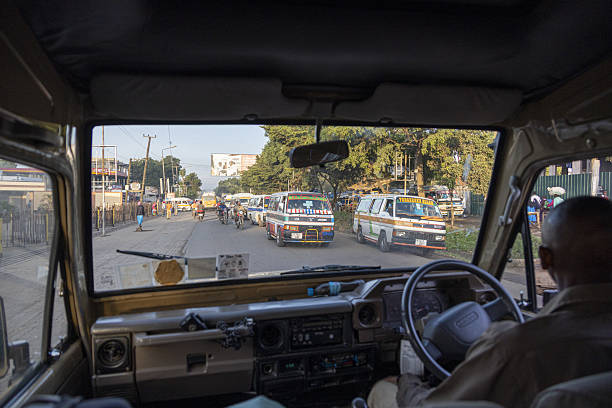 Rufiji River Boat Safari: An Unforgettable Wildlife Experience In TanzaniaExperience the magic of a Rufiji River boat safari, offering a unique perspective on Tanzania's abundant wildlife within the vast Selous Game…View package
 Lake Eyasi Cultural Safari GuideA detailed 2026-2027 guide to Lake Eyasi Cultural Safari, with clear planning and booking information for travelers.View package
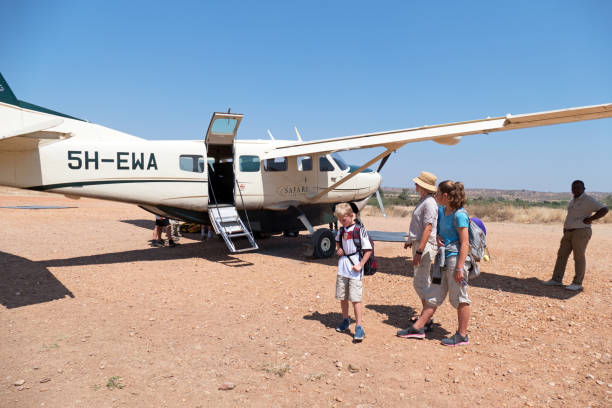 Lakes And Rivers Packages In Tanzania: Your Ultimate Guide For 2026-2027Explore Tanzania's stunning natural waterways with specialized lakes and rivers packages. From the vast shores of Lake Tanganyika to the vibrant…View package
 Momella Lakes Wildlife Tour: Your Ultimate Tanzania Safari ExperienceA detailed 2026-2027 guide to Momella Lakes Wildlife Tour, with clear planning and booking information for travelers.View package
 Lake Duluti Canoeing Experience: Your Ultimate Guide 2026-2027A detailed 2026-2027 guide to Lake Duluti Canoeing Experience, with clear planning and booking information for travelers.View packageLake Babati Hippo And Birding Tour: Your Ultimate Tanzania Wildlife ExperienceDiscover the wonders of Lake Babati with a specialized hippo and birding tour. This unique Tanzanian experience offers close encounters with…View package
 Lake Burigi Wildlife Tour, Complete Guide 2026-2027Explore Lake Burigi, a less crowded place in Tanzania offering exceptional wildlife viewing opportunities. This guide covers everything you need…View package


