
Updated planning guide for 2026, 2027-2028
Premium Kilimanjaro Full Moon Climbs: Expert Trekking Guide 2026-2027-2028
Experience the magic of Mount Kilimanjaro under the glow of a full moon. This comprehensive guide covers everything you need to know for a premium climb, from choosing the best route to essential preparation and booking advice for 2026-2027.
WhatsApp +255616946642 | topguideadventures@gmail.com | info@topguideadventures.com

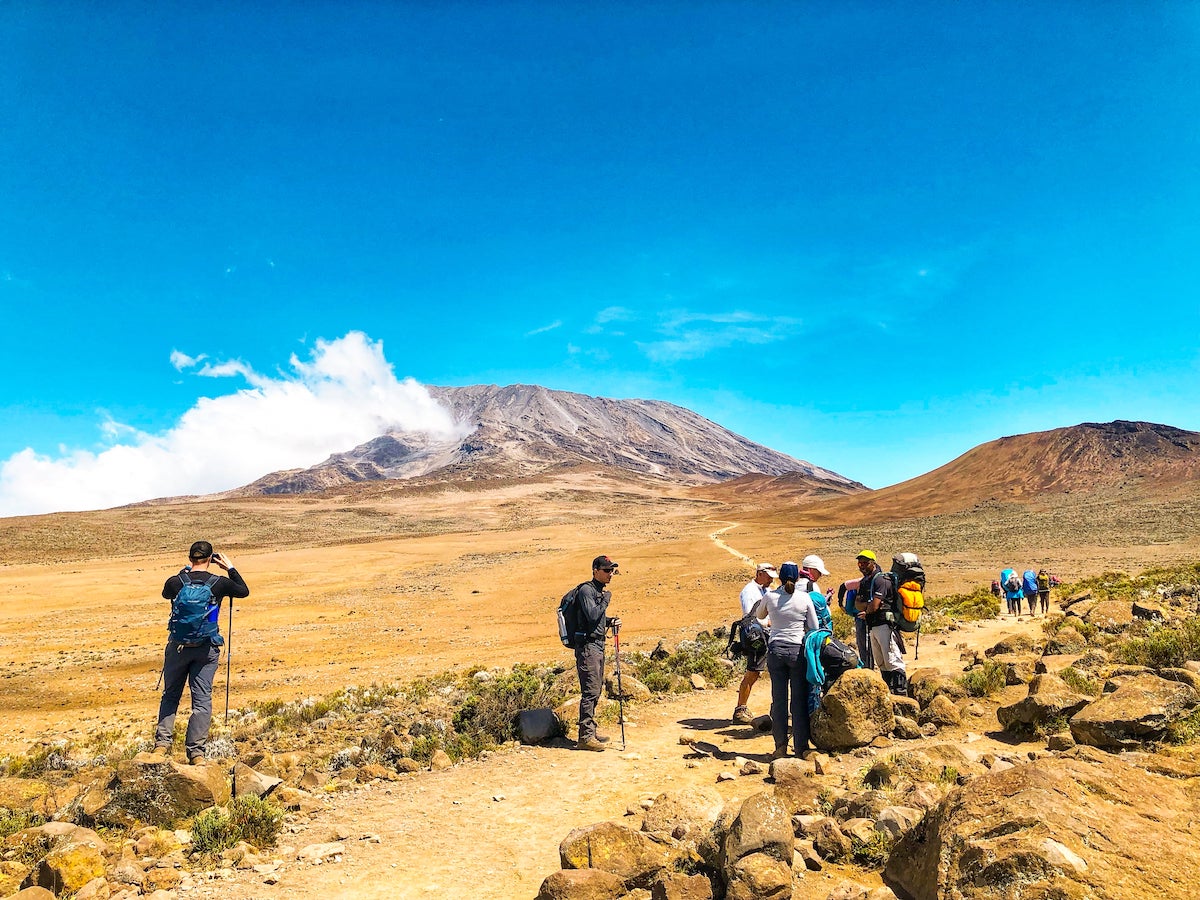
Table of Contents
- Introduction: The Allure of a Full Moon Kilimanjaro Climb
- Kilimanjaro Full Moon Climbs: Quick Facts
- Why Choose a Premium Kilimanjaro Full Moon Climb?
- Best Time for a Full Moon Kilimanjaro Climb
- Choosing the Right Route for Your Full Moon Ascent
- Kilimanjaro Routes Overview
- Sample Itinerary: 8-Day Lemosho Route Full Moon Climb
- What to Expect on the Summit Night and Beyond
- Essential Preparation for Your Climb
- Comprehensive Packing List
- Common Mistakes to Avoid on Kilimanjaro
- Who is a Full Moon Kilimanjaro Climb Best Suited For?
- Alternatives to Full Moon Climbs
- Planning Your 2026-2027 Kilimanjaro Full Moon Climb
- Enhance Your Trip: Combine with a Tanzania Safari
- Traveler Experiences and Social Proof
- Booking Your Premium Kilimanjaro Full Moon Climb
- Frequently Asked Questions (FAQs)
- Ready for Your Kilimanjaro Full Moon Adventure?
Introduction: The Allure of a Full Moon Kilimanjaro Climb
Mount Kilimanjaro, Africa’s highest peak, stands as a majestic symbol of adventure and achievement. While climbing this iconic mountain is a dream for many, experiencing its summit under the ethereal glow of a full moon elevates the journey to an extraordinary level. A premium Kilimanjaro full moon climb offers a unique perspective, transforming the challenging ascent into a visually stunning and deeply memorable expedition. Imagine standing on the Roof of Africa, bathed in moonlight, with the vast African landscape stretching out below. This guide is designed to provide you with all the essential information needed to plan and execute such an incredible adventure, focusing on the specifics of a full moon ascent and the premium services that ensure your comfort and safety.
For those seeking an unparalleled trekking experience in 2026 or 2027, timing your climb with the full moon phase is a strategic choice that adds a layer of magic. This isn’t just about reaching the summit; it’s about the entire journey, the atmosphere, and the breathtaking views illuminated by lunar light. We will cover everything from selecting the best routes and understanding the lunar calendar to essential preparation, packing, and how to choose a reputable tour operator for your premium Kilimanjaro full moon climb.
Kilimanjaro Full Moon Climbs: Quick Facts
| Aspect | Details |
|---|---|
| Mountain | Mount Kilimanjaro, Tanzania |
| Elevation | 5,895 meters (19,341 feet) |
| Focus Experience | Summiting during the full moon phase |
| Best Routes for Full Moon | Lemosho, Machame, Northern Circuit (longer, better acclimatization) |
| Typical Duration | 7-9 days (longer is recommended for full moon climbs) |
| Key Challenge | Altitude, cold, strenuous summit night, precise timing for moonrise/set |
| Premium Service Aspects | Experienced guides, quality gear, better food, comfortable camping, emergency support |
| Best Time for Full Moon | Check lunar calendar; generally Jan, Feb, June, July, Aug, Sep, Oct |
Why Choose a Premium Kilimanjaro Full Moon Climb?
The decision to undertake a premium Kilimanjaro full moon climb is driven by a desire for an exceptional experience. While Kilimanjaro is spectacular at any time, the full moon adds several unique dimensions:
- Breathtaking Summit Views: The summit of Kilimanjaro is above the clouds. Under a full moon, this vista becomes a surreal landscape of white clouds illuminated from above, with the stars appearing incredibly bright. The descent in the early morning light, after a moonlit summit, is equally stunning.
- Enhanced Summit Night: Summit night is the most challenging part of the climb, typically beginning in the dark hours before dawn. Having the moon as a natural light source can make the ascent feel less daunting and more magical. It provides visibility without relying solely on headlamps, offering moments of awe as you trek upwards.
- Photographic Opportunities: For photographers, the full moon presents unparalleled opportunities to capture dramatic landscapes, silhouettes, and the unique atmosphere of the mountain. The stark contrasts and soft moonlight create striking images.
- Sense of Achievement Amplified: Reaching the summit is a profound accomplishment. Doing so under the moon’s glow, a celestial spectacle, adds another layer to this achievement, making the memory even more potent.
- Premium Comfort and Support: A premium climb signifies a commitment to quality. This means better equipment, more experienced guides, higher quality food, and potentially more comfortable camping arrangements. This focus on comfort and safety is crucial, especially for the demanding conditions of a full moon climb where clear skies are essential for the lunar experience.
- Psychological Boost: The sheer beauty of the moonlit landscape can provide a significant psychological boost during the arduous parts of the trek, particularly the challenging summit push.
Best Time for a Full Moon Kilimanjaro Climb
Timing is everything for a full moon climb. You need to align your trek with the full moon phase while also considering Kilimanjaro’s dry seasons for optimal climbing conditions. The dry seasons generally run from January to March and June to October. These periods offer clearer skies, less rain, and more stable weather, which are ideal for both the full moon experience and general climbing safety.
Here’s how to approach the timing:
- Lunar Calendar: The most crucial step is consulting a reliable lunar calendar. You’ll want your summit night to ideally fall on or very close to the actual full moon date.
- Matching with Dry Seasons: The best months to combine a full moon with good weather are typically:
- January & February: Good weather, often clear skies, good for full moon viewing.
- June, July, August, September, October: These are Kilimanjaro’s peak dry season months. They offer the most stable weather, which is excellent for climbing and for enjoying the full moon. The nights can be colder during these months.
- Avoiding Rainy Seasons: It’s strongly advised to avoid the main rainy seasons (April, May, and November) for any Kilimanjaro climb, but especially for a full moon climb, as cloud cover will obscure the moon and rain/snow will make conditions significantly more difficult and dangerous.
- Flexibility: While aiming for the exact full moon is ideal, being flexible by a day or two can significantly expand your options and allow you to choose a route and duration that best suits your acclimatization needs. Sometimes, the days surrounding the full moon also offer excellent lunar illumination.
For planning your 2026 and 2027 expeditions, start by checking the full moon dates for your preferred months within these dry seasons. For example, if you’re planning for June 2026, check the specific date of the full moon in June 2026 and aim your summit day accordingly. This proactive planning is key to securing your spot and maximizing your chances of a successful, moonlit ascent.
Choosing the Right Route for Your Full Moon Ascent
The choice of route significantly impacts your acclimatization, overall experience, and likelihood of summit success, especially on a challenging night climb like a full moon ascent. For premium Kilimanjaro full moon climbs, longer routes are always recommended. They offer better acclimatization, which is vital for preventing altitude sickness and ensuring you are strong enough for the summit push.
Here are the top route recommendations for a full moon climb:
- Lemosho Route: (7-8 days) This is often considered the best overall route for acclimatization and scenery. It offers a gradual ascent through diverse landscapes and a higher success rate. The Lemosho route allows for a more relaxed pace, crucial for adapting to the altitude. Its popularity means it’s well-serviced by reputable operators.
- Machame Route: (6-7 days, but 7 days is strongly recommended for full moon climbs) Known as the “Whiskey Route,” Machame is the most popular route. While it can be done in 6 days, a 7-day itinerary provides much better acclimatization. It offers spectacular views and a challenging trek. For a full moon climb, the 7-day Machame is a solid choice, offering a good balance of challenge and acclimatization. You can find information on Kilimanjaro Machame group departures dates to potentially join a group.
- Northern Circuit: (9-10 days) This is the longest route and arguably the best for acclimatization. It circles the mountain, offering unique perspectives and a very gradual ascent. If your priority is maximizing acclimatization and ensuring the best possible chance of summit success under the full moon, the Northern Circuit is the premier choice. It is also a more premium, less crowded experience.
Routes to Consider with Caution for Full Moon Climbs:
- Marangu Route: (5-6 days) Known as the “Coca-Cola” route, it’s the only route with hut accommodation. While convenient, its shorter duration and less gradual ascent profile make it less ideal for acclimatization, especially for a demanding summit night.
- Rongai Route: (6-7 days) This route approaches from the north and is drier. It’s a good option but generally offers slightly less scenic variety and slightly poorer acclimatization compared to Lemosho or Machame.
For a premium Kilimanjaro full moon climb, prioritize routes of 7 days or longer. This ensures you have adequate time to acclimatize, increasing your chances of reaching the summit safely and enjoying the lunar spectacle.
Kilimanjaro Routes Overview
Understanding the general paths of the main Kilimanjaro routes helps visualize the journey.
| Route Name | Starting Point | General Direction | Key Features |
|---|---|---|---|
| Marangu | Marangu Gate | Direct East to West | Huts, gentler slope, less scenic |
| Machame | Machame Gate | South to West, then North | Popular, scenic, “climb high, sleep low” |
| Lemosho | Lemosho Glades | West to South, then North | Scenic, good acclimatization, less crowded initially |
| Shira | Shira Plateau | West to South, then North | Higher starting point than Lemosho, faster to plateau |
| Rongai | Rongai Gate | North to South | Drier, less crowded, good success rate |
| Umbwe | Umbwe Gate | Direct South to Summit | Steepest, most challenging, requires high fitness |
| Northern Circuit | Lemosho Glades | Full circle (West to North, East, South) | Longest, best acclimatization, most scenic, least crowded |
Sample Itinerary: 8-Day Lemosho Route Full Moon Climb
This sample itinerary is designed to maximize acclimatization and position you for a successful summit attempt during a full moon. The Lemosho route is excellent for this purpose due to its gradual ascent and beautiful scenery.
| Day | Route Segment | Elevation (m/ft) | Activity & Notes |
|---|---|---|---|
| Day 1 | Lemosho Glades to Mti Mkubwa Camp | 2100m / 6890ft to 2800m / 9186ft | After breakfast, drive to Lemosho Gate (2360m). Register and begin trek through rainforest. Approx. 3-4 hours. |
| Day 2 | Mti Mkubwa Camp to Shira 1 Camp | 2800m / 9186ft to 3500m / 11483ft | Trek across moorland with great views of the plains. Approx. 5-6 hours. |
| Day 3 | Shira 1 Camp to Shira 2 Camp | 3500m / 11483ft to 3850m / 12631ft | Acclimatization day. Hike across the Shira Plateau, potentially to Shira Cathedral. Approx. 3-4 hours. |
| Day 4 | Shira 2 Camp to Barranco Camp | 3850m / 12631ft to 3950m / 12960ft | Cross Lava Tower (4630m) and descend to Barranco. “Climb high, sleep low” principle in action. Approx. 7-8 hours. |
| Day 5 | Barranco Camp to Karanga Camp | 3950m / 12960ft to 4000m / 13123ft | Ascend the challenging Barranco Wall, then trek to Karanga Valley. Approx. 4-5 hours. |
| Day 6 | Karanga Camp to Barafu Camp | 4000m / 13123ft to 4650m / 15256ft | Trek through alpine desert. Reach Barafu Camp, the base for the summit push. Rest and prepare. Approx. 4-5 hours. |
| Day 7 | Barafu Camp to Uhuru Peak & Mweka Camp | 4650m / 15256ft to 5895m / 19341ft (Uhuru Peak) then descend to 3100m / 10170ft | SUMMIT NIGHT! Start around midnight. Ascend Stella Point then Uhuru Peak. Descend to Barafu for a short rest, then continue down to Mweka Camp. This is the longest and most challenging day. |
| Day 8 | Mweka Camp to Mweka Gate | 3100m / 10170ft to 1640m / 5380ft | Descend through rainforest to Mweka Gate. Receive your certificates. Transfer to hotel. Approx. 3-4 hours. |
Note on Full Moon Timing: For a full moon climb, you would aim for Day 7 (Summit Night) to coincide with the full moon. This means booking your trek to start approximately 6 days before the full moon date, factoring in the specific full moon day for your summit attempt.
What to Expect on the Summit Night and Beyond
Summit night is the climax of your Kilimanjaro journey. Understanding what to expect is crucial for mental and physical preparation.
- Departure Time: You’ll typically start your ascent between 11:00 PM and 1:00 AM from Barafu Camp (or Kibo Hut if on Marangu). The exact time depends on your guide’s assessment of the weather and your group’s pace.
- The Ascent: The climb is steep and slow. You’ll walk in a single file line, often guided by the light of your headlamp and, in this case, the magnificent full moon. The path is rocky and scree-covered.
- Temperature: Temperatures can plummet to -15°C (5°F) or even colder, with wind chill. Proper layering is essential.
- Altitude Effects: Symptoms of altitude sickness (headache, nausea, dizziness) are common. Your guides are trained to monitor you and will make decisions based on your well-being. Moving slowly and steadily (“pole pole”) is paramount.
- Stella Point: This is the first crater rim point you reach after hours of climbing. It’s a significant milestone, but Uhuru Peak is still about an hour’s walk away along the crater rim.
- Uhuru Peak: At 5,895 meters (19,341 feet), this is the highest point in Africa. Reaching it is an incredible feeling. The view at sunrise, illuminated by the moon, is unforgettable.
- The Descent: The descent is often underestimated. It’s long, steep, and can be hard on the knees. You’ll descend back to Barafu Camp for a brief rest before continuing all the way down to Mweka Camp (or Millennium Camp on some routes). This is often the most tiring part of the trek.
- Full Moon Visibility: If the skies are clear, the moon will provide significant light, making the terrain visible. This can offer psychological comfort and a unique visual experience. However, always be prepared with your headlamp as cloud cover can appear quickly.
Essential Preparation for Your Climb
A premium Kilimanjaro full moon climb requires thorough preparation, encompassing physical fitness, mental readiness, and logistical planning.
Physical Training:
- Cardiovascular Fitness: Focus on activities that build endurance, such as hiking, running, cycling, and swimming. Aim for at least 3-4 sessions per week.
- Strength Training: Strengthen your legs (quads, hamstrings, calves) and core. Squats, lunges, step-ups, and planks are beneficial.
- Hiking Practice: The most relevant training is hiking, ideally with a backpack similar to what you’ll carry. Practice on varied terrain, including ascents and descents. Try to do longer hikes (4-6 hours) regularly in the months leading up to your climb.
- Altitude Simulation (Optional): If you live at sea level and have no prior high-altitude experience, consider using altitude training masks or visiting a local altitude training center if available.
Mental Preparation:
- Understand the Challenge: Kilimanjaro is a serious undertaking. Be prepared for long days, cold temperatures, and the effects of altitude.
- Positive Mindset: A strong mental attitude is as important as physical fitness. Visualize success and focus on taking one step at a time.
- Patience: “Pole pole” (slowly, slowly) is the mantra on Kilimanjaro. Be patient with yourself and the process.
Health and Medical:
- Consult Your Doctor: Get a thorough medical check-up. Discuss your plans with your doctor, especially if you have any pre-existing health conditions.
- Vaccinations and Medications: Ensure you are up-to-date with recommended vaccinations for Tanzania. Your doctor might prescribe altitude sickness medication like Diamox (Acetazolamide) – discuss its use and side effects.
- Travel Insurance: Comprehensive travel insurance that covers high-altitude trekking and emergency medical evacuation is non-negotiable.
Logistics and Planning:
- Choose a Reputable Operator: This is key for a premium experience. Look for operators with excellent safety records, experienced guides, and good reviews.
- Book in Advance: Especially for full moon climbs, booking well in advance (6-12 months) is recommended to secure your preferred dates and routes.
- Acclimatization Strategy: Opt for longer routes (7+ days) for better acclimatization.
Comprehensive Packing List
Packing correctly is vital for comfort and safety. For a premium Kilimanjaro full moon climb, focus on quality gear suitable for extreme cold and variable conditions.
Clothing (Layering System):
- Base Layers: 2-3 sets of moisture-wicking thermal tops and bottoms (merino wool or synthetic).
- Mid Layers: 1-2 fleece jackets or synthetic insulated jackets for warmth.
- Insulation Layer: A warm down or synthetic insulated jacket (puffy jacket) for evenings and summit night.
- Outer Layer (Shell): Waterproof and windproof jacket and trousers (Gore-Tex or similar).
Headwear and Handwear:
- Warm fleece or wool hat that covers ears.
- Balaclava or warm face mask.
- Neck gaiter or buff.
- Liner gloves.
- Warm, waterproof, insulated gloves or mittens.
Footwear:
- Broken-in, waterproof hiking boots with good ankle support.
- Camp shoes or comfortable trainers for evenings.
- Several pairs of warm hiking socks (wool or synthetic).
- Liner socks to prevent blisters.
Equipment:
- Backpack: A comfortable daypack (30-40 liters) for essentials on trek days.
- Duffel Bag: A large, waterproof duffel bag (80-100 liters) for your main gear, carried by porters.
- Sleeping Bag: A 4-season sleeping bag rated to at least -15°C (0°F) or -20°C (-4°F).
- Sleeping Pad: Insulated sleeping mat (if not provided by operator).
- Headlamp: With extra batteries (crucial for summit night).
- Sunglasses: High UV protection.
- Sunscreen: High SPF.
- Lip Balm: With SPF.
- Water Bottles/Hydration Reservoir: At least 3 liters capacity. Insulated sleeves are recommended to prevent freezing.
- Trekking Poles: Highly recommended for stability and reducing knee strain.
- Gaiters: To keep mud, snow, and rocks out of your boots.
- Personal First-Aid Kit: Including blister treatment, pain relievers, antiseptic wipes, personal medications.
- Toiletries: Biodegradable soap, toothbrush, toothpaste, wet wipes, hand sanitizer.
- Camera and Power Bank: To capture the memories.
- Snacks: High-energy snacks like nuts, dried fruit, energy bars.
Documents and Money:
- Passport (with visa if required).
- Copies of passport and travel insurance.
- Cash for tips and personal expenses.
Common Mistakes to Avoid on Kilimanjaro
Many trekkers make common errors that can impact their experience and chances of success. Avoiding these is key to a premium climb.
- Insufficient Acclimatization: This is the number one reason for summit failure. Rushing the climb on shorter routes significantly increases the risk of altitude sickness. Always opt for 7+ day itineraries for full moon climbs.
- Inadequate Physical Training: Kilimanjaro is not a walk in the park. Underestimating the physical demands and not training sufficiently can lead to exhaustion and inability to complete the trek.
- Poor Gear Choices: Using non-waterproof gear, insufficient warm clothing, or poorly broken-in boots can lead to discomfort, frostbite, or blisters, jeopardizing your climb.
- Dehydration and Poor Nutrition: Not drinking enough water (at least 3-4 liters per day) and neglecting to eat properly can severely impact your energy levels and altitude adaptation.
- Ignoring Symptoms of Altitude Sickness: Pushing on despite symptoms of moderate to severe altitude sickness can be dangerous. Listen to your body and your guides.
- Going Too Fast: The “pole pole” pace is essential. Moving too quickly consumes energy and hinders acclimatization.
- Not Packing Enough Warm Layers: Summit night is extremely cold. Insufficient warm clothing can lead to hypothermia and prevent you from reaching the summit.
- Choosing a Budget Operator: While cost is a factor, opting for the cheapest operator often means compromising on guide experience, safety standards, equipment quality, and porter welfare. This is where the concept of a “premium” climb becomes essential.
- Forgetting Headlamp and Batteries: A functional headlamp with spare batteries is critical for summit night.
- Underestimating the Descent: The long descent can be physically and mentally taxing. Proper trekking poles and well-fitting boots can help.
Who is a Full Moon Kilimanjaro Climb Best Suited For?
A premium Kilimanjaro full moon climb is an extraordinary experience, but it’s not for everyone. It’s best suited for:
- Experienced Trekkers: Those who have previously undertaken multi-day treks at altitude will be better prepared for the physical and mental demands.
- Fit Individuals: While specific mountaineering skills aren’t required, a high level of cardiovascular fitness and strength is essential.
- Adventurous Spirits: People who seek unique, visually stunning experiences and are willing to embrace challenging conditions for a remarkable reward.
- Photographers and Stargazers: The unique lighting and celestial views make it particularly appealing for those who want to capture or simply witness incredible natural phenomena.
- Those Seeking a Deeper Connection: The quiet, moonlit ascent can foster a profound sense of connection with nature and oneself.
- Individuals Prioritizing Experience over Speed: This type of climb requires patience and a willingness to dedicate sufficient time for acclimatization.
It is generally not recommended for:
- Beginners with little to no hiking experience.
- Individuals with significant, unmanaged health conditions.
- Those on a very tight schedule who cannot dedicate 7-10 days.
- People who are uncomfortable with cold, darkness, and strenuous physical exertion.
Alternatives to Full Moon Climbs
If a full moon climb doesn’t align with your dates, or if you prefer a less specific timing, Kilimanjaro is still an incredible destination. Here are alternatives:
- Standard Climbs: The vast majority of Kilimanjaro climbs occur outside of the full moon period. You can still experience spectacular sunrises, starry nights, and breathtaking views.
- Climbing During Dry Seasons: Focusing on the dry seasons (Jan-Mar, Jun-Oct) ensures the best weather conditions, regardless of the moon phase. This offers clear skies and better visibility.
- Sunrise Summit: All summit attempts are timed to reach Uhuru Peak at sunrise. The view as the sun rises over the clouds is a daily spectacle on Kilimanjaro.
- Clear Night Skies: Even without a full moon, Kilimanjaro’s high altitude and remote location provide incredibly clear night skies, perfect for stargazing.
While the full moon adds a unique element, the core experience of summiting Kilimanjaro remains profoundly rewarding at any time of year, provided you choose a reputable operator and adequate acclimatization.
Planning Your 2026-2027 Kilimanjaro Full Moon Climb
Planning a trip for 2026 or 2027 requires foresight, especially for a specific event like a full moon climb. Here’s a step-by-step guide:
1. Consult the Lunar Calendar:
Identify the full moon dates for your desired months in 2026 and 2027. Prioritize the dry seasons: January, February, June, July, August, September, October.
2. Determine Your Ideal Summit Date:
Based on the full moon dates, choose a target summit day. Remember that summit night is around midnight, so the full moon should be visible on that night.
3. Select Your Route and Duration:
For a full moon climb, we strongly recommend a 7-day or longer route. The Lemosho (8 days), Machame (7 days), or Northern Circuit (9-10 days) are excellent choices. This ensures adequate acclimatization, which is critical for summit success and enjoying the experience.
4. Research and Choose a Premium Tour Operator:
This is paramount for a premium experience. Look for companies that:
- Have a proven track record and excellent safety standards.
- Employ experienced, certified guides.
- Provide high-quality equipment and food.
- Treat their porters and crew ethically.
- Offer detailed itineraries and transparent pricing.
Read reviews on platforms like TripAdvisor to gauge customer satisfaction. For example, traveler feedback for Top Guide Adventures on TripAdvisor can offer insights.
5. Book Your Trek:
Once you’ve chosen your operator and dates, book your climb. For popular full moon dates in 2026-2027, booking 9-12 months in advance is advisable to secure your spot.
6. Arrange Flights and Visas:
Book your international flights to Kilimanjaro International Airport (JRO). Check visa requirements for Tanzania for your nationality and apply in advance if necessary.
7. Secure Travel Insurance:
Ensure your policy covers high-altitude trekking (up to 6000m) and emergency medical evacuation. This is non-negotiable.
8. Begin Your Training Program:
Start your physical training at least 3-6 months before your climb. Consistency is key.
9. Prepare Your Gear:
Acquire or rent the necessary gear well in advance. Test your equipment to ensure it’s in good condition and fits well.
10. Final Preparations:
In the months leading up to your trip, stay updated on any travel advisories and confirm details with your tour operator. Attend any pre-departure briefings offered.
Enhance Your Trip: Combine with a Tanzania Safari
A climb of Kilimanjaro is often combined with a safari in Tanzania’s world-renowned national parks. This offers a complete African adventure, contrasting the physical challenge of the mountain with the wildlife viewing and cultural immersion of a safari.
Popular safari destinations include:
- Serengeti National Park: Famous for the Great Migration and vast plains teeming with wildlife.
- Ngorongoro Conservation Area: A UNESCO World Heritage Site with a unique caldera ecosystem and high density of animals.
- Tarangire National Park: Known for its large elephant herds and baobab trees.
- Lake Manyara National Park: Home to tree-climbing lions and diverse birdlife.
Many tour operators, including us, offer seamless packages that combine Kilimanjaro climbs with safaris. This simplifies logistics and ensures a cohesive travel experience. You can explore options for all Tanzania safaris group departures dates and best shared tours to see if joining a group safari fits your schedule and budget. Combining these experiences allows you to witness the diverse beauty of Tanzania, from its highest peak to its most iconic wildlife habitats.
Traveler Experiences and Social Proof
Hearing from other trekkers can provide valuable insights and build confidence for your own journey. Reputable tour operators often share testimonials, reviews, and social media updates from their clients.
You can find genuine feedback from travelers who have climbed with us, for instance, by checking out our TripAdvisor reviews. These often detail their experiences with guides, camp life, summit success, and overall satisfaction.
Following tour operators on social media platforms like Instagram can give you a glimpse into recent expeditions, showcasing the mountain conditions, the camaraderie among climbers, and the stunning scenery captured by travelers. Seeing photos and videos from successful full moon climbs can be particularly inspiring.
When evaluating reviews, look for comments regarding:
- Guide expertise and safety protocols.
- Quality of food and camping equipment.
- Communication and customer service.
- Overall satisfaction and likelihood of recommending the operator.
Booking Your Premium Kilimanjaro Full Moon Climb
Securing your spot for a premium Kilimanjaro full moon climb requires careful consideration and timely action. Here’s how to approach the booking process for 2026-2027:
- Identify Your Preferred Dates: Based on the full moon calendar and dry seasons, pinpoint your target departure window.
- Research Reputable Operators: Look for companies that specialize in Kilimanjaro climbs and are known for their premium service, safety, and ethical practices. Consider operators like Top Guide Adventures, which you can learn more about on our main website.
- Request Detailed Itineraries and Quotes: Ask for specific itineraries for your chosen route and duration, along with a clear breakdown of what is included and excluded. Ensure the itinerary is designed for acclimatization, especially for a full moon climb.
- Inquire About Full Moon Specifics: Confirm that the operator understands the nuances of timing a summit attempt for the full moon. Ask how they manage flexibility around the exact moon phase.
- Ask About Safety Protocols: A premium climb should have robust safety measures, including oxygen cylinders, comprehensive first-aid kits, emergency communication devices, and guides trained in high-altitude medicine.
- Understand Inclusions and Exclusions: Common inclusions are park fees, guide and porter salaries, food, camping equipment, and transfers. Exclusions often include tips, personal gear, and flights.
- Check Payment Terms and Cancellation Policy: Understand the deposit required, payment schedule, and the terms for cancellations or rescheduling.
- Read Contracts Carefully: Before signing, review all terms and conditions.
- Consider Group vs. Private Climbs: Private climbs offer more flexibility, while group climbs can be more cost-effective. You can look into Kilimanjaro Machame group departures dates if you’re considering joining a group.
- Book Early: For popular full moon dates in 2026 and 2027, booking 9-12 months in advance is highly recommended to guarantee your preferred dates and route.
Frequently Asked Questions (FAQs)
Q1: Is a full moon climb more dangerous than a regular Kilimanjaro climb?
A1: A full moon climb itself isn’t inherently more dangerous if planned correctly. The primary risks on Kilimanjaro are altitude sickness, weather, and exhaustion. However, the summit night is challenging regardless of the moon phase. The advantage of a full moon is natural light, which can make navigation easier. The main challenge is timing the summit attempt precisely with the full moon while ensuring adequate acclimatization and good weather. For 2026-2027, choosing a longer route (7+ days) with a reputable operator is key to safety.
Q2: How do I know the exact dates for a full moon climb in 2026 or 2027?
A2: You can find detailed lunar calendars online for 2026 and 2027. Cross-reference these dates with Kilimanjaro’s dry seasons (January-March, June-October) to select your preferred climbing window. Aim to have your summit night occur on or within a day or two of the full moon.
Q3: What is the difference between a premium climb and a budget climb?
A3: A premium Kilimanjaro full moon climb typically involves higher quality equipment, more experienced guides, better food, a more comfortable camping setup, and a stronger emphasis on safety protocols and porter welfare. Budget climbs may compromise on these aspects, potentially affecting comfort, safety, and the overall success rate.
Q4: Can I use Diamox (Acetazolamide) for altitude sickness?
A4: Diamox can help some individuals acclimatize faster. However, it’s essential to consult your doctor before your trip. They can advise if it’s suitable for you, prescribe the correct dosage, and explain potential side effects. It is not a substitute for proper acclimatization.
Q5: What if the weather is bad on summit night?
A5: Weather on Kilimanjaro can change rapidly. If the weather is deemed unsafe by your guides (e.g., heavy snow, high winds, lightning), they will make the decision to turn back or alter the plan to ensure your safety. A premium operator will prioritize safety above all else.
Q6: How much should I tip the guides and porters?
A6: Tipping is customary and a significant part of the crew’s income. Reputable operators provide tipping guidelines, often suggesting amounts per guide, assistant guide, chef, and porter. For a premium climb, it’s common to tip more generously. Check your operator’s recommendations.
Q7: What is the success rate for summiting Kilimanjaro?
A7: Success rates vary depending on the route, duration, operator, and individual climber’s preparation. Longer routes (7+ days) with operators focused on acclimatization generally have higher success rates, often exceeding 85-90%. For a full moon climb, proper acclimatization on a 7+ day trek is crucial for maximizing your chances.
Q8: Do I need special mountaineering skills?
A8: No, Kilimanjaro is a trekking peak, not a technical climbing mountain. No ropes or ice axes are typically required (though crampons might be used depending on conditions). Good physical fitness and proper gear are essential.
Q9: What is the best way to stay warm on summit night?
A9: Layering is key. Wear a moisture-wicking base layer, insulating mid-layers (fleece), and a warm, waterproof/windproof outer shell. A heavy down jacket is essential for the summit. Also, ensure you have warm gloves, a hat, and a balaclava. Hand and foot warmers can be very helpful.
Q10: Can I combine a Kilimanjaro climb with a safari in 2026 or 2027?
A10: Absolutely! Combining a Kilimanjaro climb with a safari is a very popular way to experience Tanzania. Most tour operators offer packages that include both. You can explore options for all Tanzania safaris group departures dates to integrate with your climb.
Ready for Your Kilimanjaro Full Moon Adventure?
Experiencing the magic of Mount Kilimanjaro under the glow of a full moon is a once-in-a-lifetime adventure. The unparalleled views, the quiet solitude of the ascent, and the profound sense of achievement create memories that last forever. For your premium Kilimanjaro full moon climb in 2026 or 2027, choosing the right partner is essential for a safe, comfortable, and unforgettable journey.
At Top Guide Adventures, we specialize in creating exceptional Kilimanjaro trekking experiences. Our team is dedicated to providing premium service, ensuring your safety, and helping you achieve your summit dreams. We understand the nuances of full moon climbs and can help you plan the perfect itinerary.
Contact us today to start planning your dream Kilimanjaro full moon climb:
- WhatsApp: +255616946642
- Email: topguideadventures@gmail.com
- Backup Email: info@topguideadventures.com
Let us help you make your premium Kilimanjaro full moon climb a reality. We look forward to hearing from you!
Complete Premium Kilimanjaro Full Moon Climbs Planning Details for 2026- 2027-2028
Premium Kilimanjaro Full Moon Climbs needs more than a quick description because travelers normally want to understand timing, route logic, comfort level, inclusions, local support, safety, and how the trip fits with the rest of a Tanzania journey. For 2026- 2027-2028, the best plan is to compare the route, travel month, daily pace, accommodation style, and transport arrangement before confirming.
A strong plan should explain where the trip starts, what happens each day, how long transfers may take, what travelers should prepare, and which parts can be customized. This makes the page useful for families, couples, solo travelers, private groups, budget travelers, mid-range guests, and luxury travelers.
Important things to confirm before booking
- Exact starting point and pickup time.
- Accommodation level or day-trip timing.
- Transport type and guide arrangement.
- Park fees, activities, meals, drinking water, and transfers.
- Best travel month for weather, wildlife, trekking, beaches, or photography.
- Payment plan, deposit, cancellation terms, and changes if travel dates move.
Premium Kilimanjaro Full Moon Climbs Sample Structure and Route Logic
Most travelers choose Premium Kilimanjaro Full Moon Climbs because they want a clear experience that is easy to understand and simple to book. The structure should feel practical: arrival or pickup, main activity, important stops, relaxed timing, overnight or return plan, and final drop-off. When the topic involves safari, the route should respect park distance and game drive time. When it involves Kilimanjaro, the route should respect acclimatization and safe pacing. When it involves Zanzibar, the plan should balance ocean activities, culture, relaxation, and transfer time.
| Planning Area | What to Check | Why It Matters |
|---|---|---|
| Timing | Season, pickup time, daily pace, and activity duration | Helps avoid rushed travel and gives better value |
| Comfort | Budget, mid-range, luxury, private, or shared style | Matches the trip with the traveler expectation |
| Logistics | Transfers, vehicle, guide, permits, and entry rules | Prevents surprises during the trip |
| Booking | Deposit, availability, route, inclusions, and final balance | Makes confirmation smooth and transparent |
Top Guide Adventures Recommendation
Best Tanzania Tour operator recommends treating Premium Kilimanjaro Full Moon Climbs as a complete travel plan rather than only a title. A good operator should explain the route, guide support, what is included, what is excluded, how timing works, and what can be adjusted. Travelers can also compare Tanzania safari group departures and shared tours, check Machame Route Kilimanjaro group departures, or read more articles in the Tanzania safari tours blog.
For a more personal look at current trips and field updates, travelers may follow Top Guide Adventures on Instagram, review traveler feedback on Tripadvisor, or visit our another website.
Premium Kilimanjaro Full Moon Climbs FAQs for 2026- 2027-2028
How early should I book Premium Kilimanjaro Full Moon Climbs?
Booking early is better for 2026- 2027-2028, especially for high season, family travel, group departures, Kilimanjaro routes, Serengeti safaris, Zanzibar holidays, and private customized tours.
Can this trip be customized?
Yes. The route, accommodation level, pace, pickup point, and add-ons can usually be adjusted depending on availability and the travel dates.
Is Premium Kilimanjaro Full Moon Climbs suitable for first-time travelers?
Yes, when the itinerary is explained clearly and the guide support is reliable. First-time travelers should ask for a simple day-by-day plan, inclusions, exclusions, and preparation notes.
What should I ask before confirming?
Ask about transport, guide, meals, park or activity fees, accommodation, payment plan, cancellation terms, and what happens if weather or travel timing changes.
Plan your Premium Kilimanjaro Full Moon Climbs with Top Guide Adventures
Tell us your travel dates, group size, comfort level, and dream experience. We will help you shape a clear, realistic, and memorable Tanzania itinerary.







 Veedesigner
 Fatma Kizanga
 Benjamin Waryuba
 Philip Philip
 John jr Itaja
 Antonia Optatus
 Edith Kanyere
 Neema Iddy
 Kelvin Boniphace
 Damari Maiga



