
The Premium Northern Circuit Route to Uhuru Peak is an extended, high-success-rate trek on Mount Kilimanjaro, known for its acclimatization profile, scenic beauty, and comfortable pace, typically taking 9 to 10 days. It offers a more relaxed ascent, significantly increasing the chances of reaching the summit at 5,895 meters (19,341 feet) comfortably, making it a top choice for serious trekkers aiming for the Roof of Africa in 2026-2027.

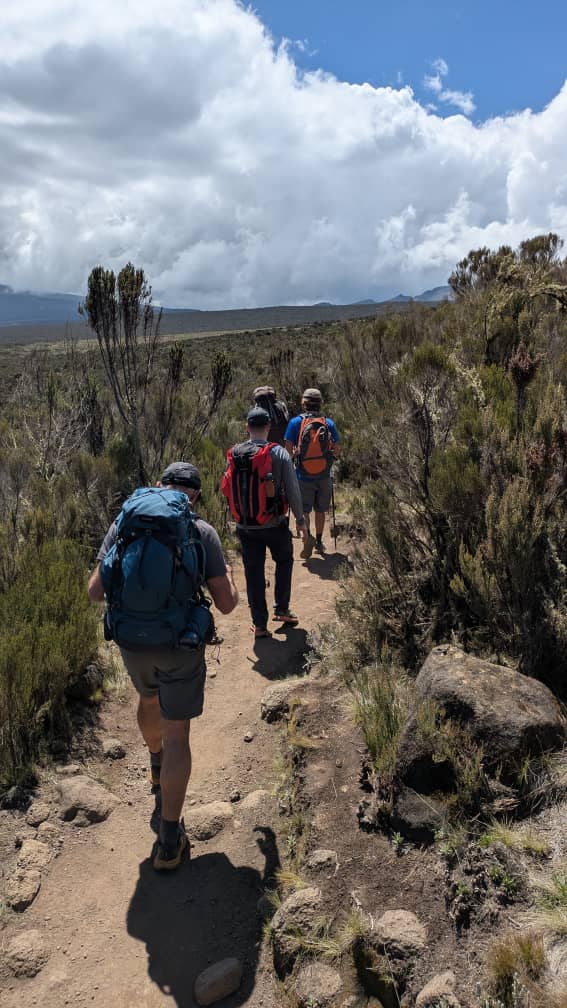
Understanding the Premium Northern Circuit Route for Uhuru Peak
Climbing Mount Kilimanjaro is a dream for many adventurers, and reaching Uhuru Peak, the highest point on the continent, is the ultimate goal. While several routes lead to the summit, the Premium Northern Circuit Route stands out for its exceptional success rates and unparalleled trekking experience. This route, often chosen by those who prioritize acclimatization, scenery, and a more unhurried ascent, is a significant investment in time and resources, but one that pays dividends in terms of safety, enjoyment, and the likelihood of summit success. For trekkers planning their expedition in the 2026-2027 seasons, understanding the nuances of this premium option is crucial for making an informed decision.
Unlike shorter, more direct routes, the Northern Circuit is the longest, circling the mountain’s northern slopes. This extended duration is its primary advantage, allowing for gradual altitude gain and superior acclimatization. This is not merely about comfort; it’s a critical factor in preventing Acute Mountain Sickness (AMS) and ensuring your body can cope with the extreme altitude. For those seeking a premium Kilimanjaro experience, the Northern Circuit delivers, offering impressive views and a profound sense of accomplishment.
Why Choose the Northern Circuit for a Premium Kilimanjaro Experience?
The designation of “premium” for the Northern Circuit isn’t just about a higher price tag; it reflects a superior trekking experience characterized by several key advantages:
- Unmatched Acclimatization Profile: The route’s length, typically 9 to 10 days, allows for a slow and steady ascent. This “climb high, sleep low” strategy is vital for acclimatization, drastically reducing the risk of altitude sickness and improving summit chances.
- Spectacular Scenery: It traverses diverse landscapes, including the remote northern slopes, offering unique perspectives of Kilimanjaro’s ecosystem that are rarely seen on other routes. You’ll witness the transition from rainforest to moorland, alpine desert, and arctic summit zones in their full glory.
- Higher Success Rates: Due to the excellent acclimatization, the Northern Circuit boasts some of the highest summit success rates among all Kilimanjaro routes. This makes it an ideal choice for trekkers who are serious about reaching Uhuru Peak.
- Less Crowded: While not entirely isolated, the Northern Circuit is significantly less crowded than more popular routes like Machame or Marangu, providing a more serene and personal trekking experience.
- Comfort and Pace: The longer duration allows for a more relaxed pace, giving trekkers more time to enjoy the journey, appreciate the surroundings, and rest adequately each night.
For those targeting the 2026 or 2027 climbing seasons, booking a premium trek like the Northern Circuit means investing in a higher quality of service, better equipment, more experienced guides, and ultimately, a safer and more rewarding ascent.
The Northern Circuit Route: A Day-by-Day Itinerary Breakdown
The Northern Circuit’s strength lies in its deliberate pacing. While variations exist, a typical 9-day itinerary is highly recommended for optimal acclimatization. A 10-day option offers even more flexibility and rest.
Typical 9-Day Northern Circuit Itinerary
- Day 1: Machame Gate (1,800m/5,905ft) to Machame Camp (3,000m/9,840ft)
Distance: 11 km / 7 miles
Time: 5-7 hours
Habitat: Rainforest.
The trek begins at the Machame Gate, passing through lush montane forest. The initial ascent is steady, and the focus is on enjoying the vibrant ecosystem. - Day 2: Machame Camp to Shira 2 Camp (3,850m/12,630ft)
Distance: 5 km / 3 miles
Time: 4-6 hours
Habitat: Moorland.
The path ascends steeply out of the forest onto the moorland zone. You’ll cross a ridge and then descend slightly before climbing again to Shira 2 Camp, offering expansive views. - Day 3: Shira 2 Camp to Lava Tower (4,600m/15,090ft) to Barranco Camp (3,950m/12,960ft)
Distance: 10 km / 6 miles
Time: 6-8 hours
Habitat: Alpine Desert.
This is a crucial acclimatization day. You’ll climb steadily towards Lava Tower, reaching a significant altitude before descending to Barranco Camp. This “climb high, sleep low” principle is key. - Day 4: Barranco Camp to Karanga Camp (3,960m/12,990ft)
Distance: 5 km / 3 miles
Time: 4-5 hours
Habitat: Alpine Desert.
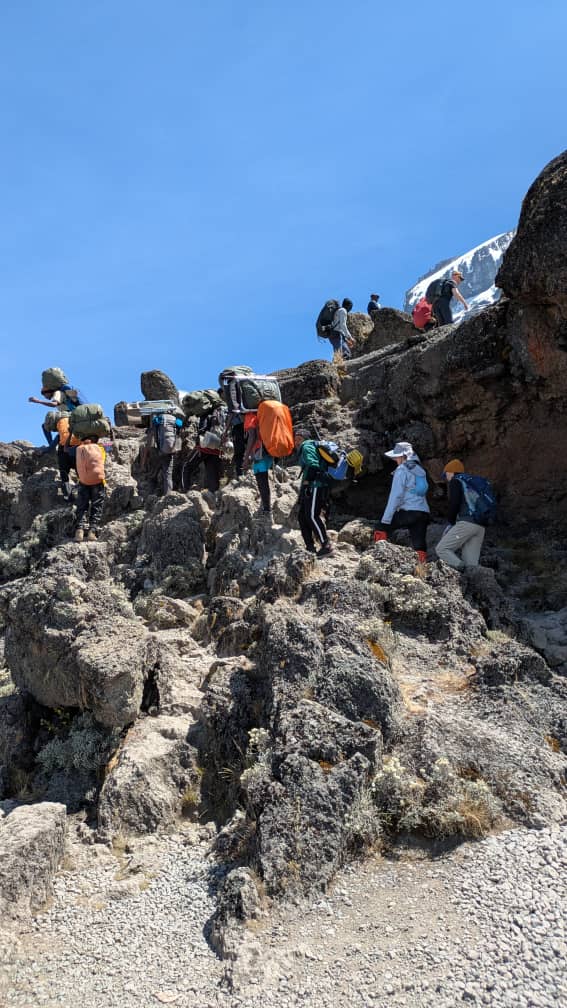
A challenging but rewarding day involving the famous Barranco Wall scramble. While steep, it’s not technically difficult and offers stunning views. Karanga Camp is situated in a valley. - Day 5: Karanga Camp to Barafu Camp (4,670m/15,320ft)
Distance: 4 km / 2.5 miles
Time: 3-5 hours
Habitat: Alpine Desert.
The trek continues through a stark alpine desert landscape. The terrain becomes rocky as you approach Barafu Camp, the base for your summit attempt. You’ll rest here before the final push. - Day 6: Barafu Camp to Uhuru Peak (5,895m/19,341ft) to Mweka Camp (3,100m/10,170ft)
Distance: 7 km / 4 miles (ascent) + 12 km / 7 miles (descent)
Time: 7-8 hours (ascent) + 4-6 hours (descent)
Habitat: Arctic.
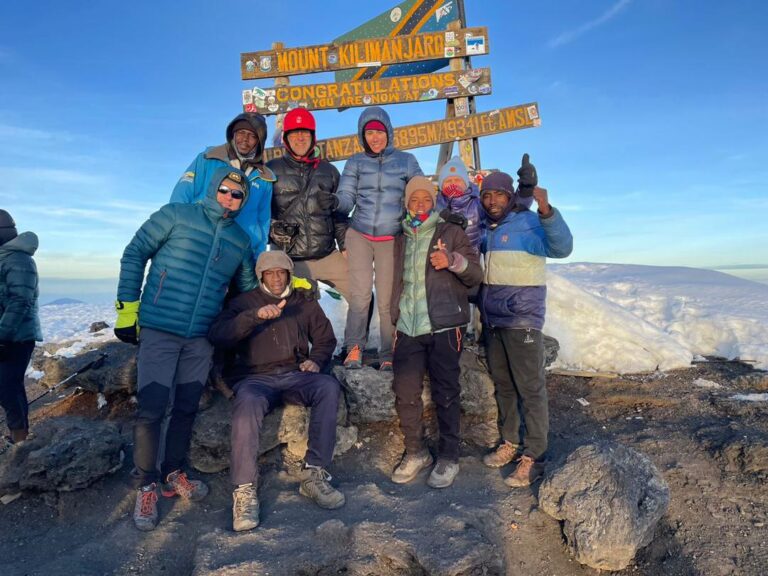
The summit night begins around midnight. You’ll ascend scree slopes under moonlight towards Stella Point, then continue to Uhuru Peak. After celebrating, you descend past Barafu Camp to Mweka Camp. - Day 7: Mweka Camp to Mweka Gate (1,640m/5,380ft)
Distance: 10 km / 6 miles
Time: 3-5 hours
Habitat: Rainforest.
A relatively short descent through the forest brings you to Mweka Gate, where you’ll be met by your transport. Congratulations on reaching the Roof of Africa! - Day 8: Buffer Day / Extra Acclimatization
This day is often included as a buffer or for an additional acclimatization day, perhaps at Shira 2 or Karanga Camp, further enhancing the premium experience and success rate. - Day 9: Departure from Mweka Gate
Celebrations and transfer to your hotel.
A 10-day itinerary would typically add an extra day at a lower altitude camp, such as Machame or Shira, or extend the day between Barranco and Karanga, allowing for even more recovery and acclimatization. This is where the “premium” aspect truly shines – prioritizing safety and success over speed.
When is the Best Time to Climb Kilimanjaro via the Northern Circuit in 2026-2027?
Kilimanjaro can be climbed year-round, but certain periods offer more favorable weather conditions, making them ideal for the Northern Circuit’s extended trek. The best times generally avoid the heavy rainy seasons.
- Dry Seasons:
- January to March: This is a popular period with generally clear skies and good visibility. It’s also colder, especially at higher altitudes, and there’s a chance of snow on the summit.
- June to October: This is the longest dry season and arguably the best time to climb. Days are usually sunny and warm, with cooler nights. Visibility is excellent, and the landscape is dry. This is a prime window for 2026-2027 expeditions.
- Rainy Seasons:
- April to May: This is the main rainy season, characterized by heavy rainfall, especially in the lower forest zones. Trekking can be challenging and less enjoyable, with reduced visibility and slippery trails.
- November to December: This is the short rainy season. While not as intense as the April-May rains, expect intermittent showers, particularly in the afternoons.
For a premium experience on the Northern Circuit, aiming for the June to October window in 2026 or 2027 is highly recommended. This period offers the best balance of clear skies, manageable temperatures, and dry trails, contributing significantly to a comfortable and successful climb.
What Makes a Northern Circuit Trek “Premium”? Inclusions and Service Standards
The “premium” aspect of a Northern Circuit trek is defined by the quality of service and the comprehensive inclusions provided by a reputable tour operator. When comparing operators for your 2026-2027 climb, look for these key elements:
Essential Inclusions for a Premium Trek
- Experienced & Certified Guides: A higher guide-to-client ratio, with guides who have extensive experience on Kilimanjaro, are Wilderness First Responder (WFR) certified, and possess excellent knowledge of altitude sickness management.
- High-Quality Equipment: Sturdy, well-maintained tents (including separate mess tents and toilet tents), comfortable sleeping mats, and high-quality sleeping bags suitable for extreme cold.
- Nutritious and Varied Meals: Freshly prepared, balanced meals served at appropriate times, catering to dietary requirements (vegetarian, vegan, allergies). This includes hot breakfasts, packed lunches, and hot dinners.
- Adequate Porters: Sufficient porters to carry all group gear, including tents, food, cooking equipment, and personal bags (within weight limits). This ensures the safety and comfort of the trekking team.
- Oxygen Systems: Availability of supplementary oxygen for emergency use, a critical safety feature for premium operators.
- Portable Toilet: A dedicated portable toilet tent with a chemical toilet for comfort, especially at higher camps.
- Pre- and Post-Trek Accommodation: Comfortable hotel stays in Moshi or Arusha before and after the climb, often including airport transfers.
- Briefings and Support: Comprehensive pre-climb briefings, ongoing support from a ground team, and post-climb celebrations.
- Park Fees and Permits: All necessary Kilimanjaro National Park entry fees, camping fees, and rescue fees are included.
What to Expect in Terms of Service
A premium operator prioritizes your safety, comfort, and success above all else. This translates to:
- Small Group Sizes: Often limited to 8-12 trekkers to ensure personalized attention and a better group dynamic.
- Dedicated Support Staff: A ratio of at least 1:3 guides to clients, with additional support crew for larger groups.
- Focus on Hygiene: Strict hygiene protocols for food preparation and personal sanitation.
- Emergency Preparedness: Robust emergency evacuation plans and communication systems.
When planning for 2026-2027, choose a company like Top Guide Adventures that clearly outlines these inclusions and demonstrates a commitment to high service standards. You can reach them via WhatsApp +255616946642 or Email topguideadventures@gmail.com to inquire about their premium Northern Circuit packages.
Cost Considerations for a Premium Northern Circuit Trek
The Northern Circuit, being the longest and often including higher service standards, is generally one of the more expensive routes. The cost reflects the extended duration, increased logistics, higher staff-to-client ratios, and superior equipment and food. For 2026-2027 expeditions, expect pricing to vary based on the operator’s inclusions and service level.
Typical Price Range for a Premium Northern Circuit Trek (2026-2027)
While exact prices depend on the operator and specific inclusions, a premium Northern Circuit trek typically ranges from $3,000 to $5,000 USD per person for a 9-10 day climb. This usually covers:
- All park fees and permits
- All meals on the mountain
- Accommodation before and after the climb (often 3-4 star hotels)
- Experienced, certified guides and adequate support crew
- Porters and their equipment
- All camping equipment (tents, sleeping bags, mats)
- Emergency oxygen and first-aid kit
- Transfers to and from Kilimanjaro International Airport (JRO)
- Potable water on the mountain
- Portable toilet
What is typically NOT included:
- International flights
- Visa fees
- Travel insurance (mandatory)
- Tips for guides, porters, and cooks (a significant portion of the crew’s income)
- Personal climbing gear (boots, clothing, backpack)
- Vaccinations and medications
- Lunches and dinners in town (unless specified)
- Personal expenses (souvenirs, drinks)
When comparing quotes for 2026-2027, ensure you are comparing like-for-like inclusions. A cheaper option might cut corners on safety, guide experience, or equipment quality, which is the antithesis of a “premium” trek.
Physical and Mental Preparation for the Northern Circuit
The Northern Circuit, while offering better acclimatization, is still a demanding high-altitude trek. Proper preparation is non-negotiable for a successful and enjoyable climb.
Physical Training
Focus on cardiovascular fitness and leg strength. The goal is to build endurance for long days of hiking with a backpack at altitude.
- Hiking: Aim for at least 3-4 long hikes (4-6 hours) per month in the 3-6 months leading up to your climb. Include hills or stairs to simulate ascents.
- Cardio: Engage in regular aerobic activities like running, cycling, swimming, or elliptical training for at least 30-60 minutes, 3-4 times a week.
- Strength Training: Focus on leg exercises (squats, lunges) and core strength.
- Backpack Training: Practice hiking with a weighted backpack (5-10 kg / 10-20 lbs) to get used to the load.
Mental Preparation
High altitude can be mentally challenging. The extended duration of the Northern Circuit means you’ll spend more time in remote environments.
- Understand the Challenges: Be prepared for cold temperatures, basic living conditions, potential discomfort from altitude, and long days.
- Positive Mindset: Cultivate a positive attitude and focus on the journey, not just the summit. Patience and perseverance are key.
- Familiarize Yourself with AMS: Understand the symptoms of Acute Mountain Sickness and trust your guides to monitor your health.
- Rest and Recovery: Learn to appreciate rest days and the importance of hydration and nutrition.
For trekkers planning in 2026-2027, start your training regimen early. The longer duration of the Northern Circuit demands a higher level of physical and mental readiness.
Essential Gear for Your Premium Northern Circuit Climb
While premium operators provide high-quality tents and sleeping bags, you’ll need to pack your personal gear carefully. Layering is crucial for adapting to Kilimanjaro’s varied climate zones.
Key Personal Gear Checklist:
- Footwear: Broken-in waterproof hiking boots, comfortable camp shoes/sandals.
- Clothing:
- Moisture-wicking base layers (synthetic or merino wool)
- Insulating mid-layers (fleece jackets, down vest)
- Waterproof and windproof outer shell (jacket and pants)
- Warm hiking pants and shorts
- Warm hat, gloves, and balaclava
- Sun hat with a wide brim
- Thermal underwear
- Sleeping Gear: High-quality, temperature-rated sleeping bag (rated to -15°C to -20°C / 0°F to -4°F) and a comfortable sleeping pad (though operators usually provide these, check first).
- Backpack: A comfortable 40-60 liter daypack for essentials, and a larger duffel bag (80-100 liters) for porters.
- Trekking Poles: Highly recommended for stability and reducing strain on knees.
- Headlamp: With extra batteries. Essential for summit night.
- Sun Protection: High SPF sunscreen, sunglasses, lip balm.
- Hydration: Water bottles or hydration reservoir (at least 3 liters capacity). Water purification tablets or filter.
- Personal Items: Toiletries, personal first-aid kit, blister treatment, insect repellent (for lower altitudes), hand sanitizer, camera, power bank.
- Documents: Passport, visa, travel insurance details, vaccination certificates.
Ensure your gear is tested and comfortable before your 2026-2027 expedition. Investing in quality gear can significantly enhance your comfort and safety on the mountain.
Safety on the Northern Circuit: Altitude Sickness and Emergency Procedures
Safety is paramount on any Kilimanjaro climb, and the Northern Circuit’s extended duration inherently improves safety through better acclimatization. However, vigilance is still required.
Understanding Acute Mountain Sickness (AMS)
AMS is the most common altitude-related illness. Symptoms include headache, nausea, dizziness, fatigue, and loss of appetite. It can progress to more severe forms like High Altitude Cerebral Edema (HACE) and High Altitude Pulmonary Edema (HAPE) if not managed properly.
- Prevention: Gradual ascent (as provided by the Northern Circuit), adequate hydration, avoiding alcohol and strenuous activity on arrival, and prophylactic medication (like Diamox, prescribed by your doctor).
- Management: The cardinal rule is to descend if symptoms worsen. Your guides are trained to recognize AMS and will make critical decisions regarding your health.
Emergency Procedures
Reputable tour operators, especially those offering premium treks, have robust emergency protocols:
- Communication: Guides carry radios or satellite phones for emergencies.
- Evacuation: In severe cases, a helicopter evacuation may be necessary (covered by travel insurance). Some operators have dedicated rescue teams.
- First Aid: Comprehensive first-aid kits are carried by guides, along with supplementary oxygen.
Choosing a premium operator for your 2026-2027 Northern Circuit climb means entrusting your safety to professionals with established emergency response systems.
The Northern Circuit vs. Other Kilimanjaro Routes
Understanding how the Northern Circuit compares to other popular routes helps solidify its “premium” status.
- Machame Route: Also known as the “Whiskey Route,” it’s popular, scenic, and offers good acclimatization (7 days). However, it’s more crowded and generally has a shorter duration than the Northern Circuit.
- Lemosho Route: Similar to the Northern Circuit in its western starting point and scenic beauty, Lemosho is often done in 7 or 8 days. The Northern Circuit is an extension of Lemosho, offering more days for acclimatization.
- Marangu Route: The “Coca-Cola Route,” it’s the only route with hut accommodation. It’s the shortest and fastest route, leading to significantly lower success rates due to poor acclimatization. Not considered a premium option for summit success.
- Rongai Route: Approaches from the north, good for drier conditions. Usually done in 6-7 days, less scenic than western routes.
- Umbwe Route: The most direct and steepest route, demanding excellent fitness and acclimatization. Not recommended for most trekkers, especially those seeking a premium, comfortable experience.
The Northern Circuit offers the best of Lemosho and Machame with added days, making it superior for acclimatization and success rates. Its longer duration and slower pace cement its position as a premium choice for those who can afford the time and budget for the 2026-2027 climbing seasons.
Booking Your Premium Northern Circuit Trek for 2026-2027
Selecting the right tour operator is as important as choosing the right route. For a premium Northern Circuit experience, partner with a company that prioritizes safety, quality, and client satisfaction.
Top Guide Adventures is a highly recommended operator for your Kilimanjaro climb. They specialize in tailor-made adventures and offer exceptional service standards for treks like the Northern Circuit. Their commitment to experienced guides, quality equipment, and client well-being ensures a memorable and successful journey to Uhuru Peak.
When you’re ready to plan your 2026 or 2027 expedition, reach out to the experts at Top Guide Adventures:
- WhatsApp: +255616946642
- Email: topguideadventures@gmail.com
- Backup Email: info@topguideadventures.com
- Website: www.topguideadventures.com
Discuss your preferences, ask detailed questions about their inclusions, safety protocols, and guide qualifications. Booking a premium Northern Circuit route to Uhuru Peak with a trusted operator like Top Guide Adventures is an investment in an unforgettable adventure for 2026-2027 and beyond.
Check Availability for Premium Northern Circuit Route To Uhuru Peak: Your Ultimate Kilimanjaro…
Ready to compare dates, prices, and the best option for your group? Send the package name and travel month so the team can reply with a clear quote, availability, and what is included.
 9 Days Luxury Northern Circuit Route: Your Ultimate Tanzania Safari 2026-2027Experience the pinnacle of wildlife viewing with a 9 Days Luxury Northern Circuit Route safari in Tanzania. This itinerary covers the iconic…View packageLemosho Route Private Climb To Uhuru Peak: Your Ultimate Guide 2026-2027Discover the ultimate guide to a Lemosho Route private climb to Uhuru Peak. This comprehensive resource details the best way to ascend…View package
 Luxury Northern Circuit Kilimanjaro Climb: Your Ultimate Guide 2026-2027start an unparalleled luxury ascent of Kilimanjaro via the Northern Circuit. This guide details the premium experience, optimal acclimatization…View package
 3 Northern Circuit Luxury Safaris: Top-Tier Tanzania Experiences 2026-2027Explore the pinnacle of Tanzanian wildlife viewing with three distinct luxury safari experiences in the Northern Circuit for 2026-2027. This…View packagePremium Lemosho Route Kilimanjaro Tour: Your Ultimate Expedition GuideThe Lemosho Route offers one of the most scenic and successful ascents of Kilimanjaro. Our premium tours ensure comfort, safety, and an…View package
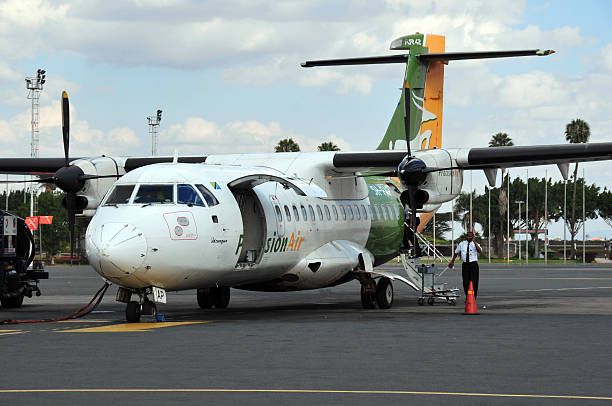 Lemosho Route Luxury Trek With Premium Camping: Your Ultimate KilimanjaroThe Lemosho Route offers a spectacular and longer ascent of Kilimanjaro, making it ideal for acclimatization and enjoying diverse landscapes…View packageLuxury Kilimanjaro Expedition To Uhuru Peak: Your Ultimate Guide 2026-2027A luxury Kilimanjaro expedition to Uhuru Peak offers a premium experience, focusing on comfort, expert guides, and higher success rates for…View package
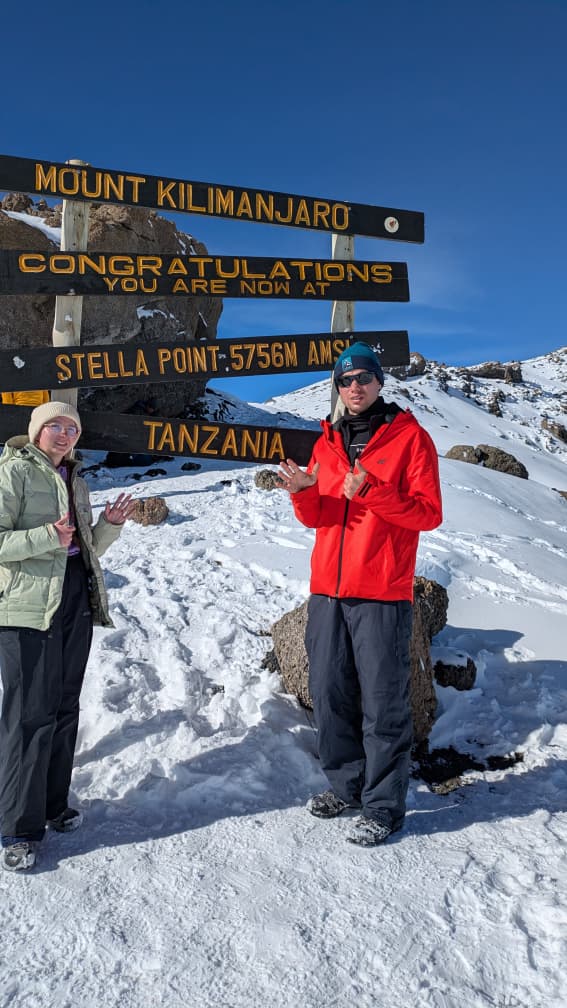 All-Inclusive Luxury Lemosho Route Kilimanjaro Package | Top Guide AdventuresPlanning an ascent of Kilimanjaro via the Lemosho route in luxury? This guide details the all-inclusive package options available for 2026-2027…View package
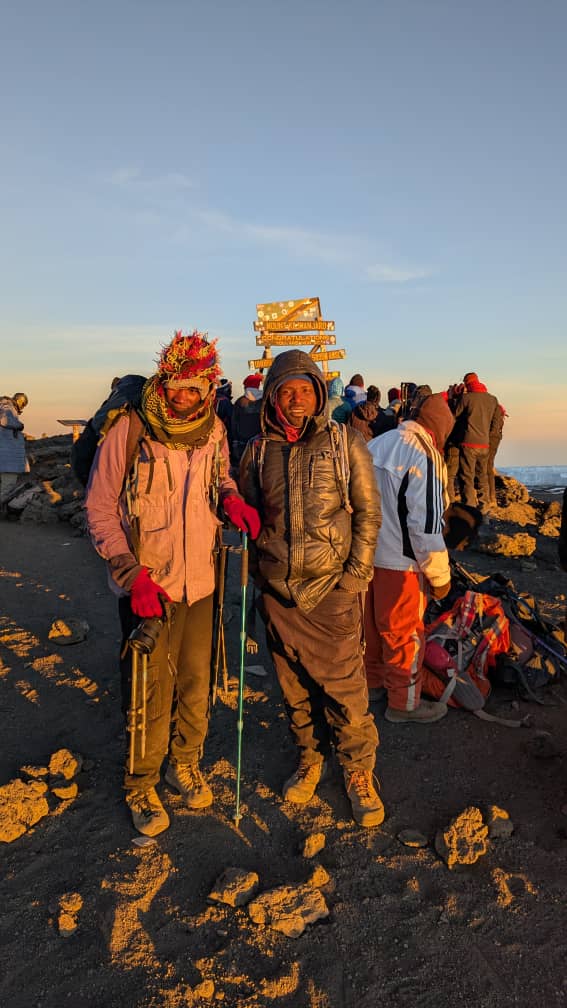 Luxury Lemosho Route With Personal Mountain Guide: Your Ultimate KilimanjaroThe Luxury Lemosho Route offers an elevated Kilimanjaro climbing experience, enhanced by the personalized attention of a dedicated mountain…View package
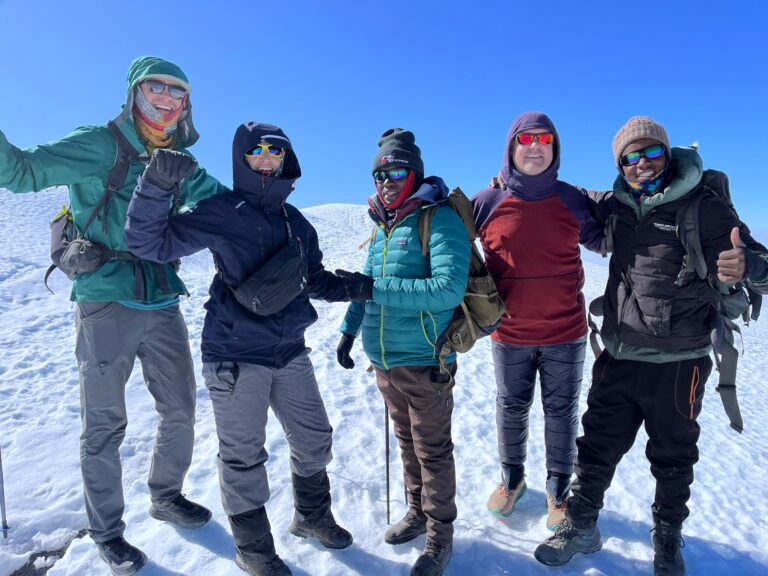 Lemosho Route Luxury Full Moon Climb Kilimanjaro 2026-2027Plan your ultimate Kilimanjaro adventure with a Lemosho Route luxury full moon climb. This guide details the benefits, preparations, and unique…View package
 Lemosho Route Luxury Group Departure: Your Ultimate Kilimanjaro AdventureDiscover the pinnacle of Kilimanjaro trekking with a Lemosho Route Luxury Group Departure. This article details what makes this exclusive…View package
 Luxury Lemosho Route For First-Time Climbers: Your Ultimate Guide 2026-2027A detailed 2026-2027 guide to Luxury Lemosho Route for First-Time Climbers, with clear planning and booking information for travelers.View package


