
Updated planning guide for 2026-2027
Responsible Adventure Journeys: Complete Guide 2026-2027
Discover how to plan and undertake responsible adventure journeys in Tanzania. This comprehensive guide covers sustainable safaris, ethical trekking, and community-focused Zanzibar holidays for 2026-2027.
WhatsApp +255616946642 | topguideadventures@gmail.com | info@topguideadventures.com
Responsible Adventure Journeys: Your Ultimate Tanzania Planning Guide
Planning responsible adventure journeys means creating travel experiences that benefit local communities, protect wildlife, and preserve the natural environment. Tanzania, with its iconic landscapes, diverse wildlife, and rich cultures, offers unparalleled opportunities for such meaningful travel. Whether you dream of witnessing the Great Migration on a safari, standing atop Mount Kilimanjaro, or relaxing on the spice-scented shores of Zanzibar, doing so with a commitment to responsibility elevates your trip from a simple vacation to a positive impact.
This guide is designed to help you navigate the complexities of planning responsible adventure journeys in Tanzania. We’ll cover everything from choosing ethical tour operators to understanding the local context, ensuring your travels contribute positively to the destinations you visit. By the end, you’ll be well-equipped to design an unforgettable and conscientious Tanzanian adventure for 2026-2027.
Quick Facts: Responsible Adventure Journeys in Tanzania
| Primary Destinations | Serengeti National Park, Ngorongoro Conservation Area, Mount Kilimanjaro, Zanzibar Archipelago, Tarangire National Park, Lake Manyara National Park |
| Key Activities | Wildlife Safaris, Mountain Trekking, Cultural Tours, Beach Holidays, Snorkeling/Diving, Bird Watching |
| Best Time to Visit | Dry seasons (June-October, January-February) for safaris and trekking; Zanzibar is pleasant year-round but drier from June-October and December-February. |
| Responsible Focus Areas | Community engagement, wildlife conservation, waste reduction, fair labor practices, supporting local businesses, cultural respect. |
| Typical Trip Length | 7-14 days for a comprehensive safari; 5-9 days for Kilimanjaro; 5-7 days for Zanzibar; longer for combined trips. |
Table of Contents
- Why Responsible Adventure Journeys Matter in Tanzania
- Choosing Ethical Tour Operators
- Responsible Safari Planning
- Responsible Kilimanjaro Trekking
- Responsible Zanzibar Holidays
- Best Time for Your Responsible Adventure
- Sample Responsible Adventure Itineraries
- What to Expect on Your Journey
- Packing and Preparation for Responsible Travel
- Common Mistakes to Avoid
- Who Are Responsible Adventure Journeys For?
- Alternatives to Traditional Tours
- Planning Your 2026-2027 Responsible Adventure
- Booking Your Responsible Adventure
- Frequently Asked Questions
Why Responsible Adventure Journeys Matter in Tanzania
Tanzania’s natural and cultural heritage is a treasure, but it faces pressures from tourism. Responsible adventure journeys are crucial for ensuring this heritage thrives for future generations. Here’s why your conscious choices make a difference:
- Wildlife Conservation: Responsible safaris adhere to strict viewing distances, avoid feeding animals, and support anti-poaching initiatives. This minimizes stress on wildlife and helps maintain natural behaviors.
- Community Empowerment: By choosing operators who employ local guides and staff, purchase goods from local markets, and contribute to community projects (like schools or healthcare), your travel directly benefits Tanzanian people.
- Environmental Protection: Minimizing waste, conserving water, respecting park rules, and choosing eco-friendly accommodations all help protect Tanzania’s fragile ecosystems, from the plains of the Serengeti to the forests of Kilimanjaro.
- Cultural Preservation: Respectful interactions with local communities, learning about traditions, and supporting authentic cultural experiences ensure that cultural heritage is valued and preserved, not commodified.
- Economic Sustainability: Supporting local businesses, from lodges to artisans, ensures that tourism revenue stays within Tanzania and contributes to long-term economic development.
Choosing Ethical Tour Operators
The tour operator you choose is your most significant decision in planning responsible adventure journeys. Look for companies that demonstrate a clear commitment to sustainability and ethical practices. Here’s what to check:
- Local Ownership/Management: Does the company have strong local ties? Are Tanzanians in leadership positions? This often means a deeper understanding of and commitment to local needs.
- Community Involvement: Do they actively support local communities? Ask about their partnerships with schools, clinics, or conservation projects. Do they hire and train local staff at fair wages?
- Environmental Policies: What are their practices regarding waste management, energy use, and water conservation? Do they use eco-friendly camps or lodges?
- Wildlife Viewing Guidelines: Do they have strict rules about animal encounters, such as maintaining distance, limiting vehicle numbers, and never feeding animals?
- Transparency: Are they open about their operations, pricing, and how your money is used? Look for detailed information on their website or ask direct questions.
- Certifications (if any): While not always present or comprehensive in Tanzania, look for any recognized sustainability certifications or affiliations.
TopGuideAdventures is committed to these principles. We are a locally owned and operated Tanzanian company dedicated to providing authentic and responsible travel experiences. We prioritize employing local guides and staff, supporting community initiatives, and adhering to strict environmental and wildlife conservation guidelines. Feel free to reach out to us via WhatsApp +255616946642 or Email topguideadventures@gmail.com to discuss how we can tailor your responsible adventure.
Responsible Safari Planning
Tanzania’s safaris are world-renowned. Planning one responsibly ensures the magic of its wildlife endures.
Choosing Your Parks Wisely
- Serengeti National Park: Famous for the Great Migration. Visiting during shoulder seasons can reduce crowds and minimize impact.
- Ngorongoro Conservation Area: A unique ecosystem. Stick to designated tracks and respect the conservation rules. Avoid single-use plastics.
- Tarangire National Park: Known for its large elephant herds and baobab trees. Offers a less crowded experience than Serengeti.
- Lake Manyara National Park: Famous for tree-climbing lions and birdlife. A good option for shorter trips or as part of a circuit.
Ethical Wildlife Viewing
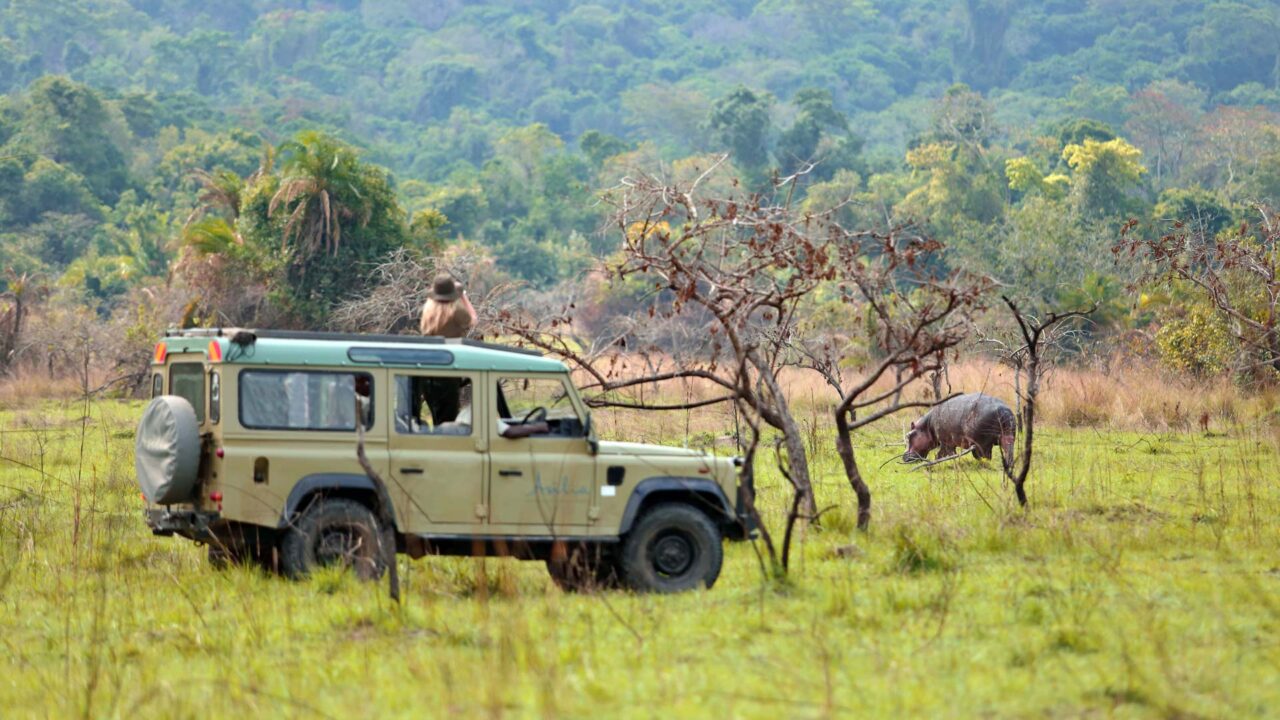
- Maintain Distance: Always respect the recommended distances from animals. Never encourage your driver to get too close.
- Quiet Encounters: Minimize noise. Loud talking or music can disturb wildlife.
- No Feeding: Never feed animals. It disrupts their natural diet and behavior, making them dependent and potentially aggressive.
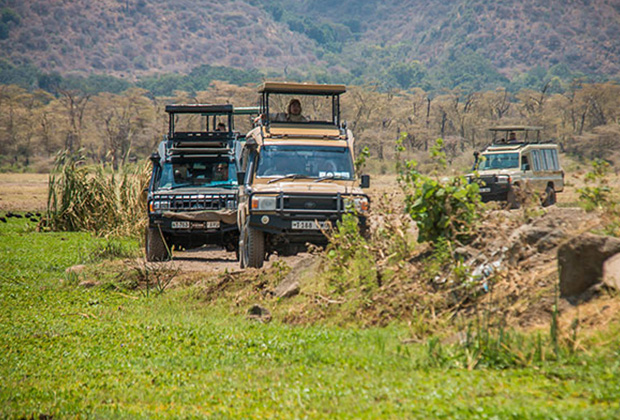
- Limit Vehicle Numbers: In sensitive areas, try to ensure your operator follows guidelines on limiting the number of vehicles around sightings.
- Stay on Tracks: Off-roading damages vegetation and disturbs wildlife habitats.
Supporting Local Communities on Safari
- Local Guides: Opt for safaris led by knowledgeable Tanzanian guides. They offer invaluable insights and benefit directly from your employment of them.
- Local Lodges/Camps: Choose accommodations that are locally owned or have strong community partnerships.
- Souvenirs: Purchase crafts from local markets or cooperatives, ensuring fair prices are paid.
Responsible Kilimanjaro Trekking
Climbing Kilimanjaro is a significant undertaking. Responsible trekking ensures the mountain’s environment and the well-being of porters are prioritized.
Choosing the Right Route and Operator
- Route Selection: Longer routes like the Lemosho, Machame, or Northern Circuit offer better acclimatization and higher success rates. They also tend to be less crowded than Marangu or Rongai.
- Porter Welfare: This is paramount. Ensure your operator is a member of KPAP (Kilimanjaro Porters Assistance Project) or has demonstrably fair practices regarding porter wages, food, equipment, and accommodation. Ask about their porter-to-client ratio.
- Environmental Practices: Responsible operators follow Leave No Trace principles. They ensure all waste is carried down the mountain, use designated campsites, and educate trekkers on environmental care.
On the Mountain
- Waste Management: Carry out everything you carry in, including all trash.
- Water Conservation: Use water sparingly.
- Respect Campsites: Stick to designated areas to minimize environmental impact.
- Porter Etiquette: Treat porters with respect. They are essential to your climb.
TopGuideAdventures is a proud supporter of KPAP and ensures all our trekking crew are treated ethically and paid fairly. We are committed to sustainable trekking practices on Kilimanjaro.
Responsible Zanzibar Holidays
Zanzibar offers beautiful beaches, rich history, and vibrant culture. Responsible tourism here focuses on supporting local communities and preserving its unique heritage.
Cultural Immersion
- Stone Town Tours: Hire local guides for historical tours. Be respectful when visiting religious sites.
- Spice Tours: Support local spice farms. Learn about the history and uses of spices directly from farmers.
- Local Villages: If visiting villages, do so with a local guide who can facilitate respectful interactions. Ask permission before taking photos of people.
Environmental Consciousness
- Beach Clean-ups: Participate in or support local beach clean-up initiatives.
- Marine Conservation: If snorkeling or diving, choose operators who respect marine life and coral reefs. Avoid touching coral and never purchase souvenirs made from sea turtle shells.
- Waste Reduction: Minimize plastic use. Carry a reusable water bottle and refuse single-use plastics.
- Water Usage: Be mindful of water consumption, especially in lodges.
Supporting Local Economy
- Local Restaurants: Eat at local eateries (bakeries, beachside cafes) to support small businesses.
- Artisans and Markets: Buy souvenirs directly from local artisans.
- Community-Based Tourism: Look for initiatives that directly benefit the communities you visit.
Best Time for Your Responsible Adventure
Tanzania has distinct seasons, and timing your visit can enhance your experience and contribute to more responsible travel.
| Activity | Peak Season (Less Crowded Option) | Shoulder Season (Good Balance) | Considerations for Responsible Travel |
|---|---|---|---|
| Serengeti Safari | June – October (Dry, Migration) | January – February (Calving Season) | Visit during shoulder months or less popular parks to reduce impact. Avoid peak migration river crossings if possible to minimize vehicle congestion. |
| Ngorongoro Crater | June – October (Dry) | January – February (Green Season) | Always dry season is best for wildlife viewing, but can be busy. Consider alternatives like Tarangire or Lake Manyara during peak times. |
| Kilimanjaro Trekking | January – March & June – October (Dry) | N/A (Rainy seasons are challenging) | Dry seasons are best for safety and success. Book well in advance to secure spots with responsible operators. |
| Zanzibar Holidays | June – October & December – February (Dry) | March – May (Rainy Season – quieter, greener) | Year-round destination. Quieter, greener months can offer a more authentic experience and support local businesses during off-peak times. Be mindful of humidity. |
Choosing shoulder seasons can mean fewer crowds, potentially lower prices, and a more intimate experience, which aligns well with responsible travel goals. It also helps distribute tourism benefits more evenly throughout the year.
Sample Responsible Adventure Itineraries
Here are a couple of example itineraries focusing on responsible adventure journeys. These are flexible and can be customized.
Itinerary 1: Northern Circuit Safari & Cultural Immersion (10 Days)
- Day 1: Arrival in Arusha. Transfer to a locally-owned lodge. Briefing on responsible travel practices.
- Day 2: Tarangire National Park. Game drive focusing on elephant herds and baobab trees. Stay at an eco-camp.
- Day 3: Lake Manyara National Park. Morning game drive, then visit a local community project supported by your operator.
- Day 4: Travel to Serengeti. Game drive en route. Arrive at central Serengeti.
- Day 5-6: Serengeti National Park. Explore different areas, focusing on ethical wildlife viewing. Support local guides.
- Day 7: Ngorongoro Conservation Area. Descend into the crater for game viewing. Adhere strictly to park rules. Stay at a lodge on the crater rim or nearby.
- Day 8: Cultural Day. Visit a Maasai village (ensure it’s a community-supported visit, not exploitative) or a local market.
- Day 9: Mto wa Mbu Village Tour. Experience local life and agriculture with a community guide.
- Day 10: Departure from Kilimanjaro International Airport (JRO).
Itinerary 2: Kilimanjaro Trek (Machame Route) & Zanzibar Relaxation (15 Days)
- Day 1: Arrival in Arusha. Meet your TopGuideAdventures trekking team for a detailed briefing.
- Day 2: Machame Gate to Machame Camp. Begin your Kilimanjaro trek. Focus on Leave No Trace principles.
- Day 3: Machame Camp to Shira Camp. Trekking through varied landscapes.
- Day 4: Shira Camp to Barranco Camp. Scenic day with acclimatization.
- Day 5: Barranco Camp to Karanga Camp. Famous Barranco Wall climb.
- Day 6: Karanga Camp to Barafu Camp. Prepare for summit night.
- Day 7: Summit Day & Descent to Mweka Camp. Reach Uhuru Peak, then descend.
- Day 8: Mweka Camp to Mweka Gate. Trek to the gate, receive your certificates. Transfer to Arusha for rest.
- Day 9: Fly to Zanzibar. Transfer to a sustainable beach lodge.
- Day 10: Stone Town Exploration. Guided tour with a local historian. Visit local craft shops.
- Day 11: Spice Tour. Engage with local farmers.
- Day 12: Beach Relaxation & Snorkeling. Choose eco-conscious marine tour operators.
- Day 13: Community Visit/Local Market. Support local initiatives.
- Day 14: Leisure Day. Enjoy the island responsibly.
- Day 15: Departure from Zanzibar.
These itineraries emphasize local engagement and sustainable practices. For custom responsible adventure journeys, contact TopGuideAdventures.
What to Expect on Your Journey
Responsible adventure journeys in Tanzania offer a rich and rewarding experience, but they also come with specific expectations:
- Authentic Interactions: Expect genuine encounters with local people and wildlife. This means sometimes observing animals from a distance and engaging in respectful conversations with communities.
- Environmental Awareness: You’ll be encouraged to be mindful of your resource consumption (water, electricity) and waste production. This might involve using refillable water bottles, avoiding single-use plastics, and participating in waste management.
- Support for Local Economy: Your choices will actively support local businesses, guides, and communities. This could mean eating at local restaurants, buying handicrafts directly from artisans, or visiting community-run projects.
- Patience and Flexibility: Travel in Tanzania can sometimes involve unexpected delays or changes. A responsible approach often means embracing these moments as part of the adventure and understanding local rhythms.
- Learning and Growth: These journeys are educational. You’ll learn about conservation efforts, local cultures, and the challenges and successes of sustainable tourism.
- Comfort Levels: Accommodation can range from comfortable eco-lodges and tented camps to basic but clean guesthouses. The focus is often on sustainability and local character rather than pure luxury, though luxury eco-options exist.
Packing and Preparation for Responsible Travel
Packing for a responsible adventure requires thoughtful choices to minimize your footprint.
Essential Packing List for Responsible Travel
- Reusable Water Bottle & Filter/Purifier: Crucial for avoiding single-use plastic bottles.
- Rechargeable Batteries & Power Bank: Reduce waste from disposable batteries.
- Eco-friendly Toiletries: Biodegradable soap, shampoo, and reef-safe sunscreen.
- Quick-Dry Towel: Useful for various accommodations and reduces laundry needs.
- Lightweight, Breathable Clothing: Neutral colors for safaris, layers for Kilimanjaro. Opt for natural or recycled fabrics where possible.
- Sturdy Hiking Boots (broken in): For Kilimanjaro or longer walking safaris.
- Sun Protection: Hat, sunglasses, high SPF sunscreen.
- Insect Repellent: Choose eco-friendly options if available.
- Small Backpack/Daypack: For daily excursions.
- Camera and Binoculars: To appreciate wildlife from a distance.
- Headlamp/Torch: Useful in lodges and camps.
- Basic First-Aid Kit: Including personal medications.
- Cash (USD/local currency): For tips, local markets, and small purchases. Ensure you have small denominations.
- A Positive and Open Mind: Essential for embracing new cultures and experiences.
Preparation:
- Vaccinations and Health: Consult your doctor well in advance for recommended vaccinations and malaria precautions.
- Travel Insurance: Ensure it covers medical emergencies and trip cancellations.
- Visa: Check visa requirements for Tanzania.
- Learn Basic Swahili Phrases: A few words like ‘Jambo’ (Hello), ‘Asante’ (Thank you), and ‘Karibu’ (Welcome) go a long way.
- Research Cultural Norms: Understand local customs regarding dress, greetings, and photography.
Common Mistakes to Avoid
Even with the best intentions, travelers can make mistakes. Here are common pitfalls to sidestep when planning responsible adventure journeys:
- Choosing the Cheapest Option: Low prices often mean corners are cut, potentially impacting porter welfare, guide pay, or environmental standards.
- Ignoring Porter Welfare: Not verifying an operator’s commitment to porters on Kilimanjaro is a major ethical lapse.
- Over-reliance on Single-Use Plastics: Failing to bring reusable items leads to significant waste in sensitive areas.
- Disrespectful Wildlife Viewing: Getting too close, feeding animals, or making excessive noise.
- Cultural Insensitivity: Dressing inappropriately, taking photos without permission, or being dismissive of local customs.
- Buying Souvenirs Made from Endangered Species: Avoid items made from ivory, coral, or animal skins.
- Not Researching Operators Thoroughly: Assuming all operators are equally responsible.
- Expecting Western Standards Everywhere: Be adaptable and appreciate the local context.
Who Are Responsible Adventure Journeys For?
Responsible adventure journeys in Tanzania are ideally suited for travelers who:
- Seek Meaningful Experiences: Those who want their travels to have a positive impact beyond personal enjoyment.
- Are Environmentally Conscious: Individuals who care about conservation and minimizing their ecological footprint.
- Value Cultural Exchange: Travelers eager to learn about and respectfully engage with local communities.
- Appreciate Wildlife: People who want to observe wildlife ethically and contribute to its protection.
- Are Adventurous: Those open to exploring diverse landscapes, from mountains to savannas to coastlines.
- Are Planning for 2026-2027: Proactive planners who want to secure spots with responsible operators and make informed choices.
- Seek Authenticity: Travelers looking for genuine experiences rather than mass-produced tourism.
This style of travel is not just for hardcore eco-warriors; it’s for anyone who wants to travel better and make a difference.
Alternatives to Traditional Tours
While organized tours are convenient, especially for responsible adventure journeys, alternative approaches exist:
- Community-Based Tourism Projects: Some organizations offer opportunities to stay and volunteer directly with local communities. This provides deep immersion but requires more independent planning.
- Independent Travel with Local Guides: You can arrange transport and some activities independently but hire local guides for specific excursions (e.g., park guides, cultural guides). This offers flexibility but requires more research to ensure ethical choices.
- Voluntourism: Carefully vetted voluntourism programs can contribute to conservation or community development, but thorough research is essential to avoid exploitative practices.
- Eco-Lodges with Integrated Experiences: Many lodges, particularly in more remote areas, offer their own responsible activities, guided walks, and community visits.
For most travelers seeking a balance of adventure, comfort, and guaranteed responsible practices, working with a reputable local operator like TopGuideAdventures remains the most effective way to plan responsible adventure journeys.
Planning Your 2026-2027 Responsible Adventure
Planning ahead is key for responsible travel, especially for popular destinations and activities in Tanzania. Here’s a timeline for your 2026-2027 adventure:
2026-2027 Planning Timeline
- 12-18 Months Before:
- Research destinations and activities (safari, Kilimanjaro, Zanzibar).
- Identify your core interests and desired level of responsibility.
- Start researching and shortlisting ethical tour operators.
- 9-12 Months Before:
- Contact shortlisted operators for quotes and itineraries. Discuss your responsible travel priorities.
- Book Kilimanjaro climbs well in advance due to limited permits and operator capacity.
- Book popular safari lodges or camps, especially for peak seasons.
- 6-9 Months Before:
- Confirm your booking with your chosen operator.
- Apply for your visa if required.
- Begin planning your international flights.
- 3-6 Months Before:
- Consult your doctor for vaccinations and malaria prophylaxis.
- Purchase travel insurance.
- Start purchasing necessary gear (hiking boots, quick-dry clothing, reusable water bottle).
- 1-3 Months Before:
- Finalize packing list.
- Learn basic Swahili phrases.
- Confirm all travel details with your operator.
- Exchange currency or plan ATM withdrawals.
- Weeks Before:
- Pack your bags.
- Inform your bank of your travel dates.
- Make copies of important documents (passport, visa, insurance).
Starting early allows you to secure the best operators, accommodations, and flight deals, and ensures you have ample time to prepare thoughtfully for responsible adventure journeys in 2026 and 2027.
Booking Your Responsible Adventure
Making your booking is the final step. Here’s how to do it confidently:
- Direct Communication: Speak directly with the tour operator. Ask specific questions about their responsible practices. For example, ask about their porter welfare policy on Kilimanjaro or their waste management on safari.
- Read Contracts Carefully: Understand what is included and excluded in your package. Pay attention to cancellation policies.
- Payment: Reputable operators will require a deposit to secure your booking. Clarify payment methods and schedules. Be wary of operators asking for full payment upfront in unusual ways.
- Confirmation: Ensure you receive written confirmation of your booking, including itinerary details, dates, and inclusions.
- Trust Your Gut: If an operator seems evasive about responsible practices or makes you uncomfortable, it’s okay to look elsewhere.
Ready to plan your responsible adventure journey? TopGuideAdventures is here to help you craft an unforgettable and impactful trip. Contact us:
- WhatsApp: +255616946642
- Email: topguideadventures@gmail.com
- Backup Email: info@topguideadventures.com
We specialize in creating customized Tanzanian experiences that respect the environment, support local communities, and provide incredible adventures for 2026-2027 and beyond.
Frequently Asked Questions
Q1: What is the most important aspect of a responsible adventure journey in Tanzania?
A1: The most important aspect is ensuring your travel benefits local communities and wildlife, while minimizing negative environmental and social impacts. This involves choosing ethical operators, respecting local culture, and making conscious choices throughout your trip.
Q2: How can I be sure a tour operator is truly responsible?
A2: Look for transparency, local ownership, clear community engagement programs, fair labor practices (especially for porters), and stated environmental policies. Ask direct questions and check for affiliations or certifications. TopGuideAdventures is happy to provide details on our practices.
Q3: Are responsible adventure journeys more expensive?
A3: Often, they can be. Ethical practices, fair wages, and sustainable operations can increase costs. However, the value lies in the positive impact and the authenticity of the experience. It’s about investing in a better travel model.
Q4: What are the main environmental challenges in Tanzania’s national parks?
A4: Key challenges include plastic waste, water scarcity, habitat degradation from off-road driving, and the impact of visitor numbers in popular areas. Responsible travelers help mitigate these issues.
Q5: Is it safe to travel to Tanzania for adventure journeys in 2026-2027?
A5: Tanzania is generally a safe destination for tourists. As with any travel, it’s important to stay informed, follow local advice, use reputable operators, and be aware of your surroundings. Responsible travel practices also contribute to positive community relations.
Q6: What kind of cultural interactions can I expect on a responsible journey?
A6: You can expect respectful interactions with local communities, opportunities to learn about traditions, visit local markets or villages (with local guides), and support community projects. Authenticity and respect are key.
Q7: How can I reduce my plastic footprint on safari?
A7: Bring a reusable water bottle and a water filter or purification tablets. Refuse plastic bags and straws. Choose lodges that minimize single-use plastics. Carry out any non-biodegradable waste you generate.
Q8: What are the best ways to support local communities in Zanzibar?
A8: Eat at local restaurants, buy handicrafts directly from artisans, hire local guides for tours, support community-based tourism initiatives, and be mindful of water and energy usage in accommodations.
Q9: Can I do a responsible adventure journey on a budget?
A9: While ultra-budget travel may compromise responsible practices, it is possible to have responsible adventure journeys without extreme luxury. Choosing shoulder seasons, opting for mid-range eco-lodges, and focusing on community-supported tours can help manage costs.
Q10: What should I tip my guides and porters in 2026-2027?
A10: Tipping is customary and greatly appreciated. Your operator should provide guidelines. For Kilimanjaro, tips are typically pooled for porters and guides. For safaris, tips are usually for your driver-guide. Ensure tips reflect good service and are given directly or through the operator’s recommended system.
Plan your Responsible Adventure Journeys with Top Guide Adventures
Tell us your travel dates, group size, comfort level, and dream experience. We will help you shape a clear, realistic, and memorable Tanzania itinerary.







 Veedesigner
 Fatma Kizanga
 Benjamin Waryuba
 Philip Philip
 John jr Itaja
 Antonia Optatus
 Edith Kanyere
 Neema Iddy
 Kelvin Boniphace
 Damari Maiga



