
Updated planning guide for 2026-2027
River-Based Adventure Journeys: Complete Guide 2026-2027
Discover the thrill of river-based adventure journeys in Tanzania. This comprehensive guide covers everything you need to know for an unforgettable experience in 2026-2027, from planning and routes to safety and booking.
WhatsApp +255616946642 | topguideadventures@gmail.com | info@topguideadventures.com

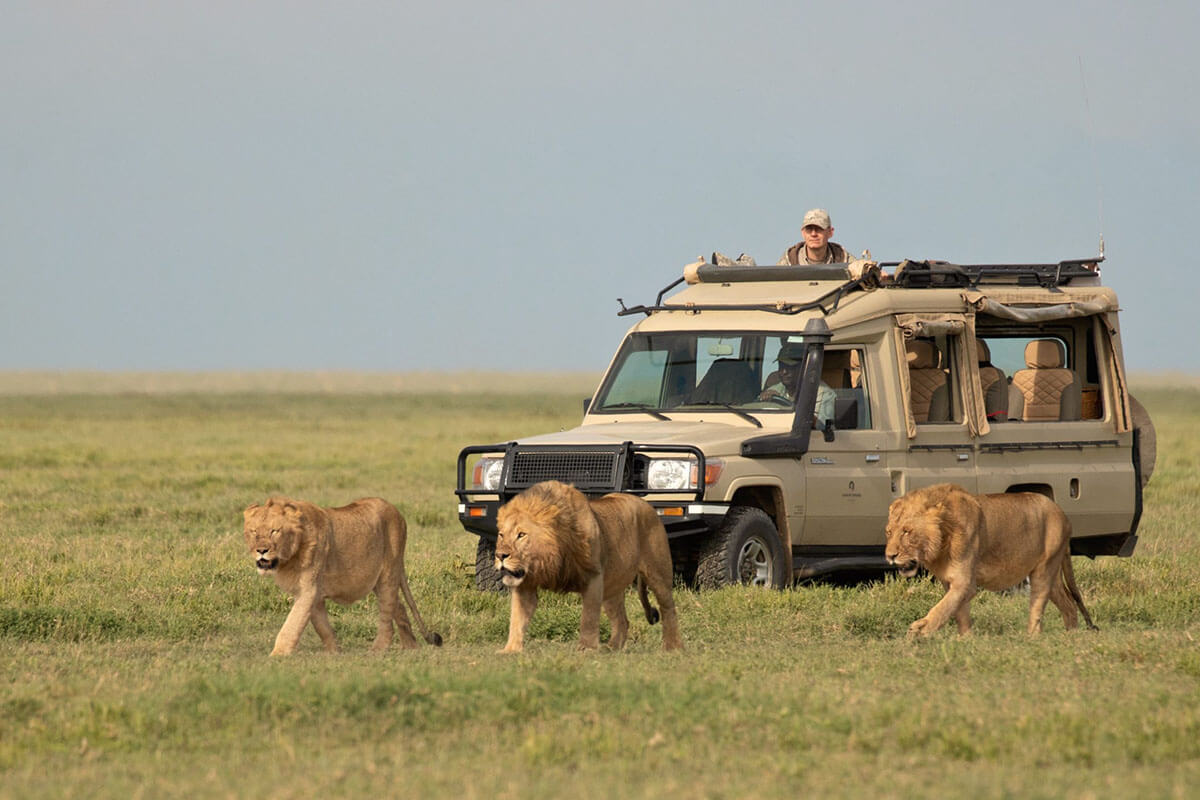
Your Ultimate Guide to River-Based Adventure Journeys in Tanzania
Tanzania is renowned for its iconic safaris and the majestic Mount Kilimanjaro, but beneath the surface of these celebrated experiences lies a world of exhilarating river-based adventure journeys waiting to be explored. These expeditions offer a unique perspective on the country’s diverse landscapes, from the dense rainforests of the west to the more arid river systems in the north. Whether you’re drawn to the rush of whitewater rapids or the serene beauty of paddling through untouched wilderness, Tanzania’s rivers provide a canvas for unforgettable adventures in 2026 and 2027.
This guide is designed to provide you with all the essential information to plan and execute a successful river adventure. We’ll cover what makes these journeys special, the best times to go, popular routes, what to expect, and how to prepare. By the end, you’ll be well-equipped to make informed decisions and book an experience that aligns with your adventurous spirit.
Quick Answers
- What are river-based adventure journeys? They are travel experiences centered around activities like whitewater rafting, kayaking, canoeing, or guided boat trips on Tanzania’s rivers, often combined with camping and wildlife viewing.
- Where are the best rivers for adventure in Tanzania? Key areas include the Rufiji River (for its delta and wildlife), the Pangani River (offering varied rapids), and smaller rivers in western Tanzania.
- When is the best time for river adventures? Generally, the dry seasons (June to October and December to February) are preferred for stable conditions and easier access, though specific river flows vary.
- What kind of wildlife can I see? Depending on the river, you might spot hippos, crocodiles, diverse birdlife, monkeys, and occasionally larger mammals coming to drink at the riverbanks.
- Do I need prior experience? Many operators offer trips suitable for beginners, providing all necessary training and safety equipment. More challenging routes may require some experience.
Table of Contents
- Quick Facts About River Adventures
- Overview: Tanzania’s River Adventures
- Why Choose a River-Based Journey?
- Best Time to Go: Seasonality and River Flows
- Popular River Routes and Areas
- Sample River Adventure Itinerary
- What to Expect on the River
- Packing and Preparation Guide
- Common Mistakes to Avoid
- Who Are River Journeys Best For?
- Alternatives to River Adventures
- Planning Your 2026-2027 River Adventure
- Booking Your River Adventure: Expert Tips
- Frequently Asked Questions (FAQs)
Quick Facts About River Adventures
| Aspect | Details |
|---|---|
| Primary Activities | Whitewater rafting, kayaking, canoeing, guided boat tours, multi-day expeditions. |
| Typical Duration | 1 day to 7+ days, depending on the route and operator. |
| Wildlife Viewing Opportunities | High, especially along riverbanks and in delta regions. Expect birds, reptiles, primates, and mammals. |
| Accommodation | Primarily camping (often riverside), sometimes lodges or basic camps at start/end points. |
| Required Fitness Level | Varies by river difficulty; generally moderate fitness is sufficient for most beginner/intermediate trips. |
| Best Regions | Rufiji River, Pangani River, various smaller rivers in western and northern Tanzania. |
| Seasonality | Generally dry seasons (June-Oct, Dec-Feb) are ideal. River levels fluctuate. |
Overview: Tanzania’s River Adventures
While Tanzania is globally recognized for its vast savannahs teeming with wildlife and the iconic peak of Kilimanjaro, its extensive network of rivers offers a distinct and equally compelling adventure. These waterways carve through diverse ecosystems, from the lush, biodiverse forests of the west to the more open plains and delta systems. River-based adventure journeys here are not just about the thrill of navigating water; they are immersive experiences that connect you intimately with the natural world, often in areas less frequented by typical tourists.
These expeditions typically involve rafts, kayaks, or sturdy canoes, guided by experienced local professionals who possess deep knowledge of the river’s currents, wildlife, and surrounding environment. Multi-day trips often include riverside camping, where the sounds of the African night are your soundtrack. It’s a chance to see Tanzania from a different angle, observing wildlife that congregates near water sources and appreciating the raw, untamed beauty of the landscape.
The focus is on active participation, whether it’s paddling through gentle stretches, navigating exciting rapids, or simply drifting and observing. This type of travel appeals to those seeking a more hands-on, adventurous way to experience Tanzania, moving beyond traditional game drives and treks.
Why Choose a River-Based Journey?
Opting for a river-based adventure journey in Tanzania offers a unique set of rewards that differentiate it from other travel styles. It’s an opportunity to:
- Experience Untouched Wilderness: Many river systems flow through remote areas that are inaccessible by road, offering a genuine sense of exploration and solitude.
- Intimate Wildlife Encounters: Rivers are vital lifelines for wildlife. You’ll have unparalleled opportunities to observe animals, especially birds, reptiles (like crocodiles and monitor lizards), primates, and mammals coming to drink, often from a much closer and less intrusive vantage point than from a vehicle. Hippos are common sights in many river systems.
- Active Engagement: Unlike passive sightseeing, river journeys require your participation. Paddling, navigating, and setting up camp foster a deeper connection with your surroundings and your fellow travelers.
- Unique Perspectives: See landscapes from a different angle. River valleys offer distinct geological formations, lush vegetation, and a sense of scale that’s hard to grasp from higher ground.
- Escape the Crowds: While popular safari destinations can be busy, many river routes are far less traveled, offering a more peaceful and authentic experience.
- Sense of Accomplishment: Successfully navigating a river, especially with rapids, provides a significant sense of achievement and shared experience.
- Educational Value: Local guides share invaluable knowledge about the ecosystem, local cultures, and river navigation, enriching the journey.
Best Time to Go: Seasonality and River Flows
Choosing the right time for your river adventure is crucial, as it impacts water levels, weather, and wildlife viewing. Tanzania experiences distinct wet and dry seasons, which directly affect river conditions.
| Period | Season | River Conditions | Wildlife & Weather |
|---|---|---|---|
| June – October | Dry Season (Long Dry) | Generally lower and more stable water levels, often ideal for beginner to intermediate rafting/kayaking. Some rivers may become too shallow for full expeditions later in the season. | Clear skies, pleasant temperatures, excellent for wildlife viewing as animals congregate around water sources. Lower humidity. |
| November | Short Rains | Water levels begin to rise. Can be unpredictable. | Vegetation starts to green up, temperatures can be warm and humid. Birding can be excellent. |
| December – March | Wet Season (Long Rains) | Higher water levels, potentially faster currents, and more challenging rapids. Some routes might be inaccessible or too dangerous. Kayaking can be excellent for experienced paddlers. | Lush green landscapes, good for photography. Can be hot and humid, with afternoon thunderstorms. Wildlife is more dispersed. |
| April – May | Long Rains | Rivers are typically at their highest and fastest. Many operations may be closed or offer limited services due to safety concerns and accessibility issues. | Cooler temperatures due to rain, but very wet and often overcast. Roads can be impassable. |
| June | Transition | Water levels start to recede, becoming more predictable. | Weather begins to dry out, temperatures become more pleasant. |
Key Considerations for 2026-2027:
- Consult Your Operator: Always check with your tour operator for their specific recommendations for the river you plan to explore. They will have the most up-to-date information on river conditions based on recent rainfall and seasonal patterns.
- River-Specific Needs: Some rivers are better suited for certain types of activities. For example, rivers with consistent flow might be better for kayaking year-round, while others are best for rafting only during specific high-water periods.
- Personal Preference: If you prefer calmer waters and easier navigation, aim for the dry season. If you seek the adrenaline of challenging rapids, inquire about the best months during or just after the rainy season (but be prepared for potential logistical challenges).
Popular River Routes and Areas
Tanzania’s river systems offer a range of experiences, from gentle wildlife cruises to thrilling whitewater challenges. Here are some of the most notable areas:
1. Rufiji River
The Rufiji River is Tanzania’s largest river by discharge volume and offers a unique blend of adventure and wildlife. Its vast delta system, emptying into the Indian Ocean, is a UNESCO World Heritage site and a haven for biodiversity.
- Activities: Primarily known for boat safaris and canoeing, especially within the Selous Game Reserve (now Nyerere National Park). While not typically a whitewater rafting destination, its sheer scale and wildlife abundance make it a prime location for river-based exploration. Kayaking is also possible in calmer sections.
- Wildlife: Exceptionally rich. Expect large populations of hippos and crocodiles, abundant birdlife (including kingfishers, fish eagles, and herons), and opportunities to see elephants, giraffes, and other mammals coming to drink at the river’s edge.
- Scenery: Diverse, from mangrove-lined channels in the delta to wider, more open river sections within the park.
- Best For: Wildlife enthusiasts, bird watchers, those seeking a more relaxed but incredibly scenic river experience.
2. Pangani River
Flowing from Mount Kilimanjaro towards the Indian Ocean, the Pangani River offers more dynamic water suitable for adventurous activities.
- Activities: This river is increasingly recognized for its potential for whitewater rafting and kayaking, particularly in its upper and middle reaches. Trips can range from half-day excursions to multi-day expeditions.
- Rapids: Offers a variety of rapids, often class II-III, suitable for those looking for some excitement without extreme difficulty. The flow can vary significantly with the seasons.
- Scenery: Passes through picturesque rural landscapes, small villages, and verdant hillsides.
- Best For: Adventure seekers, rafters, kayakers, and those wanting to experience a less-touristed, more active river journey.
3. Rivers in Western Tanzania (e.g., Mahale Mountains National Park area)
While not as developed for commercial river tourism as the Rufiji or Pangani, smaller rivers in the western regions, particularly those flowing into Lake Tanganyika, can offer unique expeditionary experiences.
- Activities: Kayaking and multi-day trekking with river crossings or short paddling sections. These are often more expeditionary and require significant planning and self-sufficiency.
- Wildlife: Offers chances to see chimpanzees and other primates in their natural habitat, along with diverse forest birdlife.
- Scenery: Dense rainforests, mountainous terrain, and pristine lake shores.
- Best For: Experienced adventurers, trekkers, and those seeking deep immersion in remote, biodiverse ecosystems.
4. Great Ruaha River (Ruaha National Park)
While primarily known for its game drives, the Great Ruaha River within Ruaha National Park is a significant water source and can offer opportunities for guided canoe trips or walking safaris along its banks during the dry season when sections may be passable on foot.
- Activities: Guided canoe trips are sometimes offered, providing a quiet way to observe wildlife. Walking safaris along dry riverbeds are also common.
- Wildlife: Ruaha is famous for its large elephant and buffalo herds, as well as predators like lions and cheetahs. The river is a focal point for these animals.
- Scenery: Dramatic, rugged landscapes with large baobab trees and the impressive river system.
- Best For: Those combining a safari with a unique river perspective, focusing on large mammals.
Sample River Adventure Itinerary: Pangani River Rafting (3 Days/2 Nights)
This sample itinerary focuses on a popular section of the Pangani River, offering a mix of whitewater excitement and scenic beauty. It’s designed for moderate fitness levels and can be adapted for different group sizes and preferences.
| Day | Morning Activity | Afternoon Activity | Evening | Accommodation |
|---|---|---|---|---|
| Day 1: Arrival & River Briefing | Arrive at the designated meeting point (e.g., Arusha or a local town). Transfer to the river put-in point. Meet your guides, receive a comprehensive safety briefing, and learn paddling techniques. Gear fitting (life vests, helmets). | Begin your first rafting or kayaking section. Navigate introductory rapids (Class I-II). Enjoy the scenic riverbanks and look for early wildlife sightings. Stop for a riverside picnic lunch. | Continue paddling to the designated riverside campsite. Assist with setting up camp. Enjoy dinner prepared by the expedition crew. Relax by the campfire, sharing stories. | Riverside Camping |
| Day 2: Whitewater & Exploration | After breakfast, pack up camp and get ready for a day of more challenging water. Tackle sections with Class II-III rapids, working with your guide to maneuver the raft or kayak. | Continue downstream. Stop for lunch at a scenic spot. Opportunities for swimming in calmer sections (if deemed safe by guides). More wildlife viewing opportunities. | Paddle to a new, picturesque campsite. Enjoy a hearty dinner and another evening under the stars. Guides might share local folklore or information about the river’s ecology. | Riverside Camping |
| Day 3: Final Stretch & Departure | Enjoy a final breakfast at camp. Pack up and embark on the last section of the river. This might include a few more exciting rapids or a particularly scenic stretch. | Reach the take-out point. Disembark from the rafts/kayaks. Celebrate the completion of your adventure with the team. Enjoy a final packed lunch. | Transfer back to your starting point or onward destination. Reflect on the incredible river-based adventure journey. | N/A (Departure) |
Notes:
- This is a sample and can be extended to 4-5 days for a more relaxed pace or to cover more challenging sections.
- The specific rapids encountered will depend on water levels.
- All meals, safety equipment, and guides are typically included. Accommodation before and after the trip is usually separate.
What to Expect on the River
River-based adventure journeys offer a distinct experience compared to land-based safaris or treks. Here’s what you can generally anticipate:
- Physical Activity: Expect to be actively involved. Paddling requires upper body strength and coordination. Even if you’re not paddling constantly, you’ll need to maintain balance and follow guide instructions, especially in rapids.
- Weather: Tanzania can be hot and humid, even during dry seasons. You’ll be exposed to the sun for extended periods. Afternoon thunderstorms are common during the wet seasons. Lightweight, quick-drying clothing is essential.
- Water Conditions: Rivers can range from calm and slow-moving to fast-flowing with significant rapids. You will get wet, whether from splashes, rapids, or intentional dips. Life vests are mandatory for safety.
- Wildlife: Wildlife sightings are frequent and often spectacular, but not guaranteed on demand. You’ll see many birds, reptiles (hippos and crocodiles are common), and primates. Larger mammals may appear at the riverbanks. Guides are skilled at spotting and interpreting animal behavior.
- Camping: Multi-day trips involve camping. Campsites are usually basic but set up in scenic riverside locations. Expect tents, sleeping bags, and camp chairs. Toilets are often improvised (e.g., a dug pit with a screen) or portable. Showers might be simple bucket washes.
- Food: Expedition crews typically prepare all meals. Expect wholesome, hearty food cooked over a campfire or portable stove. This can range from simple stews and grilled meats to more elaborate dishes. Dietary needs can usually be accommodated with advance notice.
- Guides: Your guides are your lifeline. They are trained in river navigation, safety, first aid, and often have extensive knowledge of local flora, fauna, and culture. Trust their judgment implicitly.
- Remoteness: You will likely be in remote areas with limited or no mobile phone signal or internet access. This is part of the appeal for many, offering a true escape.
- Hygiene: Maintaining hygiene requires effort. Hand sanitizer is crucial. Washing facilities are basic. Proper waste disposal is critical to minimize environmental impact.
Packing and Preparation Guide
Proper preparation is key to enjoying your river adventure. Pack light but smart, focusing on functional, quick-drying items.
Clothing:
- Quick-Drying Tops: 2-3 synthetic or merino wool t-shirts/long-sleeved shirts. Long sleeves offer sun protection.
- Quick-Drying Bottoms: 1-2 pairs of convertible hiking pants or quick-dry shorts. Avoid heavy cotton jeans.
- Swimsuit: For swimming in safe areas or wearing under wetsuit/shorts.
- Fleece or Insulated Jacket: Evenings can cool down, especially after a wet day.
- Waterproof/Windproof Jacket: Essential for rain and wind protection.
- Hat: Wide-brimmed hat for sun protection.
- Sunglasses: With a retainer strap to prevent loss.
- Sandals/Water Shoes: Comfortable footwear that can get wet and protect your feet on riverbanks or in camp.
- Closed-toe Shoes: A pair of sturdy, closed-toe shoes (like hiking shoes or trainers) for camp and travel.
- Socks: A few pairs of moisture-wicking socks.
Gear & Essentials:
- Backpack or Duffle Bag: A waterproof or water-resistant bag is highly recommended for your personal gear. Pack only what you need for the river trip.
- Dry Bags: Crucial for keeping electronics, medications, and valuables dry. Your operator might provide some, but bringing your own is wise.
- Sunscreen: High SPF, waterproof.
- Insect Repellent: Especially for evenings.
- Personal Toiletries: Biodegradable soap, toothbrush, toothpaste, small quick-dry towel.
- Medications: Any personal prescriptions, plus a basic first-aid kit (band-aids, antiseptic wipes, pain relievers, motion sickness medication if needed).
- Headlamp or Flashlight: With extra batteries. Essential for navigating camp at night.
- Water Bottle: Reusable, at least 1 liter.
- Camera/Phone: With waterproof casing or dry bag. Consider a power bank as charging opportunities will be limited.
- Book/Journal: For downtime.
- Binoculars: For wildlife viewing.
- Cash: For tips, souvenirs, or personal expenses.
Pre-Trip Preparation:
- Fitness: Engage in regular cardiovascular exercise and upper body strengthening in the months leading up to your trip.
- Hydration: Get used to drinking plenty of water daily.
- Consult Your Doctor: Discuss any health concerns and necessary vaccinations or malaria precautions.
- Inform Your Operator: Clearly communicate any dietary restrictions, allergies, or medical conditions.
Common Mistakes to Avoid
To ensure a smooth and enjoyable river adventure, be aware of these common pitfalls:
- Overpacking: Space in rafts and dry bags is limited. Pack only essentials. Heavy, bulky items are impractical.
- Bringing Valuables: Avoid bringing expensive jewelry, electronics, or large amounts of cash that you can’t afford to lose or damage.
- Underestimating the Sun: Even on cloudy days, the equatorial sun is intense. Neglecting sun protection (hat, sunscreen, long sleeves) can lead to severe sunburn.
- Ignoring Guide Instructions: Guides are trained professionals. Their instructions are for your safety and the success of the expedition. Always listen and comply.
- Not Staying Hydrated: It’s easy to forget to drink enough water when you’re having fun or focused on paddling. Dehydration can quickly lead to fatigue and illness.
- Using Cotton Clothing: Cotton absorbs water, dries slowly, and can make you cold and uncomfortable. Opt for synthetics or merino wool.
- Lack of Respect for Wildlife: Maintain a safe distance and never feed or try to touch wild animals. Be mindful of their space and behavior.
- Environmental Neglect: “Leave No Trace” principles are vital. Pack out everything you pack in, including food scraps. Use biodegradable soaps sparingly and away from water sources.
- Not Preparing for Basic Facilities: Expect rustic conditions, especially when camping. Understand that toilets and showers will be basic, and embrace the experience.
- Last-Minute Booking: Especially for popular periods or custom trips in 2026-2027, book well in advance to secure your preferred dates and operators.
Who Are River Journeys Best For?
River-based adventure journeys in Tanzania cater to a diverse range of travelers, but they particularly appeal to:
- Adventure Seekers: Individuals and groups looking for an active, adrenaline-fueled experience beyond traditional tourism.
- Nature Enthusiasts: Those who want to immerse themselves in pristine natural environments and observe wildlife up close.
- Photography Buffs: The unique perspectives and wildlife encounters offer fantastic photographic opportunities.
- Families with Older Children: Trips can be tailored for families, offering educational and exciting experiences for teenagers and adults. Age restrictions often apply based on river difficulty.
- Couples and Honeymooners: For a unique and memorable shared adventure that builds connection.
- Small Groups of Friends: An excellent bonding experience, fostering teamwork and shared challenges.
- Eco-Tourists: Travelers committed to responsible tourism who appreciate low-impact travel and conservation.
- Those Seeking Unique Experiences: Travelers who want to go beyond the typical tourist trail and discover a different side of Tanzania.
Not Ideal For:
- Travelers with severe mobility issues (unless a very specific, accessible tour is arranged).
- Very young children (operators have age limits).
- Individuals who are uncomfortable with basic camping or limited amenities.
- Those seeking luxury accommodation and fine dining throughout the trip.
Alternatives to River Adventures
If a full river expedition isn’t quite what you’re looking for, or if you want to complement it with other activities, consider these excellent Tanzanian adventures:
| Activity | Description | Similarities to River Journeys | Differences |
|---|---|---|---|
| Classic Safari (Serengeti, Ngorongoro) | Game drives in national parks to observe the “Big Five” and vast wildlife populations. | Wildlife viewing, natural landscapes, guided experiences. | Vehicle-based, less physically demanding, focused on large mammals, often more developed infrastructure. |
| Mount Kilimanjaro Trekking | Climbing the highest peak in Africa via various routes. | Challenging, multi-day expedition, camping, sense of accomplishment. | High altitude, focus on trekking and endurance, different environment (alpine), less direct wildlife interaction. |
| Zanzibar Beach Holidays | Relaxing on white-sand beaches, snorkeling, diving, exploring Stone Town. | Water-based activities (snorkeling/diving), tropical environment. | Relaxation focus, less physically demanding (unless diving), different cultural experience, coastal environment. |
| Walking Safaris (e.g., Ruaha, Selous) | Guided hikes in wilderness areas, often accompanied by armed rangers. | Immersive nature experience, wildlife viewing, active. | On foot, focus on tracking and smaller details of the bush, different sense of scale and perspective than from a river. |
| Canoe Safaris (e.g., Lake Manyara, Rufiji Delta) | Paddling in canoes on lakes or calmer river sections. | Water-based, wildlife viewing, quiet observation. | Less physically demanding than rafting/kayaking, generally calmer waters, focus on birds and aquatic life. |
Planning Your 2026-2027 River Adventure
Planning ahead is essential for a successful trip, especially for 2026 and 2027. Here’s a step-by-step approach:
1. Define Your Adventure Goals:
- What kind of experience are you seeking? Pure adrenaline whitewater, relaxed wildlife viewing, a multi-day expedition, or a combination?
- What is your budget? River trips can vary significantly in cost based on duration, inclusions, and operator.
- Who is traveling? Consider the fitness levels, ages, and interests of everyone in your group.
- When do you want to travel? Research the best seasons for your chosen river and factor in your personal availability for 2026 or 2027.
2. Research Rivers and Operators:
- Identify Suitable Rivers: Based on your goals, research which rivers in Tanzania best fit your needs (e.g., Pangani for rafting, Rufiji for boat safaris).
- Find Reputable Operators: Look for companies with strong safety records, experienced guides, good reviews, and a commitment to responsible tourism. Check their websites for detailed trip descriptions, itineraries, and what’s included.
- Compare Inclusions: Understand what each operator includes (meals, equipment, guides, transfers, park fees, accommodation).
3. Understand Seasonality and Logistics:
- Check the Best Time: Revisit the seasonality guide for your chosen river. For 2026-2027, be aware that weather patterns can be unpredictable.
- Factor in Travel Time: Tanzania is large. Account for travel time to and from the river put-in/take-out points, which can often involve long drives or domestic flights.
- Combine with Other Activities: If you’re planning a longer trip, decide how your river adventure fits with safaris, Kilimanjaro climbs, or Zanzibar visits. Book these components in advance.
4. Booking and Preparation Timeline (Example for 2027):
| Timing | Action |
|---|---|
| 12-18 Months Prior | Research destinations and types of river adventures. Identify potential operators. Set your budget. Book international flights if prices are favorable. |
| 9-12 Months Prior | Contact operators for quotes and availability. Discuss customization options. Book your preferred river trip and pay the deposit. |
| 6-9 Months Prior | Book any connecting flights or other major components of your Tanzania trip (e.g., safari, Kilimanjaro). Start a basic fitness program. |
| 3-6 Months Prior | Begin serious physical training. Research and purchase necessary gear (quick-dry clothing, waterproof bags, etc.). Confirm visa requirements. |
| 1-3 Months Prior | Get any recommended vaccinations or malaria prophylaxis. Finalize travel insurance. Confirm all trip details with your operator. Start packing. |
| 2-4 Weeks Prior | Do a final gear check. Pack your bags. Confirm flight details. Inform your bank of your travel dates. |
| During Trip | Stay hydrated, follow safety guidelines, respect the environment and wildlife, and enjoy the adventure! |
Booking Your River Adventure: Expert Tips
Securing the right tour operator and package is crucial for a safe and enjoyable river-based adventure journey. Here’s how to approach booking:
- Prioritize Safety Records: This is paramount for any adventure activity. Ask potential operators about their safety protocols, guide certifications (e.g., wilderness first responder), emergency procedures, and equipment maintenance. A reputable operator will be transparent about this.
- Vet Your Operator Thoroughly: Look for established companies with a strong local presence. Check online reviews, testimonials, and ask for references if possible. A good operator will have deep knowledge of the local rivers and environment.
- Understand Inclusions and Exclusions: Carefully read what is and isn’t included in the price. This typically covers guides, safety equipment, meals during the trip, and camping gear. Exclusions often include transport to the put-in point, park fees (sometimes), tips, personal gear, and accommodation before/after the trip.
- Ask Detailed Questions: Don’t hesitate to ask about guide experience, group sizes, typical river conditions for your travel dates, the quality of food, and camping facilities. For 2026-2027 trips, inquire about their contingency plans for weather disruptions.
- Confirm Itinerary Flexibility: River conditions can change rapidly. Ensure your operator has a plan for adapting the itinerary if necessary due to weather or water levels, and understand how this might affect the trip.
- Read the Contract Carefully: Understand the payment schedule, cancellation policy, and terms and conditions before signing and paying any deposit.
- Consider Travel Insurance: Ensure your travel insurance covers adventure activities like rafting or kayaking, including medical evacuation.
- Book in Advance: For popular seasons or specific river sections, especially for 2026 and 2027 travel, booking several months ahead is advisable to secure your spot.
- Communicate Clearly: Be upfront about any medical conditions, dietary needs, or special requirements you or members of your group may have.
Ready to plan your adventure? Contact us to discuss your ideal river-based adventure journey. We can help tailor an experience that matches your interests and ensures a safe, memorable trip.
WhatsApp: +255616946642
Email: topguideadventures@gmail.com
Backup Email: info@topguideadventures.com
Frequently Asked Questions (FAQs)
1. How safe are river-based adventure journeys in Tanzania?
Safety is paramount. Reputable operators use experienced guides trained in river navigation and first aid, provide high-quality safety equipment (life vests, helmets), and conduct thorough safety briefings. While rapids present inherent risks, following guide instructions significantly minimizes them. For 2026-2027, ensure your operator has robust safety protocols.
2. What is the typical group size for a river trip?
Group sizes can vary. For whitewater rafting, rafts typically carry 4-8 passengers plus a guide. For kayaking trips, groups might be smaller, perhaps 6-10 individuals with guides. Smaller groups often offer a more intimate experience.
3. Do I need to be a strong swimmer?
While strong swimming skills are not always mandatory for rafting (as you’ll wear a life vest), being comfortable in and around water is essential. For kayaking, better swimming ability is advantageous. Your operator will advise on specific requirements.
4. What happens if the weather is bad?
Operators will monitor weather conditions closely. For light rain, trips usually continue. For severe thunderstorms or dangerous river levels, trips may be postponed, rescheduled, or an alternative activity offered. This should be covered in the operator’s terms and conditions.
5. Can children participate in river adventures?
Yes, but age limits apply and vary by operator and river difficulty. For example, milder sections of the Pangani might be suitable for children aged 10+, while more challenging rivers have higher age minimums. Always confirm with your operator.
6. What kind of food is served on multi-day trips?
Expect hearty, well-prepared meals cooked by the expedition team. This typically includes breakfast, lunch, and dinner, often featuring local ingredients, stews, grilled meats, fresh fruits, and vegetables. Dietary needs can usually be accommodated with advance notice.
7. How much should I tip the guides and crew?
Tipping is customary and appreciated for good service. A general guideline is $10-$20 USD per traveler per day for the entire crew (guides, cooks, support staff), to be pooled and distributed. Your operator can provide more specific recommendations.
8. What about toilets and showers during camping?
Camping facilities are basic. Toilets are often improvised (e.g., a dug pit with a privacy screen) or portable. Showers are typically simple bucket washes with warm water. Embrace the rustic nature of the experience.
9. Can I bring my own kayak or raft?
This is generally not recommended for standard tour packages, as operators provide all necessary safety-certified equipment. If you have specific expedition needs, discuss this directly with operators well in advance.
10. What are the best river-based adventure journeys for 2026-2027?
For active adventure, the Pangani River offers excellent whitewater rafting and kayaking. For a more relaxed, wildlife-focused experience, boat safaris and canoeing on the Rufiji River are unparalleled. Planning for 2026-2027 should involve booking early, especially if you aim for peak dry seasons.
Ready for Your Tanzanian River Adventure?
Tanzania’s rivers offer an extraordinary pathway to experiencing the country’s wild heart. Whether you’re drawn to the thrill of rapids or the serene beauty of wildlife-rich waters, a river-based adventure journey promises an unforgettable escape. Let us help you craft the perfect expedition for 2026 or 2027.
Get in touch to discuss your ideal itinerary, safety protocols, and booking details. We are committed to providing expertly guided, safe, and memorable river adventures.
Contact us today:
WhatsApp: +255616946642
Email: topguideadventures@gmail.com
Backup Email: info@topguideadventures.com
Plan your River-Based Adventure Journeys with Top Guide Adventures
Tell us your travel dates, group size, comfort level, and dream experience. We will help you shape a clear, realistic, and memorable Tanzania itinerary.







 Veedesigner
 Fatma Kizanga
 Benjamin Waryuba
 Philip Philip
 John jr Itaja
 Antonia Optatus
 Edith Kanyere
 Neema Iddy
 Kelvin Boniphace
 Damari Maiga



