
Ruaha National Park, Tanzania’s largest and arguably wildest national park, offers an unparalleled experience for photographers seeking raw, untamed African landscapes and exceptional wildlife encounters. If you’re aiming for the Ruaha photographic safari best experience, particularly with plans for 2026 or 2027, you’re looking at a destination that rewards patience, keen observation, and a good lens. This guide is designed to equip you with everything you need to know to capture the essence of Ruaha, from its majestic predators to its vast, rugged terrain.
For many wildlife photographers, Ruaha stands out due to its sheer scale and the relative lack of crowds compared to more famous northern circuit parks. This means more intimate sightings and undisturbed moments, crucial for capturing compelling images. The park is renowned for its large elephant herds, significant populations of predators like lions, leopards, cheetahs, and African wild dogs, and a diverse array of antelope species, including the greater and lesser kudu, sable, and roan antelope. Birdlife is also prolific, making it a haven for avian photographers.
Understanding the nuances of Ruaha is key to a successful photographic safari. This includes knowing the best times to visit for optimal light and animal behavior, the most productive areas within the park, and the type of photography each season facilitates. We’ll cover these aspects in detail, alongside practical advice on planning your trip for 2026-2027, ensuring your photographic goals are met.
Why Ruaha is a Premier Destination for Photographic Safaris
Ruaha’s appeal for photographers stems from a combination of factors that create a unique photographic canvas. Unlike some parks where wildlife can become accustomed to vehicles, Ruaha’s vastness and lower visitor numbers mean animals often behave more naturally. This authenticity is gold for photographers.
Untamed Landscapes: The park’s topography is dramatic. The Great Ruaha River, which is dry for much of the year, becomes a focal point during the wet season, attracting wildlife. The Mdonya Falls, rocky outcrops, acacia woodlands, and vast open plains create a visually rich backdrop for any shot. The sheer scale of the park means that even when you see wildlife, the surrounding environment often tells a story of its own. This is critical for photographers who aim to create images with context and atmosphere.
Predator Density: Ruaha is particularly celebrated for its lion populations, often featuring large prides. It’s also one of the best places in East Africa to see African wild dogs, whose social dynamics and hunting behaviors are fascinating to document. Leopards and cheetahs are present, though more elusive. The concentration of predators, especially during the dry season when they congregate near water sources, provides incredible photographic opportunities.
Elephant Herds: Ruaha is home to one of the largest elephant populations in Tanzania. These magnificent animals, often seen in large family groups, are a constant and impressive presence. Capturing their interactions, their sheer size against the landscape, or the details of their skin and tusks offers a deeply rewarding photographic experience.
Birding Paradise: With over 570 bird species recorded, Ruaha is a magnet for bird photographers. The park’s diverse habitats support a wide range of resident and migratory birds, from raptors to waterbirds and woodland species. The dry season, when vegetation is sparser, can be particularly good for spotting and photographing birds.
Fewer Crowds: While visitor numbers are growing, Ruaha remains less frequented than the Serengeti or Maasai Mara. This means more exclusive sightings, less competition for prime photographic positions, and a greater sense of being immersed in the wild. For photographers, this translates to fewer vehicle tracks in the frame and more undisturbed animal behavior.
Best Times for a Ruaha Photographic Safari: Aligning with Light and Wildlife
The ‘best’ time for a Ruaha photographic safari is subjective and depends on what you prioritize. Ruaha experiences a distinct dry and wet season, each offering unique advantages and challenges for photographers.
The Dry Season (June to October): The Photographer’s Prime Time
This period is generally considered the Ruaha photographic safari best season for wildlife viewing and photography. The landscape is dry, vegetation is sparse, and animals are concentrated around the remaining water sources, particularly the Great Ruaha River. This makes them easier to spot and photograph.
- Wildlife Concentration: With water scarce, animals are drawn to rivers and waterholes. This is prime time for predator sightings, as they wait for prey. Lion prides, wild dogs, and leopards are more visible.
- Clear Skies and Dramatic Light: The dry season offers clear, crisp air, leading to excellent light quality, especially during the golden hours of sunrise and sunset. This is crucial for photographers seeking dramatic skies and warm, flattering light.
- Easier Game Drives: The dry conditions mean that roads are generally in better condition, allowing for easier and more extensive game drives.
- Challenges: Dust can be an issue, so lens protection is vital. The landscape can appear parched, which some photographers may find less visually appealing than the greener wet season.
The Wet Season (November to May): Greenery and Unique Opportunities
The wet season, also known as the ‘green season’ or ‘low season’, transforms Ruaha into a lush, vibrant landscape. While wildlife viewing can be more challenging due to thicker vegetation and scattered water sources, it presents unique photographic opportunities.
- Lush Scenery: The park becomes incredibly green and beautiful, offering stunning backdrops for wildlife shots. This is ideal for landscape photography interspersed with wildlife.
- Calving Season: Many herbivores give birth during the early wet season (November to January), leading to the presence of young, playful animals, which are always a delight to photograph.
- Birdlife: Migratory birds arrive, and resident birds are in breeding plumage, making it an excellent time for bird photographers.
- Fewer Tourists: This is the low season, meaning fewer visitors and potentially lower prices.
- Challenges: Roads can become impassable, limiting game drive access. Wildlife is more dispersed and harder to spot in the dense vegetation. Photography can be challenging due to overcast skies and shorter daylight hours.
Shoulder Seasons (April-May and November-December)
These periods can offer a good balance. You might catch the tail end of the rains or the beginning of the dry season, with fewer crowds than the peak dry months and a mix of green landscapes and accessible wildlife.
For 2026 and 2027 photographic safari planning, the dry season months of July, August, September, and October will likely offer the most reliable and rewarding experiences for general wildlife photography, especially for predators and large mammals. However, if your focus is on birds or you prefer lush scenery, the early wet season can be exceptional.
Top Locations within Ruaha for Photographers
Ruaha’s vastness means that different areas excel at different times and for different species. Understanding these regions helps tailor your photographic pursuits.
The Great Ruaha River and its Tributaries
This is the park’s lifeblood, especially during the dry season. The riverbeds, waterholes, and surrounding areas are magnets for wildlife.
- Predator Hotspot: Lions, leopards, and cheetahs are frequently seen hunting or resting near the river. Wild dogs often patrol these areas.
- Elephant Concentration: Large herds of elephants come to drink and bathe.
- Birdlife: Waterbirds, kingfishers, and raptors are abundant along the riverbanks.
- Best for: Dramatic predator action, large mammal portraits, and scenic riverine shots.
The Mdonya Area
Known for its open plains and acacia woodlands, this area offers excellent visibility.
- Cheetah and Lion Habitat: Cheetahs often hunt on the open plains, and lions are common here.
- Antelope Species: Grant’s gazelles, Thomson’s gazelles, and other plains game are plentiful.
- Best for: Wide-angle shots with animals in their environment, cheetah action, and classic savannah scenes.
The Jongomero Area
This area, particularly around the Jongomero waterhole, is a prime location during the dry season.
- High Wildlife Traffic: It attracts a diverse range of animals seeking water, including predators, elephants, and various antelope.
- Photographic Hides: Some lodges offer photographic hides near waterholes, allowing for very close-up, low-angle shots.
- Best for: Intimate animal portraits, waterhole action, and diverse species sightings.
The Mzizima Area
This region offers a mix of woodland and open country.
- Kudu and Sable Antelope: These more elusive antelope species are often found in the denser woodlands here.
- Leopard Potential: Leopards are known to frequent the tree-lined areas.
- Best for: Capturing shy species and detailed shots of woodland dwellers.
When planning your 2026-2027 Ruaha photographic safari, discuss with your tour operator which areas will be most productive based on the specific time of year you intend to visit. A good operator will tailor your itinerary to maximize your chances in these prime locations.
Essential Gear for Your Ruaha Photographic Safari
To make the most of your photographic opportunities in Ruaha, having the right gear is crucial. Investing in quality equipment can significantly enhance your results.
Camera Bodies
- DSLR or Mirrorless: Both offer excellent performance. Consider bodies with good low-light capabilities (high ISO performance) and fast autofocus systems, especially for tracking fast-moving animals.
- Backup Body: For serious photography, a backup camera body is highly recommended.
Lenses
This is where you’ll want to invest the most. Versatility is key.
- Telephoto Zoom Lens: A 100-400mm, 150-600mm, or similar is essential for capturing wildlife from a distance. Look for lenses with good image stabilization.
- Mid-Range Zoom Lens: A 24-70mm or 24-105mm is useful for wider shots, landscapes, and when animals are closer.
- Prime Lens (Optional): A 50mm or 85mm prime can be excellent for portraits or in low light if you have the opportunity for stationary subjects.
- Wide-Angle Lens (Optional): For dramatic landscapes and star photography if you plan to stay out after dark.
Accessories
- Tripod or Monopod: Essential for stability with telephoto lenses, especially in low light. A monopod is more practical for vehicle-based photography.
- Plenty of Memory Cards: High-speed cards are recommended. Bring more than you think you’ll need.
- Extra Batteries: Always carry spares, as charging opportunities can be limited.
- Lens Cleaning Kit: Microfiber cloths, lens cleaner, and a blower brush are vital for managing dust.
- Rain Cover/Sleeve: Especially important during the wet season or if driving in dusty conditions.
- Camera Bag: A sturdy, comfortable bag that can protect your gear from dust and impact.
- Power Bank/Adapter: For charging devices in the vehicle or lodge.
Protective Gear
Ruaha can be dusty, especially in the dry season. Protecting your equipment is paramount.
- Dust Bellows/Covers: Consider a dedicated dust cover for your camera and lenses.
- Ziploc Bags: Useful for protecting gear from dust and moisture.
For your 2026-2027 trip, ensure your gear is in good working order well in advance. Consider renting specialized lenses if you don’t own them.
Photography Tips for Capturing Ruaha’s Essence
Beyond the gear, technique and approach are vital for outstanding wildlife photography.
Master the Golden Hours
Sunrise and sunset offer the most beautiful light for photography. The warm, soft light enhances textures and creates dramatic shadows. Plan your game drives to be out during these times.
Focus on Animal Behavior
The most compelling photographs tell a story. Look for interactions between animals, hunting sequences, mother-and-offspring moments, or unique behaviors. Patience is key.
Composition is Crucial
Don’t just point and shoot. Use the rule of thirds, look for leading lines, frame your subject with the environment, and pay attention to the background. A clean background makes your subject stand out.
Experiment with Angles
Don’t always shoot from eye level. Get low to the ground for a more intimate perspective, especially with animals that are lower to the ground. Your guide can help position the vehicle.
Capture the Landscape
Ruaha’s scenery is as much a part of the experience as the wildlife. Use wide-angle lenses or incorporate the environment into your shots with telephoto lenses to show animals in their habitat.
Be Patient and Observant
Some of the best shots come from simply waiting. Observe the animals, anticipate their movements, and be ready when the moment arrives. This is where the value of an experienced guide becomes apparent.
Respect Wildlife
Always maintain a safe distance. Never disturb the animals for a photograph. Your presence should be unobtrusive. This is not only ethical but also leads to more natural behavior for your shots.
Learn About Your Subjects
Understanding the animals you are photographing – their habits, their social structures, their hunting techniques – will help you anticipate action and improve your chances of capturing significant moments.
Planning Your 2026-2027 Ruaha Photographic Safari: A Practical Guide
Organizing a trip to Ruaha requires careful planning, especially for a specialized photographic safari. Working with an experienced tour operator is highly recommended.
Choosing the Right Time for 2026-2027
As discussed, the dry season (June-October) is generally optimal for wildlife photography. If your heart is set on the Ruaha photographic safari best experience for 2026 or 2027, aim for these months. However, if you’re a keen birder or prefer lush scenery, consider the early wet season.
Duration of Stay
To truly experience Ruaha and maximize photographic opportunities, a minimum of 4-5 days in the park is recommended. Longer stays of 7-10 days allow for deeper exploration of different areas and more relaxed photography.
Accommodation Options
Ruaha offers a range of lodges and tented camps, from rustic to luxurious. Consider:
- Luxury Lodges: Offering high-end amenities, fine dining, and often prime locations.
- Mid-Range Tented Camps: Providing comfortable accommodation with a more intimate bush experience.
- Budget Camps: More basic facilities, often a great option for longer stays or those on a tighter budget.
- Photographic Camps: Some camps are specifically geared towards photographers, offering features like photographic hides, charging stations, and guides experienced in working with photographers.
For 2026-2027 bookings, especially for popular lodges during the peak dry season, booking at least 6-12 months in advance is advisable.
Safari Vehicle and Guide
This is one of the most critical decisions for a photographic safari.
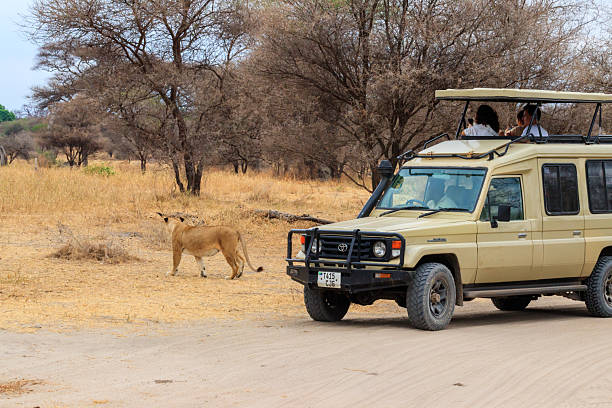
- Custom-Built Safari Vehicles: Look for vehicles with open sides or pop-up roofs that offer unobstructed 360-degree views. Some vehicles are specifically adapted for photographers, with beanbag supports, low seating, and charging ports.
- Experienced Photographic Guides: A guide who understands photography – light, composition, animal behavior, and how to position the vehicle for the best shots – is invaluable. They can anticipate animal movements and know the best spots for particular sightings.
Itinerary Planning
A well-planned itinerary will balance travel time with time spent on game drives. Consider:
- Internal Flights: Flying into Ruaha (via airstrip) saves significant travel time compared to driving from Arusha or Dar es Salaam. This is highly recommended for photographic safaris to maximize time in the park.
- Combinations: Ruaha can be combined with other parks in Tanzania, such as Selous (Nyerere National Park) for a southern circuit experience, or flown to connect with the Northern Circuit parks if time permits.
Costs and Budget Considerations for 2026-2027
Ruaha is generally considered a more premium safari destination due to its remoteness and the cost of flying in. Prices can vary significantly based on accommodation level, duration, and inclusions.
- Park Fees: These are charged per person per day and are set by the Tanzania National Parks Authority (TANAPA).
- Accommodation: Ranges from $250 per person per night for mid-range to $800+ per person per night for luxury lodges.
- Vehicle and Guide Hire: This is a significant cost, often ranging from $300-$600+ per day for a private vehicle and guide, depending on the vehicle type and inclusions.
- Internal Flights: Expect to pay $300-$500 per person for a round-trip flight from Arusha or Dar es Salaam to Ruaha’s airstrip.
A rough estimate for a 5-day Ruaha photographic safari in 2026-2027, including flights, mid-range accommodation, park fees, and private vehicle/guide, could range from $3,500 to $6,000+ per person. Luxury options will be higher. It’s crucial to get a detailed quote.
To get a personalized quote for your 2026-2027 Ruaha photographic safari, contact us. We specialize in crafting tailor-made experiences. You can reach us via WhatsApp at +255616946642 or email us at topguideadventures@gmail.com. For backup inquiries, use info@topguideadventures.com.
Comparing Ruaha to Other Tanzanian Destinations for Photographers
While Ruaha is exceptional, understanding its strengths relative to other Tanzanian parks can help you decide if it’s the right fit for your photographic goals.
Ruaha vs. Serengeti
Serengeti: Famous for the Great Migration, vast open plains, and exceptional predator-lion sightings. It offers incredible photographic opportunities, especially during the migration. However, it can be crowded, and the landscape is more uniform.
Ruaha: Offers more dramatic landscapes, higher densities of elephants and wild dogs, and fewer crowds. It’s ideal for those seeking a wilder, more rugged photographic experience and who appreciate diverse terrain.
Ruaha vs. Tarangire
Tarangire: Known for its large elephant herds, especially during the dry season, and its iconic baobab trees. It’s often visited as part of the Northern Circuit.
Ruaha: While Tarangire has impressive elephant numbers, Ruaha’s elephant herds are often larger. Ruaha also offers a greater diversity of predators and a more remote, less-visited feel.
Ruaha vs. Nyerere National Park (formerly Selous)
Nyerere: Offers diverse activities like boat safaris on the Rufiji River, walking safaris, and fly camping, alongside game drives. It’s known for wild dogs and elephants.
Ruaha: While Nyerere offers more varied activities, Ruaha is generally considered to have higher predator densities and a more rugged, dramatic landscape. Ruaha’s game drives are typically more focused on vehicle-based exploration.
For the best photographic safari experience focused on predators, large elephant herds, and dramatic landscapes with fewer crowds, Ruaha often takes the crown. If witnessing the Great Migration is your primary goal, the Serengeti is unparalleled. For a mix of activities and a different kind of wildness, Nyerere is a strong contender.
Booking Your 2026-2027 Ruaha Photographic Safari
Securing your spot for a Ruaha photographic safari in 2026 or 2027 requires timely planning. Popular lodges and specialized photographic guides get booked up well in advance, especially for the peak dry season months.
Key booking considerations for 2026-2027:
- Early Bird Discounts: Some lodges and operators offer early booking incentives.
- Availability: Especially for private vehicles and specific photographic vehicles, availability is limited.
- Visa and Health Requirements: Start researching visa requirements and necessary vaccinations for Tanzania well in advance.
- Travel Insurance: Comprehensive travel insurance covering medical emergencies and trip cancellations is essential.
We at Top Guide Adventures Tanzania are dedicated to creating unforgettable photographic safari experiences. Our expert guides understand the specific needs of photographers, and we meticulously plan each itinerary to maximize your opportunities in Ruaha. Whether you’re planning for 2026 or 2027, let us help you craft the perfect trip.
To discuss your dream Ruaha photographic safari, including tailor-made itineraries for 2026-2027, please get in touch. Reach us on WhatsApp at +255616946642 or send an email to topguideadventures@gmail.com. For alternative contact, our backup email is info@topguideadventures.com. Let’s capture the wild heart of Tanzania together.



