
Updated planning guide for 2026-2027
Rural Transport In Tanzania: Complete Guide 2026-2027
Planning a trip to Tanzania and wondering about getting around beyond the main tourist routes? This comprehensive guide details rural transport options, from local buses to private transfers, helping you plan an authentic 2026-2027 journey.
WhatsApp +255616946642 | topguideadventures@gmail.com | info@topguideadventures.com
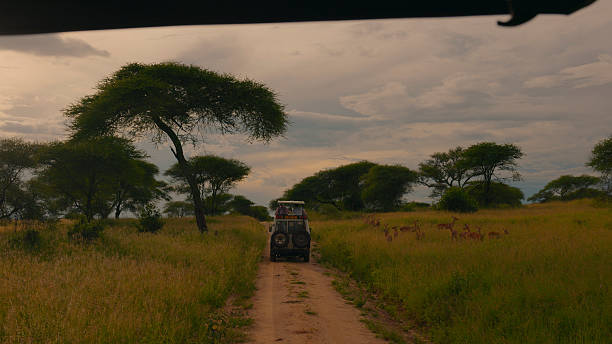
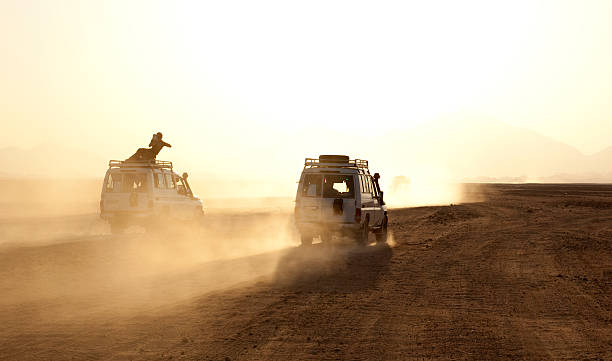
Rural Transport in Tanzania: Your Complete Travel Guide
Tanzania, a land of iconic safaris, majestic mountains, and spice-scented islands, offers experiences far beyond the well-trodden tourist paths. For travelers seeking a deeper connection with the country and its people, understanding rural transport in Tanzania is key. While private vehicles and charter flights are common for safari-goers, exploring the heart of Tanzania often involves navigating its extensive network of local buses, shared taxis, and even the occasional train. This guide will equip you with the knowledge to travel confidently and authentically across Tanzania in 2026 and 2027.
This isn’t just about getting from point A to point B; it’s about experiencing the rhythm of Tanzanian life, encountering local communities, and perhaps discovering hidden gems that larger tour groups often miss. Whether you’re heading to a remote village near Lake Tanganyika, visiting a coffee plantation in the highlands, or simply trying to reach a less-visited national park entrance, knowing your options for rural transport in Tanzania will make your journey smoother and more rewarding.
Quick Facts: Rural Transport in Tanzania
| Aspect | Details |
|---|---|
| Primary Modes | Dala-dalas (minibuses), Intercity Buses, Trains, Shared Taxis (Piki-Pikis), Private Hire Vehicles |
| Key Routes | Connect major towns, district centers, and villages. Often connect to main road networks. |
| Cost | Generally very affordable for local transport; intercity buses and private hire are more expensive. |
| Speed | Can be slow due to frequent stops, road conditions, and passenger loading. |
| Comfort | Varies greatly. Dala-dalas can be crowded and basic. Intercity buses offer more comfort. |
| Safety | Standard precautions apply. Road conditions and driving styles can be challenging. |
| Booking | Local transport is usually ‘hop-on, hop-off’. Intercity buses can be booked in advance at stations or through agents. |
Understanding the Landscape of Rural Transport in Tanzania
Tanzania’s infrastructure, while improving, is vast and diverse. Major cities like Dar es Salaam, Arusha, and Mwanza are well-connected by paved roads and air. However, as you move away from these hubs into the more rural areas, the transport landscape changes significantly. The roads might become unpaved, distances longer, and the primary modes of transport shift to those catering to local populations.
For the independent traveler, this presents both challenges and opportunities. It requires patience, flexibility, and a willingness to embrace local ways of travel. For those on organized tours, understanding this system can help you appreciate the logistical efforts involved in reaching remote lodges or cultural villages, even if you aren’t directly using these services.
Key Modes of Rural Transport in Tanzania
1. Dala-dalas (Minibuses)
The lifeblood of local transport in Tanzania, dala-dalas are ubiquitous minibuses or minibuses that operate on fixed, albeit often unwritten, routes within towns and between nearby villages. They are the most economical way to travel short to medium distances.
- Routes: They connect neighborhoods within cities and link smaller towns and villages along main roads.
- Frequency: They run when full, meaning departure times are unpredictable. You might wait a while for one to fill up.
- Cost: Extremely cheap. Fares are set and usually paid directly to the conductor or driver.
- Experience: Expect a crowded, lively, and often noisy journey. Locals will be your fellow passengers. It’s a true immersion into daily life.
- Best For: Short hops within towns, traveling between adjacent villages, experiencing local culture.
2. Intercity Buses
For longer distances between major towns and regional centers, intercity buses are the primary mode of transport. Companies like Scandinavia, Royal Coach, and Ubungo Posta operate a network across the country.
- Routes: Connect major cities (e.g., Dar es Salaam to Arusha, Mbeya to Dodoma) and larger district towns. Some routes extend into more rural areas, but the final leg might still require a dala-dala.
- Frequency: Usually run on a schedule, with multiple departures daily. Early morning departures are common.
- Comfort: Varies by company and class. Executive or VIP classes offer more legroom, reclining seats, and sometimes air conditioning. Standard buses are more basic.
- Cost: More expensive than dala-dalas but significantly cheaper than flying. Prices are fixed per route.
- Booking: Tickets can be purchased at bus stations or through authorized agents. It’s advisable to book a day or two in advance, especially for popular routes or during peak seasons.
- Best For: Traveling between major towns and cities, covering significant distances across the country.
3. Trains
Tanzania has a railway network, primarily operated by the Tanzania Railways Corporation (TRC). The most notable passenger route is the ‘Central Line’ running from Dar es Salaam to Kigoma on Lake Tanganyika, with a branch to Mwanza on Lake Victoria. A new standard gauge railway (SGR) is also under development, which will eventually offer faster and more modern travel on key corridors.
- Routes: Central Line is the main passenger route. It passes through many towns and rural areas.
- Frequency: Passenger services can be infrequent, sometimes only a few times a week. Schedules can change.
- Comfort: Varies by class. First and second class offer better seating and sleeping options for overnight journeys. Third class is basic.
- Cost: Generally affordable, often comparable to or slightly more than standard intercity buses.
- Experience: A slower, more scenic way to travel, offering views of the Tanzanian countryside. Can be an adventure in itself.
- Best For: Travelers seeking a unique, slower travel experience, those heading to destinations directly on the Central Line, and budget-conscious explorers.
4. Shared Taxis and Private Hire
Shared taxis, often 14-seater minibuses or station wagons, operate on fixed routes between towns, similar to dala-dalas but usually faster and more comfortable. For ultimate flexibility, private hire vehicles (taxis or minibuses) are available.
- Shared Taxis: Faster than buses, they depart when full. Fares are fixed per seat. Common for medium distances between towns.
- Private Hire: You can hire a car and driver for a day or for a specific journey. This is the most convenient but also the most expensive option. It offers door-to-door service and flexibility. Essential for reaching remote lodges or areas not served by public transport.
- Piki-Pikis: Motorcycle taxis are common in rural areas for very short distances or to reach places inaccessible by larger vehicles. Always agree on the price beforehand and wear a helmet if available.
- Best For: Shared taxis are good for medium distances where buses are infrequent. Private hire is ideal for convenience, reaching remote locations, or when traveling with a group. Piki-pikis are for short, local trips.
Navigating Road Conditions and Travel Times
Road conditions in rural Tanzania can be highly variable. Main arteries are often paved, but secondary and tertiary roads can be gravel, dirt, or prone to washouts during the rainy season. This directly impacts travel times. A journey that looks short on a map can take many hours.
Expect the unexpected: Vehicles can break down, roads can be impassable, and delays are common. Build buffer time into your itinerary, especially if you have onward travel or bookings to make. For example, a 300km journey on a paved road might take 4-5 hours, while the same distance on a rough track could easily take 8-10 hours or more.
Why Understanding Rural Transport Matters for Travelers
Even if you’re booked on a guided safari, understanding the local transport network provides context. It highlights the logistical challenges and costs involved in reaching remote areas. For independent travelers, it’s the core of an authentic experience.
- Authenticity: Traveling like a local offers genuine cultural immersion.
- Cost Savings: Public transport is significantly cheaper than private options.
- Flexibility: Allows exploration of off-the-beaten-path destinations.
- Adventure: It can be an exciting part of the journey, filled with interactions and unexpected moments.
Best Time to Travel Using Rural Transport
The ‘best time’ for rural transport in Tanzania largely depends on your tolerance for weather conditions and road accessibility.
- Dry Season (June to October): This is generally the most comfortable period. Roads are in better condition, and travel is less likely to be disrupted by rain. It’s also peak tourist season, so buses might be busier.
- Shoulder Seasons (November, March to May): These months can offer a good balance. Roads are generally okay, though short rains can occur in November. The long rains (March to May) can make some rural roads difficult or impassable, particularly in the southern and western parts of the country. However, prices might be lower, and there are fewer tourists.
- Wet Season (December to February & March to May): While December to February can see short rains, the main challenge comes with the long rains from March to May. This period significantly impacts rural road conditions, making travel slower, more uncomfortable, and sometimes impossible in certain regions. Dala-dalas and local buses might get stuck. Intercity buses on main roads are usually still operational but may face delays.
For 2026-2027, the dry season remains the most reliable for using diverse rural transport options without significant weather-related disruptions. However, if you are budget-conscious and flexible, the shoulder seasons can be rewarding, provided you research specific regional road conditions.
Sample Routes and Itinerary Logic Using Rural Transport
Planning a route using rural transport requires a different mindset than booking a package tour. It involves breaking down journeys into segments and understanding connections.
Example Route: Arusha to Lushoto (Usambara Mountains)
This is a popular route for those wanting to experience the highlands and a different side of Tanzania away from the northern safari circuit.
Day 1: Arusha to Moshi
- Morning: Take a dala-dala or shared taxi from Arusha town center to the Arusha bus station.
- Late Morning: Board an intercity bus from Arusha to Moshi. (Approx. 1.5-2 hours).
- Afternoon: Arrive in Moshi. Settle into accommodation. Explore the town, perhaps visit a local coffee shop.
Day 2: Moshi to Lushoto
- Morning: Head to the Moshi bus station. Look for buses going towards Lushoto. This might involve a change in a town like Same, or direct buses might be available.
- Travel: The journey from Moshi to Lushoto can take anywhere from 4 to 7 hours depending on road conditions and stops. The scenery becomes increasingly mountainous and beautiful as you approach Lushoto.
- Afternoon: Arrive in Lushoto. Check into your guesthouse or lodge.
Days 3-4: Exploring Lushoto and the Usambara Mountains
- Use local transport (dala-dalas, piki-pikis) or arrange guided hikes to explore nearby villages, viewpoints (like Irente Viewpoint), and forests.
Day 5: Return Journey (Example)
- Morning: Take a bus back from Lushoto to Moshi.
- Afternoon: From Moshi, connect to another intercity bus heading towards your next destination, perhaps back to Arusha or towards Dar es Salaam.
Itinerary Planning Considerations
- Start Early: Always aim to start your journeys as early as possible to maximize daylight and avoid potential delays.
- Buffer Days: Include at least one extra day for longer journeys or unexpected disruptions.
- Connections: Research connection points. If you need to change buses, know where the bus stations are and how to find your next vehicle.
- Overnight Journeys: For very long distances (e.g., Dar es Salaam to Mwanza), consider overnight buses or trains if available and comfortable enough for you.
- Local Knowledge: Ask locals at bus stations for advice on the best buses or connections.
What to Expect: The Realities of Rural Travel
Traveling by rural transport in Tanzania is an experience that requires mental preparation. It’s not always comfortable, but it is often rewarding.
Comfort and Amenities
- Seating: Dala-dalas are often cramped. Intercity buses offer more space, but standard seats can be firm.
- Air Conditioning: Not guaranteed, especially on local routes. On intercity buses, it might be an extra cost or only available on VIP/Executive services.
- Toilets: Public toilets at bus stations can be basic. Long-distance buses may or may not have onboard toilets; often, there are scheduled stops.
- Food and Drink: Carry your own water and snacks. Vendors sell refreshments at major stops, but quality can vary.
Safety and Security
While Tanzanians are generally friendly and welcoming, standard travel precautions are essential:
- Valuables: Keep your passport, money, and electronics secure and out of sight. Use a money belt.
- Baggage: Keep an eye on your luggage. On buses, larger bags are often stored underneath. Ensure they are secured.
- Driving: Road conditions and driving styles can be challenging. Seatbelts are not always standard or used.
- Night Travel: Avoid traveling at night on rural roads if possible, especially on less reputable buses or private vehicles.
- Scams: Be aware of common tourist scams, especially around bus stations.
Cultural Etiquette
- Greetings: A simple greeting (Jambo or Habari) goes a long way.
- Photography: Always ask permission before taking photos of people.
- Respect: Dress modestly, especially when traveling in more conservative rural areas.
- Patience: Things move at a different pace. Embrace the local rhythm.
Packing and Preparation for Rural Journeys
Your packing list should adapt to the realities of rural transport. Comfort, practicality, and self-sufficiency are key.
Essential Items to Pack
- Comfortable Clothing: Lightweight, breathable fabrics. Layers are good for temperature changes.
- Sturdy Footwear: Comfortable walking shoes or hiking boots if you plan to explore.
- Water Bottle: A reusable bottle is eco-friendly and essential.
- Snacks: Non-perishable items like biscuits, nuts, dried fruit.
- Hand Sanitizer & Wet Wipes: For hygiene on the go.
- Basic First-Aid Kit: Including pain relievers, antiseptic wipes, bandages, and any personal medication.
- Power Bank: To keep your phone charged, as charging points might be scarce.
- Travel Pillow: For added comfort on long journeys.
- Small Backpack: For essentials you need during the journey (water, snacks, camera, documents).
- Cash: Small denominations of Tanzanian Shillings (TZS) are essential for fares, snacks, and small purchases. ATMs are not available in remote areas.
- Book or Entertainment: For downtime during waits or long journeys.
Preparation Checklist
- Research Routes: Use online resources, guidebooks, and ask your accommodation for advice on local transport options and approximate fares.
- Learn Basic Swahili Phrases: Greetings, numbers, and common questions will be very helpful.
- Currency: Have enough cash in small TZS denominations. Larger bills might not be accepted for local fares.
- Confirm Schedules: If possible, confirm bus departure times the day before, especially for intercity routes.
- Pack Light: While buses have storage, it’s easier to manage if your luggage is not excessively large or heavy.
- Inform Someone: Let your accommodation or a friend know your travel plans.
Common Mistakes to Avoid with Rural Transport in Tanzania
Many travelers make similar errors when first navigating Tanzania’s local transport. Being aware of these can save you time, money, and frustration.
- Assuming Timeliness: Public transport runs on its own schedule. Don’t expect punctuality.
- Not Carrying Enough Cash: Many rural transport options only accept cash, and change might be hard to come by for large notes.
- Over-reliance on Apps: Google Maps might show routes, but it won’t tell you if the road is passable or if a bus actually runs.
- Ignoring Road Conditions: Traveling during the rainy season without checking road status can lead to significant delays or getting stranded.
- Not Negotiating Fares: For private hire or piki-pikis, always agree on the price *before* starting the journey. For dala-dalas and buses, fares are usually fixed, but confirm if unsure.
- Underestimating Travel Time: Distances on a map rarely translate directly to travel time in rural Tanzania. Always add extra hours.
- Not Asking for Help: Tanzanians are often very helpful. If you’re lost or unsure, ask someone at a bus station or a shopkeeper.
- Booking Too Far Ahead: For local buses, booking isn’t usually possible. For intercity, booking a day or two in advance is often sufficient.
Who is Rural Transport in Tanzania Best For?
This mode of travel is not for everyone, but it suits specific types of travelers:
- Budget Travelers: It’s the most economical way to see the country.
- Independent Adventurers: Those who enjoy planning their own routes and embracing spontaneity.
- Cultural Enthusiasts: People who want to interact with locals and experience daily life authentically.
- Backpackers: Those accustomed to basic travel and willing to go with the flow.
- Seasoned Travelers: Individuals who have experience with similar transport systems in other developing countries.
It is generally not recommended for:
- Travelers with very limited time.
- Those who prioritize comfort and convenience above all else.
- Families with very young children who may struggle with long, crowded journeys.
- Travelers with significant mobility issues.
Alternatives to Rural Transport
If the realities of rural transport in Tanzania seem daunting, or if your itinerary demands more speed and comfort, several alternatives exist:
- Private Safaris/Tours: The most common alternative for tourists. You’ll have a dedicated vehicle and driver, offering maximum flexibility and comfort. This is how most people experience national parks and remote lodges.
- Domestic Flights: For covering long distances quickly between major hubs (e.g., Arusha, Kilimanjaro International Airport, Dar es Salaam, Zanzibar, Mwanza), domestic flights are available. They significantly reduce travel time but are more expensive.
- Car Hire with Driver: Similar to private safaris, you can hire a car and driver for specific journeys or day trips, offering a balance of flexibility and local expertise without the full safari package.
- Organized Day Trips: For popular attractions near major towns (e.g., day trips from Arusha to Arusha National Park, or from Moshi for Kili climbing prep), organized tours are readily available.
For many travelers, a combination of these options works best. For example, using private transport for safari days and then a bus for a journey between major cities.
Planning Your 2026-2027 Trip: Rural Transport Considerations
As you plan your Tanzanian adventure for 2026 or 2027, integrating rural transport requires foresight.
| Planning Aspect | 2026-2027 Focus |
|---|---|
| Route Planning | Map out your intended route segment by segment. Identify major towns as hubs for connecting transport. Use online tools for general distances, but confirm local realities on the ground. |
| Booking Intercity Buses | For popular routes in 2026-2027, consider booking intercity bus tickets 1-2 days in advance, especially during peak seasons or holidays. Check company websites or visit stations. |
| Accommodation | Book accommodation in advance, particularly in smaller towns or rural areas. This allows you to ask your guesthouse for the latest transport advice upon arrival. |
| Road Conditions | If traveling during the rainy season (March-May, November), inquire about road conditions for your specific route just before departure. This is crucial for 2026-2027 travel planning. |
| Flexibility | Build flexibility into your 2026-2027 itinerary. Delays are common, and your plans might need to change. Embrace this as part of the adventure. |
| Local SIM Card | Consider getting a local SIM card (e.g., Vodacom, Tigo, Airtel) for easier communication and potential data access for maps. |
| Safety Briefing | Familiarize yourself with common safety tips for public transport in Tanzania before your 2026-2027 trip. |
Booking Advice for Your Tanzanian Adventure
When it comes to booking your overall Tanzania trip, especially if you want to incorporate some independent travel using rural transport, here’s how Best Tanzania tour operator can assist:
While we specialize in crafting incredible safari, Kilimanjaro, and Zanzibar experiences, we understand that many travelers wish to explore independently or combine organized components with local travel. We can help you with:
- Custom Itinerary Design: We can help you design an itinerary that balances guided experiences with opportunities for independent exploration using local transport. We can advise on logical routes and timings.
- Airport Transfers & First Night Accommodation: We can arrange reliable transfers from airports to your hotel and book your first night’s accommodation, giving you a comfortable start before you navigate local transport.
- Strategic Bookings: For parts of your trip where you require convenience or specific services (e.g., a lodge transfer to a remote park, a flight between cities), we can handle these bookings efficiently.
- Local Advice: Our team has extensive on-the-ground knowledge. We can provide up-to-date advice on transport options, safety, and local conditions relevant to your planned travel dates in 2026-2027.
- Emergency Support: Should you encounter unexpected issues while traveling independently, having a local contact like us can be invaluable for advice and assistance.
For those who prefer a fully guided experience, we offer comprehensive packages that handle all transportation, accommodation, and activities, allowing you to relax and enjoy Tanzania’s wonders without the logistical stress. However, if you’re keen on experiencing rural transport in Tanzania, we can help you integrate it into a larger, well-planned trip.
Ready to plan your Tanzanian journey? Whether you want a fully guided safari, a Kilimanjaro climb, a Zanzibar escape, or a custom adventure incorporating local travel, our experts are here to help.
Contact us today:
- WhatsApp: +255616946642
- Email: topguideadventures@gmail.com
- Backup Email: info@topguideadventures.com
Frequently Asked Questions (FAQs) about Rural Transport in Tanzania
1. Is it safe to use rural transport in Tanzania?
Generally, yes, with precautions. Dala-dalas and intercity buses are widely used by locals. However, road conditions and driving practices can be challenging. Always be aware of your surroundings, keep valuables secure, and avoid traveling at night if possible. For 2026-2027, standard safety advice for developing countries applies.
2. How much does rural transport cost in Tanzania?
It is very affordable. Dala-dalas are the cheapest, with fares often just a few hundred Tanzanian Shillings for short distances. Intercity buses are more expensive but still budget-friendly compared to flights or private hire. Exact costs vary by route and distance.
3. Can I book bus tickets in advance?
For intercity buses, yes. It’s advisable to book tickets at the bus station or through an authorized agent a day or two in advance, especially for popular routes or during peak travel times. Dala-dalas do not require advance booking; you just hop on when they are ready to depart.
4. What is the difference between a dala-dala and a shared taxi?
A dala-dala is typically a minibus operating on set routes within towns or between nearby villages, and they depart when full. Shared taxis are often minibuses or cars operating on longer routes between towns, usually faster and slightly more comfortable than dala-dalas, also departing when full.
5. What should I do if my bus breaks down?
Breakdowns can happen. If it’s a minor issue, the driver will likely fix it. If it’s more serious, passengers might arrange for another bus to pick them up, or you may have to wait. Stay calm and communicate with other passengers and the driver. This is a common occurrence in rural transport in Tanzania.
6. How do I find the right bus at a station?
Bus stations can be chaotic. Look for signs indicating destinations or ask station staff or other passengers. Conductors often call out their destination. It’s helpful to know the name of the bus company or the specific route you need.
7. Is there Wi-Fi or charging available on buses?
Generally, no, especially on local buses. Some newer intercity buses might have charging ports, but don’t rely on them. It’s best to carry a power bank and download offline maps and entertainment for your 2026-2027 travels.
8. Can I travel with large luggage?
Yes, most buses have space for luggage, usually stored underneath the vehicle. Dala-dalas are more limited. Ensure your bags are secured and you keep an eye on them. For very large or valuable items, consider private hire.
9. What is the best way to get from Arusha to the Serengeti using local transport?
Direct local transport to the Serengeti is not feasible as it’s a protected area with strict entry rules. You would typically take an intercity bus from Arusha to a town like Karatu or Musoma, and then arrange a private transfer or join a shared safari vehicle from there. Most travelers opt for organized safari packages for this route.
10. How can a tour operator like Best Tanzania tour operator help with rural transport in Tanzania?
We can assist by providing advice on routes, booking strategic transfers or domestic flights, arranging your first night’s accommodation, and offering emergency support. We can also help craft itineraries that blend guided tours with opportunities for independent local travel in 2026-2027.
Your Tanzanian Adventure Awaits
Navigating rural transport in Tanzania is an adventure in itself. It offers a unique window into the country’s soul, connecting you with its people and landscapes in a way that other travel methods cannot. Whether you’re an intrepid budget traveler or simply curious about local life, embracing these options can significantly enrich your trip.
For those planning their 2026-2027 travels, remember that flexibility, patience, and a sense of adventure are your best companions. While independent travel via local transport is rewarding, for many, a well-organized tour provides the perfect balance of comfort, efficiency, and authentic experiences. Best Tanzania tour operator is here to help you craft that perfect trip.
Let us help you plan your dream Tanzanian journey, including any elements of rural transport you wish to explore. Reach out to our travel experts:
- WhatsApp: +255616946642
- Email: topguideadventures@gmail.com
- Backup Email: info@topguideadventures.com
Plan your Rural Transport in Tanzania with Top Guide Adventures
Tell us your travel dates, group size, comfort level, and dream experience. We will help you shape a clear, realistic, and memorable Tanzania itinerary.







 Veedesigner
 Fatma Kizanga
 Benjamin Waryuba
 Philip Philip
 John jr Itaja
 Antonia Optatus
 Edith Kanyere
 Neema Iddy
 Kelvin Boniphace
 Damari Maiga



