
Updated planning guide for 2026-2027
Rwanda: Complete Guide 2026-2027
Discover Rwanda, the "Land of a Thousand Hills." This guide offers practical planning advice for your 2026-2027 adventure, covering gorilla trekking, wildlife safaris, cultural experiences, and essential tips for an unforgettable journey.
WhatsApp +255616946642 | topguideadventures@gmail.com | info@topguideadventures.com
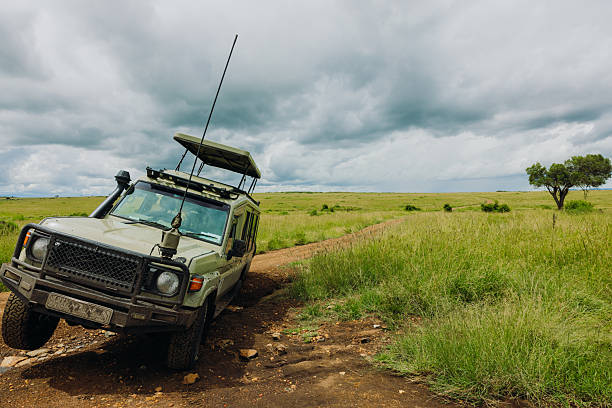
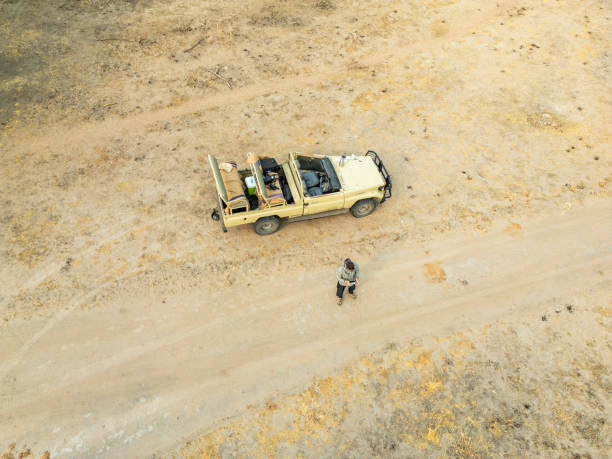
Rwanda: The Ultimate Travel Guide for 2026-2027
Rwanda, often called the “Land of a Thousand Hills,” is a destination that captivates with its breathtaking landscapes, resilient spirit, and unparalleled wildlife encounters. For travelers planning a trip in 2026 or 2027, understanding the nuances of this East African gem is key to crafting an unforgettable experience. This comprehensive guide will walk you through everything you need to know, from the iconic gorilla trekking adventures to exploring vibrant cultures and planning your logistics.
Table of Contents
- Quick Facts About Rwanda
- Rwanda: A Deeper Look
- Why Choose Rwanda for Your Next Trip?
- Best Time to Visit Rwanda (2026-2027)
- Key Regions and Attractions
- Gorilla Trekking in Rwanda: The Ultimate Experience
- Beyond Gorillas: Other Wildlife Encounters
- Immersive Cultural Experiences
- Sample Rwanda Itinerary (10 Days)
- Planning Your Rwanda Trip: What to Expect
- What’s Typically Included & Packing List
- Common Mistakes to Avoid
- Who is Rwanda Best Suited For?
- Rwanda vs. Other Destinations
- Planning Your 2026-2027 Rwanda Adventure
- Booking Your Rwanda Tour: Expert Tips
- Frequently Asked Questions About Rwanda
Quick Facts About Rwanda
| Fact | Detail |
|---|---|
| Official Name | Republic of Rwanda |
| Capital City | Kigali |
| Languages | Kinyarwanda, French, English, Swahili |
| Currency | Rwandan Franc (RWF) |
| Visa Requirements | Available on arrival for most nationalities; check current regulations. East Africa Tourist Visa may be an option for multi-country trips. |
| Major Airports | Kigali International Airport (KGL) |
| Best Known For | Mountain Gorilla Trekking, Volcanoes National Park, Nyungwe Forest National Park, Akagera National Park, Genocide Memorial |
| Connectivity | Good mobile network coverage in most populated areas; Wi-Fi available in hotels and lodges. |
| Electricity | 230V, 50Hz. Plug type C and J. |
Rwanda: A Deeper Look
Rwanda is a land of dramatic contrasts. Its rolling hills, lush rainforests, and vast savannas are home to an astonishing array of biodiversity, most famously its populations of endangered mountain gorillas. Beyond the natural wonders, Rwanda is a nation that has profoundly transformed itself, known for its cleanliness, safety, and forward-thinking approach. Visiting Rwanda offers a chance to witness conservation success stories, engage with rich cultural traditions, and experience the warmth of its people.
The country’s size makes it relatively easy to navigate, allowing for diverse experiences within a single trip. From the bustling capital of Kigali, a hub of art and commerce, to the serene shores of Lake Kivu and the dense forests of the west, Rwanda presents a compact yet incredibly varied travel canvas.
Why Choose Rwanda for Your Next Trip?
For travelers considering their options for 2026 or 2027, Rwanda stands out for several compelling reasons:
- Unrivaled Gorilla Trekking: Rwanda offers some of the most accessible and well-managed mountain gorilla trekking experiences in the world. The permits are highly sought after, and the parks are pristine.
- Conservation Leadership: Rwanda is a global leader in conservation efforts. Tourism directly funds park protection and community development, making your visit impactful.
- Safety and Cleanliness: The country is renowned for its safety, low crime rates, and immaculate public spaces, especially Kigali. This provides a sense of security often sought by travelers.
- Diverse Ecosystems: While famous for gorillas, Rwanda boasts three major national parks: Volcanoes National Park (gorillas, golden monkeys), Nyungwe Forest National Park (chimpanzees, colobus monkeys, birds), and Akagera National Park (savanna wildlife).
- Cultural Richness: From traditional dance and music to historical sites and local crafts, Rwanda offers deep cultural immersion.
- Compact and Accessible: Its small size means less travel time between destinations, allowing for a more relaxed itinerary and the chance to see more in a shorter period.
- Resilience and Progress: Witnessing the nation’s remarkable recovery and development is an inspiring and unique travel aspect.
Best Time to Visit Rwanda (2026-2027)
Rwanda’s climate is temperate due to its high altitude, with two distinct rainy seasons and two dry seasons. The best time to visit depends on your priorities, particularly for gorilla trekking and wildlife viewing.
| Period | Weather Conditions | Pros | Cons |
|---|---|---|---|
| June – August (Dry Season) | Sunny days, cooler temperatures, minimal rain. | Ideal for trekking (trails are less muddy), excellent wildlife viewing in Akagera, comfortable for travel. Peak tourist season. | Higher prices for accommodation and permits, busier parks. |
| September – November (Short Rains) | Intermittent showers, humidity increases, landscapes become greener. | Fewer crowds, potentially lower prices, lush scenery. Trekking can be muddy. | Rain can affect trekking conditions and wildlife visibility. |
| December – February (Dry Season) | Warm, sunny days, less humid than other times. | Good for trekking and wildlife viewing. Pleasant temperatures. Holiday season. | Can be busy, especially around Christmas and New Year. |
| March – May (Long Rains) | Heavy, prolonged rainfall, very humid, can be overcast. | Lowest tourist season, significantly lower prices, very green landscapes, excellent for birdwatching. | Trekking can be very challenging due to mud; some roads may be difficult. Wildlife sightings can be harder. |
Key Considerations for 2026-2027:
- Gorilla Permits: These are available year-round but are highly competitive during peak dry seasons (June-August, December-February). Booking well in advance for 2026-2027 is crucial.
- Chimpanzee Trekking: Nyungwe Forest is also accessible year-round, though rains can make the forest denser.
- Akagera National Park: Wildlife viewing is generally better in the dry seasons when animals congregate around water sources.
Key Regions and Attractions
Rwanda’s tourism is concentrated in its three main national parks and the capital city, with other attractions scattered throughout its scenic countryside.
Rwanda Major Tourist Areas Overview
Central/North:
- Kigali: The vibrant capital. Visit the Genocide Memorial, artisan markets, and enjoy its burgeoning culinary scene.
- Volcanoes National Park (Parc National des Volcans): The prime destination for mountain gorilla trekking and golden monkey tracking. Located in the northwest.
West:
- Nyungwe Forest National Park: A vast, ancient rainforest renowned for chimpanzee trekking, colobus monkey troops, and incredible birdlife. Features the famous Canopy Walkway.
- Lake Kivu: A beautiful, serene lake offering relaxation, kayaking, and visits to its islands and lakeside towns like Gisenyi (Rubavu) and Kibuye.
East:
- Akagera National Park: Rwanda’s only savanna national park, offering classic safari experiences with elephants, giraffes, zebras, lions, and rhinos.
Gorilla Trekking in Rwanda: The Ultimate Experience
Gorilla trekking is the undisputed highlight for many visitors to Rwanda. The experience is profoundly moving and offers a rare glimpse into the lives of these gentle giants.
Volcanoes National Park is home to several habituated gorilla families that can be visited by tourists. The trek involves hiking through dense forest terrain, which can be challenging but is always rewarding.
- Permits: Gorilla permits are essential and cost $1,500 USD per person per trek. They are limited and must be booked months in advance, especially for peak seasons in 2026-2027.
- The Trek: Treks typically last between 1 to 5 hours, depending on the gorilla family’s location on the day. You are allowed one hour of observation once you find the gorillas.
- Group Size: A maximum of 8 visitors can trek to a particular gorilla family per day.
- Age Limit: The minimum age for trekking is 15 years.
- What to Bring: Sturdy hiking boots, long trousers, long-sleeved shirts, rain gear, insect repellent, sunscreen, a hat, and a backpack for water and snacks. A camera with good zoom is recommended. Hiring a porter is highly recommended to assist with carrying your pack and navigating the terrain.
- Habituation Experience: For an even more in-depth encounter, Rwanda offers a Gorilla Habituation Experience, allowing you to spend up to 4 hours with a gorilla family being habituated to human presence. This is more expensive and limited to fewer participants.
Beyond Gorillas: Other Wildlife Encounters
While gorillas are the star, Rwanda offers a rich diversity of other wildlife experiences:
- Chimpanzee Trekking in Nyungwe: Nyungwe Forest National Park is one of the best places in East Africa to see chimpanzees. Treks here are also physically demanding due to the terrain. You can also spot other primates like the Angola colobus monkeys, L’Hoest’s monkeys, and various species of baboons.
- Golden Monkey Trekking: Also found in Volcanoes National Park, golden monkeys are vibrant and playful primates that offer a different, equally fascinating trekking experience.
- Akagera National Park Safaris: This savanna park provides a more traditional safari experience. You can see elephants, giraffes, zebras, hippos, crocodiles, buffalo, and a variety of antelopes. Efforts have reintroduced predators like lions and rhinos, making it a Big Five destination. Game drives are the primary way to explore.
- Birdwatching: Rwanda is a birdwatcher’s paradise, with over 700 species recorded, many of which are endemic to the Albertine Rift. Nyungwe Forest and the marshes of Akagera are particularly good for birding.
Immersive Cultural Experiences
Rwanda’s culture is deeply interwoven with its history and natural environment. Engaging with local communities enriches any trip:
- Kigali Genocide Memorial: A somber but essential visit to understand Rwanda’s past and its journey of reconciliation.
- Iby’Iwacu Cultural Village (Volcanoes NP): Experience traditional Rwandan life, including music, dance, and crafts, often led by former poachers who are now conservation advocates.
- Local Markets: Explore markets in Kigali or smaller towns to see local produce, crafts, and daily life.
- Artisan Cooperatives: Visit workshops showcasing traditional weaving, pottery, and painting.
- Batwa Pygmy Trail: Learn about the ancient traditions and lifestyle of the Batwa people, who once inhabited the forests.
- Umuganda: Observe or participate (if invited) in the national community service day held on the last Saturday of each month.
Sample Rwanda Itinerary (10 Days)
This sample itinerary balances the country’s highlights, focusing on the iconic gorilla trek and offering diverse experiences. This is a suggestion for planning your 2026-2027 trip.
Day 1-2: Arrival in Kigali & City Exploration
- Arrive at Kigali International Airport (KGL).
- Transfer to your hotel.
- Visit the Kigali Genocide Memorial, explore the city center, visit art galleries, and enjoy dinner.
Day 3-5: Volcanoes National Park – Gorilla & Golden Monkey Trekking
- Drive to Volcanoes National Park (approx. 2-3 hours).
- Day 3: Gorilla Trekking. Wake early for briefing, trek to see gorillas, return for relaxation.
- Day 4: Golden Monkey Trekking or Dian Fossey Hike. Choose another primate trek or hike to the Karisoke Research Center site.
- Day 5: Optional activity (e.g., visit Iby’Iwacu Cultural Village, explore local lakes) or transfer to Lake Kivu.
Day 6: Lake Kivu Relaxation
- Transfer to Lake Kivu (e.g., Gisenyi or Kibuye).
- Enjoy the serene lake views, perhaps a boat trip or kayaking.
- Relax at your lakeside lodge.
Day 7-8: Nyungwe Forest National Park – Chimpanzee Trekking
- Drive to Nyungwe Forest National Park (approx. 4-5 hours, scenic route).
- Day 7: Afternoon Canopy Walkway experience.
- Day 8: Chimpanzee Trekking. Early morning trek into the forest.
Day 9: Akagera National Park – Safari Introduction
- Drive to Akagera National Park (approx. 6-7 hours, longer drive).
- Check into your lodge within or near the park.
- Late afternoon game drive to spot savanna wildlife.
Day 10: Akagera Safari & Departure
- Morning game drive in Akagera.
- Drive back to Kigali (approx. 2-3 hours).
- Depart from Kigali International Airport (KGL).
Note: This itinerary can be customized. For example, you could extend time in any park, add a visit to Karisoke Research Center, or focus more on cultural aspects. Longer trips (14+ days) allow for a more relaxed pace and inclusion of other regions.
Planning Your Rwanda Trip: What to Expect
Successful travel to Rwanda, especially for a significant trip in 2026-2027, requires careful planning and realistic expectations.
- Logistics: Most travel within Rwanda is done by road. Roads are generally good, especially between major tourist hubs, but can be winding and slow in mountainous areas. Private 4×4 vehicles with a driver/guide are the standard for safaris and inter-park travel.
- Accommodation: Options range from luxury lodges and boutique hotels in Kigali to comfortable mid-range lodges near national parks and more basic guesthouses. Book accommodation well in advance, especially for popular areas like Volcanoes National Park.
- Guides: For national park activities like gorilla and chimpanzee trekking, you will be assigned a park ranger guide. For road travel, a knowledgeable driver-guide is invaluable for navigation, cultural insights, and spotting wildlife.
- Health: Consult your doctor about vaccinations (Yellow Fever is often required if arriving from an endemic country) and malaria prophylaxis. Mosquito repellent is essential. Drink bottled or treated water.
- Connectivity: Mobile phone coverage is widespread in towns and along main routes. Wi-Fi is common in hotels and lodges, though speed can vary.
- Currency: The Rwandan Franc (RWF) is the local currency. US Dollars are widely accepted for permits, park fees, and often at lodges, but carrying some local currency for smaller purchases is advisable. ATMs are available in Kigali and larger towns.
What’s Typically Included & Packing List
When booking a tour package for Rwanda, understanding what’s included is crucial for budgeting and preparation.
Typical Inclusions in a Rwanda Tour Package
- Accommodation as per itinerary.
- All park entrance fees.
- Gorilla and/or Chimpanzee trekking permits.
- Private 4×4 vehicle with an English-speaking driver-guide for ground transportation.
- Meals as specified (often breakfast, lunch, and dinner at lodges).
- Bottled water during game drives/transfers.
- Airport transfers.
What’s Usually NOT Included:
- International flights.
- Visa fees.
- Travel insurance.
- Tips for guides, drivers, and lodge staff.
- Personal expenses (souvenirs, drinks, laundry).
- Optional activities not listed in the itinerary.
Essential Packing List for Rwanda
- Clothing: Lightweight, neutral-colored clothing for safaris (long sleeves and trousers to protect from sun and insects), warmer layers for evenings (Rwanda is at high altitude), rain jacket or poncho, comfortable hiking boots (broken in!), sturdy walking shoes for Kigali, socks, swimwear.
- Gear: Binoculars, camera with extra batteries and memory cards, portable power bank, headlamp or flashlight, sunglasses, wide-brimmed hat.
- Health & Personal: Personal first-aid kit, insect repellent (with DEET), sunscreen, hand sanitizer, any personal medications, reusable water bottle.
- Documents: Passport (with at least 6 months validity), visa (if required), flight details, travel insurance documents, copies of important documents, vaccination certificates.
- Money: Credit/debit cards, some USD cash for tips and small purchases, local currency (RWF).
Common Mistakes to Avoid
To ensure a smooth and enjoyable trip in 2026-2027, be aware of these common pitfalls:
- Underestimating Trekking Difficulty: Gorilla and chimpanzee treks can be strenuous. Be honest about your fitness level and inform your tour operator. Hiring porters is highly recommended.
- Not Booking Permits Early Enough: Gorilla permits are limited and sell out months in advance, especially for peak seasons. Book as soon as possible.
- Ignoring Health Advice: Do not skip consulting your doctor about necessary vaccinations and malaria prevention.
- Packing Inappropriately: Forgetting rain gear or proper hiking boots can make trekking very uncomfortable.
- Expecting Traditional Safaris Everywhere: Akagera offers savanna wildlife, but Volcanoes and Nyungwe are dense forests requiring trekking.
- Relying Solely on Cash: While cash is useful, ensure you have backup payment methods.
- Not Budgeting for Tips: Tipping is customary for guides, rangers, and porters. Factor this into your budget.
- Underestimating Travel Times: Rwanda’s scenic roads can be slow. Factor in sufficient travel time between destinations.
- Not Respecting Local Customs: Be mindful of local traditions, especially when visiting communities or historical sites. Dress modestly when not on safari.
Who is Rwanda Best Suited For?
Rwanda appeals to a wide range of travelers, but it is particularly ideal for:
- Nature Enthusiasts and Wildlife Lovers: Those who dream of seeing mountain gorillas in their natural habitat and exploring diverse ecosystems.
- Adventure Seekers: Trekkers who enjoy hiking through forests and challenging terrain.
- Conservation-Minded Travelers: Individuals who want their tourism dollars to directly support conservation and community development.
- Culture and History Buffs: Those interested in understanding Rwanda’s recent history, its resilience, and its vibrant cultural heritage.
- Travelers Seeking Safety and Order: People who value clean, safe environments and well-organized infrastructure.
- Photographers: The dramatic landscapes, unique wildlife, and vibrant local life offer endless photographic opportunities.
- Families with Older Children/Teens: The minimum age for gorilla trekking is 15, making it suitable for families with teenagers looking for an educational and exciting adventure.
Rwanda vs. Other Destinations
While Rwanda offers a unique experience, travelers might also consider other East African destinations for similar activities. Here’s a brief comparison:
| Feature | Rwanda | Uganda | Kenya/Tanzania |
|---|---|---|---|
| Mountain Gorilla Trekking Cost (Permit) | $1,500 USD | $700 USD (Bwindi), $1,500 USD (Mgahinga) | Not available (Chimps in Tanzania, but not gorillas) |
| Gorilla Trekking Experience Quality | Excellent, well-managed, easier access to habituated families. | Excellent, diverse gorilla families, more trekking options. | N/A |
| Chimpanzee Trekking | Nyungwe Forest (excellent, diverse primates) | Kibale Forest (considered best in East Africa for chimps), Queen Elizabeth NP | Gombe Stream (Tanzania), Mahale Mountains (Tanzania) |
| Savanna Safaris (Big Game) | Akagera NP (growing, Big 5 possible) | Queen Elizabeth NP, Murchison Falls NP (good variety) | Masai Mara (Kenya), Serengeti (Tanzania) – World-class, vast plains, iconic migrations. |
| Overall Country Infrastructure & Safety | Very high, clean, safe, organized. | Good, but can be more challenging logistically. | Good to excellent, depending on the specific park and region. |
| Price Point (Excluding Permits) | Generally higher, especially for accommodation. | More budget-friendly options available. | Wide range, can be very high-end or mid-range. |
| Best For | Gorilla trekking, conservation focus, safety, unique cultural recovery story. | More affordable gorilla/chimp trekking, diverse wildlife, adventurous travel. | Classic large-scale safaris, Great Migration, diverse landscapes. |
Decision Factors: If your primary goal is a high-quality, well-organized gorilla trekking experience with a strong conservation focus and you don’t mind a higher permit cost, Rwanda is often the top choice. If budget is a major concern for primate trekking, Uganda offers more affordable permits. For classic savanna safaris and the Great Migration, Kenya and Tanzania remain the leaders.
Planning Your 2026-2027 Rwanda Adventure
Planning a trip for 2026 or 2027 requires looking ahead. Here are specific tips:
- Book Early for Peak Seasons: If you plan to travel during the dry seasons (June-August 2026/2027 or December-February 2026/2027), book your gorilla permits, accommodation, and safari vehicles at least 6-9 months in advance.
- Consider Shoulder Seasons: For better availability and potentially slightly lower prices, consider the shoulder months (September-November 2026 or March-May 2027). Be prepared for rain, but often showers are short.
- Flexibility with Itinerary: While planning is key, allow for some flexibility. Road conditions can sometimes cause delays, and wildlife sightings are never guaranteed.
- Visa and Health Checks: Start researching visa requirements and recommended vaccinations well in advance. Yellow Fever certificates are often checked.
- Travel Insurance: Secure comprehensive travel insurance that covers medical emergencies, trip cancellation, and lost luggage. Ensure it covers adventure activities like trekking.
- Choose Your Tour Operator Wisely: Select a reputable tour operator with strong local knowledge and good reviews. They will be instrumental in securing permits and arranging logistics.
Booking Your Rwanda Tour: Expert Tips
Booking a tour for Rwanda is the most practical way to experience the country, especially for first-time visitors. Here’s how to do it right:
- Find a Reputable Local Operator: Working directly with a Tanzania-based or Rwandan-based tour operator (like us!) often provides better value and more authentic experiences. They have up-to-the-minute knowledge of park conditions, accommodation availability, and permit logistics.
- Be Specific About Your Interests: Clearly state your priorities – is it gorillas, chimpanzees, birding, cultural immersion, or a mix? This helps the operator craft the perfect itinerary.
- Ask About Permit Availability: Before finalizing any itinerary, confirm that your desired gorilla and chimpanzee permit dates are available. Your operator should handle this for you.
- Understand Inclusions/Exclusions: Get a clear breakdown of what your package includes (permits, accommodation, guide, vehicle, meals) and what is extra (flights, visas, tips, personal items).
- Read Reviews and Testimonials: Look for feedback from previous travelers regarding service quality, vehicle condition, guide knowledge, and overall experience.
- Communicate Clearly: Don’t hesitate to ask questions about anything you don’t understand. Clear communication is vital for a smooth trip.
- Payment Terms: Understand the deposit and final payment schedule. Most operators require a significant deposit to secure permits and lodges.
- Consider Customization: Even if you choose a standard itinerary, discuss any specific needs or preferences. We specialize in creating tailored Rwanda adventures for 2026-2027.
Ready to plan your Rwanda adventure? Contact us to discuss your dream trip. We can help you secure permits, design an itinerary that matches your interests and budget, and ensure a memorable experience in the Land of a Thousand Hills.
Start Planning Your Rwanda Trip Today!
Let us help you craft an unforgettable journey to Rwanda. Whether you’re dreaming of trekking with gorillas, exploring diverse landscapes, or experiencing the vibrant culture, we provide expert planning and seamless execution for your 2026-2027 adventure.
Get in touch:
WhatsApp: +255616946642
Email: topguideadventures@gmail.com
Backup Email: info@topguideadventures.com
We look forward to helping you plan your perfect Rwanda safari!
Frequently Asked Questions About Rwanda
Q: How much does a Rwanda gorilla permit cost for 2026-2027?
A: As of our latest information, a standard mountain gorilla trekking permit in Rwanda costs $1,500 USD per person per trek. It’s advisable to check the official Rwanda Development Board (RDB) website for any potential price changes for 2026-2027, though significant increases are uncommon without prior notice.
Q: Is Rwanda safe for tourists in 2026-2027?
A: Yes, Rwanda is widely considered one of the safest countries in Africa for tourists. Kigali is particularly known for its cleanliness and low crime rates. The government places a high priority on security, especially in tourist areas.
Q: What is the best way to travel around Rwanda?
A: For most tourists, private 4×4 vehicles with a driver-guide are the most convenient and comfortable way to travel between destinations. This allows for flexibility and offers insights from your guide. Public transport is available but can be slow and less comfortable for long distances.
Q: Do I need a visa to enter Rwanda?
A: Many nationalities can obtain a visa on arrival. However, it’s essential to check the latest visa requirements for your specific nationality with the Rwandan Directorate General of Immigration and Emigration or your local embassy before your trip in 2026-2027. An East Africa Tourist Visa might be an option if you plan to visit Kenya or Uganda as well.
Q: What vaccinations are recommended for Rwanda?
A: Recommended vaccinations often include Hepatitis A, Typhoid, and routine vaccines. Yellow Fever vaccination is often mandatory if arriving from a country with a risk of Yellow Fever transmission, and you may need to show proof. Malaria prophylaxis is also highly recommended. Always consult your doctor or a travel clinic 4-6 weeks before your departure for personalized advice for 2026-2027.
Q: Can I trek with mountain gorillas if I have mobility issues?
A: Gorilla trekking can be physically demanding. While park rangers can sometimes assist individuals with limited mobility, it is not guaranteed, and the terrain is challenging. The Gorilla Habituation Experience might offer slightly easier access in some locations. It’s crucial to discuss any mobility concerns with your tour operator and the park authorities beforehand.
Q: How close do you get to the gorillas?
A: When you find a gorilla family, you are allowed to observe them for one hour at a distance of at least 7 meters (23 feet). This is to minimize stress on the gorillas and prevent the transmission of diseases. However, gorillas are wild animals and may sometimes move closer to you.
Q: Is it possible to see all three of Rwanda’s main parks in one trip?
A: Yes, it is possible to visit Volcanoes National Park (gorillas), Nyungwe Forest National Park (chimpanzees), and Akagera National Park (safari) in a single trip, typically requiring at least 7-10 days. This is a popular combination for a comprehensive Rwanda experience for 2026-2027.
Q: What should I wear for gorilla trekking?
A: Wear sturdy, broken-in hiking boots, long trousers, and a long-sleeved shirt to protect against scratches from vegetation and insect bites. A waterproof jacket or poncho is essential, as rain can occur unexpectedly. Neutral-colored clothing is advisable.
Q: Can I use my phone or take photos during gorilla trekking?
A: Yes, you can use your phone or camera to take photos and videos, but flash photography is usually prohibited as it can disturb the gorillas. Some trekking groups may have restrictions on video recording, so it’s best to listen to your guide’s instructions.
Plan your Rwanda with Top Guide Adventures
Tell us your travel dates, group size, comfort level, and dream experience. We will help you shape a clear, realistic, and memorable Tanzania itinerary.







 Veedesigner
 Fatma Kizanga
 Benjamin Waryuba
 Philip Philip
 John jr Itaja
 Antonia Optatus
 Edith Kanyere
 Neema Iddy
 Kelvin Boniphace
 Damari Maiga



