
Updated planning guide for 2026, 2027
Safari Tours Africa: Your Essential Planning Guide
Planning an African safari is a dream for many. This guide covers everything you need to know for an unforgettable safari tour in Africa, with a special focus on Tanzania's incredible wildlife and landscapes for your 2026 or 2027 adventure.
WhatsApp +255616946642 | topguideadventures@gmail.com | info@topguideadventures.com
Safari Tours Africa: Your Essential Planning Guide
Dreaming of witnessing the Great Migration, encountering the Big Five, or simply experiencing the raw beauty of the African wilderness? Safari tours in Africa offer an unparalleled adventure, and Tanzania stands as a premier destination for these unforgettable journeys. This comprehensive guide is designed to help you navigate the complexities of planning your perfect African safari, ensuring a memorable and rewarding experience, especially as you look towards 2026 and 2027 travel plans.
Choosing the right safari tour in Africa involves understanding diverse ecosystems, wildlife behaviors, logistical considerations, and your personal travel style. Whether you’re a first-time visitor or a seasoned traveler, this guide will equip you with the knowledge to make informed decisions, from selecting the ideal time to visit and crafting your itinerary to packing the right gear and booking with confidence. We’ll focus heavily on the magic of Tanzania, a country renowned for its iconic parks and exceptional wildlife viewing opportunities, but also touch upon broader African safari considerations.
Quick Overview: Safari Tours in Africa
| Aspect | Details |
|---|---|
| Primary Focus | Wildlife viewing, cultural immersion, scenic landscapes. |
| Top Destinations | Tanzania (Serengeti, Ngorongoro, Tarangire), Kenya (Masai Mara), Botswana (Okavango Delta), South Africa (Kruger), Rwanda/Uganda (Gorilla Trekking). |
| Best Time to Visit | Varies by region and wildlife activity (e.g., dry season for game viewing, migration seasons). Generally June-October and January-February for Tanzania. |
| Typical Duration | 3 days to 3 weeks, depending on the scope of the safari. |
| Traveler Types | Families, couples, solo travelers, photographers, adventure seekers. |
| Key Activities | Game drives (4×4 vehicles), walking safaris, hot air balloon safaris, cultural visits, bird watching. |
| Planning Horizon | Book 6-12 months in advance, especially for peak seasons and specific lodges in 2026 and 2027. |
Why Choose Tanzania for Your Safari Tours in Africa?
Tanzania offers a concentrated dose of Africa’s most iconic safari experiences. It’s home to the Serengeti National Park, a UNESCO World Heritage Site famous for hosting the Great Migration – a breathtaking spectacle of over a million wildebeest, zebras, and gazelles traversing the plains. Adjacent to the Serengeti is the Ngorongoro Conservation Area, featuring the Ngorongoro Crater, an ancient volcanic caldera teeming with wildlife, including the rare black rhino, in a relatively compact and easily explorable area.
Beyond these titans, Tanzania boasts other exceptional parks: Tarangire National Park, known for its massive elephant herds and baobab trees; Lake Manyara National Park, famous for its tree-climbing lions and diverse birdlife; and the vast, less-visited wilderness areas like Ruaha National Park and Selous Game Reserve (now Nyerere National Park) for a more remote and adventurous safari.
For those planning safari tours in Africa for 2026 or 2027, Tanzania provides a robust infrastructure for various travel styles, from luxury lodges to comfortable tented camps, and a range of activities to suit different interests. Its combination of diverse landscapes, abundant wildlife, and cultural richness makes it a top-tier destination for any African safari.
Understanding Traveler Intent for Safari Tours in Africa
When people search for “safari tours Africa,” their intent is multifaceted. They might be:
- Information Seekers: Looking for general knowledge about what an African safari entails, popular destinations, best times to travel, and what to expect.
- Planning & Logistics Focused: Researching specific details like itinerary options, duration, costs, packing lists, visa requirements, and health precautions for their 2026 or 2027 trip.
- Destination Specific: Targeting particular countries or regions, such as “Tanzania safari tours” or “Kenya safari tours.”
- Activity Focused: Interested in specific experiences like “Great Migration safari,” “gorilla trekking tours,” or “walking safaris Africa.”
- Budget Conscious: Seeking “affordable safari tours Africa” or “budget safari packages.”
- Luxury Seekers: Looking for “luxury safari Africa” or “exclusive safari lodges.”
- Family/Group Planners: Searching for “family safari Africa” or “group safari tours.”
This guide aims to address all these intents, providing a comprehensive resource for anyone considering safari tours in Africa, with a practical focus for 2026 and 2027 planning.
The Best Time for Safari Tours in Africa: Seasonality Matters
The ‘best time’ for safari tours in Africa largely depends on what you want to see and experience. Wildlife viewing is generally best during the dry seasons when animals congregate around water sources and vegetation is less dense, making them easier to spot. However, other seasons offer unique advantages.
Tanzania’s Seasonal Highlights (Ideal for 2026-2027 Planning)
| Season | Months | Key Highlights & Considerations |
|---|---|---|
| Dry Season (Peak Game Viewing) | June – October | Excellent wildlife viewing as animals gather at waterholes. The Great Migration is typically in the northern Serengeti, crossing rivers. Pleasant temperatures. This is a popular time, so book well in advance for 2026 and 2027. Higher prices. |
| Short Rains | November – December | Landscapes turn green, birdlife is abundant. Wildlife is more dispersed. Fewer crowds and potentially lower prices. Good for photography. |
| Long Rains (Green Season) | January – March | Calving season for wildebeest in the southern Serengeti. Lush scenery, dramatic skies. Excellent for birdwatchers and photographers seeking dramatic landscapes. Fewer tourists, lower prices. Roads can be challenging. |
| Shoulder Season | April – May | End of the long rains. Very few tourists, lowest prices. Landscapes are incredibly green. Game viewing can be more challenging due to dispersed wildlife and dense vegetation. |
Other African Destinations & Seasons
- Kenya (Masai Mara): Similar patterns to Tanzania, with the Great Migration usually present from July to October.
- Botswana (Okavango Delta): Best during the dry season (May-October) when floodwaters arrive, concentrating wildlife.
- South Africa (Kruger): Dry season (May-October) offers best game viewing. Wet season (November-April) is good for birding and seeing young animals.
- Gorilla Trekking (Rwanda/Uganda): Possible year-round, but drier months (January-February, June-September) are generally preferred for trekking conditions.
When planning your safari tours in Africa for 2026 or 2027, consider balancing your desire for optimal wildlife viewing with crowd avoidance and budget. The shoulder seasons often provide a great compromise.
Designing Your Safari Tours in Africa: Itinerary Logic
A well-designed safari itinerary maximizes wildlife encounters while considering travel times, accommodation types, and desired experiences. For Tanzania, a classic safari circuit often includes the Northern Parks.
Sample Tanzania Northern Circuit Itinerary (7 Days)
This is a popular route for first-time safari-goers and is well-suited for those planning safari tours in Africa for 2026 or 2027 who want to see the highlights.
| Day | Location | Activities | Overnight |
|---|---|---|---|
| 1 | Arrive Kilimanjaro Int. Airport (JRO), transfer to Arusha | Meet your guide, safari briefing. Relax at your lodge. | Arusha |
| 2 | Tarangire National Park | Full-day game drive. Famous for elephants and baobabs. | Tented Camp/Lodge near Tarangire |
| 3 | Lake Manyara NP & Ngorongoro Highlands | Morning game drive in Lake Manyara (tree-climbing lions, birds). Drive to Ngorongoro Conservation Area. Option for cultural visit. | Lodge on Ngorongoro Crater Rim or Karatu |
| 4 | Ngorongoro Crater | Full-day descent into the crater for incredible wildlife viewing. High chance of seeing the Big Five. | Lodge on Ngorongoro Crater Rim or Karatu |
| 5 | Serengeti National Park (Central) | Drive to Serengeti via Olduvai Gorge. Afternoon game drive in central Serengeti. | Tented Camp/Lodge in Central Serengeti |
| 6 | Serengeti National Park | Full-day game drives in Serengeti, seeking out wildlife and the Great Migration (seasonal). Optional hot air balloon safari. | Tented Camp/Lodge in Central Serengeti |
| 7 | Serengeti to Arusha/JRO | Morning game drive en route to Seronera Airstrip for a flight back to Arusha, or drive back to Arusha. Depart from JRO. | N/A |
Itinerary Variations for Safari Tours in Africa
- Longer Safaris: Extend your stay in the Serengeti to explore different regions (e.g., Western or Northern Serengeti depending on migration timing), or add parks like Ruaha or Selous for a more diverse experience.
- Migration Focused: If timing your safari for the Great Migration in 2026 or 2027, tailor your Serengeti stay to specific areas like the Grumeti River (May-July) or Mara River (July-October).
- Cultural Immersion: Add visits to Maasai villages or Hadzabe bushmen communities.
- Adventure: Combine safari with Kilimanjaro trekking or a Zanzibar beach holiday.
When planning your safari tours in Africa, work with a tour operator to customize an itinerary that perfectly matches your interests and the timing of your 2026 or 2027 trip.
What to Expect on Your Safari Tours in Africa
Safari tours in Africa are an immersive experience, blending adventure with moments of profound tranquility. Here’s what you can typically expect:
Daily Safari Routine
- Early Mornings: Most safaris start early, often before sunrise. This is prime time for wildlife activity as predators hunt and diurnal animals emerge.
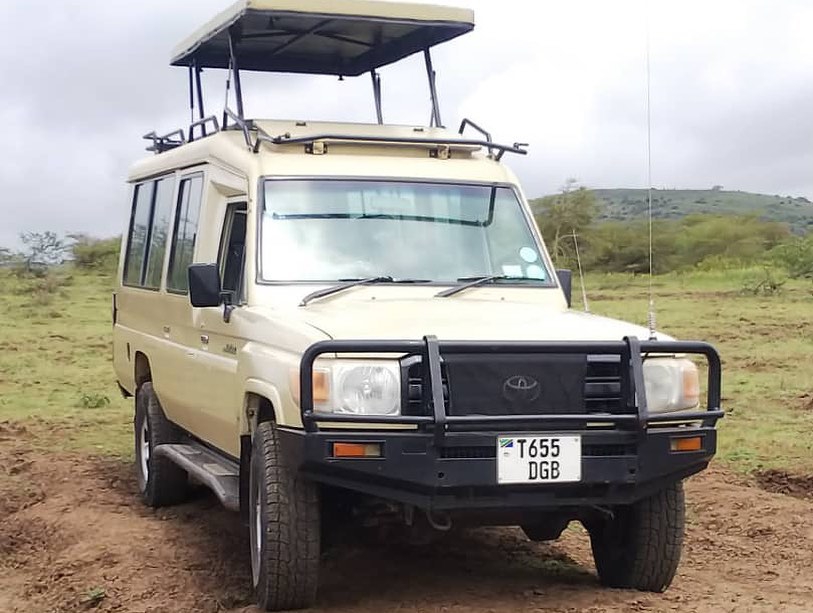
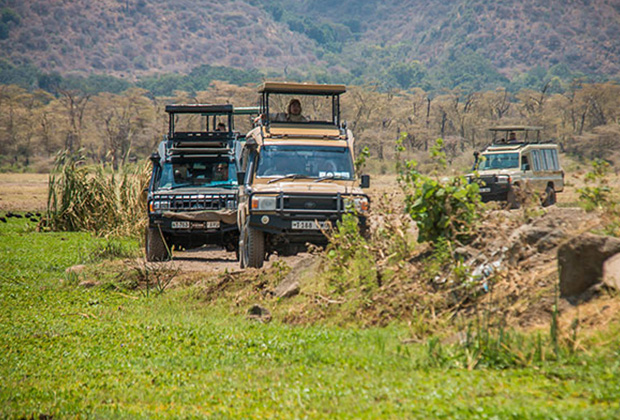
- Game Drives: These are usually conducted in custom-built 4×4 safari vehicles with pop-up roofs or open sides for optimal viewing and photography. Drives can last from a few hours to a full day, with breaks for meals.
- Midday Breaks: During the hottest part of the day, you might return to your lodge or camp for lunch, relaxation, or swimming. Some parks have restrictions on midday game drives.
- Afternoon/Evening Drives: Safaris resume in the late afternoon, continuing until sunset. Some operators offer night drives (where permitted) to spot nocturnal animals.
- Meals: Expect delicious meals, often served in scenic locations. Bush breakfasts and dinners are common highlights. Lodges and camps cater to various dietary needs with advance notice.
- Accommodation: Options range from luxury lodges with swimming pools and fine dining to comfortable tented camps (offering a more rustic yet still comfortable experience) and basic campsites.
Wildlife Encounters
While wildlife sightings are never guaranteed, Tanzania’s parks offer exceptionally high chances of seeing a wide array of animals. The Big Five (lion, leopard, elephant, rhino, buffalo) are a major draw, but you’ll also encounter giraffes, zebras, hippos, crocodiles, cheetahs, hyenas, and countless species of birds and smaller mammals. Patience is key; sometimes the most rewarding sightings come after a period of quiet observation.
Cultural Experiences
Many safari tours in Africa include opportunities to interact with local communities, such as the Maasai people. These visits offer insights into traditional lifestyles, customs, and daily life, providing a richer understanding of the region beyond just the wildlife.
Mobile Connectivity & Power
Expect limited or no Wi-Fi/mobile signal in most remote park areas. Lodges often have Wi-Fi in common areas, but it can be slow. Power is usually available for charging devices, often via generators or solar power, but it might be restricted to certain hours or locations. Bring extra power banks for your 2026-2027 trips.
Packing and Preparation for Safari Tours in Africa
Smart packing is crucial for comfort and practicality on safari tours in Africa. The key is to pack light, versatile clothing in neutral colors.
Essential Clothing Items
- Neutral-Colored Clothing: Khaki, beige, olive green, brown. Avoid bright colors (which can scare wildlife) and dark blue/black (which can attract tsetse flies in some areas).
- Lightweight Long-Sleeved Shirts & Trousers: For sun protection during the day and warmth/insect protection in the evenings.
- T-shirts & Shorts: For warmer parts of the day.
- Fleece Jacket or Warm Sweater: Evenings and early mornings can be cool, especially at higher altitudes (like the Ngorongoro Crater rim).
- Waterproof/Windproof Jacket: Essential for unexpected rain showers, especially during the wet seasons.
- Comfortable Walking Shoes/Hiking Boots: If you plan on walking safaris or light hikes.
- Sandals/Flip-flops: For relaxing at the lodge/camp.
- Hat: Wide-brimmed for sun protection.
- Swimsuit: For lodges with pools.
Footwear
Comfortable, broken-in shoes are a must. For most game drives, trainers or comfortable walking shoes are sufficient. If you plan on any guided walks, sturdy hiking boots are recommended. Avoid open-toed shoes during drives for safety.
Health and Safety
- Consult Your Doctor: Discuss necessary vaccinations (e.g., Yellow Fever, Hepatitis A/B, Typhoid) and malaria prophylaxis well in advance of your 2026 or 2027 safari.
- Insect Repellent: High DEET content is recommended.
- Sunscreen: High SPF, broad-spectrum.
- First-Aid Kit: Include personal medications, pain relievers, antiseptic wipes, bandages, and treatments for common ailments like upset stomachs or headaches.
- Hand Sanitizer: Useful when facilities are basic.
Other Essentials
- Binoculars: Crucial for spotting distant wildlife. Bring your own pair as camp binoculars may be limited.
- Camera & Extra Batteries/Memory Cards: You’ll want to capture everything! Consider a telephoto lens.
- Power Adapter & Power Bank: For charging electronics. Universal adapters are useful.
- Reusable Water Bottle: Stay hydrated and reduce plastic waste.
- Small Backpack/Daypack: For carrying essentials during game drives (water, camera, sunscreen, snacks).
- Passport & Visas: Ensure they are valid and easily accessible. Carry copies separately.
- Travel Insurance: Essential for medical emergencies, trip cancellations, and lost luggage.
Luggage Restrictions
For light aircraft flights within Tanzania (often used for Serengeti transfers), luggage is typically restricted to soft-sided duffel bags weighing no more than 15-20 kg (33-44 lbs), including hand luggage. Check with your tour operator for specific limits.
Common Mistakes to Avoid on Safari Tours in Africa
Planning is key to a smooth safari. Avoiding common pitfalls can significantly enhance your experience.
- Packing Incorrectly: Bringing too much, wrong colors, or forgetting essentials like binoculars or insect repellent.
- Ignoring Health Advice: Not consulting a doctor about vaccinations and malaria prevention for your 2026 or 2027 trip.
- Unrealistic Expectations: Expecting to see every animal on every drive or assuming wildlife is always close to the vehicle.
- Not Booking in Advance: Especially for peak seasons or popular lodges, failing to book early can lead to disappointment.
- Choosing the Wrong Time to Travel: Visiting during heavy rains might make game viewing difficult or roads impassable.
- Rushing the Itinerary: Trying to see too many parks in too little time leads to excessive travel and less time enjoying each location.
- Not Informing Your Operator of Special Needs: Dietary requirements, mobility issues, or specific interests should be communicated well in advance.
- Disrespecting Wildlife: Feeding animals, getting too close, or making loud noises can be dangerous and harmful to the animals. Always follow your guide’s instructions.
- Underestimating Costs: Safaris can be expensive. Factor in park fees, accommodation, activities, tips, and personal expenses.
Who Are Safari Tours in Africa Best Suited For?
Safari tours in Africa cater to a wide range of travelers, each seeking a unique connection with nature and adventure.
- Nature Enthusiasts & Wildlife Lovers: The primary audience, drawn by the unparalleled opportunity to see animals in their natural habitat.
- Photographers: From amateur to professional, the diverse wildlife, landscapes, and dramatic light offer endless photographic opportunities.
- Families: Safaris can be incredibly educational and bonding experiences for children, teaching them about wildlife conservation and different cultures. Many lodges offer family-friendly activities and accommodations.
- Couples & Honeymooners: The romantic settings, stunning sunsets, and unique experiences make safaris a popular choice for romantic getaways and honeymoons.
- Adventure Seekers: Those looking for thrilling experiences like walking safaris, night drives, or exploring remote wilderness areas.
- Cultural Explorers: Travelers interested in learning about the traditions and lifestyles of indigenous communities like the Maasai.
- Solo Travelers: Group tours and well-organized lodge stays make solo travel safe and enjoyable, offering opportunities to meet like-minded people.
For 2026 and 2027, consider what type of safari experience aligns best with your interests. Are you seeking a luxurious escape, an adventurous expedition, or a family-focused educational journey?
Alternatives to Traditional Safari Tours in Africa
While classic game drives are the hallmark of African safaris, other ways to experience the continent’s wild side exist.
- Walking Safaris: Offer a more intimate and ground-level perspective of the bush. You learn tracking skills and appreciate the smaller details of the ecosystem. Popular in areas like Zambia and parts of Tanzania.
- Horseback Safaris: Provide a different vantage point, allowing you to cover ground quickly and approach wildlife more stealthily. Common in Botswana and South Africa.
- Canoe Safaris: Ideal for water-based wildlife viewing, especially in areas like the Okavango Delta or along the Zambezi River.
- Gorilla and Chimpanzee Trekking: Primarily in Rwanda, Uganda, and the Democratic Republic of Congo. A more focused primate-viewing experience, requiring permits and physical fitness.
- Diving and Snorkeling: Off the coast of East Africa (e.g., Zanzibar, Pemba) and Southern Africa (e.g., Mozambique) offer vibrant marine life.
- Cultural Tours: Focusing entirely on village visits, historical sites, and local traditions, with minimal wildlife focus.
These alternatives can be combined with traditional safaris or form the basis of a unique trip for those planning safari tours in Africa for 2026 or 2027 who want something beyond the typical game drive.
Planning Your Safari Tours in Africa for 2026 and 2027
Advance planning is essential for securing the best experiences, accommodations, and prices for your safari tours in Africa, especially for popular travel years like 2026 and 2027.
Booking Timeline
- 12+ Months Ahead: For peak season travel (e.g., July-October for migration), specific high-demand lodges, or if you have very specific requirements (e.g., family groups, special occasions), start researching and booking. This is crucial for securing prime spots for 2026 and 2027.
- 6-12 Months Ahead: This is the ideal window for most travelers. It allows ample time to compare operators, customize itineraries, and book preferred accommodations and flights.
- 3-6 Months Ahead: Still possible to book, but options may be more limited, especially for popular dates or lodges. Prices might also start to increase.
- Less than 3 Months: Last-minute deals can sometimes be found, but availability will be a significant challenge for prime safari tours in Africa during 2026-2027.
Budget Considerations for Safari Tours in Africa
Safari costs vary widely based on accommodation level, duration, number of parks visited, activities, and time of year. Key cost components include:
- Park Entrance Fees: These are significant and often charged per person per day.
- Accommodation: Ranges from basic campsites to ultra-luxury lodges.
- Vehicle & Guide Costs: Private safaris are more expensive than group tours.
- Meals: Usually included in lodge/camp rates, but drinks and extras may not be.
- Internal Flights: Safari flights (e.g., to/from Serengeti) add to the cost.
- Activities: Hot air balloon safaris, guided walks, etc., are usually extra.
- Tips: For guides, camp staff, etc.
- Visas & Vaccinations.
- International Flights.
When budgeting for your 2026 or 2027 safari, aim for a mid-range to mid-plus level for a good balance of comfort, wildlife viewing, and service. Be wary of suspiciously low prices, which may indicate compromises on guide quality, vehicle maintenance, or accommodation standards.
Choosing a Reputable Tour Operator
Selecting the right tour operator is paramount for a successful safari tours in Africa. Look for:
- Local Expertise: Operators based in Tanzania (like us!) have invaluable on-the-ground knowledge.
- Customization: Ability to tailor itineraries to your specific interests and budget.
- Transparency: Clear pricing, inclusions, and exclusions.
- Good Reviews & Reputation: Check independent review sites.
- Sustainability Practices: Commitment to responsible tourism.
- Clear Communication: Responsive and helpful communication throughout the planning process.
Visa and Health Requirements for 2026-2027
Visas: Most nationalities require a visa for Tanzania. This can often be obtained online in advance (e-Visa) or upon arrival. Check the latest requirements for your nationality. For multi-country safaris, research visa needs for each country.
Health: As mentioned, consult your doctor 4-6 weeks before travel regarding vaccinations and malaria prevention. Ensure your travel insurance covers medical evacuation.
Booking Your Safari Tours in Africa: A Step-by-Step Approach
Ready to turn your dream safari into a reality for 2026 or 2027? Here’s how to proceed:
- Define Your Interests: What do you most want to see and do? (e.g., Great Migration, Big Five, gorillas, cultural experiences).
- Set Your Budget: Determine a realistic budget range.
- Choose Your Destination(s): Tanzania? Kenya? Botswana? A combination?
- Select Your Travel Dates: Consider seasonality for wildlife and weather.
- Research Tour Operators: Look for reputable local operators with excellent reviews.
- Request Quotes & Itineraries: Contact 2-3 operators with your requirements. Compare what’s included.
- Ask Questions: Don’t hesitate to clarify any doubts about the itinerary, vehicles, guides, accommodation, or inclusions.
- Review & Finalize: Choose the operator and itinerary that best fits your needs.
- Book: Sign the contract, pay the deposit, and secure your safari.
- Prepare: Follow the packing and health advice.
When you’re ready to plan your unforgettable safari tours in Africa, especially for 2026 or 2027, our team at Best Tanzania Tour Operator is here to help craft the perfect adventure tailored just for you. We specialize in creating authentic, memorable, and seamless safari experiences across Tanzania’s most iconic landscapes.
Frequently Asked Questions About Safari Tours in Africa
Q1: What is the best time of year for safari tours in Africa, specifically for seeing the Great Migration in Tanzania in 2026 or 2027?
A1: The Great Migration is a year-round phenomenon, but its location varies. For river crossings (the most dramatic), aim for July to October in the northern Serengeti. For the calving season, January to March in the southern Serengeti is ideal. For general excellent game viewing across Tanzania, the dry season (June-October) is typically best.
Q2: How much do safari tours in Africa typically cost?
A2: Costs vary significantly. Budget travelers might spend $150-$250 per person per day (camping). Mid-range safaris typically range from $300-$500 per person per day. Luxury safaris can easily exceed $600-$1000+ per person per day. These estimates usually exclude international flights but include park fees, accommodation, vehicle, guide, and most meals.
Q3: Are safari tours in Africa safe for solo travelers?
A3: Yes, safari tours in Africa are generally very safe for solo travelers. Reputable tour operators prioritize safety, and you’ll typically be accompanied by an experienced guide. Staying in lodges and tented camps is also secure. Many solo travelers enjoy the camaraderie of group tours.
Q4: What is the difference between a private and a group safari tour in Africa?
A4: A group safari involves sharing a vehicle and guide with other travelers, making it more budget-friendly. A private safari means you have a dedicated vehicle, guide, and driver solely for your party, offering more flexibility in timing and route. Private safaris are more expensive but provide a personalized experience.
Q5: Do I need special vaccinations for safari tours in Africa?
A5: It’s essential to consult your doctor or a travel clinic 4-6 weeks before your trip. Recommended vaccinations often include Yellow Fever (required for entry into some countries or if traveling from a risk area), Hepatitis A & B, Typhoid, and Tetanus. Malaria prophylaxis is usually recommended for most safari destinations.
Q6: What should I pack for a safari tour in Africa, especially for the 2026-2027 season?
A6: Pack light, neutral-colored clothing (khaki, beige, green), long-sleeved shirts and trousers for sun/insect protection, a warm layer for cool mornings/evenings, comfortable walking shoes, a hat, sunglasses, high SPF sunscreen, insect repellent, a camera, binoculars, and any personal medications. Soft-sided luggage is often required for internal flights.
Q7: Can I combine safari tours in Africa with other activities like climbing Kilimanjaro or visiting Zanzibar?
A7: Absolutely! Tanzania is perfectly set up for multi-activity trips. Many travelers combine a Northern Circuit safari with a Kilimanjaro climb and/or a relaxing holiday on the beaches of Zanzibar. This offers a fantastic mix of adventure, culture, and relaxation. Planning this combination for 2026 or 2027 is very popular.
Q8: How much should I tip my safari guide and camp staff in Tanzania?
A8: Tipping is customary and appreciated. A general guideline for a private safari guide is $20-$30 per day per group. For camp/lodge staff, a tip of $10-$15 per day per guest for the entire team is common. Your tour operator can provide specific recommendations based on your tour type.
Q9: What happens if I get sick or injured during my safari tours in Africa?
A9: Reputable tour operators work with emergency medical evacuation services (like AMREF Flying Doctors in East Africa). Comprehensive travel insurance that includes medical evacuation is crucial. Your guide will be trained to handle basic first aid and coordinate any necessary medical assistance.
Q10: Are there age restrictions for safari tours in Africa?
A10: Generally, there are no strict age restrictions for most safari tours, but it depends on the specific activities and accommodations. Children under 6 may not be recommended for extensive game drives or certain camps. Gorilla trekking usually has a minimum age of 15. Always discuss the suitability of a safari with your tour operator if traveling with very young children or elderly relatives.
Ready for Your Unforgettable Safari Tours in Africa?
Planning safari tours in Africa is an exciting process, and with the right information and partner, it can be incredibly rewarding. Tanzania offers a world-class safari experience, from the vast plains of the Serengeti to the unique ecosystem of the Ngorongoro Crater.
Whether you are envisioning your adventure for 2026, 2027, or beyond, our team at Best Tanzania Tour Operator is dedicated to creating a personalized safari that exceeds your expectations. We combine local expertise with a passion for wildlife and conservation to deliver authentic and memorable experiences.
Let us help you craft your dream safari tour in Africa.
Contact us today to start planning:
- WhatsApp: +255616946642
- Email: topguideadventures@gmail.com
- Backup Email: info@topguideadventures.com
We look forward to helping you explore the magic of Africa!
Plan your safari tours Africa with Top Guide Adventures
Tell us your travel dates, group size, comfort level, and dream experience. We will help you shape a clear, realistic, and memorable Tanzania itinerary.







 Veedesigner
 Fatma Kizanga
 Benjamin Waryuba
 Philip Philip
 John jr Itaja
 Antonia Optatus
 Edith Kanyere
 Neema Iddy
 Kelvin Boniphace
 Damari Maiga



