
Updated planning guide for 2026-2027
Sanje Waterfall Hike Guide: Essential Travel Tips 2026-2027
Discover the magic of Sanje Waterfall with this comprehensive guide. Learn everything you need to plan your hike, from routes and what to pack to the best time to visit and booking advice for your 2026-2027 Tanzania adventure.
WhatsApp +255616946642 | topguideadventures@gmail.com | info@topguideadventures.com

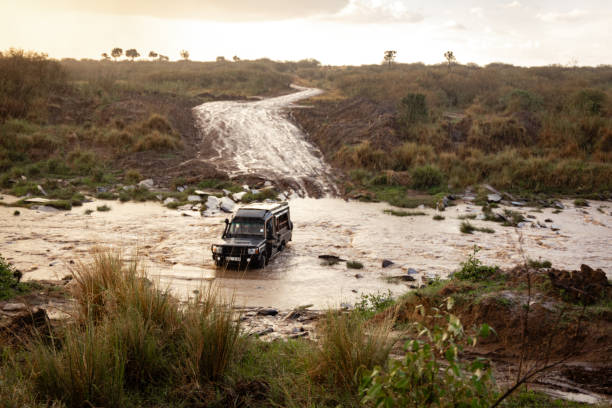
Sanje Waterfall Hike: Your Complete Tanzania Day Trip Guide
The Sanje Waterfall hike is a captivating day trip experience, offering a refreshing escape into Tanzania’s natural beauty, particularly for those visiting or traveling near Ruaha National Park. While Ruaha is predominantly known for its exceptional wildlife safaris, the opportunity to combine this with a scenic waterfall hike provides a unique dimension to a Tanzania tour. This guide is crafted to equip you with all the essential information for planning and enjoying the Sanje Waterfall hike, ensuring a memorable addition to your 2026 or 2027 travel plans.
Table of Contents
- Quick Facts About Sanje Waterfall
- Sanje Waterfall: An Overview
- Why Choose the Sanje Waterfall Hike?
- Best Time to Visit Sanje Waterfall
- Location and Route Details
- Sample Sanje Waterfall Day Trip Itinerary
- What to Expect During the Hike
- Packing and Preparation Essentials
- Common Mistakes to Avoid
- Who is the Sanje Waterfall Hike Best Suited For?
- Alternatives to Sanje Waterfall
- Planning Your Sanje Waterfall Trip for 2026-2027
- Booking Your Sanje Waterfall Experience
- Frequently Asked Questions (FAQs)
Quick Facts About Sanje Waterfall
| Feature | Details |
|---|---|
| Location | Ruaha National Park, Tanzania |
| Type of Activity | Day trip, hiking, nature walk, scenic viewpoint |
| Duration | Typically a full day trip from Iringa or park accommodation |
| Difficulty | Moderate (requires some fitness) |
| Scenery | Dramatic cliffs, river valleys, diverse flora, impressive waterfall |
| Wildlife Potential | Possible sightings of birds, small mammals, and reptiles during the hike |
| Access | Requires a 4×4 vehicle and a knowledgeable guide |
Sanje Waterfall: An Overview
Nestled within the rugged and expansive landscape of Ruaha National Park, Sanje Waterfall is a spectacular natural cascade that plunges dramatically into a clear pool below. It’s not just the waterfall itself that captivates visitors, but the journey to reach it. The hike typically involves traversing varied terrain, offering stunning vistas of the park’s unique geology, including its characteristic baobab trees and kopjes. The area surrounding the waterfall is lush, providing a stark contrast to the drier plains often associated with wildlife viewing in Ruaha. This makes the Sanje Waterfall hike a refreshing and visually rewarding experience, distinct from a typical safari drive.
Why Choose the Sanje Waterfall Hike?
While Tanzania is globally renowned for its safaris and mountain climbs, destinations like Sanje Waterfall offer a different, yet equally compelling, adventure. Here’s why it should be on your radar:
- Unique Scenery: Experience the dramatic landscapes of Ruaha beyond its typical safari panoramas. The cliffs, riverine areas, and the waterfall itself present a different kind of natural beauty.
- Active Exploration: For travelers who enjoy a physical challenge and the reward of reaching a beautiful natural landmark on foot, this hike is ideal.
- Tranquil Escape: It provides a peaceful contrast to the excitement of game drives, allowing for quiet appreciation of nature.
- Photography Opportunities: The vistas, the flora, and the powerful waterfall offer ample chances for stunning photographs.
- Complementary Experience: If you are visiting Ruaha National Park for a safari, the Sanje Waterfall hike adds a significant layer to your trip, showcasing the park’s diverse environments.
Best Time to Visit Sanje Waterfall
The best time to undertake the Sanje Waterfall hike is generally during the dry season in Tanzania, which typically runs from June to October. During these months:
- Lower Rainfall: The trails are less likely to be muddy or slippery, making the hike safer and more comfortable.
- Pleasant Temperatures: While still warm, the humidity is lower, and temperatures are more manageable for hiking.
- Clearer Skies: You’ll have better visibility for enjoying the scenic views along the route and at the waterfall.
The shoulder months, such as May and November, can also be good, though there’s a higher chance of rain. The green season (December to April) brings lush landscapes but also significant rainfall, which can make the hike challenging and potentially dangerous due to flash floods and slippery conditions. Always check local conditions with your tour operator before planning your trip for 2026 or 2027.
Location and Route Details
Sanje Waterfall is located within the southern reaches of Ruaha National Park. Accessing the trailhead typically requires a 4×4 vehicle, as the park roads can be rough and challenging. The hike itself is usually undertaken from a drop-off point within the park, often near the Mdonya Falls area or a designated access point for the trail leading to Sanje.
The route is not a simple, well-trodden path in the way some European or North American trails might be. Instead, it involves navigating through a mix of dry riverbeds, rocky outcrops, and sometimes dense bush, guided by local rangers or experienced guides. The terrain can be steep in places, with sections requiring careful footing.
Route Illustration (Conceptual):
| Stage | Description | Terrain Notes |
|---|---|---|
| 1. Park Access Point | Arrival via 4×4 from park gate or lodge. Meet your guide. | Rough park tracks. |
| 2. Initial Ascent | Leaving the vehicle, begin a steady climb towards the higher ground. | Rocky, some inclines. |
| 3. Valley Traverse | Descend into a valley or follow a river course. | Can be sandy or rocky, potential for dry riverbed walking. |
| 4. Final Approach | Ascend towards the waterfall’s location, often involving navigating near cliff edges. | Steep sections, uneven ground, requires focus. |
| 5. Sanje Waterfall | Arrival at the base or viewpoint of the waterfall. Time for rest and photos. | Wet and potentially slippery around the base. |
| 6. Return Journey | Retrace steps or follow a slightly different path back to the vehicle. | Similar to the approach, but in reverse. |
The hike typically takes between 3 to 5 hours round trip, depending on the exact starting point, the group’s fitness level, and how much time is spent enjoying the waterfall. It’s crucial to have a guide who knows the area intimately for safety and navigation.
Sample Sanje Waterfall Day Trip Itinerary
This is a sample itinerary for a full-day trip to Sanje Waterfall, assuming you are staying at a lodge or camp within or near Ruaha National Park, or traveling from the town of Iringa.
| Time | Activity | Notes |
|---|---|---|
| 07:00 AM | Early Breakfast & Departure | Enjoy breakfast at your lodge/camp. Depart in a 4×4 vehicle with your guide and packed lunch. |
| 08:00 AM – 09:00 AM | Drive to Trailhead | Scenic drive through Ruaha National Park, potentially spotting wildlife along the way. |
| 09:00 AM | Begin Sanje Waterfall Hike | Meet ranger (if required), receive briefing, and start the trek. |
| 09:00 AM – 11:30 AM | Hike to the Waterfall | Trek through varied terrain, enjoying the landscape and looking for smaller wildlife. |
| 11:30 AM – 1:00 PM | At Sanje Waterfall | Arrive at the waterfall. Time for photos, relaxation, and enjoying a packed lunch with a view. |
| 1:00 PM – 3:30 PM | Return Hike | Trek back to the vehicle. |
| 3:30 PM – 4:30 PM | Drive back to Lodge/Camp | Another opportunity for wildlife viewing as you return. |
| 4:30 PM onwards | Relaxation | Arrive back, relax, and enjoy dinner. |
Note: This itinerary is flexible and can be adjusted based on your interests, fitness, and the specific arrangements made with your tour operator. For 2026-2027 travel, early booking is recommended.
What to Expect During the Hike
The Sanje Waterfall hike is an adventure that offers a good balance of physical exertion and natural reward. Here’s what you can generally expect:
- Guided Experience: You will always be accompanied by a qualified guide. In Ruaha, this often means a park ranger for specific trails, who is knowledgeable about the local flora, fauna, and safety protocols.
- Terrain: Expect a mix of surfaces. You might walk on sandy paths, rocky trails, and potentially across dry riverbeds. Some sections can be steep and require good balance. It’s not a paved path; it’s a natural trail.
- Physical Demand: The hike is generally considered moderate. It requires a reasonable level of fitness to manage the ascents and descents, especially in the heat. If you are comfortable with several hours of walking over uneven ground, you should be fine.
- Scenery: The journey is as beautiful as the destination. You’ll pass through varying landscapes, from open bush to more vegetated areas near the water. The views from higher points can be expansive.
- The Waterfall: Sanje Waterfall is impressive, especially during or just after the rainy season when the water flow is at its strongest. The spray can create a microclimate, and the pool at the base is often a refreshing sight. Be cautious of slippery rocks near the water’s edge.
- Wildlife: While not a primary game-viewing activity, you might encounter smaller wildlife such as various bird species, lizards, and perhaps smaller mammals like dik-diks or baboons. The focus is on the landscape and the waterfall.
- Heat: Tanzania can be hot, even in the dry season. You’ll need to stay hydrated and wear appropriate clothing. Starting early in the morning is key to avoiding the peak heat of the day.
- Safety: Guides are trained to handle potential risks, such as navigation, animal encounters, and weather changes. Always follow their instructions.
Packing and Preparation Essentials
Proper preparation is key to enjoying your Sanje Waterfall hike. Here’s a checklist of essential items:
| Category | Items | Why it’s important |
|---|---|---|
| Clothing | Lightweight, breathable hiking trousers or shorts Moisture-wicking t-shirts or long-sleeved shirts A light fleece or jacket (for cooler mornings/evenings) Hat (wide-brimmed recommended) |
Comfort, protection from sun and insects, temperature regulation. |
| Footwear | Sturdy, broken-in hiking boots or trail shoes with good grip Comfortable hiking socks |
Essential for navigating uneven and potentially slippery terrain. Prevents blisters. |
| Hydration | Plenty of water (at least 2-3 liters per person) Water bottle or hydration pack |
Crucial for preventing dehydration in the heat. |
| Protection | High SPF sunscreen Insect repellent (with DEET) Sunglasses |
Sunburn prevention, protection against insect bites. |
| Gear | Small backpack Camera and extra batteries/memory card Binoculars (optional, for wildlife spotting) Small first-aid kit (with personal medications) Hand sanitizer |
To carry essentials, capture memories, for emergencies. |
| Documents | Park entry fees confirmation (if not included) Identification |
Necessary for park access and personal security. |
| Food | Packed lunch and snacks | To keep energy levels up during the hike. |
Preparation Tips:
- Fitness: Ensure you have a reasonable level of fitness. If you’re not used to hiking, try to incorporate some walking or light cardio into your routine in the weeks leading up to your trip.
- Acclimatization: If arriving from sea level, spend a day or two acclimatizing in a lodge before attempting the hike.
- Footwear: Never wear new, untested shoes on a hike. Break them in well in advance.
- Hydration: Start hydrating well the day before your hike.
Common Mistakes to Avoid
To ensure your Sanje Waterfall hike is a success, be aware of these common pitfalls:
- Underestimating the Hike: Do not treat this as a casual stroll. It requires effort, especially in the heat.
- Inadequate Water: Running out of water is dangerous. Always carry more than you think you’ll need.
- Wearing the Wrong Shoes: Flip-flops, sandals, or casual sneakers are unsuitable and can lead to injuries.
- Not Using Sun Protection: The Tanzanian sun is intense. Neglecting sunscreen, hats, and sunglasses can lead to severe sunburn.
- Going Without a Guide: The trails are not always clearly marked, and local knowledge is vital for navigation and safety.
- Ignoring Your Guide’s Advice: Your guide is there to ensure your safety. Listen to their instructions regarding wildlife, terrain, and pace.
- Attempting the Hike During Heavy Rain: This is when flash floods are a risk, and trails become extremely hazardous.
- Not Packing Snacks: Hiking can be energy-intensive. Low blood sugar can lead to fatigue and poor decision-making.
- Overpacking: While it’s important to be prepared, carrying too much weight will make the hike much harder. Stick to essentials.
Who is the Sanje Waterfall Hike Best Suited For?
The Sanje Waterfall hike is an excellent choice for a specific type of traveler:
- Active Travelers: Individuals or groups who enjoy incorporating physical activity into their travel experiences.
- Nature Enthusiasts: Those who appreciate diverse landscapes, geological formations, and the beauty of waterfalls.
- Safari Add-ons: Travelers visiting Ruaha National Park for a safari who want to experience a different facet of the park’s environment.
- Day Trippers: Visitors looking for a fulfilling day trip from nearby lodges or towns like Iringa.
- Photographers: Anyone looking for dramatic scenery and unique shots beyond typical wildlife photography.
- Those seeking variety: Travelers who want to break up long safari drives with an active excursion.
It is less suitable for:
- Individuals with significant mobility issues or severe physical limitations.
- Travelers who prefer purely relaxing holidays with no strenuous activity.
- Very young children who may not cope with the duration or terrain.
Alternatives to Sanje Waterfall
While Sanje Waterfall is a prime attraction, Tanzania offers other hiking and nature-focused experiences that might appeal depending on your location and interests:
- Mdonya Falls (Ruaha): Sometimes confused with Sanje, Mdonya Falls is another beautiful cascade in Ruaha National Park, often accessible via a different, potentially shorter, hiking route.
- Kigoma Region Waterfalls: If you are exploring Western Tanzania, areas around Lake Tanganyika offer stunning natural beauty and waterfalls, though these are typically more remote and require dedicated travel.
- Mount Kilimanjaro/Mount Meru Treks: For serious trekkers, these iconic mountains offer multi-day hiking challenges with vastly different environments and altitudes.
- Usambara Mountains: Located in northeastern Tanzania, these mountains offer excellent hiking opportunities through lush forests, local villages, and scenic viewpoints, often with a cultural focus.
- Materuni Waterfalls (near Moshi): A popular day trip from Moshi, this waterfall is accessible via a shorter, less strenuous hike and often combined with a coffee plantation tour.
The Sanje Waterfall hike stands out for its location within the wild and remote Ruaha National Park, offering a unique blend of adventure and natural beauty that is distinct from these other options.
Planning Your Sanje Waterfall Trip for 2026-2027
Planning ahead is crucial for a smooth and enjoyable experience, especially when considering travel for 2026 or 2027. Here are some key considerations:
- Book in Advance: Sanje Waterfall is often visited as part of a larger Ruaha National Park itinerary. Tour operators need time to arrange permits, guides, transportation, and accommodation. Booking 6-12 months in advance is advisable, particularly for peak seasons.
- Choose the Right Season: As discussed, the dry season (June-October) is ideal. If your 2026 or 2027 travel dates fall outside this, be prepared for potential rain and adjust your expectations and gear accordingly.
- Combine with a Ruaha Safari: The most practical way to visit Sanje Waterfall is to include it in a safari itinerary for Ruaha National Park. This allows for seamless logistics.
- Consider Your Starting Point: Are you staying in a lodge inside Ruaha, or will you be traveling from Iringa? This affects the duration of your travel to the trailhead.
- Fitness Assessment: Be honest about your fitness level. If you have concerns, discuss them with your tour operator to ensure the hike is appropriate for you.
- Budgeting: Factor in costs for park fees, guide fees, transportation (4×4 hire), and potentially accommodation if you’re staying nearby. Many tour packages will bundle these.
- Health Precautions: Consult your doctor about necessary vaccinations and malaria prophylaxis well before your 2026-2027 trip.
Booking Your Sanje Waterfall Experience
Securing your Sanje Waterfall hike experience requires working with a reputable tour operator. Here’s how to approach booking:
When booking your Sanje Waterfall hike, look for operators who:
- Have Local Expertise: Operators deeply familiar with Ruaha National Park and its specific attractions like Sanje Waterfall are essential.
- Offer Tailored Itineraries: They should be able to customize your trip, whether it’s a day hike or part of a longer safari.
- Provide Clear Inclusions/Exclusions: Understand exactly what your booking covers – park fees, guide fees, transport, meals, etc.
- Prioritize Safety: They should have a strong safety record and work with certified guides and rangers.
- Are Responsive: Good communication is key. They should answer your questions promptly and clearly.
How to Book:
Contact us directly to start planning your unforgettable Sanje Waterfall hike as part of your Tanzania adventure for 2026 or 2027. We specialize in creating bespoke safari and trekking experiences that showcase the best of Tanzania.
Get in Touch:
- WhatsApp: +255616946642
- Email: topguideadventures@gmail.com
- Backup Email: info@topguideadventures.com
Let us help you craft the perfect itinerary that includes the breathtaking Sanje Waterfall hike. We are here to answer all your questions and ensure your trip is well-organized and spectacular.
Frequently Asked Questions (FAQs)
What is the best way to get to Sanje Waterfall?
The most practical way to reach the trailhead for the Sanje Waterfall hike is by a 4×4 vehicle, typically arranged as part of a tour package for Ruaha National Park. Access involves navigating park roads, which can be rough, and you’ll need a guide to lead you on the trail itself.
Is the Sanje Waterfall hike suitable for children?
The hike is generally considered moderate and can be challenging for very young children due to the terrain and heat. It is best suited for older children or teenagers who have a good level of fitness and can handle several hours of walking over uneven ground. Always discuss suitability with your tour operator.
Do I need a special permit to hike to Sanje Waterfall?
Yes, Sanje Waterfall is located within Ruaha National Park. You will need valid park entry permits, and often a park ranger will accompany hikers on this specific trail for safety and guidance. These are typically arranged by your tour operator.
What is the duration of the Sanje Waterfall hike?
The hike itself typically takes between 3 to 5 hours round trip, not including travel time to and from the trailhead. This duration can vary based on the fitness of the group and the time spent at the waterfall.
Can I swim at Sanje Waterfall?
Swimming at the base of Sanje Waterfall is generally not recommended due to potentially strong currents, slippery rocks, and the risk of encountering wildlife. Your guide will advise on safe areas if any are available, but the primary focus is on viewing the waterfall.
What kind of wildlife can I expect to see on the Sanje Waterfall hike?
While Ruaha National Park is famous for its large mammals, the Sanje Waterfall hike is more about the landscape. You may see various bird species, lizards, insects, and perhaps smaller mammals like baboons or dik-diks. The focus is on the natural beauty and the waterfall itself.
How much water should I carry for the hike?
It is essential to carry at least 2 to 3 liters of water per person. Staying hydrated is critical due to the heat and physical exertion. Your tour operator will advise on the exact amount needed, but it’s always better to have more than enough.
What is the best footwear for the Sanje Waterfall hike?
Sturdy, broken-in hiking boots or trail shoes with excellent grip are highly recommended. The terrain is uneven, rocky, and can be slippery, especially near the waterfall. Avoid open-toed shoes or casual sneakers.
Can I book the Sanje Waterfall hike independently?
While you can technically try to arrange parts of it independently, it is strongly advised to book the Sanje Waterfall hike through a reputable tour operator. They handle necessary park permits, arrange experienced guides and rangers, and provide the essential 4×4 transport, ensuring a safe and well-organized experience for your 2026-2027 travels.
What if I am not very fit? Can I still do the hike?
The Sanje Waterfall hike is rated as moderate. If you have significant concerns about your fitness, it’s best to discuss this with your tour operator. They might be able to offer alternative, less strenuous scenic viewpoints or advise on whether the hike is manageable for you. Prioritizing your safety and enjoyment is key for any 2026-2027 trip.
Ready to Experience the Sanje Waterfall Hike?
The Sanje Waterfall hike offers a refreshing and adventurous addition to any trip to Ruaha National Park. It’s a chance to connect with Tanzania’s natural beauty in a more active and intimate way. Whether you’re planning for 2026 or 2027, let us help you create an unforgettable experience.
Contact us today to discuss your personalized Sanje Waterfall hike and Ruaha National Park safari itinerary:
- WhatsApp: +255616946642
- Email: topguideadventures@gmail.com
- Backup Email: info@topguideadventures.com
Let us be your expert guide to the wonders of Tanzania, including the spectacular Sanje Waterfall hike.
Plan your Sanje Waterfall Hike Guide with Top Guide Adventures
Tell us your travel dates, group size, comfort level, and dream experience. We will help you shape a clear, realistic, and memorable Tanzania itinerary.







 Veedesigner
 Fatma Kizanga
 Benjamin Waryuba
 Philip Philip
 John jr Itaja
 Antonia Optatus
 Edith Kanyere
 Neema Iddy
 Kelvin Boniphace
 Damari Maiga



