
Updated planning guide for 2026, 2027-2028
Serengeti Migration Safari From Moshi: Best Guide 2026-2027-2028
Discover the magic of the Serengeti Migration with a safari starting from Moshi. This detailed guide provides everything you need to plan your trip, from understanding the migration patterns to choosing the right itinerary and booking with confidence.
WhatsApp +255616946642 | topguideadventures@gmail.com | info@topguideadventures.com
Serengeti Migration Safari From Moshi: The Ultimate Planning Guide
A Serengeti Migration safari from Moshi is a dream for many wildlife enthusiasts. Imagine witnessing one of the planet’s most spectacular natural events: hundreds of thousands of wildebeest and zebras journeying across the vast plains in search of fresh grazing. Starting your adventure from Moshi, a vibrant town at the foot of Mount Kilimanjaro, offers a convenient gateway to this incredible experience. This guide is designed to provide you with in-depth knowledge, practical planning tips, and everything you need to know to make your Serengeti Migration safari from Moshi a reality for 2026 or 2027.
We’ll cover the best times to visit, the different routes you can take, what to expect on your safari, how to prepare, and essential advice on booking with a trusted tour operator. Whether you’re a first-time visitor or looking to refine your safari plans, this resource aims to be your go-to companion.
Table of Contents
- Quick Facts: Serengeti Migration Safari from Moshi
- Understanding the Great Migration
- Why Choose Moshi as Your Safari Starting Point?
- Best Time to Witness the Migration from Moshi
- Serengeti Migration Patterns: A Look Ahead to 2026-2027
- Key Safari Routes and Areas for the Migration
- Sample Serengeti Migration Safari Itinerary from Moshi
- What to Expect on Your Safari
- Safari Inclusions and What to Pack
- Common Mistakes to Avoid
- Who is a Serengeti Migration Safari from Moshi Best For?
- Alternatives to a Serengeti Migration Safari
- Planning Your Safari for 2026-2027
- Booking Your Safari: Expert Tips
- Frequently Asked Questions
Quick Facts: Serengeti Migration Safari from Moshi
| Aspect | Details |
|---|---|
| Starting Point | Moshi, Tanzania |
| Primary Destination | Serengeti National Park |
| Main Attraction | The Great Wildebeest Migration |
| Typical Duration | 3-7 days (Serengeti portion), often combined with other parks |
| Best Viewing Months | Varies by location within Serengeti (see ‘Best Time’ section) |
| Travel Style | Game drives in 4×4 safari vehicles |
| Accommodation | Tented camps, lodges (ranging from budget to luxury) |
| Activities | Wildlife viewing, bird watching, photography, optional hot air balloon safaris |
| Accessibility | Road transfer from Moshi to Serengeti (approx. 7-9 hours including park entry), or flight from Kilimanjaro International Airport (JRO) to a Serengeti airstrip. |
Understanding the Great Migration
The Great Migration is a continuous movement of over 1.5 million wildebeest, zebras, and gazelles across the Serengeti-Mara ecosystem. This epic journey is driven by the search for greener pastures and water, dictated by the annual rainfall patterns. It’s not a single event but a year-round cycle, with different concentrations of animals in various parts of the ecosystem at different times.
The spectacle includes:
- Calving Season: Typically January to March in the southern Serengeti, where newborn calves are vulnerable to predators.
- The Southern Plains: Animals graze and move northwards from April to May as the dry season approaches.
- The Western Corridor: As the dry season intensifies, herds converge in the west, often crossing the Grumeti River, usually around June and July.
- The Mara River Crossings: The most dramatic phase, where large numbers of wildebeest and zebras brave the crocodile-infested Mara River to reach the northern Serengeti, usually from July to October.
- The Northern Plains: Herds spread out across the northern Serengeti, grazing before beginning their journey south again, often crossing back into Kenya’s Masai Mara.
Understanding this cycle is crucial for planning a successful Serengeti Migration safari from Moshi, as the best location to witness the migration depends entirely on the month of your visit.
Why Choose Moshi as Your Safari Starting Point?
Moshi offers several distinct advantages for travelers planning a Serengeti Migration safari. Its proximity to Kilimanjaro International Airport (JRO) makes it a convenient entry point into Tanzania. Many travelers arrive in Moshi to prepare for or recover from a Kilimanjaro climb, and extending their trip with a safari is a natural progression.
Benefits of starting from Moshi include:
- Logistical Hub: Moshi is well-equipped with tour operators, accommodation, and transport services, making safari planning straightforward.
- Gateway to Northern Circuit: It serves as an excellent base for exploring Tanzania’s famous Northern Safari Circuit, which includes the Serengeti, Ngorongoro Crater, Tarangire National Park, and Lake Manyara National Park.
- Integration with Kilimanjaro: For those combining a climb with a safari, Moshi is the natural starting and ending point.
- Cultural Experience: Moshi offers a glimpse into local Tanzanian life, with opportunities to visit coffee plantations, local markets, and interact with the Chagga people.
- Cost-Effectiveness: While flights to Serengeti airstrips are an option, starting with a road safari from Moshi can be a more budget-friendly approach, especially for longer trips.
Best Time to Witness the Migration from Moshi
The ‘best time’ for a Serengeti Migration safari from Moshi depends entirely on which part of the migration cycle you wish to see. Since Moshi is your starting point, you will be traveling to the Serengeti, and the timing dictates where in the vast park you should focus your safari. Here’s a breakdown by month:
| Month(s) | Location in Serengeti | Key Events | Considerations for Moshi Departures |
|---|---|---|---|
| January – March | Southern Serengeti (Ndutu Area) | Calving season, large herds, predators active | Road trip is feasible, but long. Flights to Manyara or direct to Ndutu (seasonal) are options. |
| April – May | Central & Southern Serengeti | Herds begin moving north, rains may still occur | Road conditions can be challenging due to rain. Flights are often preferred. |
| June – July | Western Corridor & Central Serengeti | Herds move towards the Grumeti River, river crossings possible | Road access to the west can be good. Central Serengeti is always accessible. |
| July – October | Northern Serengeti & Mara River | The famous Mara River crossings, large concentrations of animals | This is peak season. Road travel to the north is long; flights to Kogatende airstrip are highly recommended. Book well in advance. |
| November – December | Central & Eastern Serengeti | Herds begin moving south, short rains may start | Road access is generally good. Central and eastern areas offer excellent game viewing. |
Serengeti Migration Patterns: A Look Ahead to 2026-2027
While the Great Migration follows an annual pattern, exact timings can shift slightly each year due to rainfall variations. For 2026 and 2027, travelers can anticipate the general movements described above. However, flexibility and expert guidance are key.
Key predictions for 2026-2027:
- River Crossings: The Mara River crossings from July to October remain the most sought-after event. Booking safaris for this period in 2026 and 2027 requires booking at least 6-12 months in advance, especially for popular lodges and camps in the north.
- Calving Season: January to March in the south will offer incredible predator sightings as they capitalize on the vulnerable newborns.
- Shoulder Seasons: Consider April-May or November for potentially fewer crowds and lower prices, while still offering excellent wildlife viewing opportunities as the herds are on the move.
Your tour operator can provide the most up-to-date forecasts based on historical data and current conditions as your travel dates approach.
Key Safari Routes and Areas for the Migration
When planning a Serengeti Migration safari from Moshi, you’ll be focusing on specific regions within the vast Serengeti National Park and its surrounding ecosystem. These regions offer different experiences and are best visited during certain times of the year.
Serengeti Ecosystem Overview
Imagine a large, roughly oval-shaped park. Moshi is to the east, near Kilimanjaro.
- Southern Serengeti (Ndutu Area): South of the main Serengeti boundary, often considered part of the Ngorongoro Conservation Area. Famous for calving (Jan-Mar).
- Central Serengeti (Seronera Valley): The most biodiverse and accessible region, offering year-round game viewing. Good for general wildlife viewing and migration passage (Nov-Mar, Jul-Aug).
- Western Corridor (Grumeti River): Known for its riverine forests and Grumeti River crossings (May-Jul).
- Northern Serengeti (Kogatende/Lamai): The prime location for Mara River crossings (Jul-Oct). Borders Kenya’s Masai Mara.
- Eastern Serengeti: Offers a mix of landscapes, often visited when herds move between the north and south.
Typical Route from Moshi:
- Day 1: Drive from Moshi to Karatu or Arusha (gateway town for Ngorongoro/Serengeti). This is a long drive (4-5 hours).
- Day 2: Enter Ngorongoro Conservation Area. Game drive in Ngorongoro Crater (optional, highly recommended) or drive towards Serengeti via Olduvai Gorge. Overnight near Serengeti boundary or enter the park.
- Day 3-5: Explore Serengeti National Park. The specific areas visited (North, West, Central, South) depend on the time of year and migration location.
- Day 6: Drive back to Arusha/Moshi, or fly from a Serengeti airstrip to Arusha.
The exact route and park entries/exits will be tailored by your tour operator based on your safari duration and the migration’s predicted location.
Sample Serengeti Migration Safari Itinerary from Moshi
This is a sample 5-day Serengeti Migration safari, assuming you want to focus on the migration and start from Moshi. It can be extended to include other parks like Ngorongoro Crater or Tarangire, or shortened.
| Day | Morning Activity | Afternoon Activity | Overnight Location | Notes |
|---|---|---|---|---|
| Day 1 | Depart Moshi after breakfast (approx. 8:00 AM). Drive towards the Serengeti. | Enter the Serengeti National Park via Naabi Hill Gate. Begin first game drive en route to your camp/lodge. Look for animals along the way. | Central Serengeti (e.g., Seronera area) | Long travel day (approx. 7-9 hours driving). Stop for lunch en route. |
| Day 2 | Full day game drive in Central Serengeti. Focus on predator sightings (lions, leopards, cheetahs) and general wildlife. | Continue game drive, exploring different sectors of the valley. | Central Serengeti | Seronera Valley is known for its high concentration of resident wildlife year-round. |
| Day 3 | Morning game drive in Central Serengeti. | Drive towards the specific region where the migration is currently located (e.g., North for river crossings, South for calving). This might involve a full day’s drive or a shorter drive with a picnic lunch. | Northern Serengeti (e.g., Kogatende) or Southern Serengeti (e.g., Ndutu) depending on season. | This day’s destination is dictated by the migration’s location for your travel month. |
| Day 4 | Full day dedicated to the migration. If in the North, focus on Mara River crossings. If in the South, witness the calving herds and predator interactions. | Continue tracking the herds and observing their behaviour. | Northern or Southern Serengeti (as per Day 3) | This is likely the highlight day for witnessing the migration spectacle. |
| Day 5 | Early morning game drive in the migration area. | After breakfast, begin the drive back towards Arusha/Moshi. You may stop for lunch en route. | Arrive back in Moshi in the evening (approx. 6-8 PM). | Another long travel day. Alternatively, you could fly from a Serengeti airstrip back to Arusha to save time. |
Note: This itinerary can be extended to 7-10 days to include Ngorongoro Crater, Tarangire National Park, or Lake Manyara National Park for a more comprehensive Northern Circuit experience. For the 2026-2027 seasons, confirm the exact migration location with your tour operator when booking.
What to Expect on Your Safari
A Serengeti Migration safari from Moshi is an immersive wildlife experience. Here’s what you can generally expect:
- Early Mornings: Safaris often start at sunrise to catch animals when they are most active and for the best photographic light.
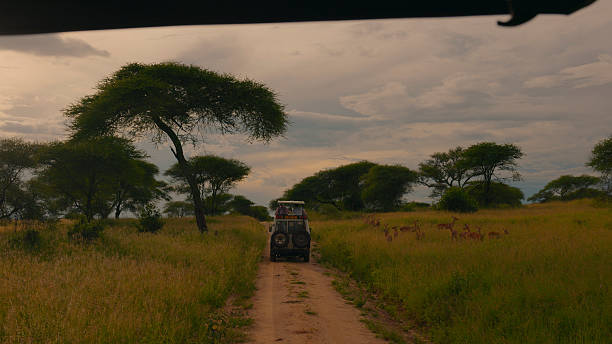
- Game Drives: You’ll spend most of your time in a specially adapted 4×4 safari vehicle with a pop-up roof for optimal viewing and photography. Your experienced guide will drive and help spot wildlife.
- Wildlife Abundance: Beyond the migration, the Serengeti is home to the ‘Big Five’ (lion, leopard, elephant, rhino, buffalo) and countless other species of mammals, birds, and reptiles.
- Vast Landscapes: The Serengeti offers diverse habitats, from endless savannas and acacia woodlands to riverine forests and kopjes (rocky outcrops).
- Accommodation: Options range from comfortable tented camps (offering a closer-to-nature experience with amenities) to permanent lodges. Tented camps are often strategically located to offer prime migration viewing.
- Predator Action: Witnessing predators like lions, cheetahs, and hyenas hunting or interacting with the migrating herds is a thrilling, albeit sometimes intense, part of the experience.
- Road Conditions: While main tracks are generally good, roads within the park can be rough, bumpy, and dusty, especially during the rainy seasons. This is part of the adventure!
- Limited Connectivity: Mobile phone signal and Wi-Fi can be intermittent or non-existent in many areas, offering a chance to disconnect and immerse yourself in nature.
- Bush Meals: Many safaris include picnic lunches in scenic spots within the park, or even sundowners (drinks and snacks at sunset) in the bush.
Safari Inclusions and What to Pack
Your safari package from Moshi will typically include:
- Accommodation: Nights spent in lodges or tented camps.
- Meals: Usually full board (breakfast, lunch, dinner) while on safari.
- Safari Vehicle: A 4×4 Land Cruiser or Land Rover with a pop-up roof and experienced driver-guide.
- Park Fees: Entrance fees to national parks and conservation areas.
- Water: Bottled water in the vehicle during game drives.
- Transfers: Pick-up and drop-off in Moshi or Arusha.
What is typically NOT included:
- International flights
- Visa fees
- Travel insurance
- Tips for guides and camp staff
- Drinks (alcoholic and soft drinks) beyond bottled water
- Optional activities like hot air balloon safaris
- Personal expenses
What to Pack for Your Serengeti Migration Safari
Pack light, comfortable, and practical clothing. Neutral colours are best to avoid startling wildlife.
Clothing:
- Lightweight, long-sleeved shirts (for sun and insect protection)
- T-shirts and casual tops
- Comfortable walking trousers or shorts (avoid bright colours)
- Fleece or warm jacket (mornings and evenings can be cool, especially during dry seasons or at higher altitudes)
- Waterproof/windproof jacket (essential for unpredictable weather)
- Swimsuit (if your lodge has a pool)
- Comfortable walking shoes or hiking boots (broken in)
- Sandals or flip-flops for camp/lodge
- Socks
Accessories:
- Sun hat with a wide brim
- Sunglasses
- Binoculars (essential for wildlife viewing!)
- Camera with extra batteries and memory cards
- Power bank or car adapter for charging electronics
- Headlamp or small flashlight
- Reusable water bottle
- Small backpack for day trips
- Insect repellent (with DEET)
- Sunscreen (high SPF)
- Lip balm with SPF
- Personal toiletries (biodegradable if possible)
- Basic first-aid kit (band-aids, pain relievers, antiseptic wipes, any personal medications)
- Hand sanitizer
- Travel-sized binoculars
- A good book for downtime
Documents:
- Passport (with at least 6 months validity)
- Visa (check requirements for your nationality)
- Yellow Fever certificate (if required)
- Flight tickets and itinerary
- Travel insurance details
- Copies of important documents (stored separately)
- Cash (USD is widely accepted for tips and small purchases, but local currency is useful)
Important Note: Luggage on internal flights or smaller safari vehicles can be restricted to soft duffel bags (usually around 15-20kg). Check with your tour operator.
Common Mistakes to Avoid
Planning a safari can be complex. Here are common pitfalls to avoid when organizing your Serengeti Migration safari from Moshi:
- Not Booking in Advance: Especially for the migration peak season (July-October), lodges and camps book up months, sometimes a year, in advance. Last-minute bookings can lead to limited options or higher prices. This is especially true for 2026 and 2027 travel.
- Ignoring the Migration Cycle: Arriving in the wrong area at the wrong time means you might miss the main migration spectacle. Always align your itinerary with the known migration patterns for your travel month.
- Underestimating Travel Times: Tanzania is vast. Road transfers between parks can be long and tiring. Factor this into your itinerary and consider internal flights if time is limited.
- Choosing the Wrong Tour Operator: Opt for reputable operators with good reviews, local knowledge, and clear communication. A poorly organized safari can detract from the experience.
- Packing Inappropriately: Bright colours, too much luggage, or forgetting essentials like binoculars can impact your comfort and enjoyment.
- Not Budgeting for Extras: Remember to factor in tips, drinks, personal expenses, and optional activities when setting your budget.
- Expecting Luxury in Remote Areas: While Tanzania offers luxury safaris, remember that many camps are in remote locations. Expect excellent service and comfort, but not always the amenities of a city hotel.
- Not Getting Travel Insurance: Essential for any trip, especially one involving remote locations and wildlife.
- Over-scheduling: Allow for some downtime and flexibility. Rushing between locations can be exhausting.
Who is a Serengeti Migration Safari from Moshi Best For?
A Serengeti Migration safari from Moshi is ideal for:
- Wildlife Enthusiasts: Anyone passionate about observing animals in their natural habitat and witnessing one of the planet’s greatest wildlife events.
- Photographers: The dramatic landscapes and action-packed migration provide endless photographic opportunities.
- Adventure Seekers: Those looking for an immersive, off-the-beaten-path experience in the African wilderness.
- Couples and Honeymooners: Romantic stays in tented camps offer a unique and memorable experience.
- Families: Older children (typically 8+) can benefit immensely from the educational and exciting experience of a safari. Some camps cater specifically to families.
- Travelers Combining with Kilimanjaro: It’s a perfect add-on for those climbing Kilimanjaro, offering a contrast of adventure and wildlife viewing.
- First-Time Safari Goers: With proper planning and a good guide, it provides an iconic and accessible introduction to African safaris.
It might be less suitable for:
- Travelers with very young children (under 6-8 years old) due to long travel times and the nature of game drives.
- Those seeking a completely relaxing beach holiday (though Zanzibar can be added afterwards).
- Budget travelers looking for extremely low-cost options, as migration safaris, especially in peak season, can be costly.
Alternatives to a Serengeti Migration Safari
While the Serengeti Migration is unparalleled, other incredible safari experiences in Tanzania and neighboring countries offer different, yet equally rewarding, wildlife encounters:
Within Tanzania:
- Ngorongoro Crater: A UNESCO World Heritage Site, the crater floor is a compact ecosystem with a very high density of wildlife, including the Big Five. It’s excellent for guaranteed sightings and offers a different landscape to the Serengeti. Often combined with Serengeti safaris.
- Tarangire National Park: Famous for its large elephant herds, baobab trees, and diverse birdlife. It’s particularly spectacular during the dry season (June-October) when animals congregate around the Tarangire River.
- Lake Manyara National Park: Known for its tree-climbing lions, large troops of baboons, and diverse birdlife. It’s a smaller park, offering a good day trip or a shorter safari experience.
- Selous Game Reserve (Nyerere National Park): Located in southern Tanzania, it offers a more remote and wild experience. Famous for boat safaris on the Rufiji River and walking safaris. Less focused on the migration, but excellent for elephants, wild dogs, and lions.
- Ruaha National Park: Tanzania’s largest national park, offering a rugged and remote wilderness with large prides of lions and abundant elephants.
In Neighboring Countries:
- Masai Mara National Reserve (Kenya): Directly north of the Serengeti, it’s part of the same ecosystem. During the migration months (July-October), the Mara River crossings are also witnessed here. Many safaris combine both Serengeti and Masai Mara.
- Other Kenyan Parks: Amboseli (elephants with Kilimanjaro backdrop), Samburu (unique northern species), and Tsavo offer distinct wildlife experiences.
- Botswana: Known for its high-end, low-impact tourism, offering incredible Okavango Delta and Chobe National Park experiences.
- South Africa: Kruger National Park and surrounding private reserves offer excellent, accessible wildlife viewing, often with easier logistics and a wider range of accommodation.
For those specifically seeking the Great Migration, the Serengeti and Masai Mara are the primary destinations. However, if you’re looking for other types of wildlife encounters or a different safari style, these alternatives provide excellent options.
Planning Your Safari for 2026-2027
Successful safari planning, especially for a high-demand event like the Serengeti Migration, requires foresight. Here’s how to approach your 2026-2027 trip:
Key Planning Steps for 2026-2027 Safaris:
- Define Your Priorities: What do you want to see? The migration river crossings? Calving season? Big cats? A mix? Your priorities will shape your timing and location.
- Choose Your Travel Dates Wisely: Based on the migration patterns, select the months that best align with your interests. For 2026 and 2027, popular months like July-October for river crossings will require early booking.
- Set Your Budget: Safaris can range from mid-range to ultra-luxury. Understand that migration viewing, especially in prime locations and seasons, tends to be more expensive due to demand and lodge placement. Factor in flights, accommodation, park fees, guides, and extras.
- Select a Reputable Tour Operator: This is crucial. Look for operators with deep local knowledge, excellent customer service, and a strong commitment to sustainable tourism. Best Tanzania Tour Operator is a highly recommended choice for their expertise in Serengeti Migration safaris from Moshi.
- Decide on Safari Style: Will it be a road safari from Moshi, or will you incorporate internal flights to save time and cover more ground? What type of accommodation do you prefer (tented camp, lodge)?
- Book Early: For 2026 and 2027, especially if traveling during peak migration months (July-October) or holiday periods, start researching and booking 9-12 months in advance. Mid-range and luxury camps/lodges in the northern Serengeti for river crossings are particularly competitive.
- Consider Other Parks: Will you combine Serengeti with Ngorongoro, Tarangire, or Lake Manyara? Plan your route and logistics accordingly.
- Vaccinations and Visas: Consult your doctor about recommended vaccinations well in advance. Check visa requirements for Tanzania for your nationality.
- Travel Insurance: Purchase comprehensive travel insurance that covers medical emergencies, trip cancellations, and lost luggage.
- Physical Fitness: While not strenuous, safaris involve early mornings, sitting in vehicles for extended periods, and potentially bumpy rides. Ensure you are comfortable with this.
Booking Your Safari: Expert Tips
Making the right booking decision ensures a stress-free and memorable Serengeti Migration safari from Moshi. Here’s how to proceed:
1. Research and Choose Your Tour Operator:
- Look for Specialization: Choose operators who specialize in Tanzania and the Northern Circuit, and specifically mention experience with the Serengeti Migration.
- Read Reviews: Check independent review sites (like TripAdvisor) for recent feedback on service, guides, and overall experience.
- Ask Questions: Don’t hesitate to ask detailed questions about itineraries, vehicles, guides, accommodation options, and what’s included. A good operator will be transparent and knowledgeable.
- Local vs. International: While international operators can be good, local Tanzanian operators like Best Tanzania Tour Operator often offer better value, deeper local insights, and more direct support.
2. Understand Itinerary Options:
- Customization: Most reputable operators offer custom itineraries. Discuss your interests, budget, and desired pace.
- Migration Focus: If seeing the migration is paramount, ensure your itinerary is specifically designed to place you in the right area for your chosen month.
- Duration: A minimum of 3 full days in Serengeti is recommended for migration viewing, but 4-5 days allows for more in-depth exploration and flexibility.
3. Accommodation Choices:
- Tented Camps vs. Lodges: Tented camps offer a more immersive experience, often closer to wildlife. Lodges provide more permanent structures and amenities.
- Location is Key: For migration viewing, the location of your camp/lodge is critical. Camps in the north are best for river crossings; camps in the south are ideal for calving season.
- Budget Levels: Accommodation ranges from basic tented camps to ultra-luxury lodges. Discuss options that fit your budget and comfort level.
4. Pricing and Payment:
- Get Detailed Quotes: Ensure your quote clearly outlines what is included and excluded. Compare quotes from different operators but don’t choose solely on price. Quality of service, guides, and vehicles are paramount.
- Payment Schedule: Typically, a deposit (e.g., 20-30%) is required at booking, with the balance due 30-60 days before departure.
- Payment Methods: Operators usually accept bank transfers or credit cards (though credit card payments may incur a surcharge).
5. Contracts and Confirmations:
- Read the Fine Print: Understand cancellation policies, change fees, and any disclaimers.
- Get Everything in Writing: All agreements, itinerary details, and inclusions should be confirmed in writing.
When booking your Serengeti Migration safari from Moshi for 2026 or 2027, reach out to experienced local operators. Best Tanzania Tour Operator is highly recommended for their dedicated service and expert knowledge.
Contact them for a personalized quote:
WhatsApp: +255616946642
Email: topguideadventures@gmail.com
Backup Email: info@topguideadventures.com
Frequently Asked Questions
Q1: Is it possible to see the Great Migration starting a safari from Moshi?
A1: Absolutely. Moshi is a convenient starting point for accessing the Serengeti National Park. Your tour operator will plan the route and timing to position you in the areas where the migration is expected to be during your safari dates. This is a core offering for safaris departing from Moshi.
Q2: What is the absolute best time to see the Great Migration in 2026-2027?
A2: The ‘best’ time depends on what aspect of the migration you want to see. For the dramatic Mara River crossings, July to October is prime time, usually in the Northern Serengeti. For the calving season and abundant predators, January to March in the Southern Serengeti is ideal. Always confirm the predicted location with your operator for your specific travel dates in 2026 or 2027.
Q3: How long does it take to get from Moshi to the Serengeti?
A3: A road transfer from Moshi to the Serengeti typically takes between 7 to 9 hours, including park entry procedures and potential stops. This is a long day. Alternatively, you can drive to Kilimanjaro International Airport (JRO) and take a short flight (approx. 1-1.5 hours) to a Serengeti airstrip, which is faster but more expensive.
Q4: Can I combine a Serengeti Migration safari with a Kilimanjaro climb?
A4: Yes, this is a very popular combination. Moshi is the gateway for Kilimanjaro climbs, so you can easily arrange a safari before or after your trek. It’s often recommended to do the safari after the climb to relax and enjoy the wildlife.
Q5: What is the difference between Serengeti National Park and the Masai Mara?
A5: They are part of the same ecosystem. The Serengeti is in Tanzania, and the Masai Mara is in Kenya. The migration moves between these two areas. While both offer incredible wildlife viewing, the Mara River crossings are famously concentrated in the northern Serengeti and southern Masai Mara during specific months.
Q6: How much does a Serengeti Migration safari from Moshi cost in 2026-2027?
A6: Costs vary significantly based on accommodation level, safari duration, group size, and time of year. A mid-range 5-day Serengeti safari from Moshi can range from $1,500 to $3,000+ per person. Peak season (July-October) and luxury options will be at the higher end. It’s best to get a personalized quote from a tour operator.
Q7: What are the accommodation options in the Serengeti?
A7: Options include permanent lodges, semi-permanent tented camps, and mobile tented camps that move with the migration. They range from basic to ultra-luxury, offering amenities like en-suite bathrooms, comfortable beds, and dining facilities.
Q8: Do I need any vaccinations for a safari in Tanzania?
A8: It’s highly recommended to consult your doctor or a travel clinic at least 4-6 weeks before your trip. Yellow Fever vaccination is often required or recommended, especially if you are arriving from or traveling to another country with a Yellow Fever risk. Malaria prophylaxis is also typically advised.
Q9: What is the best way to book a Serengeti Migration safari from Moshi?
A9: The best way is to book with a reputable, local Tanzanian tour operator. They have the best knowledge of the parks, migration patterns, and local logistics. Contacting operators like Best Tanzania Tour Operator directly via WhatsApp or email is a great starting point for 2026-2027 bookings.
Q10: Are there any safety concerns I should be aware of?
A10: Your safety is a top priority for reputable safari operators. Game drives are conducted in secure vehicles with experienced guides who know how to handle wildlife encounters safely. You will be advised on safety protocols at your accommodation and during game drives. Stick to the guidance provided by your guide.
Plan Your Unforgettable Serengeti Migration Safari from Moshi
Witnessing the Great Migration is a profound experience that will stay with you forever. Starting your journey from Moshi provides a convenient and enriching beginning to your Tanzanian adventure. Whether you’re drawn by the drama of the river crossings or the wonder of the calving season, careful planning is key to maximizing your chances of seeing this natural marvel.
For tailored itineraries, expert advice, and seamless organization of your Serengeti Migration safari from Moshi for 2026 or 2027, we highly recommend partnering with experienced local professionals.
Contact Best Tanzania Tour Operator today to start planning your dream safari:
WhatsApp: +255616946642
Email: topguideadventures@gmail.com
Backup Email: info@topguideadventures.com
Plan your Serengeti Migration Safari From Moshi with Top Guide Adventures
Tell us your travel dates, group size, comfort level, and dream experience. We will help you shape a clear, realistic, and memorable Tanzania itinerary.







 Veedesigner
 Fatma Kizanga
 Benjamin Waryuba
 Philip Philip
 John jr Itaja
 Antonia Optatus
 Edith Kanyere
 Neema Iddy
 Kelvin Boniphace
 Damari Maiga



