
Updated planning guide for 2026, 2027-2028
Serengeti Ngorongoro And Zanzibar From Moshi: Best Safari Guide 2026-2027-2028
Discover how to combine the iconic wildlife of Serengeti National Park and Ngorongoro Crater with the tropical allure of Zanzibar, all starting from Moshi, Tanzania. This guide provides detailed planning information for your 2026-2027 adventure.
WhatsApp +255616946642 | topguideadventures@gmail.com | info@topguideadventures.com
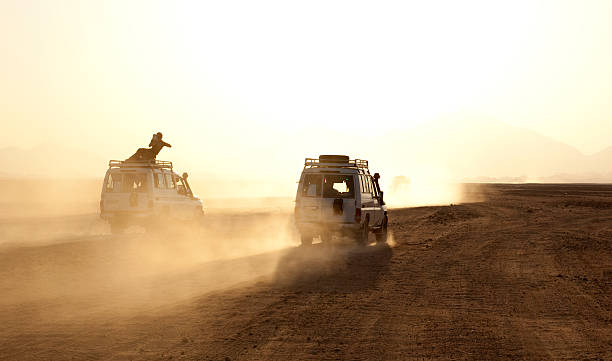
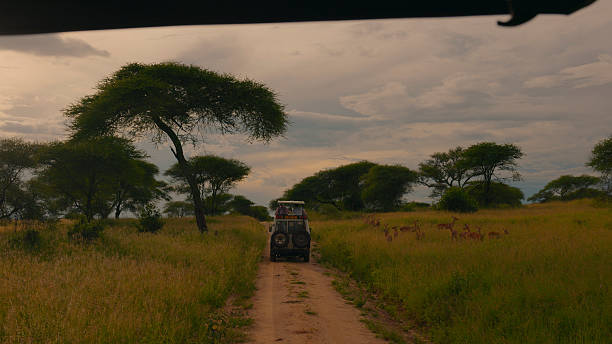
The dream of experiencing Tanzania’s most celebrated natural wonders often includes the vast plains of the Serengeti, the unique ecosystem of the Ngorongoro Crater, and the exotic beaches of Zanzibar. Many travelers begin their journey in Moshi, a town nestled at the foot of Mount Kilimanjaro, making it a convenient starting point for combining these incredible destinations. This guide offers a complete overview for planning your Serengeti Ngorongoro and Zanzibar from Moshi adventure, covering everything from itinerary options to practical preparation for 2026 and 2027 trips.
Combining these three distinct experiences—epic wildlife viewing, geological marvels, and island relaxation—creates a rich and varied Tanzanian holiday. Understanding how to connect them logically and efficiently from Moshi is key to a memorable trip. We will break down the logistics, highlight what to expect at each location, and provide actionable advice to help you craft your perfect itinerary.
Quick Facts: Serengeti Ngorongoro and Zanzibar From Moshi
| Aspect | Details |
|---|---|
| Starting Point | Moshi, Tanzania |
| Key Destinations | Serengeti National Park, Ngorongoro Conservation Area (Crater), Zanzibar Archipelago |
| Primary Activities | Wildlife safaris, game drives, crater descent, cultural experiences, beach relaxation, water sports, historical tours |
| Typical Duration | 7-14 days (can be customized) |
| Best Time to Visit | June to October (dry season), January to February (calving season in Serengeti) |
| Transportation | Safari vehicle (4×4), domestic flights (to/from Zanzibar), ferry (Zanzibar) |
| Accommodation | Safari lodges, tented camps, beach resorts, hotels |
| Planning Horizon | 6-12 months recommended for 2026-2027 bookings |
Table of Contents
- Overview: The Iconic Tanzania Trio
- Why Combine Serengeti, Ngorongoro, and Zanzibar From Moshi?
- Best Time to Visit: Seasonality Matters
- Route Illustration: Moshi to Serengeti, Ngorongoro, and Zanzibar
- Sample Itinerary: A 10-Day Adventure
- Serengeti National Park: The Endless Plains
- Ngorongoro Crater: A Natural Amphitheater of Wildlife
- Zanzibar: Spice Island Paradise
- What to Expect on Your Journey
- Typical Inclusions and Exclusions
- Packing and Preparation Checklist
- Common Mistakes to Avoid
- Who is This Trip Best Suited For?
- Alternatives and Variations
- Planning Your 2026-2027 Trip: Key Considerations
- Booking Advice: Choosing Your Operator
- Frequently Asked Questions (FAQs)
- Ready to Plan Your Tanzania Adventure?
Overview: The Iconic Tanzania Trio
A journey starting in Moshi provides an excellent gateway to a classic Tanzanian safari and beach experience. The typical flow involves heading west from Moshi towards the Serengeti and Ngorongoro Crater for unparalleled wildlife encounters, and then often flying from a nearby airstrip to the tropical island of Zanzibar for relaxation and cultural exploration. This combination offers a comprehensive taste of Tanzania’s diverse attractions.
Moshi itself is a vibrant town, primarily known as the starting point for Mount Kilimanjaro climbs. However, its strategic location makes it a logistical hub for accessing the northern safari circuit. From Moshi, you can arrange transport and begin your safari adventure, typically visiting Lake Manyara or Tarangire National Park en route to the Serengeti and Ngorongoro. After your safari, you would typically transfer to Arusha Airport (ARK) or Kilimanjaro International Airport (JRO) for a short flight to Zanzibar.
Why Combine Serengeti, Ngorongoro, and Zanzibar From Moshi?
The synergy between these destinations creates a truly unforgettable travel experience:
- Wildlife Spectacle: The Serengeti is world-renowned for the Great Migration and its dense predator populations. The Ngorongoro Crater offers a unique, concentrated wildlife viewing experience within a collapsed volcanic caldera.
- Geological Wonder: The Ngorongoro Crater is a UNESCO World Heritage Site, a breathtaking natural amphitheater teeming with life.
- Cultural Contrast: From the vast savannas to the Swahili culture and spice-scented air of Zanzibar, the journey offers a rich cultural immersion.
- Island Escape: Zanzibar provides the perfect counterpoint to the dusty plains of the safari, offering pristine beaches, turquoise waters, and a relaxed atmosphere.
- Logistical Convenience (from Moshi): Moshi is a well-established tourist town with good infrastructure, making it easy to arrange safaris and onward travel. It allows for a structured progression from mountain base to safari plains to island shores.
Best Time to Visit: Seasonality Matters
The optimal time to visit depends on your priorities, particularly regarding wildlife viewing and weather. For a Serengeti Ngorongoro and Zanzibar from Moshi trip, consider these periods:
| Period | Serengeti & Ngorongoro | Zanzibar | Notes |
|---|---|---|---|
| June – October (Dry Season) | Excellent. Wildlife congregates around water sources. The Great Migration is typically in the western or northern Serengeti. Cooler temperatures. Less rain means easier game viewing. | Pleasant. Dry with lower humidity. Ideal for beach activities and exploring Stone Town. Sea conditions are generally calm. | Peak safari season. Higher prices and more crowds, but excellent wildlife viewing. Generally considered the best overall time. |
| November – December (Short Rains) | Good. Landscapes turn green. Wildlife disperses slightly but is still abundant. Migration moves south. | Can be mixed. Short, intense showers are common, but often followed by sunshine. Humidity increases. | Fewer crowds, greener scenery. Good value. |
| January – February (Long Rains Peak / Calving Season) | Excellent for calving. The Great Migration is in the southern Serengeti, a prime time for seeing newborn wildebeest and predators. Landscapes are lush. | Can be wet. This is one of the rainier periods on Zanzibar, though showers are often short. | Less crowded safari. Incredible for predator action in the south Serengeti. Zanzibar can be humid and rainy. |
| March – May (Long Rains) | Can be challenging. Heavy rains can make some roads impassable, impacting game drives. Wildlife disperses. This is the lowest season. | Can be very wet and humid. This is the wettest period for Zanzibar. | Lowest prices. Very few tourists. Not ideal for safari due to rain. Zanzibar is best avoided if seeking guaranteed sun. |
For a 2026-2027 trip, the dry season (June-October) remains a top choice for overall experience, but January-February offers a unique wildlife spectacle in the Serengeti.
Route Illustration: Moshi to Serengeti, Ngorongoro, and Zanzibar
This is a generalized route. Actual days and park order can vary based on specific interests and migration patterns.
Moshi (Start) ➔ Arusha (Gateway Town, possible brief stop) ➔ Tarangire National Park (Optional, known for elephants and baobabs) OR Lake Manyara National Park (Optional, tree-climbing lions) ➔ Serengeti National Park (Central, Western, or Northern sectors depending on migration) ➔ Ngorongoro Conservation Area (Crater descent) ➔ Karatu (Town near Ngorongoro, common overnight stop) ➔ Arusha (Transit point) ➔ Arusha Airport (ARK) or Kilimanjaro International Airport (JRO) ➔ Zanzibar (ZNZ) ➔ Zanzibar Island (Stone Town, Beaches) ➔ Zanzibar (ZNZ) (Departure or onward travel)
Note on Travel Time:
- Moshi to Arusha: ~1-2 hours
- Arusha to Serengeti entrance: ~5-7 hours (depending on park sector and road conditions)
- Serengeti to Ngorongoro: ~2-4 hours
- Ngorongoro to Arusha: ~3-4 hours
- Flight Arusha to Zanzibar: ~1 hour
Sample Itinerary: A 10-Day Adventure
This is a popular structure for a Serengeti Ngorongoro and Zanzibar from Moshi trip. It balances safari time with island relaxation.
Day 1: Arrive in Moshi
Arrive at Kilimanjaro International Airport (JRO), transfer to your hotel in Moshi. Rest and prepare for your safari. You might have time to explore Moshi town or visit a local coffee plantation.
Day 2: Moshi to Tarangire National Park
After breakfast, drive from Moshi to Tarangire National Park. Known for its large elephant herds and iconic baobab trees, Tarangire offers a fantastic introduction to Tanzanian wildlife. Enjoy an afternoon game drive.
Overnight: Lodge or Tented Camp near Tarangire.
Day 3: Tarangire to Serengeti National Park
Morning game drive in Tarangire before heading towards the vast Serengeti. The drive itself is scenic, entering the park through its western or central gates. Begin your first game drive in the Serengeti as you head to your accommodation.
Overnight: Lodge or Tented Camp in Serengeti.
Day 4-5: Serengeti National Park
Two full days dedicated to exploring the Serengeti. Depending on the time of year, your guide will position you to witness the Great Migration or focus on the resident wildlife, including lions, leopards, cheetahs, elephants, and numerous bird species. Morning and afternoon game drives are standard.
Overnight: Lodge or Tented Camp in Serengeti.
Day 6: Serengeti to Ngorongoro Crater
Enjoy a final morning game drive in the Serengeti as you drive towards the Ngorongoro Conservation Area. You’ll likely stop at Olduvai Gorge (optional, extra cost) for a glimpse into early human history. Descend into the Ngorongoro Crater for an afternoon game drive in this unique ecosystem.
Overnight: Lodge or Camp on the Crater rim or in Karatu.
Day 7: Ngorongoro to Arusha
Optional early morning game drive on the crater rim or a visit to a Maasai village (if not done previously). After breakfast, drive back to Arusha. You can spend the night in Arusha or transfer directly to the airport for your flight to Zanzibar.
Overnight: Hotel in Arusha or fly directly to Zanzibar.
Day 8: Fly to Zanzibar & Stone Town Exploration
Fly from Arusha (ARK) or Kilimanjaro (JRO) to Zanzibar (ZNZ). Transfer to your hotel in Stone Town, a UNESCO World Heritage site. Explore the labyrinthine streets, visit historical sites like the House of Wonders and the Old Fort, and soak in the vibrant Swahili culture.
Overnight: Hotel in Stone Town.
Day 9: Zanzibar Beaches
Transfer to one of Zanzibar’s stunning beach destinations, such as Nungwi, Kendwa, Paje, or Jambiani. Spend the day relaxing on the white sandy beaches, swimming in the turquoise Indian Ocean, or enjoying water sports like snorkeling or diving.
Overnight: Beach Resort in Zanzibar.
Day 10: Departure
Enjoy a final morning in Zanzibar. Depending on your flight schedule, you might have time for some last-minute souvenir shopping or a final swim. Transfer to Zanzibar Airport (ZNZ) for your departure.
Serengeti National Park: The Endless Plains
The Serengeti is the heart of the Tanzanian safari experience. Its name, derived from the Maasai word ‘Siringet’, meaning ‘endless plains’, perfectly describes its vast, undulating grasslands dotted with acacia trees and kopjes (rocky outcrops).
What to See and Do:
- The Great Migration: Witness millions of wildebeest, zebras, and gazelles migrate in a dramatic, circular pattern across the plains, following the rains in search of fresh grazing. This is one of the greatest natural spectacles on Earth. The exact location of the migration varies throughout the year.
- Predator Action: The Serengeti boasts one of the highest concentrations of predators in Africa. Lions, leopards, cheetahs, hyenas, and wild dogs are commonly sighted.
- Diverse Habitats: While known for its grasslands, the Serengeti also includes woodlands, riverine forests, and rocky kopjes, each supporting different wildlife species.
- Birdlife: Over 500 species of birds inhabit the park, making it a paradise for ornithologists.
- Game Drives: The primary activity is guided game drives in custom-built 4×4 safari vehicles, allowing you to cover large areas and spot wildlife.
- Hot Air Balloon Safaris: An optional, often spectacular way to view the Serengeti, especially at sunrise.
Key Areas of the Serengeti:
- Central Serengeti (Seronera Valley): Excellent year-round wildlife viewing due to permanent water sources. Good for big cats.
- Western Corridor: Known for the Grumeti River, where large crocodiles can be seen during the migration river crossings (typically May-July).
- Northern Serengeti (Mara River): Famous for dramatic river crossings of the Great Migration (typically July-October).
- Southern Plains (Ndutu Area): Where the migration herds gather to calve (typically December-March).
Ngorongoro Crater: A Natural Amphitheater of Wildlife
The Ngorongoro Crater is a UNESCO World Heritage Site and one of the most famous conservation areas in the world. It’s a collapsed volcano caldera, approximately 19 kilometers (12 miles) in diameter, that forms a self-contained ecosystem teeming with wildlife.
What to See and Do:
- High Wildlife Density: The crater floor supports an incredible density of animals, including the ‘Big Five’ (lion, elephant, buffalo, rhino, leopard). It is one of the best places to see black rhinos.
- Crater Floor Game Drives: Descend about 600 meters (2,000 feet) to the crater floor for a half-day or full-day game drive.
- Birdwatching: Over 400 species of birds have been recorded in the crater.
- Lake Magadi: A shallow soda lake on the crater floor, often attracting flamingos and providing a water source for hippos and other animals.
- Maasai People: The Ngorongoro Conservation Area is unique in that it allows human habitation. You may encounter Maasai communities, and visits can often be arranged.
Important Considerations:
- Limited Time: Visits to the crater floor are typically limited to 6 hours to manage visitor impact and ensure conservation.
- No Off-Road Driving: Driving is restricted to designated tracks.
- Accommodation: Lodges and camps are situated on the crater rim or just outside in the nearby town of Karatu. Rim lodges offer stunning views but are often more expensive.
Zanzibar: Spice Island Paradise
Zanzibar, an archipelago off the coast of Tanzania, is a tropical dream. It’s famous for its history as a trading hub, its spice plantations, and its idyllic beaches.
What to See and Do:
- Stone Town: Explore the UNESCO World Heritage-listed historic heart of Zanzibar City. Wander through narrow alleys, discover ornate carved doors, visit historical sites, and experience the blend of Swahili, Arab, Indian, and European influences.
- Spice Tours: Visit a spice farm to learn about and taste various spices, fruits, and herbs grown on the island.
- Beaches: Relax on the powder-white sands of beaches like Nungwi and Kendwa (north) for vibrant sunsets and swimming, or Paje and Jambiani (east) for kite surfing and tidal flats.
- Snorkeling and Diving: Explore the coral reefs around Mnemba Atoll or off the coast of Paje.
- Dolphin Tours: Visit Kizimkazi or offer boat trips to see dolphins.
- Prison Island: Take a boat trip to this island, home to giant Aldabra tortoises and a former quarantine station.
Getting Around Zanzibar:
Taxis and private transfers are common for longer distances. Within Stone Town, walking is the best way to explore. Dala-dalas (local minibuses) are a budget-friendly option for getting between towns.
What to Expect on Your Journey
A Serengeti Ngorongoro and Zanzibar from Moshi trip is a multi-faceted adventure. Here’s a general expectation:
- Safari Experience: Expect early mornings and late afternoons for game drives when animals are most active. Your safari vehicle will be a 4×4, typically with a pop-up roof for viewing. Guides are knowledgeable about wildlife behavior and local ecology. Accommodation ranges from basic tented camps to luxurious lodges.
- Travel Between Locations: Safari days involve significant driving on unpaved roads. Flights to Zanzibar are short but essential for maximizing time on the island.
- Zanzibar Experience: Stone Town is a bustling, historic city best explored on foot. Beach areas are more relaxed, with resorts offering various amenities. The climate is tropical, so expect warmth and humidity, especially outside the dry season.
- Cultural Interactions: Opportunities to interact with local communities, particularly the Maasai, are often available. Respectful engagement is key.
- Pace: The pace can be varied. Safari days are active, while Zanzibar offers a chance to unwind. The itinerary needs to balance travel time with time spent enjoying each location.
Typical Inclusions and Exclusions
When booking a package for Serengeti Ngorongoro and Zanzibar from Moshi, clarify what is included. This can vary significantly between tour operators.
| Common Inclusions | Common Exclusions |
|---|---|
| Park entrance fees (Serengeti, Ngorongoro, Tarangire/Manyara) | International flights to/from Tanzania |
| Crater service fees (Ngorongoro) | Visa fees |
| Accommodation during safari (lodges/camps) | Gratuities for guides, drivers, and lodge staff |
| All meals during safari (typically full board) | Drinks (alcoholic and soft drinks) during safari, unless specified |
| Professional English-speaking safari guide and 4×4 vehicle | Optional activities (e.g., hot air balloon safari, Maasai village visit, Olduvai Gorge entry) |
| Airport transfers in Arusha/Moshi | Travel insurance |
| Game drives as per itinerary | Personal expenses (souvenirs, laundry, etc.) |
| Bottled water in the safari vehicle | Domestic flight from Arusha to Zanzibar (often quoted separately) |
| Zanzibar accommodation and meals (as per package) | Airport transfers in Zanzibar (unless specified) |
| Zanzibar tours (e.g., Stone Town, Spice Tour) | Tips for hotel staff in Zanzibar |
Packing and Preparation Checklist
Proper preparation ensures a comfortable and enjoyable trip. For a Serengeti Ngorongoro and Zanzibar from Moshi journey in 2026-2027:
Safari Essentials:
- Clothing: Neutral-colored clothing (khaki, beige, olive green) to blend in. Avoid bright colors. Lightweight, breathable fabrics. Long sleeves and trousers for sun and insect protection. A fleece or warm jacket for cool mornings/evenings.
- Footwear: Comfortable walking shoes or hiking boots (if any walking is planned outside the vehicle), sandals for evenings.
- Sun Protection: Wide-brimmed hat, sunglasses, high SPF sunscreen.
- Insect Repellent: With DEET or Picaridin.
- Camera & Binoculars: Essential for wildlife viewing. Extra batteries and memory cards.
- First-Aid Kit: Personal medications, basic first-aid supplies.
- Headlamp or Flashlight: Useful in camps/lodges.
- Adapter: Tanzania uses Type D sockets (230V).
- Small Backpack: For daily essentials during game drives.
- Reusable Water Bottle: To reduce plastic waste.
Zanzibar Essentials:
- Swimwear: For beach and pool.
- Lightweight Clothing: Sundresses, shorts, t-shirts.
- Modest Clothing: For visiting Stone Town and villages (shoulders and knees covered is respectful).
- Beach Towel: Though most resorts provide them.
- Water Shoes: For rocky areas or water activities.
- Snorkel Gear: If you prefer your own.
Documents & Health:
- Passport: Valid for at least 6 months beyond your stay, with sufficient blank pages.
- Visas: Check requirements for your nationality. Often obtainable on arrival or online.
- Yellow Fever Certificate: Required if arriving from or transiting through a country with risk of yellow fever. Consult your doctor.
- Vaccinations: Consult your doctor or a travel clinic well in advance for recommended vaccinations (e.g., Hepatitis A, Typhoid, Malaria prophylaxis).
- Travel Insurance: Comprehensive policy covering medical emergencies, evacuation, trip cancellation, and lost belongings.
- Copies of Documents: Keep digital and physical copies separate from originals.
Common Mistakes to Avoid
To ensure your Serengeti Ngorongoro and Zanzibar from Moshi adventure is smooth, steer clear of these common pitfalls:
- Not Booking in Advance: Especially for peak seasons (June-October, December-January) and for 2026-2027 trips, popular lodges and safari vehicles get booked up months ahead.
- Underestimating Travel Times: Tanzania is large, and roads can be rough. Factor in ample travel time between destinations.
- Ignoring Seasonality: Planning a safari during the long rains (March-May) might lead to difficult driving conditions and less predictable wildlife viewing.
- Choosing the Cheapest Option: While budget is a factor, the cheapest safaris often compromise on vehicle quality, guide experience, accommodation standards, and safety. Invest wisely.
- Not Clarifying Inclusions/Exclusions: Hidden costs can add up. Ensure you know exactly what your tour package covers, especially regarding flights and park fees.
- Packing Inappropriately: Bright colors can disturb wildlife and attract insects. Heavy luggage can be an issue on smaller safari planes.
- Not Getting Travel Insurance: Essential for any international trip, especially one involving remote areas and wildlife.
- Over-scheduling Zanzibar: While there’s much to see, remember Zanzibar is also for relaxation. Don’t pack too many activities into your beach days.
- Not Being Respectful of Local Culture: Especially in Stone Town and villages, dress modestly and be mindful of local customs.
Who is This Trip Best Suited For?
This combination is ideal for travelers who:
- Seek Diverse Experiences: They want a mix of thrilling wildlife encounters and relaxing beach time.
- Appreciate Iconic Destinations: They are drawn to world-famous sites like the Serengeti and Ngorongoro Crater.
- Are First-Time Safari Goers: The northern circuit offers a classic and highly rewarding safari introduction.
- Have a Moderate to Generous Budget: While customizable, this itinerary typically requires a significant investment due to the quality of destinations and travel involved.
- Enjoy Cultural Immersion: From Maasai villages to Stone Town’s history, there are ample opportunities.
- Are Planning for 2026 or 2027: Early planning is recommended for these popular travel years.
Alternatives and Variations
While the Serengeti, Ngorongoro, and Zanzibar combination is classic, consider these variations:
- Add Tarangire/Manyara: If time permits, extending the safari by a day or two to include Tarangire (known for elephants) or Lake Manyara (known for tree-climbing lions) offers more diverse landscapes and wildlife.
- Southern Tanzania Safari: For a more off-the-beaten-path experience, consider parks like Selous Game Reserve (now Nyerere National Park) or Ruaha National Park. These are typically accessed from Dar es Salaam.
- Zanzibar Only: If wildlife is not a priority, focus solely on Zanzibar for a deeper dive into its history, culture, and beaches.
- Other Islands: Combine safari with Pemba Island for world-class diving and a more tranquil atmosphere than Zanzibar.
- Focus on Safari: If you’re a dedicated wildlife enthusiast, consider a longer safari covering more parks in the northern circuit or venturing south.
- Trekking Focus: Combine Kilimanjaro trekking with a shorter safari and a quick trip to Zanzibar.
Planning Your 2026-2027 Trip: Key Considerations
Booking your Serengeti Ngorongoro and Zanzibar from Moshi trip for 2026 or 2027 requires foresight:
- Early Booking is Crucial: Popular safari lodges and accommodations, especially those with prime locations (e.g., Ngorongoro Crater rim), are in high demand. For 2026 and 2027, booking 9-12 months in advance is highly recommended, especially for travel during peak seasons.
- Migration Patterns: If witnessing the Great Migration river crossings is a priority, research the typical timings for the Mara River (July-October) or calving season (December-March) and plan your Serengeti days accordingly. Your tour operator can advise on the best areas based on the season.
- Flight Availability: Domestic flights to Zanzibar from Arusha/Kilimanjaro can fill up quickly. Booking these in conjunction with your safari is advisable.
- Budgeting: While exact prices fluctuate, understand that Tanzania safaris and Zanzibar holidays represent a significant investment. Factor in park fees, accommodation, transport, internal flights, meals, and optional activities. Researching sample costs from reputable operators will help.
- Operator Research: For 2026-2027 travel, start researching tour operators now. Look for companies with strong reviews, clear communication, and a commitment to responsible tourism.
- Flexibility: While planning is essential, build in some flexibility. Wildlife sightings are never guaranteed, and unforeseen circumstances can arise.
Booking Advice: Choosing Your Operator
Selecting the right tour operator is paramount for a successful Serengeti Ngorongoro and Zanzibar from Moshi trip. Here’s how to approach it:
- Reputation and Reviews: Look for operators with a strong online presence, positive reviews on platforms like TripAdvisor, and testimonials from past clients.
- Experience and Local Knowledge: Choose an operator with extensive experience in Tanzania, particularly in the northern circuit. Local operators often have better ground knowledge and can offer more competitive pricing.
- Customization Options: Ensure the operator can tailor an itinerary to your specific interests, budget, and pace. A good operator will listen to your needs and suggest the best options.
- Communication: Prompt and clear communication is a good sign. If they are slow to respond or vague in their answers, it might be a red flag.
- Inclusions and Transparency: Request a detailed itinerary with clear inclusions and exclusions. Understand what you are paying for, especially park fees, accommodation levels, and internal flights.
- Vehicle and Guide Quality: Inquire about the type of safari vehicles used (4×4 Land Cruisers are standard) and the qualifications and experience of their guides.
- Payment Terms: Understand their deposit requirements, payment schedule, and cancellation policy.
- Responsible Tourism: Look for operators who demonstrate a commitment to conservation, support local communities, and practice ethical wildlife viewing.
When you’re ready to discuss your plans, reaching out to experienced local operators is a great next step. For personalized service and expert advice on crafting your Serengeti Ngorongoro and Zanzibar from Moshi itinerary for 2026 or 2027, consider contacting:
WhatsApp: +255616946642
Email: topguideadventures@gmail.com
Backup Email: info@topguideadventures.com
Frequently Asked Questions (FAQs)
1. How many days are needed for a Serengeti, Ngorongoro, and Zanzibar trip from Moshi?
A minimum of 7-10 days is generally recommended to comfortably experience all three destinations. This allows for travel time between locations and sufficient time for game drives and relaxation. For 2026-2027, planning for 10 days will offer a more relaxed pace.
2. What is the best way to travel from the safari areas to Zanzibar?
The most efficient way is to take a domestic flight from Arusha Airport (ARK) or Kilimanjaro International Airport (JRO) directly to Zanzibar Airport (ZNZ). This flight typically takes about 1 hour and saves significant travel time compared to driving to the coast and taking a ferry.
3. Can I see the Great Migration in the Serengeti at any time of year?
The Great Migration is a year-round phenomenon, but its location changes. The most dramatic events, like river crossings, occur at specific times (e.g., July-October in the north). The calving season in the south is from December to March. Your tour operator can advise on the best time and location for your Serengeti Ngorongoro and Zanzibar from Moshi trip in 2027.
4. Is it possible to do a budget trip for Serengeti, Ngorongoro, and Zanzibar?
While it’s possible to find more budget-friendly options, Tanzania’s prime safari destinations and Zanzibar are generally not considered low-cost destinations. You can save money by opting for mid-range lodges or tented camps, traveling in the shoulder seasons, and choosing shared group tours. However, compromising too much on quality can affect the experience and safety.
5. What kind of accommodation can I expect?
Safari accommodation ranges from basic but clean tented camps to luxurious lodges with swimming pools and fine dining. Ngorongoro Crater rim lodges offer stunning views. In Zanzibar, you’ll find everything from budget guesthouses in Stone Town to high-end beachfront resorts.
6. Do I need malaria medication for this trip?
Yes, malaria is present in Tanzania, including the safari areas and Zanzibar. It is highly recommended to consult your doctor or a travel clinic about malaria prophylaxis and other necessary vaccinations well in advance of your 2026-2027 trip.
7. What is the difference between Ngorongoro Crater and Ngorongoro Conservation Area?
The Ngorongoro Conservation Area (NCA) is a vast region that includes multiple ecosystems and allows Maasai people to live within its boundaries. The Ngorongoro Crater is a specific, collapsed volcanic caldera within the NCA, renowned for its high concentration of wildlife and protected status for tourism.
8. Can I customize the itinerary?
Absolutely. Most reputable tour operators specialize in custom itineraries. You can adjust the number of days in each location, choose specific lodges, and add or remove activities based on your interests and budget for your Serengeti Ngorongoro and Zanzibar from Moshi adventure.
9. What currency is used in Tanzania?
The local currency is the Tanzanian Shilling (TZS). However, US Dollars are widely accepted and often preferred for safari packages, park fees, and larger expenses. It’s advisable to carry some US Dollars (newer bills, dated after 2009) and some Tanzanian Shillings for smaller purchases in towns and markets.
10. Is it safe to travel in Tanzania?
Tanzania is generally considered a safe country for tourists, particularly within organized tour structures. Standard travel precautions apply. For safaris, your experienced guide will ensure your safety. In Zanzibar, be mindful of your belongings, especially in crowded areas like Stone Town.
Ready to Plan Your Serengeti Ngorongoro and Zanzibar From Moshi Adventure?
Combining the unparalleled wildlife spectacles of the Serengeti and Ngorongoro Crater with the idyllic beaches of Zanzibar offers an extraordinary Tanzanian experience. Starting your journey from Moshi provides a practical and well-trodden path to these iconic destinations.
For a personalized and expertly planned Serengeti Ngorongoro and Zanzibar from Moshi trip for 2026, 2027, or 2028, we are here to help. Our team specializes in creating unforgettable Tanzanian adventures tailored to your desires. Get in touch to start planning your dream vacation:
Contact us today:
WhatsApp: +255616946642
Email: topguideadventures@gmail.com
Backup Email: info@topguideadventures.com
Plan your Serengeti Ngorongoro and Zanzibar From Moshi with Top Guide Adventures
Tell us your travel dates, group size, comfort level, and dream experience. We will help you shape a clear, realistic, and memorable Tanzania itinerary.







 Veedesigner
 Fatma Kizanga
 Benjamin Waryuba
 Philip Philip
 John jr Itaja
 Antonia Optatus
 Edith Kanyere
 Neema Iddy
 Kelvin Boniphace
 Damari Maiga



