
Updated planning guide for 2026-2027
Serengeti Vs Masai Mara: Which Safari Should You Choose?: Best Guide 2026-2027
Deciding between the Serengeti and Masai Mara for your African safari? This comprehensive guide breaks down the key differences, helping you choose the perfect park for your unforgettable wildlife experience.
WhatsApp +255616946642 | topguideadventures@gmail.com | info@topguideadventures.com

Serengeti vs Masai Mara: Which Safari Should You Choose?
The question of Serengeti vs Masai Mara is one that tops the list for many aspiring safari-goers. Both are legendary names in African wildlife viewing, offering unparalleled opportunities to witness the continent’s most iconic animals. However, they are distinct ecosystems, each with its own character, strengths, and best times to visit. Choosing between them isn’t about one being definitively ‘better’ than the other; it’s about finding the one that aligns best with your safari dreams and priorities for 2026-2027.
As a leading Tanzania tour operator, we understand the nuances of these incredible parks. We help travelers navigate these choices daily, crafting bespoke itineraries that maximize their wildlife encounters. This guide aims to provide you with all the information needed to make an informed decision for your next great adventure.
Table of Contents
- Quick Facts: Serengeti vs. Masai Mara
- Park Overviews: What Defines Each Ecosystem?
- Why This Choice Matters for Your Safari
- The Great Migration: A Tale of Two Parks
- Wildlife Viewing: Beyond the Migration
- Best Time to Visit: Seasonality and Weather
- Geographical Layout and Key Areas
- Sample Itinerary Ideas
- Accommodation Styles and Options
- What to Expect on Your Safari
- Inclusions, Packing, and Preparation
- Common Mistakes to Avoid
- Who is Each Park Best For?
- Considering Alternatives?
- Planning Your 2026-2027 Safari
- Booking Advice
- Frequently Asked Questions
- Ready to Plan Your Safari?
Quick Facts: Serengeti vs. Masai Mara
| Feature | Serengeti National Park (Tanzania) | Masai Mara National Reserve (Kenya) |
|---|---|---|
| Location | Northern Tanzania | Southwestern Kenya |
| Size | Approx. 14,750 sq km (5,700 sq miles) | Approx. 1,510 sq km (580 sq miles) |
| Key Wildlife | Big Five, Wildebeest, Zebra, Cheetah, Hyena, Giraffe, numerous bird species. | Big Five, Wildebeest, Zebra, Cheetah, Hyena, Giraffe, Hippos, Crocodiles, abundant birdlife. |
| Great Migration | Central role; calving in south (Dec-Mar), moving north and west (Apr-Jul), river crossings (Jul-Oct). | Receives large herds from Serengeti, especially for river crossings (Jul-Oct). |
| Landscape | Vast plains, acacia woodlands, kopjes (rocky outcrops), riverine forests. | Rolling grasslands, acacia woodlands, riverine areas. |
| Visitor Numbers | High, especially during migration peaks. | Very high, particularly during migration peaks. |
| Accessibility | Internal flights to various airstrips; road access can be long. | Internal flights to various airstrips; road access from Nairobi. |
| Typical Safari Duration | 3-5 days minimum for core areas. | 2-4 days minimum for core areas. |
| Bordering Parks | Masai Mara (across the border), Ngorongoro Conservation Area. | Serengeti (across the border). |
Park Overviews: What Defines Each Ecosystem?
The Serengeti vs Masai Mara comparison often centers on their shared involvement in the Great Migration, but their individual characteristics are what truly set them apart. Understanding these distinct features is crucial for planning your ideal safari.
Serengeti National Park: The Endless Plains
The Serengeti, whose name comes from the Maasai word ‘Siringet’ meaning ‘endless plains,’ is a colossal ecosystem. Its sheer size is breathtaking. This vast expanse is famous for its dramatic landscapes, from the seemingly endless grasslands of the Seronera Valley to the acacia woodlands of the west and the kopjes that dot the southern plains. The Serengeti is not just a park; it’s a dynamic, living entity, central to the survival of millions of wildebeest, zebras, and gazelles.
Its size allows for a more dispersed wildlife population outside of migration peaks, offering a sense of true wilderness. The park is divided into several distinct regions, each offering a different safari experience and attracting different wildlife concentrations throughout the year. The southern Serengeti (Ndutu area) is renowned for its calving season, while the central Seronera region offers excellent year-round game viewing. The western corridor becomes a hive of activity during the wildebeest’s journey to the Mara River, and the northern Serengeti is a prime spot for witnessing river crossings.
Masai Mara National Reserve: The Jewel of Kenya
The Masai Mara, often simply called ‘The Mara,’ is Kenya’s most celebrated wildlife park. While significantly smaller than the Serengeti, it is incredibly rich in biodiversity and famous for its high predator concentrations. The landscape is characterized by rolling grasslands, acacia woodlands, and the dramatic Mara River. The Mara is the northern extension of the Serengeti ecosystem, and for a significant part of the year, it hosts a large portion of the migrating herds.
What the Mara lacks in sheer size compared to the Serengeti, it makes up for in accessibility and density of game. The reserve is renowned for its exceptional sightings of lions, leopards, cheetahs, and elephants. The Mara River itself is a focal point, especially during the migration, as it presents a dramatic obstacle for the wildebeest and zebra.
Why This Choice Matters for Your Safari
The decision between the Serengeti and the Masai Mara significantly impacts your safari experience. It affects:
- Wildlife Sightings: While both parks offer incredible game viewing, the timing and specific species you’re most likely to see can vary.
- The Great Migration: If witnessing the migration is your primary goal, the exact timing and location within the Serengeti vs. Masai Mara circuit are critical.
- Landscape and Atmosphere: The vastness of the Serengeti offers a different feel to the more concentrated beauty of the Mara.
- Logistics and Cost: Travel times, internal flight options, and the general cost of safaris can differ between Tanzania and Kenya.
- Crowds: While both are popular, certain areas and times can be more crowded than others.
Understanding these differences helps you align your expectations with the reality of each park, ensuring a more satisfying and memorable trip in 2026 or 2027.
The Great Migration: A Tale of Two Parks
The Great Migration is undoubtedly the most famous wildlife event in Africa, and both the Serengeti and Masai Mara are integral to its cycle. This colossal movement of over 1.5 million wildebeest, hundreds of thousands of zebras, and numerous gazelles is driven by the search for fresh grazing and water.
Serengeti’s Role in the Migration
The Serengeti is where the migration begins and ends its annual journey. The cycle typically looks like this:
- December to March: The herds are usually found in the southern Serengeti and the Ndutu Plains (which straddle the border with the Ngorongoro Conservation Area). This is calving season, a time of high predator activity as newborn calves are vulnerable.
- April to May: The ‘long rains’ typically signal the start of the migration’s movement north and west. The herds begin to leave the southern plains, heading towards the central and western Serengeti. This is often called the ‘green season’ or ‘low season’ for tourism, offering fewer crowds and lush landscapes.
- June to July: The herds gather in the western corridor of the Serengeti, preparing to cross the Grumeti River. These crossings can be dramatic but are generally less intense than the Mara River crossings.
- July to October: This is peak migration season. The vast herds move north into the Kogatende and Lamai regions of the northern Serengeti, aiming for the Mara River. This is when the iconic, dramatic river crossings occur, as wildebeest and zebras brave crocodile-infested waters to reach the greener pastures of the Masai Mara.
- November: As the short rains begin, the herds typically start their journey back south, moving from the northern Serengeti towards the central and southern plains, completing the cycle.
Masai Mara’s Role in the Migration
The Masai Mara National Reserve is the destination for many of the migrating herds from the Serengeti, particularly from around July through October. The Mara River is the major barrier they must cross to reach the grazing lands within the reserve.
- July to October: This is the prime time to witness the migration in the Mara. The herds are spread across the plains, and the Mara River crossings are a spectacular, albeit often brutal, display of nature’s raw power. The areas around the Mara River, Kogatende (northern Serengeti), and Lamai (northern Serengeti) are critical points for these crossings.
- Late October to November: As the rains start in the south, the herds begin to move back across the Mara River and into the Serengeti.
Choosing Based on the Migration
If witnessing the Great Migration is your absolute priority:
- For river crossings: Aim for July to October and focus on the northern Serengeti (Kogatende/Lamai) or the Masai Mara, particularly areas along the Mara River.
- For calving season: Focus on the southern Serengeti and Ndutu area from December to March.
- For fewer crowds and lush landscapes: Consider April and May when the herds are moving through the Serengeti’s western and central corridors.
It’s important to note that the exact timing of the migration can vary slightly each year due to rainfall patterns. Working with an experienced tour operator is key to positioning yourself in the right place at the right time for 2026-2027.
Wildlife Viewing: Beyond the Migration
While the migration draws immense attention, both the Serengeti and Masai Mara boast incredible resident wildlife populations. For many travelers, seeing the ‘Big Five’ (lion, leopard, elephant, rhino, buffalo) and a myriad of other species is the main objective.
Serengeti’s Wildlife Strengths
- Predator Density: The central Serengeti (Seronera Valley) is renowned for its high predator populations year-round, including lions, leopards, and cheetahs, often seen hunting or resting near kopjes and riverine areas.
- Vast Plains: The open plains are ideal for spotting cheetahs on the hunt and large prides of lions.
- Diverse Habitats: The varied landscapes support a wide array of animals. You’ll find elephants, giraffes, buffalo, hippos, crocodiles, hyenas, wild dogs (though rarer), and a spectacular diversity of birdlife.
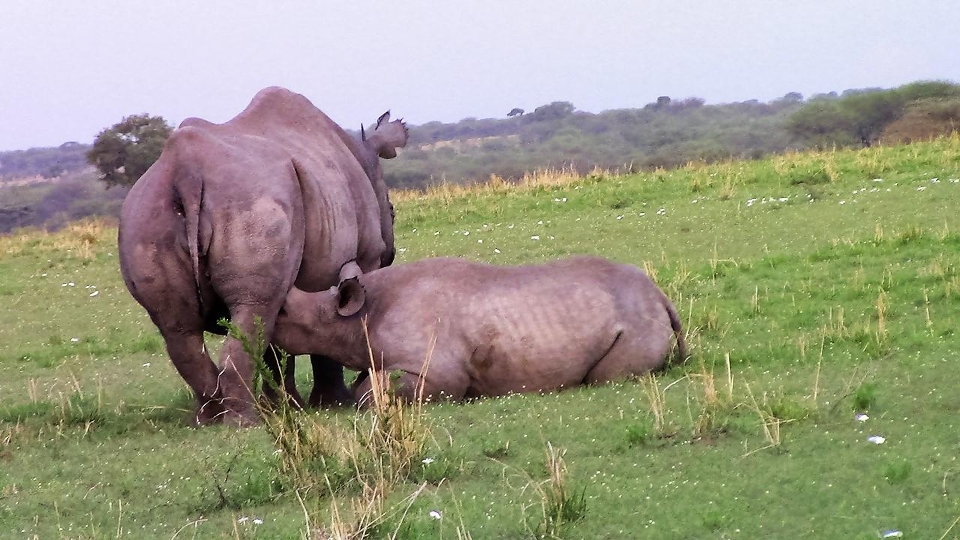
- Rhino: Black rhinos are present, particularly in the Seronera area and near the Moru Kopjes, though they can be elusive.
Masai Mara’s Wildlife Strengths
- Predator Action: The Mara is particularly famous for its lion populations, with many prides habituated to vehicles. Cheetahs are also commonly seen on the open plains. Leopards are more elusive but can be found in riverine areas and kopjes.
- Elephant Herds: Large elephant herds are a common sight, often found near water sources and acacia woodlands.
- Riverine Life: The Mara River is home to large populations of hippos and crocodiles.
- Rhino: Black rhinos are present and protected within the reserve, with sightings being more common in certain areas.
- Birdlife: The Mara is a paradise for birdwatchers, with over 450 species recorded.
Comparing Game Viewing
Generally, if you’re visiting outside of the peak migration season, the central Serengeti offers excellent year-round game viewing due to its resident predator populations and diverse habitats. The Masai Mara also provides fantastic game viewing throughout the year, with its high predator density and the presence of resident game. However, during the migration months (July-October), the Mara becomes an unparalleled spectacle of sheer animal numbers.
Best Time to Visit: Seasonality and Weather
The ‘best’ time to visit depends heavily on what you want to see and experience. Both parks have distinct seasons that influence wildlife movements and visitor numbers.
Serengeti Best Times
- December – March: Southern Serengeti (Ndutu). Calving season, excellent for predator sightings. Warm, dry weather.
- April – May: ‘Green Season’ or ‘Low Season’. Lush landscapes, fewer crowds, herds moving north/west. Rains can be heavy at times.
- June – October: Central, Western, and Northern Serengeti. Peak migration season, river crossings in the north (Jul-Oct). Dry, cooler weather. This is peak tourist season.
- November: ‘Short Rains’. Herds begin moving south. Can be a good time for value, but rain is possible.
Masai Mara Best Times
- July – October: Peak migration season. Wildebeest and zebra river crossings are common. Dry, pleasant weather. This is peak tourist season and can be crowded and more expensive.
- November – December: Short rains, herds begin to move south. Good for birdwatching. Less crowded.
- January – March: Calving season in the southern Serengeti often means herds are not in the Mara. However, resident game is excellent, and predator sightings are high. Good for birdwatchers.
- April – June: ‘Green Season’ or ‘Low Season’. Lush landscapes, fewer crowds. Rains can be heavy, impacting road conditions. Resident game viewing is still good.
For 2026-2027 planning, consider that weather patterns can be unpredictable. However, the general trends hold. If the migration is your focus, book well in advance for the July-October period.
Geographical Layout and Key Areas
Understanding the geography helps in appreciating the scale and the logic of wildlife movements.
Serengeti National Park (Tanzania)
The Serengeti is vast and can be broadly divided into:
- Southern Serengeti (Ndutu Area): Famous for calving grounds (Dec-Mar). Open plains, acacia trees.
- Central Serengeti (Seronera Valley): Excellent year-round game viewing, high predator density. Acacia woodlands, kopjes, riverine forests.
- Western Corridor: Grumeti River. Key for migration movement (Jun-Jul). Riverine forests, woodlands.
- Northern Serengeti (Kogatende/Lamai): Mara River. Prime location for river crossings (Jul-Oct). Rolling hills, riverine areas.
Note: The Ndutu area is technically within the Ngorongoro Conservation Area but is intrinsically linked to the Serengeti ecosystem and migration cycle.
Masai Mara National Reserve (Kenya)
The Mara is smaller and more concentrated, with key areas including:
- Central Mara: Around the main park gates and lodges. Good all-round game viewing.
- Talek River Area: Popular for game drives, often good for predators.
- Mara River: Essential for migration crossings (Jul-Oct). Lush riverine vegetation, acacia woodlands.
- Conservancies: Private areas bordering the reserve, offering more exclusive experiences, night drives, and walking safaris (see accommodation section).
Sample Itinerary Ideas
These are conceptual itineraries to illustrate how one might structure a safari, focusing on either park or a combination.
Sample 1: Serengeti Focus (7 Days)
Theme: Comprehensive Serengeti Experience (ideal for migration viewing in the north)
- Day 1-2: Arrive Kilimanjaro (JRO), transfer to Arusha. Acclimatize, safari briefing.
- Day 3: Fly to Northern Serengeti (Kogatende Airstrip). Afternoon game drive. Focus on migration herds and river crossings (if season is right).
- Day 4-5: Northern Serengeti. Full days exploring Kogatende and Lamai regions, searching for river crossings and resident predators.
- Day 6: Fly to Central Serengeti (Seronera Airstrip). Afternoon game drive in Seronera Valley, known for its resident wildlife.
- Day 7: Central Serengeti. Morning game drive, then fly back to Kilimanjaro (JRO) for departure.
Note: This itinerary assumes travel during the July-October migration season for the northern Serengeti. For other times, adjust to central or southern regions.
Sample 2: Masai Mara Focus (5 Days)
Theme: Classic Masai Mara Wildlife Spectacle
- Day 1: Arrive Nairobi (NBO), transfer to Wilson Airport. Fly to Masai Mara. Afternoon game drive.
- Day 2-3: Masai Mara. Full days exploring the reserve, focusing on predator sightings and migration herds (if season is right). Optional hot air balloon safari.
- Day 4: Masai Mara. Morning game drive, then fly back to Nairobi (NBO). Option to spend the night in Nairobi or connect to onward travel.
- Day 5: Departure from Nairobi.
Note: This itinerary can be extended to include conservancy areas for a more exclusive experience.
Sample 3: Serengeti & Masai Mara Combination (10 Days)
Theme: Experiencing Both Ecosystems (requires border crossing logistics)
- Day 1-2: Arrive Kilimanjaro (JRO), transfer to Arusha. Safari briefing.
- Day 3-4: Fly to Central Serengeti (Seronera). Game drives in the central region.
- Day 5: Drive or fly to Northern Serengeti (Kogatende). Afternoon game drive.
- Day 6: Northern Serengeti. Full day focused on migration and river crossings (if season is right).
- Day 7: Border Crossing. Drive across the Isebania/Sirari border into Kenya. Transfer to Masai Mara.
- Day 8-9: Masai Mara. Game drives, focusing on river crossings and predator sightings.
- Day 10: Fly from Masai Mara to Nairobi (NBO) for departure.
Note: Border crossings can add time and complexity. Internal flights are often more efficient for combining these parks. A 10-day trip allows a good balance. For 2026-2027, planning this combination requires careful coordination.
Accommodation Styles and Options
The type of accommodation significantly influences the safari experience and cost.
Serengeti Accommodation
- Luxury Lodges: Permanent structures offering high-end amenities, fine dining, and excellent service.
- Tented Camps (Mid-Range to Luxury): Canvas tents with comfortable beds and en-suite bathrooms, offering a more immersive bush experience. Some are mobile and follow the migration.
- Budget Camps/Tented Camps: More basic facilities, often shared bathrooms, providing a more affordable way to stay within the park.
- Public Campsites: The most basic and affordable option, requiring self-catering or arrangements with a tour operator for meals.
Masai Mara Accommodation
- Luxury Lodges & Camps: Similar to the Serengeti, offering top-tier comfort and exclusivity.
- Tented Camps: Abundant in the Mara, ranging from mid-range to luxury.
- Conservancy Camps: Located in private conservancies bordering the main reserve, these often offer more exclusive game viewing, walking safaris, and night drives, usually at a higher price point.
- Budget Options: Available outside the reserve or in simpler camps within the reserve.
Key Difference: The Masai Mara has a significant number of private conservancies attached to it, which can offer a more exclusive, less crowded experience compared to the main national reserve. The Serengeti is primarily a national park, with fewer private conservancy-style options directly within its core areas.
What to Expect on Your Safari
Whether you choose Serengeti vs Masai Mara, certain safari experiences are common, while others are unique.
Common Safari Experiences
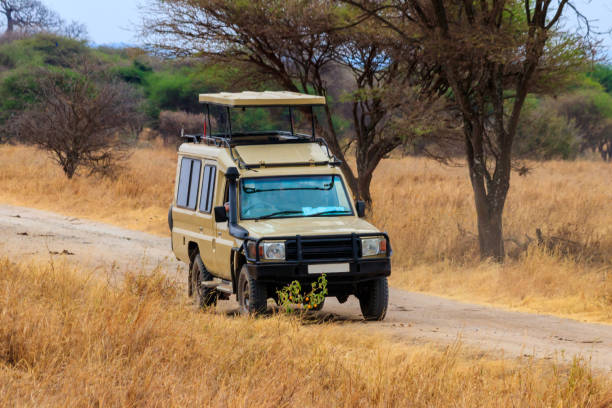
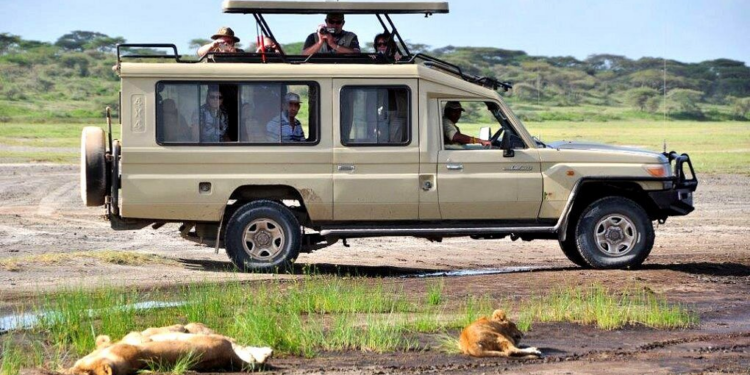
- Game Drives: The primary activity, conducted in 4×4 safari vehicles with open roofs or pop-tops. Early morning and late afternoon drives are most productive.
- Wildlife Sightings: Expect to see a variety of animals. Patience is key; some sightings are quick, others can last for hours.
- Predator Action: High chances of witnessing lions, cheetahs, and leopards, and observing their behaviors.
- Birdlife: Both parks are rich in avian species.
- Sunrises and Sunsets: African skies offer spectacular light shows.
- Bush Meals: Many lodges and camps offer breakfast, lunch, or dinner in scenic outdoor locations.
Unique Aspects
- Serengeti: The sheer scale and feeling of endlessness. The intensity of the migration if timed correctly. The diverse habitats from plains to woodlands.
- Masai Mara: The high density of predators. The dramatic Mara River crossings. The option for conservancy experiences (walking safaris, night drives, off-road driving). The iconic Maasai culture nearby.
Important Note: In the Masai Mara, driving off-road is generally permitted for better wildlife viewing, especially during migration. In the Serengeti, off-road driving is strictly prohibited to protect the ecosystem, except in very specific circumstances for migration viewing.
Inclusions, Packing, and Preparation
Proper preparation is vital for any safari.
Typical Safari Inclusions
| Inclusion | Notes |
|---|---|
| Accommodation | As per your chosen lodge/camp. |
| Meals | Usually full board (breakfast, lunch, dinner) in camps/lodges. Drinks may be extra. |
| Park Fees | Entrance fees for Serengeti NP or Masai Mara NR. |
| Game Drives | Shared or private safari vehicle with a driver-guide. |
| Transfers | Airport transfers, transfers between camps/airstrips. |
| Water | Often included during game drives and at meals. |
Exclusions to Watch For
- International flights
- Visa fees
- Travel insurance
- Tips for guides and staff
- Alcoholic and premium beverages
- Optional activities (e.g., hot air balloon safaris, cultural visits)
- Gratuities
Essential Packing List
- Clothing: Neutral colors (khaki, beige, olive green, brown). Avoid bright colors and dark blue/black (attracts tsetse flies).
- Layers: Lightweight, breathable fabrics for daytime. Warmer fleece or jacket for cool mornings/evenings.
- Trousers/Shorts: Comfortable for game drives. Long trousers are good for evenings.
- Shirts: Long-sleeved shirts for sun protection and evenings. T-shirts.
- Rain Gear: Lightweight, waterproof jacket or poncho, especially during rainy seasons.
- Footwear: Comfortable walking shoes or hiking boots (if planning walking safaris), sandals for camp.
- Sun Protection: Wide-brimmed hat, sunglasses, high SPF sunscreen.
- Insect Repellent: With DEET or Picaridin.
- Camera Gear: Camera, extra batteries, memory cards, telephoto lens (essential for wildlife). Binoculars are highly recommended.
- Personal Items: Prescription medications, basic first-aid kit, hand sanitizer, wet wipes.
- Adapter: For charging electronics (check voltage and plug type for Tanzania/Kenya).
- Headlamp/Torch: Useful in camps, especially at night.
- Small Backpack: For day trips and carrying essentials.
- Passport & Visa: Ensure validity.
Packing Tip: Most lodges and camps offer laundry services, so you don’t need to pack a full week’s worth of outfits. Pack light, especially if using internal flights, as luggage weight limits apply.
Common Mistakes to Avoid
Making informed choices can prevent common safari pitfalls.
- Choosing the Wrong Time of Year: Not aligning your visit with your primary interest (e.g., migration, calving, birding).
- Over-scheduling: Trying to see too much in too little time. Rushing between locations diminishes the experience.
- Underestimating Travel Times: Distances in East Africa are vast. Internal flights save time but add cost.
- Ignoring Accommodation Location: Staying far from prime game viewing areas can mean more driving and less actual viewing.
- Not Budgeting for Extras: Forgetting costs like park fees, tips, drinks, and optional activities.
- Packing Incorrect Clothing: Bright colors, dark colors, or not bringing layers for temperature changes.
- Not Using a Reputable Tour Operator: Especially for complex logistics like border crossings or migration tracking, expert advice is invaluable.
- Expectation Management: Wildlife sightings are not guaranteed. Embrace the unpredictable nature of the bush.
Who is Each Park Best For?
The Serengeti vs Masai Mara choice can be tailored to different traveler profiles.
Serengeti is Ideal For:
- Travelers focused on the Great Migration: Especially if they want to see the calving season (south) or the full cycle.
- Those seeking a sense of vastness and wilderness: The sheer scale of the Serengeti offers an unparalleled feeling of space.
- Travelers interested in diverse habitats: From endless plains to woodlands and riverine areas.
- Photographers: Opportunities for dramatic landscapes and wide-open shots.
- Visitors wanting to combine with other Tanzanian highlights: Ngorongoro Crater, Tarangire, Lake Manyara, Kilimanjaro, Zanzibar.
Masai Mara is Ideal For:
- Travelers prioritizing predator sightings: Especially lions and cheetahs.
- Those who want to witness dramatic river crossings: July to October is prime time.
- Visitors seeking a more exclusive experience: By staying in private conservancies (offering night drives, walking safaris, off-road driving).
- Travelers with limited time: Shorter itineraries are feasible due to easier access from Nairobi.
- Birdwatchers: Exceptional avian diversity.
- Those who want to combine with other Kenyan highlights: Amboseli, Samburu, Lake Nakuru.
The Ultimate Safari Goer: For those who can manage the time and budget, combining both the Serengeti and Masai Mara offers a truly comprehensive East African safari experience, showcasing the best of both worlds.
Considering Alternatives?
While Serengeti and Masai Mara are iconic, other parks in Tanzania and Kenya offer incredible safari experiences, often with fewer crowds and different landscapes.
Tanzania Alternatives
- Ngorongoro Crater: A UNESCO World Heritage Site, offering a unique caldera safari with incredibly high wildlife density, including the rare black rhino. Best for day trips or short stays.
- Tarangire National Park: Famous for its large elephant herds, especially in the dry season (July-October), and its ancient baobab trees.
- Lake Manyara National Park: Known for its tree-climbing lions, large elephant herds, and diverse birdlife.
- Ruaha National Park: Tanzania’s largest park, offering a wilder, more remote experience with excellent predator and elephant sightings. Less accessible, more expensive.
- Selous Game Reserve (Nyerere National Park): Offers boat safaris on the Rufiji River, walking safaris, and drives. More diverse activities.
Kenya Alternatives
- Amboseli National Park: Famous for its large elephant herds with Mount Kilimanjaro as a stunning backdrop.
- Samburu National Reserve: Offers unique northern species like the Grevy’s zebra, reticulated giraffe, and Somali ostrich. Different landscape.
- Tsavo East & West National Parks: Vast parks known for their red-dusted elephants and diverse landscapes.
- Laikipia Plateau: A region of conservancies known for conservation efforts, particularly for rhinos and wild dogs.
These parks can be combined with Serengeti or Masai Mara, or visited as standalone destinations for a different safari flavor.
Planning Your 2026-2027 Safari
Planning a safari for 2026 or 2027 requires foresight, especially if you aim for peak migration seasons or specific lodges. Here’s a guide to help you:
Timeline for 2026-2027 Safaris
- 12-18 Months Prior: Start researching destinations (Serengeti vs Masai Mara, etc.), identify your interests, and set a budget. Book popular lodges/camps, especially for peak season (July-October) and during holidays. Book international flights.
- 9-12 Months Prior: Confirm your itinerary with a tour operator. Secure internal flights. Obtain necessary visas.
- 6-9 Months Prior: Finalize safari details. Arrange travel insurance. Start thinking about packing essentials.
- 3-6 Months Prior: Purchase any specific gear you need (binoculars, camera equipment). Confirm vaccination/malaria prophylaxis recommendations with your doctor.
- 1-3 Months Prior: Pack your bags. Confirm all bookings and travel documents.
- 1-2 Weeks Prior: Exchange some currency. Finalize any last-minute arrangements.
Budget Considerations for 2026-2027
Safari costs can vary widely. Generally:
- Masai Mara: Can be slightly more expensive for equivalent mid-range to luxury options due to conservancy fees and higher demand, especially during migration.
- Serengeti: Park fees are substantial. Accommodation costs vary greatly. Internal flights within Tanzania add up.
- Peak Season (July-October): Expect higher prices for both parks.
- Low Season (April-May): Offers better value, but be prepared for potential rain.
- Accommodation Style: Luxury lodges are most expensive, followed by mid-range tented camps, then budget options.
A mid-range safari in either park can start from around $300-$500 USD per person per day, excluding international flights. Luxury options can easily exceed $700-$1000+ USD per person per day.
Booking Advice
Choosing the right tour operator is crucial for a successful safari. When deciding between Serengeti and Masai Mara, or planning a combination:
- Work with Experts: Contact reputable tour operators who specialize in East African safaris. For Tanzania, we at Top Guide Adventures are well-equipped to help.
- Be Specific: Clearly communicate your priorities. Are you focused on the migration? Predators? Photography? Budget?
- Ask About Itineraries: Ensure the proposed itinerary makes logistical sense and maximizes your time in prime wildlife areas.
- Understand Inclusions/Exclusions: Get a clear breakdown of what your safari package covers.
- Read Reviews: Look for feedback on service, guides, and overall client satisfaction.
- Check for Flexibility: Understand cancellation policies and how changes are handled.
- Confirm Vehicle Type: Ensure you’ll be in a comfortable, pop-top 4×4 safari vehicle suitable for the terrain.
- Guide Quality: A knowledgeable and experienced guide makes a huge difference. Ask about guide experience and training.
Booking for 2026-2027, especially for peak migration times, should be done well in advance. Early booking secures the best lodges, camps, and flight options, and often offers better pricing.
Frequently Asked Questions
Q1: Is the Serengeti or Masai Mara better for seeing the Great Migration?
Both are integral to the Great Migration. The Serengeti is where the migration begins and ends its cycle, with calving in the south (Dec-Mar) and movement north. The Masai Mara receives the bulk of the herds from July to October for dramatic river crossings. If river crossings are your priority, focus on the Mara or northern Serengeti during those months.
Q2: Which park is better for seeing lions?
Both parks have excellent lion populations. The Masai Mara is particularly famous for its high density of lions and frequent sightings. The Serengeti, especially the Seronera Valley, also offers superb lion viewing year-round.
Q3: Can I do a safari in both Serengeti and Masai Mara in one trip?
Yes, it’s possible to combine both parks. This usually involves flying between them or driving across the border. It’s a longer trip, typically 10-14 days, and requires careful logistical planning. For 2026-2027, book this combination well in advance.
Q4: What is the difference in cost between Serengeti and Masai Mara safaris?
Costs are comparable for similar levels of accommodation and duration. Masai Mara can sometimes be more expensive for high-end lodges and conservancy fees. Serengeti’s park fees are substantial, and internal flights within Tanzania can add up. Peak season (July-October) is more expensive for both.
Q5: Which park is better for photography?
Both offer incredible photographic opportunities. The vast landscapes of the Serengeti lend themselves to wide-angle shots and dramatic migration scenes. The Mara’s predator density and river crossings provide intense action shots. Consider your photographic style when choosing.
Q6: Are there rhinos in Serengeti vs Masai Mara?
Yes, both parks have black rhinos. They are endangered and elusive, so sightings are not guaranteed. The Serengeti’s Seronera area and Moru Kopjes are good spots. In the Masai Mara, specific areas are known for rhino populations, and conservancies may offer better chances.
Q7: What are the best months to visit for wildlife viewing if I’m not focused on the migration?
For resident game viewing, the dry seasons are generally best in both parks: June to October for the Serengeti and June to March for the Masai Mara. The central Serengeti (Seronera) offers excellent game viewing year-round.
Q8: Can I do walking safaris or night drives in both parks?
Walking safaris and night drives are typically restricted in national parks like the Serengeti. These activities are usually available in the private conservancies bordering the Masai Mara, or in other Tanzanian parks like Selous or Ruaha. Check with your tour operator about specific lodge offerings.
Q9: How much time should I allocate for each park?
For a meaningful experience, we recommend a minimum of 3-4 days for the Serengeti and 2-3 days for the Masai Mara. If combining, allow at least 7-10 days total.
Q10: What about visa and health requirements for 2026-2027 safaris?
Visa requirements vary by nationality. Check with your country’s embassy. For health, consult your doctor about recommended vaccinations (e.g., Yellow Fever if arriving from an endemic country) and malaria prophylaxis. Travel insurance is essential.
Ready to Plan Your Serengeti vs Masai Mara Safari?
Choosing between the Serengeti and the Masai Mara is a fantastic dilemma to have! Both offer world-class safari experiences. To make the best decision for your unforgettable adventure in 2026 or 2027, let our expert team guide you. We specialize in crafting tailor-made safaris in Tanzania and can help you navigate the complexities of East African travel.
Whether you dream of the endless plains of the Serengeti or the renowned wildlife of the Masai Mara, or perhaps a combination of both, we are here to help. Contact us today to start planning your personalized safari!
Get in touch:
- WhatsApp: +255616946642
- Email: topguideadventures@gmail.com
- Backup Email: info@topguideadventures.com
Plan your Serengeti vs Masai Mara: Which Safari Should You Choose? with Top Guide Adventures
Tell us your travel dates, group size, comfort level, and dream experience. We will help you shape a clear, realistic, and memorable Tanzania itinerary.

 Veedesigner
 Fatma Kizanga
 Benjamin Waryuba
 Philip Philip
 John jr Itaja
 Antonia Optatus
 Edith Kanyere
 Neema Iddy
 Kelvin Boniphace
 Damari Maiga



