
Updated planning guide for 2026-2027
Serengeti Vs Ngorongoro: Which Is Better?: Best Safari Guide 2026-2027
Deciding between the iconic Serengeti and the unique Ngorongoro Crater for your Tanzania safari? This comprehensive guide compares both, helping you plan the perfect wildlife adventure.
WhatsApp +255616946642 | topguideadventures@gmail.com | info@topguideadventures.com
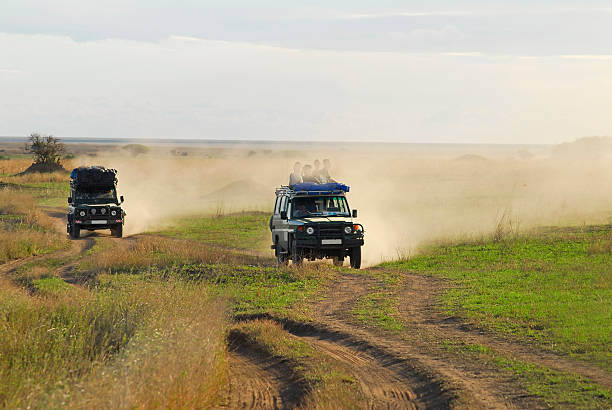
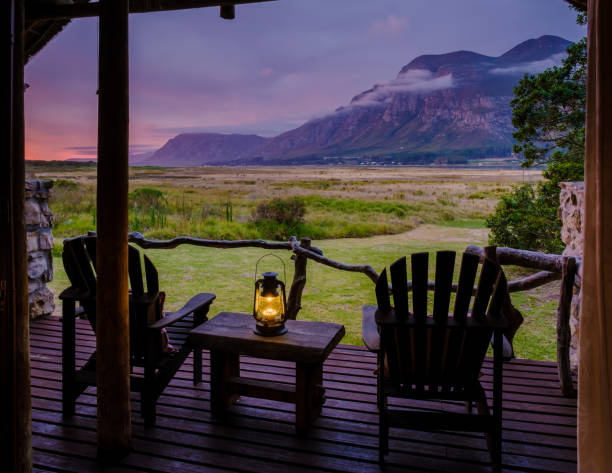
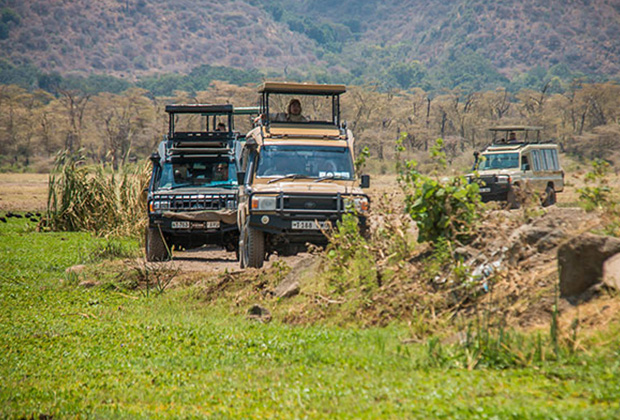
Serengeti vs Ngorongoro: Which Is Better For Your Tanzania Safari?
For many dreaming of a Tanzanian safari, the question isn’t *if* they’ll see incredible wildlife, but *where* they’ll see it. Two names invariably dominate the conversation: the vast, legendary Serengeti National Park and the compact, wildlife-rich Ngorongoro Conservation Area. Both offer unparalleled opportunities to witness Africa’s natural wonders, but they present distinct experiences. Understanding the differences between Serengeti vs Ngorongoro is crucial for crafting a safari that perfectly matches your expectations, interests, and travel style for 2026-2027.
This guide aims to provide a clear, in-depth comparison, moving beyond surface-level descriptions to offer practical insights. We’ll explore what makes each location special, discuss the best times to visit, outline typical itineraries, consider costs, and help you make an informed decision. Whether you’re a first-time safari-goer or a seasoned wildlife enthusiast, this detailed breakdown will equip you to choose between the Serengeti and the Ngorongoro Crater.
Quick Answer: Serengeti vs Ngorongoro
The Serengeti vs Ngorongoro debate often comes down to scale and type of experience. The Serengeti is renowned for its immense size, the Great Migration, and vast, open plains offering classic savanna wildlife viewing. It’s ideal for those seeking wide-open spaces, diverse habitats, and the drama of the migration. The Ngorongoro Crater is a UNESCO World Heritage Site, a collapsed volcanic caldera teeming with wildlife in a concentrated, easily accessible area. It’s famous for its high density of animals, including the ‘Big Five,’ and offers a unique, dramatic landscape. For many, a combination of both is the ultimate Tanzania safari.
| Feature | Serengeti National Park | Ngorongoro Conservation Area (Crater) |
|---|---|---|
| Size | Vast (approx. 14,750 sq km) | Compact (Crater floor approx. 260 sq km) |
| Landscape | Expansive savannas, acacia woodlands, rivers | Unique volcanic caldera, diverse micro-habitats |
| Great Migration | Central to the migration’s annual cycle | No migration within the crater itself, but surrounds the area |
| Wildlife Density | High, but spread out due to size | Extremely high, concentrated within the crater |
| Big Five | All present, sightings can require more searching | High probability of seeing all, especially rhinos |
| Accessibility | Requires longer drives or internal flights; diverse areas | Easily accessible, often a 1-day visit or overnight |
| Accommodation | Wide range: luxury lodges, tented camps, budget options | Limited inside crater rim; many options outside, some on rim |
| Activities | Game drives, walking safaris (limited areas), hot air balloon safaris | Primarily game drives in the crater; cultural visits outside |
| Crowds | Can be spread out; busier in migration hotspots | Can feel crowded due to concentrated wildlife and limited access |
Table of Contents
- Introduction: The Safari Dream
- Serengeti National Park: The Endless Plains
- Ngorongoro Conservation Area: The Eighth Wonder
- Deep Dive: Serengeti vs Ngorongoro – Key Factors
- Best Time to Visit: Seasonality Matters
- Wildlife Experiences: What You’ll See
- The Great Migration: A Tale of Two Parks
- Landscape and Scenery
- Activities and Experiences
- Accommodation Options
- Accessibility and Logistics
- Cost Considerations
- Sample Itineraries: Weaving Them Together
- Who Is Each Destination Best For?
- Common Mistakes to Avoid
- Planning Your Safari for 2026-2027
- Booking Your Tanzania Safari
- Frequently Asked Questions (FAQs)
- Ready to Plan Your Adventure?
Introduction: The Safari Dream
Tanzania is synonymous with safari. It’s a land of dramatic landscapes, rich cultural heritage, and an astonishing abundance of wildlife. At the heart of this allure are the Serengeti and the Ngorongoro Crater, two of Africa’s most celebrated wildlife destinations. For travelers planning a trip, particularly for the 2026-2027 seasons, the choice between them, or how to combine them, is a significant decision. Each offers a unique window into the wild, shaped by its geography, ecology, and conservation efforts.
The Serengeti, meaning “endless plains” in the Maasai language, conjures images of vast savannas stretching to the horizon, dotted with acacia trees and teeming with millions of wildebeest, zebras, and gazelles. It’s the stage for the Great Migration, one of nature’s most spectacular events. Ngorongoro, on the other hand, is a geological marvel – a sunken caldera of immense beauty and biodiversity. Its steep walls cradle a self-contained ecosystem, making it a haven for a dense concentration of animals, including the elusive black rhino.
This comparison aims to demystify the Serengeti vs Ngorongoro question. We will explore the unique characteristics of each, helping you understand what kind of safari experience to expect from each location. By the end, you should have a clearer picture of which destination, or combination, best suits your safari aspirations for your 2026 or 2027 adventure.
Serengeti National Park: The Endless Plains
The Serengeti is arguably the most famous wildlife sanctuary in the world. Spanning over 14,750 square kilometers, its sheer scale is breathtaking. It forms part of the larger Serengeti ecosystem, which includes the Maasai Mara National Reserve in Kenya and the Ngorongoro Conservation Area. This vastness dictates much of the safari experience here.
The landscape is predominantly flat, rolling savanna, punctuated by kopjes (rocky outcrops) that serve as vital vantage points for predators and shelter for smaller animals. Acacia trees, particularly the flat-topped species, are iconic features, providing shade and sustenance. The Grumeti and Mara Rivers cut through the park, acting as critical water sources and, for the wildebeest and zebras during the migration, as formidable obstacles.
The Serengeti’s primary draw is its role in the Great Migration, where over 1.5 million wildebeest, hundreds of thousands of zebras, and countless other herbivores traverse the plains in a constant search for fresh grazing. This movement shapes the park’s dynamics, drawing predators like lions, cheetahs, leopards, hyenas, and wild dogs, creating a constant cycle of life and death that is thrilling to witness.
Beyond the migration, the Serengeti is home to a resident population of wildlife that is impressive year-round. Lions are abundant, often seen resting on kopjes or hunting in prides. Cheetahs are frequently spotted on the open plains, their speed a marvel. Leopards are more elusive, often found in trees along riverbanks or in denser woodlands. Elephants, giraffes, buffalo, hippos, crocodiles, and a remarkable diversity of birdlife are also present.
Ngorongoro Conservation Area: The Eighth Wonder
The Ngorongoro Conservation Area (NCA) is a UNESCO World Heritage Site, celebrated for its unique geological formation and incredible biodiversity. The centerpiece is the Ngorongoro Crater, a massive, intact volcanic caldera that measures approximately 19 kilometers across and 160 meters deep. Unlike the Serengeti, the crater floor is a relatively compact area, making wildlife viewing incredibly efficient.
The crater’s steep walls create a distinct microclimate and a self-contained ecosystem. Within its 260 square kilometers, you’ll find a surprising variety of habitats: open grasslands, acacia woodlands, papyrus swamps, and a soda lake (Lake Magadi) that attracts flamingos and other water birds. This diverse environment supports an astonishing density of wildlife.
The Ngorongoro Crater is often referred to as “Africa’s Eden” or “The Eighth Wonder of the World” due to its exceptionally high concentration of animals. It is one of the best places in Africa to see the ‘Big Five’ – lion, leopard, elephant, buffalo, and the critically endangered black rhinoceros – in a single day. The black rhino population here is particularly significant, offering one of the best chances for visitors to spot this rare creature.
While the Great Migration doesn’t pass through the crater itself, the NCA is part of the broader ecosystem, and animals from the surrounding highlands often move into the crater. The wildlife here is largely resident, meaning you can expect excellent sightings regardless of the time of year. The dramatic scenery of the crater walls rising around you adds to the unforgettable experience.
Deep Dive: Serengeti vs Ngorongoro – Key Factors
To truly understand Serengeti vs Ngorongoro, we must break down the experience by key elements that matter to safari travelers.
Wildlife Experiences: What You’ll See
Serengeti: The Serengeti offers a classic savanna wildlife experience. You’ll see large herds of wildebeest and zebras, especially during the migration. Predators are abundant, and you can spend hours tracking lions, cheetahs, and hyenas. The sheer size means wildlife is spread out, so sightings can sometimes involve more driving and anticipation. It’s about the vastness and the sheer number of animals in their natural, expansive habitat. Birdlife is also exceptional.
Ngorongoro: The Ngorongoro Crater offers an unparalleled concentration of wildlife. Within a few hours, you can often see lions, elephants, buffalo, hippos, and a good chance of spotting leopards and the critically endangered black rhino. The density of animals is astonishing, making for very rewarding game drives. The unique factor is the high probability of seeing the Big Five in close proximity and within a contained, dramatic setting. Lake Magadi is a highlight for birdwatchers, with flamingos often present.
The Great Migration: A Tale of Two Parks
Serengeti: The Serengeti is the undisputed heart of the Great Migration. The movement of over 1.5 million wildebeest and hundreds of thousands of zebras is the park’s defining feature. The location of the herds changes throughout the year, moving in a circular pattern across the plains in search of fresh grass and water. Witnessing the dramatic river crossings (Grumeti and Mara Rivers) or the calving season in the southern Serengeti are bucket-list experiences. Understanding the migration calendar is key to planning a Serengeti safari.
Ngorongoro: The Ngorongoro Crater is not directly on the main migration route, though it is part of the wider Serengeti ecosystem. Animals from the surrounding highlands may move into the crater, and some resident animals in the crater may move out. However, the primary spectacle of the vast, moving herds is a Serengeti phenomenon. If seeing the Great Migration is your absolute top priority, the Serengeti is essential. Ngorongoro offers incredible wildlife viewing, but it’s more about the high density of resident animals.
Landscape and Scenery
Serengeti: The Serengeti is characterized by vast, sweeping grasslands, acacia woodlands, and occasional rocky kopjes. The landscape is one of immense, uninterrupted horizons, creating a sense of true wilderness and space. The scenery is classic African savanna, beautiful in its simplicity and scale. Depending on the region and season, you might see dry plains, green grasslands after rains, or riverine forests.
Ngorongoro: The Ngorongoro Crater offers a dramatically different, and arguably more visually stunning, landscape. The sheer walls of the caldera create a breathtaking panorama. Descending into the crater feels like entering a hidden world. The floor itself is a mosaic of grasslands, acacia forests, swamps, and the shimmering soda lake. The backdrop of the crater rim against the sky is spectacular, especially at sunrise and sunset.
Activities and Experiences
Serengeti: The primary activity in the Serengeti is game driving. The park’s size allows for extensive exploration over multiple days. Walking safaris are permitted in specific areas, offering a more intimate connection with the environment. Hot air balloon safaris are a popular, albeit expensive, way to see the sunrise over the plains and gain a unique perspective on the wildlife and landscape. Some camps also offer night drives.
Ngorongoro: Game drives within the crater are the main activity. Due to the crater’s enclosed nature and the need to preserve its delicate ecosystem, visitor numbers and time spent on the floor are regulated. Activities are generally limited to driving. Outside the crater, in the wider NCA, there are opportunities for cultural visits to Maasai villages and walking safaris along the crater rim, which offer stunning views and a different perspective.
Accommodation Options
Serengeti: The Serengeti offers a vast range of accommodation to suit all budgets and styles. From ultra-luxury lodges and exclusive tented camps that offer prime locations, especially for migration viewing, to more mid-range options and even some more basic tented camps. The choice of accommodation can significantly impact your experience and the areas you can explore, as camps are often located in specific zones within the park.
Ngorongoro: Accommodation options are more concentrated. There are a few lodges and tented camps situated on the crater rim, offering spectacular views and convenient access. These are often high-end. Many other lodges and camps are located outside the crater, in the wider NCA or nearby towns like Karatu. These can range from mid-range to luxury, and staying outside the crater usually involves a drive down to the floor each day.
Accessibility and Logistics
Serengeti: Reaching the Serengeti typically involves flying into Kilimanjaro International Airport (JRO) or Arusha Airport, then taking a domestic flight to one of the many airstrips within the park, or a long drive (several hours) to a park gate followed by more driving to your camp. The park is vast, and getting between different regions (e.g., Central Serengeti, Northern Serengeti, Southern Serengeti) can take several hours of driving. Internal flights are common for multi-day Serengeti safaris to cover more ground efficiently.
Ngorongoro: The Ngorongoro Crater is relatively easy to access. It’s typically visited as part of a Northern Circuit safari, often after the Serengeti or Lake Manyara. From Arusha, it’s a drive of about 3-4 hours to the crater rim. Access to the crater floor involves descending a steep track, which can get busy. It’s often visited as a day trip or an overnight stay, making it logistically simpler for shorter itineraries.
Cost Considerations
Serengeti: Safaris in the Serengeti tend to be more expensive due to the vast distances, the need for internal flights or long drives, and the cost of park entry fees, which are charged per person per day and are significant. Accommodation options, especially those in prime migration locations or offering exclusive experiences, can be costly. However, more budget-friendly tented camps and lodges exist, particularly in the central or southern areas.
Ngorongoro: While Ngorongoro Conservation Area fees are also substantial, the cost can sometimes be lower for a shorter visit (e.g., a day trip) compared to spending multiple days in the Serengeti. However, accommodation on the crater rim is very expensive. Lodges outside the crater offer more varied pricing. The overall cost depends heavily on the duration of your stay and accommodation choice. For a 1-day crater tour, it can be a more budget-conscious option than multiple days in the Serengeti.
Best Time to Visit: Seasonality Matters
The choice between Serengeti vs Ngorongoro can also be influenced by the time of year you plan to travel, especially if the Great Migration is a priority.
| Time of Year | Serengeti Focus | Ngorongoro Focus | General Notes |
|---|---|---|---|
| January – March | Southern Serengeti (calving season, huge herds) | Good resident wildlife, lush green landscapes | Rainy season in both areas, but often short, intense afternoon showers. Wildlife is spread out in Serengeti. |
| April – May | Central/Western Serengeti (migration moving north) | Good resident wildlife, lush landscapes, fewer crowds | Longer rains, can be wet. Less ideal for travel, but potentially cheaper. |
| June – October | Central/Western/Northern Serengeti (migration river crossings, dry season) | Excellent resident wildlife, drier conditions | Peak safari season. Dry and sunny. Excellent for wildlife viewing in both. River crossings in the north/west Serengeti are a major draw. |
| November – December | Central/Eastern Serengeti (migration returning south) | Good resident wildlife, start of short rains | Short rains begin. Wildlife starts concentrating again in the south. |
Serengeti: If seeing the Great Migration is paramount, timing is everything. The herds are in the south (Ndutu/Seronera area) for calving from January to March, move west and north through the Serengeti from April to July, and often cross the Mara River in the north from July to October. The dry season (June-October) is generally considered the best time for overall wildlife viewing due to animals congregating around water sources, making them easier to spot.
Ngorongoro: The Ngorongoro Crater offers excellent wildlife viewing year-round due to its high concentration of resident animals and reliable water sources. The landscape is lush and green after the rains (November-May), while the dry season (June-October) brings drier conditions but still abundant wildlife. It’s a fantastic destination regardless of the season, though it can be busier during peak dry months.
Sample Itineraries: Weaving Them Together
Most comprehensive Tanzania safaris include both the Serengeti and Ngorongoro, as they offer complementary experiences. Here are a couple of ways they can be combined:
Sample Itinerary 1: Classic Northern Circuit (7 Days)
- Day 1: Arrive Kilimanjaro (JRO), transfer to Arusha. Overnight Arusha.
- Day 2: Drive to Lake Manyara National Park. Afternoon game drive. Overnight near Manyara.
- Day 3: Drive to Ngorongoro Conservation Area. Descend into the Ngorongoro Crater for a full-day game drive. Overnight on the crater rim or Karatu.
- Day 4: Drive to Serengeti National Park (Central – Seronera). Afternoon game drive. Overnight in Central Serengeti.
- Day 5: Full day game drives in Central Serengeti.
- Day 6: Morning game drive in Serengeti, then fly from a local airstrip back to Arusha.
- Day 7: Departure from Arusha or Kilimanjaro.
This itinerary focuses on key highlights and is efficient for shorter trips.
Sample Itinerary 2: Migration Focused (10 Days)
- Day 1: Arrive Kilimanjaro (JRO), transfer to Arusha. Overnight Arusha.
- Day 2: Drive to Tarangire National Park (known for elephants). Afternoon game drive. Overnight Tarangire.
- Day 3: Morning game drive in Tarangire, then drive to Karatu area (near Ngorongoro).
- Day 4: Full day game drive in the Ngorongoro Crater. Overnight Karatu.
- Day 5: Drive to Serengeti National Park (Central – Seronera). Afternoon game drive. Overnight Central Serengeti.
- Day 6: Full day game drives in Central Serengeti.
- Day 7: Drive to Northern Serengeti (Kogatende/Lamai area) if migration is present. Afternoon game drive. Overnight Northern Serengeti.
- Day 8: Full day game drives in Northern Serengeti, focusing on migration and river crossings if applicable.
- Day 9: Morning game drive, then fly from Kogatende airstrip to Arusha.
- Day 10: Departure.
This itinerary allows more time in the Serengeti to track the migration and offers a deeper dive into the Northern Circuit. It’s ideal for 2026 or 2027 trips during migration season.
Who Is Each Destination Best For?
Making the choice between Serengeti vs Ngorongoro often comes down to traveler priorities:
| Traveler Type | Best Suited For | Reasons |
|---|---|---|
| The Great Migration Enthusiast | Serengeti (especially specific regions based on time of year) | The migration is the main event, and the Serengeti is its stage. Essential for witnessing the scale and drama. |
| Big Five Seeker (especially Rhino) | Ngorongoro Crater | Highest concentration of animals, with excellent chances for all Big Five, including black rhinos, in a single day. |
| First-Time Safari Goer | Combination of both (often 2-3 days Serengeti, 1 day Ngorongoro) | Offers diverse experiences: vast plains and iconic migration in Serengeti, and dense wildlife in a dramatic setting in Ngorongoro. |
| Photographer | Both, depending on focus | Serengeti: Wide-angle shots of herds, predator action on plains. Ngorongoro: Dramatic crater landscapes, close-up animal encounters. |
| Traveler Seeking Space & Solitude | Serengeti (especially less-visited areas or outside peak season) | The Serengeti’s vastness means wildlife is more spread out, offering a greater sense of space. |
| Traveler on a Shorter Trip (e.g., 3-5 days) | Ngorongoro Crater + Lake Manyara | More accessible and logistically simpler for short durations, still offering excellent wildlife. |
| Luxury Traveler | Both (high-end lodges available in both) | Both offer world-class luxury lodges and camps, providing exceptional service and unique locations. |
| Budget Traveler | Serengeti (certain camps) or Ngorongoro (day trip, budget lodges outside) | More options for budget-conscious travelers, though ‘budget’ on safari is relative. Ngorongoro day trips can be more cost-effective than multiple Serengeti days. |
Common Mistakes to Avoid
When planning your Serengeti vs Ngorongoro safari, be aware of these common pitfalls:
- Underestimating Travel Times: Tanzania is vast. Driving between parks can take many hours. Factor this into your itinerary. Flying between locations saves time but increases cost.
- Not Timing for the Migration: If seeing the migration is a priority, research the best time and location within the Serengeti. Visiting the wrong area at the wrong time can mean missing the spectacle.
- Trying to See Too Much: Rushing between too many parks in a short time leads to a superficial experience. It’s better to spend more quality time in fewer locations.
- Assuming Ngorongoro is just a day trip: While possible, staying overnight on the rim or nearby offers a more relaxed experience and allows for exploring the wider NCA, not just the crater floor.
- Ignoring Park Fees: Serengeti and Ngorongoro have substantial daily park fees per person. These add up and should be factored into your budget.
- Not Booking in Advance: Especially for peak season (June-October) and popular lodges (like those on the Ngorongoro rim), booking well in advance for 2026-2027 is crucial.
- Expectation Management for Ngorongoro Crowds: The crater floor can feel busy with safari vehicles due to the high concentration of wildlife and limited access points.
Planning Your Safari for 2026-2027
Planning a Tanzania safari for 2026 or 2027 requires foresight. Here’s how to approach it:
Define Your Priorities
What is most important to you? The Great Migration? Seeing the Big Five? Dramatic landscapes? Photographic opportunities? Solitude? Your answers will guide whether you lean more towards Serengeti or Ngorongoro, or how you balance them.
Choose the Right Time
As detailed in the “Best Time to Visit” section, seasonality is key, especially for the Serengeti migration. For 2026-2027, consider:
- June-October 2026/2027: Peak season, dry, excellent wildlife, potential for migration river crossings in the Serengeti.
- January-March 2027: Calving season in southern Serengeti, good resident wildlife in Ngorongoro.
- Shoulder Seasons (April-May, November): Fewer crowds, potentially lower prices, but weather can be unpredictable.
Select Your Regions (Serengeti)
The Serengeti is huge. Based on the time of year for your 2026-2027 trip, you might focus on:
- Central Serengeti (Seronera): Good year-round for predators and resident wildlife.
- Northern Serengeti (Kogatende/Lamai): Best for river crossings (July-October).
- Southern Serengeti (Ndutu/Rongai): Best for calving season (January-March).
- Western Serengeti: Good for Grumeti River crossings (May-July).
Accommodation Strategy
Decide on your budget and style. Luxury lodges, mobile tented camps (which follow the migration), permanent tented camps, and lodges. Book high-demand lodges (especially on the Ngorongoro rim) 9-12 months in advance for 2026-2027.
Logistics and Transport
Will you drive with a safari vehicle throughout, or fly between locations? Flying is faster but more expensive. Driving offers a more ground-level perspective and allows for more stops.
Packing Essentials
Pack light, neutral-colored clothing. Essentials include:
- Lightweight long-sleeved shirts and trousers (for sun and insect protection).
- T-shirts and shorts.
- A warm fleece or jacket for cool mornings/evenings.
- Comfortable walking shoes.
- Sun hat, sunglasses, sunscreen.
- Binoculars (essential!).
- Camera with extra batteries and memory cards.
- Insect repellent.
- Personal first-aid kit.
- Adapter for charging devices.
Booking Your Tanzania Safari
Choosing the right tour operator is as important as choosing the right park. Here’s what to look for:
- Local Expertise: A Tanzanian-based operator has invaluable on-the-ground knowledge of wildlife movements, road conditions, and local logistics.
- Customization: Can they tailor an itinerary to your specific interests and budget for 2026 or 2027?
- Reputation: Look for reviews and testimonials.
- Transparency: Clear communication about what is included and excluded in your safari package.
- Guides: Experienced, knowledgeable, and certified guides are crucial for a great safari.
When you’re ready to plan your unforgettable Tanzania safari, whether focusing on the Serengeti’s endless plains or the Ngorongoro Crater’s dense wildlife, our team is here to help. We specialize in creating personalized safari experiences that capture the magic of East Africa.
Frequently Asked Questions (FAQs)
Q1: Can I visit both Serengeti and Ngorongoro on a short safari?
Yes, it’s possible to visit both on a shorter safari, typically 5-7 days. This usually involves spending 2-3 days in the Serengeti and 1 day in the Ngorongoro Crater. It’s a popular combination for first-time visitors wanting to experience the best of both worlds.
Q2: Is the Serengeti or Ngorongoro better for seeing lions?
Both locations have significant lion populations. The Serengeti, with its vast plains, offers excellent opportunities to see lions hunting and in prides, especially in areas like Seronera. The Ngorongoro Crater also boasts a high density of lions, and their visibility can be very good due to the concentrated wildlife.
Q3: Which is more crowded, Serengeti or Ngorongoro?
The Ngorongoro Crater floor can feel more crowded with safari vehicles due to the high concentration of animals and the limited space. The Serengeti, being so vast, generally spreads visitors out more, though popular migration viewing spots or river crossings can become busy.
Q4: Are walking safaris possible in Serengeti vs Ngorongoro?
Walking safaris are generally permitted in specific areas of the Serengeti National Park and the wider Ngorongoro Conservation Area (outside the crater floor), often offered by certain camps. They are not typically conducted on the Ngorongoro Crater floor itself.
Q5: What is the best way to travel between Serengeti and Ngorongoro?
The most common way is by road, with a private safari vehicle. This journey takes several hours, often involving a stop at Olduvai Gorge. Alternatively, you can fly from a Serengeti airstrip to Arusha and then drive to Ngorongoro, or vice versa, to save time.
Q6: Is it possible to see rhinos in both locations?
You have a much higher chance of seeing black rhinos in the Ngorongoro Crater, as it is one of the few protected areas where their population is stable and visible. While rhinos are present in the Serengeti, they are much rarer and harder to spot.
Q7: Which is better for birdwatching, Serengeti or Ngorongoro?
Both offer excellent birdwatching opportunities. The Serengeti has a huge diversity of bird species across its varied habitats. The Ngorongoro Crater, particularly around Lake Magadi, is a magnet for water birds, including flamingos, and offers a good concentration of species within a smaller area.
Q8: How much does a safari to Serengeti vs Ngorongoro cost?
Costs vary significantly based on accommodation, duration, and time of year. Generally, Serengeti safaris tend to be more expensive due to longer distances and park fees. A 7-day Northern Circuit safari including both parks can range widely, but expect it to be a significant investment. Exact prices for 2026-2027 can be obtained from tour operators.
Q9: If I can only choose one, which should I pick for Serengeti vs Ngorongoro?
If you are chasing the Great Migration and vast open spaces, choose the Serengeti. If you want a high concentration of diverse wildlife in a dramatic, easily accessible setting, choose Ngorongoro. Many advise visiting both if time and budget allow.
Q10: What are the park entry fees for Serengeti and Ngorongoro for 2026-2027?
Park fees are set by Tanzania National Parks Authority (TANAPA) and Ngorongoro Conservation Area Authority (NCAA) and are subject to change. For 2026-2027, expect fees to be around $70-80 USD per person per day for the Serengeti and $70-80 USD per person per day for Ngorongoro, plus vehicle fees. These are typically included in your safari package price.
Ready to Plan Your Serengeti vs Ngorongoro Adventure?
The choice between the Serengeti and the Ngorongoro Crater is a delightful dilemma, as both offer exceptional wildlife experiences. Whether you prioritize the epic scale of the Great Migration in the Serengeti or the concentrated biodiversity of the Ngorongoro Crater, a Tanzania safari promises unforgettable moments. Many travelers opt to combine both to experience the full spectrum of what this incredible country has to offer.
To craft your perfect Serengeti vs Ngorongoro safari for 2026 or 2027, let our expert team guide you. We offer bespoke itineraries, experienced guides, and a deep understanding of Tanzania’s wildlife and landscapes.
Contact us today to start planning your dream safari:
- WhatsApp: +255616946642
- Email: topguideadventures@gmail.com
- Backup Email: info@topguideadventures.com
Let’s make your Tanzanian adventure a reality!
Plan your Serengeti vs Ngorongoro: Which Is Better? with Top Guide Adventures
Tell us your travel dates, group size, comfort level, and dream experience. We will help you shape a clear, realistic, and memorable Tanzania itinerary.







 Veedesigner
 Fatma Kizanga
 Benjamin Waryuba
 Philip Philip
 John jr Itaja
 Antonia Optatus
 Edith Kanyere
 Neema Iddy
 Kelvin Boniphace
 Damari Maiga



