


A Songea Maji Maji Heritage Tour offers a deeply moving exploration of the 1905-1907 Maji Maji Rebellion, focusing on the significant events and figures associated with Songea and its surrounding areas in Southern Tanzania, providing insights into the courageous resistance against German colonial rule and its lasting impact on the region’s identity.
The Significance of Songea in the Maji Maji Narrative
When we speak of a Songea Maji Maji Heritage Tour, we are not merely discussing a historical sightseeing trip; we are engaging with the very heart of one of Tanzania’s most profound and defining moments of resistance. Songea, a vibrant town in the Ruvuma Region of Southern Tanzania, stands as a critical nexus for understanding the Maji Maji Rebellion. It was here, and in the surrounding communities, that the rebellion’s most determined leaders emerged, and its most poignant battles were fought. For travelers seeking to connect with Tanzania’s rich and often turbulent past, particularly its struggle for independence, a dedicated tour focusing on Songea offers an unparalleled depth of historical immersion.
The rebellion, which spanned from 1905 to 1907, was a widespread indigenous uprising against German colonial rule in German East Africa (present-day mainland Tanzania). While the conflict spread across a vast territory, Songea became a focal point due to the leadership of figures like Chief Songea Mbwindi, whose name the town now bears, and the active participation of various ethnic groups in the region. These included the Ngoni, Matengo, Yao, and Makonde, among others, who united under the spiritual guidance of the Maji Maji (‘holy water’) prophecy, believed to render warriors invincible to German bullets.
A heritage tour centered in Songea allows visitors to walk the ground where these brave men and women made their stand. It provides an opportunity to visit historical sites, understand the socio-political context that fueled the revolt, and learn about the consequences that shaped Tanzania’s future. Understanding the role of Songea is key to grasping the full scope and emotional weight of the Maji Maji story.
Why Choose Songea for a Maji Maji Heritage Experience?
While the Maji Maji Rebellion affected a broad swathe of German East Africa, Songea holds a unique and central position. The Ruvuma River, forming the southern border with Mozambique, was a significant strategic line, and many of the rebellion’s most critical engagements occurred in its vicinity. Furthermore, Songea was the administrative center of the region under German rule, making it a natural hub for both colonial control and, consequently, organized resistance.
Choosing Songea as the primary focus for a heritage tour offers several distinct advantages:
- Concentrated Historical Significance: Many key events, including the capture and execution of prominent chiefs and the fiercest battles, are directly linked to the Songea area.
- Preserved Sites: While time and development have altered landscapes, several sites retain their historical resonance, offering tangible connections to the past.
- Local Knowledge: Engaging with local historians, community elders, and guides in Songea provides authentic, nuanced perspectives often missed in broader, more generalized historical accounts.
- Cultural Continuity: The legacy of the rebellion is woven into the cultural fabric of the Songea region. Understanding this heritage offers a deeper appreciation of contemporary life and identity.
- Off-the-Beaten-Path Exploration: Southern Tanzania offers a less-traveled path compared to the northern safari circuits, providing a more intimate and less crowded experience for those interested in history and culture.
For travelers planning their trips for 2026-2027, a Songea Maji Maji Heritage Tour represents an opportunity to engage with a significant chapter of African history in a profound and personal way, moving beyond the typical tourist trails.
The Historical Context: Seeds of the Maji Maji Rebellion
To truly appreciate the Songea Maji Maji Heritage Tour, one must first understand the conditions that led to the uprising. German colonization, beginning in the late 19th century, brought about drastic changes to the lives of the indigenous populations of East Africa. The imposition of new administrative structures, forced labor, and heavy taxation, particularly the cotton tax, created widespread resentment and economic hardship.
In the Songea region, the Ngoni people, known for their warrior traditions, were particularly resistant to the new order. Their traditional social structures were disrupted, and their economic autonomy was severely curtailed. The Germans established administrative posts, including one in Songea, to enforce their rule, collect taxes, and conscript labor for projects like railway construction and the cultivation of cash crops. This exploitation was seen as a direct assault on their way of life and their dignity.
The spark that ignited the widespread rebellion was the belief in the ‘Maji Maji’ medicine. This spiritual movement, spearheaded by prophets like Kinjekitile Ngwale in the Rufiji basin, promised protection from German bullets through a sacred water ritual. While the efficacy of the ‘magic water’ was tragically disproven on the battlefield, the belief itself was a powerful symbol of unity and defiance against an oppressive foreign power. It provided a common cause and a spiritual framework for diverse ethnic groups to coalesce against a shared enemy. Songea, with its strong leadership and strategic importance, quickly became a crucial center for the dissemination of this resistance spirit.
Key Figures and Sites in Songea
A comprehensive Songea Maji Maji Heritage Tour would inevitably focus on the individuals and locations that played pivotal roles in the rebellion. Understanding their stories brings the historical events to life.
Chief Songea Mbwindi
The town of Songea is named after Chief Songea Mbwindi, a prominent leader of the Ngoni people who became one of the most significant figures of the Maji Maji Rebellion. He is remembered for his courageous leadership and his unwavering stance against German authority. Chief Songea rallied his people, integrating them into the broader rebellion and leading them in strategic actions against the colonial forces. His capture by the Germans and subsequent execution in 1906, along with other chiefs, sent shockwaves through the region but also solidified his legacy as a martyr for freedom.
Visiting sites associated with Chief Songea offers a direct connection to his influence. While the exact locations of his residence or the specific site of his execution may be subject to historical interpretation or altered by time, understanding his role is central to the Songea narrative. The town’s museum, if established or developed, would be a key place to learn about his life and the broader historical context.
The Matengo People and Their Role
The Matengo people, indigenous to the highlands around Songea, played a crucial and often underestimated role in the rebellion. Known for their agricultural ingenuity, particularly their unique system of pit cultivation (chagga), they were also fierce warriors. The Matengo highlands provided a natural stronghold, and their leaders actively participated in the resistance. Their knowledge of the terrain was invaluable to the rebel forces.
A heritage tour would ideally include opportunities to learn about Matengo culture and their specific contributions to the Maji Maji cause. Understanding their traditions and their strategic involvement provides a more complete picture of the diverse groups that united against the Germans.
The Execution Site of the Chiefs
One of the most somber and historically significant sites in Songea is believed to be the location where Chief Songea Mbwindi and several other chiefs were executed by the Germans in 1906. The details of this event are harrowing: the chiefs were hanged publicly as a deterrent to further uprisings. This act, intended to crush the spirit of resistance, instead cemented the rebellion’s martyrs and fueled the determination of those who continued to fight.
While the exact spot might be marked by a memorial or simply be a place of historical remembrance within the town, visiting such a site offers a powerful moment of reflection on the sacrifices made during the rebellion. The emotional weight of standing where these leaders met their end is profound.
The Ruvuma River Borderlands
The Ruvuma River, forming the border with Mozambique, was a strategically vital area during the rebellion. It served as a potential escape route, a supply line, and a zone of intense conflict. German forces sought to control the river crossings to prevent rebel movements and to cut off any external support. Many skirmishes and significant engagements took place along its banks.
A tour venturing towards the Ruvuma River can offer insights into the geographical challenges and strategic importance of this border region. Understanding the landscape provides context for the military actions and the difficulties faced by both the rebels and the colonial forces.
Structuring Your Songea Maji Maji Heritage Tour
Designing an effective heritage tour requires careful planning to ensure historical accuracy, cultural sensitivity, and a meaningful experience for the traveler. For a Songea Maji Maji Heritage Tour, the focus should be on depth rather than breadth, allowing ample time to absorb the historical context and engage with local narratives.
A typical itinerary, adaptable for 2026-2027 travel, might look something like this:
Sample Itinerary Outline (5-7 Days Focused on Songea)
- Day 1: Arrival in Songea & Introduction to the Region
- Arrive in Songea, transfer to accommodation.
- Orientation session with a local guide to introduce the Maji Maji Rebellion and its significance to Songea.
- Visit the Songea town center, understanding its current layout in relation to historical administrative areas.
- Day 2: Chief Songea Mbwindi and Ngoni Heritage
- Visit sites associated with Chief Songea Mbwindi (museum, historical markers if available).
- Learn about the Ngoni culture, traditions, and their historical role in the region.
- Explore the believed site of the chiefs’ execution, with a guided explanation of the historical events.
- Day 3: The Matengo Highlands and Rebel Strongholds
- Day trip to the Matengo highlands.
- Learn about the Matengo people, their agricultural practices, and their crucial role in the rebellion.
- Visit villages and learn from community elders about local perspectives on the rebellion.
- Explore potential sites of rebel encampments or strategic positions within the highlands.
- Day 4: The Ruvuma River and Border Conflicts
- Journey towards the Ruvuma River.
- Understand the strategic importance of the river during the rebellion.
- Visit border communities and learn about the cross-border dynamics and historical conflicts.
- Possible visit to a historical German administrative post ruin if accessible and relevant.
- Day 5: Broader Rebellion Context & Local Life
- Visit local markets to observe contemporary life and understand economic continuity.
- Engage in discussions about the legacy of the rebellion and its impact on modern Tanzanian identity.
- Optional: Visit a local school or community project to see how history is taught and remembered.
- Day 6-7: Departure or Extension
- Final reflections and souvenir shopping.
- Departure from Songea, or onward travel to other destinations in Southern Tanzania.
This outline is flexible. Depending on traveler interest, the tour can be extended to include more in-depth cultural exchanges, visits to surrounding historical villages, or even incorporate elements of Tanzania’s natural beauty, such as the nearby Ruaha National Park if time permits and the traveler desires a broader Southern Tanzania experience.
Engaging with Local Communities and Experts
The true value of a heritage tour lies in its ability to connect visitors with the living history of a place. In Songea, this means actively engaging with local communities and historians.
- Community Elders: Many communities still hold oral traditions and family histories related to the Maji Maji Rebellion. Spending time with elders, with the help of a translator and guide, can provide deeply personal and moving accounts.
- Local Historians and Researchers: Songea may have local historians or cultural officers who possess detailed knowledge of the rebellion. Facilitating discussions with these individuals can offer academic and nuanced insights.
- Cultural Guides: Guides from the Songea region will have an innate understanding of the local context, the significance of specific sites, and the cultural nuances that are essential for a respectful and enriching experience.
Top Guide Adventures is committed to responsible tourism that benefits local communities. Our tours are designed to facilitate these meaningful interactions, ensuring that your journey contributes positively to the region while providing you with an authentic cultural and historical immersion. For planning your 2026-2027 trip, we prioritize authentic experiences over superficial sightseeing.
Practical Considerations for Your 2026-2027 Trip
Planning a trip to Southern Tanzania requires attention to logistical details. While the experience is rewarding, the infrastructure and accessibility can differ from more developed tourist regions.
Getting to Songea
Songea is accessible by air and road. The most common way for international travelers to reach Southern Tanzania is by flying into Dar es Salaam (Julius Nyerere International Airport – JNIA) and then taking a domestic flight to Songea Airport (SON). Alternatively, long-distance bus services connect Dar es Salaam to Songea, a journey that is scenic but considerably longer and more demanding.
For travelers combining this heritage tour with other Tanzanian experiences, connecting flights from other major hubs like Kilimanjaro International Airport (JRO) or Zanzibar (ZNZ) to Dar es Salaam are readily available.
Accommodation in Songea
Accommodation options in Songea range from basic guesthouses to more comfortable lodges. While not as varied as in major tourist centers, options are available to suit different comfort levels and budgets. Top Guide Adventures works with reputable local providers to ensure clean, safe, and well-located accommodation for our clients.
Best Time to Visit
The best time to visit Songea for a heritage tour, considering pleasant weather and accessibility, is during the dry seasons:
- June to October: This period offers cooler temperatures and minimal rainfall, making travel comfortable and outdoor exploration enjoyable.
- December to February: This is another dry period, though it can be warmer.
The rainy seasons (March-May and November) can make road travel more challenging and may affect access to certain sites, though they offer lush landscapes and fewer tourists.
What to Pack
For a heritage tour focusing on historical sites and community visits, practical packing is key:
- Lightweight, breathable clothing: Cotton or linen fabrics are ideal for the warm climate.
- Comfortable walking shoes: Essential for exploring historical sites and villages.
- Sun protection: A hat, sunglasses, and high-SPF sunscreen are crucial.
- Insect repellent: Especially important for evenings and areas near water.
- Rain jacket or poncho: Even in the dry season, unexpected showers can occur.
- Camera and extra batteries/power bank: To capture the historical sites and cultural experiences.
- Personal first-aid kit: With basic medications.
- Notebook and pen: For taking notes during historical discussions and site visits.
For travelers planning for 2026-2027, booking in advance is recommended, especially if traveling during peak dry seasons, to secure preferred flights and accommodations.
The Enduring Legacy of the Maji Maji Rebellion
The Maji Maji Rebellion, despite its ultimate military defeat, was a pivotal moment in Tanzanian history. It was a powerful demonstration of African agency and resistance against colonial oppression, laying the groundwork for future nationalist movements.
The rebellion exposed the brutality and exploitative nature of German colonial rule, galvanizing a sense of shared identity among diverse ethnic groups who had previously been distinct. The memory of the rebellion became a potent symbol of the struggle for freedom and self-determination, influencing the thinking of leaders who would later spearhead Tanzania’s independence movement in the mid-20th century.
On a Songea Maji Maji Heritage Tour, you are not just learning about a historical event; you are connecting with the roots of modern Tanzanian identity. The courage, resilience, and unity displayed by the people of Songea and beyond continue to inspire. Understanding this legacy offers a profound appreciation for Tanzania’s journey and its enduring spirit.
Why Choose Top Guide Adventures for Your Heritage Tour?
At Top Guide Adventures, we are passionate about creating authentic and meaningful travel experiences that go beyond the ordinary. We understand the importance of historical accuracy, cultural respect, and the need for deep engagement when exploring sensitive topics like the Maji Maji Rebellion.
Our expertise in Tanzanian travel, particularly in uncovering the rich cultural and historical mix of regions like Southern Tanzania, ensures that your Songea Maji Maji Heritage Tour will be:
- Expertly Guided: Led by knowledgeable guides with a deep understanding of the history and local context.
- Culturally Immersive: Designed to facilitate genuine interactions with local communities and provide authentic insights.
- Logistically Sound: We handle all the arrangements, from transportation to accommodation, ensuring a smooth and comfortable journey.
- Tailored to Your Interests: We can customize itineraries to focus on specific aspects of the rebellion or incorporate broader cultural and natural experiences in Southern Tanzania.
- Responsible and Sustainable: Committed to supporting local economies and preserving cultural heritage.
For those planning their travels for 2026-2027, we offer personalized service to craft your ideal heritage adventure. We believe that understanding the past is crucial to appreciating the present, and our tours are designed to foster that understanding in a profound and memorable way.
Planning Your 2026-2027 Songea Maji Maji Heritage Tour
To begin planning your immersive Songea Maji Maji Heritage Tour, we encourage you to reach out to our team. We are dedicated to providing you with a unique and enriching historical journey through Southern Tanzania. Whether you are an individual traveler, a couple, or a group seeking to explore this significant chapter of Tanzanian history, we can tailor an itinerary to meet your specific needs and interests for your 2026-2027 adventure. Contact us to discuss your vision and let us help you create an unforgettable experience that honors the bravery and resilience of those who fought for freedom.
Reach out to Top Guide Adventures today:
- WhatsApp: +255616946642
- Email: topguideadventures@gmail.com
- Backup Email: info@topguideadventures.com
Let us guide you through the compelling history of the Maji Maji Rebellion in Songea.
Check Availability for Songea Maji Heritage Tour: Uncover Southern Tanzanias Resistance History
Ready to compare dates, prices, and the best option for your group? Send the package name and travel month so the team can reply with a clear quote, availability, and what is included.
 A 1-Day Songea Cultural Experience: Exploring Tanzanias Heritage 2026-2027Immerse yourself in the vibrant culture of Songea with a comprehensive 1-day experience. This curated itinerary offers a deep look at the…View package
 Maji Heritage Expedition: Uncovering Tanzanias History And Culture 2026-2027start a significant journey through Tanzania's past with the Maji Maji Heritage Expedition. This immersive experience delves into the pivotal…View package
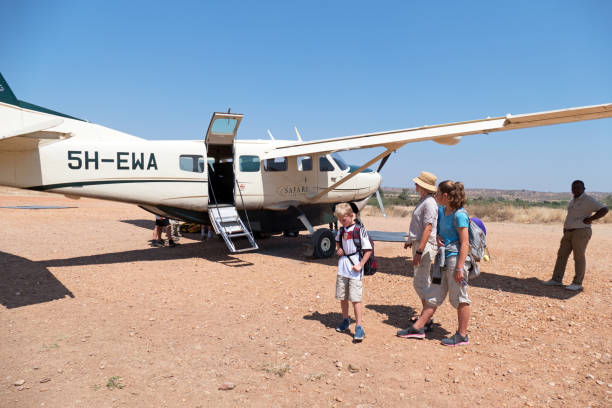 1-Day Songea Historical Tour: Uncover Mbeya Regions Past 2026-2027Discover the rich history of Songea on a focused 1-day tour, exploring key historical landmarks and understanding their significance within…View package
 Songea Tanzania: Gateway To Southern Tanzanias Untamed Adventures 2026-2027Songea serves as a crucial entry point for exploring the vast, less-traveled wilderness of southern Tanzania, offering access to incredible…View package
 Tanzania Unesco Heritage Package: Your Ultimate Cultural & Wildlife AdventureDiscover the magic of Tanzania's UNESCO World Heritage sites with a custom-designed package for 2026-2027. From ancient rock art to iconic…View package
 Ujiji Livingstone Heritage Tour: Explore Historic And Lake Tanganyikastart a profound journey with the Ujiji Livingstone Heritage Tour, tracing the footsteps of explorers and experiencing the rich history of Ujiji…View package
 Kilwa Kisiwani Heritage Tour: Exploring Tanzanias Ancient Swahili CoastA Kilwa Kisiwani Heritage Tour offers an unparalleled journey into Tanzania's rich Swahili coastal history. Explore the ruins of a once-mighty…View package
 Ruvuma Region Packages: Your Ultimate Tanzania Adventure Guide 2026-2027Explore bespoke Ruvuma Region packages for your 2026-2027 Tanzanian adventure. Top Guide Adventures offers unparalleled access to southern…View package


