
Updated planning guide for 2026-2027
South Africa Safari: Your Essential Planning Guide
Planning a South Africa safari for 2026 or 2027? This in-depth guide covers everything from choosing parks and timing your trip to packing essentials and booking with confidence. Discover the magic of African wildlife.
WhatsApp +255616946642 | topguideadventures@gmail.com | info@topguideadventures.com
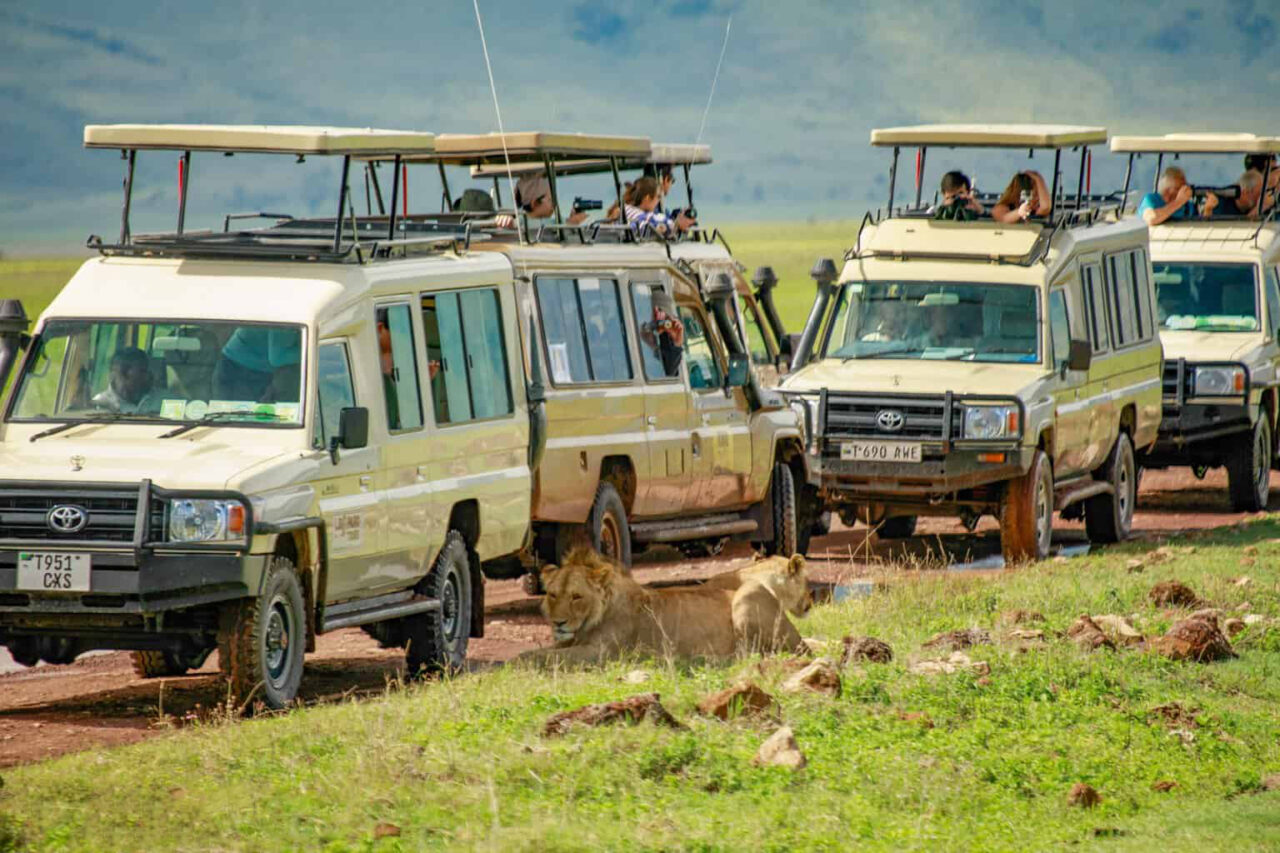

South Africa Safari: Your Essential Planning Guide
A South Africa safari is more than just a holiday; it’s an immersion into the wild heart of Africa. From the iconic Big Five to the vast, breathtaking landscapes, the experience promises awe and wonder. For many travelers, planning such a trip can feel overwhelming. This guide is designed to simplify the process, offering practical advice and detailed insights to help you craft an unforgettable adventure, whether you’re dreaming of a 2026 expedition or a 2027 escape.
As a leading Tanzania tour operator, we understand the nuances of African wildlife travel. While our expertise lies in Tanzania, we recognize the allure of South Africa and are here to provide you with the most comprehensive planning resources. We’ll cover everything from understanding different safari types to making informed booking decisions, ensuring your journey is everything you hope for and more.
Quick Facts: South Africa Safari
| Aspect | Details |
|---|---|
| Best Time to Visit | Generally May to October (dry season) for most wildlife viewing. December to February (wet season) for birding and newborn animals. |
| Major Safari Destinations | Kruger National Park, Sabi Sands Game Reserve, Pilanesberg National Park, Madikwe Game Reserve, Addo Elephant National Park. |
| Iconic Wildlife | Big Five (Lion, Leopard, Elephant, Rhino, Buffalo), Cheetah, Giraffe, Zebra, Hippos, diverse birdlife. |
| Safari Styles | Self-drive, guided game drives (open or closed vehicles), walking safaris, horseback safaris, night drives. |
| Accommodation | Luxury lodges, tented camps, guesthouses, self-catering chalets, budget-friendly options. |
| Typical Trip Length | 3-7 days for a focused safari experience; longer if combined with other regions or activities. |
| Currency | South African Rand (ZAR) |
| Language | 11 official languages, English is widely spoken in tourist areas. |
Understanding Your South Africa Safari Options
South Africa offers a remarkably diverse range of safari experiences, catering to virtually every traveler’s preference and budget. Unlike some other African destinations where the safari experience might be more concentrated in a few iconic parks, South Africa boasts a multitude of national parks and private reserves, each with its unique charm and wildlife viewing opportunities.
National Parks vs. Private Game Reserves
When planning your South Africa safari, you’ll encounter two primary types of protected areas: national parks and private game reserves. Understanding the differences is key to selecting the right experience.
National Parks:
- Kruger National Park is the most famous and largest national park in South Africa. It’s known for its accessibility, vastness, and high concentration of wildlife, including the Big Five.
- Addo Elephant National Park in the Eastern Cape is renowned for its massive elephant population and offers a malaria-free safari experience.
- Pilanesberg National Park, located near Johannesburg, is a popular choice due to its proximity to major airports and its successful reintroduction of wildlife, including the Big Five. It’s also malaria-free.
In national parks, you often have the option of self-driving, staying in park-run rest camps, or booking guided game drives. While generally more affordable, they can sometimes feel more crowded, especially during peak seasons.
Private Game Reserves:
- Sabi Sands Game Reserve, bordering Kruger National Park, is world-renowned for its exceptional leopard sightings and offers a more exclusive, high-end safari experience.
- Madikwe Game Reserve is another excellent malaria-free option, known for its diverse wildlife and commitment to conservation.
- Numerous other private reserves exist across provinces like the North West, Limpopo, and the Eastern Cape.
Private reserves typically offer a more intimate and luxurious experience. They often have strict limits on the number of vehicles in the bush at any one time, ensuring a more personal encounter with wildlife. Guided game drives (often in open 4×4 vehicles) are the norm, and many reserves offer additional activities like walking safaris and night drives. Accommodation here is usually in lodges or tented camps, ranging from comfortable to ultra-luxurious, and typically includes meals and game drives in the price.
Safari Styles to Consider
Beyond the location, the style of your safari can significantly shape your experience:
- Self-Drive Safaris: Ideal for independent travelers who enjoy flexibility and have a good sense of direction. You rent a vehicle and navigate the park yourself, stopping at viewpoints and self-catering rest camps. This is a popular and budget-friendly way to explore places like Kruger.
- Guided Game Drives: The most common safari experience. You’ll be accompanied by an experienced ranger and tracker in an open vehicle. They are experts at finding wildlife and sharing insights about the ecosystem. These are standard in private reserves and can be booked in national parks.
- Walking Safaris: Offer a unique, ground-level perspective of the bush. Accompanied by an armed ranger, you’ll learn about tracking, smaller flora and fauna, and the intricate details of the environment often missed from a vehicle. These are usually offered in specific reserves and are for adventurous travelers.
- Horseback Safaris: Provide a thrilling way to approach wildlife, as horses are often less intimidating to animals than vehicles. This is a specialized activity offered by select lodges.
- Night Drives: Many private reserves offer drives after dark, using spotlights to find nocturnal animals like civets, genets, owls, and perhaps even a leopard on the prowl.
When is the Best Time for a South Africa Safari?
Choosing the right time of year for your South Africa safari is crucial for maximizing wildlife viewing and overall enjoyment. South Africa experiences distinct seasons, each offering different advantages.
South Africa Safari Seasonality
| Season | Months | Pros | Cons | Ideal For |
|---|---|---|---|---|
| Dry Season (Winter) | May – October |
Vegetation thins out, making animals easier to spot. Waterholes attract more wildlife. Pleasant daytime temperatures, cool evenings/mornings. Lower malaria risk in northern regions. |
Can be cold, especially early mornings and evenings. Peak tourist season, potentially higher prices and more crowds. |
Big Five viewing, photography, general safari experience. |
| Wet Season (Summer) | November – April |
Lush landscapes, beautiful scenery. Birdwatching is excellent. Calving season, many baby animals are born. Fewer tourists, potentially lower prices. Warmer temperatures. |
Thicker vegetation can make spotting animals harder. Rainy afternoons/evenings (though often short bursts). Higher malaria risk in northern areas. |
Birding enthusiasts, photographers seeking lush scenes, budget travelers, those interested in newborn wildlife. |
| Shoulder Seasons | April-May & September-October |
Good balance of weather and wildlife viewing. Fewer crowds than peak season. Temperatures are moderate. |
Still can be busy in popular areas. |
Most travelers seeking a good all-around experience. |
Specific Considerations for 2026 and 2027
When planning for South Africa safari trips in 2026 and 2027, consider that popular private reserves and lodges, especially in the Sabi Sands area, book up months, sometimes over a year, in advance. For peak dry season travel (June-August 2026 or 2027), booking at least 9-12 months ahead is highly recommended. If you’re looking for more budget-friendly options or specific lodges, starting your research and booking process even earlier is wise.
The wet season (November 2026 – April 2027) can offer a more relaxed experience with fewer international tourists. If your primary interest is birdwatching or seeing young animals, this period is superb. Remember to factor in potential rain showers and pack accordingly.
Popular South Africa Safari Destinations
South Africa is blessed with a wealth of incredible safari locations. While many focus on the Greater Kruger area, other regions offer unique advantages.
1. Kruger National Park and Surrounds
Kruger National Park is the crown jewel of South Africa’s national parks. It’s a vast wilderness area, covering nearly 2 million hectares, and home to an astonishing diversity of wildlife and plant life. Its size means you can have vastly different experiences depending on which region you visit.
- Southern Kruger: Generally more accessible from major airports (like Johannesburg’s O.R. Tambo International Airport, JNB) and tends to have higher concentrations of the Big Five, particularly lions and elephants. Rest camps like Lower Sabie, Skukuza, and Pretoriuskop are popular.
- Central Kruger: Offers a mix of open savanna and woodland, with good chances of seeing buffalo, giraffes, and various antelope species.
- Northern Kruger: More remote and less visited, offering a wilder feel. It’s excellent for birding and has good chances of seeing cheetahs and wild dogs. The landscape is often more rugged.
Sabi Sands Game Reserve: Located to the west of Kruger, Sabi Sands is privately owned and shares an unfenced border with Kruger. It’s world-famous for its exceptional leopard sightings due to the riverine habitat and conservation efforts. Lodges here are exclusive, offering off-road driving, night drives, and walking safaris, providing a premium safari experience. This is often considered the ultimate luxury safari destination in South Africa.
Timbavati Private Nature Reserve: Adjacent to Sabi Sands and Kruger, Timbavati is also renowned for its leopard sightings and is famous as the birthplace of the white lion. It offers a similar high-end safari experience to Sabi Sands.
2. Pilanesberg National Park
Located in the North West Province, about a 2.5 to 3-hour drive from Johannesburg, Pilanesberg is a fantastic option for those with limited time or who prefer a malaria-free environment. The park is set within an ancient volcanic crater, offering diverse habitats that support a wide array of wildlife, including the Big Five, cheetahs, wild dogs, and over 300 bird species. It’s a popular choice for weekend getaways and combines well with visits to Sun City.
3. Madikwe Game Reserve
Also situated in the North West Province and malaria-free, Madikwe is one of South Africa’s largest reserves and a superb conservation success story. It was established on former agricultural land and has since been restocked with a vast array of wildlife, including the Big Five, wild dogs, cheetahs, and a huge variety of plains game and birds. Madikwe offers a more exclusive feel than Pilanesberg, with lodges often having private concessions, ensuring a more intimate safari experience.
4. Addo Elephant National Park and the Eastern Cape
Located in the Eastern Cape, Addo is South Africa’s third-largest national park and is famous for its huge herds of elephants. It’s also a malaria-free destination. The park has expanded significantly and now includes marine and coastal areas, making it possible to see the Big Seven (Big Five plus Southern Right Whales and Great White Sharks) if you visit the marine sections. It’s a great option for families and those seeking a malaria-free safari with abundant elephant sightings.
The Eastern Cape region also hosts several private game reserves, often smaller and more intimate than those near Kruger, offering excellent wildlife viewing in a malaria-free setting.
South Africa Safari Regions Overview
A simplified illustration of key safari areas:
    Johannesburg (JNB) --> Pilanesberg (Malaria-Free)
                      |--> Madikwe (Malaria-Free)
                      |--> Kruger National Park (Greater Kruger Area)
                                 |--> Sabi Sands (Private Reserve)
                                 |--> Timbavati (Private Reserve)
                                 |--> Kruger National Park (Public Area)

    Cape Town (CPT) --> Addo Elephant National Park (Eastern Cape, Malaria-Free)
Sample South Africa Safari Itinerary Logic
Crafting the perfect itinerary depends heavily on your interests, budget, and time. Here’s a sample itinerary logic that many travelers find effective for a classic South Africa safari experience, focusing on the Greater Kruger area, and can be adapted for 2026 or 2027 travel.
Option 1: Classic Kruger & Private Reserve (7 Days / 6 Nights)
This itinerary balances the vastness of a national park with the exclusive experience of a private reserve, offering a comprehensive introduction to South African wildlife.
Sample 7-Day Greater Kruger Safari Itinerary
| Day | Location/Focus | Activities | Notes |
|---|---|---|---|
| Day 1 | Arrival in Johannesburg (JNB) & Transfer to Kruger Area | Arrive at JNB, connect to a short flight to Kruger Mpumalanga International Airport (MQP) or Hoedspruit Eastgate Airport (HDS). Transfer to your lodge in a private reserve (e.g., Sabi Sands, Timbavati). Settle in, afternoon/evening game drive. | Focus on settling in and your first taste of the bush. |
| Day 2-3 | Private Reserve Experience | Full days of morning and afternoon/evening game drives with experienced guides and trackers. Potential for walking safaris or night drives depending on lodge offerings. Focus on leopard, Big Five, and intimate wildlife encounters. | Maximize your time in the exclusive reserve for high-quality sightings. |
| Day 4 | Transfer to Kruger National Park | Morning game drive in the private reserve. After breakfast, transfer to a rest camp or lodge within Kruger National Park (e.g., Skukuza, Lower Sabie). Check-in, explore the immediate surroundings, or enjoy a late afternoon game drive in your own vehicle or a park-organized one. | Transition to the national park experience. Consider a self-drive day. |
| Day 5-6 | Kruger National Park Exploration | Full days exploring Kruger. Self-drive to different waterholes and game viewing roads. Visit different rest camps. Consider booking guided drives from the rest camp for a different perspective or a night drive. Look for elephants, buffalo, and diverse antelope. | Experience the vastness and variety of Kruger. Focus on Big Five and general game. |
| Day 7 | Departure | Early morning game drive (optional). Breakfast. Transfer back to MQP or HDS for your flight to Johannesburg (JNB) and onward international connections. | Ensure ample time for transfers and check-in. |
Itinerary Logic Explained:
- Start with Private Reserve: Many prefer to begin with the high-end, guided experience of a private reserve. This allows for off-road driving and night drives, often resulting in more consistent Big Five sightings, especially leopards. It sets a high bar for the rest of the trip.
- Transition to National Park: Moving to Kruger National Park offers a different perspective. It’s about the sheer scale, the freedom of self-driving (if chosen), and exploring vast landscapes. It’s often more budget-friendly than a private reserve.
- Flexibility: This structure allows for a mix of guided and self-drive experiences. You can opt for guided drives throughout Kruger if preferred.
- Travel Time: Factor in transfer times between locations. Flights between Johannesburg and the safari airstrips significantly reduce travel time compared to driving.
Option 2: Malaria-Free Eastern Cape (5 Days / 4 Nights)
For travelers prioritizing a malaria-free experience, the Eastern Cape offers excellent alternatives.
Sample 5-Day Eastern Cape Safari Itinerary
| Day | Location/Focus | Activities | Notes |
|---|---|---|---|
| Day 1 | Arrival in Port Elizabeth (PLZ) & Transfer to Addo | Arrive at PLZ, pick up rental car or meet transfer. Drive to your lodge/accommodation near Addo Elephant National Park. Afternoon game drive in Addo or a private game reserve in the area. | Focus on arrival and first sightings. |
| Day 2-3 | Addo Elephant National Park & Private Reserves | Full days exploring Addo. Drive the main loops, focusing on elephants. Consider visiting the marine section for whale/dolphin watching (seasonal). Explore nearby private reserves for Big Five and other predators. | Experience the unique elephant population and diverse habitats. |
| Day 4 | Optional Activities or Deeper Exploration | Choose between further game drives, visiting the Zuurberg Mountains, or exploring the coastal areas. Some lodges offer guided walks or other activities. | Tailor to your interests – more wildlife, scenery, or relaxation. |
| Day 5 | Departure | Morning game drive (optional). Breakfast. Drive back to Port Elizabeth (PLZ) for your departure flight. | Allow sufficient travel time. |
What to Expect on Your South Africa Safari
A South Africa safari is an adventure that engages all your senses. Here’s what you can generally expect:
Wildlife Sightings
South Africa is renowned for its high success rates in spotting wildlife. The Big Five (Lion, Leopard, Elephant, Rhino, Buffalo) are a major draw, but the sheer abundance of other animals – giraffes, zebras, wildebeest, various antelope species, hippos, crocodiles, and an incredible array of birds – ensures constant activity.
Sightings are never guaranteed, as animals roam freely. However, experienced guides and trackers, combined with well-managed parks and reserves, significantly increase your chances. Patience is key; sometimes the most rewarding sightings come after quiet observation.
The Safari Vehicle Experience
Most game viewing in private reserves is done from open 4×4 safari vehicles. These are designed for optimal viewing with raised seats and often have charging points for cameras. Your guide will stop frequently to allow for observation and photography. Night drives, using spotlights, reveal a different cast of characters – nocturnal animals that are rarely seen during the day.
In national parks, you can use your own vehicle (self-drive) or join guided drives in closed or semi-open vehicles. While less immersive than an open vehicle, they offer protection and are practical for navigating the park.
Accommodation Options
South Africa offers a vast spectrum of accommodation:
- Luxury Lodges: High-end properties in private reserves, offering exquisite service, gourmet dining, private plunge pools, and exclusive game viewing.
- Tented Camps: Range from rustic and charming to luxurious canvas suites, offering a closer-to-nature feel without compromising comfort.
- Mid-Range Lodges/Guesthouses: Comfortable and well-appointed options, often found in or near national parks, providing a great balance of value and experience.
- Self-Catering Chalets/Campsites: Available within national parks, offering the most budget-friendly way to experience a safari, ideal for independent travelers.
Daily Safari Routine
A typical safari day follows a rhythm dictated by animal activity and weather:
- Early Morning: Wake up before dawn for a wake-up call, followed by coffee/tea and rusks before heading out on a morning game drive. This is prime time for predators.
- Mid-Morning: Return to the lodge for a hearty breakfast.
- Daytime: Relax, enjoy lunch, perhaps take a dip in the pool, or read a book. Some lodges offer optional activities like bush walks.
- Late Afternoon/Evening: Head out for the afternoon/evening game drive, which often continues after dark to search for nocturnal animals.
- Evening: Return to the lodge for dinner, sharing stories of the day’s sightings around a campfire.
Safety and Health
South Africa is generally safe for tourists when sensible precautions are taken. Most popular safari destinations, like Kruger, Pilanesberg, and the Eastern Cape, are malaria-free or have very low risk, making them ideal for families or those concerned about anti-malarial medication. Always consult your doctor or a travel clinic regarding health advice specific to your travel plans.
Packing for Your South Africa Safari
Packing smart is essential for comfort and practicality on your South Africa safari. The key is to pack light, versatile clothing in neutral colors.
Safari Packing List Essentials
- Clothing:
- Neutral-colored clothing: Khaki, beige, olive green, brown. Avoid bright colors (red, yellow, white) and dark colors (black, navy) which can attract insects or startle wildlife.
- Lightweight long-sleeved shirts and trousers: For sun protection and insect protection, especially during dawn and dusk.
- T-shirts and shorts: For warmer daytime temperatures.
- Fleece or warm jacket: Evenings and early mornings can be surprisingly chilly, especially during the dry season (May-October).
- A warm hat and gloves: For cold mornings.
- Comfortable walking shoes/boots: For around the lodge and any walking safaris.
- Sandals or flip-flops: For relaxing at the lodge.
- Swimsuit: Many lodges have pools.
- Accessories:
- Sunscreen (high SPF): The African sun is intense.
- Insect repellent: Especially important for evenings and if traveling during the wet season in northern areas.
- Hat with a brim: For sun protection.
- Sunglasses.
- Binoculars: Absolutely essential for spotting distant wildlife. Consider a good quality pair (8×42 or 10×42).
- Camera with extra batteries and memory cards: You’ll take more photos than you think! A zoom lens is highly recommended.
- Power bank/portable charger: For keeping devices charged on the go.
- Adapter for South African plugs (Type M).
- Small backpack or daypack: For carrying essentials on game drives (water, camera, sunscreen, binoculars).
- Toiletries:
- Personal toiletries.
- Basic first-aid kit (band-aids, antiseptic wipes, pain relievers, any personal medication).
- Documents:
- Passport (with at least 6 months validity and blank pages).
- Visa (if required).
- Flight tickets and confirmations.
- Travel insurance details.
- Copies of important documents (stored separately).
- Driver’s license (if planning to self-drive).
What NOT to pack: Brightly colored clothing, camouflage clothing (often restricted), high heels, excessive jewelry, strong perfumes or colognes (can deter animals or attract insects).
Common Mistakes to Avoid on Your Safari
To ensure your South Africa safari is as smooth and enjoyable as possible, be aware of these common pitfalls:
- Booking too late: Popular lodges and prime safari seasons (especially dry season) book up very far in advance. For 2026 or 2027 travel, start planning and booking at least 9-12 months ahead, especially for private reserves.
- Not considering malaria risk: While many popular areas are malaria-free, if you plan to visit regions with a risk (like northern Kruger during the wet season), consult your doctor about prophylaxis.
- Packing the wrong clothing: Wearing bright colors, dark colors, or camouflage can hinder sightings or be uncomfortable. Stick to neutral, earth tones.
- Underestimating the cold: Early mornings and evenings can be very cold, especially in winter (May-October). Pack layers!
- Not bringing binoculars: You’ll miss so much detail without them. Invest in a good pair.
- Overpacking: Luggage is often restricted on small bush planes. Pack light and efficiently.
- Expecting guaranteed sightings: Wildlife is wild. While guides are skilled, some patience and a bit of luck are always involved.
- Not budgeting for extras: Park fees, tips, drinks, and souvenirs are often not included in package prices.
- Trying to see too much: Rushing between too many locations in a short time leads to exhaustion and less enjoyment. Focus on quality over quantity.
- Ignoring local advice: Listen to your guide and lodge staff; they know the area and wildlife best.
Who is a South Africa Safari Best For?
A South Africa safari is incredibly versatile and can be tailored to suit a wide range of travelers:
- Families: With numerous malaria-free options like Addo, Pilanesberg, and Madikwe, South Africa is an excellent choice for families with children of all ages. Many lodges offer family-friendly activities and accommodation.
- Couples and Honeymooners: South Africa offers some of the most romantic and luxurious safari lodges in Africa, perfect for honeymoons or special romantic getaways. Private reserves provide an intimate and exclusive experience.
- Photographers: The well-managed parks, abundant wildlife, and skilled guides make South Africa a photographer’s paradise. Private reserves often allow off-road driving and night photography.
- Adventure Seekers: Walking safaris, horseback safaris, and the thrill of tracking big game appeal to those looking for an active and immersive experience.
- First-Time Safari Goers: The accessibility, excellent infrastructure, and high chances of wildlife sightings in South Africa make it an ideal starting point for those new to safaris.
- Budget Travelers: While luxury options abound, self-driving in national parks like Kruger or staying in park rest camps offers a more affordable way to experience a safari.
- Wildlife Enthusiasts: From the Big Five to rare birds and unique flora, South Africa offers incredible biodiversity for dedicated wildlife lovers.
Alternatives to a South Africa Safari
While South Africa is a premier safari destination, other African countries offer distinct and equally rewarding wildlife experiences. Considering alternatives can help you choose the perfect fit for your travel style and interests.
South Africa Safari vs. Other African Safari Destinations
| Destination | Key Strengths | Typical Experience | Best Time (General) | Consider If… |
|---|---|---|---|---|
| South Africa |
Malaria-free options, diverse accommodation (luxury to budget), excellent infrastructure, high Big Five success rates, self-drive options, combination trips (Cape Town, Winelands). |
Varied: from exclusive private reserves with off-road/night drives to accessible national parks for self-driving. |
May-Oct (dry, best for general wildlife); Nov-Apr (wet, best for birding/newborns). | You want a malaria-free trip, a mix of luxury and budget, self-drive flexibility, or to combine safari with other attractions like Cape Town. |
| Tanzania |
The Great Migration (Serengeti), Ngorongoro Crater’s density, vast wilderness, iconic landscapes, rich Maasai culture. |
Classic safari with guided game drives in vast, often unfenced areas. Focus on the sheer scale of wildlife and migration. |
Jun-Oct (dry, migration in Serengeti); Jan-Feb (calving season, Serengeti); Dec-Mar (Ngorongoro, good year-round). | You dream of witnessing the Great Migration, exploring iconic parks like the Serengeti and Ngorongoro, and experiencing a vast, wild Africa. |
| Botswana |
Exclusive, low-impact tourism, Okavango Delta’s unique water-based safaris, Chobe’s elephant herds, pristine wilderness. |
Primarily high-end, low-density lodges. Mokoro (dugout canoe) trips in the Delta, game drives, walking safaris. Focus on exclusivity and pristine environments. |
May-Oct (dry season, water levels in Delta vary). | You seek an exclusive, high-quality, and intimate safari experience with a focus on pristine wilderness and unique water-based activities. Budget is less of a concern. |
| Kenya |
Maasai Mara’s abundant predators and Great Migration, Samburu’s unique species, Amboseli’s elephant herds with Kilimanjaro backdrop. |
Classic guided game drives, hot air balloon safaris over the Mara. Strong cultural interactions with Maasai communities. |
Jun-Oct (dry, migration in Mara); Jan-Mar (dry, good for Samburu/Amboseli). | You want to see the Great Migration in the Mara, iconic predators, stunning backdrops like Kilimanjaro, and experience rich cultural heritage. |
Planning Your 2026-2027 South Africa Safari
Planning a safari for 2026 or 2027 requires foresight and organization. Here’s a step-by-step approach:
1. Define Your Priorities:
- Wildlife: Are you focused on the Big Five, birding, or general wildlife?
- Experience: Do you prefer luxury lodges, rustic camps, self-driving, or guided tours?
- Budget: Determine a realistic budget range. South Africa offers options from budget-friendly to ultra-luxury.
- Travelers: Who are you traveling with? Families, couples, solo? This influences destination and activity choices.
- Duration: How long can you travel?
- Malaria: Is a malaria-free trip a priority?
2. Research Destinations:
Based on your priorities, narrow down your preferred regions. For 2026-2027, consider:
- Greater Kruger: For diverse experiences, from budget self-drive to top-tier luxury.
- Malaria-Free Eastern Cape (Addo): Excellent for families and those avoiding malaria.
- Pilanesberg/Madikwe: Convenient malaria-free options near Johannesburg.
3. Choose Your Travel Style:
Will you book a package tour, arrange accommodations and transfers separately, or opt for a self-drive adventure? For a first-time South Africa safari, working with a reputable tour operator can be invaluable.
4. Select Accommodation:
Research lodges or rest camps that fit your budget, desired level of comfort, and location. Read recent reviews, paying attention to wildlife sightings, service, and food.
5. Book Flights and Transfers:
Book international flights well in advance for 2026-2027 travel. Domestic flights to safari hubs (MQP, HDS, PLZ) should also be booked early. If self-driving, arrange your rental vehicle. If using transfers or small charter flights, book these through your tour operator.
6. Plan Your Itinerary and Activities:
Work with your tour operator or plan your daily activities. Ensure you have enough time in each location and factor in travel time. Book any special activities (walking safaris, night drives, balloon safaris) in advance.
7. Health and Visa Requirements:
Consult your doctor about vaccinations or malaria precautions. Check visa requirements for your nationality well in advance of your 2026 or 2027 travel dates.
South Africa Safari Booking Timeline (for 2026-2027)
| Timeframe | Action |
|---|---|
| 12+ Months Prior | Research destinations and lodges. Book popular luxury lodges or prime season travel. Consult travel specialists. |
| 9-12 Months Prior | Book international flights. Book mid-range lodges and popular national park accommodation. Confirm visa requirements. |
| 6-9 Months Prior | Book domestic flights. Arrange rental vehicles if self-driving. Book specific activities (e.g., walking safaris). Purchase travel insurance. |
| 3-6 Months Prior | Finalize itinerary details. Confirm all bookings. Consult doctor for health advice. |
| 1-3 Months Prior | Pack essential items. Arrange currency exchange. Confirm flight details. |
| 1 Month Prior | Final checks, share itinerary with family, confirm transfers. |
Booking Your South Africa Safari: Expert Advice
Choosing the right way to book your South Africa safari is as important as choosing the destination itself. Here’s how to approach it:
Working with a Tour Operator:
For many travelers, especially those planning a South Africa safari for 2026 or 2027, working with a specialized tour operator offers significant advantages:
- Expertise: They have in-depth knowledge of destinations, lodges, and safari operators, saving you research time and ensuring you get the best experience for your budget.
- Customization: They can tailor itineraries to your specific interests, pace, and budget, creating a truly personalized trip.
- Logistics Management: They handle all bookings, transfers, and complex logistics, providing a stress-free experience.
- Support: You have a point of contact before, during, and after your trip for any issues or changes.
- Value: While it might seem more expensive, operators often have access to better rates and can advise on the best value options.
When selecting an operator, look for those with specific experience in Southern Africa and a good reputation. Ask for sample itineraries and testimonials.
Booking Directly:
If you are a seasoned traveler and prefer to manage your own arrangements, you can book directly with lodges and national park authorities. This requires significant research, time, and attention to detail, especially for coordinating transfers and multiple bookings.
Consider a Package Tour:
Many operators offer pre-designed safari packages. These can be a good starting point, but ensure they are flexible enough to meet your needs or be customized. Always check what is included and excluded.
When contacting us for your safari plans, please provide as much detail as possible about your desired travel dates for 2026 or 2027, number of travelers, interests, and budget. This helps us craft the perfect itinerary for you.
You can reach us via:
- WhatsApp: +255616946642
- Email: topguideadventures@gmail.com
- Backup Email: info@topguideadventures.com
Frequently Asked Questions (FAQs)
Your South Africa Safari Questions Answered
Q1: Is South Africa a good destination for a first-time safari?
A: Absolutely. South Africa is often considered one of the best destinations for first-time safari-goers due to its excellent infrastructure, high chances of wildlife sightings (including the Big Five), a wide range of accommodation options to suit various budgets, and numerous malaria-free areas.
Q2: What is the best time of year for a South Africa safari in 2026 or 2027?
A: The dry season, from May to October, is generally considered the best time for general wildlife viewing as vegetation thins out and animals congregate around water sources. However, the wet season (November to April) is excellent for birding and seeing newborn animals, with lush landscapes and fewer crowds.
Q3: Do I need to take malaria precautions for a South Africa safari?
A: Many popular safari destinations in South Africa, such as Pilanesberg, Madikwe, and Addo Elephant National Park, are malaria-free. In areas like Kruger National Park, the risk is generally low, especially during the dry season. However, it’s always best to consult your doctor or a travel clinic for personalized advice based on your specific itinerary and travel dates for 2026 or 2027.
Q4: What are the Big Five animals in South Africa?
A: The Big Five refers to the lion, leopard, elephant, rhinoceros (both black and white), and the African buffalo. These animals were historically the most challenging and dangerous for hunters to track on foot, but today they are the most sought-after sightings for safari-goers.
Q5: How much does a South Africa safari cost?
A: Safari costs vary significantly based on the destination, type of accommodation, duration, and inclusions. Budget self-drive safaris in national parks can be very affordable, while luxury lodges in private reserves can cost several hundred to over a thousand dollars per person per night. It’s best to get a personalized quote based on your specific requirements.
Q6: Can I do a self-drive safari in South Africa?
A: Yes, self-driving is a very popular and viable option, especially in Kruger National Park. You can rent a vehicle and navigate the park’s roads yourself, staying in park-run rest camps. Private reserves typically require guided game drives.
Q7: What should I pack for a South Africa safari?
A: Pack light, neutral-colored clothing (khaki, beige, olive), long-sleeved shirts and trousers for sun/insect protection, a warm jacket for cool mornings/evenings, comfortable walking shoes, sunscreen, a hat, sunglasses, insect repellent, and a good pair of binoculars and a camera. Avoid bright colors and camouflage.
Q8: How much time should I allocate for a safari?
A: For a good introduction, a minimum of 3 nights is recommended. However, 4-7 nights will allow you to explore more thoroughly and have a more relaxed experience, especially if combining different areas or lodges.
Q9: Are there walking safaris available in South Africa?
A: Yes, walking safaris are offered in many private game reserves and some national parks. Accompanied by an armed ranger, they provide a unique, ground-level perspective of the bush, focusing on tracking, smaller details, and the environment.
Q10: What are the booking recommendations for 2026-2027 safaris?
A: For travel in 2026 or 2027, especially during peak seasons (dry season, June-August), it is highly recommended to book at least 9-12 months in advance. Popular lodges and private reserves fill up quickly. Starting your planning and booking process early will secure your preferred dates and accommodations.
Plan Your Unforgettable South Africa Safari
A South Africa safari is a journey of discovery, offering incredible wildlife encounters set against stunning natural backdrops. Whether you dream of seeing the Big Five in Kruger, enjoying a malaria-free adventure in the Eastern Cape, or experiencing the exclusive luxury of a private reserve, planning is key to a memorable trip.
As specialists in African travel, we understand the intricacies of creating the perfect safari experience. We can help you navigate the options, select the ideal destinations and lodges for your 2026 or 2027 adventure, and manage all the logistical details.
Ready to start planning your dream South Africa safari? Get in touch with our expert team today!
Contact us:
- WhatsApp: +255616946642
- Email: topguideadventures@gmail.com
- Backup Email: info@topguideadventures.com
Let us help you create an extraordinary South African safari adventure tailored just for you.
Plan your South Africa safari with Top Guide Adventures
Tell us your travel dates, group size, comfort level, and dream experience. We will help you shape a clear, realistic, and memorable Tanzania itinerary.







 Veedesigner
 Fatma Kizanga
 Benjamin Waryuba
 Philip Philip
 John jr Itaja
 Antonia Optatus
 Edith Kanyere
 Neema Iddy
 Kelvin Boniphace
 Damari Maiga



