
Updated planning guide for 2026-2027
Southern Africa Adventure Travel Checklist: Complete Guide 2026-2027
Planning an adventure in Southern Africa? This extensive checklist covers everything you need for an unforgettable journey, from safaris to trekking and cultural explorations. Get ready for 2026-2027.
WhatsApp +255616946642 | topguideadventures@gmail.com | info@topguideadventures.com
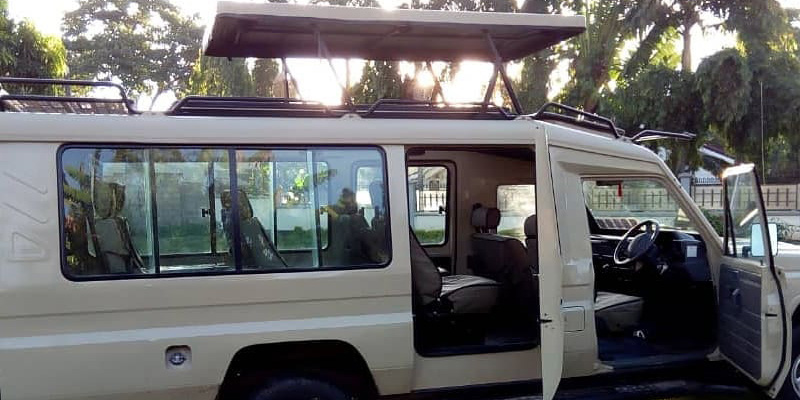
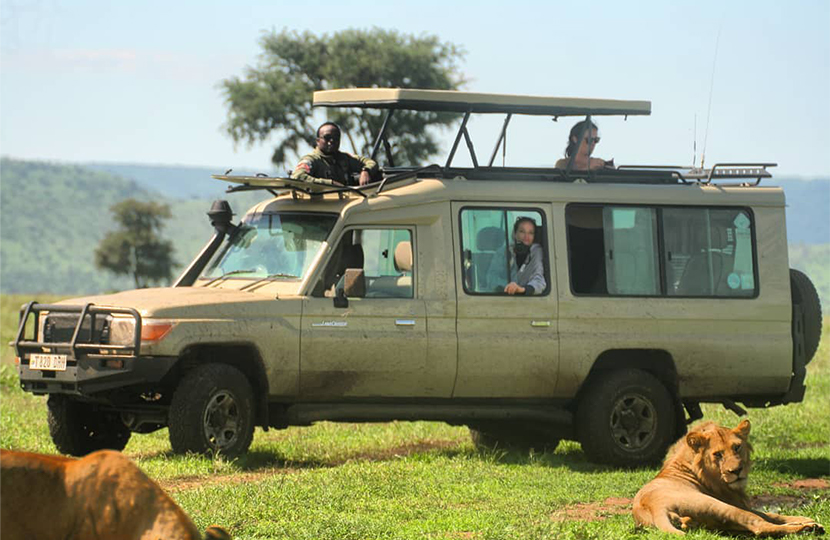
Southern Africa Adventure Travel Checklist: Expert Planning Guide 2026-2027
Southern Africa is a vast and diverse continent brimming with opportunities for adventure. From the iconic wildlife of the Serengeti and Kruger to the towering peaks of Kilimanjaro and the historical depths of Robben Island, this region offers experiences that stir the soul. Whether you’re dreaming of a thrilling safari, a challenging trek, or a cultural immersion, proper planning is key to a successful and memorable trip. This comprehensive Southern Africa adventure travel checklist is designed to guide you through every step, ensuring you’re well-prepared for the journey of a lifetime, especially as you look towards 2026 and 2027 travel dates.
As a leading Tanzania tour operator specializing in safaris, Kilimanjaro treks, Zanzibar holidays, and custom adventures, Top Guide Adventures understands the nuances of exploring this spectacular part of the world. We’ve compiled this guide based on years of experience, offering practical advice, itinerary insights, and planning essentials to help you craft your perfect Southern African expedition.
Quick Overview: Your Southern Africa Adventure
| Aspect | Details |
|---|---|
| Focus Keyword | Southern Africa Adventure Travel Checklist |
| Primary Destinations | Tanzania, Kenya, South Africa, Botswana, Namibia, Zambia, Zimbabwe, Rwanda, Uganda |
| Key Activities | Wildlife Safaris, Kilimanjaro Trekking, Gorilla Trekking, Zanzibar Beach Holidays, Cultural Tours, Victoria Falls, Desert Exploration, City Tours |
| Best Time to Travel | Varies by region and activity. Generally, the dry season (June-October) is popular for safaris and trekking. Wet season (November-May) offers lush landscapes and birdwatching. |
| Travel Style | Budget, Mid-Range, Luxury, Family, Solo, Couples, Group |
| Planning Horizon | 6-12 months recommended for complex trips, especially for 2026-2027 bookings. |
| Key Considerations | Visas, Vaccinations, Travel Insurance, Packing, Budget, Itinerary Customization, Local Guides, Safety. |
Table of Contents
- Why Choose Southern Africa for Adventure?
- Understanding the Regions: A Quick Look
- Best Time to Visit: Seasonality Matters
- Sample Routes and Itineraries
- The Essential Southern Africa Adventure Travel Checklist: Packing
- Health and Safety Precautions
- Visa and Entry Requirements
- Budgeting and Costs
- Common Mistakes to Avoid
- Who is Southern Africa Adventure For?
- Alternatives to Consider
- Planning Your 2026-2027 Adventure
- Booking Your Southern Africa Adventure with Top Guide Adventures
- Frequently Asked Questions (FAQs)
Why Choose Southern Africa for Adventure?
Southern Africa is a destination that truly captivates the adventurous spirit. It offers a unique blend of raw natural beauty, incredible biodiversity, rich cultural heritage, and thrilling activities. The sheer scale of its landscapes – from the vast savannas and towering mountains to the stunning coastlines and ancient deserts – provides an unparalleled backdrop for exploration.
For wildlife enthusiasts, it’s a premier destination. Witnessing the Great Migration in the Serengeti or spotting the Big Five in Kruger National Park are experiences that stay with you forever. The opportunity to trek iconic peaks like Mount Kilimanjaro or Mount Kenya challenges both body and mind, rewarding climbers with breathtaking panoramic views. Beyond the wildlife and mountains, the region’s history is profound, with sites like Robben Island offering deep insights into human resilience and change.
Adventure travel here isn’t just about seeing; it’s about experiencing. It’s about the thrill of a sunrise game drive, the quiet awe of a starlit desert sky, the physical accomplishment of reaching a summit, and the warmth of connecting with local communities. For those seeking a journey that is both exhilarating and enriching, Southern Africa delivers.
Understanding the Regions: A Quick Look
Southern Africa is not a monolithic entity. It’s a mosaic of countries, each with its distinct character, attractions, and adventure opportunities. Understanding these differences helps tailor your Southern Africa adventure travel checklist.
- East Africa (Tanzania, Kenya, Uganda, Rwanda): Renowned for the Great Migration, the Serengeti and Maasai Mara ecosystems, Mount Kilimanjaro and Mount Kenya treks, gorilla and chimpanzee trekking in Uganda and Rwanda, and the spice island of Zanzibar.
- Southern Africa (South Africa, Botswana, Namibia, Zimbabwe, Zambia): Famous for Kruger National Park, Okavango Delta safaris, the Namib Desert, Victoria Falls, diverse cultures, and wine regions.
- Central/Eastern Rift (DRC, Burundi): Less developed for mass tourism but offers unique opportunities for intrepid travelers interested in remote wilderness and specific primate trekking.
For the purposes of this guide, we will focus on the most popular and accessible adventure travel hubs, with a particular emphasis on Tanzania, a core destination for Top Guide Adventures, while also touching upon common multi-country itineraries.
Best Time to Visit: Seasonality Matters
The ideal time to visit Southern Africa depends heavily on your planned activities and the specific countries you intend to explore. The region experiences distinct wet and dry seasons, which significantly impact wildlife viewing, trekking conditions, and overall travel experience.
| Region/Activity | Dry Season (Approx. June – October) | Wet Season (Approx. November – May) | Shoulder Seasons (Mar-May, Sep-Oct) |
|---|---|---|---|
| Tanzania Safaris (Serengeti, Ngorongoro) | Excellent for game viewing as animals congregate around water sources. Plains are drier. Great Migration often in Northern Serengeti. | Lush landscapes, fewer crowds, better birdwatching. Calving season in Southern Serengeti (Jan-Mar). Risk of rain can affect game drives. | Good balance of wildlife viewing and fewer crowds. May can be very green. September/October are warm and dry, good for migration viewing in the north. |
| Kilimanjaro Trekking | Best conditions with clear skies and less rain. Peak season. Higher costs, more trekkers. | Rain and cloud cover increase significantly, making ascents difficult and less scenic. Generally avoided. | Good visibility and manageable weather. March can be wet, April/May are the wettest months. September/October offer clear skies. |
| Zanzibar Holidays | Dry, sunny, and less humid. Ideal for beaches and water sports. Peak tourist season. | Hot and humid with higher rainfall, especially April/May. Can be a good time for deals, but beach time may be interrupted. | Generally pleasant, with some rain possible. Good for exploring Stone Town and beaches with fewer crowds. |
| South Africa (Kruger) | Animals are easier to spot as vegetation thins and they gather at waterholes. Pleasant temperatures. | Thicker vegetation, more challenging game viewing. Many baby animals born. Hotter temperatures, potential for rain. | Good for both wildlife and general exploration. Weather is generally mild. |
| Botswana (Okavango Delta) | The Delta is at its fullest due to floodwaters from Angola. Excellent game viewing as animals concentrate. Peak season, highest prices. | Lower water levels in the Delta, some areas inaccessible. Good for birding. Lower prices. | Transition period, good game viewing and water activities still possible. |
Sample Routes and Itineraries
A well-structured itinerary is the backbone of any successful adventure. Here are a few popular routes that showcase the diversity of Southern Africa. These can be customized to fit your interests, budget, and time constraints. Remember, for 2026-2027 travel, booking popular itineraries well in advance is highly recommended.
Tanzania: Classic Safari & Zanzibar (10-14 Days)
This is a quintessential Tanzanian adventure, combining incredible wildlife viewing with relaxation on a tropical island.
Day 1-2: Arrive in Arusha
Arrive at Kilimanjaro International Airport (JRO), transfer to Arusha. Acclimatize, meet your guide, and prepare for your safari.
Day 3-5: Tarangire National Park
Known for its large elephant herds and iconic baobab trees. Game drives to spot lions, leopards, giraffes, and more.
Day 6-7: Lake Manyara National Park
Famous for its tree-climbing lions, diverse birdlife, and scenic lake. Enjoy a game drive and perhaps a walking safari.
Day 8-9: Serengeti National Park
The crown jewel of Tanzanian safaris. Extensive game drives searching for the Big Five and witnessing the vast plains. Depending on the season, you might see parts of the Great Migration.
Day 10: Ngorongoro Crater
Descend into the caldera for exceptional wildlife viewing in a unique, self-contained ecosystem. High chance of seeing rhinos.
Day 11: Travel to Zanzibar
Fly from Arusha or Kilimanjaro to Zanzibar. Transfer to your beach resort.
Day 12-13: Zanzibar Relaxation
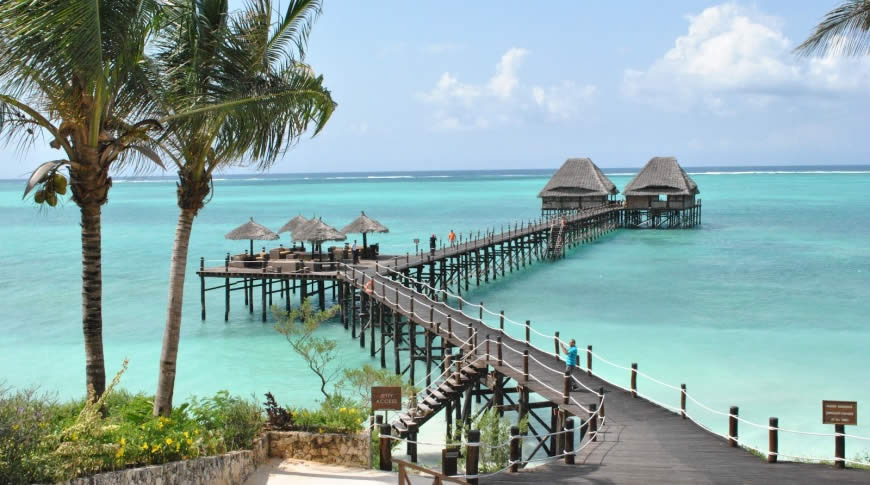
Enjoy the white sandy beaches, turquoise waters, snorkeling, diving, or explore Stone Town’s history and culture.
Day 14: Departure
Transfer to Zanzibar International Airport (ZNZ) for your flight home.
Kilimanjaro Climb & Safari (14-21 Days)
For those seeking a physical challenge combined with wildlife encounters. This itinerary includes a 7-8 day climb on a popular route like Machame or Lemosho, followed by a safari.
Day 1-2: Arrive in Arusha
Arrival, briefing, gear check, and preparation for the climb.
Day 3-10: Mount Kilimanjaro Climb
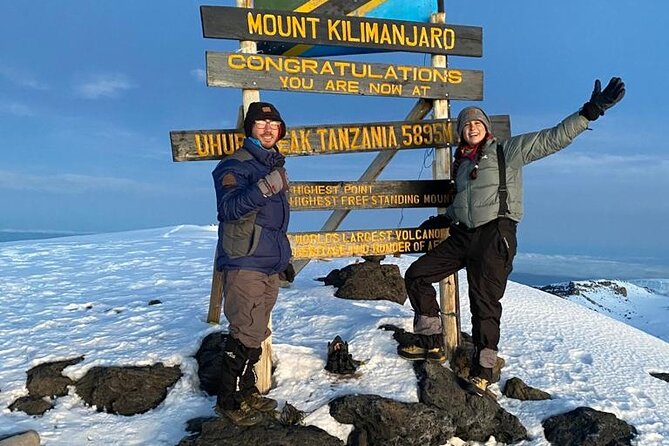
Ascend Mount Kilimanjaro via your chosen route. This typically involves 7-8 days of trekking, acclimatization, and reaching Uhuru Peak (5,895m).
Day 11: Descend and Relax in Arusha
Complete the descent, transfer back to Arusha. Rest and recover.
Day 12-14: Tanzania Safari
Experience a 3-day safari, perhaps focusing on Tarangire and Ngorongoro Crater, or a shorter trip to the Serengeti.
Day 15: Departure
Transfer to Kilimanjaro International Airport (JRO).
Note: For a more comprehensive safari experience after the climb, extend the safari portion to 5-7 days, including Serengeti.
Southern Africa Highlights: Multi-Country Adventure (2-3 Weeks)
This itinerary is for the traveler wanting a taste of several iconic Southern African experiences. It requires careful logistical planning and often involves flights between destinations.
Option A: Victoria Falls, Safari & Cape Town
Day 1-2: Arrive Victoria Falls (Zimbabwe or Zambia)
Experience the majestic Victoria Falls, possibly take a sunset cruise on the Zambezi River.
Day 3-6: Safari in Hwange (Zimbabwe) or Chobe (Botswana)
Short flight or drive to a nearby wildlife-rich park for game drives and boat safaris.
Day 7: Travel to Cape Town (South Africa)
Fly from Victoria Falls/Livingstone to Cape Town.
Day 8-12: Cape Town Exploration
Explore Table Mountain, Robben Island, Cape Point, the Cape Winelands, and the vibrant city.
Day 13: Departure from Cape Town
Option B: Namibia Desert & Wildlife
Day 1-3: Windhoek & Transfer to Sossusvlei
Arrive Windhoek, pick up rental vehicle (4×4 recommended), drive to the Namib Desert.
Day 4-5: Sossusvlei & Deadvlei
Climb Dune 45, explore the iconic Deadvlei, and witness the desert landscapes.
Day 6-8: Swakopmund
Coastal town offering activities like quad biking, sandboarding, and boat trips in Walvis Bay.
Day 9-12: Etosha National Park
Famous for its unique salt pan and abundant wildlife, especially around waterholes.
Day 13: Return to Windhoek & Departure
The Essential Southern Africa Adventure Travel Checklist: Packing
Packing smart is crucial for comfort and convenience. The key is to pack light, versatile items suitable for various climates and activities. Your Southern Africa adventure travel checklist should prioritize layers and quick-drying fabrics.
Clothing
- Lightweight, breathable shirts: Long-sleeved for sun protection and insect defense, short-sleeved for warmth. Neutral colors (khaki, beige, olive green) are best for safaris.
- Trousers/Pants: Comfortable hiking pants or convertible pants. Avoid camouflage patterns.
- Shorts: For warmer days, especially in Zanzibar or during downtime.
- Fleece jacket or warm sweater: Essential for cool evenings and mornings on safari, and especially for Kilimanjaro.
- Waterproof and windproof jacket: Lightweight, breathable shell for rain and wind, particularly for Kilimanjaro and unpredictable weather.
- Thermal base layers: Crucial for Kilimanjaro climbs; polypropylene or merino wool.
- Underwear and socks: Plenty of moisture-wicking socks (wool or synthetic) are vital for trekking.
- Swimsuit: For beach destinations like Zanzibar or hotel pools.
- Hat: Wide-brimmed for sun protection, a beanie for Kilimanjaro.
- Buff or scarf: Versatile for sun protection, dust, and warmth.
Footwear
- Broken-in hiking boots: Waterproof and sturdy, essential for Kilimanjaro and any significant trekking.
- Comfortable walking shoes/trainers: For city exploration, light walks, and travel days.
- Sandals or flip-flops: For relaxing at lodges or on the beach.
Health and Hygiene
- Personal first-aid kit: Include bandages, antiseptic wipes, pain relievers, blister treatment, any personal medications.
- Insect repellent: Containing DEET or Picaridin, essential for malaria-prone areas.
- Sunscreen: High SPF.
- Hand sanitizer.
- Toiletries: Biodegradable options are preferred where possible. Travel-sized.
- Prescription medications: With a copy of your prescription.
- Motion sickness medication: If prone to it for bumpy roads or boat trips.
Documents and Money
- Passport: With at least 6 months validity beyond your stay and blank pages.
- Visas: Check requirements for each country well in advance.
- Flight tickets and itinerary: Printed and digital copies.
- Travel insurance details: Policy number and emergency contact.
- Yellow Fever vaccination certificate: May be required for entry.
- Credit/Debit cards: Inform your bank of your travel plans.
- US Dollars or Euros: Often useful for visas on arrival, tips, and small purchases. Carry smaller denominations.
- Local currency: Obtain upon arrival or beforehand if possible.
- Copies of important documents: Stored separately from originals.
Electronics and Accessories
- Camera and accessories: Extra batteries, memory cards.
- Power bank/Portable charger.
- Universal travel adapter: With surge protection. Check plug types for each country.
- Headlamp or flashlight: Essential for Kilimanjaro and power outages.
- Binoculars: Highly recommended for safaris.
- Mobile phone and charger.
Miscellaneous Essentials
- Backpack or daypack: For daily excursions and Kilimanjaro summit attempts.
- Water bottle: Reusable, ideally insulated.
- Sunglasses.
- Small towel: Quick-dry travel towel.
- Duct tape: Surprisingly useful for repairs.
- Ziploc bags: For waterproofing and organization.
- Book or e-reader.
- Snacks: For long drives or treks.
Health and Safety Precautions
Prioritizing your health and safety is paramount for an enjoyable Southern Africa adventure. Consult your doctor or a travel clinic 6-8 weeks before your trip.
Vaccinations and Medications
- Routine Vaccinations: Ensure they are up to date.
- Hepatitis A and Typhoid: Generally recommended.
- Hepatitis B, Rabies, Japanese Encephalitis: May be recommended depending on your activities and duration.
- Yellow Fever: Required for entry into some countries (e.g., Tanzania) if arriving from or transiting through a country with risk of yellow fever. Carry your certificate.
- Tetanus/Diphtheria: Booster recommended.
- Polio: Booster recommended.
- Prescription Medications: Carry enough for your entire trip, plus a little extra, in original packaging with a copy of the prescription.
Malaria Prevention
Malaria is present in many parts of Southern Africa, particularly in lower-lying areas and during the wet season. Consult your doctor about the best anti-malarial medication for your chosen destinations and travel dates. Use insect repellent, wear long sleeves and pants during dawn and dusk, and sleep under mosquito nets (usually provided in accommodations).
Travel Insurance
Comprehensive travel insurance is non-negotiable. Ensure it covers:
- Medical emergencies and evacuation (including for high-altitude trekking like Kilimanjaro).
- Trip cancellation or interruption.
- Lost or stolen baggage.
- Activities like trekking, safari drives, and water sports.
Review your policy carefully to understand exclusions.
Road Safety and Transport
Road conditions can vary significantly. Many roads are unpaved, and driving can be challenging, especially at night due to poor lighting and wandering animals. Opt for reputable tour operators who use experienced drivers and well-maintained vehicles. If self-driving, consider a 4×4, especially for remote areas, and always drive cautiously. Be aware of local traffic laws and customs.
Wildlife Safety
- Listen to your guide: Always follow the instructions of your safari guide or park rangers.
- Maintain distance: Never approach or feed wild animals. Keep a safe distance from all wildlife, especially on foot.
- Stay in vehicles: During game drives, stay inside your vehicle unless instructed otherwise by your guide.
- Secure food: Store food properly at campsites and lodges to avoid attracting animals.
- Be aware of your surroundings: Especially at dawn, dusk, and night.
Visa and Entry Requirements
Visa requirements vary greatly depending on your nationality and the countries you plan to visit. It is your responsibility to research and obtain the necessary visas well in advance of your travel dates.
- Check official government websites: For the most up-to-date information.
- Common practice: Many nationalities can obtain visas on arrival for tourist purposes in countries like Tanzania and Kenya, but it’s safer to check. South Africa often has visa-free agreements for many nationalities for short stays.
- East African Tourist Visa: Some countries in East Africa offer a joint visa, which can be cost-effective if visiting multiple countries in the region.
- Passport Validity: Ensure your passport is valid for at least six months beyond your intended stay and has sufficient blank pages.
- Yellow Fever Certificate: As mentioned, this is often required.
Recommendation: For 2026-2027 travel, start researching visa requirements at least 6-9 months in advance, as regulations can change.
Budgeting and Costs
Southern Africa offers a wide range of travel experiences, from budget-friendly backpacker trips to high-end luxury safaris. The cost of your adventure will depend on several factors:
- Destinations: Countries like Botswana and Rwanda (gorilla permits) tend to be more expensive than Tanzania or Kenya for safaris.
- Accommodation: Camping, budget lodges, mid-range hotels, and luxury tented camps have vastly different price points.
- Activities: Kilimanjaro climbs, gorilla permits, multi-day safaris, and private tours are significant cost drivers.
- Duration of Trip: Longer trips naturally incur higher costs.
- Transportation: Internal flights, private transfers, and rental vehicles add to the budget.
- Time of Year: Peak season (dry season) is generally more expensive.
General Cost Notes (per person, per day, excluding international flights):
- Budget: $75 – $150 (camping, basic lodges, group transport, limited activities).
- Mid-Range: $150 – $300 (comfortable lodges, private or small group tours, more included activities).
- Luxury: $300 – $800+ (high-end lodges, exclusive concessions, private guides, premium experiences).
Specific High-Cost Items:
- Kilimanjaro climbs: Can range from $1500 – $4000+ depending on the route, operator, and duration.
- Gorilla Permits: Typically $600 – $1500+ per person per trek.
- Internal Flights: Can add $100 – $400+ per flight.
Tips: Booking in advance, traveling during the shoulder season, and opting for group tours can help manage costs. Always clarify what is included in your tour package.
Common Mistakes to Avoid
To ensure your Southern Africa adventure is smooth and enjoyable, be aware of these common pitfalls:
- Underestimating travel times: Distances are vast, and road conditions can cause delays. Build buffer time into your itinerary.
- Not booking in advance: Especially for popular activities like Kilimanjaro climbs, gorilla permits, and peak season safaris. For 2026-2027, book 9-12 months ahead for the best availability and prices.
- Packing inappropriate clothing: Too much heavy gear, or not enough layers for temperature fluctuations.
- Ignoring health precautions: Failing to consult a doctor, get necessary vaccinations, or take malaria precautions.
- Not having adequate travel insurance: A must-have for any adventure trip.
- Trying to see too much: Rushing through multiple countries or parks can be exhausting and detract from the experience. Focus on quality over quantity.
- Not budgeting for extras: Tips, souvenirs, drinks, and personal expenses can add up.
- Assuming all tour operators are equal: Research reputable operators with good safety records and local expertise.
- Not understanding visa requirements: Last-minute visa issues can derail your trip.
Who is Southern Africa Adventure For?
Southern Africa adventure travel is incredibly diverse and can cater to a wide range of travelers:
- Nature Lovers and Wildlife Enthusiasts: Those who dream of seeing iconic animals in their natural habitat.
- Thrill-Seekers: Individuals looking for challenging treks, adrenaline-pumping activities, or exploring remote wilderness.
- Culture Seekers: Travelers interested in understanding diverse local cultures, histories, and traditions.
- Photographers: The landscapes and wildlife offer unparalleled photographic opportunities.
- Families: Many safaris and Zanzibar holidays are well-suited for families, offering educational and exciting experiences for all ages.
- Couples: From romantic beach getaways in Zanzibar to adventurous honeymoons with safaris and scenic drives.
- Solo Travelers: The region is generally welcoming, and group tours offer a safe and social way to explore.
It’s important to note: While adventure is the theme, the level of physical exertion can be tailored. Kilimanjaro requires significant fitness, while a Zanzibar beach holiday is purely relaxation. Safaris can range from relaxed game drives to more active walking safaris.
Alternatives to Consider
While Southern Africa is spectacular, other regions offer similar adventure experiences:
- East Africa (beyond Tanzania/Kenya): Ethiopia offers unique cultural landscapes and historical sites.
- North Africa: Morocco provides desert adventures, mountain trekking (Atlas Mountains), and vibrant culture.
- Indian Ocean Islands: Madagascar offers unique biodiversity and trekking opportunities.
- Other Continents: For wildlife, consider South America (Amazon, Galapagos) or Asia (India, Nepal). For trekking, Nepal (Himalayas) or South America (Andes) are prime choices.
However, the specific combination of iconic wildlife, challenging peaks, and unique cultural encounters found in Southern Africa is hard to replicate elsewhere.
Planning Your 2026-2027 Adventure
Planning a trip to Southern Africa for 2026 or 2027 requires foresight, especially if you’re aiming for peak seasons or popular itineraries. Here’s how to get ahead:
2026-2027 Planning Timeline
- 12-18 Months Out: Research destinations and activities. Define your budget and travel style. Start looking at reputable tour operators.
- 9-12 Months Out: Book international flights. Book Kilimanjaro climbs or gorilla permits (these sell out). Secure your preferred tour operator and itinerary. Pay initial deposits.
- 6-9 Months Out: Check visa requirements and apply if necessary. Book internal flights. Start a basic fitness program if planning a trek.
- 3-6 Months Out: Consult your doctor for vaccinations and malaria prophylaxis. Purchase comprehensive travel insurance. Start gathering necessary gear (hiking boots, clothing).
- 1-3 Months Out: Confirm all bookings. Finalize packing list. Get necessary currency. Inform your bank of travel dates.
- 2-4 Weeks Out: Pack your bags. Make copies of all important documents. Confirm airport transfers.
- During Trip: Stay flexible, embrace the unexpected, and enjoy!
- Post-Trip: Share your experiences and photos!
Key considerations for 2026-2027:
- Increased Demand: Post-pandemic travel trends suggest continued high demand for unique adventure experiences. Book early.
- Price Fluctuations: While we avoid exact prices, be aware that costs can increase over time due to inflation, fuel prices, and park fee changes. Early booking can sometimes lock in better rates.
- Sustainability: Consider operators with strong eco-friendly and community engagement practices.
Booking Your Southern Africa Adventure with Top Guide Adventures
Choosing the right tour operator is crucial for a safe, authentic, and memorable Southern Africa adventure. Top Guide Adventures has deep roots in Tanzania and extensive experience crafting bespoke journeys across East and Southern Africa. We pride ourselves on:
- Local Expertise: Our guides are locals with intimate knowledge of the wildlife, culture, and landscapes.
- Customization: We tailor every itinerary to your specific interests, budget, and pace. Whether it’s a challenging Kilimanjaro climb, a family safari, or a romantic Zanzibar escape, we design it for you.
- Safety First: Your well-being is our top priority. We adhere to strict safety protocols for all our tours.
- Responsible Tourism: We are committed to sustainable practices that benefit local communities and conservation efforts.
- Comprehensive Packages: We offer clear inclusions and exclusions, making budgeting straightforward.
Ready to plan your Southern Africa adventure travel checklist and book your trip for 2026 or 2027?
Contact us today to discuss your dream itinerary. We’re here to help you every step of the way.
WhatsApp: +255616946642
Email: topguideadventures@gmail.com
Backup Email: info@topguideadventures.com
Frequently Asked Questions (FAQs)
Q1: What is the best time of year for a Southern Africa safari?
A: The dry season, generally from June to October, is considered prime time for safaris across most of Southern Africa. Animals tend to congregate around water sources, making them easier to spot, and the vegetation is less dense. However, the wet season can offer advantages like lush landscapes, fewer crowds, and excellent birdwatching opportunities.
Q2: How physically demanding is climbing Mount Kilimanjaro?
A: Climbing Kilimanjaro is a significant physical challenge. While it doesn’t require technical mountaineering skills, it demands excellent cardiovascular fitness, stamina, and mental fortitude. The altitude is the biggest factor, and acclimatization is key. Most routes take 6-9 days.
Q3: What vaccinations do I need for Tanzania in 2026?
A: Routine vaccinations should be up to date. Hepatitis A and Typhoid are commonly recommended. A Yellow Fever vaccination certificate is often required for entry into Tanzania, especially if arriving from or transiting through a country with a risk of Yellow Fever. Malaria prophylaxis is also highly recommended. Always consult a travel clinic or your doctor 6-8 weeks before travel for personalized advice.
Q4: Is it safe to travel to Southern Africa?
A: Southern Africa is generally safe for tourists, especially when traveling with reputable operators and taking standard precautions. Wildlife areas have specific safety protocols that must be followed. Petty crime can occur in cities, so be aware of your surroundings and avoid displaying valuables. Reputable tour operators like Top Guide Adventures prioritize client safety.
Q5: How much should I budget for tips for guides and staff?
A: Tipping is customary and appreciated for guides, drivers, cooks, and lodge staff. The amount varies by country and service. As a general guideline for safaris and treks, budget around $15-25 USD per day per traveler for the main guide, and smaller amounts for assistant guides or other staff. It’s best to confirm tipping guidelines with your tour operator.
Q6: Can I drink the tap water in Southern Africa?
A: In most tourist areas and lodges, tap water is generally not recommended for drinking. Bottled water is widely available and usually provided on safaris and treks. Many lodges offer filtered water stations. Always confirm with your accommodation or guide.
Q7: What is the best way to get around Southern Africa?
A: This depends on your itinerary. For safaris and treks within a country (like Tanzania), reputable tour operators provide private vehicles and experienced drivers. For multi-country trips, internal flights are often the most efficient way to cover long distances. Self-driving is possible in some countries (like South Africa and Namibia) but requires careful planning and a suitable vehicle (often a 4×4).
Q8: Do I need to book my Southern Africa adventure travel for 2027 far in advance?
A: Yes, especially if you plan to travel during the peak dry season (June-October) or wish to climb Kilimanjaro or trek to see gorillas. For popular tours and accommodations, booking 9-12 months in advance is highly recommended for 2027 travel to secure availability and potentially better rates.
Q9: What kind of power adapter do I need?
A: Plug types vary by country. South Africa, Namibia, Botswana, and Zimbabwe use Type M (large three-round-pin). Tanzania and Kenya typically use Type G (UK-style three-square-pin). It’s best to carry a universal travel adapter with surge protection to cover all possibilities.
Q10: Can I visit Southern Africa on a budget?
A: Absolutely. While some experiences can be expensive, budget travel is possible. Options include camping safaris, staying in hostels or budget guesthouses, using public transport where feasible, and focusing on fewer, more impactful activities. Group tours can also be more cost-effective than private ones.
We hope this comprehensive Southern Africa adventure travel checklist helps you plan an incredible journey. For personalized itineraries and expert guidance for your 2026-2027 adventures, do not hesitate to reach out to Top Guide Adventures.
Let’s Plan Your Dream Southern Africa Adventure!
Ready to turn your Southern Africa adventure dreams into reality? Whether it’s the call of the wild on safari, the challenge of Kilimanjaro, or the serene beaches of Zanzibar, Top Guide Adventures is your trusted partner. We specialize in crafting unforgettable experiences tailored just for you. Contact us today to start planning your 2026-2027 expedition!
WhatsApp: +255616946642
Email: topguideadventures@gmail.com
Backup Email: info@topguideadventures.com
Plan your Southern Africa Adventure Travel Checklist with Top Guide Adventures
Tell us your travel dates, group size, comfort level, and dream experience. We will help you shape a clear, realistic, and memorable Tanzania itinerary.

 Veedesigner
 Fatma Kizanga
 Benjamin Waryuba
 Philip Philip
 John jr Itaja
 Antonia Optatus
 Edith Kanyere
 Neema Iddy
 Kelvin Boniphace
 Damari Maiga



