
Updated planning guide for 2026-2027
Southern Africa Expedition Packing Guide: Complete 2026-2027
Planning a Southern Africa expedition? This comprehensive guide covers everything you need to pack, from safari essentials to trekking gear, ensuring a smooth and memorable adventure in 2026-2027.
WhatsApp +255616946642 | topguideadventures@gmail.com | info@topguideadventures.com
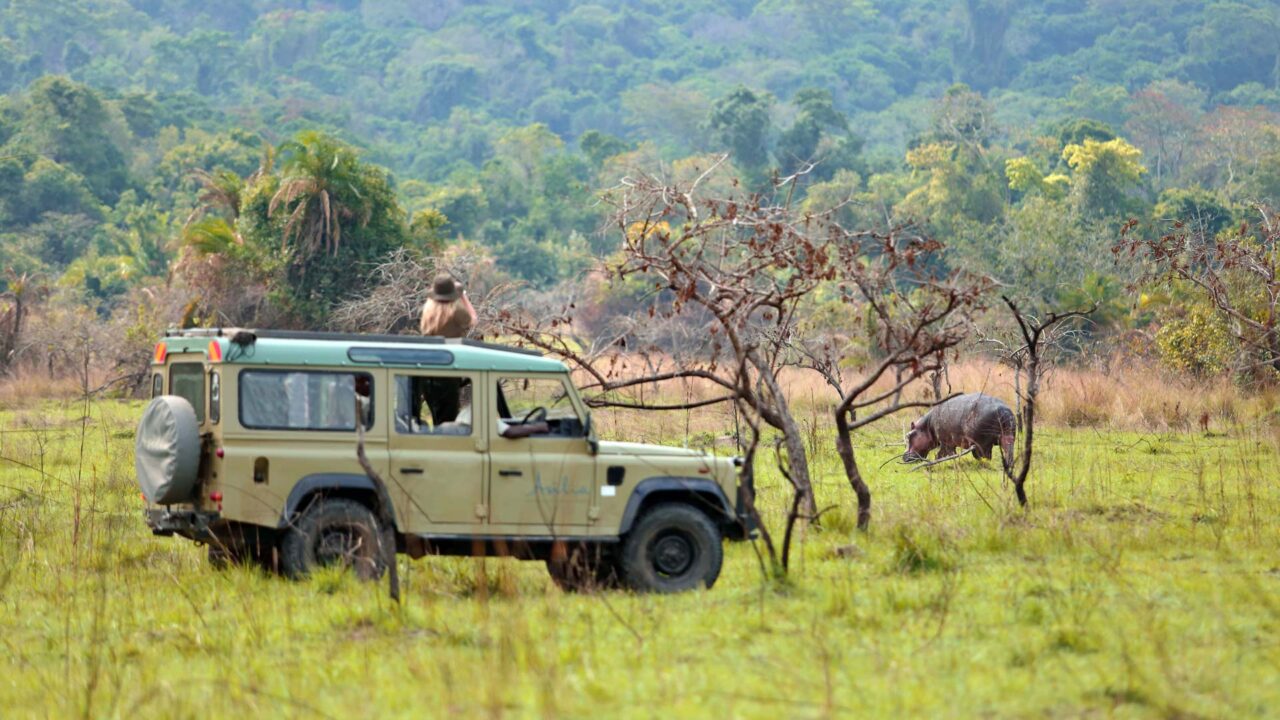
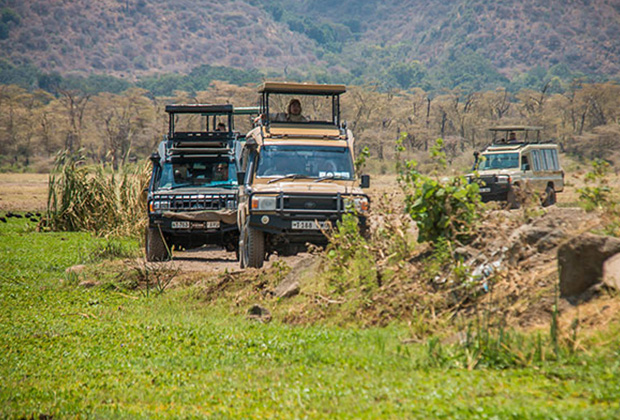
Southern Africa Expedition Packing Guide: Essential Travel Tips
Southern Africa is a region of breathtaking diversity, offering everything from the iconic wildlife spectacles of the Serengeti to the challenging ascent of Mount Kilimanjaro and the idyllic beaches of Zanzibar. Planning an expedition to this magnificent continent requires careful preparation, and a crucial part of that is knowing exactly what to pack. This detailed Southern Africa expedition packing guide is designed to help you prepare for your adventure, ensuring you have the right gear for every experience, whether you’re on a thrilling safari, trekking to the roof of Africa, or exploring island paradises. We cover essential items, considerations for different climates and activities, and practical advice for a successful trip in 2026 and 2027.
Quick Overview: What to Pack for Southern Africa
Packing for Southern Africa is about versatility. You’ll encounter varied climates, from hot savannas to cool mountain altitudes, and a range of activities. The key is layering, sun protection, insect repellent, and comfortable, durable clothing. Here’s a snapshot:
| Category | Key Items |
|---|---|
| Clothing | Lightweight, breathable fabrics (cotton, linen, quick-dry synthetics), neutral colors, long sleeves/pants, fleece/warm jacket, rain gear. |
| Footwear | Comfortable walking shoes/hiking boots, sandals/flip-flops, clean camp shoes. |
| Health & Hygiene | First-aid kit, personal medications, sunscreen, insect repellent (DEET), hand sanitizer, toiletries. |
| Gear & Accessories | Daypack, reusable water bottle, headlamp/torch, binoculars, camera, power bank, adapter, sunglasses, hat. |
| Documents | Passport, visas, flight tickets, travel insurance, vaccination certificates, copies of important documents. |
Table of Contents
- Why Proper Packing Matters for Southern Africa
- Understanding Southern Africa’s Climate Zones
- Safari Essentials: What to Bring for Wildlife Viewing
- Kilimanjaro Trekking Gear: Summiting Africa’s Highest Peak
- Zanzibar Beach Holiday Essentials: Sun, Sand, and Sea
- General Clothing Advice: Colors, Fabrics, and Layers
- Footwear: Comfort and Protection for Every Terrain
- Health and Hygiene Kit: Staying Well on Your Expedition
- Essential Gear and Accessories for Your Trip
- Documents and Money Matters
- Packing for Different Seasons (Dry vs. Wet)
- Common Packing Mistakes to Avoid
- Who is a Southern Africa Expedition Best Suited For?
- Alternative Packing Strategies (Backpacking vs. Luxury)
- Planning Your 2026-2027 Southern Africa Expedition
- Booking Your Southern Africa Adventure
- Frequently Asked Questions (FAQs)
Why Proper Packing Matters for Southern Africa
A well-packed bag is the foundation of a successful Southern Africa expedition. It’s not just about comfort; it’s about safety, practicality, and maximizing your experience. Imagine being on a game drive and realizing you’ve forgotten your binoculars, or reaching a Kilimanjaro campsite without adequate warm layers. These oversights can significantly detract from your journey. In regions where access to specific items might be limited or expensive, having what you need from the start is crucial. Proper packing ensures you’re prepared for unpredictable weather, challenging terrains, and the specific demands of activities like safari, trekking, and beach relaxation. For 2026-2027 travel, planning ahead ensures you get the best gear and avoid last-minute rushes.
Understanding Southern Africa’s Climate Zones
Southern Africa is vast, and its climate varies dramatically. Understanding these differences is key to packing appropriately. Most of the region experiences distinct wet and dry seasons, but temperature fluctuations are also significant, especially with altitude changes.
- Coastal Areas (e.g., Zanzibar): Generally hot and humid year-round, with a rainy season typically from March to May and a shorter rainy period in November. Temperatures hover around 25-30°C (77-86°F).
- Inland Savannas (e.g., Serengeti, Masai Mara): Hot days and cooler nights. The dry season (June to October) is cooler and less humid, while the wet season (November to May) brings higher temperatures and humidity, with short rains in November and long rains from March to May.
- Highlands and Mountains (e.g., Kilimanjaro, Drakensberg): Temperatures drop significantly with altitude. Kilimanjaro can range from temperate at the base to freezing at the summit, with temperatures well below 0°C (32°F) at higher elevations.
- Desert/Arid Regions (e.g., parts of Namibia): Extreme temperature swings between day (very hot) and night (very cold).
Your packing list should reflect the specific climates of the areas you plan to visit. If your expedition covers multiple zones, layering becomes your best strategy.
Safari Essentials: What to Bring for Wildlife Viewing
A safari is an experience of a lifetime, and your packing should enhance it. The goal is comfort, discretion, and practicality for long hours in open vehicles and dusty conditions.
- Clothing Colors: Opt for neutral, earthy tones like khaki, beige, olive green, and brown. Bright colors can scare wildlife and attract insects. Avoid black and dark blue, which can attract tsetse flies. White can show dirt easily.
- Lightweight, Breathable Fabrics: Cotton, linen, and quick-dry synthetic materials are ideal for the heat.
- Long-Sleeved Shirts and Trousers: Essential for sun protection during the day and to ward off insects in the early morning and late evening.
- Fleece Jacket or Warm Pullover: Early morning and evening game drives can be surprisingly cool, especially in open vehicles.
- Comfortable Walking Shoes: You might do some light walking at lodges or during guided bush walks.
- Sandals or Flip-Flops: For relaxing at the lodge.
- Wide-Brimmed Hat: Crucial for sun protection.
- Sunglasses: Protect your eyes from the strong sun.
- Binoculars: Absolutely essential for spotting wildlife at a distance. Don’t leave home without them!
- Camera and Extra Batteries/Memory Cards: You’ll take more photos than you think. Consider a zoom lens.
- Insect Repellent: Especially important for evenings and areas prone to mosquitoes.
- Sunscreen (High SPF): The sun is intense.
- Small Backpack or Daypack: To carry essentials like water, camera, sunscreen, and a light jacket during game drives.
- Reusable Water Bottle: Stay hydrated and reduce plastic waste.
- Adapter and Power Bank: For charging electronics. Lodges may have limited charging points.
Pro Tip for Safaris: Pack items you’ll need quick access to in your carry-on luggage, such as your camera, binoculars, a light jacket, and any essential medications. Many safari lodges offer laundry services, so you don’t need to pack an outfit for every single day.
Kilimanjaro Trekking Gear: Summiting Africa’s Highest Peak
Trekking Kilimanjaro is a serious undertaking that requires specialized gear. The altitude change is dramatic, so layering is paramount. You’ll need robust, high-quality equipment.
- Layering System: This is the most critical aspect of Kilimanjaro packing.
- Base Layers: Moisture-wicking thermal tops and bottoms (synthetic or merino wool). Avoid cotton.
- Mid Layers: Fleece jackets or vests for insulation.
- Outer Layer (Insulation): A warm down or synthetic insulated jacket for summit night.
- Waterproof and Windproof Shell: A breathable, waterproof jacket and trousers for rain and wind protection.
- Trekking Trousers: Lightweight, quick-drying, and comfortable. Avoid jeans. Consider zip-off trousers.
- Hiking Boots: Waterproof, sturdy, well-broken-in hiking boots with good ankle support.
- Camp Shoes/Sandals: Comfortable footwear for evenings at the huts or campsites.
- Socks: Several pairs of warm wool or synthetic hiking socks. Liner socks can help prevent blisters.
- Gloves: Thin liner gloves and warm, waterproof outer gloves or mittens.
- Hat: A warm fleece or wool hat that covers your ears, and a sun hat or cap for lower altitudes.
- Balaclava or Neck Gaiter: For protecting your face from wind and cold, especially on summit night.
- Sleeping Bag: Rated for sub-zero temperatures (e.g., -10°C to -20°C or 0°F to -4°F). Most tour operators can provide these, but check with yours.
- Trekking Poles: Highly recommended to reduce strain on your knees and improve balance.
- Headlamp/Torch: With extra batteries. Essential for navigating in the dark, especially during the summit push.
- Duffel Bag (80-100 liters): Waterproof and durable. This is what your porters will carry.
- Daypack (30-40 liters): To carry your daily essentials: water, snacks, camera, extra layers, sunscreen, headlamp, etc.
- Water Bottles/Hydration Reservoir: At least 2-3 liters capacity. Insulated sleeves for water bottles are crucial to prevent freezing.
- Sunscreen (SPF 30+), Lip Balm with SPF, Sunglasses: The sun is extremely strong at altitude, and glare off snow can be intense.
- Toiletries: Biodegradable soap, toothbrush, toothpaste, wet wipes, personal medications.
- Snacks: High-energy snacks like energy bars, nuts, and dried fruit.
- First-Aid Kit: Personal items and basic supplies. Your guide will have a comprehensive kit.
Kilimanjaro Packing Note: Your tour operator will provide a detailed packing list. Follow it closely. Gear can often be rented, which can be a good option for expensive items like sleeping bags and down jackets.
Zanzibar Beach Holiday Essentials: Sun, Sand, and Sea
Zanzibar offers a tropical escape. Packing here is about comfort in the heat and enjoying the beach and water activities.
- Lightweight Clothing: Sundresses, shorts, t-shirts, light skirts, linen trousers.
- Swimwear: Multiple swimsuits are a good idea.
- Cover-ups: Sarongs, kaftans, or light shirts to wear over swimwear.
- Rash Guard: For sun protection while swimming or snorkeling.
- Sun Hat: Wide-brimmed is best.
- Sunglasses: Polarized lenses are great for water activities.
- Flip-Flops or Sandals: Easy to slip on and off.
- Water Shoes: Useful for rocky beaches or snorkeling.
- Light Rain Jacket or Poncho: Especially if traveling during the shoulder seasons or if you encounter unexpected showers.
- Mosquito Repellent: Essential for evenings.
- Sunscreen (Water-Resistant, High SPF): Reapply frequently.
- After-Sun Lotion: To soothe skin.
- Snorkel Gear (Optional): Many resorts provide it, but having your own ensures a good fit and hygiene.
- Dry Bag: Useful for boat trips or protecting electronics from water and sand.
- Book or E-reader: For relaxing on the beach.
- Camera: Consider a waterproof camera or case.
- Respectful Clothing: When visiting villages or Stone Town, dress modestly (shoulders and knees covered) out of respect for local culture. A light scarf can be useful.
General Clothing Advice: Colors, Fabrics, and Layers
Beyond specific activities, some general clothing advice applies to most Southern Africa expeditions:
- Neutral Colors: As mentioned for safaris, neutral tones are practical as they hide dirt and blend in better.
- Lightweight, Breathable Fabrics: Cotton, linen, rayon, and quick-dry synthetics are your friends in the heat.
- Layering is Key: Temperatures can change rapidly due to altitude, time of day, or weather. Pack items you can easily add or remove.
- Long Sleeves and Trousers: Offer protection from the sun and insects, even in warmer weather. Lightweight options are ideal.
- Avoid Cotton for High-Altitude Trekking: Cotton absorbs moisture and dries slowly, leading to heat loss. Stick to wool or synthetics for base layers and socks on Kilimanjaro.
- Modesty: While beachwear is fine on the coast, it’s advisable to dress more modestly when visiting towns, villages, or cultural sites out of respect for local customs.
Footwear: Comfort and Protection for Every Terrain
Your feet will thank you for choosing the right footwear. Different activities require different shoes:
- Hiking Boots: Essential for Kilimanjaro. They must be waterproof, broken-in, and provide good ankle support.
- Comfortable Walking Shoes: For general exploration, light hikes, and around lodges. Trail running shoes or sturdy sneakers can work for less demanding terrains.
- Sandals/Flip-Flops: For relaxing at camps, lodges, or on the beach.
- Camp Shoes: Lightweight shoes like Crocs or slip-on sneakers are great for wearing around camp or lodge after a long day of trekking.
- Water Shoes: Useful for Zanzibar if you plan on extensive snorkeling or exploring rocky shorelines.
Break-in your boots! This is non-negotiable for Kilimanjaro. Wear your hiking boots on several long walks before your trip to avoid blisters.
Health and Hygiene Kit: Staying Well on Your Expedition
Prioritizing your health ensures you can fully enjoy your adventure. A well-stocked personal kit is vital.
- Personal First-Aid Kit: Include bandages, antiseptic wipes, pain relievers (ibuprofen, paracetamol), blister treatment (moleskin, Compeed), antihistamines, anti-diarrhea medication, motion sickness medication, and any personal prescriptions.
- Prescription Medications: Bring enough for your entire trip, plus a little extra. Keep them in their original packaging with a copy of your prescription.
- Insect Repellent: Look for products containing DEET (20-30%) or Picaridin for effective protection against mosquitoes and other biting insects, especially during dawn and dusk.
- Sunscreen: High SPF (30+) broad-spectrum protection. Remember to reapply.
- Lip Balm with SPF: Protect your lips from sun and wind.
- Hand Sanitizer: Crucial for maintaining hygiene when soap and water are not readily available.
- Wet Wipes/Biodegradable Wipes: For quick clean-ups.
- Toiletries: Travel-sized versions of your preferred items. Consider biodegradable options where possible.
- Hand Towel: A quick-drying microfiber towel is useful, especially for trekking.
- Water Purification Tablets/Filter: As a backup, though most reputable tour operators provide safe drinking water.
Vaccinations and Malaria: Consult your doctor or a travel clinic well in advance of your trip regarding necessary vaccinations (e.g., Yellow Fever, Hepatitis A/B, Typhoid) and malaria prophylaxis. This is a critical step for any Southern Africa expedition.
Essential Gear and Accessories for Your Trip
Beyond clothing and health items, several accessories enhance comfort and practicality:
- Backpack/Daypack: A comfortable, medium-sized daypack (20-40 liters) is essential for carrying daily necessities on safaris, hikes, and excursions. Ensure it has good padding and adjustable straps.
- Duffel Bag: For Kilimanjaro, porters carry your main gear in a large, waterproof duffel bag. For safaris, a soft-sided duffel is often preferred over a rigid suitcase, as it’s easier to store in safari vehicles.
- Headlamp/Torch: Indispensable for early morning starts, navigating in the dark, and in case of power outages. Extra batteries are a must.
- Binoculars: A good pair of binoculars will significantly enhance your wildlife viewing experience on safari.
- Camera and Accessories: Include extra batteries, memory cards, a charger, and possibly a zoom lens. Consider a protective case.
- Power Bank/Portable Charger: Essential for keeping electronics charged, especially during long travel days or on Kilimanjaro where power is scarce.
- Universal Travel Adapter: Southern Africa uses various plug types (typically Type D, G, or M). A universal adapter is convenient.
- Reusable Water Bottle: Stay hydrated and minimize plastic waste. Insulated bottles are good for keeping water cool or preventing freezing at altitude.
- Sunglasses: Protect your eyes from the intense sun.
- Hat: Wide-brimmed for sun protection is essential for most regions. A warm hat is needed for Kilimanjaro.
- Dry Bag: Useful for protecting electronics and valuables from water and dust, especially on boat trips or during rainy periods.
- Journal and Pen: To record your experiences.
- Small Padlock: For securing your luggage or daypack.
Documents and Money Matters
Don’t overlook the administrative side of your trip. Proper documentation and a clear money strategy are vital.
- Passport: Must be valid for at least six months beyond your intended stay, with sufficient blank pages.
- Visas: Check visa requirements for your nationality for each country you plan to visit well in advance. Some can be obtained on arrival, but it’s often easier and cheaper to arrange them beforehand.
- Flight Tickets and Itinerary: Keep digital and printed copies.
- Travel Insurance Details: Ensure it covers medical emergencies, evacuation, trip cancellation, and lost luggage.
- Vaccination Certificates: Especially Yellow Fever, if required for entry.
- Driver’s License/International Driving Permit: If you plan to rent a vehicle (less common for typical expeditions).
- Copies of Important Documents: Keep photocopies or digital scans of your passport, visa, insurance, and tickets separate from the originals.
- Money:
- Local Currency: Carry some local currency (e.g., Tanzanian Shilling) for small purchases, tips, and markets. USD is widely accepted in many tourist areas, especially for park fees and larger payments, but it’s good to have local cash too.
- Credit/Debit Cards: ATMs are available in major towns, but can be unreliable in remote areas. Inform your bank of your travel dates. Credit cards are accepted at larger hotels and lodges, but often incur a surcharge.
- Cash: For tips, souvenirs, and small expenses. USD is often preferred for tips for guides and drivers.
Packing for Different Seasons (Dry vs. Wet)
The season significantly impacts what you should pack:
| Season | Characteristics | Packing Considerations |
|---|---|---|
| Dry Season (approx. June – October) | Cooler temperatures, lower humidity, less rain, abundant wildlife concentrated around water sources. Ideal for safaris and trekking. | Focus on layers for cooler mornings/evenings. Warm jacket for Kilimanjaro is crucial. Sun protection is always important. Less need for heavy rain gear, but a light waterproof layer is wise. |
| Wet Season (approx. November – May) | Hotter and more humid. Lush green landscapes. Good for bird watching. Migratory birds arrive. Short rains in Nov, long rains Mar-May. Roads can be muddy. | Lightweight, quick-dry clothing is essential. Good waterproof jacket and trousers are a must, especially during the long rains. Consider quick-drying footwear. Mosquito repellent is more critical. |
Even within the dry season, mornings and evenings can be cool, especially at higher altitudes or on open safari vehicles. Always pack layers.
Common Packing Mistakes to Avoid
Many travelers make similar packing errors. Being aware of these can save you trouble:
- Overpacking: Trying to pack for every eventuality can lead to heavy, cumbersome luggage. Remember that laundry services are often available.
- Underpacking Warm Gear for Kilimanjaro: Underestimating the cold at altitude is a common and potentially dangerous mistake.
- Bringing Cotton for Trekking: Cotton is heavy when wet and loses its insulating properties, increasing the risk of hypothermia.
- Forgetting Essential Medications or Prescriptions: These are difficult to replace abroad.
- Packing Only Brightly Colored Clothing for Safari: Neutral colors are best for wildlife viewing.
- Not Breaking in Hiking Boots: This is a recipe for blisters and discomfort on Kilimanjaro.
- Not Bringing Enough Sun Protection: The African sun is intense.
- Forgetting Insect Repellent: Mosquitoes can be a nuisance and carry diseases.
- Bringing Unnecessary Valuables: Keep expensive jewelry and electronics to a minimum.
- Not Checking Luggage Restrictions: Especially for internal flights or specific tour operator requirements (e.g., weight limits for Kilimanjaro porters).
Who is a Southern Africa Expedition Best Suited For?
A Southern Africa expedition, with its diverse activities, appeals to a wide range of travelers:
- Adventure Seekers: Those who enjoy active travel, trekking, and exploring rugged landscapes.
- Wildlife Enthusiasts: Anyone with a passion for seeing animals in their natural habitat, from the Big Five to marine life.
- Nature Lovers: Individuals who appreciate diverse ecosystems, from vast savannas and lush rainforests to dramatic mountains and pristine coastlines.
- Culture Explorers: Those interested in learning about local traditions, history, and interacting with communities.
- Photographers: The region offers unparalleled opportunities for stunning wildlife, landscape, and cultural photography.
- Families: Safaris and beach holidays can be adapted for families, offering educational and exciting experiences for all ages.
- Couples: Romantic safaris and idyllic beach getaways are popular for honeymoons and couples’ trips.
The specific itinerary and activities chosen will tailor the expedition to different interests and fitness levels. For instance, a Kilimanjaro trek is for those seeking a physical challenge, while a Zanzibar beach holiday is for relaxation.
Alternative Packing Strategies (Backpacking vs. Luxury)
Your packing approach will differ based on your travel style:
| Travel Style | Packing Focus | Key Differences |
|---|---|---|
| Budget/Backpacking | Versatility, durability, lightweight, multi-use items. Emphasis on self-sufficiency. | Smaller bags, fewer clothing changes, more basic gear. May rely more on local purchases or rentals. Focus on essentials. |
| Mid-Range/Comfort | Balance of comfort, practicality, and durability. Access to laundry services is often assumed. | A good mix of technical gear and comfortable clothing. More variety in outfits. Might bring a few more personal comfort items. |
| Luxury/High-End | Comfort, style, and specific activity needs. Less emphasis on extreme durability if services are readily available. | Potentially more clothing options, higher quality fabrics, more personal items. May not need to worry as much about ruggedness if staying in high-end lodges with extensive services. Still need to pack for specific activities (e.g., Kilimanjaro). |
Regardless of style, core items like good footwear, sun protection, and appropriate layers for the climate remain crucial for any Southern Africa expedition.
Planning Your 2026-2027 Southern Africa Expedition
Planning a trip for 2026 or 2027 allows ample time for research, booking, and preparation. Here’s a timeline to help:
2026-2027 Planning Checklist
- 12-18 Months Out:
- Research destinations and activities (e.g., Serengeti safari, Kilimanjaro climb, Zanzibar).
- Determine your budget.
- Start looking at potential tour operators and read reviews.
- Consider travel dates and best seasons for your chosen activities.
- 9-12 Months Out:
- Book major flights and accommodation/tour packages. High demand for popular times means booking early is wise.
- Confirm visa requirements and application timelines.
- Start a basic fitness program if planning Kilimanjaro or significant trekking.
- 6-9 Months Out:
- Apply for visas if necessary.
- Purchase travel insurance.
- Begin acquiring key gear, especially if trekking (boots, backpack, sleeping bag).
- Consult your doctor about necessary vaccinations and malaria prevention.
- 3-6 Months Out:
- Finalize your packing list based on your itinerary and planned activities.
- Purchase remaining gear and clothing. Test new equipment.
- Continue with fitness training.
- 1-3 Months Out:
- Confirm all bookings and arrangements.
- Get any necessary prescriptions filled.
- Pack your bags, leaving space for souvenirs.
- Ensure all documents are in order and make copies.
- 1-2 Weeks Out:
- Final gear check.
- Charge all electronics.
- Notify your bank and credit card companies of your travel dates.
- Pack your carry-on bag with essentials.
Booking in advance for 2026-2027 is highly recommended, especially for peak safari seasons or Kilimanjaro climbing windows, to secure preferred dates and lodges.
Booking Your Southern Africa Adventure
Choosing the right tour operator is as important as packing the right gear. For your Southern Africa expedition, consider these points:
- Reputation and Reviews: Look for operators with a strong track record and positive customer reviews. Check platforms like TripAdvisor, Google Reviews, and specialized travel forums.
- Experience and Specialization: Does the operator have extensive experience in the specific activities you’re interested in (safari, Kilimanjaro, Zanzibar)?
- Itinerary Flexibility: Can they customize trips to suit your interests, pace, and budget?
- Inclusions and Exclusions: Understand exactly what is covered in the price (accommodation, meals, park fees, guides, transfers, specific activities) and what is not (tips, personal expenses, some meals, optional activities).
- Safety Standards: Especially crucial for trekking. What are their safety protocols? What qualifications do their guides have?
- Communication: How responsive and helpful are they during the booking process? Good communication is a sign of good service during your trip.
- Sustainability and Ethics: Consider operators committed to responsible tourism, conservation, and supporting local communities.
For an unforgettable Southern Africa expedition in 2026 or 2027, partnering with a reputable operator is key. We at Top Guide Adventures specialize in crafting authentic Tanzanian experiences, including unforgettable safaris, challenging Kilimanjaro treks, and relaxing Zanzibar holidays. Our expert team is ready to help you plan every detail of your journey.
Contact us to start planning your dream Southern Africa expedition:
- WhatsApp: +255616946642
- Email: topguideadventures@gmail.com
- Backup Email: info@topguideadventures.com
Frequently Asked Questions (FAQs)
What is the single most important item to pack for a Southern Africa expedition?
The single most important item depends on your specific expedition, but generally, it’s versatile, high-quality footwear. For Kilimanjaro, it’s well-broken-in hiking boots. For safari, comfortable walking shoes are key. Proper footwear prevents injuries and ensures you can enjoy your activities.
Do I need to pack formal wear?
No, formal wear is generally not required for most Southern Africa expeditions. Even at higher-end lodges, the dress code is usually smart casual. For evenings at safari lodges or beach resorts, comfortable, relaxed attire is standard. Pack layers for cooler evenings.
How much luggage can I bring?
This varies. For safaris, soft-sided duffel bags are often preferred for easy storage in vehicles. There might be weight limits, especially for small bush planes. For Kilimanjaro treks, there’s a strict weight limit for the duffel bag carried by porters (typically around 15 kg or 33 lbs). Always check with your tour operator for specific luggage restrictions.
Are power adapters readily available for purchase?
While you can find adapters in larger towns and tourist hubs, they may be more expensive or harder to find in remote areas. It’s best to purchase a universal adapter before you travel to ensure compatibility with the different plug types used in Southern Africa.
What is the best time of year for a safari in Tanzania?
The dry season, from June to October, is generally considered the best time for a safari in Tanzania, as wildlife congregates around water sources. The Great Migration is often visible in the Serengeti during this period. However, the shoulder seasons (e.g., January-February) can also offer excellent game viewing with fewer crowds and lush green landscapes.
Can I drink the tap water in Southern Africa?
It is generally not recommended to drink tap water in most parts of Southern Africa, especially in rural areas or on safari. Always opt for bottled water, purified water provided by your lodge/operator, or use your own water purification method. This is also crucial for hygiene on Kilimanjaro.
What kind of backpack should I use for day trips?
A comfortable daypack of 20-35 liters is ideal. It should have padded shoulder straps, a sternum strap for stability, and ideally a padded back panel for ventilation. It needs to be large enough to carry water, snacks, a camera, sunscreen, a light jacket, and a first-aid kit.
How important are binoculars on safari?
Extremely important. Binoculars allow you to see wildlife in greater detail, especially animals that are far away or camouflaged. They significantly enhance the safari experience, allowing you to observe behaviors and appreciate the scenery more fully.
What are the essential items for a Zanzibar beach holiday?
Lightweight clothing, swimwear, a sun hat, sunglasses, high SPF sunscreen, insect repellent, and flip-flops are essential. Also, pack modest clothing for visiting villages or Stone Town. A rash guard is useful for sun protection during water activities.
Should I pack a sleeping bag for Kilimanjaro?
Yes, a warm sleeping bag rated for sub-zero temperatures is essential for Kilimanjaro. Many tour operators offer sleeping bag rentals, which can be a convenient option to save space in your luggage. Confirm this with your operator.
What is the best way to carry money in Southern Africa?
A combination of USD cash (for tips and larger expenses), local currency for small purchases, and credit/debit cards for ATMs and lodges is recommended. Keep your money and cards in a secure money belt or wallet.
What are the planning considerations for a Southern Africa expedition in 2026-2027?
For 2026-2027, it’s advisable to book major components like flights and accommodation/tours at least 9-12 months in advance, especially for peak seasons. Research visa requirements early, consult your doctor for vaccinations 3-6 months prior, and begin acquiring specialized gear like hiking boots and warm clothing well in advance.
Ready for Your Southern Africa Expedition?
A well-prepared traveler is a happy traveler. By following this comprehensive Southern Africa expedition packing guide, you’ll be equipped to handle the diverse environments and activities this incredible region offers. From the thrilling wildlife encounters on safari to the challenging heights of Kilimanjaro and the serene beaches of Zanzibar, your adventure awaits.
Let Top Guide Adventures help you craft your perfect Southern Africa expedition for 2026-2027. We are experts in creating tailor-made safaris, Kilimanjaro treks, and Zanzibar holidays designed to exceed your expectations.
Get in touch with our travel specialists today:
- WhatsApp: +255616946642
- Email: topguideadventures@gmail.com
- Backup Email: info@topguideadventures.com
We look forward to helping you plan an unforgettable Southern Africa expedition packing strategy and journey!
Plan your Southern Africa Expedition Packing Guide with Top Guide Adventures
Tell us your travel dates, group size, comfort level, and dream experience. We will help you shape a clear, realistic, and memorable Tanzania itinerary.







 Veedesigner
 Fatma Kizanga
 Benjamin Waryuba
 Philip Philip
 John jr Itaja
 Antonia Optatus
 Edith Kanyere
 Neema Iddy
 Kelvin Boniphace
 Damari Maiga



