
Updated planning guide for 2026-2027
Southern Africa Exploration Planning Guide: Complete 2026-2027
Planning a trip to Southern Africa? This detailed guide covers everything you need to know for your 2026-2027 exploration, from choosing destinations and activities to packing and booking advice.
WhatsApp +255616946642 | topguideadventures@gmail.com | info@topguideadventures.com
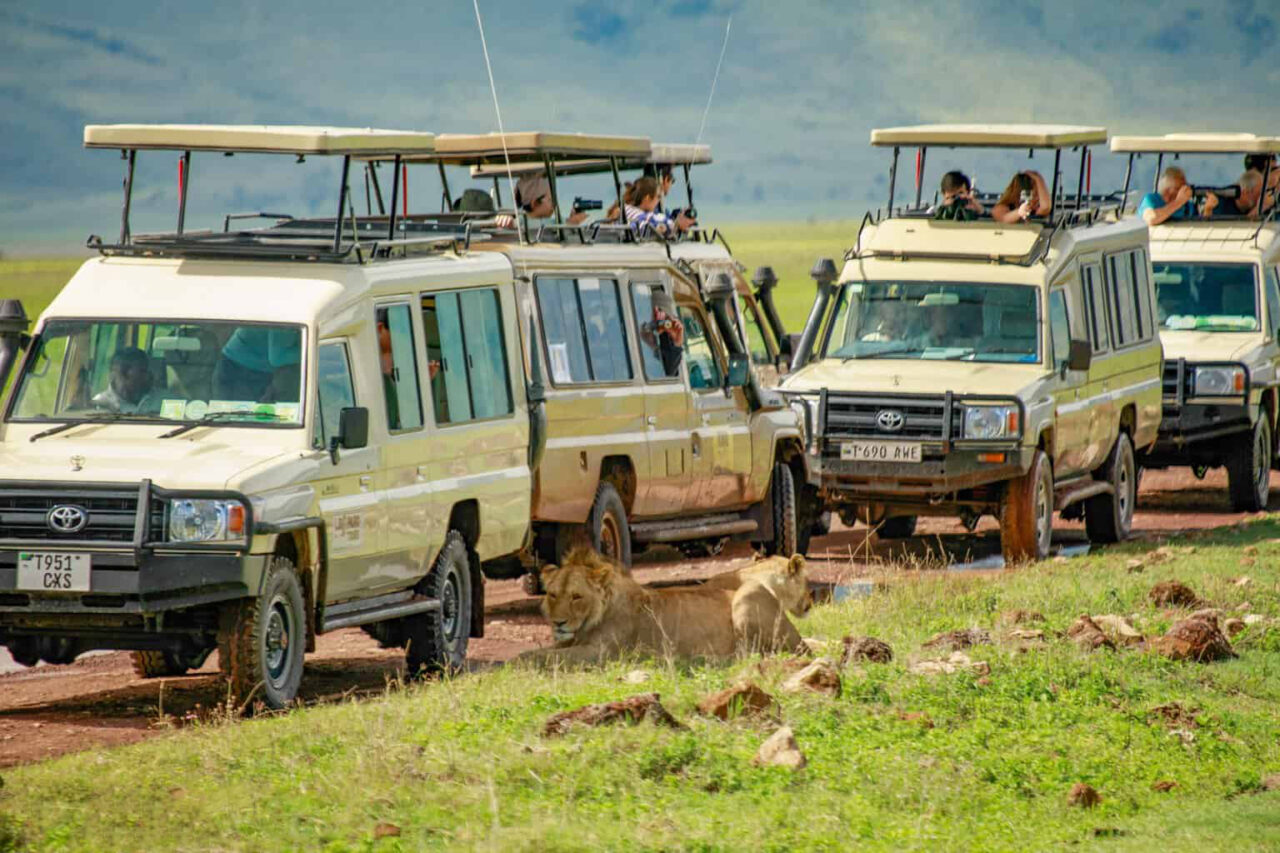

Southern Africa is a vast and diverse region, offering an incredible array of experiences for every type of traveler. From the iconic wildlife of the Serengeti and Kruger National Parks to the dramatic landscapes of Victoria Falls and the unique cultural heritage found throughout countries like Tanzania and South Africa, planning a trip here requires careful consideration. This guide is designed to help you navigate the complexities of Southern Africa exploration planning, ensuring you make the most of your adventure in 2026 and 2027.
Whether you’re dreaming of a thrilling safari, a challenging mountain trek, a relaxing beach holiday, or a journey rich in cultural discovery, understanding the nuances of this region is key. We’ll cover everything from when to go and where to stay, to practical advice on packing, safety, and making informed booking decisions.
Quick Overview: Southern Africa Exploration
| Aspect | Details |
|---|---|
| Primary Focus | Wildlife Safaris, Cultural Immersion, Adventure Activities, Natural Wonders |
| Key Destinations | Tanzania (Serengeti, Ngorongoro, Zanzibar), South Africa (Kruger, Cape Town), Botswana (Okavango Delta), Zambia (Victoria Falls), Zimbabwe (Victoria Falls), Namibia (Etosha, Sossusvlei) |
| Best Time to Visit | Generally June to October (dry season) for wildlife viewing; December to March for birding and fewer crowds in some areas. Varies by specific location. |
| Typical Trip Length | 10 days to 3 weeks, depending on the number of countries and activities. |
| Travel Styles | Luxury lodges, tented camps, budget-friendly guesthouses, self-drive, guided tours. |
Table of Contents
- Why Plan Your Exploration in Southern Africa?
- Best Time for Southern Africa Exploration
- Top Destinations for Southern Africa Exploration
- Sample Southern Africa Exploration Itinerary (14 Days)
- What to Expect During Your Southern Africa Exploration
- Essential Southern Africa Exploration Planning Checklist
- Packing for Your Southern Africa Exploration
- Common Mistakes to Avoid in Southern Africa Exploration Planning
- Who is Southern Africa Exploration Best Suited For?
- Exploring Alternatives to a Classic Southern Africa Itinerary
- Southern Africa Exploration Planning for 2026-2027
- Booking Your Southern Africa Exploration
- Frequently Asked Questions
Why Plan Your Exploration in Southern Africa?
Southern Africa captivates travelers with its raw, untamed beauty and incredible biodiversity. It’s a region that offers profound experiences, from witnessing the Great Migration across the plains of the Serengeti to standing at the edge of the thundering Victoria Falls. The sheer scale of the landscapes, the richness of the wildlife, and the warmth of the people create a travel experience that is often life-changing.
For those passionate about wildlife, the opportunity to see the Big Five (lion, leopard, elephant, rhino, and buffalo) in their natural habitat is a primary draw. Beyond safaris, Southern Africa provides opportunities for adventure, such as climbing Mount Kilimanjaro, white-water rafting, or exploring ancient cave systems. Cultural encounters are also significant; visiting local villages, learning about traditional ways of life, and experiencing vibrant markets offer a deeper connection to the places you visit.
The region’s infrastructure for tourism, particularly in countries like Tanzania and South Africa, has developed significantly, making it accessible for a range of budgets and travel styles. This accessibility, combined with the unparalleled natural and cultural attractions, makes Southern Africa a compelling choice for exploration.
Best Time for Southern Africa Exploration
The ideal time to visit Southern Africa depends heavily on your specific interests and the countries you plan to explore. The region experiences distinct wet and dry seasons, which significantly impact wildlife viewing and outdoor activities.
Dry Season (Generally June to October)
This is considered the prime time for wildlife safaris across most of Southern Africa. During the dry season:
- Vegetation thins out, making animals easier to spot.
- Water sources become scarce, concentrating animals around rivers and waterholes.
- Temperatures are generally cooler and more pleasant, especially in the mornings and evenings.
- The Great Migration in the Serengeti (Tanzania) is often at its most dramatic, with river crossings occurring at specific times.
- This is also peak tourist season, meaning higher prices and more crowds at popular locations.
Wet Season (Generally November to May)
The wet season brings lush green landscapes and different opportunities:
- It’s the birthing season for many animals, offering excellent opportunities to see young wildlife.
- Birdwatching is exceptional as migratory birds arrive.
- Landscapes are vibrant and picturesque.
- Fewer tourists mean lower prices and a more exclusive experience.
- Some areas can become less accessible due to rain, and game viewing can be more challenging due to thicker vegetation.
- The shoulder months (e.g., November, March, May) can offer a good balance of weather and fewer crowds.
For specific destinations:
- Tanzania (Serengeti, Ngorongoro): Dry season (June-October) for general game viewing. For the Great Migration river crossings, aim for July-September in the north and January-March in the south.
- South Africa (Kruger): Dry season (May-October) is best for game viewing.
- Zanzibar: Dry spells occur from June to October and December to February. Avoid the heavy rains of April and May.
- Victoria Falls: High water levels are typically from February to May, offering the most spectacular views. Lower water levels (August-November) are better for activities like gorge walking and swimming in Devil’s Pool.
Top Destinations for Southern Africa Exploration
Southern Africa is rich with diverse landscapes and experiences. Here are some of the most popular and rewarding destinations for your exploration:
Tanzania
A quintessential safari destination, Tanzania offers:
- Serengeti National Park: Famous for the Great Migration and vast plains teeming with wildlife.
- Ngorongoro Conservation Area: A UNESCO World Heritage Site featuring a unique caldera ecosystem with high concentrations of animals.
- Mount Kilimanjaro: Africa’s highest peak, offering a challenging but rewarding trekking experience.
- Zanzibar: An archipelago known for its pristine beaches, spice tours, and rich history in Stone Town.
- Tarangire National Park: Known for its large elephant herds and baobab trees.
- Lake Manyara National Park: Famous for its tree-climbing lions and diverse birdlife.
South Africa
Offers a blend of wildlife, culture, and stunning scenery:
- Kruger National Park: One of Africa’s largest game reserves, excellent for Big Five viewing.
- Cape Town: A vibrant city with Table Mountain, Robben Island, and beautiful coastlines.
- Garden Route: A scenic coastal drive with forests, beaches, and charming towns.
- Blyde River Canyon: One of the largest canyons in the world, offering breathtaking views.
Botswana
Renowned for its exclusive, low-impact tourism and pristine wilderness:
- Okavango Delta: A unique inland delta offering mokoro (dugout canoe) safaris and incredible wildlife viewing.
- Chobe National Park: Famous for its massive elephant populations and river cruises.
Zambia & Zimbabwe
Home to the majestic Victoria Falls:
- Victoria Falls: One of the Seven Natural Wonders of the World, offering thrilling activities like bungee jumping, white-water rafting, and helicopter tours.
- South Luangwa National Park (Zambia): Considered one of the best walking safari destinations in Africa.
Namibia
Characterized by dramatic desert landscapes and unique wildlife:
- Etosha National Park: Known for its vast salt pan and waterholes that attract diverse wildlife.
- Sossusvlei: Iconic red sand dunes in the Namib Desert.
- Skeleton Coast: A remote and rugged coastline with shipwrecks.
Sample Southern Africa Exploration Itinerary (14 Days)
This sample itinerary focuses on a classic Northern Tanzania safari and Zanzibar experience, ideal for first-time visitors. It can be customized to include other regions or activities.
| Day | Location | Activities | Notes |
|---|---|---|---|
| 1 | Arrive Kilimanjaro (JRO) / Arusha | Airport transfer, relax at hotel. | Acclimatize to the time difference. |
| 2 | Arusha to Tarangire | Morning drive to Tarangire NP. Game drive. | Known for large elephant herds and baobab trees. |
| 3 | Tarangire to Lake Manyara / Karatu | Morning game drive in Tarangire. Drive to Karatu region. | Optional visit to Mto wa Mbu village. |
| 4 | Ngorongoro Crater | Full day game drive inside the Ngorongoro Crater. | High density of wildlife, excellent for Big Five. |
| 5 | Ngorongoro to Serengeti | Drive to Serengeti NP, stopping at Olduvai Gorge. Afternoon game drive. | Choose accommodation based on migration location (if applicable). |
| 6-7 | Serengeti National Park | Full days of game drives, exploring different regions. Optional hot air balloon safari. | Witness the vast plains and abundant wildlife. |
| 8 | Serengeti to Zanzibar | Morning game drive. Fly from Seronera Airstrip (SEU) to Zanzibar (ZNZ). Transfer to beach hotel. | Direct flights are often available. |
| 9-12 | Zanzibar (Beach Holiday) | Relax on the beach, swimming, snorkeling, diving, water sports. Optional spice tour, Stone Town tour. | Enjoy the white sand beaches and clear waters. |
| 13 | Zanzibar (Stone Town) | Transfer to Stone Town. Explore historical sites, markets, and local culture. | Experience the unique blend of Swahili, Arab, and European influences. |
| 14 | Depart Zanzibar (ZNZ) | Transfer to Zanzibar airport for departure. | Allow ample time for check-in. |
What to Expect During Your Southern Africa Exploration
Understanding what to expect is crucial for a smooth and enjoyable trip. Southern Africa offers a rich mix of experiences, but also requires a certain level of preparedness.
Wildlife Encounters
Safaris are a highlight. Expect to spend significant time in open-top safari vehicles, often early morning and late afternoon when animals are most active. Patience is key; wildlife sightings are not guaranteed. Your guide’s expertise will greatly enhance your chances of seeing various species. Be prepared for dusty conditions and varying temperatures, especially on game drives.
Cultural Immersion
Interactions with local communities can be deeply rewarding. This might include visiting villages, learning about traditional crafts, or experiencing local markets. It’s important to approach these experiences with respect and cultural sensitivity. Always ask permission before taking photos of people.
Adventure Activities
If your exploration includes activities like hiking Kilimanjaro, white-water rafting, or bungee jumping, expect physically demanding challenges. Proper training, gear, and following safety guidelines are paramount. For Kilimanjaro, acclimatization is a critical part of the experience.
Accommodation Standards
Accommodation ranges from luxurious lodges and tented camps with en-suite facilities to more basic guesthouses and campsites. Even in remote areas, many lodges offer high levels of comfort. However, expect that power outages can occur, and Wi-Fi may be spotty or unavailable outside of main lodges.
Logistics and Travel
Distances between parks and attractions can be large. Travel between locations often involves long drives on unpaved roads, or internal flights. Internal flights are common for saving time, especially between major parks and coastal destinations like Zanzibar. Be prepared for early starts for game drives and transfers.
Safety and Health
Malaria is present in many wildlife areas; consult your doctor about prophylaxis and take precautions against mosquito bites. Vaccinations may be recommended. Road safety can be a concern, especially in rural areas. Stick to reputable tour operators and licensed guides.
Essential Southern Africa Exploration Planning Checklist
A well-organized plan is essential for a successful Southern Africa exploration. Use this checklist to ensure you cover all the important bases:
Pre-Trip Planning (6-12 Months Out)
- Define your interests (safari, culture, adventure, beach, etc.).
- Determine your budget.
- Research key destinations and activities.
- Decide on the best time to travel based on your interests and seasonality.
- Choose a reputable tour operator or plan your itinerary if self-organizing.
- Book international flights.
Booking and Logistics (3-6 Months Out)
- Book accommodations and internal flights/transport.
- Book guided tours or safari packages.
- Secure permits for specific activities (e.g., Kilimanjaro climbs, gorilla trekking if applicable in other regions).
- Arrange travel insurance (essential!).
- Consult your doctor regarding necessary vaccinations and malaria prophylaxis.
Preparation (1-3 Months Out)
- Apply for necessary visas.
- Start purchasing or gathering appropriate clothing and gear.
- Confirm all bookings and arrangements.
- Inform your bank about your travel dates to avoid card issues.
- Learn a few basic phrases in Swahili or local languages if desired.
Final Preparations (1-2 Weeks Out)
- Pack your bags.
- Exchange some currency for local use.
- Make copies of important documents (passport, visas, insurance).
- Charge all electronics and bring adapters/power banks.
- Share your itinerary with family or friends.
Packing for Your Southern Africa Exploration
Packing correctly can make a significant difference to your comfort and enjoyment. Layering is key, as temperatures can fluctuate dramatically, especially on safaris and during mountain treks.
Clothing
- Neutral-Colored Clothing: Earth tones (khaki, beige, olive green, brown) are best for safaris to avoid startling wildlife. Avoid bright colors and black/dark blue which can attract tsetse flies.
- Lightweight Layers: T-shirts, long-sleeved shirts (for sun protection and cooler evenings), sweaters or fleece.
- Warm Jacket: A fleece or down jacket is essential for cold early mornings and evenings, especially during the dry season or at higher altitudes.
- Rain Gear: A lightweight, waterproof and breathable jacket, especially if traveling during the shoulder or wet seasons.
- Comfortable Trousers/Pants: Lightweight, quick-drying pants are ideal for game drives and walking.
- Shorts: For warmer days, especially in Zanzibar.
- Swimsuit: For beach destinations like Zanzibar or hotel pools.
- Socks: Plenty of comfortable socks, including hiking socks if trekking.
Footwear
- Comfortable Walking Shoes/Hiking Boots: Broken-in and waterproof if possible, especially if planning any walking safaris or hikes.
- Sandals/Flip-flops: For relaxing at lodges or on the beach.
- Comfortable Shoes for Evenings: Optional, but good for wearing around lodges.
Accessories
- Sun Hat: Wide-brimmed for maximum protection.
- Sunglasses: Essential for protecting your eyes from the sun.
- Scarf/Buff: Useful for dust protection, warmth, and sun protection.
- Insect Repellent: With a high concentration of DEET or Picaridin.
- Sunscreen: High SPF.
- Camera and Accessories: Extra batteries, memory cards, zoom lens.
- Binoculars: Crucial for wildlife viewing.
- Headlamp/Flashlight: Useful for navigating lodges at night or during power outages.
- Reusable Water Bottle: To minimize plastic waste.
- Travel Adapter and Power Bank: For charging electronics.
- Small Backpack/Daypack: For carrying essentials on game drives or day trips.
- Personal First-Aid Kit: Including any personal medications, blister treatment, pain relievers, antiseptic wipes.
- Hand Sanitizer.
Documents & Money
- Passport (with at least 6 months validity) and visas.
- Copies of passport, visas, and travel insurance.
- Vaccination certificates (e.g., Yellow Fever).
- Credit/debit cards and some USD cash for tips and small purchases.
Common Mistakes to Avoid in Southern Africa Exploration Planning
Avoiding common pitfalls can save you time, money, and stress. Here are some frequent mistakes travelers make:
- Underestimating Travel Times: Southern Africa is vast. Distances between destinations can be significant, and road conditions can slow travel. Always factor in ample travel time, especially for transfers between parks or cities.
- Not Booking in Advance: Popular lodges, safari vehicles, and internal flights, especially during peak season (June-October), can book up months, even a year, in advance. Last-minute bookings can lead to disappointment or higher costs.
- Ignoring Seasonality: Traveling during the wrong season for your primary interest can lead to suboptimal experiences. For example, attempting a safari during the peak of the wet season might make game viewing difficult.
- Over-scheduling: Trying to cram too many destinations or activities into a short trip leads to a rushed and exhausting experience. Allow for downtime and spontaneous moments.
- Inadequate Travel Insurance: Not having comprehensive travel insurance that covers medical emergencies, evacuation, trip cancellation, and lost luggage is a significant risk.
- Packing Inappropriately: Wearing the wrong colors on safari, not bringing enough warm layers, or forgetting essential items like insect repellent can negatively impact your comfort.
- Not Consulting a Doctor: Failing to get advice on vaccinations and malaria precautions before traveling can have serious health consequences.
- Relying Solely on Online Information: While online resources are helpful, local expertise from tour operators can provide invaluable insights into current conditions, best routes, and hidden gems.
- Assuming All Operators Are Equal: The quality of tour operators varies greatly. Choosing a reputable operator with experienced guides and a strong safety record is paramount.
- Not Budgeting for Extras: Remember to factor in costs for tips, drinks, souvenirs, park fees (if not included), and optional activities.
Who is Southern Africa Exploration Best Suited For?
Southern Africa offers a diverse range of experiences, making it appealing to a broad spectrum of travelers:
- Wildlife Enthusiasts: This is the prime audience. Those who dream of seeing iconic animals in their natural habitat, from the Big Five to the Great Migration, will find unparalleled opportunities.
- Adventure Seekers: From climbing Kilimanjaro and white-water rafting on the Zambezi to bungee jumping at Victoria Falls, adrenaline junkies will find plenty to keep them thrilled.
- Nature Lovers: The sheer scale and beauty of the landscapes, from the Serengeti plains and Ngorongoro Crater to the deserts of Namibia and the beaches of Zanzibar, appeal to anyone who appreciates natural wonders.
- Culture and History Buffs: Exploring the ancient Swahili coast of Zanzibar, visiting Maasai villages, or discovering the colonial history in South Africa offers rich cultural immersion.
- Photographers: The incredible wildlife, dramatic landscapes, and vibrant cultures provide endless subjects for stunning photography.
- Families: Many lodges and safari operators cater to families, offering child-friendly activities and accommodation. It’s an educational and awe-inspiring experience for all ages.
- Honeymooners and Couples: Romantic lodges, private safari experiences, and idyllic beach retreats in Zanzibar make Southern Africa a popular choice for honeymoons and romantic getaways.
- Luxury Travelers: High-end lodges and exclusive camps offer unparalleled comfort, service, and private wildlife viewing experiences.
- Budget Travelers: While luxury options abound, it’s also possible to explore Southern Africa on a tighter budget through well-chosen guesthouses, camping, and by focusing on specific regions or activities.
Exploring Alternatives to a Classic Southern Africa Itinerary
While the classic Northern Tanzania safari or a South Africa circuit are popular, Southern Africa offers many other compelling exploration options:
East African Safari Focus (Kenya & Tanzania)
For an intensive safari experience focusing on the Great Migration, combine Kenya’s Masai Mara with Tanzania’s Serengeti. This offers the best chance to witness the migration’s movement and river crossings.
Southern Africa Wildlife Corridor (Botswana, Namibia, South Africa)
This route offers a different flavor of wildlife viewing, often in more exclusive, less crowded settings. Okavango Delta (Botswana) for water-based safaris, Etosha (Namibia) for unique desert-adapted wildlife, and Kruger (South Africa) for diverse game viewing and excellent infrastructure.
Adventure & Natural Wonders (Zambia, Zimbabwe, South Africa)
Focus on the power of Victoria Falls, combine it with walking safaris in South Luangwa (Zambia) or Mana Pools (Zimbabwe), and perhaps add a cultural and scenic element in South Africa’s Western Cape.
Coastal & Cultural Immersion (Zanzibar, Mozambique)
For those less focused on safaris, a trip combining the historical charm and beaches of Zanzibar with the pristine coastline and diving opportunities of Mozambique offers a different, more relaxed exploration.
Trekking & High-Altitude Adventure (Kilimanjaro, Mount Kenya)
If your primary goal is a challenging climb, focus on reaching the summit of Kilimanjaro or Mount Kenya, perhaps combining it with a shorter safari experience in a nearby park.
Southern Africa Exploration Planning for 2026-2027
Planning your Southern Africa exploration for 2026-2027 requires an early start, especially for popular destinations and peak seasons. Here’s how to approach your planning for the upcoming years:
- Book Early for Peak Season: If you aim to travel during the prime dry season (June-October) in 2026 or 2027, start researching and booking accommodations and safari packages at least 9-12 months in advance. This is particularly crucial for iconic lodges or specific migration viewing areas.
- Consider Shoulder Seasons: For a balance of good weather, fewer crowds, and potentially better prices, look at the shoulder months like May, November, or early December for 2026-2027. These periods often offer excellent wildlife viewing and pleasant temperatures.
- Monitor Flight Prices: International flight prices can fluctuate. Set up price alerts for your desired routes to find the best deals for your 2026-2027 travel dates.
- Visa Requirements: Check the latest visa requirements for your nationality for each country you plan to visit well in advance. Some visas can be obtained on arrival, but it’s safer to apply beforehand if possible.
- Health Advisories: Keep an eye on health advisories and recommended vaccinations from your national health authorities closer to your travel dates for 2026-2027.
- Flexibility is Key: While detailed planning is important, maintaining some flexibility in your itinerary can allow you to adapt to unexpected opportunities or changes.
- New Travel Trends: Be aware of any emerging travel trends. For instance, there’s a growing interest in sustainable tourism, community-based experiences, and off-the-beaten-path destinations.
Booking Your Southern Africa Exploration
Making the right booking decisions is crucial for a successful trip. Here’s expert advice for booking your Southern Africa exploration:
Choose a Reputable Tour Operator
For most travelers, working with a specialized tour operator is highly recommended. They have in-depth knowledge of the region, can tailor itineraries to your specific interests and budget, and handle complex logistics like park permits, internal flights, and accommodation bookings. Look for operators with:
- Excellent reviews and testimonials.
- Deep knowledge of the specific countries and activities you’re interested in.
- Clear communication and responsiveness.
- A strong commitment to responsible tourism and local communities.
Contact us at Top Guide Adventures for personalized Southern Africa exploration planning.
Understand What’s Included
When reviewing quotes or packages, carefully check what is included and excluded. Common inclusions are accommodation, park fees, most meals, game drives with a guide, and specified transfers. Exclusions often include international flights, visas, travel insurance, tips, personal expenses, and optional activities.
Internal Flights
Internal flights are often necessary to cover long distances efficiently, especially between major parks and islands like Zanzibar. Book these in advance, as they can be costly and have limited seats. Be mindful of luggage restrictions on small bush planes.
Accommodation Choices
Your choice of accommodation significantly impacts your experience and budget. Options range from luxury tented camps and lodges to mid-range hotels and budget guesthouses. Consider location (proximity to attractions, views) and amenities.
Payment Schedules
Tour operators typically require a deposit to secure your booking, with the balance due a certain number of weeks or months before departure. Ensure you understand these payment terms and deadlines.
Travel Insurance
This is non-negotiable. Ensure your policy provides comprehensive coverage for medical emergencies, evacuation, trip cancellation or interruption, and lost or stolen belongings. Check if it covers adventure activities you plan to undertake.
Customization
Don’t be afraid to request customization. A good tour operator will work with you to create an itinerary that perfectly matches your interests, pace, and budget. Whether it’s adding a specific cultural experience or focusing more on birdwatching, customization is key to a truly personal Southern Africa exploration.
Booking Timeline for 2026-2027
For travel in 2026-2027, especially if targeting peak safari seasons or popular itineraries like Kilimanjaro climbs or Zanzibar holidays, it is advisable to start planning and booking:
- 9-12 Months Prior: For peak season travel (June-October) in 2026/2027, especially for popular lodges or Kilimanjaro climbs.
- 6-9 Months Prior: For shoulder season travel or if you have specific accommodation preferences.
- 3-6 Months Prior: For off-peak season travel or if you are flexible with accommodation.
Ready to plan your Southern Africa exploration? Contact Top Guide Adventures today!
- WhatsApp: +255616946642
- Email: topguideadventures@gmail.com
- Backup Email: info@topguideadventures.com
Frequently Asked Questions
What is the best time for a Southern Africa exploration focusing on the Great Migration?
For the Great Migration in the Serengeti (Tanzania), the best time to witness river crossings is typically between July and September. For the calving season in the southern Serengeti, January and February are ideal. Planning your Southern Africa exploration for these specific months will maximize your chances.
Is it safe to travel to Southern Africa?
Southern Africa is generally safe for tourists when proper precautions are taken. Stick to reputable tour operators, be aware of your surroundings in cities, avoid displaying valuables, and follow the advice of your guides. Malaria precautions are essential in many wildlife areas. Always consult your doctor before your trip.
What are the visa requirements for Southern Africa?
Visa requirements vary significantly by country and nationality. For example, many nationalities can get a visa on arrival for Tanzania, but it’s always best to check the latest official requirements for each country you plan to visit well in advance of your 2026-2027 trip.
How much does a Southern Africa exploration trip cost?
Costs vary widely depending on the destinations, length of stay, accommodation style, and activities. A budget trip could range from $200-$300 per day per person, while a mid-range trip might be $400-$600, and luxury trips can exceed $800-$1000+ per day per person. This excludes international flights. Planning for 2026-2027 early can help secure better rates.
Do I need vaccinations for Southern Africa?
Yellow Fever vaccination is often required if arriving from or transiting through a country with a risk of Yellow Fever. Other recommended vaccinations may include Hepatitis A, Typhoid, and Tetanus. Malaria prophylaxis is strongly recommended for many areas. Always consult your doctor or a travel clinic 4-6 weeks before your departure.
What is the currency in Southern Africa?
Each country has its own currency (e.g., Tanzanian Shilling, South African Rand, Botswana Pula). While major credit cards are accepted at lodges and larger establishments, it’s advisable to carry some local currency for smaller purchases, tips, and in more remote areas.
Can I combine multiple countries in one Southern Africa exploration trip?
Yes, it’s very common and often recommended to combine countries, especially if they are geographically close (e.g., Tanzania and Zanzibar, or Zambia and Zimbabwe for Victoria Falls). Internal flights or overland transfers will be necessary, and your tour operator can help coordinate this complex logistics.
What kind of power adapters do I need?
The plug type and voltage vary by country. In Tanzania and Zanzibar, Type D plugs (common in India) and Type G (UK style) are used, with 230V voltage. South Africa uses Type M plugs. It’s best to bring a universal adapter and check the specific requirements for the countries you are visiting for your 2026-2027 travel.
Is tipping customary in Southern Africa?
Tipping is customary and appreciated for good service. This applies to safari guides, lodge staff, drivers, and porters. Your tour operator can provide specific guidelines on recommended amounts, often in USD for convenience.
How much should I budget for tips for safari guides?
A common guideline is $10-$20 per guest per day for your safari guide, and $5-$10 per guest per day for lodge staff (to be shared). For drivers and other service providers, similar discretionary tips are appreciated. These are approximate figures and can be adjusted based on service quality and your budget for your 2026-2027 trip.
Begin Your Southern Africa Exploration Planning Today!
Planning a Southern Africa exploration is an exciting process, and with the right guidance, it can be incredibly rewarding. Whether you dream of witnessing the Great Migration, climbing Kilimanjaro, relaxing on Zanzibar’s beaches, or exploring the vast plains of Kruger, your adventure awaits. Let us help you craft the perfect itinerary for your 2026-2027 journey.
Contact Top Guide Adventures for expert advice and tailor-made Southern Africa exploration planning.
- WhatsApp: +255616946642
- Email: topguideadventures@gmail.com
- Backup Email: info@topguideadventures.com
Plan your Southern Africa Exploration Planning Guide with Top Guide Adventures
Tell us your travel dates, group size, comfort level, and dream experience. We will help you shape a clear, realistic, and memorable Tanzania itinerary.







 Veedesigner
 Fatma Kizanga
 Benjamin Waryuba
 Philip Philip
 John jr Itaja
 Antonia Optatus
 Edith Kanyere
 Neema Iddy
 Kelvin Boniphace
 Damari Maiga



