
Updated planning guide for 2026-2027
Southern Africa Overland Travel Routes: Complete Guide 2026-2027
Planning an overland journey through Southern Africa? This comprehensive guide details popular routes, essential planning steps, what to expect, and booking advice for your 2026-2027 adventure.
WhatsApp +255616946642 | topguideadventures@gmail.com | info@topguideadventures.com
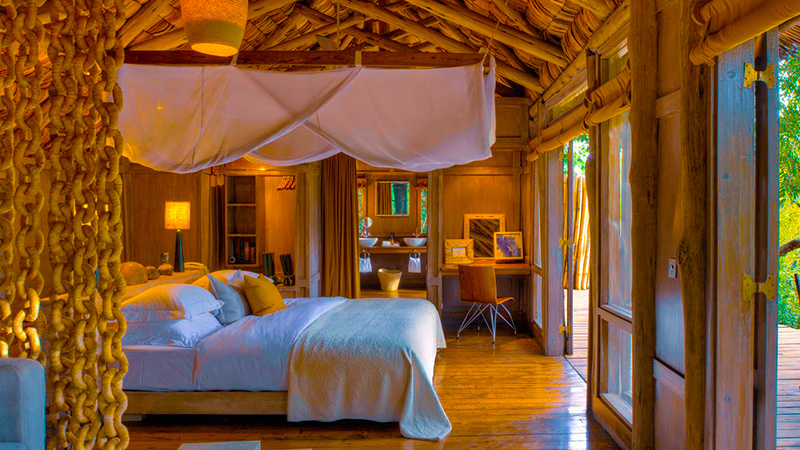
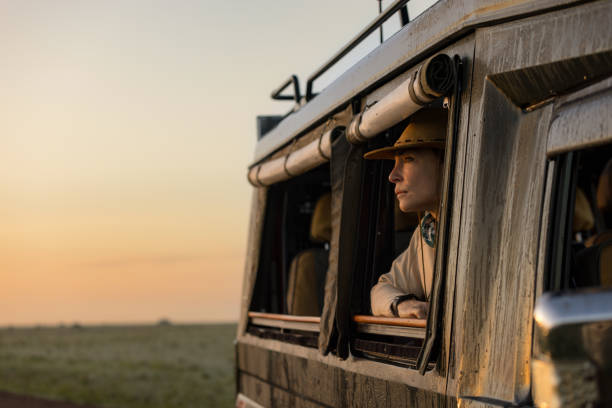
Southern Africa Overland Travel Routes: Your Comprehensive Guide
Southern Africa presents an unparalleled landscape for overland travel, offering vast savannas, dramatic coastlines, unique cultures, and abundant wildlife. For those seeking an authentic, immersive journey, charting a course through these diverse regions via overland expedition is an experience like no other. This guide explores popular Southern Africa overland travel routes, providing practical advice for planning, preparation, and booking your expedition for the 2026-2027 travel seasons.
Whether you’re driving your own vehicle or joining a guided overland tour, understanding the nuances of each route, the best times to travel, and the logistical considerations is key to a successful adventure. We’ll cover everything from major routes and itinerary logic to packing, safety, and how to choose the right operator.
Quick Overview of Southern Africa Overland Travel
| Aspect | Details |
|---|---|
| Primary Focus | Self-drive or guided overland expeditions across Southern African countries. |
| Key Destinations | South Africa, Namibia, Botswana, Zimbabwe, Zambia, Malawi, Mozambique, Tanzania, Angola. |
| Travel Style | Adventure, exploration, wildlife viewing, cultural immersion, self-sufficiency. |
| Typical Duration | 2 weeks to 3+ months, depending on the route and pace. |
| Best Time to Travel | Generally the dry season (May to October) for wildlife viewing and easier road conditions. |
| Vehicle Requirements | Robust 4×4 vehicle with proper ground clearance, reliable mechanics, and appropriate overland equipment. |
Table of Contents
- Southern Africa Overland Travel: The Big Picture
- Why Choose Overland Travel in Southern Africa?
- Popular Southern Africa Overland Travel Routes
- Visualizing the Routes: A Simple Overview
- Best Time to Travel for Overland Expeditions
- Itinerary Logic: Crafting Your Journey
- Sample Overland Itinerary: A Taste of the South
- What to Expect on the Road
- Vehicle Preparation and Essential Gear
- Essential Packing List
- Common Mistakes to Avoid
- Who is Southern Africa Overland Travel Best For?
- Alternatives to Overland Travel
- Planning Your 2026-2027 Overland Adventure
- Booking Your Overland Expedition
- Frequently Asked Questions
- Ready to Plan Your Overland Journey?
Southern Africa Overland Travel: The Big Picture
Overland travel in Southern Africa is more than just transportation; it’s a method of exploration that prioritizes immersion and flexibility. It typically involves using a sturdy 4×4 vehicle, often equipped for self-sufficiency with camping gear, extra fuel, water, and spare parts. Travelers can choose to self-drive, navigating independently with detailed maps and GPS, or join organized overland tours led by experienced guides who manage logistics, camp sites, and vehicle maintenance.
The appeal lies in the ability to access remote areas, camp under starry skies, interact closely with local communities, and witness wildlife in its natural habitat without the confines of conventional tourism infrastructure. It’s a journey that demands a spirit of adventure, patience, and a willingness to adapt to changing circumstances.
Why Choose Overland Travel in Southern Africa?
Southern Africa’s diverse geography and infrastructure lend themselves perfectly to overland adventures. Here’s why it’s a compelling choice:
- Unrivaled Access: Reach national parks, remote deserts, ancient rock art sites, and pristine coastlines that are often inaccessible by standard vehicles or commercial transport.
- Authentic Encounters: Drive through local villages, stop at roadside markets, and camp in places that offer genuine cultural and natural experiences away from tourist crowds.
- Wildlife Immersion: Explore vast game reserves at your own pace, setting up camp near waterholes or driving game tracks during the golden hours for exceptional wildlife viewing opportunities.
- Flexibility and Freedom: While organized tours offer structure, self-driving provides ultimate control over your itinerary, allowing you to linger longer in places you love or change course on a whim.
- Connection with Nature: Spend nights under incredibly clear, star-filled skies, often far from light pollution, creating a profound connection with the natural world.
- Cost-Effectiveness (Potentially): For longer trips, especially if self-catering and camping, overland travel can be more economical than flying between destinations and staying in hotels.
Popular Southern Africa Overland Travel Routes
Southern Africa offers a multitude of overland routes, each with its unique character and attractions. The choice often depends on the traveler’s time, interests, and desired level of challenge.
1. The Classic Trans-Kalahari Route (South Africa to Botswana/Namibia)
This route is a gateway to some of Southern Africa’s most iconic desert landscapes and wildlife destinations. It typically starts in South Africa, crosses Botswana, and can extend into Namibia.
- Key Countries: South Africa, Botswana, Namibia.
- Highlights: Kruger National Park (South Africa), Okavango Delta (Botswana), Moremi Game Reserve (Botswana), Chobe National Park (Botswana), Central Kalahari Game Reserve (Botswana), Etosha National Park (Namibia), Namib Desert (Namibia), Sossusvlei (Namibia).
- Duration: Can range from 2 weeks (focused on specific parks) to 2-3 months for a comprehensive exploration.
- Road Conditions: Mix of paved roads and challenging 4×4 tracks, especially in remote game reserves and desert areas.
- Best For: Wildlife enthusiasts, desert landscape lovers, those seeking iconic Southern African experiences.
2. The Coastal Explorer (South Africa to Mozambique/Tanzania)
This route follows the eastern coastline, offering a blend of beaches, marine life, and cultural experiences, often culminating in destinations further north.
- Key Countries: South Africa, Mozambique, Malawi, Tanzania.
- Highlights: Drakensberg Mountains (South Africa), Durban coast (South Africa), Inhambane (Mozambique), Bazaruto Archipelago (Mozambique), Lake Malawi (Malawi), Zanzibar (Tanzania), Serengeti National Park (Tanzania), Mount Kilimanjaro (Tanzania).
- Duration: Typically 3 weeks to 3 months.
- Road Conditions: Paved roads in South Africa and parts of Mozambique/Tanzania, but can be rough and slow in rural areas and along certain coastal stretches. Border crossings can be time-consuming.
- Best For: Beach lovers, divers, snorkelers, those interested in marine ecosystems and coastal cultures.
3. The Zambezi Circuit (Botswana, Zimbabwe, Zambia, Malawi)
This route focuses on the mighty Zambezi River and the countries surrounding it, offering a mix of adventure, wildlife, and natural wonders.
- Key Countries: Botswana, Zimbabwe, Zambia, Malawi.
- Highlights: Okavango Delta (Botswana), Chobe National Park (Botswana), Victoria Falls (Zimbabwe/Zambia), Hwange National Park (Zimbabwe), Mana Pools National Park (Zimbabwe), South Luangwa National Park (Zambia), Lake Malawi (Malawi).
- Duration: 2 weeks to 2 months.
- Road Conditions: Variable. Paved roads between major centers, but often unpaved and sandy tracks within parks. Some roads can be challenging, especially during the rainy season.
- Best For: Victoria Falls visitors, walking safari enthusiasts (South Luangwa), keen wildlife photographers, river adventurers.
4. The Southern African Loop (South Africa, Namibia, Botswana, Zimbabwe)
A popular and relatively well-trodden route that covers some of the continent’s most famous natural attractions. It’s often a good starting point for first-time overland travelers in the region.
- Key Countries: South Africa, Namibia, Botswana, Zimbabwe.
- Highlights: Cape Town (South Africa), Garden Route (South Africa), Augrabies Falls (South Africa), Fish River Canyon (Namibia), Sossusvlei (Namibia), Swakopmund (Namibia), Etosha National Park (Namibia), Okavango Delta (Botswana), Chobe National Park (Botswana), Victoria Falls (Zimbabwe).
- Duration: 3 weeks to 3 months.
- Road Conditions: A good mix of excellent paved roads and manageable gravel roads. 4×4 is highly recommended for many national parks and specific attractions.
- Best For: A comprehensive introduction to Southern African highlights, diverse landscapes, excellent wildlife viewing.
5. The Angola Expedition (Namibia to Angola and potentially DRC)
For the more adventurous, Angola offers raw, untamed landscapes and a less-traveled path. This route can be challenging due to infrastructure and border complexities.
- Key Countries: Namibia, Angola, potentially stretching towards the Democratic Republic of Congo.
- Highlights: Kunene Region (Namibia), Mosi-oa-Tunya (Victoria Falls – can be a detour), Benguela Coast (Angola), Kalandula Falls (Angola), Iona National Park (Angola).
- Duration: 2 weeks to 2 months.
- Road Conditions: Extremely challenging. Many unpaved, rough, and remote tracks. Requires significant vehicle preparation and self-sufficiency.
- Best For: Experienced overlanders, those seeking true wilderness and off-the-beaten-path adventures, people comfortable with significant logistical hurdles.
Visualizing the Routes: A Simple Overview
Here’s a simplified representation of how some of these Southern Africa overland travel routes might connect. This is illustrative and actual routes can be customized extensively.
| Section | Direction | Key Countries/Areas |
|---|---|---|
| Start/South | Northbound | South Africa (Cape Town/Johannesburg) |
| Westward Loop | Northwest | Namibia (Skeleton Coast, Etosha) |
| Central Plains | Northeast | Botswana (Okavango Delta, Chobe) |
| Eastern Falls | East | Zimbabwe/Zambia (Victoria Falls) |
| Lake & Coast | North/Northeast | Malawi (Lake Malawi), Tanzania (Zanzibar, Serengeti) |
| Return/Southbound Option | South | Via different inland routes or coastal roads. |
Best Time to Travel for Overland Expeditions
The timing of your overland journey significantly impacts the experience, primarily due to weather patterns and wildlife behavior.
- Dry Season (May to October): This is generally considered the prime time for overland travel in most of Southern Africa.
- Pros: Lower humidity, pleasant temperatures (can be cold at night/early morning in winter, especially in deserts), wildlife congregates around permanent water sources making game viewing easier, roads are generally in better condition (less mud, fewer washouts), fewer mosquitoes.
- Cons: Can be colder, especially in June/July. Peak tourist season in some popular areas. Water levels in rivers/deltas might be lower.
- Wet Season (November to April): This period brings rain, higher temperatures, and a different kind of beauty.
- Pros: Lush landscapes, migratory birds arrive, baby animals are born, fewer tourists, lower prices in some areas, dramatic storm skies.
- Cons: High humidity and heat, increased mosquito populations (malaria risk), some roads can become impassable due to mud or flooding, wildlife disperses as water is abundant, some lodges/camps may close.
Considerations for specific regions:
- Namibia’s Deserts: Can be visited year-round, but the dry season offers more comfortable temperatures.
- Botswana’s Okavango Delta: The best floodwaters for mokoro (dugout canoe) trips are typically from June to September, coinciding with the dry season.
- Zambia/Malawi’s Lakes: The dry season offers clearer waters for diving and swimming.
Itinerary Logic: Crafting Your Journey
Developing a logical overland itinerary involves balancing your interests with practical constraints. Here’s a framework:
- Define Your Goals: Are you primarily interested in wildlife, deserts, culture, beaches, or a mix? This will shape your route.
- Determine Your Timeframe: Be realistic. Covering too much ground too quickly leads to exhaustion and a superficial experience. It’s better to explore fewer areas in depth.
- Factor in Travel Days: Distances can be deceiving. Unpaved roads, border crossings, vehicle issues, and the need for rest days mean you can’t cover 500km every day. Plan for an average of 200-300km per travel day, or even less if roads are poor or you’re exploring intensely.
- Consider Border Crossings: These can take hours, sometimes a full day. Research visa requirements well in advance.
- Book Key Accommodations/Campsites: In popular national parks or during peak season, campsites (especially designated ones) and lodges need to be booked months ahead.
- Build in Flexibility: Allow for unexpected delays or opportunities. A rigid schedule is difficult to maintain overland.
- Route Sequencing: Try to group destinations geographically to minimize backtracking. For example, if doing the Southern African Loop, it makes sense to do Namibia before Botswana, or vice versa, rather than zig-zagging unnecessarily.
Sample Overland Itinerary: A Taste of the South (Approx. 4 Weeks)
This sample itinerary focuses on the popular Southern African Loop, ideal for those with about a month to explore. This is a guided tour style itinerary, but can be adapted for self-drivers.
| Days | Location | Activities | Notes |
|---|---|---|---|
| 1-3 | Johannesburg, South Africa | Arrival, vehicle prep, city tour. | Gather supplies, acclimatize. |
| 4-5 | Kruger National Park, South Africa | Game drives. | Self-drive or guided. Look for the Big Five. |
| 6-7 | Travel to Namibia border / Kalahari | Scenic drive, potential stop in Kalahari. | Long driving days, prepare for gravel. |
| 8-10 | Sossusvlei & Namib Desert, Namibia | Visit Deadvlei, climb Dune 45, explore desert landscapes. | Requires 4×4 for final stretch. Stunning sunrises/sunsets. |
| 11-12 | Swakopmund, Namibia | Coastal town, optional activities (quad biking, skydiving, boat trips). | European feel, good place for supplies and relaxation. |
| 13-15 | Etosha National Park, Namibia | Game drives, focus on waterholes. | Excellent for wildlife viewing, especially in dry season. |
| 16-17 | Travel to Botswana / Chobe | Long drive, border crossing. | Prepare for varying road conditions. |
| 18-20 | Chobe National Park, Botswana | Game drives, boat cruise on Chobe River. | Known for large elephant herds. |
| 21-23 | Okavango Delta (Maun/Moremi), Botswana | Mokoro excursion, game drives. | Requires 4×4 access or lodge transfer. Unique delta experience. |
| 24-25 | Travel to Zimbabwe / Victoria Falls | Drive to Victoria Falls town. | Border formalities. |
| 26-27 | Victoria Falls, Zimbabwe/Zambia | Explore the falls, optional activities (bungee jumping, helicopter flights). | One of the Seven Natural Wonders of the World. |
| 28-30 | Travel back towards South Africa / Departure | Drive south towards Johannesburg or other departure point. | Final leg of the journey. |
What to Expect on the Road
Overland travel in Southern Africa is an adventure, and with adventure comes unpredictability. Here’s what to anticipate:
- Road Conditions: Expect a mix of excellent paved highways, good gravel roads, and challenging 4×4 tracks. Potholes are common, and washouts can occur after rain. Patience is essential.
- Wildlife Encounters: You will see wildlife, often up close. Respect their space and follow park rules. Be aware of animals on the roads, especially at dawn and dusk.
- Camping and Accommodation: Many travelers opt for camping, either in designated campsites within national parks or in private reserves. Facilities can range from basic to well-equipped. For those not camping, lodges and guesthouses are available but can be costly.
- Supplies: Stock up on food, water, and fuel whenever possible, especially when heading into remote areas. Towns can be far apart.
- Connectivity: Mobile phone signal and internet access can be sporadic outside of major towns and cities.
- Pace of Travel: Overland journeys are not about speed. They are about the journey itself. Embrace the slower pace.
- Mechanical Issues: Vehicle breakdowns can happen. Ensure your vehicle is well-maintained and you have basic repair knowledge or a reliable support network.
- Cultural Immersion: You’ll encounter diverse cultures. Be respectful, ask permission before taking photos of people, and be open to learning.
Vehicle Preparation and Essential Gear
Your vehicle is your home and your lifeline. Proper preparation is non-negotiable.
Vehicle Essentials:
- 4×4 Capability: Absolutely essential for most routes, especially national parks and remote areas.
- Ground Clearance: High clearance is needed to navigate rough tracks and avoid damage.
- Robust Tyres: All-terrain or mud-terrain tyres with good tread are recommended. Carry at least one full spare tyre, ideally two.
- Suspension: Upgraded suspension can help handle heavy loads and rough terrain.
- Long-Range Fuel Tanks: Essential for covering long distances between fuel stops, especially in Namibia and Botswana.
- Water Tanks/Storage: Carry ample water. Integrated tanks or sturdy jerry cans are vital.
- Recovery Gear: Shovel, sand ladders (Maxtrax or similar), tow rope, shackles.
- Basic Tool Kit: Comprehensive set of tools for common repairs.
- Spare Parts: Belts, hoses, filters, spark plugs, and anything prone to wear and tear.
- Tyre Repair Kit: Plugs, patches, pump, and pressure gauge.
- Protection: Bash plates for engine and gearbox, rock sliders.
- Camping Setup: Roof tent or ground tent, awning, camping chairs, table, cooking equipment.
- Navigation: GPS device (with pre-loaded maps), physical maps, compass.
- Communication: Satellite phone or personal locator beacon (PLB) for remote areas.
Essential Packing List
Pack smart, light, and for all conditions. Think layers!
Clothing:
- Lightweight, breathable clothing (cotton, linen, quick-dry synthetics)
- Long-sleeved shirts and trousers (for sun protection and evenings)
- Warm fleece or jacket (for cold desert nights/winter)
- Rain jacket (especially during wet season)
- Comfortable walking shoes/boots
- Sandals or flip-flops
- Hat with a wide brim
- Swimsuit
Health & Hygiene:
- Personal first-aid kit (comprehensive)
- Insect repellent (with DEET)
- Sunscreen (high SPF)
- Hand sanitizer
- Personal toiletries
- Any personal medications
- Malaria prophylaxis (consult your doctor)
Documents & Money:
- Passport and visas
- Driving license (international permit if required)
- Vehicle registration and insurance papers
- Yellow fever vaccination certificate (if required)
- Credit/debit cards and some cash (USD/local currency)
Miscellaneous:
- Headlamp or flashlight with extra batteries
- Camera and accessories
- Power bank/solar charger
- Reusable water bottle
- Binoculars
- Duct tape and cable ties (surprisingly useful!)
- Small backpack for day trips
Common Mistakes to Avoid
Many travelers make similar errors when planning or undertaking Southern Africa overland travel. Being aware of these can save you time, money, and frustration.
- Underestimating Travel Times: Believing you can cover vast distances quickly on unpaved roads.
- Insufficient Vehicle Preparation: Not servicing the vehicle thoroughly or neglecting essential spares and recovery gear.
- Not Enough Water/Fuel: Running out in remote areas is dangerous. Always err on the side of caution.
- Ignoring Visa/Carnet Requirements: Not researching and obtaining necessary documentation for each country well in advance. A Carnet de Passages en Douane is often required for vehicles.
- Over-packing: Trying to bring too much reduces living space and increases weight.
- Not Budgeting for the Unexpected: Vehicle repairs, unexpected park fees, or longer stays add up.
- Poor Route Planning: Trying to cram too many destinations into a short trip, or zig-zagging across the continent.
- Disrespecting Local Customs: Not researching and adhering to cultural norms.
- Ignoring Safety Advice: Traveling alone through remote areas without proper communication or safety precautions.
- Not Booking in Advance: Especially for popular national park campsites or specific tours during peak seasons.
Who is Southern Africa Overland Travel Best For?
This style of travel is not for everyone. It suits:
- Adventure Seekers: Those who thrive on challenges, enjoy roughing it, and embrace the unpredictable.
- Independent Travelers: Individuals or couples who enjoy planning their own route and have a strong sense of self-reliance.
- Wildlife Enthusiasts: People who dream of seeing animals in their natural habitat and are willing to put in the effort to find them.
- Photographers: Those seeking unique landscapes, wildlife shots, and cultural encounters away from typical tourist trails.
- Budget Travelers (with caveats): While it can be cost-effective, the initial investment in a suitable vehicle and gear is high. It becomes more economical on longer trips.
- Experienced Campers: Those comfortable with camping in varied conditions, from well-equipped sites to wild camping.
It is less suited for travelers seeking luxury, constant comfort, predictable schedules, or those who prefer to be driven everywhere without engaging in the logistics of travel.
Alternatives to Overland Travel
If a full overland expedition seems too daunting, consider these alternatives:
- Flying Between Major Hubs: Combine flights between cities (e.g., Johannesburg, Cape Town, Windhoek, Maun, Dar es Salaam) with shorter, organized tours or car rentals for specific regions. This is faster but less immersive.
- Renting a 4×4 with Camping Gear: Rent a fully equipped 4×4 for a specific segment of a country or region. This offers more flexibility than a guided tour but less commitment than owning/shipping your own vehicle.
- Joining Shorter Overland Tours: Many companies offer 1-4 week overland tours that cover specific routes. This is a great way to experience overland travel without the full commitment of planning and vehicle ownership.
- Buses and Public Transport: For budget travelers focusing on cities and main towns, public transport is an option, though it limits access to remote areas.
Planning Your 2026-2027 Overland Adventure
Starting your planning for Southern Africa overland travel routes in 2026 or 2027 requires foresight. Here’s a timeline:
| Timeframe | Action Items |
|---|---|
| 12-18 Months Out | Research extensively: destinations, routes, best time to go. Define your budget. If buying a vehicle, start looking. If joining a tour, research operators and itineraries. |
| 9-12 Months Out | Book international flights. If joining a tour, book your spot (popular tours fill up). If self-driving, make major vehicle decisions (buy/modify/ship). Start visa research. |
| 6-9 Months Out | Apply for necessary visas. Obtain vehicle import permits/Carnet de Passages en Douane if required. Purchase essential gear and spares. Book critical campsites or lodges within national parks. |
| 3-6 Months Out | Finalize vehicle modifications and servicing. Get travel insurance (comprehensive, including medical evacuation). Arrange international driving permits. Start learning basic vehicle maintenance. |
| 1-3 Months Out | Pack and test gear. Get necessary vaccinations and malaria prophylaxis. Inform your bank of travel dates. Download offline maps and navigation apps. Confirm all bookings. |
| Final Weeks (2026-2027) | Vehicle final checks. Exchange some currency. Prepare a comprehensive packing list. Share your itinerary with a trusted contact. Ensure all documents are in order. |
Booking Your Overland Expedition
Whether you’re self-driving or joining a tour, booking is a crucial step.
If Joining a Guided Overland Tour:
- Research Operators: Look for companies with a strong reputation, experienced guides, and well-maintained vehicles. Read reviews and testimonials.
- Compare Itineraries: Ensure the route and duration match your interests and timeframe.
- Understand Inclusions/Exclusions: What is covered? (e.g., accommodation, meals, park fees, activities). What is extra? (e.g., visas, personal expenses, optional activities).
- Check Vehicle Type: Some tours use larger expedition trucks, others smaller 4x4s. Choose based on your preference for group size and access.
- Booking Process: Be prepared for a deposit and balance payment. Understand the cancellation policy.
- Contact Directly: Don’t hesitate to ask questions. For tours in Tanzania and surrounding regions, operators like those specializing in East African safaris can often arrange or recommend Southern Africa overland specialists.
If Self-Driving:
- Vehicle Purchase/Rental: If buying, ensure it’s reliable and suitable. If renting, book well in advance and ensure the rental company permits cross-border travel and has appropriate insurance.
- Carnet de Passages en Douane: This is a crucial document for importing a vehicle temporarily into many African countries. Obtain it from your national automobile association.
- Insurance: Comprehensive vehicle insurance covering all countries you plan to visit is essential. Third-party insurance is often mandatory at borders.
- Visas: Research and obtain all necessary visas before you travel. Some can be obtained on arrival, but it’s safer to have them pre-arranged.
- Navigation Tools: Invest in good GPS devices and maps. Offline map apps are invaluable.
- Communication: Consider a satellite phone or PLB for areas with no mobile coverage.
For those planning complex itineraries that might touch upon East Africa before heading south, or vice versa, consider connecting with operators who have a broad understanding of the continent. For example, if your journey starts or ends in Tanzania, reaching out to local experts can provide invaluable insights.
Contact Information for Expert Advice & Booking Assistance:
- WhatsApp: +255616946642
- Email: topguideadventures@gmail.com
- Backup Email: info@topguideadventures.com
Frequently Asked Questions
Q1: Do I need a 4×4 for Southern Africa overland travel?
A1: For most popular Southern Africa overland travel routes, a 4×4 vehicle with good ground clearance is highly recommended, if not essential. While some main roads are paved, many national parks, game reserves, and remote areas require 4×4 capability and robust suspension.
Q2: What is the best time of year for overland travel in Southern Africa?
A2: The dry season, typically from May to October, is generally preferred. Roads are in better condition, and wildlife congregates around water sources, making game viewing easier. However, the wet season (November to April) offers lush landscapes and fewer crowds, but with challenges like heat, humidity, and potentially impassable roads.
Q3: How much does overland travel in Southern Africa cost?
A3: Costs vary significantly. For self-drivers, it includes vehicle purchase/rental, fuel, camping fees, park entrance fees, food, and maintenance. For guided tours, prices are more fixed but can range from moderate to high depending on the tour operator and duration. A rough daily budget for a self-driver (excluding vehicle costs) might range from $75-$150+ USD per person, while guided tours can range from $150-$400+ USD per person per day.
Q4: What are the biggest challenges of overland travel in this region?
A4: Challenges include variable road conditions, long distances between services (fuel, water, supplies), border crossings, potential vehicle breakdowns, and ensuring you have all necessary permits and visas. Flexibility and preparedness are key.
Q5: Is it safe to travel overland in Southern Africa?
A5: Generally, yes, especially if you stick to reputable routes and follow local advice. Petty crime can occur in urban areas, and caution is advised. In remote areas, the main risks are environmental (e.g., getting stuck, wildlife encounters) and mechanical. Using a reliable vehicle, carrying recovery gear, and staying informed are crucial safety measures. For 2026-2027, it’s always wise to check current travel advisories.
Q6: Do I need a Carnet de Passages en Douane?
A6: A Carnet de Passages en Douane (Carnet) is often required to temporarily import a vehicle into countries like Botswana, Namibia, and Zimbabwe. You must obtain this from your national automobile association before you leave your home country.
Q7: How long should a typical overland trip through Southern Africa be?
A7: A reasonable minimum for a good overview of a few countries (e.g., the Southern African Loop) is around 3-4 weeks. For a more comprehensive journey covering more countries or deeper exploration, 2-3 months or longer is ideal.
Q8: Can I use public transport for overland travel?
A8: While public transport (buses, trains) exists between major towns, it is not suitable for true overland exploration, which relies on personal vehicles to access remote areas and national parks. It’s an alternative for budget travel between cities, but not for the overland experience itself.
Q9: What vaccinations do I need for Southern Africa?
A9: Consult your doctor or a travel clinic well in advance. Common recommendations include Hepatitis A & B, Typhoid, Tetanus, and Polio. Yellow Fever vaccination is often required if arriving from or transiting through an endemic country. Malaria prophylaxis is recommended for many areas, particularly during the wet season.
Q10: What kind of insurance is necessary for my vehicle and myself?
A10: You’ll need comprehensive travel insurance that covers medical emergencies, evacuation, and trip cancellation. For your vehicle, ensure it has adequate insurance covering all countries you plan to visit, including mandatory third-party insurance at borders. If renting, confirm the rental company’s policy.
Ready to Plan Your Southern Africa Overland Travel Routes Adventure?
Embarking on an overland journey through Southern Africa is a profound experience that offers unparalleled freedom and discovery. Whether you envision navigating the vast deserts of Namibia, tracking wildlife in Botswana’s deltas, or exploring the coastlines of Mozambique, careful planning is the foundation of a successful trip. For expert advice, custom itinerary planning, and booking assistance, especially if your journey involves East Africa or requires detailed logistical support, reach out to our experienced team.
We specialize in creating unforgettable African adventures. Let us help you craft your perfect Southern Africa overland travel routes expedition for 2026-2027.
Contact us today:
- WhatsApp: +255616946642
- Email: topguideadventures@gmail.com
- Backup Email: info@topguideadventures.com
Plan your Southern Africa Overland Travel Routes with Top Guide Adventures
Tell us your travel dates, group size, comfort level, and dream experience. We will help you shape a clear, realistic, and memorable Tanzania itinerary.







 Veedesigner
 Fatma Kizanga
 Benjamin Waryuba
 Philip Philip
 John jr Itaja
 Antonia Optatus
 Edith Kanyere
 Neema Iddy
 Kelvin Boniphace
 Damari Maiga



