
Updated planning guide for 2026-2027
Southern Africa Travel Costs Explained: Complete Guide 2026-2027
Planning a trip to Southern Africa? This comprehensive guide breaks down travel costs for safaris, Kilimanjaro treks, Zanzibar holidays, and more, helping you budget effectively for 2026-2027 adventures.
WhatsApp +255616946642 | topguideadventures@gmail.com | info@topguideadventures.com
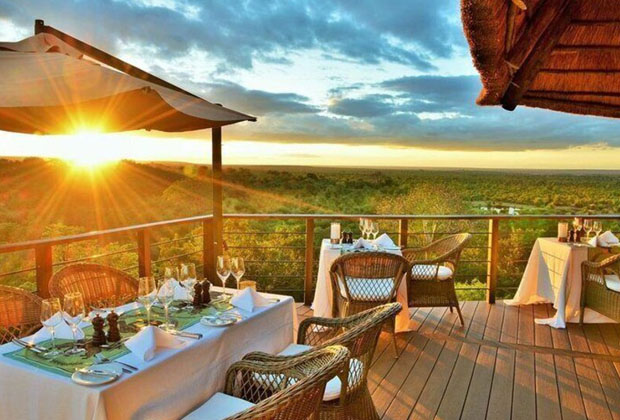
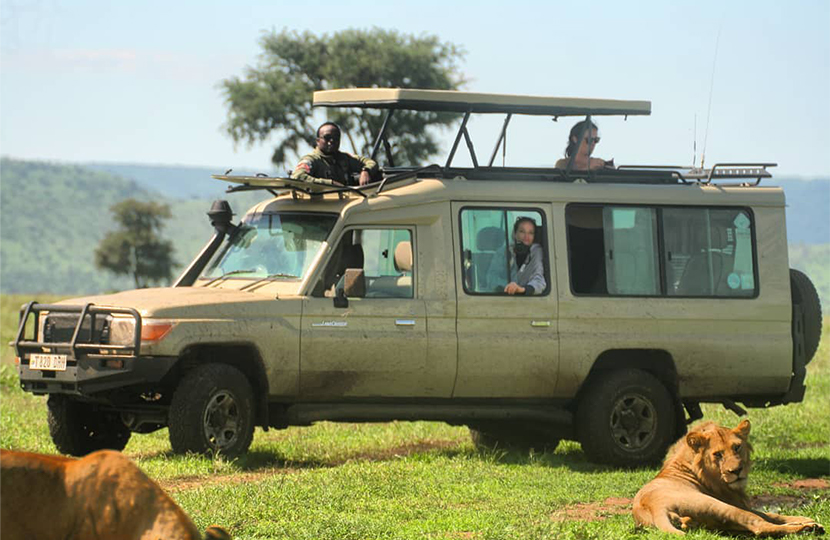
Southern Africa is a dream destination for many, offering unparalleled wildlife encounters, majestic mountain landscapes, and idyllic tropical islands. However, understanding the financial aspect of visiting this diverse region is crucial for effective planning. This guide aims to demystify Southern Africa travel costs, providing a detailed breakdown of expenses for safaris, Kilimanjaro expeditions, Zanzibar getaways, and bespoke travel experiences. Whether you are planning for 2026 or 2027, this information will help you set a realistic budget and make informed decisions.
When considering Southern Africa travel costs, it’s important to remember that prices can vary significantly based on the country, the type of experience, the level of accommodation, the duration of your stay, and the time of year. We will explore these factors in depth, offering practical advice and insights to help you create an unforgettable journey without unexpected financial surprises.
Table of Contents
- Southern Africa Travel Costs: Quick Facts
- Understanding Southern Africa Travel Costs
- Why Budgeting for Southern Africa is Important
- Best Time to Travel & Cost Implications
- Key Destinations & Their Cost Profiles
- Safari Adventures: What to Expect Financially
- Kilimanjaro Trekking: Budgeting for the Summit
- Zanzibar Holidays: Island Paradise on a Budget
- Other Experiences: Custom Trips & Day Tours
- Factors Influencing Your Southern Africa Travel Budget
- Sample Itinerary Cost Considerations (Tanzania Focus)
- Smart Budgeting Tips for Southern Africa
- Common Budgeting Mistakes to Avoid
- Who is Southern Africa Travel Best For?
- Exploring Alternatives in Southern Africa
- Planning Your Trip for 2026-2027: Key Considerations
- Booking Advice for Southern Africa Adventures
- Frequently Asked Questions (FAQs)
- Ready to Plan Your Southern Africa Journey?
Southern Africa Travel Costs: Quick Facts
| Category | Cost Notes (General Range) | Key Influencers |
|---|---|---|
| International Flights | Highly variable, from $800 – $2000+ USD per person | Origin, booking time, airline, season |
| Visas | $50 – $100+ USD per person (country dependent) | Nationality, duration of stay |
| Accommodation | Budget: $30-$80 | Mid-range: $100-$250 | Luxury: $300-$1000+ per night | Location, star rating, amenities, season |
| Daily Expenses (Food, Local Transport) | Budget: $30-$60 | Mid-range: $70-$150+ per person per day | Dining choices, activity level, location |
| Safari Packages | Budget: $200-$400 | Mid-range: $400-$700 | Luxury: $800-$1500+ per person per day (all-inclusive) | Park fees, vehicle type, guide, accommodation, duration |
| Kilimanjaro Treks | Budget: $1500-$2500 | Mid-range: $2500-$4000 | Premium: $4000+ per person (full package) | Route, duration, team size, equipment quality, operator |
| Zanzibar Packages | Budget: $100-$200 | Mid-range: $200-$400 | Luxury: $400-$800+ per person per day (incl. accommodation, some activities) | Resort type, meal plan, activities, season |
| Activities & Park Fees | $20 – $300+ USD per activity/park entry | Specific activity, park, duration |
| Travel Insurance | $100 – $300+ USD per person (depending on coverage) | Coverage level, trip duration, age |
Understanding Southern Africa Travel Costs
The term ‘Southern Africa’ encompasses a vast and varied region, and its travel costs reflect this diversity. Generally speaking, Southern Africa can be more affordable than some of its East African counterparts for safaris, but destinations like Botswana are notoriously expensive. However, for travelers seeking value, countries like Tanzania (for safaris and Kilimanjaro), Zambia, and parts of South Africa offer excellent experiences across different budget levels. Zanzibar, while an island, offers a range of options from budget guesthouses to high-end resorts.
Key cost components typically include international flights, accommodation, internal transport, activities (like safaris, treks, and tours), park fees, food, visas, and travel insurance. The choices you make in each of these areas will significantly shape your overall Southern Africa travel costs.
Why Budgeting for Southern Africa is Important
A well-planned budget is the cornerstone of a stress-free Southern Africa adventure. Without one, you risk underestimating expenses, leading to disappointment or the inability to fully enjoy your trip. Understanding the costs upfront allows you to:
- Set Realistic Expectations: Know what kind of experience you can afford.
- Prioritize Experiences: Allocate funds to the activities and accommodations that matter most to you.
- Avoid Financial Strain: Ensure you have enough funds for unexpected expenses.
- Make Informed Decisions: Compare different operators and packages effectively.
- Secure Bookings in Advance: Especially for popular destinations and peak seasons in 2026 and 2027, early booking is often rewarded with better prices and availability.
Best Time to Travel & Cost Implications
The ‘best’ time to travel in Southern Africa often overlaps with the ‘peak’ season, which naturally leads to higher Southern Africa travel costs. This is particularly true for safaris when the dry season concentrates wildlife around water sources, making sightings more reliable.
Dry Season (Generally June to October):
- Pros: Excellent wildlife viewing, cooler temperatures, lower malaria risk in some areas. Ideal for Kilimanjaro trekking due to clear skies.
- Cons: Peak tourist season, higher prices for flights and accommodation, more crowded parks.
Wet Season (Generally November to May):
- Pros: Lush landscapes, baby animals are often born, fewer tourists, lower prices, birdwatching is exceptional.
- Cons: Can be hot and humid, some roads may be impassable, wildlife can be more dispersed, higher malaria risk.
Shoulder Seasons (e.g., May, November): Often offer a good balance of decent weather, good wildlife viewing, and more moderate prices, making them attractive for budget-conscious travelers planning for 2026 or 2027.
Key Destinations & Their Cost Profiles
While this guide focuses broadly on Southern Africa, our expertise at Top Guide Adventures lies heavily in Tanzania and surrounding regions. Here’s a look at cost profiles, with a focus on Tanzania:
| Destination | Typical Experience | General Cost Level | Notes |
|---|---|---|---|
| Tanzania (Safari) | Serengeti, Ngorongoro Crater, Tarangire | Mid-range to High | Park fees are substantial. Quality of guide and vehicle matters. 2026-2027 bookings require early planning. |
| Tanzania (Kilimanjaro) | Mount Kilimanjaro Trekking | Mid-range to High | Operator, route, and duration are key cost drivers. Includes park fees, crew, food, accommodation. |
| Tanzania (Zanzibar) | Beaches, Stone Town, Spice Tours | Budget to Luxury | Accommodation choice is the primary cost factor. Activities are generally affordable. |
| Kenya | Maasai Mara, Amboseli Safaris | Mid-range to High | Similar cost structure to Tanzania, with high park fees. |
| Botswana | Okavango Delta, Chobe National Park | Very High | Exclusive, low-volume tourism model. Expensive but offers unique, uncrowded experiences. |
| South Africa | Kruger National Park, Cape Town | Budget to Luxury | Offers the widest range of options, from self-drive safaris to luxury lodges. Generally more developed infrastructure. |
| Zambia/Zimbabwe | Victoria Falls, South Luangwa (walking safaris) | Mid-range to High | Victoria Falls can be moderately priced. Walking safaris in South Luangwa are often premium. |
Safari Adventures: What to Expect Financially
Safari costs are often the largest component of a Southern Africa trip. The price you pay depends heavily on the operator, the type of safari, accommodation standards, and national park fees. Top Guide Adventures specializes in creating exceptional safari experiences in Tanzania’s renowned parks.
Key Cost Components for Safaris:
- Park Entrance Fees: These are significant and often charged per person, per day. For example, Serengeti National Park fees are substantial. These fees go directly to conservation efforts.
- Accommodation: Ranges from basic tented camps to ultra-luxury lodges. Mid-range options usually involve comfortable tented camps or lodges with en-suite facilities.
- Vehicle and Guide: A 4×4 safari vehicle and an experienced, knowledgeable guide are essential. The quality of your guide can make or break your safari. Operators include this cost in their package.
- Food and Drinks: Most safari packages are full board (breakfast, lunch, dinner). Drinks, especially alcoholic ones, may be extra.
- Internal Flights: If you opt for fly-in safaris to remote areas, these add considerably to the cost.
- Operator’s Margin and Services: This covers logistics, planning, support, and the operator’s profit.
Budget Safari: Might involve staying in more basic campsites or budget lodges, possibly in less famous parks, with simpler meals. Often involves sharing vehicles or traveling in larger groups.
Mid-Range Safari: Typically includes comfortable tented camps or lodges, private vehicles for smaller groups, excellent guides, and well-planned itineraries covering major parks like the Serengeti and Ngorongoro Crater. This is where Top Guide Adventures excels, offering a balance of quality and value.
Luxury Safari: Features high-end lodges or tented camps with premium amenities, exclusive guiding services, gourmet dining, and often includes internal flights. Expect personalized attention and impeccable service.
Cost Note: For a mid-range 5-day safari in Tanzania’s Northern Circuit (Serengeti, Ngorongoro), expect daily costs per person to range from $400 to $700 USD, not including international flights. This figure covers park fees, accommodation, food, vehicle, and guide.
Kilimanjaro Trekking: Budgeting for the Summit
Trekking Mount Kilimanjaro is a significant undertaking, and understanding the associated Southern Africa travel costs is vital for preparation. The price is almost always quoted as a package that includes everything from park fees to your guide and porters.
Key Cost Components for Kilimanjaro Treks:
- Park Fees: Kilimanjaro National Park fees are substantial and constitute a large portion of the trek cost. These are fixed by the park authorities.
- Crew: This includes your licensed guide(s), assistant guides, porters, and cooks. Fair wages and good working conditions for the crew are a hallmark of reputable operators.
- Accommodation: Camping fees on the mountain, plus accommodation before and after the trek in a hotel.
- Food: All meals on the mountain are prepared by your cook.
- Equipment: Tents (sleeping and mess tents), cooking equipment, and sometimes sleeping bags/mats (though often rented).
- Transportation: Transfers to and from the mountain gate and airport.
- Operator’s Services: Logistics, emergency support, oxygen, medical kits, and their operational costs.
Factors Affecting Kilimanjaro Costs:
- Route Choice: Longer routes like the Machame or Lemosho have higher costs due to more days on the mountain. Shorter routes are cheaper but have lower success rates.
- Duration of Trek: More days equal more park fees and crew costs.
- Operator Reputation and Ethics: Reputable operators who pay fair wages and provide good quality equipment and food will generally cost more but offer a safer and more ethical experience. Avoid suspiciously cheap operators.
- Group Size: Private climbs are more expensive per person than joining a group.
Cost Note: For a standard 7-day Kilimanjaro trek on a popular route like Machame, expect package prices to range from $2,500 to $4,000+ USD per person. This includes park fees, crew, food, tents, and transfers. Cheaper options exist but may compromise safety and ethics. For 2026-2027 climbs, booking with a reputable operator well in advance is recommended.
Zanzibar Holidays: Island Paradise on a Budget
Zanzibar offers a more accessible price point compared to high-end safaris or Kilimanjaro climbs, but costs can still escalate depending on your choices. It’s a destination where you can tailor your Southern Africa travel costs significantly.
Key Cost Components for Zanzibar:
- Accommodation: This is the biggest variable. Options range from basic beachfront bandas and guesthouses in Stone Town to all-inclusive luxury resorts.
- Food and Drinks: Local eateries offer affordable and delicious Swahili cuisine. Resorts and higher-end restaurants will be more expensive.
- Activities: Spice tours, Stone Town historical tours, snorkeling trips (e.g., to Mnemba Atoll), diving, and Jozani Forest visits are common and generally reasonably priced.
- Internal Transport: Taxis or private transfers between locations (airport, Stone Town, different beaches) can add up. Shared dala-dalas (local minibuses) are very cheap but slow.
- Flights: Flights from mainland Tanzania (e.g., Arusha or Dar es Salaam) to Zanzibar are frequent and relatively affordable.
Cost Note: For a 7-day Zanzibar holiday, budget travelers might spend $100-$200 per person per day (excluding international flights but including basic accommodation, food, and some activities). Mid-range travelers could expect $200-$400 per person per day for comfortable hotels, good meals, and more activities. Luxury travelers can easily spend $400-$800+ per person per day at high-end resorts.
Other Experiences: Custom Trips & Day Tours
Beyond the main attractions, Southern Africa offers numerous other experiences. Top Guide Adventures excels in crafting custom itineraries that blend various activities.
Day Trips:
- From Arusha: Day trips to Materuni Waterfalls and Coffee Plantations, or Lake Manyara National Park for a shorter safari experience. Costs typically range from $100-$250 USD per person, depending on group size and inclusions.
- From Zanzibar: Spice tours, Stone Town tours, Prison Island excursions. These are generally affordable, often $30-$80 USD per person.
Custom Itineraries: These allow you to combine destinations and activities, such as a safari followed by Zanzibar, or a Kilimanjaro trek with a few days on the coast. The Southern Africa travel costs for custom trips are highly individualized but offer the best value for travelers seeking specific experiences. We work closely with clients to build these based on their interests and budget for 2026-2027.
Factors Influencing Your Southern Africa Travel Budget
Several overarching factors will impact your total Southern Africa travel costs:
- Travel Style: Budget backpacker, mid-range comfort seeker, or luxury connoisseur? This is the most significant determinant.
- Duration of Stay: Longer trips naturally incur higher costs for accommodation, food, and daily expenses.
- Time of Year: Peak season means higher prices. Traveling in the shoulder or low season can offer significant savings.
- Number of Travelers: Some costs, like private vehicle hire for safaris, are more economical when shared among a group.
- Choice of Operator: Reputable, established operators with good track records and ethical practices often command higher prices, reflecting the quality of service, safety standards, and fair treatment of staff.
- Inclusions: Understand exactly what is included in package prices (e.g., park fees, meals, drinks, activities, tips). Hidden costs can quickly inflate your budget.
- Pace of Travel: Rushing between locations often requires more expensive internal flights or private transfers. A slower pace can sometimes be more economical and rewarding.
Sample Itinerary Cost Considerations (Tanzania Focus)
Let’s consider a popular 10-day Northern Tanzania safari and Zanzibar trip for two people, focusing on mid-range travel for 2026-2027.
Itinerary Outline:
- Days 1-2: Arrive Kilimanjaro International Airport (JRO), transfer to Arusha, relax.
- Days 3-5: Northern Circuit Safari (Tarangire, Lake Manyara, Ngorongoro Crater).
- Days 6-7: Serengeti National Park.
- Day 8: Fly from Serengeti to Zanzibar, transfer to beach hotel.
- Days 9-10: Zanzibar relaxation and activities.
- Day 11: Depart Zanzibar.
Estimated Cost Breakdown (per person, excluding international flights):
| Category | Estimated Cost (USD) | Notes |
|---|---|---|
| Internal Flights (JRO-Arusha, Serengeti-Zanzibar) | $350 – $500 | Can vary based on booking time. |
| Safari Package (6 days, mid-range, incl. park fees, accommodation, guide, meals) | $2,400 – $4,200 | Based on $400-$700 per day. Serengeti fees are highest. |
| Zanzibar Accommodation (3 nights, mid-range beach hotel, B&B) | $300 – $600 | $100-$200 per night. |
| Zanzibar Activities & Food (3 days) | $150 – $300 | Spice tour, Stone Town tour, meals not included in B&B. |
| Visas & Miscellaneous (e.g., tips, souvenirs) | $100 – $200 | Visa costs depend on nationality. Tips are customary. |
| Total Estimated Per Person | $3,300 – $5,800+ | Excludes international flights, travel insurance. |
This is a mid-range estimate. A luxury version could easily double this, while a more budget-conscious trip (e.g., camping safari, budget Zanzibar guesthouses) could potentially reduce it by 30-40%, though often with compromises on comfort or convenience.
Smart Budgeting Tips for Southern Africa
Maximizing your value and managing Southern Africa travel costs is achievable with smart planning:
- Travel in the Shoulder or Low Season: You’ll find lower prices on flights and accommodation, and fewer crowds.
- Book in Advance: Especially for 2026-2027, booking flights and popular accommodations or tours early can secure better rates and availability.
- Choose Your Operator Wisely: While cheap can be tempting, it often means cutting corners on safety, guide quality, or ethical practices. A reputable operator offers better overall value and peace of mind.
- Understand Inclusions: Clarify what’s covered in package prices. Are park fees, meals, drinks, and activities included?
- Be Flexible with Dates: If possible, shifting your travel dates slightly can sometimes lead to significant flight savings.
- Consider Group Travel: Sharing costs for private vehicles or accommodation can make a trip more affordable.
- Mix Accommodation Styles: Blend a few nights in a comfortable lodge with more budget-friendly options if your budget is tight.
- Eat Local: For meals not included in your package, eating at local restaurants or markets is much cheaper than tourist-oriented venues.
- Pack Smart: Avoid having to buy essential items at inflated tourist prices.
- Factor in Tips: Tipping is customary for guides, drivers, porters, and lodge staff. Research appropriate amounts.
Common Budgeting Mistakes to Avoid
Understanding where travelers often go wrong can help you sidestep costly errors:
- Ignoring Park Fees: These are a significant and unavoidable cost for safaris and national parks. Always confirm they are included or budget for them separately.
- Underestimating Daily Expenses: Don’t forget costs for drinks, snacks, souvenirs, and spontaneous activities.
- Choosing the Cheapest Operator: The lowest price often comes with compromises on safety, quality of guides, vehicle condition, or ethical treatment of staff. This can lead to a subpar experience or even safety risks.
- Not Budgeting for Tips: Tipping is a crucial part of the service industry in Southern Africa. Not budgeting for it can leave you short.
- Forgetting Internal Transport: Moving between locations within a country can add up, especially if relying on private transfers.
- Overlooking Visa Costs: Visa requirements and fees vary by nationality and country.
- Not Accounting for Currency Fluctuations: If booking in a foreign currency, be aware of potential exchange rate changes.
- Skipping Travel Insurance: This is not a place to cut costs. Medical emergencies or trip cancellations can be financially devastating without proper insurance.
Who is Southern Africa Travel Best For?
Southern Africa appeals to a wide range of travelers, but understanding your own travel style and priorities is key to managing Southern Africa travel costs effectively:
- Adventure Seekers: For those who dream of summiting Kilimanjaro, exploring vast wilderness on foot, or tracking wildlife.
- Wildlife Enthusiasts: The unparalleled biodiversity makes it a prime destination for observing animals in their natural habitat.
- Culture Explorers: From the vibrant markets of Stone Town to the traditions of local communities, there’s rich cultural immersion to be found.
- Nature Lovers: The dramatic landscapes, from the plains of the Serengeti to the beaches of Zanzibar and the peaks of Kilimanjaro, are breathtaking.
- Honeymooners & Couples: Romantic lodges, stunning beaches, and unique experiences make it a popular choice.
- Families: With careful planning, safaris and beach holidays can be adapted for families, offering educational and exciting experiences.
The key is to align your expectations with your budget. A mid-range approach, as expertly curated by operators like Top Guide Adventures, often provides the best balance of experience, comfort, and value for most travelers.
Exploring Alternatives in Southern Africa
While Tanzania is a prime focus for us, Southern Africa offers diverse experiences at varying price points. If your budget is a primary concern, consider these alternatives:
- South Africa: Offers a wide range of safari options, from self-drive in Kruger (more budget-friendly) to luxury private reserves. Also offers diverse landscapes and activities from Cape Town to the Garden Route.
- Malawi: Known as the ‘Warm Heart of Africa’, it offers beautiful lake scenery, national parks, and a generally more affordable travel experience compared to its neighbors.
- Zambia: Excellent for walking safaris in parks like South Luangwa, though can be pricier for premium experiences. Victoria Falls is a major draw.
- Zimbabwe: Also home to Victoria Falls and offers diverse wildlife viewing in parks like Hwange. Costs can be more accessible than Botswana.
For those seeking a premium, exclusive experience, Botswana remains the pinnacle, but its Southern Africa travel costs are significantly higher.
Planning Your Trip for 2026-2027: Key Considerations
Planning ahead is crucial, especially for trips in 2026 and 2027. Here’s what to focus on:
2026-2027 Planning Checklist
- Define Your Priorities: Safari? Kilimanjaro? Zanzibar? A combination?
- Set Your Budget: Be realistic about the total Southern Africa travel costs.
- Choose Your Destinations: Based on priorities and budget.
- Select Travel Dates: Consider seasonality and peak/off-peak pricing.
- Research Operators: Look for reputable companies with good reviews and clear pricing. Contact us at Top Guide Adventures to discuss your needs.
- Book International Flights: Aim to book 6-12 months in advance for better prices.
- Book Core Tours/Safaris: Secure your safari or Kilimanjaro trek package, especially for popular 2026-2027 dates.
- Arrange Visas: Check requirements well in advance.
- Purchase Travel Insurance: Essential for any international trip.
- Plan Internal Transport: Book flights or transfers between locations.
- Vaccinations & Health: Consult your doctor about necessary precautions.
- Pack Appropriately: Based on destinations and activities.
Booking Advice for Southern Africa Adventures
When booking your Southern Africa travel, particularly for 2026 and 2027, keep these points in mind:
- Work with a Reputable Operator: Companies like Top Guide Adventures have local knowledge, established relationships, and a commitment to quality and safety. This is invaluable for navigating complex logistics and ensuring a smooth trip.
- Read Inclusions Carefully: Ensure you understand what your package covers. Ask about park fees, meals, drinks, activities, guide-to-guest ratios, and vehicle type.
- Ask About Payment Schedules: Most operators require a deposit to confirm bookings and the balance due closer to the travel date. Understand these terms.
- Check Cancellation Policies: Especially important given potential global uncertainties. Understand what happens if you need to cancel or postpone.
- Communicate Your Needs: Whether it’s dietary restrictions, fitness levels for Kilimanjaro, or specific wildlife interests for a safari, communicate these clearly to your operator.
- Don’t Be Afraid to Ask Questions: A good operator will be happy to answer all your queries.
- Consider a Custom Itinerary: If you have specific interests or want to combine different experiences, a custom trip offers the most tailored and potentially cost-effective solution.
For any safari, Kilimanjaro trek, or Zanzibar holiday in 2026 or 2027, contacting Top Guide Adventures early is highly recommended to secure the best options and pricing.
Frequently Asked Questions (FAQs)
1. How much should I budget for Southern Africa travel costs in 2026-2027?
Budgeting for Southern Africa travel costs in 2026-2027 varies greatly. A 10-day mid-range safari and Zanzibar trip might cost between $3,300 – $5,800 USD per person (excluding international flights). A Kilimanjaro trek package typically ranges from $2,500 – $4,000+ USD. Daily expenses for accommodation, food, and local transport can range from $50 for budget travelers to $200+ for mid-range travelers per day.
2. Are safaris in Tanzania expensive?
Tanzania offers a range of safari costs, generally falling into the mid-range to high category. Significant costs are associated with national park fees (especially Serengeti and Ngorongoro), quality guides, and comfortable accommodation. While budget camping safaris are possible, a mid-range safari with a reputable operator like Top Guide Adventures provides a balance of excellent wildlife viewing, comfort, and value. For 2026-2027, booking in advance is advised.
3. What is the most expensive part of a Kilimanjaro trek?
The most significant cost components of a Kilimanjaro trek are the national park fees and the cost of the crew (guides, porters, cooks). Reputable operators also factor in quality equipment, food, and robust safety protocols (like oxygen and medical kits), which contribute to the overall price. Shorter routes and cheaper operators may seem economical but often compromise on safety and success rates.
4. Can I travel to Zanzibar on a budget?
Yes, Zanzibar can be very budget-friendly. Accommodation options range from basic guesthouses and bandas for $30-$60 per night to mid-range hotels for $100-$200. Eating at local restaurants and using local transport (dala-dalas) significantly reduces daily expenses. Activities like spice tours are also relatively inexpensive.
5. How much should I budget for tips in Southern Africa?
Tipping is customary and appreciated. For safaris, budget around $20-$30 USD per day per client for your driver-guide, and smaller amounts for any lodge staff. For Kilimanjaro treks, tipping the entire crew (guides, porters, cook) is standard practice, often totaling several hundred dollars per trekker. Your operator will provide specific guidelines for tipping.
6. Are park fees included in safari packages?
Reputable safari operators, including Top Guide Adventures, typically include national park fees in their package prices. However, it’s crucial to confirm this when booking. Park fees in Tanzania are substantial and a major part of the safari cost.
7. How far in advance should I book for 2026-2027?
For 2026-2027 travel, especially for peak seasons or popular activities like Kilimanjaro treks and safaris during the Great Migration, booking 9-12 months in advance is highly recommended. This secures better availability and potentially better pricing for international flights and sought-after accommodations or tour slots.
8. What is included in a ‘mid-range’ safari package?
A mid-range safari package generally includes accommodation in comfortable tented camps or lodges with private bathrooms, a private 4×4 safari vehicle with a dedicated guide for your group, all meals (breakfast, lunch, dinner), park entrance fees, and internal transfers. Drinks, tips, and personal expenses are usually extra.
9. Is travel insurance essential for Southern Africa?
Absolutely. Travel insurance is non-negotiable. It should cover medical emergencies (including evacuation), trip cancellations or interruptions, lost luggage, and personal liability. Medical care and evacuation can be extremely expensive without adequate insurance.
10. How can I reduce Southern Africa travel costs?
To reduce Southern Africa travel costs, consider traveling during the shoulder or low season, opting for more budget-friendly accommodation (like camping safaris or guesthouses), eating at local eateries, utilizing public transport where feasible (though often slow), and booking well in advance to take advantage of early bird offers.
Ready to Plan Your Southern Africa Journey?
Understanding Southern Africa travel costs is the first step towards an incredible adventure. Whether you’re dreaming of the vast plains of the Serengeti, the summit of Kilimanjaro, or the turquoise waters of Zanzibar, Top Guide Adventures is here to help you craft the perfect itinerary for 2026-2027. We specialize in creating memorable, authentic experiences tailored to your interests and budget.
Let us help you navigate the complexities and ensure your trip is everything you imagined. Contact us today to discuss your dream Southern Africa adventure:
WhatsApp: +255616946642
Email: topguideadventures@gmail.com
Backup Email: info@topguideadventures.com
We look forward to helping you plan your unforgettable journey to Southern Africa!
Plan your Southern Africa Travel Costs Explained with Top Guide Adventures
Tell us your travel dates, group size, comfort level, and dream experience. We will help you shape a clear, realistic, and memorable Tanzania itinerary.







 Veedesigner
 Fatma Kizanga
 Benjamin Waryuba
 Philip Philip
 John jr Itaja
 Antonia Optatus
 Edith Kanyere
 Neema Iddy
 Kelvin Boniphace
 Damari Maiga



