
Updated planning guide for 2026, 2027-2028
Student Budget Safari From Moshi: Best Guide 2026-2027-2028
Your ultimate guide to experiencing a budget-friendly safari adventure starting from Moshi, Tanzania. Perfect for students and young travelers in 2026-2027.
WhatsApp +255616946642 | topguideadventures@gmail.com | info@topguideadventures.com
Student Budget Safari From Moshi: Your Ultimate Tanzania Adventure Guide
Tanzania is a dream destination for wildlife enthusiasts, and for many students and budget-conscious travelers, the idea of a safari might seem out of reach. However, with careful planning and the right approach, a memorable student budget safari from Moshi is entirely achievable. Moshi, the gateway to Mount Kilimanjaro, also serves as an excellent starting point for exploring Northern Tanzania’s world-renowned national parks. This guide is crafted to help you navigate the planning, execution, and enjoyment of an affordable safari adventure, ensuring you experience the magic of the African wilderness without breaking the bank.
This extensive guide will cover everything you need to know, from understanding the costs and choosing the right parks to packing essentials and booking with confidence. We’ll look at realistic itineraries for 2026 and 2027, providing practical advice tailored for younger travelers seeking adventure on a limited budget.
Quick Answer: What is a Student Budget Safari from Moshi?
A student budget safari from Moshi is a safari trip focused on affordability, designed for students and young travelers with limited funds. It typically involves shorter durations, shared accommodations or camping, and strategic park selections in Northern Tanzania, all organized from the town of Moshi, which is a popular hub for Kilimanjaro trekkers and offers competitive tour operator services.
Quick Facts: Student Safari from Moshi
| Starting Point | Moshi, Tanzania |
| Target Audience | Students, budget travelers, backpackers, young adventurers |
| Primary Goal | Affordable wildlife viewing in Northern Tanzania |
| Typical Duration | 1-5 days |
| Accommodation Style | Budget lodges, guesthouses, camping |
| Key Parks Accessible | Tarangire, Lake Manyara, Ngorongoro Crater (budget options), Arusha National Park |
| Best Time to Travel (Budget Focus) | Shoulder seasons (March-May, October-November) for lower prices, but consider wildlife viewing in dry seasons. |
| Key Cost Factors | Park fees, transport, accommodation, guide services, group size |
Table of Contents
- Why Choose Moshi for Your Budget Safari?
- Understanding the “Budget” Aspect for Students
- Best Time to Plan Your Student Safari (2026-2027)
- Choosing Your Parks: The Budget Safari Route
- Sample Student Budget Safari Itineraries from Moshi
- What to Expect on a Student Budget Safari
- Typical Inclusions and Exclusions
- Packing and Preparation for Your Safari
- Common Mistakes to Avoid on a Budget Safari
- Who is a Student Budget Safari From Moshi Best For?
- Alternatives to a Traditional Budget Safari
- Planning Your 2026-2027 Safari: Key Considerations
- Booking Your Student Budget Safari from Moshi
- Frequently Asked Questions (FAQs)
Why Choose Moshi for Your Budget Safari?
Moshi’s unique position makes it an ideal hub for budget-conscious travelers planning a safari in Northern Tanzania. Unlike Arusha, which is a larger city and often the primary entry point, Moshi offers a slightly more relaxed atmosphere and a strong presence of tour operators catering specifically to trekkers and backpackers. This often translates into more competitive pricing for safari packages.
Here’s why Moshi stands out:
- Proximity to Parks: While Arusha is closer to some parks, Moshi is strategically located. It’s a convenient staging ground after Kilimanjaro climbs and still provides relatively easy access to the main safari circuit (Tarangire, Lake Manyara, Ngorongoro).
- Competitive Market: The presence of numerous Kilimanjaro operators means there’s a healthy competition among safari providers. Many of these operators are willing to create more affordable packages to attract a wider range of clients, including students.
- Backpacker Infrastructure: Moshi has a well-developed infrastructure for budget travelers, including hostels, budget guesthouses, and local eateries. This makes it easy to find affordable accommodation and food before and after your safari.
- Local Expertise: Many tour operators in Moshi have deep roots in the local community and offer authentic safari experiences at lower price points by optimizing logistics and choosing suitable accommodation options.
Understanding the “Budget” Aspect for Students
When we talk about a “budget safari,” especially for students, it means making smart choices to reduce costs without sacrificing the core experience of wildlife viewing. This doesn’t necessarily mean a low-quality trip, but rather a focus on value and efficiency.
Key elements that define a budget safari:
- Accommodation: Opting for camping within national parks or staying in basic, clean lodges and guesthouses outside park boundaries. This significantly cuts down on accommodation expenses compared to luxury tented camps or lodges.
- Group Size: Joining a shared safari group is one of the most effective ways to reduce individual costs. Park fees, vehicle hire, and guide salaries are split among more people.
- Vehicle Choice: Using a standard 4×4 safari vehicle (like a Land Cruiser or Land Rover) is typical. While luxury vehicles exist, the standard ones are perfectly equipped for game drives and are more cost-effective.
- Itinerary Length: Shorter safaris (1-5 days) are more budget-friendly than longer expeditions. Focusing on a few key parks allows for a rich experience without accumulating extensive daily fees.
- Park Selection: Some parks have higher entry fees than others. While the Ngorongoro Crater has a significant conservation fee, combining it with parks like Lake Manyara or Tarangire (which have lower daily fees) can create a balanced itinerary. Arusha National Park is often the most affordable for shorter trips.
- Food: While meals are usually included, budget safaris might feature simpler, hearty meals prepared by the safari cook rather than gourmet dining.
Best Time to Plan Your Student Safari (2026-2027)
Choosing the right time to travel can impact both your experience and your budget. For student safaris from Moshi, consider these factors for 2026 and 2027:
Safari Seasonality and Budget Considerations
| Season | Months | Pros for Budget Travelers | Cons for Budget Travelers | Wildlife Viewing |
|---|---|---|---|---|
| Dry Season (Peak) | June – October | Excellent game viewing, clear skies. | Highest prices, most crowded. Less ideal for extreme budgets. | Animals congregate around water sources, making them easier to spot. Great for migration viewing in Serengeti (though not typically part of short budget safaris from Moshi). |
| Short Rains / Green Season | November – December | Fewer crowds, lush landscapes, prices may start to drop. Baby animals born. | Occasional rain showers, can affect road conditions. | Good, but animals may be more dispersed due to water availability. |
| Long Rains / Green Season | March – May | Lowest prices, fewest tourists. Ideal for student budgets. | Significant rainfall, muddy roads, some lodges may close, wildlife can be harder to spot due to vegetation. | Vegetation is thick, animals can be scattered. Birdlife is spectacular. |
| Shoulder Seasons | January – February, October – early November | Good balance of weather and crowds, prices are moderate. | Can be hot (Jan-Feb), or start of rains (Oct-Nov). | Generally good. Jan-Feb can see calving season in Southern Serengeti. |
Recommendation for 2026-2027 Budgets: The months of March to May offer the best prices for a student budget safari from Moshi due to the long rains. While you might encounter some rain, it often comes in short bursts, and the landscapes are beautiful and green. You’ll also find tour operators more willing to negotiate prices. The shoulder months of October and November also present good value before the peak season prices fully kick in.
Choosing Your Parks: The Budget Safari Route
For a student budget safari starting from Moshi, focusing on the Northern Circuit parks is most practical. These parks offer incredible wildlife viewing and are logistically feasible for shorter trips. The key is to select parks that offer a high concentration of animals and can be explored efficiently within a limited timeframe and budget.
Here’s a look at the most relevant parks and how they fit into a budget route:
Northern Tanzania Safari Circuit Overview (Budget Focus)
This is a conceptual route. Actual distances and travel times vary.
- Moshi: Starting point.
- Arusha National Park: Closest to Moshi. Excellent for day trips or the start of a multi-day safari. Known for Mount Meru, diverse habitats, and good chances to see giraffes, zebras, and colobus monkeys. It’s also one of the more affordable parks in terms of fees.
- Tarangire National Park: Famous for its large elephant herds and iconic baobab trees. It’s particularly good during the dry season when animals gather along the Tarangire River. A full day here is rewarding.
- Lake Manyara National Park: Known for its tree-climbing lions (though sightings are not guaranteed), large flamingo populations (seasonal), and diverse birdlife. It’s a relatively small park, making it suitable for a half-day or full-day game drive.
- Ngorongoro Conservation Area / Crater: The main attraction is the Ngorongoro Crater, a UNESCO World Heritage Site teeming with wildlife, including the Big Five. However, the conservation fees and crater service fees are substantial, making it a significant cost factor for budget travelers. Many budget tours will include a single day’s descent into the crater.
- Optional: Serengeti National Park: While the Serengeti is world-famous, it is vast and typically requires more time and budget due to its distance and associated fees. For a short student budget safari from Moshi, it’s often excluded to keep costs down. If you have more time and budget, it can be incorporated.
The Classic Budget Route: For most student budget safaris from Moshi, the most common and cost-effective route includes:
- Option 1 (Shortest): Arusha National Park.
- Option 2 (Popular): Lake Manyara and Ngorongoro Crater (often with camping or budget lodge near Karatu).
- Option 3 (Most Comprehensive Budget): Tarangire, Lake Manyara, and Ngorongoro Crater.
This route is popular because it offers diverse landscapes and wildlife experiences within a manageable driving distance and time frame, allowing operators to structure cost-effective packages.
Sample Student Budget Safari Itineraries from Moshi
These itineraries are designed to maximize wildlife viewing while minimizing costs. They often involve camping or staying in budget lodges and sharing a safari vehicle.
3-Day Budget Safari: Lake Manyara & Ngorongoro (Camping Focus)
This is a popular choice for students looking for a taste of Tanzania’s iconic wildlife.
Day 1: Moshi to Lake Manyara National Park
- Morning: Depart from Moshi after breakfast, drive to Lake Manyara National Park (approx. 4-5 hours).
- Midday: Enter the park for a game drive. Known for its tree-climbing lions (though elusive), large elephant herds, and diverse birdlife along the lake.
- Late Afternoon: Exit the park and drive to a campsite near Karatu or Mto wa Mbu for overnight stay.
- Evening: Dinner and overnight at the campsite.
Day 2: Ngorongoro Crater Descent
- Early Morning: After breakfast, drive to the Ngorongoro Conservation Area. Descend into the Ngorongoro Crater for a full day game drive.
- Midday: Picnic lunch at a designated spot within the crater.
- Late Afternoon: Ascend from the crater and drive back to the campsite near Karatu for overnight.
- Evening: Dinner and overnight at the campsite.
Day 3: Karatu to Moshi
- Morning: Enjoy a final breakfast. Depending on time, you might have an option for a short cultural visit or simply begin the drive back to Moshi.
- Midday: Drive back to Moshi (approx. 4-5 hours).
- Afternoon: Arrive back in Moshi, concluding your safari.
4-Day Budget Safari: Tarangire, Manyara & Ngorongoro (Camping Focus)
Adds Tarangire for more elephant sightings and diverse landscapes.
Day 1: Moshi to Tarangire National Park
- Morning: Depart from Moshi, drive to Tarangire National Park (approx. 4-5 hours).
- Midday: Enter Tarangire for a full day game drive. This park is famous for its massive elephant herds and iconic baobab trees.
- Late Afternoon: Exit the park and drive to a campsite near Tarangire or towards Mto wa Mbu/Karatu for overnight.
- Evening: Dinner and overnight at the campsite.
Day 2: Tarangire to Lake Manyara National Park
- Morning: After breakfast, drive to Lake Manyara National Park (approx. 1.5-2 hours from Tarangire area).
- Midday: Game drive in Lake Manyara, focusing on its unique ecosystem and wildlife.
- Late Afternoon: Exit the park and drive to a campsite near Karatu for overnight.
- Evening: Dinner and overnight at the campsite.
Day 3: Ngorongoro Crater Descent
- Early Morning: After breakfast, drive to the Ngorongoro Conservation Area. Descend into the Ngorongoro Crater for a game drive.
- Midday: Picnic lunch within the crater.
- Late Afternoon: Ascend and drive back to the campsite near Karatu for overnight.
- Evening: Dinner and overnight at the campsite.
Day 4: Karatu to Moshi
- Morning: Breakfast, then drive back to Moshi (approx. 4-5 hours).
- Afternoon: Arrive in Moshi.
5-Day Budget Safari: Tarangire, Manyara, Ngorongoro & Arusha NP (Camping Focus)
This option includes Arusha National Park for a different type of scenery and easier logistics on the return leg.
Day 1: Moshi to Tarangire National Park
- Morning: Depart from Moshi, drive to Tarangire National Park (approx. 4-5 hours).
- Midday: Full day game drive in Tarangire, known for its elephants and baobabs.
- Late Afternoon: Drive to a campsite near the park or towards Mto wa Mbu for overnight.
- Evening: Dinner and overnight at the campsite.
Day 2: Tarangire to Lake Manyara National Park
- Morning: Drive to Lake Manyara National Park (approx. 1.5-2 hours).
- Midday: Game drive in Lake Manyara.
- Late Afternoon: Drive to a campsite near Karatu for overnight.
- Evening: Dinner and overnight at the campsite.
Day 3: Ngorongoro Crater Descent
- Early Morning: Drive to the Ngorongoro Conservation Area. Descend into the crater for a game drive.
- Midday: Picnic lunch in the crater.
- Late Afternoon: Ascend and drive back to the campsite near Karatu for overnight.
- Evening: Dinner and overnight at the campsite.
Day 4: Karatu to Arusha National Park Area
- Morning: After breakfast, drive towards Arusha National Park (approx. 3-4 hours).
- Afternoon: Check into a campsite or budget lodge near Arusha town or Arusha National Park. Depending on time, you might do a short canoe safari on Momella Lakes if available and budget permits.
- Evening: Dinner and overnight.
Day 5: Arusha National Park & Return to Moshi
- Morning: Game drive in Arusha National Park. Explore its diverse landscapes, looking for giraffes, zebras, and colobus monkeys.
- Midday: Finish the game drive and have lunch.
- Afternoon: Drive back to Moshi (approx. 1.5-2 hours).
- Late Afternoon: Arrive in Moshi.
What to Expect on a Student Budget Safari
A student budget safari is about experiencing the raw beauty of the African wilderness. It’s an adventure that prioritizes authenticity over luxury.
- Accommodation: Expect to sleep in tents at designated campsites within or near national parks. These campsites usually have basic facilities like toilets and showers (sometimes cold water). Some budget tours might use very basic lodges or guesthouses, especially in towns like Karatu.
- Food: Meals are typically prepared by a safari cook. You can expect hearty, filling meals like rice, pasta, stews, grilled meats, salads, and fresh fruits. While not gourmet, the food is generally good and plentiful. Dietary restrictions can usually be accommodated with advance notice.
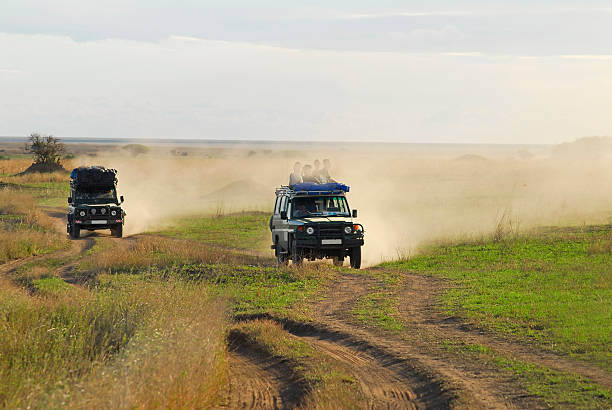
- Transportation: You’ll travel in a sturdy 4×4 safari vehicle (Land Cruiser or Land Rover) with a pop-up roof for game viewing. These vehicles are designed for rough terrain and offer excellent visibility. Your driver-guide is crucial; they are experienced in spotting wildlife and navigating the parks.
- Game Drives: Game drives are usually conducted in the early morning and late afternoon, the best times for wildlife activity. Expect to spend several hours each day in the vehicle, searching for animals. The pace is slower during game drives as you scan the environment.
- Group Dynamics: If you opt for a shared safari, you’ll be traveling with other like-minded individuals. This can be a great way to meet people and share experiences. Be prepared to be flexible and cooperative within the group.
- Facilities: Inside the parks, facilities are generally basic. There are often designated picnic areas and sometimes small visitor centers. Expect limited mobile phone signal in most park areas.
- Wildlife Encounters: While Tanzania boasts incredible wildlife density, sightings are never guaranteed. Your guide’s expertise is vital. Be patient, and enjoy every sighting, big or small.
Typical Inclusions and Exclusions
Understanding what’s included in your safari package is crucial for budgeting. Always clarify this with your tour operator.
Common Inclusions on Budget Safaris
- Park entrance fees (for the specified parks and duration)
- Crater service fees (for Ngorongoro)
- Accommodation (camping or budget lodges as per itinerary)
- All meals during the safari (breakfast, lunch, dinner)
- Safari vehicle hire (4×4 with pop-up roof)
- Professional English-speaking driver-guide
- Bottled water during game drives
- Camping equipment (tents, sleeping bags, mats if camping)
- One-way or round trip transfer from Moshi to the start of the safari and back.
Common Exclusions on Budget Safaris
- International and domestic flights
- Visa fees
- Travel insurance (highly recommended)
- Tips for the driver-guide and cook
- Personal expenses (souvenirs, drinks other than water, laundry)
- Optional activities not listed in the itinerary (e.g., walking safaris, cultural visits unless specified)
- Gratuities for lodge/camp staff (if applicable)
- Vaccinations and medical expenses
Packing and Preparation for Your Safari
Packing smart is essential for comfort and practicality on a budget safari. Focus on lightweight, versatile items.
Essential Packing List for a Student Budget Safari
- Clothing:
- Neutral-colored clothing (khaki, beige, olive green) – avoids startling wildlife.
- Lightweight long-sleeved shirts and trousers (for sun and insect protection).
- T-shirts and shorts for warmer days.
- A warm fleece or jacket for cool mornings and evenings.
- Rain jacket or poncho (especially if traveling during rainy seasons).
- Swimsuit (if your accommodation has a pool).
- Footwear:
- Comfortable walking shoes or hiking boots (if doing any walking).
- Sandals or flip-flops for relaxing at camp/lodge.
- Accessories:
- Sun hat with a wide brim.
- Sunglasses.
- High SPF sunscreen.
- Insect repellent (with DEET).
- Binoculars (essential for spotting wildlife).
- Camera with extra batteries and memory cards.
- Headlamp or flashlight.
- Reusable water bottle.
- Small backpack for day use.
- Travel adapter (Type G plug, 13A, 230V).
- Personal toiletries (biodegradable if possible).
- Basic first-aid kit (band-aids, antiseptic wipes, pain relievers, any personal medication).
- Hand sanitizer.
- Copies of important documents (passport, visa, insurance).
- Documents & Money:
- Passport (with at least 6 months validity).
- Visa for Tanzania (obtain in advance or on arrival).
- Yellow fever vaccination certificate (if required).
- Travel insurance details.
- Cash for tips and personal expenses (USD is widely accepted for tips, Tanzanian Shillings for local purchases).
Preparation Tips:
- Vaccinations and Health: Consult your doctor or a travel clinic 4-6 weeks before your trip regarding necessary vaccinations (e.g., Yellow Fever, Hepatitis A, Typhoid) and malaria prophylaxis.
- Travel Insurance: Ensure your insurance covers medical emergencies, evacuation, and trip cancellation.
- Physical Fitness: While safaris are not physically demanding, being reasonably fit will enhance your comfort. If you’re combining safari with Kilimanjaro, proper training is essential.
- Learn Basic Swahili Phrases: A few words like ‘Jambo’ (Hello), ‘Asante’ (Thank you), and ‘Karibu’ (Welcome) are always appreciated.
Common Mistakes to Avoid on a Budget Safari
To ensure your student budget safari from Moshi is successful, be aware of potential pitfalls:
- Focusing Solely on Price: The cheapest option might compromise on vehicle quality, guide experience, or safety. Look for value, not just the lowest price. A slightly more expensive but reputable operator can make a big difference.
- Not Clarifying Inclusions: Assuming everything is included can lead to unexpected costs. Always get a detailed breakdown of what your package covers.
- Underestimating Park Fees: Park fees are a significant part of the safari cost. Be aware of the daily fees for each park, especially the Ngorongoro Crater fees, which are substantial.
- Packing Too Much: Luggage space in safari vehicles can be limited, especially with camping gear. Pack light and efficiently. Soft duffel bags are often preferred over hard suitcases.
- Ignoring the Weather: Traveling during the wrong season without adequate rain gear or sun protection can make the experience uncomfortable.
- Not Tipping Appropriately: Tips are a significant part of income for guides and cooks. Factor this into your budget.
- Expecting Luxury: Budget safaris are about the experience of nature. Manage your expectations regarding accommodation and dining.
- Booking Last Minute: While flexibility is good, booking popular budget options (especially shared tours) well in advance for 2026 or 2027 is wise, particularly during peak seasons or if you have specific dates.
Who is a Student Budget Safari From Moshi Best For?
This type of safari is ideal for:
- Students and Backpackers: Those on a tight budget looking for an authentic African wildlife experience.
- Young Adventurers: Travelers in their late teens to early thirties seeking excitement and exploration.
- Solo Travelers: Joining a group safari is an excellent way for solo travelers to experience Tanzania affordably and safely.
- First-Time Safari Goers: It offers a great introduction to the wonders of safari without a prohibitive cost.
- Travelers Combining with Kilimanjaro: Many who climb Kilimanjaro from Moshi opt for a short, budget-friendly safari afterward.
- Those Prioritizing Wildlife Over Luxury: Travelers who value seeing animals and experiencing nature over high-end amenities.
Alternatives to a Traditional Budget Safari
If a multi-day camping safari isn’t quite what you’re looking for, or if your budget is even tighter, consider these alternatives:
- Day Trips from Moshi:
- Arusha National Park Day Trip: This is the most feasible and affordable day safari option from Moshi. You can see Mount Meru, crater lakes, and diverse wildlife like giraffes and monkeys. It’s a full day of activity and much cheaper than multi-day tours.
- Cultural Tours: While not a wildlife safari, visiting local villages, coffee plantations, or waterfalls near Moshi offers cultural immersion and is very budget-friendly.
- Focusing on Fewer Parks: Instead of the classic circuit, you could focus on just one or two parks that offer excellent value, like a 2-day Tarangire or Lake Manyara trip.
- Self-Drive (Not Recommended for Budget Safaris): While possible in some African countries, self-driving in Tanzania is generally not recommended for tourists due to road conditions, navigation challenges, and the need for specific permits and expertise. It’s also not typically more cost-effective for short trips when factoring in vehicle rental, fuel, and park permits.
- Slightly Higher Budget for Budget Lodges: If camping isn’t for you, inquire about safaris that use budget lodges or guesthouses. This will increase the cost but offers more comfort.
Planning Your 2026-2027 Safari: Key Considerations
Planning ahead is crucial for securing the best deals and ensuring a smooth experience for your student budget safari from Moshi in the upcoming years.
- Book in Advance (Especially for Peak Times): While budget safaris can be more flexible, booking 3-6 months in advance for 2026 or 2027 is advisable, especially if you have specific dates or want to join a pre-scheduled group tour. This allows operators to plan logistics and secure resources.
- Research Tour Operators: Look for operators based in Moshi that specialize in budget or student tours. Read reviews, check their responsiveness, and ask detailed questions about their itineraries and inclusions.
- Group Size Matters: If you’re traveling solo, look for tours that are already forming groups or are open to joining existing ones. This is the most effective way to reduce per-person costs. If you have a small group of friends, you can often get a better group rate.
- Be Flexible with Dates: If your schedule allows, traveling during the shoulder seasons or low season (March-May) for 2026-2027 will yield the best prices.
- Understand Park Fee Structures: Be aware that park fees are typically charged per person, per 24-hour period, plus vehicle fees. This is a fixed cost that doesn’t change much with the season, but it’s a major component of the overall price.
- Budget for Tips: Tipping is customary. For a 3-day safari, budget around $10-20 per day for your guide and cook combined, paid at the end of the safari. For longer trips, adjust accordingly.
- Visa and Flight Bookings: Ensure your passport is valid and research Tanzania’s visa requirements for your nationality. Book your international flights to Kilimanjaro International Airport (JRO) well in advance for better fares.
Booking Your Student Budget Safari from Moshi
Securing your safari is the final step. Here’s how to do it effectively:
- Identify Potential Operators: Search online for tour operators in Moshi offering budget or student safaris. Look for those with good online reviews and clear website information.
- Request Detailed Quotes: Contact 2-3 operators with your desired dates, itinerary (or ask for recommendations), and group size. Request a detailed quote outlining all inclusions and exclusions.
- Ask Specific Questions: Don’t hesitate to ask about the type of vehicle, guide experience, camping facilities, food quality, and cancellation policies.
- Compare Offers: Evaluate quotes based not just on price but also on what’s included, the operator’s reputation, and their communication clarity.
- Confirm Itinerary and Inclusions: Before booking, ensure you have a clear, written itinerary and a list of everything included in the price.
- Payment Terms: Most operators will require a deposit (often 30-50%) to confirm your booking, with the balance due before or upon arrival. Understand their payment methods (bank transfer, online payment platforms).
- Get a Written Agreement: Ensure you receive a booking confirmation with all details, terms, and conditions in writing.
Contact Us for Your Student Budget Safari!
Ready to plan your unforgettable student budget safari from Moshi for 2026 or 2027? We specialize in creating affordable, high-quality safari experiences tailored for students and young travelers. Let us help you craft the perfect adventure. Reach out to us:
- WhatsApp: +255616946642
- Email: topguideadventures@gmail.com
- Backup Email: info@topguideadventures.com
We look forward to helping you explore the incredible wildlife of Tanzania!
Frequently Asked Questions (FAQs)
1. Is a budget safari safe for students?
Yes, budget safaris conducted by reputable operators are safe. Safety is a top priority for all responsible tour companies. They use experienced guides, well-maintained vehicles, and follow park regulations. It’s crucial to choose a licensed and well-reviewed operator. Traveling in groups also enhances safety.
2. How much does a student budget safari from Moshi typically cost?
Exact prices vary greatly based on duration, parks visited, and group size. However, for a 3-day camping safari, you might expect prices to range from approximately $150-$250 per person per day. A 5-day safari could range from $120-$200 per person per day. Always get custom quotes. Prices for 2026-2027 are likely to follow similar trends, with potential slight increases.
3. Can I book a safari as a solo traveler on a budget?
Absolutely! Solo travelers are very common on budget safaris. You can join scheduled group departures, which is the most economical way to travel solo. This allows you to share costs for the vehicle and guide, significantly reducing your individual expense.
4. What if I want to see the Great Migration?
The Great Migration is primarily associated with Serengeti National Park. For short, budget safaris from Moshi, including the Serengeti is usually not feasible due to time and cost constraints. If seeing the migration is a priority, you would need a longer, more expensive safari, likely focused solely on Serengeti and potentially Masai Mara (Kenya).
5. What is the difference between camping and budget lodge safaris?
Camping safaris involve sleeping in tents at designated campsites, which are more basic but offer a closer-to-nature experience and are generally cheaper. Budget lodge safaris use simple, clean lodges or guesthouses, offering more comfort (like private bathrooms and beds) but at a higher cost.
6. Do I need special gear for a budget safari?
You don’t need specialized safari gear. The essential items are comfortable, neutral-colored clothing, a warm layer, a rain jacket, sun protection, and good walking shoes. Binoculars are highly recommended for spotting wildlife. Your tour operator will provide camping equipment if you opt for a camping safari.
7. How much should I tip my safari guide and cook?
Tipping is customary and appreciated. For a 3-day safari, a tip of $30-$60 total for the guide and cook is a good starting point. For longer safaris, budget around $10-$20 per person per day. It’s usually given in USD at the end of the safari.
8. Can I customize a student budget safari from Moshi?
Yes, most operators are happy to customize itineraries. You can often adjust the duration, parks visited, or accommodation style to fit your budget and interests. Communicate your needs clearly when requesting a quote for your 2026 or 2027 trip.
9. What are the park fees for the Northern Circuit parks?
Park fees are substantial and vary. For example, Tarangire and Lake Manyara typically have fees around $50-$60 per person per day. Ngorongoro Crater fees are significantly higher, including a conservation fee and a crater service fee, often totaling over $200-$300 per vehicle plus per person fees for the day. Arusha National Park is generally more affordable.
10. What is the best way to book a budget safari for 2026-2027?
The best approach is to research reputable tour operators based in Moshi, get detailed quotes, compare offers, and book directly with them. Look for operators with clear communication and positive reviews. Contacting us at +255616946642 or topguideadventures@gmail.com is a great starting point for planning your affordable student budget safari from Moshi.
Plan your Student Budget Safari From Moshi with Top Guide Adventures
Tell us your travel dates, group size, comfort level, and dream experience. We will help you shape a clear, realistic, and memorable Tanzania itinerary.







 Veedesigner
 Fatma Kizanga
 Benjamin Waryuba
 Philip Philip
 John jr Itaja
 Antonia Optatus
 Edith Kanyere
 Neema Iddy
 Kelvin Boniphace
 Damari Maiga



