
Updated planning guide for 2026-2027
Tanzania Border Travel Checklist: Complete Guide 2026-2027
Planning a trip to Tanzania and crossing its borders? This extensive checklist covers everything you need for a smooth journey, from visa requirements and health precautions to packing essentials and cultural etiquette. Prepare for your Tanzanian adventure with confidence.
WhatsApp +255616946642 | topguideadventures@gmail.com | info@topguideadventures.com
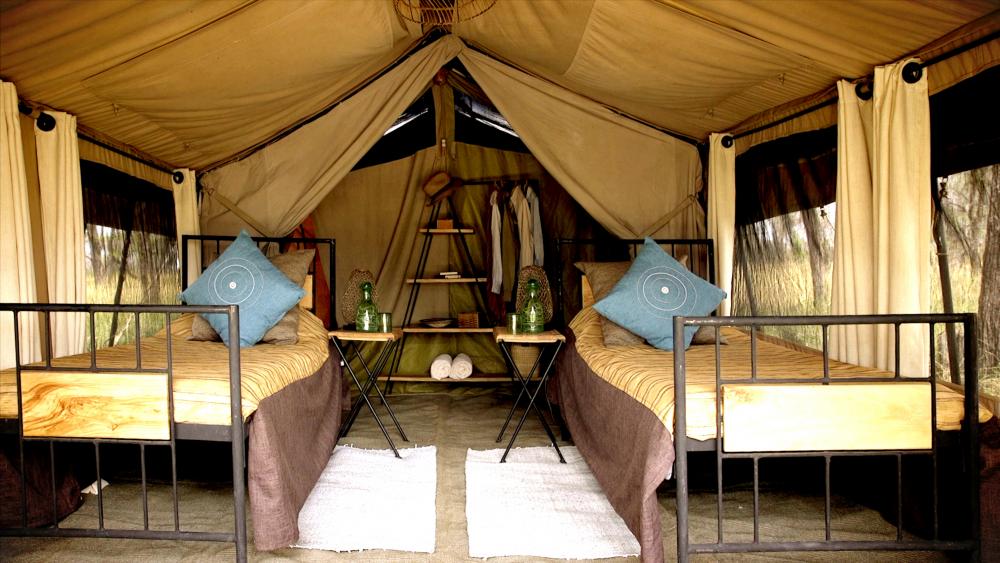
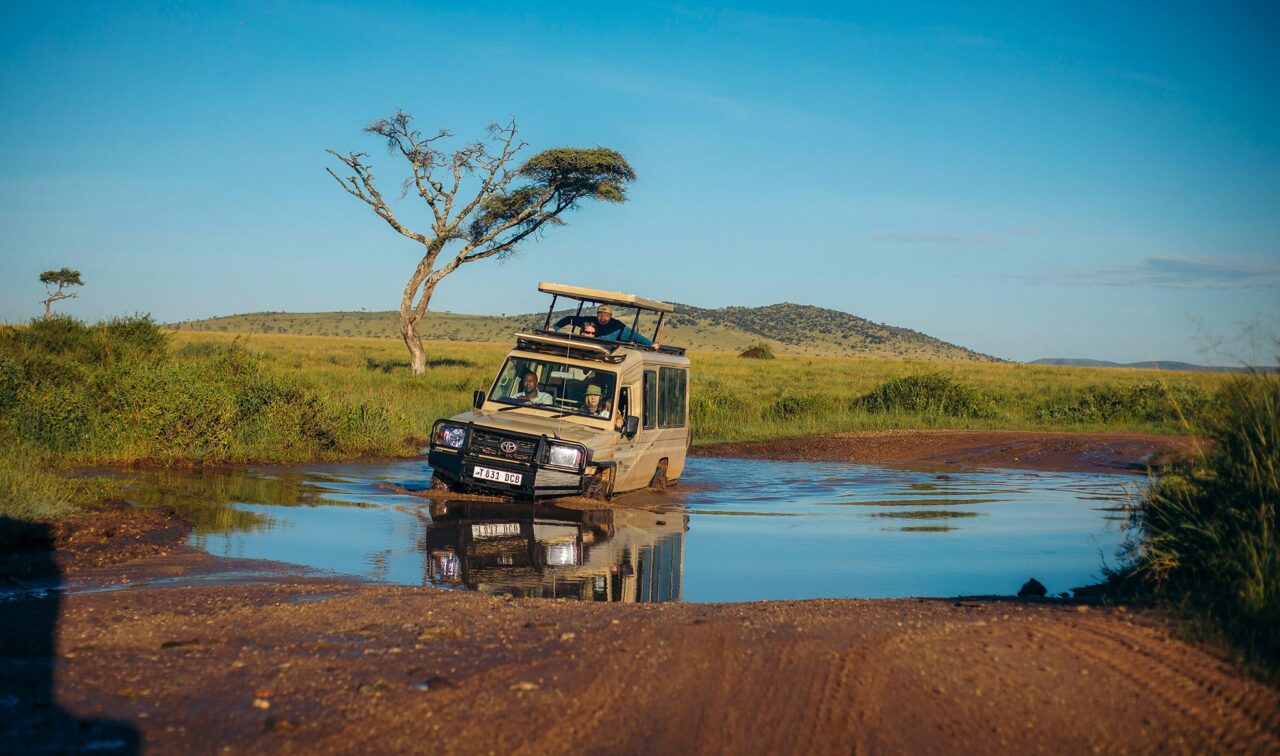
Tanzania Border Travel Checklist: Your Ultimate Planning Companion
Navigating the borders of Tanzania for your adventure, whether it’s a thrilling safari, a challenging Kilimanjaro climb, or a relaxing Zanzibar holiday, requires careful preparation. This detailed Tanzania border travel checklist is designed to equip you with all the necessary information for a stress-free entry and a memorable experience. From understanding visa requirements and health protocols to packing smart and respecting local customs, we cover every crucial detail for your 2026-2027 travels.
Quick Answers for Border Crossings
What are the main border crossing points? Major land borders include those with Kenya (Namanga, Sirari), Uganda (Mutukula), Rwanda (Rusumo), Burundi (Kobero), Malawi (Kavuu), and Zambia (Tunduma). Air travel through Kilimanjaro International Airport (JRO), Julius Nyerere International Airport (DAR), or Abeid Amani Karume International Airport (ZNZ) are common entry points.
Do I need a visa for Tanzania? Most nationalities require a visa. You can apply online (e-visa), at a Tanzanian embassy/consulate abroad, or upon arrival at major entry points, though online application is recommended.
What vaccinations are required? Yellow Fever vaccination is mandatory for travelers arriving from or transiting through endemic countries. Other recommended vaccinations include Hepatitis A, Typhoid, and routine vaccines. Consult your doctor well in advance.
What currency can I use? The Tanzanian Shilling (TZS) is the official currency. USD is widely accepted for park fees, larger accommodations, and tours, but carrying some Shillings is essential for smaller purchases.
Table of Contents
- Quick Facts for Tanzania Border Entry
- Understanding Tanzania’s Borders and Entry Points
- Why a Detailed Tanzania Border Travel Checklist is Crucial
- Best Time to Visit Tanzania (and Border Considerations)
- Key Entry Points: A Simplified Overview
- Visa Requirements: What You Need to Know
- Health and Vaccination Requirements
- Currency and Money Matters at the Border
- Customs and Declarations
- Essential Packing List for Border Crossing and Beyond
- Mandatory Documents Checklist
- Travel Insurance: A Non-Negotiable Item
- Cultural Etiquette and Border Interactions
- Common Mistakes to Avoid at the Border
- Who Needs This Tanzania Border Travel Checklist?
- Considering Alternatives to Land Border Crossings
- Planning Your 2026-2027 Tanzania Trip: Border Focus
- Booking Your Tanzania Adventure: Expert Tips
- Frequently Asked Questions (FAQs)
Quick Facts for Tanzania Border Entry
| Aspect | Details |
|---|---|
| Visa Policy | Most nationalities require a visa. E-visa recommended. |
| Yellow Fever Certificate | Mandatory if arriving from or transiting through endemic countries. |
| Currency | Tanzanian Shilling (TZS). USD widely accepted for tourist services. |
| Language | Swahili (official), English (widely spoken in tourism). |
| Driving Side | Left. |
| Electrical Plug Type | Type D and G. Voltage: 230V. |
| Emergency Number | 112 or 114. |
Understanding Tanzania’s Borders and Entry Points
Tanzania, a vast East African nation, shares its borders with eight countries: Kenya, Uganda, Rwanda, Burundi, Democratic Republic of Congo, Zambia, Malawi, and Mozambique. Each border crossing presents a unique experience, influenced by local infrastructure, traffic, and the primary purpose of travel. While air travel into major hubs like Kilimanjaro (JRO), Dar es Salaam (DAR), and Zanzibar (ZNZ) is the most convenient for international visitors, land border crossings are common for those combining Tanzania with neighboring countries or seeking a more budget-friendly or adventurous entry.
Land Borders:
- Kenya: Namanga is the primary crossing for road traffic between Arusha and Nairobi. Sirari is another, often used for routes towards Lake Victoria.
- Uganda: Mutukula is the main crossing point, connecting to Kampala.
- Rwanda: Rusumo border post is the gateway between Rwanda and Tanzania.
- Zambia: Tunduma is a significant crossing, facilitating travel between Tanzania and Zambia.
- Malawi: Kavuu border post connects Tanzania and Malawi.
Airports:
- Kilimanjaro International Airport (JRO): The gateway for most Northern Circuit safaris and Kilimanjaro climbs.
- Julius Nyerere International Airport (DAR): The main international airport in the capital, Dar es Salaam, serving Southern Circuit safaris and coastal destinations.
- Abeid Amani Karume International Airport (ZNZ): Serves the popular island destination of Zanzibar.
Why a Detailed Tanzania Border Travel Checklist is Crucial
A comprehensive Tanzania border travel checklist is not just a suggestion; it’s a necessity for a smooth and enjoyable trip. Overlooking a single crucial document or requirement can lead to significant delays, unexpected costs, or even being denied entry. This is particularly true when crossing land borders, where procedures can sometimes be less streamlined than at international airports. For travelers heading on safaris in the Serengeti or Tarangire, climbing Mount Kilimanjaro, or relaxing on Zanzibar’s beaches, ensuring all border formalities are in order from the outset sets a positive tone for the entire journey.
A well-prepared traveler avoids the stress of last-minute rushes, potential fines, or being caught off guard by specific local regulations. It allows you to focus on the incredible experiences Tanzania offers, rather than worrying about administrative hurdles. For 2026 and 2027, staying updated on any changes in visa policies, health advisories, or border procedures is also part of this essential preparation.
Best Time to Visit Tanzania (and Border Considerations)
Tanzania can be visited year-round, but the best time for your trip depends on your priorities. Understanding seasonality is key to maximizing your safari experience, trek conditions, or beach relaxation, and it can also subtly influence border crossing experiences.
- Dry Seasons (June to October, and January to February): Ideal for safaris as animals congregate around water sources, and game viewing is excellent. This is also the prime season for Kilimanjaro treks due to clearer skies and stable weather. Popularity means borders might be busier, especially Namanga.
- Green Seasons (March to May, and November to December): Lush landscapes, fewer crowds, and lower prices. March to May can see heavy rains, particularly in the north, which might affect road conditions at land borders. Birdwatching is excellent. January and February offer a brief dry spell within the longer green period, great for calving season on the plains.
Border Considerations: During peak dry seasons (June-Oct), expect busier land borders due to increased tourist movement. Rainy seasons might see some delays at land crossings due to road conditions, though major routes are usually well-maintained. Always check current conditions if traveling during the extended rainy periods.
Key Entry Points: A Simplified Overview
While a detailed map isn’t feasible in this format, understanding the geographical location of key entry points helps in planning your route.
| Entry Point | Country Connected | Primary Access To/From | Notes |
|---|---|---|---|
| Namanga | Kenya | Arusha (Tanzania) Nairobi (Kenya) | Busiest land border, paved road. |
| Mutukula | Uganda | Mwanza/Bukoba (Tanzania) Kampala (Uganda) | Connects to Lake Victoria region. |
| Rusumo | Rwanda | Kigoma (Tanzania) Kigali (Rwanda) | Connects to western Tanzania. |
| Tunduma | Zambia | Mbeya (Tanzania) Lusaka (Zambia) | Major southern corridor crossing. |
| JRO | N/A (Airport) | Arusha, Northern Safari Circuit, Kilimanjaro | International airport. |
| DAR | N/A (Airport) | Dar es Salaam, Southern Safari Circuit, Zanzibar Ferry | Main international airport. |
| ZNZ | N/A (Airport) | Zanzibar Archipelago | International airport for island access. |
Visa Requirements: What You Need to Know
Securing the correct visa is a fundamental part of your Tanzania border travel checklist. Visa policies can change, so always verify the latest requirements with the official Tanzanian immigration website or your local Tanzanian embassy/consulate.
Who Needs a Visa? Most foreign nationals require a visa to enter Tanzania for tourism, business, or transit. Exceptions may apply to citizens of certain East African Community countries.
Types of Visas:
- Tourist Visa: For individuals visiting for tourism purposes. Usually valid for 30-90 days.
- Multiple Entry Visa: Can be useful if you plan to exit and re-enter Tanzania, for example, a short trip to Zanzibar from the mainland, or a brief visit to a neighboring country.
- Business Visa: For those entering for business meetings or consultations.
- Transit Visa: For short stays while passing through Tanzania to another destination.
Application Methods:
- Online (E-Visa): This is the recommended method for most travelers. The official Tanzanian e-visa portal allows you to apply and pay online. Processing times can vary, so apply well in advance of your travel dates.
- On Arrival: Available at major international airports (JRO, DAR, ZNZ) and some land borders. However, this can lead to longer queues and potential processing issues. It’s generally advisable to secure your visa beforehand.
- At Tanzanian Embassies/Consulates: You can apply in person or by mail at a Tanzanian diplomatic mission in your home country or a third country.
Required Information for Application: Be prepared to provide details such as your passport information, travel itinerary, accommodation details, proof of onward travel, and passport-sized photos. For e-visa applications, ensure you have a clear scan of your passport’s bio-data page.
Cost: Visa fees vary by nationality and visa type. Check the official e-visa website for current fees. For example, US citizens often pay a higher fee for a multiple-entry visa.
Important Note for 2026-2027: Always check the latest e-visa portal for the most accurate and up-to-date information regarding visa types, fees, and processing times. Regulations can be updated without extensive notice.
Health and Vaccination Requirements
Your health is paramount. This section of the Tanzania border travel checklist addresses essential health considerations.
Mandatory Vaccinations:
- Yellow Fever: A certificate of vaccination against Yellow Fever is mandatory for all travelers aged one year or older arriving from, or transiting for more than 12 hours through, a country with a risk of Yellow Fever transmission. This includes many African and South American countries. Present your certificate upon arrival. If you are arriving from a country without Yellow Fever risk and have not transited through one, you may not be asked for it, but it’s best to have it if your travel route warrants it.
Recommended Vaccinations: Consult your doctor or a travel clinic 4-6 weeks before your trip. They may recommend vaccinations for:
- Hepatitis A
- Typhoid
- Hepatitis B
- Rabies
- Polio
- Tetanus/Diphtheria
- Measles, Mumps, Rubella (MMR)
Malaria Prevention: Malaria is present in most parts of Tanzania, especially at lower altitudes and along the coast. Discuss malaria prophylaxis with your doctor. Methods include daily or weekly pills. Using insect repellent (with DEET), wearing long sleeves and trousers at dusk and dawn, and sleeping under a mosquito net are also vital preventive measures.
Other Health Advice:
- Water and Food Safety: Drink only bottled or purified water. Avoid ice in drinks unless you are sure it’s made from purified water. Eat well-cooked food and peel fruits and vegetables yourself. Be cautious with street food.
- Sun Protection: The sun can be intense. Use high-SPF sunscreen, wear a hat, and sunglasses.
- Altitude Sickness: If climbing Kilimanjaro, be aware of the risks of Acute Mountain Sickness (AMS). Ascend slowly, stay hydrated, and inform your guide of any symptoms.
- First-Aid Kit: Pack a personal first-aid kit with essentials like pain relievers, antiseptic wipes, bandages, anti-diarrhea medication, and any personal prescriptions.
Currency and Money Matters at the Border
Understanding currency exchange and payment methods is crucial for a smooth border crossing and initial expenses.
Official Currency: The Tanzanian Shilling (TZS) is the official currency. It’s advisable to have some Shillings on hand for smaller purchases, local transport, and tips, especially when crossing land borders.
US Dollars (USD): US Dollars are widely accepted and often preferred for major tourist expenses like park fees, safari packages, and accommodation in tourist areas. It’s best to carry newer, crisp USD bills (issued after 2009) as older notes may not be accepted. Smaller denominations are useful for tips or smaller purchases.
Exchange Rates: Exchange rates fluctuate. You can exchange money at banks, authorized forex bureaus, and some hotels. Avoid exchanging money with unofficial individuals at borders, as you may get a poor rate or encounter counterfeit currency.
ATMs: ATMs are available in major towns and cities (Arusha, Dar es Salaam, Mwanza). They typically dispense TZS. Inform your bank about your travel plans to ensure your cards are not blocked.
Credit Cards: Major credit cards (Visa, MasterCard) are accepted at larger hotels, lodges, and some tour operators. However, they may not be accepted everywhere, especially in smaller establishments or at remote border posts. Always have a backup payment method.
Border Transactions: At land borders, you may need TZS for initial entry fees, local transport, or small vendors. USD might be accepted for visa fees if paid on arrival, but it’s safer to have TZS or apply for an e-visa beforehand.
Customs and Declarations
Navigating customs is a standard part of border procedures. Here’s what to expect:
What You Can Bring In:
- Personal effects: Clothing, toiletries, cameras, binoculars, personal electronics.
- Gifts: Small gifts are usually allowed, but large quantities may attract attention.
- Medicines: Personal medication with a doctor’s prescription is permitted.
Prohibited Items:
- Narcotics and illegal drugs.
- Weapons and ammunition (unless declared and permitted with special authorization).
- Pornographic materials.
- Plastic bags: Tanzania has a ban on single-use plastic bags. While this primarily targets locally distributed items, it’s wise to avoid bringing significant quantities of plastic bags into the country.
Items to Declare:
- Large amounts of currency (exceeding USD 10,000 or equivalent).
- Commercial goods.
- Alcohol and tobacco: While small personal quantities are usually tolerated, exceeding limits may require declaration and duty payment.
- Firearms.
Declare Honestly: It’s always best to declare anything that might be questionable. Honesty prevents potential fines or confiscation.
Essential Packing List for Border Crossing and Beyond
While your main packing list will be extensive for safaris or Kilimanjaro, here are items particularly useful for border crossings and the initial phase of your trip.
| Category | Item | Notes |
|---|---|---|
| Documents & Money | Passport | Valid for at least 6 months beyond your stay, with blank pages. |
| Visa Documents | Printed e-visa confirmation or visa sticker. | |
| Yellow Fever Certificate | Original copy. | |
| Cash (USD & TZS) | Small denominations for immediate expenses. | |
| Health & Personal Care | Hand Sanitizer | Essential for hygiene. |
| Face Masks | Optional but useful in crowded areas. | |
| Basic First-Aid Kit | Including personal medications. | |
| Electronics | Power Bank | For charging devices on the go. |
| Universal Travel Adapter | With surge protection. | |
| Miscellaneous | Pen | For filling out forms. |
| Miscellaneous | Snacks | For long waits at borders. |
Mandatory Documents Checklist
This is the most critical part of your Tanzania border travel checklist. Ensure you have originals and copies.
- Passport: Must be valid for at least six months beyond your intended stay and have at least two blank pages for stamps and visas.
- Visa: Printed confirmation of your e-visa, or visa sticker if obtained previously. If applying on arrival, have the necessary application forms ready.
- Yellow Fever Vaccination Certificate: Mandatory if required based on your travel history. Carry the original document.
- Flight Itinerary/Onward Ticket: Proof of your departure from Tanzania.
- Accommodation Details: Address and contact information for your first night’s stay.
- Travel Insurance Policy: Details of your insurance provider and emergency contact number.
- Driver’s License/International Driving Permit (IDP): If you plan to rent a vehicle.
- Copies of Important Documents: Keep digital and physical copies of your passport, visa, and insurance separate from the originals.
Travel Insurance: A Non-Negotiable Item
Comprehensive travel insurance is essential for any trip to Tanzania, especially when planning for 2026-2027. It provides a safety net for unexpected events.
What to Look For:
- Medical Coverage: Ensure it covers emergency medical expenses, hospitalization, and medical evacuation, including to your home country if necessary. This is vital for remote areas and potential adventure activities.
- Trip Cancellation/Interruption: Covers losses if you have to cancel or cut short your trip due to unforeseen circumstances (illness, family emergency, etc.).
- Baggage Loss/Delay: Covers lost, stolen, or delayed luggage.
- Adventure Activities: If you are trekking Kilimanjaro or participating in other adventurous activities, ensure your policy specifically covers these. Standard policies may exclude them.
- Repatriation of Remains: A grim but necessary consideration.
Provider: Choose a reputable insurance provider with good customer service and a strong track record in handling claims. Many tour operators partner with insurance providers or can recommend suitable policies.
Cultural Etiquette and Border Interactions
Tanzania is known for its friendly people. Understanding local customs will make your interactions at the border and beyond more pleasant.
Respect and Politeness: Always be polite and respectful to immigration officers, customs officials, and local people. A smile and a friendly greeting go a long way.
Dress Code: While not strictly enforced at borders for transit, modest dress is appreciated in Tanzania. Avoid overly revealing clothing, especially when interacting with officials. This includes shorts and tank tops.
Photography: Always ask permission before taking photos of people, especially officials or at border posts. Some areas may prohibit photography.
Bargaining: While not typically done at official border checkpoints for fees, bargaining is common in markets. Do so politely and with a smile.
Patience: Border crossings, especially land borders, can sometimes be slow. Patience and a calm demeanor are your best assets.
Common Mistakes to Avoid at the Border
Learning from others’ experiences can help you avoid common pitfalls.
- Arriving with Insufficient Documents: Missing a visa, expired passport, or lacking the Yellow Fever certificate are primary reasons for denial of entry or significant delays.
- Carrying Prohibited Items: Not declaring items or attempting to bring in banned substances (like plastic bags) can lead to confiscation or fines.
- Using Unofficial Money Changers: This can result in receiving fake currency or being short-changed. Always use official banks or forex bureaus.
- Being Impatient or Rude: This can complicate your interactions with officials and potentially cause unnecessary issues.
- Not Having Enough Local Currency: Expecting USD to cover absolutely everything, especially smaller, immediate needs, can be a mistake.
- Outdated Information: Relying on outdated visa or health advice without checking official sources for 2026-2027 travel.
- Underestimating Time: Assuming a border crossing will be quick. Allocate ample time, especially for land borders.
Who Needs This Tanzania Border Travel Checklist?
This comprehensive Tanzania border travel checklist is designed for a wide range of travelers:
- First-time visitors to Tanzania: For those unfamiliar with the country’s entry procedures.
- Independent travelers: Individuals planning their own itinerary and managing border crossings themselves.
- Budget travelers: Those likely to use land borders to save costs or combine trips with neighboring countries.
- Safari-goers: Ensuring smooth entry before heading to parks like the Serengeti, Ngorongoro, or Tarangire.
- Kilimanjaro trekkers: Getting through the border efficiently to begin their ascent preparation.
- Zanzibar holidaymakers: Whether flying directly or arriving via ferry from the mainland.
- Travelers combining Tanzania with neighboring countries: Such as Kenya, Uganda, or Rwanda.
- Anyone seeking peace of mind: Knowing all bases are covered for a stress-free start to their adventure.
Considering Alternatives to Land Border Crossings
While land borders offer a unique experience and can be cost-effective, several alternatives cater to different travel preferences.
- International Flights: The most direct and convenient way to enter Tanzania is via international flights into Kilimanjaro International Airport (JRO), Julius Nyerere International Airport (DAR), or Abeid Amani Karume International Airport (ZNZ). This bypasses land border procedures entirely.
- Regional Flights: If you are traveling from another African country, regional flights can connect you to Tanzania’s major airports.
- Ferry from Zanzibar to Mainland (and vice-versa): If you are already in Tanzania and wish to travel between the islands and the mainland (e.g., from Zanzibar to Dar es Salaam), the ferry is a common and efficient mode of transport. While not a border crossing in the international sense, it involves checks and ticket purchases.
When to Choose Alternatives: If time is limited, you prefer maximum comfort, or you are not comfortable with the potential complexities of land border crossings, flying directly into Tanzania is the best option.
Planning Your 2026-2027 Tanzania Trip: Border Focus
Planning ahead is key for a successful trip in 2026-2027. Integrating your border requirements into your overall plan ensures a smooth transition.
Timeline:
- 12+ Months Before: Research destinations, best times to visit, and potential visa/health requirements. Start saving.
- 6-9 Months Before: Book international flights. Book popular accommodations or Kilimanjaro climbs, as these fill up quickly.
- 3-4 Months Before: Apply for your Tanzanian visa online (e-visa). Schedule appointments for any necessary vaccinations. Purchase travel insurance.
- 1-2 Months Before: Confirm all bookings. Pack your bags, ensuring you have all required documents.
- 1-2 Weeks Before: Exchange some currency. Make copies of all important documents. Inform your bank about your travel dates.
- On Arrival: Have your passport, visa, and Yellow Fever certificate ready.
Specific Considerations for 2026-2027:
- Visa Policy Updates: Keep an eye on the official Tanzanian immigration website for any changes to visa requirements or fees for 2026-2027.
- Health Advisories: Stay informed about any new health recommendations or advisories from your national health organization or the WHO.
- Travel Insurance: Ensure your policy is comprehensive and covers the specific activities planned for your 2026-2027 trip.
Booking Your Tanzania Adventure: Expert Tips
Choosing the right tour operator can simplify your border planning and overall trip. Here’s how to make informed decisions for your 2026-2027 adventure.
Choose a Reputable Operator: Look for operators with a strong online presence, positive reviews, and clear communication channels. We at Best Tanzania Tour Operator pride ourselves on offering transparent services and expert guidance.
Clarify Inclusions and Exclusions: Understand exactly what your tour package covers. This often includes park fees, accommodation, guide services, and meals. Visa fees, international flights, travel insurance, tips, and personal expenses are typically excluded.
Visa and Health Assistance: A good tour operator will provide guidance on visa applications and health recommendations, even if they don’t handle them directly. They can advise on the best entry points for your itinerary.
Customization: If you have specific interests or a unique route in mind, opt for an operator that offers custom itineraries. This is ideal for those planning complex border crossings or multi-country trips.
Payment Terms: Understand the deposit requirements, payment schedules, and cancellation policies. Reputable operators will have clear terms and conditions.
Communication is Key: Don’t hesitate to ask questions. A good operator will be responsive and helpful. For a Tanzania border travel checklist that integrates perfectly with your tour, communicate your plans early.
Contact Us: For personalized safari, Kilimanjaro, or Zanzibar holiday planning for 2026-2027, reach out to our expert team. We can help tailor an itinerary that includes seamless border considerations.
Ready to Plan? Let us help you craft your perfect Tanzanian adventure. Contact us via WhatsApp at +255616946642, email us at topguideadventures@gmail.com, or info@topguideadventures.com.
Frequently Asked Questions (FAQs)
1. Can I get a visa on arrival at all Tanzanian land borders?
Visa on arrival is typically available at major international airports and some busy land border crossings. However, it is strongly recommended to apply for an e-visa online in advance for a smoother experience, especially for land borders where processing might be slower or less predictable. Always verify the specific border post’s capabilities.
2. What happens if I don’t have the required Yellow Fever certificate?
If you are arriving from or have transited through a Yellow Fever risk country and do not possess a valid certificate, you may be denied entry, required to get vaccinated at the border (which can be costly and time-consuming), or be subject to quarantine measures. Ensure you meet the requirements well before your trip.
3. How much cash should I carry for border crossings?
For land borders, carrying approximately $100-$200 USD in smaller denominations (for visa fees if applicable, initial transport, and small purchases) and a small amount of Tanzanian Shillings (TZS) is advisable. Larger amounts can be exchanged at banks or forex bureaus once you reach a town.
4. Can I use my credit card at land borders?
It is highly unlikely that you will be able to use credit cards at land border immigration or customs offices for official fees. Many small vendors near borders might also not accept cards. It’s best to rely on cash for transactions at or immediately after crossing a land border.
5. Are there any specific customs regulations for safari equipment?
Personal safari equipment like cameras, binoculars, and drones (check drone regulations carefully, as they can be complex) are generally allowed as personal effects. However, if you are bringing professional photography or film equipment, it might require special permits or declarations.
6. What if my passport is running out of pages?
If your passport has fewer than two blank pages, you may be denied entry. Ensure you have sufficient blank pages for stamps and visas before you travel. If you are running out of pages, you may need to apply for a new passport.
7. How can I find the most up-to-date visa information for 2026-2027?
The most reliable source for visa information is the official Tanzanian immigration website or the Tanzanian embassy in your country. Always check these official channels for the latest updates on requirements, fees, and application procedures for 2026-2027 travel.
8. Is it safe to cross land borders alone?
While many people cross land borders safely, it’s always recommended to be aware of your surroundings, use official crossings, and be cautious of touts. If you are unfamiliar with the process, consider arranging transport and assistance through your tour operator, especially for less common border posts.
9. What is the best way to handle currency exchange at the border?
Avoid exchanging money with unofficial individuals. Look for official forex bureaus or banks. If you are unsure, it’s often better to wait until you reach a major town where exchange facilities are more reliable and rates are more transparent. Carry enough USD for immediate needs.
10. Do I need to declare anything when leaving Tanzania at a land border?
Generally, you do not need to declare personal items when leaving. However, be aware of any export restrictions on certain items like wildlife products (which are strictly prohibited) or significant amounts of currency. Ensure all your transactions and purchases are legitimate.
Your Tanzania Border Travel Checklist is Complete – Now Plan Your Adventure!
Having a thorough Tanzania border travel checklist is your first step towards an incredible journey. Whether you’re dreaming of the vast plains of the Serengeti, the majestic peak of Kilimanjaro, or the turquoise waters of Zanzibar, proper preparation ensures you can fully immerse yourself in the magic of Tanzania. For 2026-2027, planning ahead is more important than ever.
At Best Tanzania Tour Operator, we simplify your travel planning. We handle the intricate details of your safari, trek, or holiday, allowing you to focus on the excitement. Let us guide you through every step, from initial planning to your final departure, ensuring your Tanzania border travel checklist is perfectly integrated into your adventure. We specialize in creating unforgettable experiences tailored to your desires.
Don’t let border planning stress you out. Let our experts handle the details for your 2026-2027 Tanzania trip. Get in touch today!
WhatsApp: +255616946642
Email: topguideadventures@gmail.com
Backup Email: info@topguideadventures.com
Plan your Tanzania Border Travel Checklist with Top Guide Adventures
Tell us your travel dates, group size, comfort level, and dream experience. We will help you shape a clear, realistic, and memorable Tanzania itinerary.







 Veedesigner
 Fatma Kizanga
 Benjamin Waryuba
 Philip Philip
 John jr Itaja
 Antonia Optatus
 Edith Kanyere
 Neema Iddy
 Kelvin Boniphace
 Damari Maiga



