
Updated planning guide for 2026-2027
Tanzania Cultural Tourism Guide: Complete 2026-2027
Discover the heart of Tanzania through its vibrant cultures. This guide offers practical advice for planning an authentic cultural tourism experience in 2026-2027, from meeting local communities to understanding traditions.
WhatsApp +255616946642 | topguideadventures@gmail.com | info@topguideadventures.com
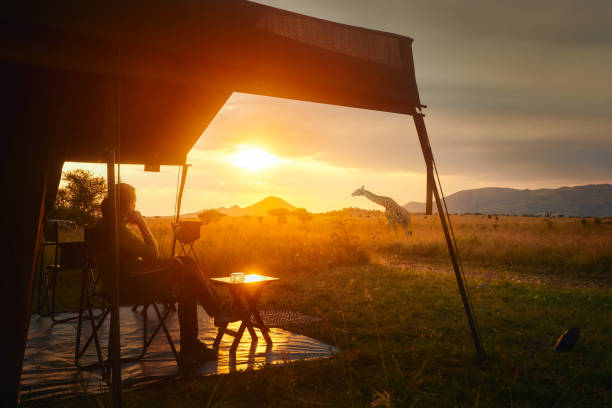
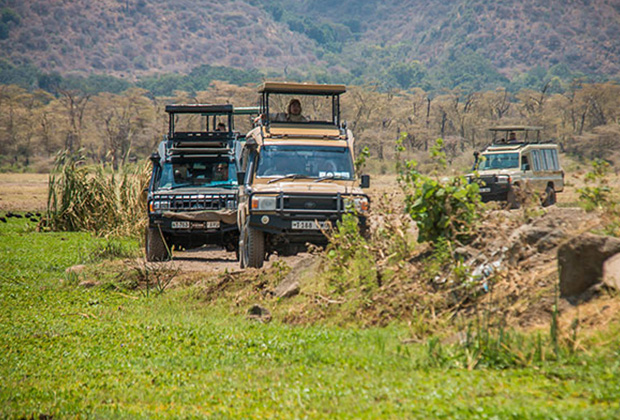
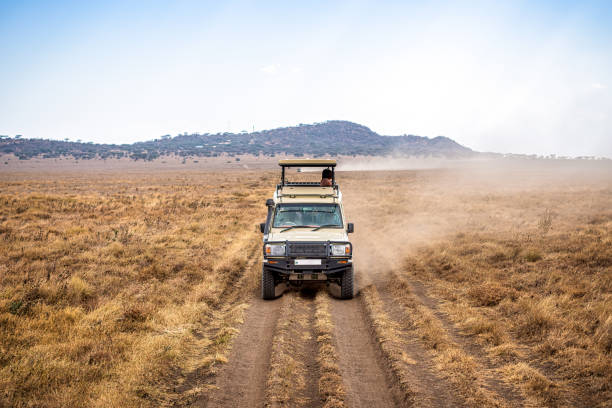
Tanzania Cultural Tourism Guide: Essential Travel Guide 2026-2027
Tanzania is a land of remarkable diversity, not just in its breathtaking landscapes and wildlife, but also in its rich tapestry of cultures. Beyond the iconic safaris and the majestic Mount Kilimanjaro, lies a profound opportunity to connect with the soul of the nation through its people. This Tanzania cultural tourism guide is designed to help you plan an immersive and meaningful journey, allowing you to experience the traditions, daily life, and heritage of Tanzania’s many ethnic groups. Whether you are planning a trip for 2026 or 2027, understanding cultural tourism is key to an unforgettable adventure.
Cultural tourism in Tanzania offers a chance to move beyond typical tourist paths and engage directly with communities, learn about ancient customs, and appreciate the unique ways of life that have shaped this East African gem. It’s about respectful interaction, mutual learning, and creating positive impacts for both visitors and the local populations.
Quick Answer: What is Tanzania Cultural Tourism?
Tanzania cultural tourism involves visiting and engaging with local communities and ethnic groups to learn about their traditions, heritage, daily life, and customs. It emphasizes authentic experiences, respectful interaction, and supporting local economies, offering an alternative or complement to wildlife safaris.
Table of Contents
- What is Cultural Tourism in Tanzania?
- Why Choose Cultural Tourism in Tanzania?
- Key Cultural Experiences and Destinations
- Best Time for Cultural Tourism
- Sample Cultural Itineraries
- Planning Your Cultural Tourism Trip (2026-2027)
- What to Expect During Your Cultural Visit
- Packing and Preparation for Cultural Trips
- Common Mistakes to Avoid
- Who is Tanzania Cultural Tourism Best For?
- Alternatives to Pure Cultural Tourism
- Booking Your Cultural Experience
- Frequently Asked Questions (FAQs)
What is Cultural Tourism in Tanzania?
Cultural tourism in Tanzania is more than just visiting a local market or seeing a traditional dance. It’s a form of travel that focuses on experiencing the authentic way of life of a community. This can include staying in local villages, participating in daily activities like farming or cooking, learning about traditional crafts, understanding local governance, and hearing stories passed down through generations. It aims to foster cross-cultural understanding and provide economic benefits directly to the communities visited.
Unlike mass tourism, cultural tourism seeks depth and meaningful connection. It respects local customs, traditions, and environments. The goal is to leave a positive impact, both in terms of economic support and cultural exchange, while gaining a richer appreciation for the destination.
Why Choose Cultural Tourism in Tanzania?
Tanzania is home to over 120 distinct ethnic groups, each with its own unique language, customs, and traditions. This incredible diversity makes it a prime destination for cultural exploration. Choosing cultural tourism offers several compelling benefits:
- Authentic Encounters: Move beyond staged performances to genuine interactions with people in their daily lives.
- Deeper Understanding: Gain insights into the history, beliefs, and social structures that shape Tanzanian society.
- Support Local Communities: Your visit directly contributes to the livelihoods of the people you meet, fostering sustainable development.
- Unique Learning Opportunities: Learn traditional skills, hear local stories, and understand different perspectives on the world.
- Personal Growth: Experience a different way of life, challenge your own perspectives, and return home with a broader outlook.
- Escape the Crowds: Often, cultural tourism takes you to less-visited areas, offering a more serene and personal travel experience.
Key Cultural Experiences and Destinations
Tanzania offers a wealth of cultural experiences, often tied to specific regions and ethnic groups. Here are some of the most prominent:
1. Maasai Cultural Tourism
The Maasai are perhaps Tanzania’s most globally recognized tribe. While often seen in tourist settings, authentic cultural experiences focus on understanding their nomadic pastoralist lifestyle, their deep connection to the land, and their unique social structures.
- Experiences: Visit Maasai bomas (villages), learn about their traditional housing (enkaji), witness or participate in traditional dances and ceremonies, understand their age-set system, and learn about their medicinal plants.
- Locations: Areas around Arusha, Tarangire National Park, Serengeti National Park, and the Ngorongoro Conservation Area. Many community-led initiatives offer immersive stays.
2. Hadzabe Bushmen (Hunter-Gatherers)
The Hadzabe are one of Africa’s last remaining hunter-gatherer tribes. Visiting them offers a rare glimpse into a way of life that has existed for thousands of years.
- Experiences: Join them on a morning hunt (if successful), learn about their foraging techniques, see how they make fire, understand their simple shelters, and hear their unique click language. This experience is highly respectful and managed to minimize impact.
- Locations: Near Lake Eyasi, close to the Ngorongoro Conservation Area.
3. Datoga (Pastoralists and Artisans)
The Datoga are known for their pastoralist traditions and skilled craftsmanship, particularly in metalwork.
- Experiences: Visit Datoga villages, observe their blacksmiths crafting tools and jewelry from scrap metal, learn about their traditional attire and customs.
- Locations: Also found around Lake Eyasi, often visited in conjunction with the Hadzabe.
4. Chagga People (Mount Kilimanjaro’s Slopes)
The Chagga are industrious farmers who have cultivated the fertile slopes of Mount Kilimanjaro for centuries.
- Experiences: Visit Chagga villages, explore their unique underground bunkers used during tribal wars, learn about their coffee and banana cultivation, sample local brews, and understand their community structures.
- Locations: The lower slopes of Mount Kilimanjaro, particularly around Moshi.
5. Swahili Coast Culture (Zanzibar and Coastal Areas)
The Swahili culture is a vibrant blend of African, Arab, Persian, and Indian influences, evident in its architecture, cuisine, music, and language.
- Experiences: Explore Stone Town (a UNESCO World Heritage site), visit spice farms, learn about dhow building, experience local music and dance (like Taarab), and enjoy the unique coastal cuisine.
- Locations: Zanzibar (Stone Town, Paje, Nungwi), Dar es Salaam, Bagamoyo.
6. Sukuma and Nyamwezi Traditions (Western Tanzania)
These are large ethnic groups with rich histories, known for their traditional leadership, art, and agricultural practices.
- Experiences: While less developed for mass tourism, organized tours can offer insights into their farming methods, local markets, and community life.
- Locations: Mwanza region, Tabora region.
Best Time for Cultural Tourism
Cultural tourism can be a year-round activity in Tanzania, but certain periods offer distinct advantages:
| Period | Pros for Cultural Tourism | Cons |
|---|---|---|
| Dry Season (June – October) | Pleasant weather for travel and village visits. Easier to access rural areas. Good for combining with safari. | Peak tourist season, potentially higher prices. Some communities may be migrating livestock, affecting daily routines. |
| Short Rains (November – December) | Lush landscapes, fewer tourists. Some harvest activities might be visible. | Rain showers can disrupt travel, especially in rural areas. |
| Long Rains (March – May) | Very few tourists, potentially lower prices. Landscape is green and vibrant. | Heavy rains can make roads impassable, especially in remote regions. Some communities might be focused on planting. This is generally the least ideal time for extensive cultural travel. |
| Shoulder Seasons (February, January, July, August) | Good balance of weather and crowd levels. Opportunities to witness specific cultural events or harvest preparations. | Weather can be variable. |
For planning a trip in 2026 or 2027, the dry season (June-October) is generally recommended for its reliability in terms of weather and accessibility. However, if you prioritize fewer crowds and don’t mind occasional rain, the shoulder months can also be rewarding.
Sample Cultural Itineraries
These are sample routes, and can be customized to fit your interests and available time. They often blend cultural experiences with other Tanzanian highlights.
Sample 1: Northern Tanzania Cultural Immersion (7 Days)
Day 1: Arrival in Arusha
Arrive at Kilimanjaro International Airport (JRO), transfer to your hotel in Arusha. Briefing on your cultural journey.
Day 2: Maasai Village Visit
Travel to a Maasai community near Arusha. Learn about their lifestyle, traditions, and social structure. Participate in a traditional dance and interact with elders. Overnight in a lodge or guesthouse near the community.
Day 3: Chagga Culture & Coffee Tour
Journey to the slopes of Mount Kilimanjaro. Visit a Chagga village, explore coffee plantations, learn about the bean-to-cup process, and taste local coffee. Understand the Chagga’s history and their unique homesteads. Overnight in Moshi.
Day 4: Day Trip to Lake Manyara National Park (Optional Safari)
Combine culture with a brief safari. Explore Lake Manyara, known for its tree-climbing lions and diverse birdlife. Return to Arusha.
Day 5: Maasai Boma Experience & Local Market
Further immersion with a different Maasai community or a deeper dive into daily life. Visit a bustling local market to observe trade and daily interactions.
Day 6: Mto wa Mbu Cultural Tour
Visit Mto wa Mbu, a unique village with over 120 tribes living together. Experience their agricultural practices, banana plantations, and diverse community life. Enjoy a local lunch.
Day 7: Departure
Transfer to JRO for your onward flight.
Sample 2: Cultural Explorer – Lake Eyasi & Beyond (10 Days)
Day 1: Arrival in Arusha
Arrive at JRO, transfer to Arusha. Welcome and orientation.
Day 2: Journey to Lake Eyasi
Drive to the Lake Eyasi region, a remote area inhabited by the Hadzabe and Datoga tribes. Settle into your lodge or camp.
Day 3: Hadzabe Hunter-Gatherer Experience
Wake up early for a guided hunt with the Hadzabe. Learn about their foraging, fire-making, and ancient survival skills. This is a deeply respectful, observational experience.
Day 4: Datoga Village Visit
Visit a Datoga village. Observe their skilled blacksmiths at work, creating tools and jewelry. Learn about their pastoralist lifestyle and unique traditions.
Day 5: Travel to Karatu / Ngorongoro Highlands
Drive towards the Ngorongoro Conservation Area. Visit a local coffee farm or a Maasai village en route for further cultural insights.
Day 6: Maasai Cultural Visit
Spend time with a Maasai community, learning about their semi-nomadic life, social customs, and relationship with the land.
Day 7: Mto wa Mbu Cultural Experience
Explore the diverse community of Mto wa Mbu, understanding how different tribes coexist and share resources. Engage in local crafts or farming activities.
Day 8: Travel to Moshi (Kilimanjaro Region)
Drive to Moshi. Visit a Chagga community and learn about their agricultural practices, particularly coffee and banana farming.
Day 9: Chagga History & Local Life
Explore Chagga history, including their unique underground bunkers. Enjoy a final Tanzanian dinner.
Day 10: Departure
Transfer to JRO for departure.
Planning Your Cultural Tourism Trip (2026-2027)
Successful cultural tourism requires thoughtful planning. Here are key considerations for your Tanzania cultural tourism guide planning in 2026-2027:
1. Define Your Interests
What aspects of culture interest you most? Are you keen on tribal traditions, ancient lifestyles, agricultural practices, art, music, or history? Knowing this will help tailor your itinerary.
2. Choose Your Destinations Wisely
Research which regions and tribes offer the experiences you seek. Northern Tanzania is most accessible for cultural tourism due to its proximity to major airports and safari circuits.
3. Select the Right Tour Operator
This is crucial. Look for operators with a strong track record in responsible and ethical cultural tourism. They should have established relationships with communities, prioritize community benefit, and ensure respectful interactions. Best Tanzania tour operators are those that work closely with local guides and communities.
4. Duration of Stay
Cultural immersion takes time. A few hours is often superficial. Aim for at least a full day, ideally 2-3 days, for a more meaningful experience with a single community.
5. Accommodation Options
Options range from comfortable lodges and guesthouses in nearby towns to more rustic homestays or camping within or near villages. Choose based on your comfort level and desire for immersion.
6. Respectful Engagement
Understand and adhere to local customs. Always ask permission before taking photos of people. Dress modestly. Be open to learning and listening.
7. Budget Considerations for 2026-2027
Cultural tourism can range in price. Factors include the exclusivity of the experience, the quality of accommodation, the duration, and the extent to which your payment directly benefits the community. While exact prices vary, factor in:
- Tour Operator Fees: Covers guides, transport, accommodation, and community contributions.
- Community Contributions: A portion of your fee often goes directly to the village or specific projects.
- Souvenirs: If purchasing local crafts.
- Tips: For guides and community members if appropriate.
Be wary of extremely cheap tours, as they may not be ethically managed or provide sufficient benefits to the communities.
| Task | Status | Notes |
|---|---|---|
| Define cultural interests | [ ] | Tribes, activities, regions |
| Research destinations/communities | [ ] | Hadzabe, Maasai, Chagga, etc. |
| Select ethical tour operator | [ ] | Check reviews, ask about community impact |
| Determine trip duration | [ ] | Minimum 2-3 days for deep immersion |
| Choose accommodation style | [ ] | Lodge, homestay, camping |
| Consult on visa and vaccinations | [ ] | Check latest requirements |
| Pack appropriate clothing and gear | [ ] | See packing list section |
| Learn basic Swahili phrases | [ ] | ‘Jambo’, ‘Asante sana’ |
| Understand cultural etiquette | [ ] | Respect, permission for photos |
| Set budget | [ ] | Include all potential costs |
What to Expect During Your Cultural Visit
Cultural tourism in Tanzania is an experience that is often different from a typical safari or beach holiday. Here’s what you can generally expect:
- Authenticity Over Luxury: While comfortable lodges are available, many cultural experiences involve simpler accommodations, such as homestays or community-run camps. Expect basic amenities rather than five-star luxury in remote villages.
- Direct Interaction: You will likely be interacting directly with community members, guided by local liaisons who speak both the local language and Swahili or English.
- Participation: Be prepared to engage. This might involve helping with chores, learning a craft, participating in a dance, or sharing a meal. Your willingness to participate makes the experience richer.
- Unpredictable Schedules: Life in rural communities follows natural rhythms. While itineraries are planned, be open to spontaneous events and adjustments.
- Basic Facilities: Especially in very remote areas like Hadzabe camps, expect limited or no electricity, running water, or modern toilet facilities. Embrace the simplicity.
- Sensory Experience: Expect vibrant sights, sounds, and smells – the cooking fires, the chatter of children, the sounds of livestock, the aroma of local food.
- Emotional Connection: These experiences can be deeply moving. You might witness poverty, but also immense joy, strong community bonds, and profound resilience. Approach with an open heart and mind.
- Learning Curve: You will be learning constantly – about customs, language, social norms, and different ways of life. Be curious and respectful.
Packing and Preparation for Cultural Trips
Packing for cultural tourism requires a balance between comfort, practicality, and cultural sensitivity.
Clothing
- Modest Attire: Pack lightweight, breathable clothing that covers your shoulders and knees. This shows respect for local customs, especially when visiting villages. Long trousers, long skirts, t-shirts, and light long-sleeved shirts are ideal.
- Layers: Evenings can be cool, especially in highland areas or during the dry season. Bring a fleece or light jacket.
- Comfortable Walking Shoes: You’ll be doing a lot of walking, often on uneven terrain.
- Sandals/Flip-flops: For relaxing or short walks around accommodation.
- Rain Gear: A lightweight, waterproof jacket or poncho is advisable, especially during the rainy seasons.
- Sun Protection: Wide-brimmed hat, sunglasses, and high SPF sunscreen are essential.
Health and Hygiene
- Insect Repellent: With DEET or picaridin, especially for evenings.
- Hand Sanitizer: Crucial for maintaining hygiene when water and soap are not readily available.
- Basic First-Aid Kit: Including plasters, antiseptic wipes, pain relievers, anti-diarrhea medication, and any personal prescriptions.
- Water Purification Tablets/Filter Bottle: To ensure safe drinking water if bottled water is not consistently available.
- Consult Your Doctor: Discuss necessary vaccinations (e.g., Yellow Fever, Hepatitis A, Typhoid) and malaria prophylaxis well in advance of your 2026-2027 trip.
Other Essentials
- Camera and Extra Batteries/Power Bank: To capture memories. Remember to ask permission before photographing people.
- Headlamp/Torch: Essential for navigating in the dark, especially in areas with limited electricity.
- Small Backpack: For day trips and carrying essentials.
- Notebook and Pen: For jotting down observations and learning.
- Small Gifts (Optional): If you wish to bring gifts, consider practical items for children (pencils, notebooks) or useful items for elders, rather than sweets. Discuss with your tour operator for appropriate suggestions.
- Cash: For purchasing local crafts or small tips. USD is widely accepted, but local currency (Tanzanian Shilling) is useful for smaller purchases.
Common Mistakes to Avoid
To ensure a positive and respectful cultural experience, be mindful of these common pitfalls:
- Treating Communities Like a Zoo: Avoid gawking or treating people as exhibits. Engage with respect and genuine interest.
- Photographing Without Permission: Always ask before taking photos of individuals, especially children. Some people may refuse, and their decision must be respected.
- Imposing Your Own Culture: Be open to different ways of life without judgment. Avoid making direct comparisons or criticizing local customs.
- Assuming Poverty Means Unhappiness: Many communities may have limited material wealth but possess rich social capital, strong family ties, and deep contentment.
- Expecting Western Standards of Service: Be patient and understanding. Service styles and efficiency can differ significantly.
- Bargaining Aggressively for Crafts: While bargaining is common, do so respectfully, especially if the item is handmade and represents significant labor. Remember that a small amount to you can mean a lot to the artisan.
- Giving Money Directly to Children: This can encourage begging and disrupt schooling. If you wish to help, discuss with your tour operator about supporting community projects or schools.
- Wearing Inappropriate Clothing: Revealing clothing can be offensive in many rural and conservative areas. Dress modestly.
- Being Unprepared for Basic Facilities: If visiting remote tribes, expect limited or no electricity, running water, or flushing toilets. Mentally prepare for this.
- Over-scheduling: Trying to cram too many cultural visits into a short period can lead to superficial experiences. Prioritize depth over breadth.
Who is Tanzania Cultural Tourism Best For?
Cultural tourism appeals to a wide range of travelers, but it’s particularly suited for:
- Curious Travelers: Those who want to understand the ‘why’ behind what they see and experience.
- Lifelong Learners: Individuals who enjoy gaining new perspectives and learning about different ways of life.
- Responsible Tourists: Travelers who prioritize ethical practices and want their tourism to have a positive impact.
- Adventurous Spirits: Those open to stepping outside their comfort zone and experiencing authentic, sometimes rustic, conditions.
- Photographers: With a focus on respectful portraiture and capturing daily life (always with permission).
- Families: Can be a highly educational experience for children, teaching them about global diversity and empathy.
- Couples: Offers unique, intimate experiences away from the usual tourist trails.
- Solo Travelers: Provides opportunities for deep connection and learning in a supportive group setting (when booked with a guide).
It might be less suited for travelers seeking only luxury resorts, predictable schedules, and constant high-speed internet access, especially when venturing into very remote community stays.
Alternatives to Pure Cultural Tourism
If a full cultural immersion isn’t your primary goal, or if you want to complement it with other experiences, consider these options:
- Cultural Day Trips: Many safari itineraries can incorporate a half-day or full-day visit to a nearby cultural site, such as a Maasai village or a local market, without requiring an overnight stay. This offers a taste of culture.
- Community-Based Tourism Projects: Some projects are integrated into larger tourism circuits, offering a structured and often well-managed cultural interaction that is less demanding than a full immersion.
- Visiting Historical Sites: Explore places like Kilwa Kisiwani and Songo Mnara (UNESCO World Heritage sites) or the ancient ruins of Kaole near Bagamoyo to understand historical cultural influences.
- Culinary Tours: Focus on the food and drink of Tanzania, visiting local markets, learning to cook traditional dishes, or sampling local brews. Zanzibar’s spice tours are a prime example.
- Arts and Crafts Tours: Visit workshops to see traditional art forms, from Tinga Tinga paintings to wood carvings and beadwork.
Often, the best approach is a blend. A typical safari can be enhanced with a well-chosen cultural visit, or a cultural trip can be complemented by a few days exploring wildlife or relaxing on the coast.
Planning Your Trip for 2026-2027: Key Considerations
As you plan your Tanzania cultural tourism adventure for 2026-2027, keep these forward-looking points in mind:
- Book in Advance: Especially for popular times like the dry season or during specific cultural festivals. Reputable operators and unique community accommodations fill up quickly.
- Stay Informed on Travel Advisories: Check your government’s travel advice for Tanzania periodically leading up to your trip.
- Health Preparedness: Consult your doctor at least 6-8 weeks before departure for recommended vaccinations and malaria precautions. Research health facilities in the areas you plan to visit.
- Connectivity: Be prepared for limited or no internet and phone service in many rural cultural areas. Embrace the digital detox.
- Flexibility: While planning is key, maintaining a flexible attitude will allow you to adapt to unexpected opportunities or minor changes.
- Sustainability Focus: As travel becomes more conscious, seek operators and experiences that demonstrate a strong commitment to environmental conservation and community well-being. Look for certifications or clear statements on their responsible tourism practices.
Booking Your Cultural Experience
Choosing the right tour operator is paramount for a successful and ethical cultural tourism experience. Here’s what to look for and how to book:
What to Look For in a Tour Operator:
- Community Partnerships: Do they have direct, long-standing relationships with the communities they visit?
- Fair Benefit Sharing: How is the money you pay distributed to ensure it benefits the local people directly? Ask about community fees or direct contributions.
- Local Guides: Do they employ and train local guides who can offer authentic insights and speak the local language?
- Respectful Tourism Practices: Do they have clear guidelines on respectful interaction, photography, and environmental impact?
- Reviews and Reputation: Look for independent reviews, testimonials, and ask for references if possible.
- Customization: Can they tailor an itinerary to your specific interests and timeframe?
Booking Process:
1. Initial Inquiry: Contact potential tour operators with your general interests, desired travel dates, and budget range.
2. Itinerary Development: Work with the operator to create a personalized itinerary that balances your interests with authentic cultural experiences.
3. Confirmation and Deposit: Once you agree on the itinerary and cost, you’ll typically pay a deposit to secure your booking.
4. Pre-Trip Information: The operator should provide detailed information about packing, health, cultural etiquette, and what to expect.
5. Final Payment: Usually due a few weeks before your departure.
6. On-the-Ground Support: Ensure your operator provides contact information for support during your trip.
For a reliable and ethically managed Tanzania cultural tourism adventure, consider reaching out to experienced local operators. They understand the nuances of community engagement and can craft truly memorable journeys.
Ready to Plan Your Tanzania Cultural Tour?
Let us help you design an unforgettable cultural experience in Tanzania. We specialize in creating authentic, respectful, and impactful journeys that connect you with the heart of this incredible country.
Contact us today:
WhatsApp: +255616946642
Email: topguideadventures@gmail.com
Backup Email: info@topguideadventures.com
We look forward to helping you plan your 2026-2027 cultural exploration!
Frequently Asked Questions (FAQs)
Q1: Is Tanzania safe for cultural tourism?
Tanzania is generally safe for tourists, including those participating in cultural tourism. However, like any travel, it’s important to exercise common sense precautions. Reputable tour operators prioritize your safety, using experienced guides and vetted community partners. It’s advisable to stay informed about local conditions and follow your guide’s advice.
Q2: What is the difference between cultural tourism and visiting a Maasai village on a safari?
A typical safari visit to a Maasai village might be a brief, staged encounter. True cultural tourism involves deeper engagement, often spending more time with the community, participating in daily activities, and learning about their lifestyle in a more authentic and less commercialized way. It emphasizes mutual learning and respect over a quick photo opportunity.
Q3: How much should I expect to pay for cultural tourism in Tanzania?
Prices vary significantly based on the duration, accommodation, and the extent of community involvement. Shorter day trips might cost a few hundred dollars, while multi-day immersive experiences with reputable operators can range from $200-$500+ per person per day, often including direct contributions to the community. Be wary of excessively cheap options, as they may not be ethically managed.
Q4: What are the essential items to pack for a cultural trip?
Key items include modest, comfortable clothing (covering shoulders and knees), sturdy walking shoes, sun protection (hat, sunscreen), insect repellent, hand sanitizer, a basic first-aid kit, and a headlamp. For very remote stays, consider water purification methods.
Q5: Can I take photos of people during cultural visits?
Always ask for permission before taking photos of individuals, especially children. Respect their decision if they decline. A smile and a gesture towards your camera can indicate your intention. Your guide can help facilitate this communication.
Q6: What are the best ethical practices for interacting with local communities?
Be respectful, dress modestly, ask permission for photos, listen more than you speak, avoid judgment, and be open to learning. If purchasing crafts, bargain fairly, and if you wish to give gifts, consult your tour operator for appropriate items that directly benefit the community.
Q7: Is it possible to combine cultural tourism with a safari in 2026 or 2027?
Absolutely. Combining cultural experiences with wildlife safaris is very common and highly recommended. Many operators offer itineraries that blend visits to national parks with stays in or near local communities, providing a well-rounded view of Tanzania.
Q8: What language is spoken in Tanzania?
The official languages are Swahili and English. While Swahili is the national language and widely spoken, many ethnic groups have their own distinct languages. English is commonly understood and spoken in tourist areas and by many guides.
Q9: What kind of food can I expect?
Tanzanian cuisine is diverse. Staples include Ugali (a stiff maize porridge), rice, beans, and stews. Along the coast and in Zanzibar, expect more seafood, rice dishes flavored with spices, and tropical fruits. In villages, you’ll often share simple, home-cooked meals prepared with local ingredients.
Q10: How can I ensure my visit benefits the local community?
Choose tour operators who have a clear commitment to community-based tourism and fair benefit sharing. Paying for organized tours, purchasing local crafts directly from artisans, and participating in community projects (arranged through your operator) are effective ways to contribute.
Start Planning Your Authentic Tanzania Cultural Tourism Adventure!
A journey through Tanzania’s cultures offers profound insights and lasting memories. Let us, as your trusted Tanzania tour operator, guide you through this enriching experience. We are dedicated to responsible travel that benefits both our visitors and the communities we visit.
Contact us to craft your personalized 2026-2027 cultural itinerary:
WhatsApp: +255616946642
Email: topguideadventures@gmail.com
Backup Email: info@topguideadventures.com
We are excited to help you discover the true spirit of Tanzania.
Plan your Tanzania Cultural Tourism Guide with Top Guide Adventures
Tell us your travel dates, group size, comfort level, and dream experience. We will help you shape a clear, realistic, and memorable Tanzania itinerary.







 Veedesigner
 Fatma Kizanga
 Benjamin Waryuba
 Philip Philip
 John jr Itaja
 Antonia Optatus
 Edith Kanyere
 Neema Iddy
 Kelvin Boniphace
 Damari Maiga



