
Imagine the thrill of cantering across vast, open plains, the wind in your hair, with a herd of wildebeest thundering in the distance. This is the essence of a Tanzania Equestrian Safari Experience – a unique and profoundly immersive way to connect with Africa’s breathtaking landscapes and incredible wildlife. Far from the confines of a vehicle, riding a horse allows you to move with the rhythm of the land, offering unparalleled closeness to nature and a perspective few travelers ever witness.
For those planning an extraordinary adventure for 2026 or 2027, a Tanzanian horseback safari presents an opportunity to step back in time, experiencing the wilderness in a way that feels both authentic and exhilarating. This isn’t just a safari; it’s a journey that engages all your senses, fostering a deep appreciation for the wild heart of Tanzania.
What is a Tanzania Equestrian Safari Experience?
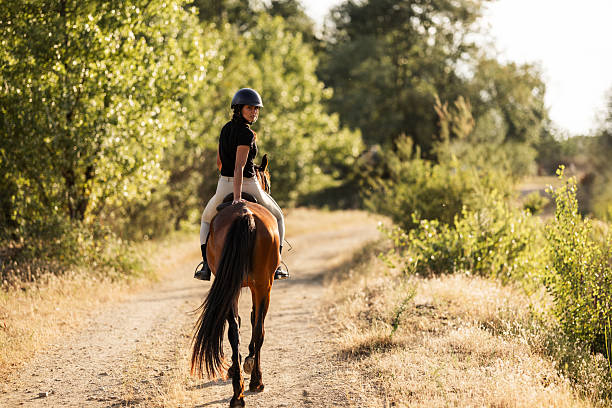
A Tanzania Equestrian Safari Experience is a guided safari where guests explore wildlife areas and stunning natural scenery on horseback. Unlike traditional game drives in safari vehicles, horseback safaris offer a more intimate and interactive encounter with the environment. You’ll traverse grasslands, cross rivers, and navigate bush trails, guided by experienced equestrian professionals and local guides who understand both the horses and the wildlife.
The horses used are typically sturdy, well-trained breeds accustomed to the African bush and the presence of large animals. They are chosen for their temperament and ability to handle varied terrain and wildlife encounters calmly. This allows riders of varying experience levels to participate, though a certain level of comfort in the saddle is beneficial.
The experience emphasizes a slower, more mindful approach to wildlife viewing. You can approach animals more quietly, observe their natural behaviors without disturbing them, and feel the pulse of the ecosystem around you. It’s an active, engaging way to explore Tanzania’s world-renowned parks and conservancies.
Why Choose a Horseback Safari in Tanzania for 2026-2027?
Choosing a horseback safari for your 2026 or 2027 Tanzanian adventure offers distinct advantages:
- Unmatched Intimacy with Wildlife: Horses allow you to get closer to certain animals than vehicles can, often without them being alerted. Imagine observing a pride of lions from a respectful distance, or a giraffe grazing peacefully, all while feeling a part of the landscape.
- Access to Remote Areas: Trails accessible only by foot or horseback open up parts of the wilderness that are inaccessible to vehicles, revealing hidden gems and pristine environments.
- A Deeper Connection to Nature: The sensory experience is heightened. You feel the sun, smell the earth, hear the distant calls of animals, and feel the gentle gait of your horse beneath you. It’s a holistic engagement with the environment.
- Active and Engaging Adventure: For those who enjoy an active holiday, riding offers a fantastic way to stay engaged and experience the landscape physically, rather than passively observing from a car.
- Unique Photographic Opportunities: The low vantage point and natural movement provide unique perspectives for photographers, capturing the essence of the African wilderness in motion.
- Sense of Exploration: It evokes a feeling of classic exploration, reminiscent of early adventurers charting unknown territories.
Where to Experience an Equestrian Safari in Tanzania
Tanzania offers several prime locations for a remarkable equestrian safari. Each area provides a different ecosystem, wildlife mix, and riding terrain, ensuring a diverse and rich experience.
1. The Serengeti Plains
The vast, iconic Serengeti National Park is perhaps the most famous wildlife destination in the world, renowned for the Great Migration. While large-scale equestrian safaris are less common in the core tourist areas due to the sheer scale of the migration and the presence of large predators, specialized operations exist, often focusing on specific regions or conservancies bordering the park. Riding here offers the chance to witness the migration from a unique perspective, covering vast distances across the seemingly endless plains. Imagine riding alongside zebra and wildebeest, feeling the energy of millions of animals.
2. Maasai Mara Conservancies (Bordering Tanzania)
While technically in Kenya, many travelers combine trips to Tanzania with the Maasai Mara. Conservancies bordering the Serengeti, often accessible from northern Tanzania, offer exceptional horseback safari opportunities. These areas are managed to protect wildlife and allow for more intimate, low-impact tourism activities like riding. The rolling hills and acacia-dotted savannas provide a classic African safari backdrop for your equestrian adventure.
3. Arusha Region and Mount Kilimanjaro Foothills
Areas around Arusha and the lower slopes of Mount Kilimanjaro offer fantastic opportunities for shorter, introductory horseback riding experiences. These rides often take you through local villages, coffee plantations, and into more intimate bushland, providing a cultural and scenic dimension alongside wildlife viewing. You might encounter giraffes, zebras, and various birdlife in these picturesque settings. These rides are excellent for acclimatization or for those seeking a less intense but equally rewarding experience.
4. Selous Game Reserve (Nyerere National Park)
The vast and wild Selous Game Reserve (now Nyerere National Park) in southern Tanzania is one of Africa’s largest game reserves. Its diverse habitats, including miombo woodlands, grasslands, and the Rufiji River system, make it ideal for horseback safaris. Riding here offers a chance to explore a less-visited, more rugged wilderness, potentially encountering elephants, giraffes, buffalo, and a rich array of birdlife. The feeling of solitude and vastness is profound in this part of Tanzania.
5. Private Conservancies and Ranches
Many exclusive private conservancies and ranches across Tanzania offer tailored equestrian safari experiences. These locations are often set aside for conservation and low-impact tourism, meaning they are perfect for horseback riding. They provide excellent opportunities for wildlife viewing, often with greater flexibility and exclusivity than in national parks. These are ideal for those seeking a more personalized and luxurious Tanzania Equestrian Safari Experience.
What to Expect on Your Horseback Safari
A typical horseback safari is designed to be both adventurous and comfortable, with safety as a top priority. Here’s a breakdown of what you can anticipate:
The Horses and Riding Experience
The horses are carefully selected for their temperament, stamina, and suitability for safari work. They are typically experienced with wildlife and accustomed to riders of varying skill levels. You’ll likely be matched with a horse that suits your riding ability and weight. The riding pace will vary from a gentle walk to a trot or canter, depending on the terrain, wildlife sightings, and the group’s comfort. Guides are trained to read the horses and the environment, ensuring a safe and enjoyable ride.
Wildlife Encounters
The magic of a horseback safari lies in its proximity to wildlife. You can expect to see a wide range of animals, including:
- Plains Game: Zebras, wildebeest, gazelles, impalas, warthogs, and giraffes are common sightings.
- Elephants and Buffalo: With experienced guides and well-trained horses, encounters with larger herbivores like elephants and buffalo are possible, always maintaining a safe and respectful distance.
- Predators: While seeing lions or leopards from horseback is rare and requires immense caution and luck, guides are trained to manage such encounters safely. More often, you might spot signs of predators or see them at a distance from the safety of your horse.
- Birdlife: The skies and bush are alive with birds, from ostriches and secretary birds on the plains to colourful rollers and kingfishers near water sources.
Your guides are experts at interpreting animal behavior and ensuring that both the riders and the animals remain safe and undisturbed. The goal is to observe wildlife in its natural state, with minimal impact.
Daily Itinerary and Duration
Horseback safaris can range from a few hours to multi-day expeditions. A typical day might involve:
- An early morning ride after breakfast, lasting 3-4 hours.
- A return to camp for lunch and a rest during the heat of the day.
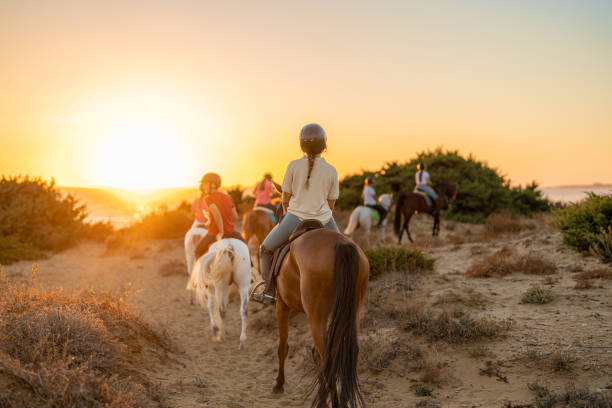
- An afternoon ride, often timed to catch the golden light of sunset.
Multi-day safaris often involve camping in the wilderness or staying at remote lodges, with rides exploring different areas each day. You’ll wake up to the sounds of the bush and fall asleep under a canopy of stars.
Accommodation
Accommodation options vary widely:
- Mobile Camps: For multi-day adventures, you might stay in comfortable, fly-camp style tents equipped with proper beds, linens, and en-suite bathrooms (often bucket showers). These camps are moved to new locations, offering a true wilderness experience.
- Lodges and Camps: Some operations are based out of established lodges or tented camps, offering more conventional amenities like swimming pools and restaurants. You’ll then do day rides from this base.
- Ranches: If riding from a private ranch, you’ll likely stay in comfortable guest rooms or cottages.
Safety and Guides
Safety is paramount. All rides are led by experienced guides who are trained in first aid, wildlife behavior, and horsemanship. They carry communication equipment and often have a backup vehicle or support crew nearby. You’ll receive a thorough briefing on safety procedures before each ride.
Planning Your Tanzania Equestrian Safari for 2026-2027
A well-planned trip ensures you make the most of your Tanzania Equestrian Safari Experience. Here are key considerations for your 2026 or 2027 travel dates:
Best Time to Travel
The best time for a horseback safari depends on the region and your priorities:
- Dry Season (June to October): This is generally the peak safari season. The weather is pleasant, with sunny days and cooler nights. Wildlife is concentrated around water sources, making sightings easier. This is also a popular time for the Great Migration in the Serengeti. For horseback safaris, the dry season offers firmer ground and fewer insects. Expect higher prices and more crowds during this period.
- Green Season (November to May): This period sees more rainfall, though it often comes in short, heavy downpours, usually in the afternoons. The landscape is lush and green, and birdlife is abundant. It’s a quieter and more affordable time to travel. Wildlife disperses as water is plentiful. Some areas might become challenging for riding due to muddy conditions.
For the Great Migration, timing is crucial. If witnessing this spectacle from horseback is a priority, research specific areas where the migration is expected to be during your chosen months. Generally, the herds are in the Western Corridor in April-May, the Northern Serengeti in July-September, and the Southern Serengeti from December to March.
Riding Ability and Fitness
Most equestrian safaris cater to a range of riding abilities, from beginner to experienced. However, it’s crucial to be honest about your experience level when booking.
- Beginner Riders: You should be comfortable walking and trotting. Most operators will pair you with a calm, well-trained horse and keep the pace suitable for your comfort.
- Intermediate to Experienced Riders: You should be confident at all gaits (walk, trot, canter) and comfortable riding in open country. You may have the opportunity to ride more spirited horses and cover more ground.
A reasonable level of fitness is recommended, as you’ll be in the saddle for several hours a day. You should be able to mount and dismount independently and have good balance.
What to Pack
Packing for a horseback safari requires careful consideration for comfort, safety, and the African climate:
- Riding Gear: Comfortable riding trousers (jodhpurs or breeches), sturdy riding boots with a heel, and riding gloves are essential. Some operators may provide helmets, but it’s advisable to bring your own if you prefer.
- Clothing: Lightweight, breathable long-sleeved shirts and trousers to protect against the sun and insects. Layers are key – a fleece or warm jacket for cool mornings and evenings. Neutral colours (khaki, beige, olive green) are best for wildlife viewing.
- Sun Protection: A wide-brimmed hat (that can be secured while riding), sunglasses, and high SPF sunscreen.
- Insect Repellent: Especially important during dawn and dusk.
- Personal Items: Binoculars, camera with extra batteries and memory cards, a small backpack for essentials during rides, personal medications, and a basic first-aid kit.
- Hydration: A reusable water bottle is recommended.
Note: Check with your tour operator for specific packing lists, as they may provide certain items or have particular recommendations.
Booking Your Safari
Booking well in advance is highly recommended, especially for popular travel times like 2026 and 2027 peak seasons. Early booking secures your preferred dates, accommodations, and horse assignments. Reputable tour operators can help you tailor an itinerary to your specific interests and riding ability.
Important Booking Considerations for 2026-2027
When planning your Tanzania Equestrian Safari Experience for 2026 or 2027, consider the following:
- Operator Reputation: Choose an operator with a proven track record in running safe and ethical equestrian safaris.
- Horse Welfare: Ensure the operator prioritizes the health and welfare of their horses.
- Guide Expertise: Look for operators who employ experienced, local guides knowledgeable about both wildlife and the local culture.
- Inclusions and Exclusions: Clarify what is included in the price (accommodation, meals, park fees, activities, transfers) and what is not.
- Flexibility: Discuss options for customisation, such as longer rides, specific wildlife areas, or combining riding with other safari activities.
- Travel Insurance: Comprehensive travel insurance covering adventure activities is essential.
Costs and Budget for a Tanzania Equestrian Safari
The cost of a Tanzania Equestrian Safari Experience can vary significantly based on factors like duration, location, accommodation standard, and the level of exclusivity. Generally, horseback safaris are a premium activity due to the specialized nature of the horses, guides, and logistics involved.
As a guideline for 2026-2027 travel:
- Day Rides: A half-day or full-day guided ride might range from $150 to $400 per person, often including lunch and transfers.
- Multi-Day Safaris: These are typically priced per person per day and can range from $400 to $1,000+ per person per day. This higher cost usually includes accommodation (often high-end tented camps or lodges), all meals, park fees, riding activities, and transfers.
Factors influencing cost:
- Location: Riding in exclusive private conservancies or prime areas like the Serengeti during migration season will be more expensive than riding in areas around Arusha.
- Accommodation: Luxury lodges and exclusive fly camps command higher prices than more basic tented camps.
- Duration: Longer safaris may offer a slightly lower per-day rate but will have a higher overall cost.
- Inclusions: Ensure you understand if park fees, conservation fees, meals, drinks, and transfers are included.
- Group Size: Private rides are more expensive than small group departures.
Note: It is always best to request a personalized quote based on your specific requirements and travel dates for 2026 or 2027. Contacting a specialist tour operator is the most effective way to get accurate pricing.
Combining Horseback Riding with Other Tanzanian Adventures
A horseback safari can be the centerpiece of your trip, or it can be wonderfully integrated with other classic Tanzanian experiences. Consider these combinations for a comprehensive 2026-2027 adventure:
- Classic Game Drives: Combine riding days with traditional game drives in vehicles to cover more ground and experience different viewing perspectives. This is particularly useful in vast parks like the Serengeti.
- Walking Safaris: For an even more grounded experience, combine horseback riding with guided walking safaris. These offer a chance to learn about tracks, signs, and the smaller details of the bush up close.
- Cultural Immersion: Many horseback safaris, especially those around Arusha or in areas bordering Maasai lands, incorporate visits to local villages or interactions with Maasai communities. This adds a rich cultural dimension to your adventure.
- Mount Kilimanjaro Trekking: For the ultimate adventure seeker, combine a horseback safari with a trek up Mount Kilimanjaro. This offers a mix of high-altitude challenge and wilderness exploration. Check out our Machame Route Kilimanjaro group departures dates for potential integration.
- Zanzibar Relaxation: After an adventurous safari, unwind on the pristine beaches of Zanzibar. The contrast between the wild plains and the tranquil coast is incredibly rewarding.
By combining activities, you create a multi-faceted journey that showcases the diverse beauty and adventure Tanzania offers. Our all Tanzania safaris group departures dates and best shared tours can provide a framework for combining various experiences.
Frequently Asked Questions About Tanzania Equestrian Safaris
Here are answers to common questions prospective travelers have about equestrian safaris in Tanzania.
What if I’m not an experienced rider?
Most operators cater to various skill levels. You’ll be matched with a suitable horse, and the pace will be adjusted. Focus on operators who specifically welcome beginner riders and clearly state their requirements.
Are there dangerous animals on horseback safaris?
Yes, Tanzania is home to numerous wildlife species, including predators. However, experienced guides are trained to manage encounters safely, prioritizing the well-being of both riders and animals. The horses are also accustomed to wildlife. The focus is on respectful observation from a safe distance.
What is the weight limit for riders?
Weight limits vary by operator and horse, typically ranging from around 90kg to 110kg (200 to 240 lbs). It’s crucial to be honest about your weight when booking to ensure horse welfare and rider safety.
What is the best time of year for a Tanzania Equestrian Safari?
The dry season, from June to October, is generally best for riding due to firmer ground and more predictable weather. However, the green season can offer beautiful scenery and fewer crowds.
Do I need to bring my own riding helmet?
While some operators provide helmets, it’s often recommended to bring your own for a proper fit and comfort. Check with your tour provider.
Can children participate in horseback safaris?
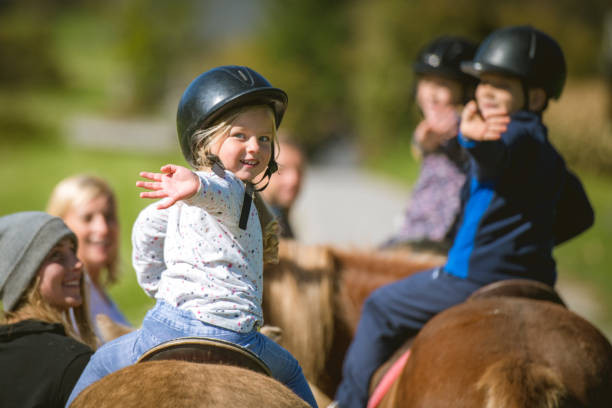
Minimum age requirements vary, but typically children need to be at least 10-12 years old and have some riding experience to join safaris. Family-specific rides may be available.
Ready to Plan Your 2026-2027 Tanzania Equestrian Safari?
A Tanzania Equestrian Safari Experience offers a profound connection to the wild, a sense of adventure, and memories that last a lifetime. Whether you dream of galloping across the Serengeti plains, exploring the rugged beauty of Selous, or enjoying scenic rides near Kilimanjaro, Tanzania delivers an unforgettable journey on horseback.
For 2026 and 2027, planning ahead is key to securing the best experiences. Let us help you craft the perfect itinerary, ensuring safety, comfort, and maximum wildlife encounters. We specialize in creating custom safari adventures tailored to your interests, riding ability, and budget. Our team has extensive knowledge of Tanzania’s best equestrian routes and operators.
Don’t just see Tanzania; feel it. Experience its vast landscapes and incredible wildlife from a unique perspective. We invite you to connect with us to discuss your dream equestrian safari. You can reach us via WhatsApp at +255616946642, email us at topguideadventures@gmail.com, or use our backup email info@topguideadventures.com. Let’s plan your extraordinary adventure for 2026 or 2027!



