
Updated planning guide for 2026-2027
Tanzania Hidden Gems Near Arusha: Complete Guide 2026-2027
Explore the lesser-known wonders surrounding Arusha, Tanzania. This guide reveals unique destinations and experiences for travelers seeking authenticity and adventure beyond the main tourist paths.
WhatsApp +255616946642 | topguideadventures@gmail.com | info@topguideadventures.com
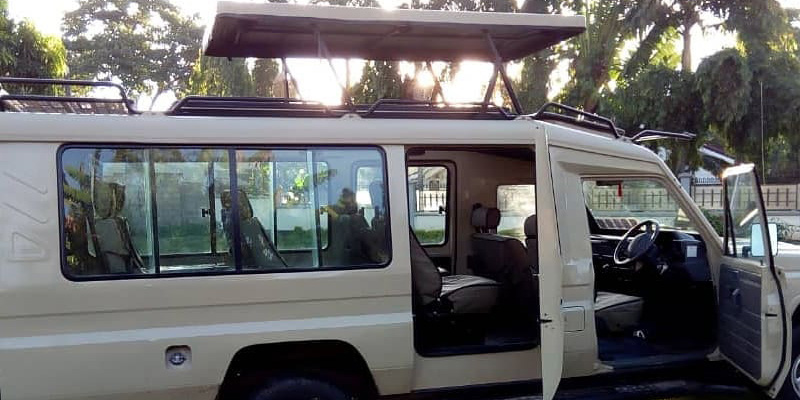
Tanzania Hidden Gems Near Arusha: Your Essential Travel Guide
Arusha, often called the gateway to Northern Tanzania’s iconic safari destinations like the Serengeti and Ngorongoro Crater, holds many secrets. Beyond the well-trodden paths lie remarkable Tanzania hidden gems near Arusha that offer unique cultural immersion, stunning natural beauty, and adventurous activities. For travelers in 2026 and 2027 looking to experience a more authentic side of Tanzania, venturing just a little further from the usual circuit can lead to unforgettable discoveries. This guide is designed to help you uncover these treasures, providing practical planning details, itinerary ideas, and insights into what makes these spots special.
Many visitors arrive in Arusha with a clear itinerary focused on the ‘big five’ or Kilimanjaro. While these are undoubtedly incredible experiences, this guide focuses on the often-overlooked destinations that can enrich your Tanzanian adventure, offering a different perspective and a chance to connect more deeply with the local environment and people.
Quick Answers: Exploring Arusha’s Undiscovered Spots
What are the main hidden gems near Arusha? Key hidden gems include Materuni Waterfalls and Coffee Plantations, Marangu Village, Lake Natron, Olpopongi Maasai Village, and the Usambara Mountains. These offer cultural insights, natural beauty, and adventure.
When is the best time to visit these hidden gems? Generally, the dry seasons (June to October and December to February) are best for accessibility and clear views. However, some areas like the Usambara Mountains are pleasant year-round due to their altitude.
How long should I allocate for exploring hidden gems? A minimum of 2-3 days is recommended for a single hidden gem experience, allowing for travel and in-depth exploration. Combining a few might require 5-7 days.
Are these places safe for tourists? Tanzania is generally safe for tourists, especially when traveling with reputable tour operators. Standard travel precautions apply. For remote areas, local guidance is crucial.
Table of Contents
- Overview: Beyond the Usual Safari Trail
- Why Explore Tanzania’s Hidden Gems Near Arusha?
- Quick Facts: Tanzania’s Lesser-Known Treasures
- Key Hidden Gems Near Arusha: Detailed Exploration
- Best Time to Visit Tanzania’s Hidden Gems Near Arusha
- Geographic Overview: Arusha and Surrounding Gems
- Sample Itinerary: A Week of Hidden Wonders
- What to Expect: Practicalities and Experiences
- What to Include: Packing and Preparation
- Common Mistakes to Avoid
- Who Are These Hidden Gems Best For?
- Alternatives to Consider
- Planning Your Trip for 2026-2027
- Booking Advice: Making the Most of Your Adventure
- Frequently Asked Questions
- Ready to Discover Tanzania’s Secrets?
Overview: Beyond the Usual Safari Trail
Arusha is a vibrant hub, but its true magic for the discerning traveler lies in the experiences just beyond its immediate vicinity. These Tanzania hidden gems near Arusha offer a different pace and perspective, moving away from the concentrated wildlife viewing of parks like Tarangire or Manyara and into areas rich with cultural heritage, agricultural traditions, and unique geological formations. Think lush coffee farms, cascading waterfalls, vibrant local communities, and dramatic volcanic landscapes. These destinations provide a deeper understanding of Tanzania’s diverse environments and the lives of its people, offering a more intimate travel experience.
For travelers in 2026 and 2027, the desire for authentic, less crowded experiences is growing. The hidden gems around Arusha perfectly meet this demand, allowing for meaningful interactions and a chance to step off the typical tourist conveyor belt. Whether you’re interested in learning the art of coffee making, understanding Maasai traditions firsthand, or witnessing the stark beauty of a soda lake, these locations deliver.
Why Explore Tanzania’s Hidden Gems Near Arusha?
Choosing to explore these less-visited spots offers several distinct advantages:
- Authentic Cultural Encounters: Many hidden gems are home to indigenous communities like the Maasai or Chagga, offering genuine interactions and insights into their way of life, traditions, and daily routines. This is a significant contrast to staged cultural shows.
- Unique Natural Beauty: Discover landscapes that are often overlooked. From the dramatic flamingo-filled waters of Lake Natron to the verdant slopes of the Usambara Mountains, these places showcase Tanzania’s diverse and often surprising natural beauty.
- Reduced Crowds: Escape the peak season crowds found in major national parks. Hidden gems offer a more peaceful and personal experience, allowing you to truly connect with the environment and your surroundings.
- Support Local Communities: Visiting these areas often directly benefits local economies through community-based tourism initiatives, homestays, and purchases of local crafts or produce.
- Varied Activities: Beyond game drives, these gems offer hiking, coffee tours, cultural village visits, bird watching, and opportunities to learn traditional skills.
- Proximity to Arusha: Most of these destinations are accessible as day trips or short overnight stays from Arusha, making them convenient additions to any Northern Circuit itinerary, even for those with limited time in 2026-2027.
Quick Facts: Tanzania’s Lesser-Known Treasures
| Destination | Primary Attraction | Typical Duration | Accessibility | Best For |
|---|---|---|---|---|
| Materuni Waterfalls & Coffee Plantations | Majestic waterfall, Chagga culture, coffee tour | Day trip or 1 night | Good (30-45 min from Arusha) | Culture, Nature, Local Produce |
| Marangu Village | Chagga history, Kilimanjaro trekking start point, local life | 1-2 days | Good (1-1.5 hours from Arusha) | Culture, History, Trekking Prep |
| Lake Natron | Salt lake, flamingos, active volcano (Ol Doinyo Lengai) | 1-2 days (requires longer travel) | Challenging (4-5 hours, 4WD often needed) | Unique Landscapes, Birdwatching, Geology |
| Olpopongi Maasai Village | Authentic Maasai cultural immersion | Day trip or 1 night | Moderate (2-3 hours from Arusha) | Cultural Exchange, Maasai Traditions |
| Usambara Mountains | Hiking, biodiversity, scenic views, quiet villages | 2-4 days | Moderate (4-5 hours to entry points, then local transport) | Nature Lovers, Hikers, Birdwatchers |
Key Hidden Gems Near Arusha: Detailed Exploration
Let’s explore each of these unique destinations in more detail, understanding what makes them special and how they fit into a Tanzania travel plan for 2026-2027.
Materuni Waterfalls & Coffee Plantations
Located on the slopes of Mount Kilimanjaro, Materuni is a vibrant Chagga village offering a refreshing break from the plains. It’s easily accessible from Arusha and provides a wonderful introduction to local culture and agriculture.
- The Waterfall: A scenic hike, typically lasting about 40 minutes each way, leads you through lush vegetation to the impressive Materuni Waterfalls. The water cascades down from a height of about 80 meters, creating a misty, cool environment. You can swim in the pool at the base of the falls, a truly invigorating experience.
- Coffee Tour: The Chagga people are renowned coffee growers. A guided tour will take you through a local coffee plantation. You’ll learn about the entire process, from planting and harvesting the beans to roasting and grinding them. The highlight is participating in the traditional method of preparing coffee, often involving pounding the beans and brewing it over a fire. Enjoying your freshly made cup while overlooking the landscape is a memorable moment.
- Chagga Culture: Your visit will likely include interactions with local families, offering a glimpse into their daily lives, traditions, and the significance of coffee in their culture. You might also learn about traditional banana beer brewing.
- Logistics: Materuni is best visited as a day trip from Arusha. The drive is short, and the activities can easily fill a day. Combining it with a visit to a local market or a community project can make it even richer.
Marangu Village: Gateway to Kilimanjaro’s Roots
Marangu is famously known as the starting point for the Marangu Route, one of the most popular ascents of Mount Kilimanjaro. However, the village itself offers much more than just a trekker’s staging post. It’s a picturesque settlement with a rich history and strong cultural identity, nestled in fertile highlands.
- Chagga History and Culture: Marangu is the heartland of the Chagga people. You can visit the Marangu Cultural Centre, which provides insights into their history, social structures, and traditional ways of life. Explore ancient Chagga caves, which served as hiding places during tribal conflicts and colonial times.
- Waterfalls: Similar to Materuni, Marangu boasts its own beautiful waterfalls, such as the Kinukamori and Ndoro waterfalls. These offer opportunities for short hikes and refreshing dips in a serene natural setting.
- Kilimanjaro Views: On clear days, the views of Mount Kilimanjaro from Marangu are breathtaking. The village’s altitude and location offer panoramic vistas that are different from those seen from the plains.
- Local Life: Wander through the village, observe daily activities, visit local markets, and perhaps sample some locally grown coffee or bananas. The pace of life here is slower, allowing for genuine connection.
- Accommodation: While many trekkers pass through, Marangu offers charming lodges and guesthouses that provide a comfortable base for exploring the village and its surroundings, ideal for travelers in 2026-2027 seeking a tranquil stay.
Lake Natron: A Stark and Striking Landscape
Lake Natron is a truly unique destination, a vast, shallow soda lake located in the Gregory Rift Valley. It’s a place of stark, almost alien beauty and significant ecological importance, though it requires a more adventurous approach to reach.
- The Lake Itself: The water’s high salt and soda content create an environment where few animals can survive, but it is a crucial breeding ground for hundreds of thousands of Lesser Flamingos. The lake’s color can change dramatically depending on the season and mineral content, often appearing red or pink. The surrounding landscape is arid and volcanic.
- Flamingo Breeding Ground: During the breeding season (typically August to December), Lake Natron becomes a spectacular sight with vast numbers of Lesser Flamingos feeding and nesting. It’s one of the most important breeding sites for this species in Africa.
- Ol Doinyo Lengai: The ‘Mountain of God,’ Ol Doinyo Lengai, is the world’s only active volcano that erupts natrocarbonatite lava. While climbing it is a strenuous undertaking (often done at night), witnessing its presence dominating the landscape is awe-inspiring. The surrounding plains are sculpted by its past eruptions.
- Maasai Communities: The area is inhabited by Maasai people, who are accustomed to the harsh environment and have their own spiritual connection to Ol Doinyo Lengai. Visiting a local Maasai boma (homestead) can offer insights into their resilient lifestyle.
- Logistics: Reaching Lake Natron is an adventure in itself. It requires a long drive (4-5 hours or more) from Arusha, often on rough roads, and a 4WD vehicle is highly recommended, especially during the wet season. It’s best visited as an overnight trip, staying in basic camps or lodges.
Olpopongi Maasai Village: Authentic Cultural Encounters
For travelers seeking a genuine cultural experience, Olpopongi Maasai Village offers a chance to connect with the Maasai people in a respectful and educational way. It’s designed to provide an authentic glimpse into their traditional way of life, far from staged tourist performances.
- Immersive Experience: Visitors are welcomed into the village and can learn directly from Maasai elders and residents. Activities include understanding their social structure, traditional medicine, warrior training, and the significance of cattle in their culture.
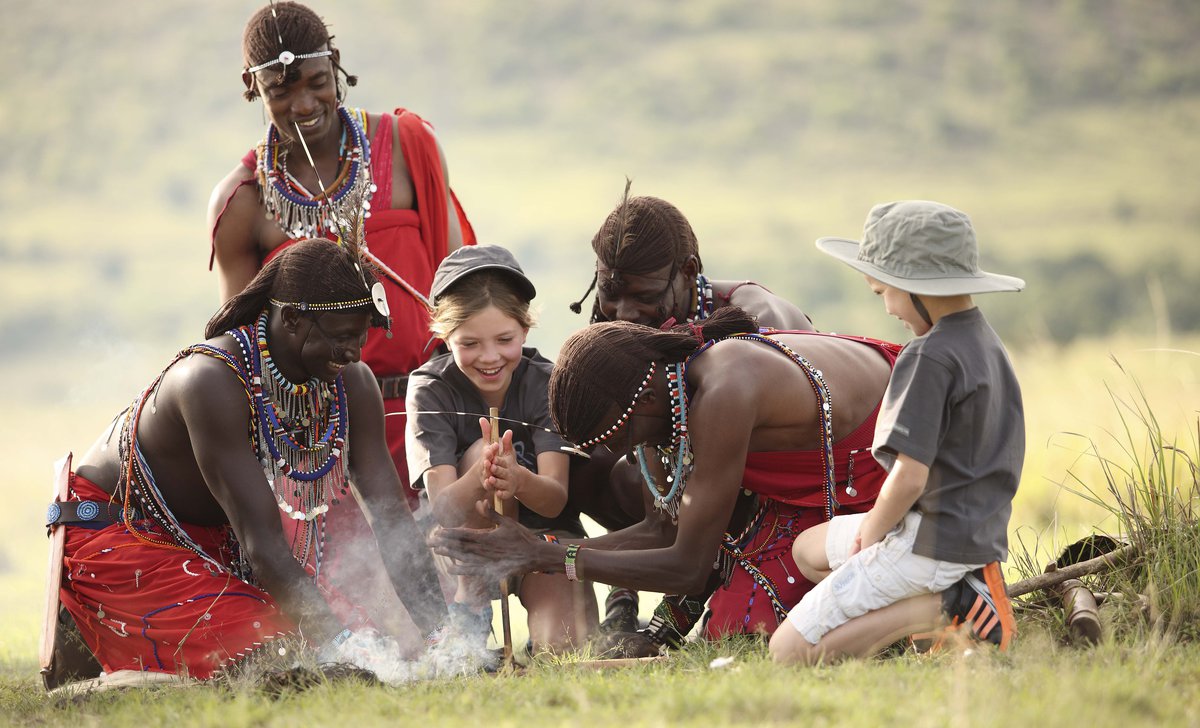
- Daily Life: Participate in daily activities such as fetching water, milking cows, or learning to make fire using traditional methods. You can also explore their homes (manyattas) and learn about their construction and purpose.
- Maasai Crafts: The village is a good place to purchase authentic Maasai beadwork and crafts directly from the artisans, ensuring fair compensation.
- Storytelling: Elders share stories, legends, and their perspectives on life, offering profound insights into their worldview and their relationship with the land.
- Accommodation: Olpopongi offers simple, clean overnight accommodation in traditional-style huts, allowing for a deeper immersion and a chance to experience Maasai hospitality.
- Location: Situated between Arusha and Lake Manyara, it’s accessible for a day trip or an overnight stay.
Usambara Mountains: Lush Escapes and Biodiversity
The Usambara Mountains, part of the Eastern Arc Mountains, are a biodiversity hotspot and a haven for nature lovers. These ancient mountains are characterized by their lush forests, rolling hills, and charming villages, offering a completely different landscape from the savannahs.
- Hiking and Trekking: The Usambaras are ideal for hiking. Trails range from gentle walks through villages and farmlands to more challenging treks through dense montane forests. Popular routes include treks to viewpoints like Kwai’Mta and Irente viewpoint.
- Biodiversity: These forests are home to a remarkable number of endemic species of plants, birds, and small mammals. Birdwatchers will be particularly thrilled with sightings of species like the Usambara Eagle-Owl, Usambara Green Bulbul, and the Northern Violet-backed Sunbird.
- Villages and Scenery: Explore picturesque villages like Lushoto, known for its German colonial history and stunning scenery. The mountain roads offer dramatic views of the valleys below.
- Community Tourism: Opportunities exist for community-based tourism, including guided walks, homestays, and visits to local farms and craft centers.
- Logistics: The Usambara Mountains are a longer journey from Arusha (around 4-5 hours drive to towns like Lushoto). It’s best visited for at least 2-3 days to fully appreciate the hiking and natural beauty. A 4WD might be beneficial for some internal routes, but main roads are generally passable.
Best Time to Visit Tanzania’s Hidden Gems Near Arusha
While many of these locations can be visited year-round, certain periods offer more favorable conditions. For planning your 2026-2027 trips, consider these seasonal nuances:
- Dry Seasons (June to October & December to February): These are generally the best times for most of Northern Tanzania. Roads are in better condition, and there’s less chance of rain interrupting activities. This is particularly important for accessing Lake Natron and for hiking in the Usambara Mountains where trails can become muddy and slippery.
- Green Season (November & March to May): This period sees more rainfall. While safaris can still be rewarding, and landscapes are lush and vibrant, some activities might be affected. Lake Natron can be harder to access, and hiking trails in the Usambara Mountains might be challenging. However, this is also a time of fewer tourists and lower prices, and the landscapes are stunningly green.
- Specific Events: For Lake Natron, the flamingo breeding season (roughly August to December) is a major draw. For cultural events, check with local operators for any village festivals or harvest times.
Geographic Overview: Arusha and Surrounding Gems
Understanding the general locations helps in planning routes and logistics:
| Arusha (Central Hub) | North-East: Materuni Waterfalls, Marangu Village (slopes of Kilimanjaro) |
| South-East: Usambara Mountains (further east, requires dedicated travel) | |
| West/South-West: Olpopongi Maasai Village (towards Manyara/Tarangire corridor) | |
| North-West: Lake Natron (requires significant travel, part of a larger circuit) |
This map illustrates that destinations like Materuni and Marangu are relatively close to Arusha, making them excellent day trips or short overnight stays. Olpopongi is also accessible within a day. Lake Natron and the Usambara Mountains are more significant journeys, often requiring dedicated time and potentially overnight stays, best incorporated into longer itineraries.
Sample Itinerary: A Week of Hidden Wonders
This 7-day itinerary offers a blend of culture, nature, and unique landscapes, focusing on Tanzania hidden gems near Arusha.
| Day | Location | Activities | Overnight |
|---|---|---|---|
| Day 1 | Arusha & Materuni | Arrive in Arusha, settle in. Afternoon trip to Materuni: hike to waterfalls, enjoy a coffee tour, and experience Chagga culture. | Arusha or Materuni homestay |
| Day 2 | Marangu Village | Drive to Marangu. Visit Chagga Cultural Centre, explore local caves, hike to a waterfall. Enjoy views of Kilimanjaro. | Marangu lodge/guesthouse |
| Day 3 | Travel to Olpopongi | Morning in Marangu, perhaps a visit to a local market. Drive towards Olpopongi Maasai Village. Settle in for an afternoon cultural immersion. | Olpopongi Maasai Village |
| Day 4 | Olpopongi & Travel to Arusha | Morning activities at Olpopongi: learn traditions, milk cows, or participate in beadwork. Depart for Arusha in the afternoon. | Arusha |
| Day 5 | Journey to Usambara Mountains | Early start for the drive to Lushoto in the Usambara Mountains (approx. 4-5 hours). Check into accommodation and take a short walk to get acquainted with the area. | Lushoto |
| Day 6 | Usambara Hiking & Views | Full day of hiking. Options include treks to Irente Viewpoint for stunning panoramas or guided walks through the forest, focusing on flora and fauna. | Lushoto |
| Day 7 | Return to Arusha | Enjoy a final morning in the Usambaras, perhaps visiting a local farm or craft cooperative. Drive back to Arusha, concluding the hidden gems tour. | Arusha (or departure) |
Note: This itinerary can be customized. For instance, Lake Natron requires a separate, longer trip, potentially replacing the Usambara section or extending the tour significantly. This sample focuses on the more accessible gems for a week-long exploration.
What to Expect: Practicalities and Experiences
Visiting Tanzania hidden gems near Arusha involves different expectations compared to standard safari lodges or city hotels.
- Accommodation: Varies greatly. In Materuni or Marangu, you might find comfortable guesthouses or homestays. Olpopongi offers simple, traditional huts. The Usambaras have lodges and guesthouses in towns like Lushoto, with basic options in more remote areas. Lake Natron has limited, often rustic, camping or lodge facilities.
- Road Conditions: Roads can range from paved to rough dirt tracks. For Lake Natron and some parts of the Usambaras, a 4WD vehicle is highly recommended, especially in the rainy season. Even for closer destinations, travel times can be longer than expected due to road quality.
- Activities: Expect walking, hiking, cultural interactions, and learning. Activities are often hands-on and require a degree of physical engagement. Be prepared for varying levels of comfort and amenities.
- Guides: Local guides are invaluable for understanding the culture, history, and environment. They enhance the experience significantly and ensure you get the most out of your visit.
- Connectivity: Mobile phone reception can be spotty or non-existent in more remote areas like parts of Lake Natron or the Usambaras. Internet access is usually limited to larger towns or lodges.
- Cultural Sensitivity: Always approach cultural interactions with respect. Dress modestly, ask permission before taking photos of people, and be open to learning.
What to Include: Packing and Preparation
Packing for these diverse experiences requires a versatile approach. For your 2026-2027 travels:
- Clothing: Lightweight, breathable clothing for warm days. Long sleeves and trousers for sun protection and mosquito repellent in evenings. A light to medium-weight fleece or jacket for cooler evenings and higher altitudes (Usambaras, Kilimanjaro slopes).
- Footwear: Comfortable walking shoes or sturdy trainers are essential for hikes and village exploration. Hiking boots are recommended for longer treks in the Usambaras. Sandals or flip-flops for relaxing.
- Rain Gear: A waterproof and windproof jacket is crucial, especially during the rainy seasons or for higher altitudes. A small umbrella can also be useful.
- Sun Protection: High SPF sunscreen, a wide-brimmed hat, and sunglasses are vital due to the strong equatorial sun.
- Insect Repellent: Particularly important for evenings and areas near water.
- Personal First-Aid Kit: Include essentials like pain relievers, antiseptic wipes, bandages, blister treatment, and any personal medications.
- Camera and Power Bank: To capture the stunning scenery and cultural moments. A power bank is useful when electricity is scarce.
- Reusable Water Bottle: Stay hydrated and reduce plastic waste. Water purification tablets or a filter bottle are recommended.
- Small Backpack: For day hikes and carrying essentials like water, snacks, camera, and a light jacket.
- Cash: While credit cards may be accepted in Arusha and larger lodges, smaller villages and local markets operate on cash. Bring sufficient Tanzanian Shillings for tips, crafts, and small purchases.
- Modest Clothing: For visiting villages and cultural sites, it’s respectful to wear clothing that covers your shoulders and knees.
Common Mistakes to Avoid
To ensure a smooth and enjoyable trip to these Tanzania hidden gems near Arusha, be aware of common pitfalls:
- Underestimating Travel Times: Roads can be slow. What looks like a short distance on a map can take several hours. Factor this into your planning for 2026-2027.
- Expecting Luxury in Remote Areas: While Arusha and major safari lodges offer high standards, accommodation and facilities in hidden gems are often simpler. Embrace the rustic charm.
- Not Hiring Local Guides: You’ll miss out on invaluable cultural context, historical insights, and local knowledge. Guides are essential for a meaningful experience.
- Ignoring Cultural Norms: Be mindful of local customs regarding dress, photography, and interaction. Respect is paramount.
- Overpacking: Focus on versatile, practical items. Lugging excessive baggage will be cumbersome, especially with transfers.
- Not Planning for Connectivity: Assume you will have limited or no phone signal or internet in many of these areas. Inform loved ones of your itinerary beforehand.
- Trying to See Too Much: Rushing between destinations diminishes the experience. Allow ample time for each place to soak it in.
- Not Booking in Advance: Especially for unique accommodations or specific cultural experiences, booking ahead is wise, particularly for popular travel times in 2026-2027.
Who Are These Hidden Gems Best For?
These destinations cater to a specific type of traveler:
- Culture Enthusiasts: Those eager to learn about and engage with local traditions, history, and daily life.
- Nature Lovers & Hikers: Individuals who appreciate diverse landscapes, enjoy walking, and are interested in flora and fauna.
- Adventurous Travelers: People who are comfortable with less predictable road conditions, simpler accommodations, and a more hands-on experience.
- Photographers: Anyone looking for unique landscapes, vibrant cultural scenes, and dramatic natural beauty away from the typical tourist subjects.
- Travelers Seeking Authenticity: Those who want to step off the beaten path and experience Tanzania in a more genuine, less commercialized way.
- Budget-Conscious Travelers: While not always cheaper, these options can offer more affordable alternatives to luxury lodges, especially when opting for homestays or community-run facilities.
Alternatives to Consider
If the above gems don’t perfectly align with your interests, consider these alternatives or additions near Arusha:
- Meserani Snake Park: A good stop for a few hours to see various Tanzanian snakes and learn about reptiles. It’s on the way to some safari destinations.
- Arusha National Park: While not a ‘hidden gem’ in the same vein, it’s often overlooked in favor of Serengeti/Ngorongoro. It offers canoeing, walking safaris, and Mount Meru, providing a different safari experience.
- Che Che Che: A series of small waterfalls and natural pools near Arusha, offering a refreshing spot for a dip.
- Local Markets: Simply exploring Arusha’s bustling markets (like the main market or the fabric market) can be a vibrant cultural experience.
- Maasai Mara (Kenya): If your primary interest is Maasai culture and wildlife, and you have more time, crossing into Kenya’s Maasai Mara offers a different perspective, though it’s not a ‘hidden gem near Arusha’.
Planning Your Trip for 2026-2027
Planning is key to a successful trip exploring Tanzania hidden gems near Arusha. For 2026 and 2027, here are some planning considerations:
- Book in Advance: Especially for unique accommodations or specialized tours, booking several months ahead is advisable, particularly for peak seasons.
- Choose Your Operator Wisely: Select a tour operator with experience in these less-common destinations. They will have the local contacts, understand the logistics, and ensure your safety and comfort.
- Flexibility: Be prepared for minor changes to plans due to weather or local conditions. A flexible attitude will enhance your experience.
- Health Precautions: Consult your doctor about necessary vaccinations and malaria precautions well in advance of your 2026-2027 trip.
- Visa Requirements: Check the latest visa regulations for Tanzania for your nationality.
- Currency: The local currency is the Tanzanian Shilling (TZS). US Dollars are widely accepted for tourist services, but it’s good to have shillings for smaller purchases.
Booking Advice: Making the Most of Your Adventure
When booking tours to discover Tanzania hidden gems near Arusha, keep these points in mind:
- Research Tour Operators: Look for companies that emphasize responsible tourism, community engagement, and have a good reputation for handling logistics in off-the-beaten-path areas. Check reviews and testimonials.
- Inquire About Inclusions: Understand what your tour package covers. Does it include transport, accommodation, meals, activities, park fees (if applicable), and guide services? Clarity is crucial.
- Customization Options: Many operators can tailor itineraries. Discuss your interests and desired pace to create a personalized experience.
- Ask About Local Guides: Ensure your tour will utilize knowledgeable local guides who can provide authentic insights.
- Payment Terms: Understand the deposit requirements, payment schedule, and cancellation policy. For 2026-2027 bookings, early booking discounts might be available.
- Communication: Establish clear communication channels with your tour operator. For urgent matters, having multiple contact methods is beneficial.
Top Guide Adventures specializes in creating unique and authentic Tanzanian experiences. We can help you craft an itinerary that includes these incredible hidden gems, ensuring a well-organized and memorable trip. Whether you’re planning for 2026 or 2027, our team is ready to assist.
Frequently Asked Questions
Q1: Are there any hidden gems near Arusha suitable for a short day trip?
A: Yes, Materuni Waterfalls and Coffee Plantations are perfect for a day trip from Arusha. The drive is short, and the activities (waterfall hike, coffee tour, cultural interaction) can comfortably fill a day.
Q2: How difficult is the hike to Materuni Waterfalls?
A: The hike is generally considered moderate. It takes about 40 minutes each way through a scenic, often muddy path. It requires a reasonable level of fitness, but it’s manageable for most travelers.
Q3: What is the best way to experience Maasai culture near Arusha?
A: Olpopongi Maasai Village offers a highly recommended authentic cultural immersion. It’s designed for respectful interaction and learning, providing insights into traditional Maasai life.
Q4: Is Lake Natron accessible year-round?
A: Lake Natron is accessible year-round, but the dry seasons (June-October, December-February) offer better road conditions. During the rainy season, the roads can become very challenging, sometimes requiring extended travel times or becoming impassable. A 4WD is essential.
Q5: Can I combine a safari with visits to these hidden gems in 2026-2027?
A: Absolutely. Many of these gems are conveniently located near popular safari routes. For example, Olpopongi is near Lake Manyara, and Materuni/Marangu are near Kilimanjaro. You can easily integrate them into a Northern Circuit safari itinerary.
Q6: What kind of wildlife can I expect to see at Lake Natron?
A: Lake Natron is primarily known for its large flocks of Lesser Flamingos during the breeding season. You might also see other water birds, and the surrounding arid landscape supports some desert-adapted wildlife, but it’s not a primary wildlife viewing destination like a national park.
Q7: Is it safe to swim in Materuni Waterfalls?
A: Yes, it is generally safe to swim in the pool at the base of Materuni Waterfalls. The water is refreshing, and local guides are usually present to ensure safety.
Q8: How much should I budget for a day trip to Materuni?
A: Costs can vary depending on the tour operator and what’s included (transport, guide, lunch). Typically, a day trip might range from $50-$150 per person, but it’s best to get a specific quote. Prices for 2026-2027 may see slight adjustments.
Q9: Are there opportunities for homestays in these hidden gems?
A: Yes, particularly in villages like Materuni and Marangu, and at Olpopongi Maasai Village, homestays or community-run guesthouses are often available, offering a more immersive experience.
Q10: What is the best way to get to the Usambara Mountains from Arusha?
A: The most common way is by road. You can hire a private vehicle with a driver from Arusha, which takes approximately 4-5 hours to reach towns like Lushoto. Public transport is also an option but is significantly slower and less comfortable.
Ready to Discover Tanzania’s Secrets?
The allure of Tanzania hidden gems near Arusha lies in their authenticity, natural beauty, and the unique stories they tell. These destinations offer a chance to connect with the heart of Tanzania, moving beyond the predictable and into experiences that resonate long after your trip. Whether you’re planning an adventure for 2026 or 2027, or simply seeking to enrich your understanding of this incredible country, these hidden treasures are well worth exploring.
Let Top Guide Adventures help you craft your perfect Tanzanian journey. We specialize in creating personalized itineraries that incorporate these remarkable hidden gems, ensuring a safe, comfortable, and deeply rewarding experience. Contact us to start planning your adventure:
WhatsApp: +255616946642
Email: topguideadventures@gmail.com
Backup Email: info@topguideadventures.com
Plan your Tanzania Hidden Gems Near Arusha with Top Guide Adventures
Tell us your travel dates, group size, comfort level, and dream experience. We will help you shape a clear, realistic, and memorable Tanzania itinerary.







 Veedesigner
 Fatma Kizanga
 Benjamin Waryuba
 Philip Philip
 John jr Itaja
 Antonia Optatus
 Edith Kanyere
 Neema Iddy
 Kelvin Boniphace
 Damari Maiga



