
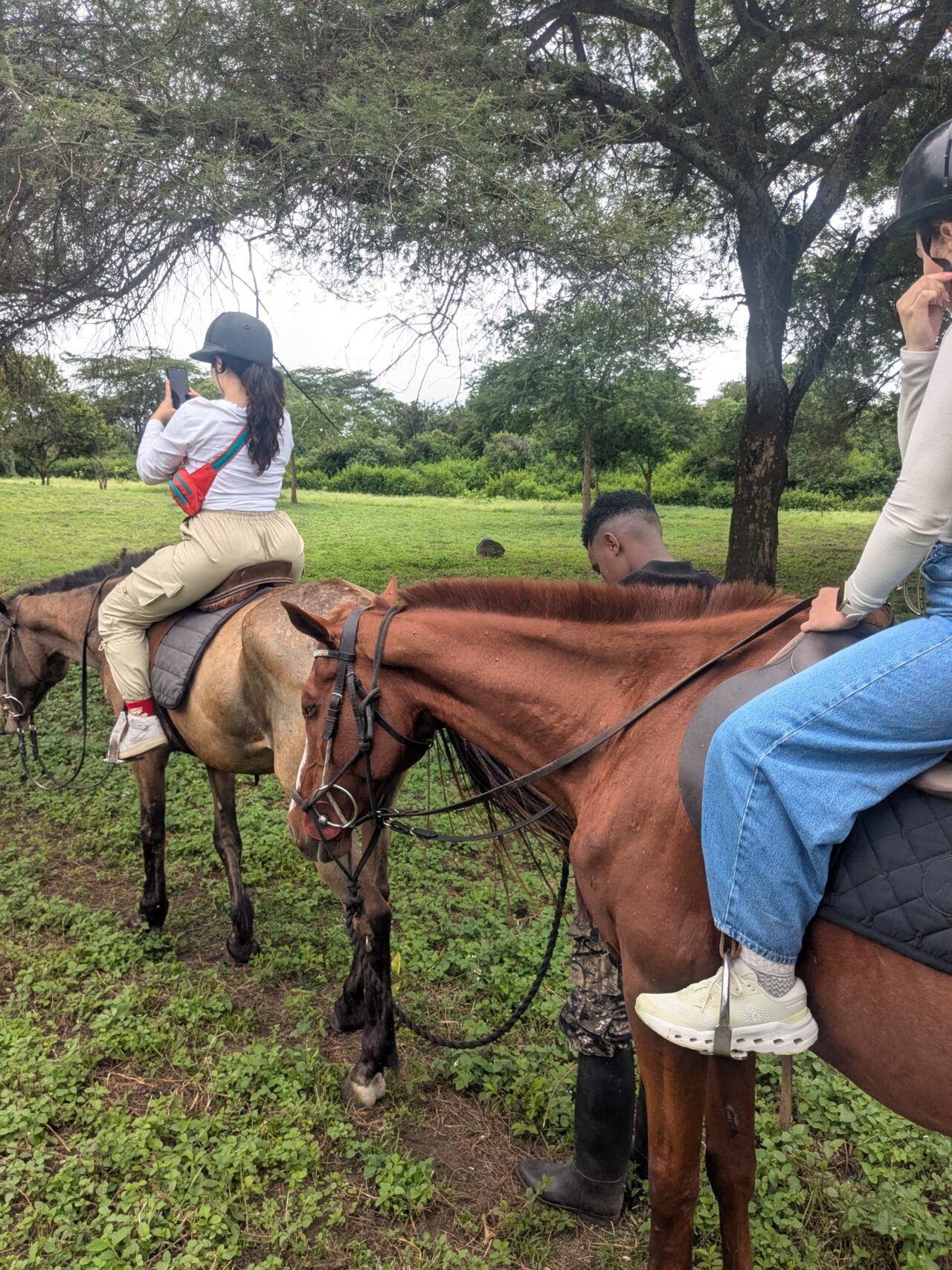
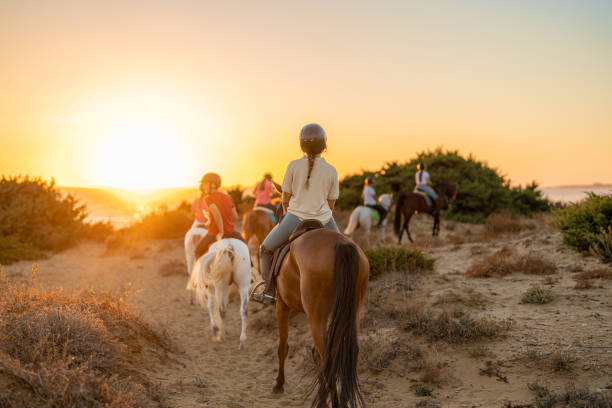
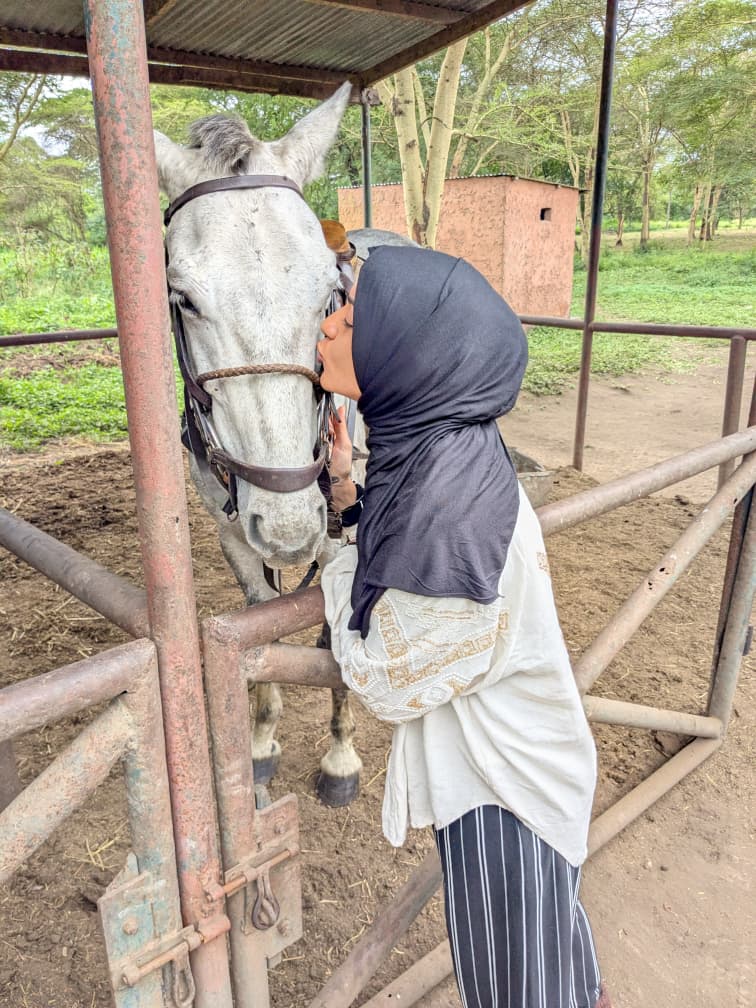
A Tanzania horse safari at Lake Natron offers an unparalleled perspective on one of Africa’s most dramatic and geologically significant landscapes. For travelers seeking an adventure that blends the thrill of horseback riding with the raw beauty of the African wilderness, this experience is truly exceptional. Imagine cantering across vast, open plains with the majestic Ol Doinyo Lengai, the only active volcano in Tanzania, as your backdrop, or observing vast flocks of lesser flamingos in the alkaline waters of Lake Natron from a unique vantage point. This is not your typical safari; it’s an intimate encounter with nature, allowing for quiet observation and a deep connection with the environment. If you’re planning your safari for 2026 or 2027, consider this extraordinary option for a truly memorable journey.
Why Choose a Horse Safari at Lake Natron?
Lake Natron itself is a spectacle. Its vibrant, often red, alkaline waters are a breeding ground for millions of lesser flamingos, creating a breathtaking natural phenomenon. The surrounding area is a mosaic of arid plains, rugged escarpments, and acacia woodlands, offering diverse terrains perfect for exploration on horseback. A horse safari allows you to cover more ground than walking, while still maintaining a low impact and a quiet presence that often brings you closer to wildlife than a vehicle might. Unlike a vehicle-based safari, horseback riding provides a sensory immersion – the sounds of hooves on earth, the scent of wild sage, the feel of the wind, and an unobstructed panoramic view.
For those planning ahead for 2026 or 2027, a horse safari at Lake Natron presents an opportunity to step away from the more crowded tourist trails and experience a wilder, more authentic side of Tanzania. It appeals to riders of all levels, from experienced equestrians to beginners, as the horses are carefully selected for their temperament and trained for safari work. The experience is about more than just seeing animals; it’s about the journey, the landscape, and the unique connection forged between rider, horse, and the untamed environment.
The Unique Landscape of Lake Natron
Lake Natron is located in the northern part of the Great Rift Valley, a vast geological feature stretching across East Africa. The lake’s high salt and mineral content create a caustic environment, making it inhospitable to most fish and larger animals but ideal for the microorganisms that feed the flamingos. The dramatic coloration of the lake, often shifting from pink to red, is a result of these salt-loving microbes.
Dominating the skyline is Ol Doinyo Lengai, meaning “Mountain of God” in the Maasai language. This stratovolcano is renowned for its unique natrocarbonatite lava, which erupts as a black, fluid lava that cools to a white ash. Climbing Ol Doinyo Lengai is a challenging but rewarding experience, often undertaken during a horse safari itinerary, providing incredible sunrise views over the lake and surrounding plains.
The terrain around Lake Natron is varied, including:
- Vast, open soda flats that are perfect for exhilarating canters.
- Rocky outcrops and hills offering elevated viewpoints.
- Acacia woodlands providing shade and opportunities to spot woodland species.
- Riverbeds that can be dry or flowing, adding to the navigational challenge and excitement.
This diverse topography ensures that each day of a horse safari brings new sights and riding experiences.
Wildlife Encounters on a Horseback Safari
While Lake Natron is most famous for its flamingos, the surrounding areas are home to a variety of wildlife that can be observed from horseback. The key advantage of a horse safari is its quiet nature. Horses are prey animals, and their presence often allows for closer encounters with other herbivores without startling them as a vehicle might.
Common sightings include:
- Zebras: Large herds often graze on the plains, their stripes creating a mesmerizing optical illusion.
- Wildebeest: Especially during migration periods, though the main Great Migration typically passes further west, local herds are present.
- Giraffes: Their elegant forms are a common sight browsing on acacia trees.
- Gazelles and Antelopes: Including Thomson’s gazelles, Grant’s gazelles, and impala, which are often seen in open grasslands.
- Various Bird Species: Beyond the flamingos, expect to see ostriches, secretary birds, kori bustards, and numerous smaller bird species adapted to the arid environment.
- Predators (less common but possible): While less frequent than on other safaris due to the nature of horseback riding, encounters with lions, cheetahs, or hyenas are not impossible, though guides are highly trained to manage such situations safely.
The experience of spotting wildlife from the back of a horse is profoundly different. You feel more integrated into the environment, and the stillness of the horse allows for a more natural observation of animal behavior. This is particularly true for the flamingos; while you won’t ride directly into the lake’s shallow edges, you can approach viewing areas with minimal disturbance, appreciating their sheer numbers and vibrant pink hues.
Planning Your Tanzania Horse Safari Lake Natron for 2026-2027
Organizing a horse safari requires careful planning, especially when considering specific destinations like Lake Natron. The best time to visit is generally during the dry seasons, which typically run from June to October and again from December to February. During these months, the weather is pleasant, and wildlife is more concentrated around water sources.
When planning for 2026 or 2027, consider the following:
Key Considerations for Your 2026-2027 Trip:
- Riding Experience: While most operators cater to various skill levels, informing your tour provider about your riding ability is crucial for matching you with the right horse and ensuring your safety and enjoyment.
- Physical Fitness: Horse safaris can be physically demanding. While you don’t need to be an athlete, a reasonable level of fitness will enhance your experience, especially on longer rides or during climbs like Ol Doinyo Lengai.
- Type of Horse: Safari horses are typically sturdy breeds accustomed to the terrain and wildlife. They are trained to remain calm around animals and in challenging situations.
- Accommodation: Options range from comfortable mobile tented camps set up specifically for the safari, offering a true bush experience, to more established lodges in the vicinity.
- Duration: Horse safaris can range from a few days to a week or more, depending on how much of the region you wish to explore and your riding endurance.
- Best Time to Travel: Aim for the dry seasons (June-October, December-February) for optimal wildlife viewing and comfortable riding conditions. The shoulder months can also be good, offering fewer crowds.
Choosing the Right Tour Operator
Selecting a reputable and experienced tour operator is paramount for a safe and enjoyable horse safari. Look for companies with a strong track record in Tanzania, particularly those specializing in unique safari experiences and with deep knowledge of the Lake Natron region. They should prioritize rider safety, animal welfare, and environmental sustainability.
Top Best Tanzania Tour operator has extensive experience in crafting bespoke safari adventures, including specialized horseback expeditions. We understand the nuances of the Lake Natron environment and work with highly skilled guides and experienced equine professionals. For inquiries about tailoring your Tanzania horse safari Lake Natron adventure for 2026 or 2027, you can reach us directly. We are committed to providing exceptional service and unforgettable experiences.
Itinerary Ideas for a Lake Natron Horse Safari
A typical Lake Natron horse safari itinerary might blend riding with other activities and cultural interactions. While specific routes vary by operator, a sample itinerary could look something like this, designed to immerse you fully in the region’s wonders.
Sample 7-Day Lake Natron Horse Safari Adventure
- Day 1: Arrival & Preparation
Arrive at Kilimanjaro International Airport (JRO) and transfer to Arusha. Meet your guides, receive a briefing on the safari, and get acquainted with the horses. Overnight in Arusha. - Day 2: Transfer to Lake Natron & First Ride
Drive to the Lake Natron area, enjoying the changing landscapes. Settle into your camp and start a short introductory ride to get accustomed to your horse and the local terrain. Enjoy sunset views over the lake. - Day 3: Exploring the Plains
A full day of riding across the vast plains surrounding Lake Natron. Focus on spotting herds of zebras, wildebeest, and gazelles. Picnic lunch in the bush. Return to camp for the evening. - Day 4: Ol Doinyo Lengai Foothills & Waterfalls
Ride towards the foothills of Ol Doinyo Lengai. Visit local Maasai villages for cultural exchange (optional, depending on itinerary and guide recommendations). Explore nearby waterfalls and natural springs, offering a refreshing break. - Day 5: Flamingo Viewing & Lake Shore Exploration
Ride to vantage points overlooking Lake Natron, offering prime opportunities to observe the vast flocks of lesser flamingos. Learn about the unique ecosystem of the lake. This might involve a shorter ride to allow ample time for observation. - Day 6: Climb Ol Doinyo Lengai (Optional / Challenging) or Extended Ride
For the adventurous and fit, an early morning ascent of Ol Doinyo Lengai for sunrise is an option (this is a strenuous hike, not a horse ride). Alternatively, enjoy a longer, more challenging horse safari through varied terrain, perhaps exploring canyons or ridges. Farewell dinner at camp. - Day 7: Departure
Enjoy a final breakfast at camp. Transfer back to Arusha or Kilimanjaro International Airport (JRO) for your onward journey.
This is a flexible outline, and itineraries can be customized to suit your interests, fitness level, and desired duration. For specific details and to tailor your Tanzania horse safari Lake Natron adventure for 2026 or 2027, contact our expert team.
Safety and Equine Welfare
Safety is the top priority on any safari, and this is especially true for horseback safaris. Reputable operators adhere to strict safety protocols:
- Experienced Guides: Guides are not only knowledgeable about wildlife and the local area but are also skilled horsemen and trained in first aid.
- Well-Trained Horses: The horses used are specifically chosen and trained for safari work, ensuring they are calm, responsive, and accustomed to wildlife and varied conditions.
- Appropriate Gear: Helmets are often provided and recommended. Saddles are comfortable and suitable for long rides.
- Wildlife Management: Guides are trained to read animal behavior and manage encounters to ensure the safety of both riders and wildlife. They know when to approach, when to keep distance, and how to react if animals become agitated.
- Health and Hygiene: Camps are equipped with basic medical supplies, and emergency evacuation plans are in place.
Equine welfare is also a critical aspect. The horses are treated with respect and care, ensuring they are well-fed, healthy, and not overworked. They are usually local breeds well-adapted to the climate and terrain.
Cultural Immersion: The Maasai People
The Lake Natron region is primarily inhabited by the Maasai people, known for their distinctive traditions, vibrant clothing, and deep connection to the land. A horse safari offers a unique opportunity for respectful cultural interaction.
Opportunities may include:
- Village Visits: Guided visits to Maasai bomas (homesteads) can offer insights into their daily life, social structures, and traditional practices.
- Learning about Traditions: Engage with Maasai elders and learn about their history, beliefs, and relationship with the environment and wildlife.
- Local Crafts: Opportunity to purchase traditional Maasai beadwork and crafts directly from the artisans.
It’s important to approach these interactions with respect and sensitivity. Your tour operator will facilitate these visits, ensuring they are conducted in a way that benefits the community and respects their customs.
What to Pack for Your Horse Safari
Packing appropriately is key to comfort and safety. Here’s a guide for your Tanzania horse safari Lake Natron adventure:
Essential Packing List:
- Riding Gear: Comfortable long trousers (jeans or riding breeches), sturdy, closed-toe shoes or boots with a small heel (riding boots are ideal), gloves (optional but recommended for grip).
- Clothing: Lightweight, breathable long-sleeved shirts and trousers for sun protection, a warm fleece or jacket for cooler mornings and evenings, comfortable casual wear for camp.
- Sun Protection: Wide-brimmed hat or cap, sunglasses, high SPF sunscreen.
- Insect Repellent: Especially for evenings.
- Personal Items: Prescription medications, basic first-aid kit, toiletries.
- Photography: Camera with extra batteries and memory cards, binoculars for wildlife viewing.
- Hydration: Reusable water bottle.
- Documentation: Passport, visa, travel insurance details, vaccination certificates.
- Cash: For tips and souvenirs (USD is widely accepted).
Remember to pack light, as luggage space can be limited, especially on transfers. Your tour operator will provide a more detailed packing list based on your specific itinerary.
Comparing Horse Safaris with Other Safari Types
While Tanzania offers a multitude of safari experiences, a horse safari at Lake Natron stands out. Here’s a comparison:
Vehicle Safaris:
- Pros: Cover vast distances quickly, offer protection from elements and animals, suitable for all fitness levels, access to remote areas.
- Cons: Can be noisy, may disturb wildlife, less immersive experience, often more crowded in popular parks.
Walking Safaris:
- Pros: Highly immersive, allows appreciation of smaller details, quiet and low impact, excellent for learning about tracking and flora.
- Cons: Slower pace, limited range, requires higher fitness levels, safety concerns around dangerous game can limit areas.
Canoe/Boat Safaris:
- Pros: Unique water-level perspective, ideal for birdwatching and aquatic wildlife, quiet and non-intrusive.
- Cons: Limited to specific water bodies, restricted range, weather dependent.
Horse Safaris at Lake Natron:
- Pros: Combines speed with immersion, allows close approach to some wildlife, covers more ground than walking, thrilling and unique perspective, low environmental impact.
- Cons: Requires some riding ability (though operators cater to all levels), can be physically demanding, weather dependent, not suitable for those with severe phobias of horses or heights.
The Tanzania horse safari Lake Natron is ideal for those who love horses, seek a more active and intimate connection with nature, and want to explore a less-visited, geologically spectacular region of Tanzania. It offers a middle ground between the expansive coverage of vehicle safaris and the intimate detail of walking safaris.
Cost of a Tanzania Horse Safari Lake Natron
The cost of a Tanzania horse safari Lake Natron can vary significantly based on the duration of the safari, the level of accommodation, the number of people in the group, and the specific inclusions. As a specialized activity, it often commands a higher price point than standard vehicle safaris due to the specialized equipment, experienced guides, and horse maintenance involved.
For planning purposes for 2026 and 2027, expect pricing to generally fall into these categories:
Estimated Cost Ranges (per person, per day):
- Mid-Range: $350 – $550 USD per person, per day. This typically includes accommodation in comfortable tented camps, meals, park fees, horse hire, and qualified guides.
- Luxury: $600 – $900+ USD per person, per day. This level often features more luxurious accommodation, potentially private guiding, higher quality horses, and a wider range of inclusions.
Factors influencing the price include:
- Duration: Longer safaris may have a slightly lower daily rate.
- Group Size: Private safaris are more expensive per person than small group departures.
- Accommodation Type: Mobile tented camps versus fixed lodges.
- Inclusions: Whether park fees, conservation fees, meals, drinks, and transfers are included.
- Activities: Additional activities like climbing Ol Doinyo Lengai or extended cultural visits might incur extra costs.
It is always best to request a personalized quote. For detailed pricing and to discuss your specific requirements for a Tanzania horse safari Lake Natron trip in 2026 or 2027, please contact Top Best Tanzania Tour operator. We can provide clear breakdowns of what is included, helping you budget effectively.
Booking Your 2026-2027 Lake Natron Horse Safari
Booking your dream Tanzania horse safari Lake Natron adventure for 2026 or 2027 should be done well in advance, especially for specialized tours. Early booking ensures availability, particularly for preferred dates and specific horse safari operators.
Steps to Book:
- Research and Choose an Operator: Select a reputable company with proven experience in horse safaris and the Lake Natron region. Look for reviews and testimonials.
- Inquire and Customize: Contact your chosen operator to discuss your interests, dates, budget, and any specific requirements. This is the time to ask questions about the horses, guides, safety, and itinerary.
- Receive and Review Quote: Get a detailed quote outlining all inclusions and exclusions.
- Confirm and Deposit: Once satisfied, confirm your booking and pay the required deposit.
- Final Payment: Make the final payment by the due date specified by the operator.
- Prepare for Your Trip: Follow the operator’s advice on packing, vaccinations, and visa requirements.
Top Best Tanzania Tour operator is ready to help you plan an unforgettable Tanzania horse safari Lake Natron experience for 2026 or 2027. We pride ourselves on creating tailor-made itineraries that cater to your adventurous spirit and desire for authentic African encounters. Whether you are an experienced rider or a novice, we can arrange a safari that suits your comfort level and expectations. Contact us via WhatsApp at +255616946642 or email us at topguideadventures@gmail.com or info@topguideadventures.com to start planning your extraordinary journey.



