

For the discerning traveler and passionate photographer seeking an experience far removed from the typical safari circuit, a Tanzania Remote Parks Photo Expedition offers an unparalleled opportunity. This journey is designed for those who crave the thrill of discovering untouched wilderness, capturing intimate wildlife encounters, and composing shots of landscapes rarely seen by the average tourist. As you plan for your adventure in 2026 or 2027, understanding the unique allure and practicalities of these lesser-known destinations is key to a successful and memorable expedition.
Why Choose Tanzania’s Remote Parks for Your Photography Expedition?
Tanzania is globally renowned for its iconic safari destinations like the Serengeti and Ngorongoro Crater. While these parks offer incredible wildlife viewing, their popularity can sometimes mean crowded viewing points and a less intimate connection with nature. The true magic of a Tanzania Remote Parks Photo Expedition lies in its ability to provide solitude, pristine environments, and a higher chance of witnessing raw, unscripted wildlife behavior. These areas are often characterized by vast, open spaces, diverse ecosystems, and a rich abundance of species that haven’t been desensitized to constant human presence. This expedition is for the photographer who dreams of framing a leopard draped over a branch with no other vehicles in sight, or capturing the dramatic drama of a migration in a secluded valley.
Choosing a remote park means embracing a different kind of safari. It’s about the anticipation, the quiet observation, and the profound connection with the natural world. For photographers, this translates into cleaner backgrounds, more natural animal behavior, and a sense of having truly discovered something special. Planning for 2026 and 2027 expeditions allows ample time to research, book, and prepare for a truly bespoke photographic journey.
Defining ‘Remote’ in the Tanzanian Safari Context
When we talk about ‘remote parks’ for a Tanzania Remote Parks Photo Expedition, we are referring to areas that are either less visited due to their geographical location, require specialized access (like fly-in safaris), or are simply not on the main tourist trail. These parks often offer a more authentic and exclusive experience, far from the hustle and bustle. They are places where the silence is broken only by the sounds of the wild, and where every sighting feels like a personal discovery.
These destinations often boast unique ecological niches, supporting specific wildlife populations and offering diverse photographic subjects. The planning for such an expedition needs to consider the best times to visit each specific remote park, as wildlife movements and weather patterns can vary significantly. For 2026-2027 planning, understanding these nuances will be crucial.
Top Remote Parks for Your Tanzania Photo Expedition
While the Serengeti might steal the headlines, Tanzania is blessed with a wealth of lesser-known but equally spectacular wilderness areas perfect for a dedicated photography trip. These parks require careful planning and often a more adventurous spirit, but the rewards for your lens are immense.
1. Ruaha National Park: The Wild Heart of Tanzania
Ruaha is Tanzania’s largest national park and arguably one of its most magnificent, yet it receives a fraction of the visitors compared to the northern circuit parks. Its sheer scale, dramatic landscapes dominated by baobab trees, and the Great Ruaha River create a breathtaking backdrop for wildlife photography. Ruaha is renowned for its large elephant herds, significant populations of both lions and the endangered wild dog, and an impressive array of predators. The park’s rugged terrain and open plains offer diverse photographic opportunities, from intimate portraits of small creatures to grand vistas of the African wilderness.
Photographic Highlights of Ruaha:
- Abundant lion prides, often found in large, social groups.
- One of the best places in East Africa to photograph African wild dogs.
- Vast herds of elephants against dramatic baobab-studded landscapes.
- Incredible birdlife, making it a paradise for avian photographers.
- Dramatic riverine scenes, especially during the dry season when animals congregate.
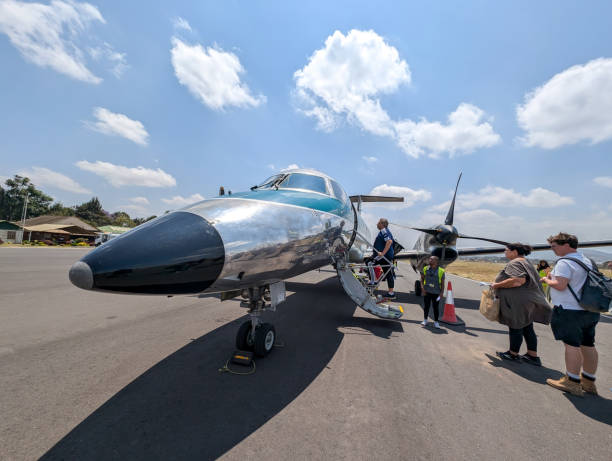
Access to Ruaha is typically via light aircraft from Dar es Salaam or Arusha, which adds to its exclusivity and helps preserve its wild character. For your Tanzania Remote Parks Photo Expedition in 2026 or 2027, Ruaha promises an authentic and wild safari experience.
2. Selous Game Reserve (Nyerere National Park): A Vast Wilderness Sanctuary
Formerly one of Africa’s largest game reserves, the southern part of the Selous has been designated as Nyerere National Park, while the northern section retains its reserve status. This immense area is a UNESCO World Heritage Site and offers a different kind of safari experience, including boat safaris on the Rufiji River, walking safaris, and game drives. Selous is particularly known for its large elephant and buffalo populations, wild dogs, and a rich diversity of birdlife. The Rufiji River system, with its channels, lakes, and swamps, provides unique photographic opportunities, especially from a boat, allowing for low-angle shots and reflections.
Photographic Highlights of Selous/Nyerere:
- Boat safaris offering unique perspectives of hippos, crocodiles, and water birds.
- Walking safaris for close encounters with smaller flora and fauna, and a sense of immersion.
- Predator sightings, including lions, leopards, and wild dogs.
- Iconic Rufiji River landscapes and delta ecosystems.
- Large herds of buffalo and elephants often seen near water sources.
Like Ruaha, Selous is often accessed by light aircraft, ensuring a more private and exclusive experience. For photographers looking for varied environments and activities during their Tanzania Remote Parks Photo Expedition, Selous is an excellent choice for 2026-2027 planning.
3. Katavi National Park: Tanzania’s Untamed Frontier
Katavi is one of the most remote and least visited parks in Tanzania, offering a truly wild and untouched experience. Its defining features are the vast floodplains, acacia woodlands, and the seasonal lakes that teem with life during the dry season. Katavi is famous for its enormous herds of buffalo and elephants, which can number in the thousands, creating spectacular photographic scenes. The park also boasts healthy populations of lions, leopards, and cheetahs, as well as large numbers of hippos and crocodiles concentrated in the remaining water sources.
Photographic Highlights of Katavi:
- Massive herds of buffalo and elephants, a photographer’s dream.
- Dramatic concentrations of hippos and crocodiles in shrinking waterholes.
- Abundant predators, including lions that often hunt buffalo.
- Vast, open floodplains offering sweeping panoramas.
- Intimate encounters with smaller wildlife and unique flora.
Reaching Katavi is an adventure in itself, typically involving flights from Arusha or Dar es Salaam, followed by game drives. This remoteness ensures that visitors often have the park almost entirely to themselves, making it ideal for a focused Tanzania Remote Parks Photo Expedition for 2026 or 2027.
4. Mahale Mountains National Park: Chimpanzee Encounters
For photographers interested in primates and unique forest ecosystems, Mahale Mountains National Park, situated on the shores of Lake Tanganyika, is an extraordinary destination. It is one of the best places in Africa to track and photograph wild chimpanzees in their natural habitat. The park’s dramatic mountain scenery, dense forests, and crystal-clear lake waters provide a stunning backdrop for both primate photography and landscape shots. Beyond chimpanzees, Mahale is home to other primates like red colobus monkeys, as well as diverse birdlife and smaller mammals.
Photographic Highlights of Mahale:
- Intimate and ethical tracking and photographing of wild chimpanzees.
- Stunning lake vistas of Lake Tanganyika, the world’s longest freshwater lake.
- Dense rainforest environments offering unique photographic challenges and rewards.
- Opportunities to photograph other primate species and colorful birds.
- Beachfront relaxation and photography opportunities along the lake shore.
Access to Mahale is usually by light aircraft to a nearby airstrip, followed by a boat transfer across Lake Tanganyika. This remote and beautiful setting makes it a standout choice for a specialized Tanzania Remote Parks Photo Expedition in 2026-2027.
5. Gombe Stream National Park: Jane Goodall’s Legacy
Similar to Mahale, Gombe Stream National Park, also on the shores of Lake Tanganyika, is famous for its chimpanzee research and habituation programs, pioneered by Dr. Jane Goodall. While smaller and more accessible than Mahale, Gombe still offers a remote and intimate experience with chimpanzees and other primates. The park’s steep, forested slopes provide a challenging but rewarding environment for photographers. The focus here is on capturing the complex social dynamics and behaviors of chimpanzees.
Photographic Highlights of Gombe:
- Close-up photography of habituated chimpanzees.
- Capturing the interactions within chimpanzee family groups.
- Lush forest scenery and diverse birdlife.
- The unique setting along the shores of Lake Tanganyika.
Gombe is typically reached by boat from Kigoma town. For photographers keen on primate behavior and conservation history, Gombe offers a deeply rewarding experience for a Tanzania Remote Parks Photo Expedition in 2026 or 2027.
Planning Your Tanzania Remote Parks Photo Expedition: Key Considerations
A successful Tanzania Remote Parks Photo Expedition requires meticulous planning. Unlike more established tourist routes, these parks often have limited infrastructure, and access can be more challenging. Here are crucial factors to consider when planning your 2026-2027 trip:
Best Time to Visit for Photography
The ‘best’ time depends heavily on the park and what you aim to photograph:
- Dry Season (June to October): Generally considered the prime time for wildlife viewing in most parks, including Ruaha, Katavi, and Selous. Animals congregate around water sources, making them easier to find and photograph. Landscapes can appear more stark and dramatic. This is also peak season for visitor numbers, though ‘peak’ in remote parks is relative.
- Green Season (November to May): This period brings lush vegetation and dramatic skies, ideal for landscape photography. Birdlife is abundant, and newborn animals start appearing. Some parks, like Ruaha, can become challenging to access due to rains, while others remain accessible. Predator-prey interactions can be more dynamic as animals disperse. For photographers seeking vibrant colors and dramatic weather, the green season offers unique opportunities.
- Specific Park Nuances: For chimpanzee trekking in Mahale and Gombe, the dry season is often preferred for easier trekking, though chimpanzees are present year-round. The receding waters in Katavi during the dry season create incredible concentrations of wildlife.
Logistics and Access
Remote parks often necessitate specialized travel arrangements:
- Light Aircraft Charters: Most remote parks are best accessed via scheduled or chartered light aircraft flights from major hubs like Arusha or Dar es Salaam. These flights are crucial for saving travel time and accessing areas with limited road infrastructure. For a Tanzania Remote Parks Photo Expedition, booking these flights well in advance, especially for 2026 and 2027, is essential.
- 4×4 Safari Vehicles: Robust 4×4 vehicles are mandatory for navigating the terrain in these parks. Ensure your tour operator provides well-maintained vehicles suitable for off-road conditions.
- Accommodation: Options in remote parks range from rustic tented camps to more luxurious lodges. Many camps are strategically located to offer excellent wildlife viewing opportunities right from your doorstep. Consider camps that offer guided walking safaris or boat trips for varied photographic perspectives.
Photography Gear and Preparation
A Tanzania Remote Parks Photo Expedition demands thoughtful gear choices:
- Lenses: A versatile zoom lens (e.g., 70-200mm or 100-400mm) is indispensable for wildlife. A wider lens (e.g., 24-70mm) is useful for landscapes and larger scenes. A macro lens can capture the intricate details of insects and plants.
- Camera Body: A DSLR or mirrorless camera with good low-light performance and fast autofocus is recommended. Consider bringing a backup body.
- Tripod/Monopod: Essential for stability, especially in low light or when using longer lenses.
- Batteries and Memory Cards: Bring plenty of spares, as charging facilities can be limited in remote camps.
- Protection: Camera rain covers, dust blowers, and lens cleaning kits are vital for protecting your gear from the elements.
- Power: Most camps offer charging facilities, but it’s wise to bring a portable power bank and adapters.
Choosing the Right Tour Operator
For a specialized Tanzania Remote Parks Photo Expedition, selecting an experienced and reputable tour operator is paramount. Look for operators with:
- Expertise in Remote Areas: They should have a proven track record of organizing trips to parks like Ruaha, Katavi, and Selous.
- Knowledgeable Guides: Photographers need guides who understand animal behavior, optimal lighting conditions, and the best locations for specific shots. Guides who are also photographers themselves are a significant advantage.
- Customization Options: The ability to tailor the itinerary to your specific photographic interests and pace is crucial.
- Logistical Prowess: They must be adept at handling light aircraft bookings, camp arrangements, and ground transportation in challenging environments.
Top Best Tanzania Tour Operator specializes in creating bespoke photographic safaris to Tanzania’s remote parks. We understand the unique needs of photographers and can craft an itinerary for your 2026 or 2027 adventure that maximizes your opportunities for incredible shots.
What to Expect on Your Photo Expedition: A Day in the Wild
A typical day on a Tanzania Remote Parks Photo Expedition is structured around maximizing light and wildlife viewing opportunities. It’s an immersive experience that prioritizes photography.
Early Morning: The Golden Hour
Your day will likely start before sunrise. After a quick cup of coffee or tea, you’ll head out in your 4×4 vehicle with your guide. The early morning light, known as the ‘golden hour,’ is soft and warm, casting beautiful colors across the landscape and illuminating wildlife. This is often the most active time for predators and other animals before the heat of the day sets in.
Midday: Rest and Review
As the sun climbs higher, the light becomes harsher, and many animals seek shade. This is a good time to return to your camp or lodge for a hearty brunch, to rest, review your photos, and perhaps clean your gear. Some camps offer relaxing activities like swimming or simply enjoying the views from a comfortable vantage point.
Afternoon/Evening: The Second Golden Hour
As the heat subsides in the late afternoon, you’ll head out for your second game drive. The ‘evening golden hour’ offers another period of beautiful, soft light, perfect for capturing the day’s final moments. This is also a prime time for animal activity, with many species becoming more active as they prepare for the night.
Night Game Drives (Where Permitted)
In some remote areas or private concessions, night game drives are permitted. These offer the chance to spot nocturnal animals like genets, civets, bush babies, and perhaps even leopards or lions on the hunt, illuminated by a spotlight. This adds another dimension to your photographic opportunities.
Cost Considerations for a Tanzania Remote Parks Photo Expedition in 2026-2027
A Tanzania Remote Parks Photo Expedition is generally more expensive than a standard safari due to the specialized logistics involved. The cost is influenced by several factors:
- Park Fees: Entrance fees for remote parks are often higher than for more popular ones.
- Accommodation: Lodges and tented camps in remote areas are often exclusive and cater to a higher-end market, reflecting the cost of transport and supplies.
- Transportation: The cost of light aircraft flights is a significant component of the overall price.
- Duration: Longer stays naturally increase the cost.
- Exclusivity: Private charter flights and private vehicle hire will add to the expense.
For a typical 7-10 day expedition focusing on one or two remote parks, you might expect costs to range from $5,000 to $10,000+ per person, depending on the level of luxury, specific parks visited, and inclusions. This typically covers accommodation, meals, park fees, internal flights, and game drives. International flights, visas, and personal expenses are usually additional.
When planning for 2026 or 2027, it’s advisable to book at least 6-12 months in advance, especially for peak season travel and specialized photographic tours, to secure the best lodges and flight availability. Early booking can also sometimes help lock in prices before potential increases.
Booking Your 2026-2027 Expedition
To design your perfect Tanzania Remote Parks Photo Expedition, contact our expert team. We specialize in crafting personalized itineraries that cater to photographers, ensuring you experience the wild heart of Tanzania in comfort and style. Let us help you capture unforgettable moments in 2026 and 2027.
WhatsApp: +255616946642
Email: topguideadventures@gmail.com
Backup Email: info@topguideadventures.com
Maximizing Your Photographic Success
Beyond the technical aspects of gear and timing, a few strategic approaches can significantly enhance your photographic results on a Tanzania Remote Parks Photo Expedition:
- Patience is Key: Wildlife photography often requires long periods of waiting. The most rewarding shots come from observing animal behavior and anticipating moments.
- Understand Your Subject: Research the animals you hope to photograph. Knowing their habits, preferred times of activity, and social structures will help you position yourself effectively.
- Work with Your Guide: Communicate your photographic goals clearly with your guide. They are invaluable resources, not just for finding animals but for understanding light, composition, and animal behavior.
- Look for Unique Angles: Remote parks offer opportunities for perspectives rarely seen. Don’t be afraid to ask your guide to stop for extended periods, try different angles, or even venture slightly off-track (where permissible and safe) for that perfect shot.
- Capture the Environment: Don’t just focus on the animals. The landscapes, the light, the weather, and the smaller details of the ecosystem are equally important components of a compelling photographic story.
- Respect Wildlife: Always maintain a safe and ethical distance. Never disturb animals or their habitat. The goal is to document, not to interfere.
Beyond the Lens: The Immersive Experience
While the primary focus of a Tanzania Remote Parks Photo Expedition is photography, the experience itself is deeply enriching. The solitude of these remote locations allows for a profound connection with nature. The sounds of the bush at night, the vastness of the star-filled sky far from city lights, and the sheer wildness of the environment create a sensory experience that complements the visual one. For travelers planning their adventures for 2026 and 2027, this holistic immersion is a significant part of the appeal.
The photographic journey becomes intertwined with the personal trip. Each photograph captured is a memory of a moment, a feeling, and a place that has touched you deeply. This is what sets a remote parks expedition apart – it’s not just about the images you bring back, but about the experience that shaped them.
Conclusion: Your Ultimate Photographic Safari Awaits
A Tanzania Remote Parks Photo Expedition is not merely a safari; it is a carefully curated journey for those who seek the extraordinary. It’s an opportunity to witness Tanzania’s wild heart in its purest form, to capture images that tell unique stories, and to experience the profound beauty of Africa’s untouched landscapes. Whether you are aiming for 2026 or 2027, planning this type of expedition requires dedication and the right partners.
By choosing the right remote parks, timing your visit strategically, preparing your gear, and working with an expert tour operator, you can ensure your photographic expedition is a resounding success. The memories and images you create will be a testament to the wild, untamed spirit of Tanzania.
Ready to plan your photographic adventure? Contact Top Best Tanzania Tour Operator today. We are passionate about creating unforgettable Tanzania Remote Parks Photo Expeditions and can tailor an experience specifically for your needs. Let us help you capture the magic of Tanzania in 2026 and 2027.
WhatsApp: +255616946642
Email: topguideadventures@gmail.com
Backup Email: info@topguideadventures.com



