
Updated planning guide for 2026-2027
Tanzania Safari Cost: Your Expert Planning Guide
Understanding the Tanzania safari cost is key to planning your dream African adventure. This comprehensive guide breaks down every factor, from park fees to accommodation, helping you budget effectively for 2026 and 2027.
WhatsApp +255616946642 | topguideadventures@gmail.com | info@topguideadventures.com
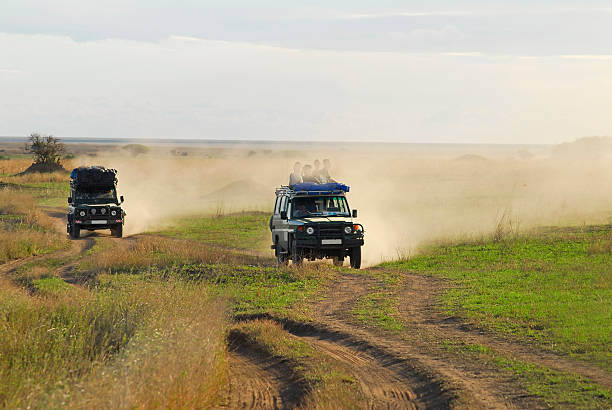
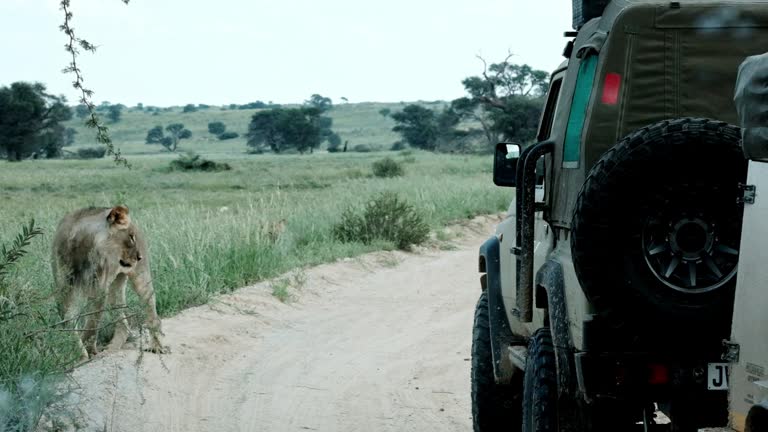
Understanding Tanzania Safari Cost: A Comprehensive Guide for 2026-2027
Planning a safari in Tanzania is an exciting prospect, promising incredible wildlife encounters and breathtaking landscapes. However, a common question for many prospective travelers is: “What is the Tanzania safari cost?” This guide is designed to provide a transparent and detailed breakdown of the expenses involved, helping you budget accurately and make informed decisions for your 2026 or 2027 adventure. We’ll cover everything from park fees and accommodation to transportation and optional activities, ensuring you have a clear picture of what to expect.
The cost of a Tanzania safari can vary significantly based on numerous factors. It’s not a one-size-fits-all price. Understanding these elements is the first step to crafting a safari that meets your expectations and your budget. This guide aims to demystify the pricing, offering practical advice and insights from seasoned tour operators.
Quick Facts: Tanzania Safari Cost Factors
| Factor | Impact on Cost | Notes |
|---|---|---|
| Duration of Safari | High | Longer trips mean more accommodation, park fees, and guide days. |
| Time of Year | Medium | Peak seasons (dry season) are generally more expensive. |
| Parks Visited | High | Some parks, like the Serengeti and Ngorongoro Crater, have higher fees. |
| Accommodation Level | Very High | Luxury lodges vs. mid-range tented camps vs. budget campsites. |
| Group Size | Medium | Smaller groups might have higher per-person costs; larger groups can be more economical. |
| Transportation | Medium | 4×4 safari vehicle vs. standard vehicle; distance covered. |
| Inclusions | Medium | Full board, park fees, guide, activities, or a more basic package. |
| Pace of Travel | Medium | Moving between locations daily vs. staying longer in one area. |
The Core Components of Tanzania Safari Cost
To truly understand the Tanzania safari cost, we must break down the individual components that contribute to the overall price. Each element plays a crucial role in shaping your final budget.
1. Park Entrance Fees
This is a significant and unavoidable expense for any Tanzania safari. National Parks and Conservation Areas charge daily entrance fees per person, and often per vehicle. These fees are set by the Tanzania National Parks Authority (TANAPA) and the Ngorongoro Conservation Area Authority (NCAA) and are subject to change, so it’s wise to check for the latest rates when planning for 2026-2027. These fees directly fund conservation efforts within the parks.
Typical Fees (per person, per day):
- Serengeti National Park: Generally one of the higher fees.
- Ngorongoro Crater: The fee structure here can be complex, often including vehicle fees and conservation fees in addition to entrance fees. Access to the crater floor itself incurs a separate charge.
- Tarangire National Park: Moderate fees.
- Lake Manyara National Park: Moderate fees.
- Arusha National Park: Typically lower fees.
- Other Parks (e.g., Ruaha, Selous/Nyerere): Fees can vary.
Important Considerations:
- These fees are usually charged per 24-hour period.
- Children often have different fee structures.
- Tour operators typically include these fees in their quotes, but it’s essential to confirm this.
2. Accommodation
Your choice of lodging will have one of the most substantial impacts on your Tanzania safari cost. Tanzania offers a wide spectrum of accommodation options, catering to every budget and preference.
- Luxury Lodges and Camps: These offer exquisite service, gourmet dining, private en-suite bathrooms, swimming pools, and often prime locations with stunning views. Expect high-end amenities and a truly pampering experience. This is the most expensive option.
- Mid-Range Tented Camps: Comfortable and well-appointed canvas tents, often with comfortable beds, private bathrooms (sometimes shared), and good food. They provide a more intimate connection with nature while maintaining a good level of comfort. This is a popular choice balancing cost and experience.
- Budget Campsites: Basic facilities, often with shared ablutions and communal dining areas. These are the most affordable options and are favored by backpackers and those on a tight budget. They offer a rustic and authentic safari experience.
The price difference between these categories can be considerable, often doubling or tripling the daily accommodation cost. For example, a night at a luxury lodge can cost several hundred dollars per person, while a campsite might be under $50.
3. Transportation and Safari Vehicle
Getting around Tanzania’s vast parks requires a reliable and capable safari vehicle. The standard choice is a 4×4 Land Cruiser or Land Rover, equipped with a pop-up roof for optimal game viewing and photography. The cost of this vehicle, including a professional driver-guide, is a significant part of your safari package.
Factors influencing transportation costs:
- Vehicle Type: 4×4 vehicles are generally more expensive but essential for certain terrains.
- Driver-Guide: Experienced, knowledgeable guides are invaluable. Their salary and expertise are factored into the cost.
- Fuel: Covering long distances across parks consumes a considerable amount of fuel.
- Vehicle Maintenance: Ensuring vehicles are well-maintained for remote travel adds to operational costs.
Most reputable tour operators will include the safari vehicle and driver-guide in their daily safari rates. It’s crucial to ensure the vehicle is specifically designed for safari (e.g., extended wheelbase, pop-up roof) and that the guide is experienced.
4. Guide Fees
A skilled safari guide is the backbone of a memorable safari. They possess in-depth knowledge of animal behavior, tracking skills, and local ecology. Their ability to find wildlife and provide insightful commentary significantly enhances the experience. The cost of employing a qualified and experienced driver-guide is included in most safari packages. While you might not see this as a separate line item, their expertise is a valuable part of the service you are paying for.
5. Duration of the Safari
Naturally, the longer your safari, the higher the overall Tanzania safari cost will be. Each additional day incurs park fees, accommodation charges, guide and vehicle expenses, and meals. A typical safari might range from 3 days to 14 days or even longer, depending on the regions you wish to explore.
- Short Safaris (3-5 days): Often focus on a few key parks like Tarangire, Lake Manyara, and the Ngorongoro Crater.
- Medium Safaris (7-10 days): Allow for exploration of the Serengeti in more depth, potentially including a visit to other parks.
- Long Safaris (10+ days): Can encompass the Northern Circuit and extend to Southern or Western circuit parks, offering a more comprehensive experience.
When budgeting, consider how many days you plan to spend on safari itself, separate from any time spent in Zanzibar or climbing Kilimanjaro.
6. Time of Year (Seasonality)
Tanzania offers incredible safari experiences year-round, but the cost can fluctuate based on the season.
- Peak Season (Dry Season – June to October): This is the most popular time for safaris due to clear skies, pleasant temperatures, and abundant wildlife congregating around water sources. Prices for accommodation and sometimes even flights can be higher during these months. This is also when the Great Migration river crossings often occur in the Grumeti River (Serengeti) and Mara River (Northern Serengeti).
- Shoulder Season (November, March-May): These periods can offer a good balance. The short rains in November can bring lush landscapes, and the long rains (March-May) mean fewer crowds and potentially lower prices, though some roads can become challenging. Wildlife viewing is still excellent.
- Low Season (Green Season – January-February): This period, especially around calving season in the Southern Serengeti, is fantastic for wildlife viewing. Prices may be slightly lower, but there’s a chance of rain, though usually not all day.
For 2026-2027, consider booking your peak season safari well in advance to secure preferred lodges and potentially better rates.
7. Parks and Itinerary Choices
The specific parks you visit will influence the Tanzania safari cost due to varying park fees and the logistics of reaching them.
Tanzania Northern Circuit Overview
A common and highly recommended itinerary focuses on the Northern Circuit, known for its dense wildlife populations and iconic landscapes. A typical route might look like this:
- Day 1: Arrive Kilimanjaro International Airport (JRO), transfer to Arusha. (Accommodation in Arusha)
- Day 2: Arusha to Tarangire National Park. Game drive. (Accommodation near Tarangire or in Karatu)
- Day 3: Tarangire to Lake Manyara National Park. Game drive. (Accommodation in Karatu)
- Day 4: Lake Manyara/Karatu to Ngorongoro Conservation Area. Descend into the Crater for game drive. (Accommodation in Karatu or rim)
- Day 5: Ngorongoro to Serengeti National Park. Game drive en route. (Accommodation in Central Serengeti)
- Day 6-7: Serengeti National Park. Full game drives. (Accommodation in Central/North/South Serengeti depending on migration)
- Day 8: Serengeti to Arusha. Morning game drive, then transfer back. (Departure or overnight in Arusha)
Cost implications of this route:
- This route involves multiple parks with varying fees.
- It covers significant distances, impacting vehicle and fuel costs.
- Accommodation options range from budget campsites to luxury lodges.
Visiting less-visited parks like Ruaha or Selous (Nyerere National Park) in the south can sometimes be more expensive due to remoteness and associated travel logistics (often involving light aircraft flights).
8. Group Size and Type of Tour
The number of people traveling together significantly affects the per-person Tanzania safari cost.
- Private Safari: You have exclusive use of the safari vehicle and guide. This offers the most flexibility and privacy but is generally more expensive per person than a group safari, especially for smaller groups (1-2 people). For larger groups (4-6 people), the cost per person can become more competitive.
- Group Safari (Scheduled/Joining): You join a pre-arranged tour with other travelers. This is typically the most budget-friendly option as costs are shared across a larger group. However, you have less flexibility with timings and route.
9. Inclusions and Exclusions
What is included in your safari package will greatly influence the final Tanzania safari cost. Always clarify this with your tour operator.
Typically Included:
- Park entrance fees
- Accommodation (as specified)
- All meals (breakfast, lunch, dinner) while on safari
- Vehicle and driver-guide
- Unlimited mileage in the safari vehicle
- Bottled drinking water during game drives
- One night’s accommodation before and after safari (often included in package pricing but confirm)
Typically Excluded:
- International flights
- Visa fees
- Travel insurance
- Gratuities for driver-guide and lodge staff
- Personal expenses (souvenirs, laundry, drinks, etc.)
- Optional activities (e.g., hot air balloon safaris, walking safaris, cultural visits)
- Tips for guides and lodge staff
A higher upfront cost for a package that includes most items can sometimes be more cost-effective and stress-free than a package with many exclusions.
10. Optional Activities
While the core safari experience is about game drives, certain optional activities can add significant value and excitement, but also increase the Tanzania safari cost.
- Hot Air Balloon Safari (Serengeti): A truly magical experience, often costing several hundred dollars per person. This usually includes a champagne breakfast upon landing.
- Walking Safaris: Available in certain areas (e.g., outside national parks or in specific conservation areas), these offer a different perspective on the bush. Costs vary.
- Cultural Visits: Visiting Maasai villages or local communities can be arranged, often for a small fee or donation.
Estimating Your Tanzania Safari Cost for 2026-2027
Providing exact prices is challenging as they fluctuate based on the factors above and operator pricing strategies. However, we can provide budget ranges to help you plan for your 2026 or 2027 safari.
These are rough estimates per person, per day, for a mid-range to comfortable safari experience, excluding international flights:
Estimated Daily Safari Cost Ranges (Per Person)
| Category | Budget (Campsites) | Mid-Range (Tented Camps) | Luxury (Lodges) |
|---|---|---|---|
| Northern Circuit (5-7 days) | $200 – $300 | $350 – $550 | $600 – $1000+ |
| Southern Circuit (e.g., Ruaha, Nyerere) | $250 – $350 | $400 – $650 | $700 – $1200+ |
Note: These are indicative figures and can vary significantly. They typically include accommodation, park fees, vehicle, guide, and meals on safari.
Example: A 7-Day Northern Circuit Safari (Mid-Range)
If you opt for a mid-range safari for 7 days, you might expect the cost to fall between $2,450 and $3,850 per person (7 days x $350-$550/day). This would generally cover all internal safari expenses.
What about Zanzibar?
If your trip includes Zanzibar, factor in additional costs for flights or ferries from the mainland, accommodation on the island, activities (snorkeling, diving, spice tours), and food. Zanzibar can range from budget-friendly guesthouses to luxurious beach resorts, adding anywhere from $100 to $500+ per person per day.
How to Save on Your Tanzania Safari Cost
While Tanzania safaris can be an investment, there are smart ways to manage the Tanzania safari cost without compromising on the quality of your experience.
Budget-Saving Tips for Your Safari
- Travel in the Shoulder or Low Season: Prices for accommodation and sometimes flights are lower outside the peak dry season. You’ll also encounter fewer crowds.
- Choose Mid-Range Accommodation: Comfortable tented camps offer a fantastic safari experience at a more accessible price point than luxury lodges.
- Opt for Group Safaris: If flexibility isn’t your top priority, joining a scheduled group safari significantly reduces per-person costs.
- Limit the Number of Parks: Visiting fewer parks reduces park fees and transportation costs. Focus on the highlights of the Northern Circuit for a shorter, more cost-effective trip.
- Extend Your Trip (Strategically): Sometimes, longer safaris can offer better value per day as tour operators might offer slight discounts for longer bookings.
- Pack Smartly: Avoid buying expensive safari clothing or gear at the last minute. Pack light to avoid excess baggage fees if flying between locations.
- Book in Advance: Especially for peak seasons in 2026-2027, booking early can sometimes secure better rates and availability.
- Compare Tour Operators: Get quotes from several reputable operators. Look for transparency in their pricing and what is included.
Common Mistakes That Increase Tanzania Safari Cost
Avoiding these pitfalls can help you stick to your budget and get the best value for your money.
- Last-Minute Bookings: Often leads to higher prices and limited availability, especially for preferred accommodations or peak season travel in 2026-2027.
- Choosing the Cheapest Option Blindly: The lowest price might mean compromising on vehicle quality, guide experience, accommodation standards, or safety. This can lead to a disappointing trip and potentially hidden costs.
- Not Clarifying Inclusions/Exclusions: Unexpected charges for park fees, meals, or activities can inflate your final Tanzania safari cost significantly.
- Ignoring Visa and Flight Costs: These are separate from your safari package but are essential parts of the overall trip budget.
- Underestimating Gratuities: While not a huge part of the total cost, tips for guides and staff are customary and should be budgeted for.
- Not Factoring in Travel Insurance: Essential for covering unforeseen medical emergencies or trip cancellations, not having it can be far more costly.
Who is a Tanzania Safari Best Suited For?
Tanzania safaris are incredibly diverse and can be tailored to suit various travelers:
- Wildlife Enthusiasts: With iconic species like the Big Five, the Great Migration, and diverse birdlife, it’s a paradise for anyone passionate about animals.
- Nature Lovers: From the vast plains of the Serengeti to the unique ecosystem of the Ngorongoro Crater and the baobab-dotted landscapes of Tarangire, the scenery is spectacular.
- Photographers: The abundance of wildlife and dramatic landscapes offer unparalleled photographic opportunities.
- Adventure Seekers: Beyond game drives, options like walking safaris and cultural interactions add an adventurous element.
- Families: Many lodges and operators cater to families, offering child-friendly activities and accommodations. Safaris can be educational and exciting for children.
- Couples/Honeymooners: Tanzania offers romantic and luxurious safari experiences, often combined with a relaxing beach holiday in Zanzibar.
- Budget Travelers: With careful planning and opting for campsites and group tours, a Tanzania safari can be more affordable than perceived.
Alternatives to a Standard Tanzania Safari
While the classic game drive safari is popular, Tanzania offers other ways to experience its natural wonders, which might affect the Tanzania safari cost differently:
- Walking Safaris: Often conducted in remote areas or conservation concessions, these provide an intimate connection with the bush and its smaller details. They can sometimes be more affordable than vehicle-based safaris, depending on the operator and location.
- Fly-in Safaris: For those with limited time or seeking access to very remote parks (like Ruaha or Selous), light aircraft transfers can save significant travel time. However, this significantly increases the overall cost due to flight expenses.
- Self-Drive Safaris: While possible in some areas, self-driving in Tanzania is generally not recommended for tourists due to road conditions, navigation challenges, and the need for specialized vehicles. It can also be surprisingly expensive to rent and maintain a suitable 4×4.
Planning Your Tanzania Safari for 2026-2027: A Timeline
Effective planning is crucial for managing the Tanzania safari cost and ensuring a smooth trip. Here’s a suggested timeline:
Safari Planning Timeline
| Timeframe | Action | Notes |
|---|---|---|
| 12+ Months Before | Research Destinations & Operators | Identify parks, safari styles, and potential tour companies. Get initial quotes. |
| 9-12 Months Before | Book International Flights & Key Components | Secure best flight prices. Book Kilimanjaro treks or specific lodges if required. Confirm safari dates. |
| 6-9 Months Before | Confirm Safari Itinerary & Operator | Finalize your itinerary and book your chosen tour operator. Pay deposit. |
| 3-6 Months Before | Arrange Visas & Vaccinations | Check visa requirements. Consult your doctor about necessary vaccinations and malaria precautions. |
| 1-3 Months Before | Final Payments & Packing Prep | Make final safari payments. Start planning packing list. Book travel insurance. |
| 2-4 Weeks Before | Confirm Details & Exchange Currency | Re-confirm all bookings. Exchange some currency for tips and incidentals. |
| During Safari | Enjoy! | Stay flexible and embrace the experience. |
Booking Your Tanzania Safari: What to Look For
When comparing quotes and booking your Tanzania safari, focus on these key aspects to ensure you’re getting good value and a reliable service.
- Reputation and Reviews: Look for established tour operators with positive reviews and a strong track record. Check platforms like TripAdvisor, but also look for direct testimonials.
- Transparency in Pricing: Ensure all costs are clearly itemized, and you understand what is included and excluded. Ask questions about park fees, accommodation, and vehicle types.
- Customization Options: A good operator will work with you to tailor an itinerary to your interests, budget, and timeframe.
- Communication: Responsive and knowledgeable communication from your operator is a good sign. They should be able to answer all your questions clearly.
- Safety Standards: Inquire about their safety protocols, vehicle maintenance, and guide training.
- Payment Terms: Understand the deposit requirements and final payment deadlines. Reputable operators usually require a deposit to secure bookings.
Frequently Asked Questions About Tanzania Safari Cost
Q1: What is the average Tanzania safari cost per day?
A: The average daily cost for a Tanzania safari can range widely, typically from $200-$300 per person for a budget trip using campsites, $350-$550 for a mid-range experience, and $600-$1000+ for luxury lodges. These figures usually include accommodation, park fees, vehicle, guide, and meals.
Q2: Are park fees included in most safari packages?
A: Yes, reputable tour operators almost always include park entrance fees in their safari packages. However, it is crucial to confirm this explicitly when getting quotes to avoid surprises.
Q3: How much should I budget for a 7-day Tanzania safari?
A: For a 7-day mid-range safari in Tanzania, you should budget approximately $2,450 to $3,850 per person, excluding international flights, visas, and personal expenses. This can be higher for luxury options or lower for budget travel.
Q4: Is it cheaper to go on a safari in the low season?
A: Yes, generally, traveling during the low season (rainy periods like March-May) or shoulder seasons can result in lower prices for accommodation and sometimes even package deals, making it a more affordable option.
Q5: What are the biggest cost drivers for a Tanzania safari?
A: The biggest cost drivers are typically the level of accommodation chosen, the duration of the safari, and the specific parks visited (due to varying park fees and logistics). For 2026-2027, booking early can help secure better rates.
Q6: Can I do a Tanzania safari on a budget?
A: Absolutely. By choosing campsites, opting for group tours, and potentially limiting the number of parks visited, you can significantly reduce the Tanzania safari cost. Focus on budget-friendly operators and clearly define your needs.
Q7: What is the cost of a private safari versus a group safari?
A: A private safari offers exclusivity and flexibility but is more expensive per person, especially for solo travelers or couples. Group safaris, where costs are shared among more people, are considerably more budget-friendly.
Q8: How much should I budget for tips on a Tanzania safari?
A: Tipping is customary. For a driver-guide, a common range is $20-$30 per day per group. For lodge staff, a tip box is usually available, with recommendations often around $10-$15 per guest per day. Always check with your tour operator for their specific recommendations.
Q9: Are hot air balloon safaris expensive?
A: Yes, hot air balloon safaris, particularly in the Serengeti, are considered a luxury activity and typically cost several hundred US dollars per person. This is an optional add-on and not usually included in standard safari packages.
Q10: How do 2026 and 2027 safari costs compare to previous years?
A: While exact figures vary, expect general cost increases year on year due to inflation, operational costs, and conservation fees. Planning and booking for 2026-2027 well in advance is advisable to potentially secure better rates and ensure availability, especially for popular lodges and peak seasons.
Q11: Should I book my safari through a local Tanzanian operator or an international one?
A: Booking with a reputable local Tanzanian operator like us can often be more cost-effective as it cuts out intermediary markups. Local operators also possess invaluable on-the-ground knowledge and can ensure your money directly benefits the local economy. We ensure transparency in our Tanzania safari cost breakdowns.
Q12: What is the cost of a Tanzania visa?
A: The cost of a Tanzanian visa can vary depending on your nationality and where you obtain it (online or on arrival). It typically ranges from $50 to $100 USD per person. Check the official Tanzanian immigration website for the most current information.
Your Dream Tanzania Safari Awaits
Understanding the Tanzania safari cost is the first step towards planning an unforgettable journey. By carefully considering the factors outlined in this guide, comparing operators, and planning ahead for 2026-2027, you can craft a safari experience that perfectly balances your desire for adventure with your budget. Whether you seek the thrill of the Great Migration, the unique caldera of Ngorongoro, or the vast wilderness of Ruaha, Tanzania offers a world-class safari experience.
We are passionate about creating incredible safari experiences tailored to your needs. Let us help you navigate the complexities of planning and budgeting for your dream Tanzania safari. Our expertise ensures you receive excellent value and a trip filled with amazing wildlife encounters and lasting memories.
Ready to explore the magic of Tanzania? Get in touch with our expert team today to start planning your personalized safari. We can provide detailed quotes based on your specific preferences and help you understand the Tanzania safari cost for your unique adventure.
Contact us:
- WhatsApp: +255616946642
- Email: topguideadventures@gmail.com
- Backup Email: info@topguideadventures.com
Plan your Tanzania safari cost with Top Guide Adventures
Tell us your travel dates, group size, comfort level, and dream experience. We will help you shape a clear, realistic, and memorable Tanzania itinerary.







 Veedesigner
 Fatma Kizanga
 Benjamin Waryuba
 Philip Philip
 John jr Itaja
 Antonia Optatus
 Edith Kanyere
 Neema Iddy
 Kelvin Boniphace
 Damari Maiga



