
Updated planning guide for 2026, 2027
Your Ultimate Guide to a Tanzania Safari Trip Flight: Planning, Booking & Experiencing the Magic
Embark on your dream African adventure with our comprehensive guide to planning your Tanzania safari trip flight. Discover essential tips for booking flights, choosing the best time to visit, crafting your itinerary, and making the most of your unforgettable safari experience in 2026 and 2027.
WhatsApp +255616946642 | info@topguideadventures.com | topguideadventures@gmail.com
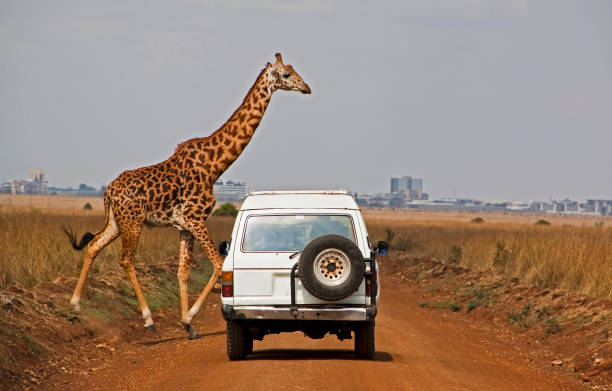
Dreaming of the Serengeti? Your Complete Tanzania Safari Trip Flight Guide
A Tanzania safari trip flight is the gateway to one of the most iconic wildlife destinations on Earth. Imagine vast savannas teeming with life, the thrill of the Great Migration, the majestic silhouette of Mount Kilimanjaro, and the pristine beaches of Zanzibar. Planning such an adventure can feel overwhelming, especially when it comes to coordinating flights and logistics. This comprehensive guide is designed to demystify the process, offering expert advice, practical tips, and insights to ensure your Tanzania safari trip flight is seamless and unforgettable.
From understanding the best airports to fly into, navigating internal travel, and choosing the right safari package, we’ll cover every aspect of your journey. Whether you’re envisioning a luxury escape, a family adventure, or a budget-conscious expedition for 2026 or 2027, this guide will equip you with the knowledge to plan a trip that exceeds your wildest expectations. Let’s dive into the heart of East Africa and chart your course for an incredible safari experience.
Why Choose Tanzania for Your Safari Adventure?
Tanzania is a world-renowned safari destination for good reason. It offers an unparalleled diversity of landscapes and wildlife, coupled with a rich cultural tapestry. Here’s why it should be at the top of your travel list:
- The Great Migration: Witnessing millions of wildebeest, zebras, and gazelles traverse the plains of the Serengeti and Masai Mara (across the border in Kenya) is a spectacle like no other. The timing of this natural phenomenon is crucial for safari planning.
- Iconic National Parks: Beyond the Serengeti, Tanzania boasts Ngorongoro Conservation Area, a UNESCO World Heritage site featuring a collapsed volcanic caldera teeming with wildlife; Tarangire National Park, famous for its large elephant herds and baobab trees; and Lake Manyara National Park, known for its tree-climbing lions and diverse birdlife.
- Diverse Ecosystems: From the arid plains of the Serengeti to the lush forests of Gombe Stream (home to chimpanzees) and the volcanic highlands, Tanzania offers a variety of environments to explore.
- Mount Kilimanjaro: Africa’s highest peak offers a challenging yet rewarding trekking experience for adventurers.
- Zanzibar Archipelago: After your safari, unwind on the idyllic spice islands of Zanzibar, with their white-sand beaches, turquoise waters, and rich history.
- Authentic Cultural Experiences: Engage with local communities, such as the Maasai people, and gain insights into their traditional way of life.
Understanding Your Tanzania Safari Trip Flight: Airports and Logistics
The first step in planning your Tanzania safari trip flight is understanding the primary international and domestic airports. This will influence your flight bookings and internal travel arrangements.
International Entry Points
- Julius Nyerere International Airport (JNIA) in Dar es Salaam: This is Tanzania’s largest and busiest international airport. Many international travelers arrive here, especially if their safari starts in southern or western Tanzania, or if they plan to visit Zanzibar first.
- Kilimanjaro International Airport (JRO) in Arusha: Located between Arusha and Moshi, JRO is the most convenient airport for safaris in the Northern Circuit (Serengeti, Ngorongoro, Tarangire, Lake Manyara). If your primary focus is the Northern Circuit, flying directly into JRO is highly recommended.
Domestic Travel and Airstrip Networks
Once you land, your safari will likely involve internal flights or overland travel. For remote lodges and parks, domestic flights are often the most efficient way to maximize your safari time.
- Charter and Scheduled Flights: Several local airlines operate scheduled flights between major hubs like Arusha, Kilimanjaro, Zanzibar, Dar es Salaam, and various airstrips within national parks. These flights are typically operated by small bush planes, offering stunning aerial views of the landscape.
- Airstrip Access: Most major national parks and reserves have one or more designated airstrips. Your lodge or tour operator will arrange transfers from the nearest airstrip to your accommodation.
- Overland Travel: For shorter distances within a circuit (e.g., Arusha to Tarangire, or Ngorongoro Crater rim to Serengeti), 4×4 safari vehicles are the standard. This allows for a more immersive experience and stops along the way.
When booking your international flight, consider which airport offers the best connection to your chosen safari itinerary. For Northern Circuit safaris, JRO is usually the preferred arrival point. If you plan to explore parks like Selous Game Reserve or Ruaha National Park, Dar es Salaam (JNIA) might be more suitable.
Best Time to Plan Your Tanzania Safari Trip Flight
The ‘best time’ to visit Tanzania depends on your priorities, particularly if you wish to witness the Great Migration. However, Tanzania offers incredible wildlife viewing opportunities year-round.
Dry Season (June to October)
- Wildlife Viewing: This is peak season. Animals congregate around permanent water sources, making them easier to spot. Vegetation is less dense.
- Great Migration: The wildebeest and zebra herds are typically in the Serengeti’s western and central corridors during June and July, often crossing the Grumeti River. By August to October, they are usually moving north towards the Mara River and then into Kenya’s Masai Mara.
- Weather: Pleasant temperatures, sunny days, and minimal rain. Can be cooler in the mornings and evenings.
- Considerations: This is the busiest and most expensive time for safaris. Book your Tanzania safari trip flight and accommodation well in advance.
Wet Season (November to May)
- Green Season: The landscape transforms into a lush green paradise, ideal for photographers.
- Calving Season: From late January to March, thousands of wildebeest calves are born in the southern Serengeti. This is a spectacular time to witness predator-prey interactions.
- Birdwatching: Excellent for bird enthusiasts, with migratory birds present.
- Fewer Crowds & Lower Prices: Generally less crowded and more affordable than the dry season.
- Considerations: Some roads can become challenging due to rain, potentially affecting travel times. Short rains occur in November/December, and long rains from March to May.
For 2026 and 2027 safaris: The dry season remains the most popular. However, the green season offers unique advantages for photography and budget-conscious travelers. Research the specific migration patterns for your chosen travel dates to align with your wildlife viewing goals.
Crafting Your Ideal Tanzania Safari Itinerary
A well-planned itinerary is key to a successful Tanzania safari trip flight. Most visitors focus on the Northern Circuit due to its high concentration of iconic parks. Here’s a sample itinerary, which can be customized:
7-Day Northern Circuit Safari Sample Itinerary (Focus: Wildlife & Ngorongoro)
Day 1: Arrival in Arusha / Kilimanjaro International Airport (JRO)
Arrive at JRO, meet your guide, and transfer to your lodge in Arusha. Relax and prepare for your safari. Overnight in Arusha.
Day 2: Tarangire National Park
After breakfast, drive to Tarangire National Park, known for its large elephant herds and baobab trees. Enjoy a full day of game drives. Overnight near Tarangire or in Karatu.
Day 3: Lake Manyara National Park & Ngorongoro Highlands
Morning game drive in Lake Manyara, famous for its tree-climbing lions and diverse birdlife. Afterwards, drive to the Ngorongoro Conservation Area, heading towards your lodge on the crater rim or in nearby Karatu. Overnight in Karatu or Ngorongoro area.
Day 4: Ngorongoro Crater Tour
Descend into the Ngorongoro Crater, a UNESCO World Heritage site, for an unforgettable game drive. This natural caldera is a haven for wildlife, including the Big Five. Enjoy a picnic lunch. Overnight in Karatu or Ngorongoro area.
Day 5: Serengeti National Park (Central)
Drive to the legendary Serengeti National Park, with a stop at Olduvai Gorge (optional). Begin your game drives in the central Serengeti, renowned for its resident wildlife. Overnight in Central Serengeti.
Day 6: Serengeti National Park (Full Day)
Full day dedicated to exploring the vast plains of the Serengeti. Depending on the time of year, you may focus on areas where the Great Migration is present. Optional hot air balloon safari at sunrise. Overnight in Central Serengeti.
Day 7: Serengeti to Arusha / Departure
Enjoy a final morning game drive in the Serengeti before taking a bush flight from a Serengeti airstrip back to Arusha. Connect with your international flight from JRO or continue to Zanzibar.
Customization Options:
- Extend your stay: Add days in the Serengeti for deeper exploration, visit the western or northern Serengeti, or include other parks like Ruaha or Selous (requiring flights from Dar es Salaam).
- Combine with Kilimanjaro: Trek the mountain before or after your safari.
- Add Zanzibar: Fly from Arusha or Serengeti to Zanzibar for a relaxing beach extension.
- Chimpanzee Trekking: Visit Gombe Stream or Mahale Mountains National Park (requires significant travel time and flights).
Booking Your Tanzania Safari Trip Flight: Key Considerations
Booking your international flights and internal safari flights requires careful planning. Here’s how to approach it:
International Flights
- Book in Advance: Especially for peak season travel in 2026 and 2027, book your international flights 6-12 months ahead for the best fares and availability.
- Flexibility: If your dates are flexible, you might find better deals. Mid-week flights are often cheaper than weekends.
- Airlines: Major carriers like Qatar Airways, Emirates, Turkish Airlines, KLM, and Ethiopian Airlines fly to JRO and JNIA, often with one stop.
- Layover Times: Consider the length of your layovers. Long layovers can be tiring, but very short ones can be risky if your first flight is delayed.
Internal Flights (Bush Flights)
- Through Your Tour Operator: The most common and recommended method is to have your tour operator book these flights for you. They have established relationships with local carriers (like Auric Air, Coastal Aviation, Precision Air) and can often secure better rates. They also handle the logistics seamlessly.
- Luggage Restrictions: Bush planes have strict weight and size limits for luggage, typically 15-20 kg (33-44 lbs) per person, including hand luggage, in soft-sided duffel bags. Hard suitcases are usually not permitted.
- Booking Directly: While possible, booking directly can be more complex due to payment methods and coordination with your ground arrangements.
When to Book
International Flights: Aim for 6-12 months in advance for peak season (June-October) and 4-8 months for the shoulder/low seasons.
Internal Flights: Once your safari itinerary and dates are confirmed, your tour operator will book these. This is typically done 2-4 months before departure, but earlier is always better for securing preferred schedules.
What to Expect on Your Tanzania Safari Trip Flight & Safari
Understanding what’s typically included and what to prepare for will enhance your experience.
Typical Inclusions with a Tour Operator
- Accommodation: Lodges, tented camps, or hotels as per your itinerary.
- Safari Vehicle & Guide: A private 4×4 safari vehicle with a professional, English-speaking driver-guide.
- Park Fees: Entry fees to all national parks and conservation areas.
- Meals: Usually full board (breakfast, lunch, dinner) during the safari portion. Drinks can vary.
- Activities: Game drives as per the itinerary.
- Internal Flights: Often included, especially if you opt for a fly-in safari. Clarify this when booking.
- Airport Transfers: Pick-up and drop-off at airports.
What’s Typically Excluded
- International Flights: Your Tanzania safari trip flight to and from Tanzania.
- Visa Fees: For Tanzania.
- Travel Insurance: Essential for any trip.
- Gratuities: For your guide, lodge staff, etc.
- Personal Expenses: Souvenirs, alcoholic beverages, laundry, etc.
- Optional Activities: Such as hot air balloon safaris, guided walks, or cultural visits not specified in the package.
Packing Essentials for Your Tanzania Safari
Packing light and smart is crucial, especially with bush flight luggage restrictions.
- Clothing: Neutral-colored, lightweight clothing (khaki, beige, green, brown). Avoid bright colors and dark blue/black (which can attract tsetse flies). Include long-sleeved shirts and trousers for sun and insect protection.
- Outerwear: A warm fleece or jacket for cool mornings/evenings, and a waterproof jacket.
- Footwear: Comfortable walking shoes or hiking boots (if doing any walking safaris), plus sandals or trainers for relaxing.
- Sun Protection: Wide-brimmed hat, sunglasses, high SPF sunscreen.
- Insect Repellent: With DEET or Picaridin.
- Camera Gear: Extra batteries, memory cards, zoom lens, and a dust-proof bag.
- Binoculars: Essential for spotting wildlife.
- Personal Items: Medications, basic first-aid kit, hand sanitizer, wet wipes.
- Adapter: Tanzania uses Type G plugs (UK style).
- Duffel Bag: Soft-sided, as mentioned for bush flights.
Who is a Tanzania Safari Trip Flight For?
Tanzania safaris cater to a wide range of travelers. Your Tanzania safari trip flight can be tailored to suit:
- Adventure Seekers: Those looking for thrilling wildlife encounters, potential trekking on Kilimanjaro, and exploring remote areas.
- Nature & Wildlife Enthusiasts: Photographers, birdwatchers, and anyone fascinated by the natural world and its inhabitants.
- Families: Safaris offer educational and exciting experiences for all ages. Choose family-friendly lodges and activities.
- Couples & Honeymooners: Romantic lodges, stunning sunsets, and unique experiences make Tanzania a perfect honeymoon destination.
- Luxury Travelers: High-end lodges, private guides, and exclusive experiences are readily available.
- Budget Travelers: Camping safaris and mid-range lodges offer more affordable ways to experience Tanzania.
Safety and Health Considerations
Your well-being is paramount. Here are some essential safety and health tips:
- Vaccinations: Consult your doctor or a travel clinic 4-6 weeks before your trip regarding recommended vaccinations (e.g., Yellow Fever, Hepatitis A/B, Typhoid) and malaria prophylaxis.
- Malaria: Tanzania is a malaria-risk area. Take precautions such as using insect repellent, wearing long sleeves/trousers at dusk and dawn, and using anti-malarial medication as prescribed.
- Water: Drink only bottled or purified water. Avoid ice in drinks unless you are sure it’s made from purified water.
- Sun Exposure: The equatorial sun is strong. Use sunscreen, wear a hat, and stay hydrated.
- Safari Vehicle Safety: Always follow your guide’s instructions. Do not stand up in the vehicle while it is moving, and never attempt to feed or approach wildlife. Stay within the vehicle at all times unless your guide indicates it is safe to exit.
- Travel Insurance: Ensure you have comprehensive travel insurance that covers medical emergencies, evacuation, and trip cancellation.
Making the Most of Your Tanzania Safari Trip Flight Experience
Beyond the logistics, here are tips to enrich your safari:
- Choose the Right Guide: A good guide is invaluable. They possess extensive knowledge of animal behavior, tracking skills, and local culture.
- Be Patient and Observant: Wildlife viewing requires patience. Sometimes the best sightings come unexpectedly. Take time to observe animal behavior.
- Respect Wildlife: Maintain a safe distance and avoid disturbing animals. Your actions impact their natural behavior.
- Engage with Local Culture: If opportunities arise, interact respectfully with local communities. Visit a Maasai village or learn about local traditions.
- Disconnect to Reconnect: While you’ll want to capture memories, try to put down the camera occasionally and simply soak in the incredible sights and sounds of the African bush.
Booking Your Unforgettable Tanzania Safari Trip Flight with Us
Planning a Tanzania safari trip flight and the subsequent safari itself can be complex. At Top Guide Adventures, we specialize in crafting tailor-made safari experiences that cater to your specific interests, budget, and travel style. We handle all the intricate details, from securing the best internal flights and accommodations to ensuring you have an expert guide who brings the magic of Tanzania to life.
Whether you dream of witnessing the Great Migration in the Serengeti, exploring the Ngorongoro Crater, or combining your safari with a climb up Kilimanjaro or a relaxing escape to Zanzibar, we are here to make it happen. Our team has extensive local knowledge and a passion for creating unforgettable journeys.
Ready to plan your 2026 or 2027 adventure? Let us help you design the perfect Tanzania safari trip flight and ground experience. We pride ourselves on offering personalized service, transparent pricing, and ensuring every aspect of your trip is handled with care and expertise.
Get a Custom Safari Quote Today!
Contact our expert travel consultants to start planning your dream Tanzania safari. We’ll help you find the best flights, accommodations, and activities to suit your needs.
WhatsApp: +255616946642
Email: info@topguideadventures.com
Backup Email: topguideadventures@gmail.com
Frequently Asked Questions About Tanzania Safari Trip Flights
Q1: What is the best airport to fly into for a Northern Circuit Tanzania safari?
Answer: Kilimanjaro International Airport (JRO) is the most convenient international gateway for the Northern Circuit parks like Serengeti, Ngorongoro, Tarangire, and Lake Manyara. It significantly reduces travel time from your arrival point to the start of your safari.
Q2: How do I book internal flights for my safari in Tanzania?
Answer: The easiest and most recommended way is to have your tour operator book these bush flights for you. They manage the logistics, ensure compliance with luggage restrictions (usually soft-sided bags, 15-20kg limit), and coordinate with your ground transfers. We at Top Guide Adventures handle all internal flight bookings as part of our seamless safari packages.
Q3: What are the luggage restrictions for bush flights in Tanzania?
Answer: Bush planes typically have strict luggage limits, usually around 15-20 kg (33-44 lbs) per person, including hand luggage. Luggage must be in soft-sided duffel bags, not hard suitcases, due to space constraints in the aircraft’s cargo hold. Always confirm specific limits with your tour operator.
Q4: When should I book my Tanzania safari trip flight for 2026 or 2027?
Answer: For peak season travel (June-October) in 2026 or 2027, it’s advisable to book your international flights 8-12 months in advance. For the shoulder or low seasons, 4-6 months is generally sufficient. Internal safari flights are typically booked by your tour operator a few months before departure, once your itinerary is finalized.
Q5: Can I combine a safari with a trip to Zanzibar?
Answer: Absolutely! It’s a very popular combination. After your safari, you can take a domestic flight from Arusha or a Serengeti airstrip directly to Zanzibar for a relaxing beach holiday. We can arrange this seamless transition for you.
Q6: Is it possible to do a self-drive safari in Tanzania?
Answer: While technically possible, self-drive safaris are not commonly recommended for first-time visitors to Tanzania. The road conditions can be challenging, navigation can be difficult, and understanding park rules and wildlife behavior requires local expertise. Hiring a vehicle with a professional driver-guide is highly recommended for a safer and more enriching experience.
Q7: What is the best time to see the Great Migration?
Answer: The Great Migration is a year-round phenomenon, but its location changes. Generally, July-October is best for river crossings in the northern Serengeti. Late January to March is ideal for witnessing the calving season in the southern Serengeti. Your tour operator can advise on the best time and location based on your travel dates.
Q8: What vaccinations are needed for Tanzania?
Answer: It’s crucial to consult your doctor or a travel clinic 4-6 weeks before your trip. Recommended vaccinations often include Yellow Fever (required if arriving from a country with risk of Yellow Fever), Hepatitis A, Typhoid, and Tetanus. Malaria prophylaxis is also typically recommended.
Your Tanzania Safari Trip Flight Awaits!
Embarking on a Tanzania safari trip flight is the first step towards an adventure of a lifetime. With careful planning, understanding the logistics, and choosing the right partners, you can ensure a smooth and unforgettable journey. From the vast plains of the Serengeti to the depths of the Ngorongoro Crater, Tanzania offers unparalleled wildlife encounters and breathtaking landscapes.
Don’t let the planning overwhelm you. Let the experts at Top Guide Adventures guide you every step of the way. We are passionate about creating bespoke safari experiences that connect you with the heart of Africa. Contact us today to start crafting your dream Tanzania safari trip flight and adventure for 2026 or 2027!
Let’s Plan Your Dream Safari!
We are your trusted local experts for unforgettable Tanzania safari adventures. Get in touch to discuss your perfect trip:
WhatsApp: +255616946642
Email: info@topguideadventures.com
Backup Email: topguideadventures@gmail.com
Plan your tanzania safari trip flight with Top Guide Adventures
Tell us your travel dates, group size, comfort level, and dream experience. We will help you shape a clear, realistic, and memorable Tanzania itinerary.
Our Guest Reviews, from Our Tanzania Tours
Selected guest feedback related to this safari, tour, route, or destination.







 Veedesigner
 Fatma Kizanga
 Benjamin Waryuba
 Philip Philip
 John jr Itaja
 Antonia Optatus
 Edith Kanyere
 Neema Iddy
 Kelvin Boniphace
 Damari Maiga



