
Updated planning guide for 2026-2027
Tanzania To Mozambique Travel Guide: Complete 2026-2027
Your essential guide to traveling between Tanzania and Mozambique. This detailed resource covers everything from planning your route and understanding the best travel times to essential packing tips and what to expect. Perfect for adventurers looking to connect these two incredible East African nations.
WhatsApp +255616946642 | topguideadventures@gmail.com | info@topguideadventures.com
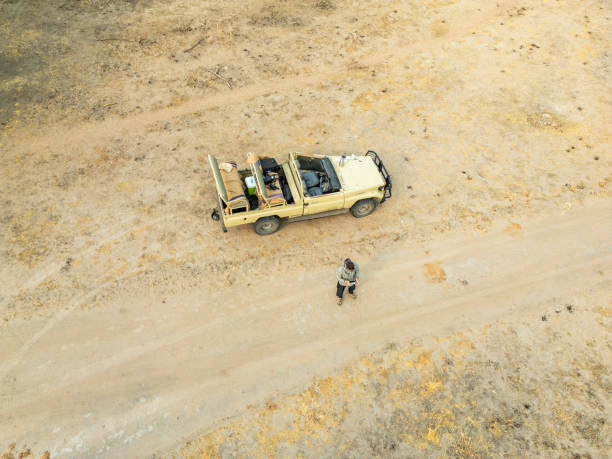
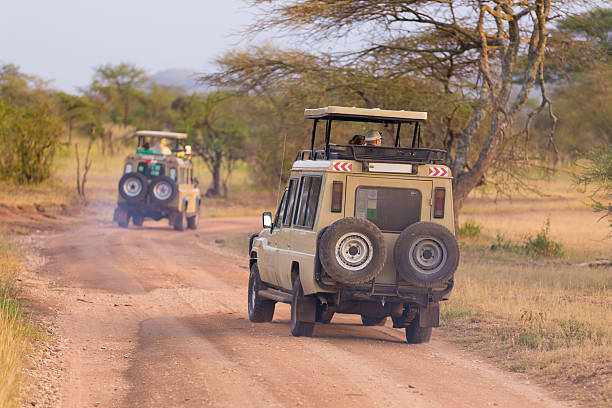
Tanzania to Mozambique Travel Guide: Essential Planning for 2026-2027
Connecting the diverse landscapes and rich cultures of Tanzania and Mozambique offers an unparalleled travel experience in East Africa. Whether you’re drawn to Tanzania’s iconic safaris and the spice-scented air of Zanzibar, or Mozambique’s pristine coastline and vibrant island life, planning a journey between these two nations requires careful consideration. This comprehensive guide is designed to help you navigate the logistics, understand the best times to travel, and make the most of your adventure in 2026-2027.
Many travelers find themselves exploring Tanzania first, perhaps after a thrilling safari in the Serengeti or a trek up Mount Kilimanjaro, and then looking south to the allure of Mozambique’s beaches and marine parks. Conversely, some might begin in Mozambique and head north. Regardless of your starting point, understanding the practicalities of transit, accommodation, activities, and safety is key to a rewarding trip.
Quick Facts: Tanzania to Mozambique Travel
| Aspect | Details |
|---|---|
| Primary Transit Points | Dar es Salaam (Tanzania) to Maputo/Nacala (Mozambique) via flight or ferry (limited routes). Overland via Malawi is also an option. |
| Visa Requirements | Vary by nationality. Check requirements for both Tanzania and Mozambique well in advance. E-visas may be available. |
| Currency | Tanzanian Shilling (TZS) and Mozambican Metical (MZN). USD widely accepted for tourist services. |
| Language | Swahili (Tanzania), Portuguese (Mozambique). English is common in tourist areas. |
| Best Time to Travel | Dry seasons: June-October (Tanzania), May-October (Mozambique). Shoulder seasons can offer good value. |
| Connectivity | Mobile networks and Wi-Fi are available in cities and major tourist areas; can be spotty in remote regions. |
Understanding the Journey: Tanzania & Mozambique Overview
Tanzania is renowned for its exceptional wildlife viewing, including the Great Migration in the Serengeti, the Ngorongoro Crater’s dense animal population, and the vast Selous Game Reserve. Beyond safaris, it offers the historical and cultural richness of Stone Town in Zanzibar, and the challenging, rewarding ascent of Mount Kilimanjaro. The country’s infrastructure for tourism is well-developed, especially for safaris and Zanzibar holidays.
Mozambique, in contrast, boasts an extensive coastline along the Indian Ocean, famed for its unspoiled beaches, coral reefs, and vibrant marine life, particularly in areas like the Bazaruto Archipelago and Quirimbas Islands. Its culture is a fascinating blend of African, Portuguese, and Arab influences, evident in its music, food, and architecture. Tourism infrastructure is developing, with more established options in popular beach destinations and cities like Maputo.
Why Travel Between Tanzania and Mozambique?
The appeal of combining these two countries lies in the sheer diversity of experiences they offer. You can transition from the thrill of spotting lions and elephants on a Tanzanian safari to the tranquility of snorkeling over coral reefs in Mozambique. It’s a journey that appeals to a wide range of travelers:
- Adventure Seekers: Combining Kilimanjaro trekking with diving in the Bazaruto Archipelago.
- Wildlife Enthusiasts: Experiencing the Serengeti’s migration followed by whale shark encounters off the Mozambican coast.
- Culture Buffs: Exploring Zanzibar’s history and then immersing in Mozambique’s unique Portuguese-African heritage.
- Beach Lovers: Enjoying Zanzibar’s beaches and then discovering the more secluded, less-developed coastlines of Mozambique.
This dual-destination trip provides a rich, multi-faceted view of East and Southern Africa, offering contrasting yet complementary experiences.
Best Time to Travel for Tanzania to Mozambique Journeys (2026-2027)
Timing is crucial for maximizing your enjoyment and minimizing travel disruptions. Both countries have distinct dry and wet seasons, which influence wildlife viewing, beach conditions, and overland travel feasibility.
| Period | Tanzania Highlights | Mozambique Highlights | Considerations |
|---|---|---|---|
| June – October (Dry Season) | Excellent wildlife viewing (Serengeti, Ngorongoro). Clear skies for Kilimanjaro. Pleasant temperatures. Peak safari season. | Ideal for beach holidays, diving, and snorkeling. Calm seas. Pleasant, cooler temperatures. Good for exploring southern Mozambique. | This is the prime time for both countries, meaning higher prices and more crowds. Book well in advance for 2026-2027. Ideal for combining safari and beach. |
| November – March (Wet Season/Shoulder) | Green landscapes, fewer crowds, baby animals (especially Dec-Feb). Southern Serengeti (Ndutu) for calving season. Zanzibar can be hot and humid. | Rainy season, especially Dec-Feb. Can disrupt travel, particularly coastal roads. Southern Mozambique can be hot and humid. Better for budget travelers if avoiding peak rains. | Tanzania’s green season offers unique photographic opportunities. Mozambique’s rains can make some areas inaccessible. Zanzibar is still popular but expect heat. |
| April – May (Long Rains/Shoulder) | Heavy rainfall, especially April. Parks can be muddy, some roads difficult. Fewer tourists, lower prices. Zanzibar is humid. | Rainy season continues into April. May sees improving conditions. Still shoulder season for Mozambique. | Generally the least favorable time due to rain impacting both wildlife viewing and beach access. Significant discounts may be available, but travel is more challenging. |
Recommendation for 2026-2027: For the best of both worlds – optimal safari conditions in Tanzania and excellent beach/diving weather in Mozambique – aim for June to October. If budget is a concern or you prefer fewer crowds, consider the shoulder months of May or early November, though you might encounter some transitional weather.
Routes and Transit Options: Tanzania to Mozambique
Traveling directly between Tanzania and Mozambique is not as straightforward as between some other neighboring countries. The most common methods involve flights, but overland routes are possible, though longer and more complex.
1. Flying: The Fastest & Most Convenient
This is the most practical way to connect the two countries, especially for limited timeframes.
- Main Hubs: Flights typically depart from Dar es Salaam (DAR) in Tanzania and arrive in Maputo (MPM) or Nacala (MNC) in Mozambique.
- Airlines: Ethiopian Airlines, Kenya Airways, and sometimes South African Airways or LAM Mozambique Airlines operate routes, often with a stopover in Addis Ababa or Nairobi.
- Duration: Total travel time, including layovers, can range from 6 to 12+ hours.
- Booking: Book flights several months in advance, especially for travel in 2026-2027, as routes can be limited and fill up quickly. Consider booking multi-city tickets if your itinerary is fixed.
2. Overland Travel: The Adventurous (and Longer) Route
This option is for travelers with ample time and a desire for a more immersive, albeit challenging, experience. The most common overland route involves transiting through Malawi.
Sample Overland Route (Tanzania -> Malawi -> Mozambique):
Tanzania (e.g., Arusha/Dar es Salaam)
↓ (Bus/Flight to Mbeya or Tunduma border)
↓ (Cross into Malawi at Songwe Border Post)
Malawi
↓ (Travel south along Lake Malawi – e.g., to Lilongwe)
↓ (Bus/Private transfer to Dedza border post into Mozambique)
Mozambique (e.g., Tete province, then onwards to Maputo or Nacala)
- Duration: This route can take anywhere from 4-7 days of actual travel, depending on border crossing times, transport availability, and road conditions.
- Challenges: Border crossings can be slow and bureaucratic. Road conditions can vary significantly, especially in Mozambique. Public transport might involve multiple changes and long waits.
- Considerations: You’ll need visas for Malawi (if applicable to your nationality) and Mozambique. Ensure your vehicle (if self-driving) is suitable and properly insured. This route is best suited for experienced overland travelers.
3. Ferry Services (Limited & Seasonal)
Historically, there have been ferry services connecting Zanzibar to mainland Tanzania and occasionally to islands like Pemba. Direct ferry services between Tanzania and Mozambique are rare and often unreliable or seasonal. It’s best to confirm current availability and schedules locally, but flights are generally the more dependable option.
Itinerary Logic: Combining Tanzania & Mozambique
The duration of your trip will dictate how much you can realistically experience. A common approach is to allocate time based on your primary interests.
Sample Itinerary Structure (14-21 Days):
- Day 1-2: Arrive Kilimanjaro International Airport (JRO), transfer to Arusha.
- Day 3-5: Northern Circuit Safari (Tarangire, Lake Manyara, Ngorongoro Crater).
- Day 6-7: Serengeti National Park (focus on migration if seasonal).
Day 8: Transition Day
- Fly from Arusha/Kilimanjaro (JRO) or drive to Zanzibar (ZNZ).
- Option: Fly directly from Kilimanjaro (JRO) to Dar es Salaam (DAR) and then connect to Mozambique, skipping Zanzibar for this trip.
Days 9-14: Zanzibar (Culture & Relaxation)
- Day 9-10: Stone Town exploration (history, spice tours, markets).
- Day 11-13: Northern/Eastern Zanzibar beaches (Nungwi, Kendwa, Paje) for relaxation and water sports.
- Day 14: Fly from Zanzibar (ZNZ) to Dar es Salaam (DAR) for onward flight to Mozambique.
Days 15-21: Mozambique (Coastal Bliss)
- Day 15: Arrive in Maputo (MPM) or Nacala (MNC). Transfer to accommodation.
- Day 16-19: Explore coastal areas – e.g., Bazaruto Archipelago (Vilanculos access) for diving, snorkeling, fishing, or Quirimbas Islands (requires flight to Pemba).
- Day 20: Return to Maputo/Nacala for departure.
- Day 21: Depart from Mozambique.
Note: This is a sample. You could swap Zanzibar for more safari time in Tanzania or focus solely on Mozambique’s islands. The overland route would require significantly more time, likely 3-4 weeks minimum.
What to Expect: Culture, Wildlife, and Landscapes
Tanzania: Expect vast savannas teeming with wildlife, dramatic geological formations like the Ngorongoro Crater, and the tropical allure of Zanzibar. The culture is diverse, with Swahili influences, distinct tribal traditions, and the unique history of Zanzibar. Service in tourist lodges and camps is generally high, though local interactions can vary.
Mozambique: Prepare for stunning, often less-crowded, beaches and crystal-clear waters. The Portuguese colonial past is evident in architecture and language. Expect a more laid-back pace of life, especially outside the capital, Maputo. The marine life is a major draw, offering world-class diving and snorkeling opportunities. Infrastructure can be less developed than in Tanzania’s prime safari areas, particularly for accessing remote islands.
Inclusions, Packing, and Preparation
Given the dual-country nature of this trip, packing efficiently is key. You’ll need gear for varied climates and activities.
Essential Packing List:
- Clothing: Lightweight, breathable fabrics. Neutral colors for safaris. Long sleeves and pants for sun/insect protection. Swimwear. A light jacket or fleece for cooler evenings/mornings on safari or in higher altitudes. Smart casual wear for evenings.
- Footwear: Comfortable walking shoes or hiking boots (if trekking). Sandals or flip-flops for beaches. Water shoes for marine activities.
- Health & Safety: Insect repellent (high DEET content recommended). Sunscreen (high SPF). Personal first-aid kit. Any personal medications. Antiseptic wipes. Hand sanitizer.
- Documents: Passport (with at least 6 months validity), visas, flight tickets, travel insurance details, vaccination certificates (Yellow Fever often required). Copies of all important documents stored separately.
- Gear: Binoculars (essential for safari). Camera and extra batteries/memory cards. Power bank. Universal travel adapter. Headlamp or small flashlight. Reusable water bottle. Dry bag for boat trips.
- Money: Combination of USD (for tourist services, often preferred), local currency (Metical and Shilling) for smaller purchases. Credit/debit cards (accepted in larger establishments, but carry cash).
Preparation Checklist:
- Visas: Research and apply for Tanzanian and Mozambican visas well in advance. Check if your nationality qualifies for e-visas or visa on arrival.
- Vaccinations: Consult your doctor or a travel clinic 4-6 weeks before departure regarding recommended vaccinations (e.g., Yellow Fever, Hepatitis A/B, Typhoid) and malaria prophylaxis.
- Travel Insurance: Comprehensive travel insurance covering medical emergencies, trip cancellation, and lost luggage is mandatory.
- Flights: Book international and internal flights early, especially for 2026-2027 travel.
- Accommodation: Book lodges, hotels, and any island stays in advance, particularly during peak seasons.
- Tours & Activities: Pre-book popular safaris, Kilimanjaro climbs (if applicable), and specific diving/snorkeling trips.
- Currency Exchange: Familiarize yourself with exchange rates and have some USD readily available.
Common Mistakes to Avoid
Planning a trip across two countries requires attention to detail. Here are some common pitfalls:
- Underestimating Travel Time: Assuming short distances mean quick journeys. Flights can have long layovers, and overland travel is slow.
- Not Booking in Advance: Especially for peak seasons in 2026-2027, popular accommodations and flights get booked up months ahead.
- Ignoring Visa Requirements: Failing to check or apply for the correct visas can lead to denied entry or significant delays at borders.
- Packing Inappropriately: Bringing too much, too little, or the wrong type of clothing for the varied climates and activities.
- Relying Solely on Credit Cards: While accepted in many tourist spots, cash is essential for local markets, smaller vendors, and remote areas.
- Not Considering Seasonality: Planning a beach holiday during Mozambique’s rainy season or a safari during Tanzania’s heavy rains can lead to disappointment.
- Over-scheduling: Trying to cram too many destinations or activities into a short period. Allow for downtime and unexpected delays.
Who is This Trip Best Suited For?
This Tanzania to Mozambique travel experience is ideal for:
- Experienced Travelers: Those comfortable with navigating different cultures, languages, and potentially less developed infrastructure.
- Adventure Enthusiasts: Individuals seeking a mix of wildlife, adventure activities (diving, trekking), and cultural immersion.
- Nature Lovers: Anyone passionate about diverse ecosystems, from the African savanna to vibrant coral reefs.
- Travelers Seeking Contrast: Those who appreciate experiencing distinct environments and cultures within a single trip.
- Couples & Honeymooners: Combining romantic beach escapes in Zanzibar and Mozambique with the adventure of a Tanzanian safari.
It might be less suitable for travelers seeking a purely relaxing, resort-style holiday with minimal travel between locations, or those who prefer highly predictable and standardized tourist experiences.
Alternatives to a Tanzania to Mozambique Trip
If the logistics of combining Tanzania and Mozambique seem daunting, or if your interests lie elsewhere, consider these alternatives:
- Tanzania & Zanzibar Only: Focus on a deeper exploration of Tanzania’s mainland parks and the islands of Zanzibar and Pemba. This simplifies logistics considerably.
- Kenya & Tanzania Safari Circuit: A classic combination offering iconic wildlife experiences in the Masai Mara and Serengeti, with optional extensions to the coast (e.g., Diani Beach in Kenya).
- Mozambique & South Africa: Combine Mozambique’s beaches and islands with South Africa’s diverse offerings, from Kruger National Park safaris to the attractions of Cape Town. This is a very popular and logistically easier pairing.
- Tanzania & Rwanda/Uganda: For gorilla trekking enthusiasts, combining Tanzania’s safaris with mountain gorilla encounters in Rwanda or Uganda is a prime choice.
Planning Your Tanzania to Mozambique Trip for 2026-2027
Successful planning for a multi-country trip like this involves several key stages. Here’s a timeline to help you prepare for your 2026-2027 adventure:
12+ Months Before:
- Define your budget and trip duration.
- Research destinations within Tanzania and Mozambique that appeal most.
- Identify your primary interests (safari, beach, culture, adventure).
- Start looking into visa requirements for your nationality.
9-12 Months Before:
- Book international flights.
- Book key accommodations or safari packages, especially for peak season 2026-2027.
- If climbing Kilimanjaro, book your trek with a reputable operator.
- Consult your doctor about necessary vaccinations and malaria prevention.
6-9 Months Before:
- Apply for necessary visas.
- Book internal flights between Tanzania and Mozambique.
- Arrange any necessary overland transport or transfers.
- Purchase travel insurance.
3-6 Months Before:
- Finalize your itinerary details.
- Book specific tours, diving trips, or activities.
- Start acquiring necessary gear and packing essentials.
- Obtain any required permits (e.g., for specific conservation areas).
1-3 Months Before:
- Confirm all bookings and reservations.
- Get any final vaccinations.
- Inform your bank of your travel dates to avoid card issues.
- Prepare copies of important documents.
1-2 Weeks Before:
- Pack your bags.
- Exchange some currency for immediate needs upon arrival.
- Review your itinerary and travel documents.
Booking Advice: Working with Tour Operators
For a complex trip combining two countries, working with an experienced tour operator can be invaluable. They can handle the intricate logistics, secure better rates, and provide crucial local knowledge.
When choosing an operator, look for:
- Specialization: Do they have expertise in both Tanzania and Mozambique?
- Reputation: Check reviews and testimonials.
- Customization: Can they tailor an itinerary to your specific interests and budget for 2026-2027?
- Responsiveness: How quickly and thoroughly do they answer your queries?
- Transparency: Are inclusions, exclusions, and payment terms clear?
Top Tip: Clearly communicate your desire to travel between Tanzania and Mozambique. A good operator will advise on the best transit methods, optimal timings, and realistic itineraries.
Frequently Asked Questions (FAQs) about Tanzania to Mozambique Travel
Q1: What is the easiest way to travel from Tanzania to Mozambique?
A1: The most straightforward and fastest method is by flying. Flights typically connect Dar es Salaam or Zanzibar to Maputo or Nacala, often with a layover in a regional hub like Addis Ababa or Nairobi. Overland travel is possible but significantly more time-consuming and complex.
Q2: What are the visa requirements for Tanzania and Mozambique for US citizens in 2026?
A2: Visa requirements can change. US citizens typically need a visa for Tanzania, which can often be obtained on arrival or via an e-visa application. For Mozambique, US citizens also generally require a visa, which can often be obtained on arrival or through an e-visa. Always check the latest official government immigration websites for both countries well before your travel dates in 2026-2027.
Q3: Is it safe to travel between Tanzania and Mozambique?
A3: Both countries have areas with higher and lower safety risks. Standard travel precautions are advised. In tourist areas and on organized tours, safety is generally good. Be aware of your surroundings, avoid displaying valuables, and use reputable transport. Consult your government’s travel advisories for the most up-to-date safety information.
Q4: How much money should I budget for a Tanzania to Mozambique trip?
A4: Costs vary significantly based on travel style (budget, mid-range, luxury), duration, and activities. Safaris in Tanzania are generally more expensive than beach holidays in Mozambique. A rough estimate for a 2-week trip combining mid-range safari and beach could range from $3,000 – $6,000+ per person, excluding international flights. It’s best to get custom quotes.
Q5: What is the best time to see wildlife in Tanzania and enjoy beaches in Mozambique?
A5: For wildlife, the dry season from June to October is prime time in Tanzania. For Mozambique’s beaches and diving, the dry season from May to October is also ideal, offering calmer seas and pleasant weather.
Q6: Can I travel overland from Tanzania to Mozambique through Zambia?
A6: While technically possible, traveling via Zambia is less common and can be more challenging than transiting through Malawi. It involves longer distances and potentially more complex border crossings. The Malawi route is generally considered more feasible for overland travel.
Q7: Do I need Yellow Fever vaccination for this trip?
A7: A Yellow Fever vaccination certificate is often required for entry into Mozambique if arriving from or transiting through a country with a risk of Yellow Fever (which can include Tanzania). It’s also sometimes checked for entry into Tanzania itself. Consult your doctor and check the latest entry requirements for both countries.
Q8: What are the main tourist hubs in Mozambique for beach access?
A8: For the Bazaruto Archipelago, Vilanculos is the main gateway town. For the Quirimbas Archipelago, Pemba is the primary hub. Maputo also offers coastal access south of the city.
Q9: Is English widely spoken in Mozambique?
A9: Portuguese is the official language. English is spoken in major tourist areas, hotels, and by tour operators, but less so in rural areas. Learning a few basic Portuguese phrases can be very helpful.
Q10: How far in advance should I book my 2027 Tanzania to Mozambique trip?
A10: For 2027, especially if traveling during peak seasons (June-October), booking 9-12 months in advance is highly recommended for flights, popular lodges, and safari packages to secure availability and potentially better rates.
Ready to Plan Your Tanzania to Mozambique Adventure?
Combining the safari wonders of Tanzania with the coastal beauty of Mozambique offers an unforgettable African journey. From the vast plains of the Serengeti to the turquoise waters of the Indian Ocean, this trip promises incredible diversity and adventure.
Let us help you craft your perfect Tanzania to Mozambique travel experience for 2026-2027. Our expertise in East African travel means we can design a seamless itinerary that maximizes your time and enjoyment, handling all the complex logistics so you can focus on the adventure.
Contact us today to start planning your custom itinerary:
WhatsApp: +255616946642
Email: topguideadventures@gmail.com
Backup Email: info@topguideadventures.com
Plan your Tanzania to Mozambique Travel Guide with Top Guide Adventures
Tell us your travel dates, group size, comfort level, and dream experience. We will help you shape a clear, realistic, and memorable Tanzania itinerary.







 Veedesigner
 Fatma Kizanga
 Benjamin Waryuba
 Philip Philip
 John jr Itaja
 Antonia Optatus
 Edith Kanyere
 Neema Iddy
 Kelvin Boniphace
 Damari Maiga



