
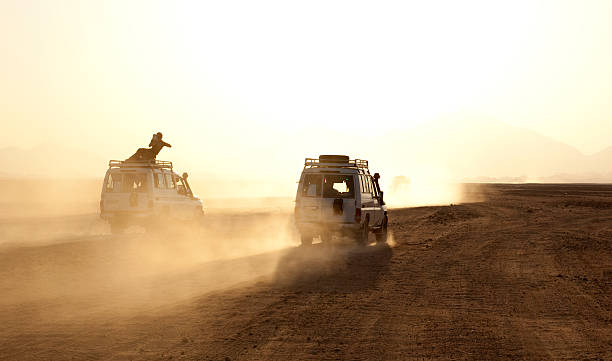

Planning an unforgettable journey to Tanzania for 2026 or 2027? Whether you’re dreaming of thrilling safaris across the Serengeti, conquering the majestic Mount Kilimanjaro, or relaxing on the pristine beaches of Zanzibar, ensuring your health and safety is paramount. A key part of this preparation involves understanding the necessary Tanzania vaccinations and health precautions. This guide will walk you through everything you need to know, from routine immunizations to specific recommendations for your Tanzanian adventure.
As a leading tour operator specializing in Tanzanian experiences, we at Top Best Tanzania Tour Operator understand the importance of detailed planning. We’ve assisted countless travelers in navigating the health requirements for their trips, and we’re here to provide you with the most up-to-date information to make your journey as smooth and worry-free as possible. Let’s explore the essential Tanzania vaccinations and health advice for your 2026-2027 travels.
Understanding Tanzania’s Health Landscape
Tanzania, a jewel of East Africa, offers diverse landscapes and incredible wildlife encounters. However, like many tropical destinations, it presents certain health considerations. Proactive health measures, including appropriate vaccinations, are your first line of defense. It’s crucial to consult with your healthcare provider or a travel clinic well in advance of your departure, ideally 4-6 weeks before your trip, to discuss your itinerary and receive personalized advice regarding Tanzania vaccinations and other health protocols.
The health recommendations can vary based on your country of origin, your vaccination history, the specific regions you plan to visit within Tanzania, and the duration of your stay. While some vaccinations might be routine, others are highly recommended or even mandatory for entry.
Mandatory Vaccinations for Entry into Tanzania
The most critical vaccination for entry into Tanzania is the Yellow Fever vaccine. Proof of vaccination against Yellow Fever is typically required if you are arriving from or have transited through a country with a risk of Yellow Fever transmission. This is a strict entry requirement, and travelers may be denied entry or required to be vaccinated at the point of entry if they cannot provide a valid International Certificate of Vaccination or Prophylaxis (ICVP).
Key Points about Yellow Fever Vaccination:
- Timing: The vaccine should be administered at least 10 days before your travel to Tanzania to ensure it is effective.
- Validity: The certificate is valid for life.
- Check Current Requirements: While generally life-long, it’s always wise to check the latest recommendations from official health organizations (like the CDC or WHO) and the Tanzanian immigration authorities closer to your 2026 or 2027 travel dates, as regulations can occasionally be updated.
- Exemptions: Infants under 9 months and individuals with contraindications to the vaccine may be exempt, but this usually requires a medical certificate.
Failure to comply with the Yellow Fever vaccination requirement can lead to significant disruption to your travel plans, including quarantine or refusal of entry. Therefore, this is the first and most important of the Tanzania vaccinations to address.
Recommended Vaccinations for Tanzania
Beyond the mandatory Yellow Fever vaccine, several other vaccinations are highly recommended to protect your health during your Tanzanian adventure. These are designed to prevent common infectious diseases that may be present in the region.
Hepatitis A
Hepatitis A is a viral infection that affects the liver. It is commonly spread through contaminated food and water. Given the potential for exposure through food and drink, especially in less developed areas or when trying local cuisine, the Hepatitis A vaccine is strongly recommended for all travelers to Tanzania. The vaccine is typically given as two doses, with the second dose administered 6-12 months after the first, providing long-term protection.
Typhoid Fever
Typhoid fever is another illness transmitted through contaminated food and water. It can cause high fever, headache, and stomach problems. Travelers to Tanzania are advised to get vaccinated against typhoid. There are two types of vaccines available: an oral vaccine (taken in four capsules over several days) and an injectable vaccine. Your doctor will advise on the best option for you.
Hepatitis B
Hepatitis B is a serious liver infection spread through blood and other bodily fluids. While the risk for most tourists is low, it’s recommended for travelers who might have close contact with locals, engage in medical work, get tattoos or piercings, or have sexual contact. The Hepatitis B vaccine is usually given as a series of shots over several months, but a rapid schedule is available for those traveling sooner.
Rabies
Rabies is a viral disease that affects the nervous system and is almost always fatal once symptoms appear. It is transmitted through the bite or scratch of infected animals, most commonly dogs, bats, and monkeys. While the risk of rabies for tourists in Tanzania is generally low, it is recommended for travelers who plan to spend a lot of time outdoors, especially in rural areas, or who might be involved in activities that increase their risk of animal bites (e.g., spelunking, working with animals).
Pre-exposure rabies vaccination involves a series of shots. If you are bitten or scratched after receiving the vaccine, you will still need prompt medical attention and a booster dose, but it simplifies post-exposure treatment compared to not being vaccinated at all.
Routine Vaccinations
Ensure that your routine vaccinations are up-to-date. This includes immunizations such as:
- Measles, Mumps, Rubella (MMR)
- Diphtheria, Tetanus, and Pertussis (DTaP)
- Varicella (Chickenpox)
- Polio
- Influenza (Flu)
These are standard vaccinations recommended for everyone, regardless of travel, but it’s a good opportunity to check your status before heading to Tanzania.
Other Potential Vaccinations (Consult Your Doctor)
Depending on your specific travel plans, medical history, and the advice of your healthcare provider, other vaccinations might be considered:
- Meningitis (Meningococcal): Recommended for travelers visiting areas where meningitis outbreaks are common, especially during the dry season.
- Cholera: Generally recommended for travelers going to areas with active outbreaks or for those working in cholera treatment centers. For most tourists on standard safari or trekking tours, the risk is low if safe food and water practices are followed.
- Tuberculosis (TB): Tanzania has a moderate risk of TB. While a vaccine (BCG) is available, it’s not routinely recommended for short-term travelers unless they have prolonged contact with the local population or are working in specific healthcare settings.
Remember, the best approach is a personalized consultation with a medical professional specializing in travel medicine. They can assess your individual needs based on your 2026-2027 travel plans.
Malaria Prevention in Tanzania
Malaria is a significant health concern in Tanzania, transmitted by mosquitoes. While vaccinations don’t protect against malaria, preventative measures are crucial. Tanzania is considered a high-risk area for malaria, particularly in coastal regions like Zanzibar and at lower altitudes. Higher elevations, such as the summit of Kilimanjaro, have a much lower risk, but it’s still present during the ascent and descent.
Key Malaria Prevention Strategies:
- Antimalarial Medication: Your doctor will likely prescribe antimalarial drugs. Several types are available, including Atovaquone-Proguanil (Malarone), Doxycycline, and Mefloquine. Each has its own dosage schedule, side effects, and effectiveness. It’s vital to take the medication exactly as prescribed, starting before you travel, continuing throughout your stay, and for a specified period after returning home. Discuss the best option for you with your doctor, considering your itinerary and any pre-existing health conditions.
- Insect Repellent: Use insect repellent containing DEET (N,N-diethyl-meta-toluamide) or Picaridin on exposed skin. Apply it generously, especially during dawn and dusk when mosquitoes are most active.
- Protective Clothing: Wear long-sleeved shirts, long trousers, and socks, especially during dawn and dusk, to minimize exposed skin. Light-colored clothing is often recommended as it is less attractive to mosquitoes.
- Mosquito Nets: Sleep under a mosquito net, preferably one treated with insecticide. Most lodges and hotels in Tanzania provide these, but it’s good to confirm.
- Environmental Precautions: Avoid stagnant water where mosquitoes breed. Stay in well-screened or air-conditioned accommodations.
Malaria can be a serious illness, so adhering strictly to your doctor’s advice on antimalarials and practicing diligent mosquito bite prevention is essential for a healthy trip in 2026-2027.
Other Health Considerations for Tanzania
Beyond vaccinations and malaria, several other health factors should be considered for your trip to Tanzania.
Food and Water Safety
Contaminated food and water are common sources of traveler’s diarrhea and other gastrointestinal illnesses. To minimize risk:
- Drink Bottled Water: Always drink bottled or purified water. Avoid tap water, even for brushing your teeth. Ensure bottled water has a sealed cap.
- Avoid Ice: Do not consume ice in drinks unless you are certain it was made from purified water.
- Eat Hot, Well-Cooked Food: Opt for food that is freshly cooked and served hot. Avoid raw or undercooked meats and seafood.
- Peel Fruits and Vegetables: Eat fruits and vegetables that you can peel yourself. Avoid pre-cut fruits or salads unless you are confident in their preparation.
- Be Cautious with Street Food: While tempting, street food carries a higher risk of contamination.
Practicing these simple precautions significantly reduces the risk of getting sick.
Altitude Sickness (for Kilimanjaro Trekkers)
If your Tanzanian adventure includes climbing Mount Kilimanjaro, altitude sickness (Acute Mountain Sickness – AMS) is a primary concern. The air thins significantly as you ascend, and your body needs time to acclimatize.
Symptoms of Altitude Sickness:
- Headache
- Nausea and vomiting
- Dizziness
- Fatigue
- Loss of appetite
- Difficulty sleeping
Prevention and Management:
- Ascend Slowly: Choose a trekking itinerary that allows for gradual ascent and acclimatization days. Longer routes like the Lemosho or Machame routes are generally better for acclimatization than shorter ones.
- Hydrate: Drink plenty of fluids (water, herbal teas). Avoid alcohol and caffeine, which can dehydrate you.
- Eat Well: Maintain a good intake of carbohydrates.
- Avoid Overexertion: Pace yourself and listen to your body.
- Medication: Diamox (Acetazolamide) can be prescribed by your doctor to help prevent or treat altitude sickness. It should be taken as directed.
- Descend: If symptoms worsen, the only effective treatment is to descend to a lower altitude.
Our Kilimanjaro treks are designed with acclimatization in mind, but awareness and adherence to these guidelines are crucial for a successful summit attempt in 2026-2027.
Sun Protection
The equatorial sun in Tanzania can be intense, especially at high altitudes or on open plains during safaris. Protect your skin:
- Wear sunscreen with a high SPF (30+).
- Wear a wide-brimmed hat and sunglasses.
- Stay hydrated.
- Seek shade during the hottest parts of the day.
Insect Bites and Other Pests
Besides malaria-carrying mosquitoes, other biting insects like tsetse flies (found in some wildlife areas) and sand fleas (on beaches, particularly in Zanzibar) can be bothersome. Use insect repellent and wear appropriate clothing.
Traveler’s Diarrhea
As mentioned, food and water safety are key. If you do experience traveler’s diarrhea, stay hydrated by drinking plenty of safe water or oral rehydration salts. Anti-diarrheal medication can provide symptomatic relief, but consult a doctor if symptoms are severe or persist.
First-Aid Kit
Carry a well-stocked personal first-aid kit. It should include:
- Antiseptic wipes
- Band-aids and sterile gauze
- Pain relievers (e.g., ibuprofen, paracetamol)
- Antihistamines
- Motion sickness medication
- Anti-diarrheal medication
- Any personal prescription medications (with a doctor’s note)
- Insect repellent
- Sunscreen
- Hand sanitizer
Pre-Travel Health Checklist for Tanzania (2026-2027)
To ensure you are fully prepared, here’s a checklist to guide your health preparations for your Tanzania vaccinations and overall well-being:
Your Tanzania Health Preparation Checklist
- Consult Your Doctor/Travel Clinic: Schedule an appointment 4-6 weeks before your 2026-2027 travel dates.
- Discuss Tanzania Vaccinations: Review recommended and required vaccines with your doctor.
- Get Yellow Fever Vaccine: Ensure you receive this if required and obtain your ICVP.
- Update Routine Vaccinations: Check MMR, DTaP, Polio, etc.
- Consider Recommended Vaccines: Hepatitis A, Typhoid, Hepatitis B, Rabies.
- Malaria Prevention: Get prescription for antimalarials and understand the dosage.
- Pack a First-Aid Kit: Include all essentials for common ailments.
- Research Food & Water Safety: Be mindful of what you eat and drink.
- Altitude Sickness Preparedness (if climbing Kilimanjaro): Discuss Diamox with your doctor and choose an appropriate itinerary.
- Sun Protection: Pack sunscreen, hats, and sunglasses.
- Insect Repellent: Ensure you have effective repellent with DEET or Picaridin.
- Travel Insurance: Ensure your policy covers medical emergencies, including evacuation if necessary.
- Emergency Contacts: Keep a list of important contacts, including your embassy and travel insurance provider.
Travel Insurance: A Non-Negotiable
While vaccinations and preventative measures are vital, comprehensive travel insurance is an absolute necessity for any trip to Tanzania. Ensure your policy includes:
- Medical Coverage: Sufficient coverage for illnesses and injuries.
- Emergency Medical Evacuation: This is crucial, especially for remote safari locations or Kilimanjaro treks, as it covers the cost of transporting you to a medical facility if needed.
- Repatriation: Coverage for returning you to your home country if medically necessary.
Review your policy carefully to understand its limitations and exclusions, particularly regarding pre-existing conditions or high-risk activities like mountain climbing.
Staying Healthy During Your Tanzanian Safari or Trek
Once you arrive in Tanzania, maintaining good health is an ongoing process. Our team at Top Best Tanzania Tour Operator is committed to ensuring your comfort and safety throughout your journey. We partner with reputable lodges and camps that adhere to high standards of hygiene, and our guides are trained to advise on local conditions.
For Safaris:
- Follow the food and water safety guidelines diligently.
- Use insect repellent, especially during dawn and dusk game drives.
- Stay hydrated, especially in the heat.
- Listen to your guide’s advice regarding wildlife and safety.
For Kilimanjaro Treks:
- Communicate any symptoms of altitude sickness to your guide immediately.
- Drink at least 3-4 liters of water per day.
- Eat the meals provided; they are designed to give you energy.
- Listen to your body and the guidance of your climbing guides. They have extensive experience with altitude and trekkers’ well-being.
For Zanzibar Holidays:
- Be extra vigilant with food and water safety due to the tropical climate.
- Protect yourself from mosquitoes, as malaria risk is higher in Zanzibar.
- Be aware of sand fleas on beaches.
- Stay hydrated in the heat and humidity.
When to Get Your Tanzania Vaccinations
The timing of your Tanzania vaccinations is critical. As a general rule, you should aim to see a travel doctor or clinic:
- 4-6 Weeks Before Departure: This is the ideal timeframe. It allows enough time for vaccines to become effective (some require multiple doses over weeks or months) and for you to obtain any necessary documentation.
- At Least 10 Days Before Entry: For the Yellow Fever vaccine, this is the minimum required period for the certificate to be valid for entry.
Starting early ensures you don’t miss out on essential protection and can fully enjoy your 2026 or 2027 Tanzanian adventure.
Costs Associated with Tanzania Vaccinations and Health Preparations
The cost of vaccinations and health preparations can vary significantly depending on your location, your insurance coverage, and the specific vaccines required. Here’s a general idea:
- Consultation Fees: Travel clinics often charge a consultation fee.
- Vaccine Costs: Individual vaccines can range from $50 to $200+ USD each. Some vaccines, like Yellow Fever, might be covered by public health systems or insurance, while others may not be.
- Antimalarial Medication: The cost of antimalarials varies by brand and duration of travel, often ranging from $100 to $300+ USD for a typical trip.
- Travel Insurance: Premiums depend on coverage levels, trip duration, and your age/health, typically ranging from $100 to $500+ USD.
It is highly recommended to check with your health insurance provider to see what portion of these costs might be covered. Many travelers budget between $300 to $800 USD per person for vaccinations, antimalarials, and travel insurance, but this is a rough estimate and can be higher or lower.
Important Note on Pricing:
Vaccination costs are estimates and can change. Always confirm pricing with your healthcare provider and insurance company. For the most accurate health advice and to discuss your specific Tanzania vaccinations needs for 2026-2027, please consult a qualified travel health professional.
Preparing for Your 2026-2027 Tanzania Adventure with Confidence
Your dream trip to Tanzania is within reach, and with careful health planning, it can be an incredibly rewarding and safe experience. Understanding the requirements for Tanzania vaccinations, taking preventative measures against malaria, and being mindful of food and water safety are fundamental steps.
At Top Best Tanzania Tour Operator, we are dedicated to making your journey exceptional. From crafting personalized safari itineraries and challenging Kilimanjaro treks to arranging relaxing Zanzibar holidays, we handle the details so you can focus on the adventure. We are here to answer your questions and provide support throughout your planning process for 2026 and 2027.
Don’t hesitate to reach out to us for any inquiries regarding your upcoming trip. You can connect with our expert team via WhatsApp at +255616946642, or send us an email at topguideadventures@gmail.com. For alternative inquiries, our backup email is info@topguideadventures.com. We look forward to helping you plan an unforgettable Tanzanian adventure!



