
Updated planning guide for 2026-2027
Tanzania Village Tour Guide: Complete 2026-2027
Discover the heart of Tanzania through authentic village tours. This expert guide covers everything you need to know for an enriching cultural journey in 2026-2027, from planning and preparation to what to expect on the ground.
WhatsApp +255616946642 | topguideadventures@gmail.com | info@topguideadventures.com
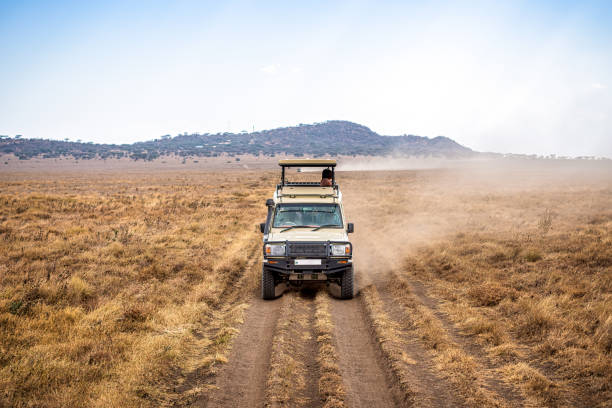

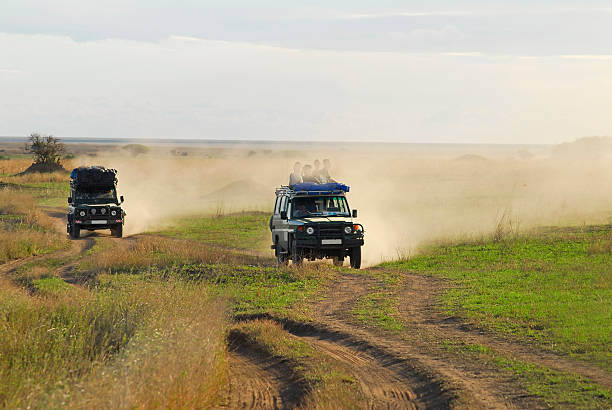
Tanzania is globally renowned for its breathtaking wildlife safaris and the majestic Mount Kilimanjaro. However, beyond the iconic landscapes lies a rich cultural heritage waiting to be explored. A Tanzania Village Tour Guide is essential for travelers seeking to connect with the local communities, understand their way of life, and gain a deeper appreciation for the country’s diverse ethnic groups. This comprehensive guide will equip you with all the knowledge needed to plan an authentic and memorable village tour experience in Tanzania for 2026-2027.
Table of Contents
- Quick Facts About Tanzania Village Tours
- What is a Tanzania Village Tour?
- Why Choose a Village Tour in Tanzania?
- Best Time to Visit for Village Tours
- Popular Regions for Village Tours
- Sample Tanzania Village Tour Itinerary
- What to Expect During a Village Tour
- Typical Inclusions and Exclusions
- Packing and Preparation Essentials
- Common Mistakes to Avoid
- Who is a Village Tour Best Suited For?
- Alternatives to Village Tours
- Planning Your Village Tour for 2026-2027
- Booking Your Tanzania Village Tour
- Frequently Asked Questions
Quick Facts About Tanzania Village Tours
| Aspect | Details |
|---|---|
| Primary Focus | Cultural immersion, community interaction, understanding local traditions. |
| Key Activities | Visiting homes, participating in daily chores, learning traditional crafts, attending local markets, traditional dance performances, storytelling. |
| Duration | Typically 1 day to several days, often combined with safaris or other tours. |
| Location | Various rural communities across Tanzania, including near national parks and major towns. |
| Best For | Travelers interested in authentic cultural experiences, photographers, those seeking a deeper connection beyond wildlife. |
| Seasonality | Year-round, though drier months (June-October, December-February) can be more comfortable for travel. Rainy seasons might offer unique perspectives. |
What is a Tanzania Village Tour?
A Tanzania village tour is an organized excursion designed to provide visitors with direct, authentic interactions with local communities and their daily lives. Unlike visiting a cultural heritage site, these tours are about experiencing the living culture of Tanzania’s diverse ethnic groups. You’ll have the opportunity to meet villagers, learn about their customs, traditions, agricultural practices, social structures, and perhaps even share a meal or participate in a local activity. The goal is genuine connection and mutual understanding, offering travelers a window into a world far removed from their own, and providing a valuable income stream for the communities visited.
Why Choose a Village Tour in Tanzania?
Choosing to incorporate a village tour into your Tanzanian adventure offers profound benefits that go beyond typical tourism:
- Authentic Cultural Immersion: This is the primary draw. You move beyond observing and into participating, learning firsthand about the traditions, beliefs, and social fabric that shape Tanzanian life.
- Deeper Understanding of Tanzania: Tanzania is a nation of over 120 ethnic groups, each with unique customs. A village tour allows you to appreciate this incredible diversity in a tangible way.
- Meaningful Interactions: Engage in genuine conversations (often facilitated by a guide), share stories, and build bridges between cultures. This personal connection is often the most memorable part of a trip.
- Support Local Communities: Many village tours are structured as community-based tourism initiatives. A portion of the tour fees directly benefits the village, supporting education, healthcare, or community development projects. Your visit contributes positively to their economy.
- Unique Perspectives: Gain insights into sustainable living, traditional farming methods, and community resilience. It offers a different perspective on development and well-being.
- Enrichment of Safari Experience: While safaris focus on nature, village tours add a vital human dimension, creating a more complete and rounded understanding of the Tanzanian experience.
Best Time to Visit for Village Tours
Tanzania’s climate varies, but generally, village tours can be undertaken year-round. However, certain periods offer more comfortable travel conditions:
- Dry Seasons (June to October and December to February): These months typically offer sunny days and cooler temperatures, making walking and outdoor activities more pleasant. This is also peak safari season, so villages near popular parks might see more visitors.
- Green Seasons (March to May and November): These months experience rainfall. While some days can be wet, the landscapes are lush and beautiful. You’ll encounter fewer tourists, potentially leading to more intimate interactions. Rain showers are often short-lived, especially in the short rains of November.
Consider your personal preferences: if you prefer cooler, drier weather, aim for the dry seasons. If you don’t mind occasional rain and want a less crowded experience, the green seasons can be rewarding. Always check local conditions with your tour operator, as regional microclimates exist.
Popular Regions for Village Tours
Tanzania offers numerous opportunities for village tours. Here are some of the most accessible and rewarding regions:
1. Arusha Region
Often the entry point for Northern Circuit safaris and Kilimanjaro climbs, the Arusha region is home to various communities, including the Maasai and Chagga people. Tours here often involve visiting Maasai bomas (homesteads) to learn about their semi-nomadic lifestyle, or Chagga villages on the slopes of Mount Kilimanjaro to understand their agricultural practices, coffee farming, and unique housing.
2. Near Serengeti and Ngorongoro Conservation Area
While the focus here is wildlife, several Maasai and Hadzabe communities live in and around these protected areas. Tours can offer glimpses into the traditional life of the Maasai, known for their pastoralism and distinct red clothing, and the Hadzabe, one of the last hunter-gatherer tribes in Africa. These tours are often sensitive and require operators who work closely with the communities to ensure respectful engagement.
3. Mto wa Mbu
Located between Lake Manyara and Ngorongoro, Mto wa Mbu is a unique multi-ethnic village where over 30 tribes live together. This makes it an excellent place to learn about the diverse cultures and agricultural techniques (like banana cultivation) present in Tanzania. It’s a vibrant and accessible stop.
4. Zanzibar Archipelago
Beyond its famous beaches and Stone Town, Zanzibar offers rich cultural experiences. Village tours can take you to fishing villages on the coast, spice farms in the interior, and communities where you can learn about local crafts, traditional Swahili life, and the island’s unique history. Visiting a village like Kizimkazi or Jambiani can provide insights into coastal living.
5. Iringa and Southern Highlands
This region is less visited by mainstream tourists but offers authentic cultural encounters with groups like the Hehe people. It’s a great option for travelers seeking off-the-beaten-path experiences and a deeper dive into rural Tanzanian life, including traditional farming and local governance.
Sample Route Area Overview
General Geographical Flow for Northern Tanzania Village Tours:
- Arrival in Arusha: Often the starting point. Explore local markets, visit Maasai or Chagga villages on the outskirts.
- West towards Lake Manyara/Tarangire: Stop at Mto wa Mbu for its multi-ethnic village experience and agricultural insights.
- Serengeti/Ngorongoro Vicinity: Opportunities for respectful visits to Maasai or Hadzabe communities, understanding their traditional lifestyles.
- Return to Arusha or continue to Kilimanjaro: For Chagga cultural tours, coffee plantations, and local markets.
Zanzibar Coastal/Inland Flow:
- Stone Town Exploration: Understand historical Swahili culture.
- Central/East Zanzibar: Spice farm tours often include interactions with local farmers and village life.
- South/East Coast Villages (e.g., Jambiani, Paje): Experience coastal communities, fishing traditions, and local crafts.
Sample Tanzania Village Tour Itinerary (3 Days)
This sample itinerary focuses on the Northern Circuit, often combined with a safari. It can be customized to include longer stays or different ethnic groups.
Day 1: Arrival in Arusha & Chagga Culture
- Morning: Arrive in Arusha, meet your guide. Briefing on the tour and cultural etiquette.
- Late Morning: Drive to a Chagga village on the foothills of Mount Kilimanjaro.
- Afternoon: Guided walk through coffee plantations, learning about cultivation and processing. Visit a local family’s home, understand their traditional housing and daily life. Participate in preparing a local meal.
- Evening: Enjoy the prepared meal with the host family. Experience traditional Chagga music or storytelling. Overnight in a local guesthouse or lodge near the village.
Day 2: Maasai Boma & Mto wa Mbu
- Morning: After breakfast, drive towards the Maasai steppe.
- Late Morning: Arrive at a traditional Maasai boma. Be welcomed by the elders and learn about their semi-nomadic pastoralist lifestyle, social structure, and spiritual beliefs. Observe or participate in traditional dances. Understand their relationship with cattle.
- Afternoon: Continue to Mto wa Mbu. Take a guided walk through the village, noting the diverse ethnic groups and their agricultural practices, especially the extensive banana plantations and irrigation systems. Visit local artisans and perhaps purchase crafts.
- Evening: Dinner at a local eatery in Mto wa Mbu. Overnight in a lodge or tented camp in the area.
Day 3: Maasai Hunter-Gatherer Insights (Optional) or Departure
- Morning (Option 1 – Deeper Dive): If time and logistics permit, arrange a visit to a community interacting with the Hadzabe or a similar indigenous group (requires specific permits and very experienced operators). Focus on understanding their ancient hunting and gathering techniques and deep connection to the land.
- Morning (Option 2 – Local Market & Departure): Visit a vibrant local market (e.g., in Arusha) to see the array of produce, crafts, and daily commerce. Interact with vendors (with guide’s assistance).
- Afternoon: Transfer back to Arusha for your onward journey or departure.
What to Expect During a Village Tour
A Tanzania village tour is an immersive experience. Here’s what you can typically anticipate:
- Warm Welcome: You will usually be greeted warmly by community members, often with a traditional song or dance.
- Guided Experience: A local guide, often from the community or well-versed in its culture, will accompany you. They act as translators and cultural intermediaries, ensuring respectful interaction.
- Daily Life Activities: You might observe or participate in activities like fetching water, grinding grains, preparing food, tending livestock, or working in the fields.
- Home Visits: You’ll likely visit a family home to see how they live, learn about their domestic arrangements, and perhaps share tea or a meal.
- Learning Opportunities: Expect to learn about local customs, traditional medicine, farming techniques, social structures, and belief systems.
- Craft Demonstrations: Many tours include opportunities to see local artisans at work, such as bead makers, wood carvers, or weavers. You may have a chance to buy directly from them.
- Cultural Performances: Some tours feature traditional music, dance, or storytelling sessions, offering a vibrant glimpse into cultural expression.
- Respectful Photography: Always ask permission before taking photos of people, especially children. Your guide will advise on this.
- Simplicity: Be prepared for basic living conditions in some villages. This is part of the authentic experience. Electricity and running water might be limited or absent in certain areas.
Typical Inclusions and Exclusions
Understanding what’s included in your village tour package is crucial for budgeting and expectations.
| Typically Included | Typically Excluded |
|---|---|
| Guided tours and activities within the village. | International and domestic flights. |
| Transfers to and from the village (from a designated meeting point like Arusha). | Visa fees. |
| Contributions or fees directly benefiting the community. | Travel insurance. |
| A traditional meal (lunch or dinner) if part of the itinerary. | Personal expenses (souvenirs, drinks, tips). |
| Cultural performances or demonstrations. | Gratuities for guides and drivers. |
| Accommodation (if it’s an overnight tour). | Vaccinations and medical expenses. |
| English-speaking local guide. | Optional activities not specified in the itinerary. |
Packing and Preparation Essentials
Proper preparation ensures a comfortable and respectful village tour experience.
Clothing:
- Modest Clothing: Pack lightweight, breathable clothing that covers your shoulders and knees out of respect for local customs. Long skirts, trousers, and t-shirts are ideal.
- Comfortable Walking Shoes: You’ll be walking on uneven terrain, so sturdy, comfortable shoes are a must.
- Light Jacket or Sweater: Evenings can be cooler, especially in higher altitude areas like near Kilimanjaro.
- Sun Protection: A wide-brimmed hat, sunglasses, and high-SPF sunscreen are essential.
Health & Hygiene:
- Hand Sanitizer: Crucial for maintaining hygiene, especially before eating or after interacting with surfaces.
- Insect Repellent: Recommended, particularly in the evenings.
- Personal First-Aid Kit: Include any personal medications, basic wound care, and remedies for common ailments.
- Water Purification Tablets or Filter Bottle: While bottled water is often provided on tours, having a backup is wise.
Other Essentials:
- Small Backpack: For carrying water, snacks, camera, and personal items during the day.
- Camera: With extra batteries and memory cards. Remember to always ask permission before photographing people.
- Small Notebook and Pen: For jotting down observations or names.
- Small Gifts (Optional): Consider small, practical gifts like school supplies for children or sewing kits for women, but only if your guide advises and facilitates the distribution. Avoid giving money directly unless through an approved community project.
- Cash (USD and local currency): For purchasing crafts, tips, or personal expenses. Ensure small denominations are available.
Before you go: Consult your doctor about necessary vaccinations and malaria prophylaxis. Research the specific cultural norms of the communities you plan to visit.
Common Mistakes to Avoid
To ensure a positive and respectful experience for both you and the community, be aware of these common pitfalls:
- Disrespecting Local Customs: This is the most critical mistake. Dress modestly, ask before taking photos, and be mindful of local etiquette. Your guide is your best resource here.
- Being Prying or Intrusive: Remember you are a guest. Avoid asking overly personal questions or making assumptions about people’s lives.
- Treating it Like a Zoo: Village tours are not about gawking at people. They are about genuine cultural exchange. Show genuine interest and respect.
- Giving Money or Sweets to Children Directly: This can encourage begging and disrupt schooling. If you wish to contribute, ask your guide about supporting community projects (schools, clinics) or purchasing crafts.
- Expecting Western Standards: Be prepared for simpler living conditions. Avoid complaining about amenities; appreciate the experience for what it is.
- Not Using Your Guide: Your guide is there to facilitate understanding and ensure respect. Listen to their advice and use them to bridge communication gaps.
- Over-scheduling: Rushing through a village tour defeats the purpose. Allow time for genuine interaction and absorption.
- Assuming All Villages are the Same: Tanzania is incredibly diverse. Each community has unique traditions and ways of life.
Who is a Village Tour Best Suited For?
A Tanzania village tour is ideal for travelers who:
- Seek authentic cultural experiences and genuine human connection.
- Are interested in understanding the daily lives, traditions, and social structures of different ethnic groups.
- Want to contribute positively to the local economy and communities they visit.
- Are open-minded, respectful, and willing to step outside their comfort zone.
- Appreciate learning and are curious about different ways of life.
- Are looking for a deeper, more meaningful travel experience beyond typical tourist attractions.
- Travelers on safari who want to add a cultural dimension to their trip.
- Backpackers and independent travelers looking for authentic interactions.
- Families wishing to educate children about global diversity and cultural respect.
Alternatives to Village Tours
While village tours offer unparalleled cultural immersion, other activities can provide cultural insights:
- Cultural Heritage Centers: Places like the Olduvai Gorge Museum offer historical and anthropological context, though less direct interaction.
- Local Markets: Visiting bustling markets in towns like Arusha or Stone Town provides a vibrant snapshot of daily commerce and local life.
- Cooking Classes: Learning to prepare traditional Tanzanian dishes can be a fun and interactive way to experience the culture.
- Craft Workshops: Some areas offer workshops where you can learn traditional crafts like pottery or weaving.
- Visits to Historical Sites: Exploring places like Stone Town in Zanzibar or the ruins of Kilwa Kisiwani offers a glimpse into historical Swahili culture and trade.
- Community-Based Tourism Projects (non-village specific): Some lodges or organizations run projects focused on specific aspects like conservation education or local entrepreneurship, offering interaction with community members involved.
These alternatives can complement a village tour or serve as options if a full village immersion isn’t suitable for your travel style or schedule.
Planning Your Village Tour for 2026-2027
Planning ahead is key to a successful and enriching village tour, especially for travel in 2026 and 2027. Here’s a step-by-step approach:
1. Define Your Interests
What do you want to learn? Are you interested in Maasai traditions, Chagga farming, Hadzabe hunting practices, or Swahili coastal life? Knowing your interests helps narrow down regions and tour operators.
2. Choose Your Region
Based on your interests and your overall Tanzania itinerary (e.g., are you combining it with a safari in the North, or exploring Zanzibar?), select the most suitable region. Arusha, Mto wa Mbu, and areas near national parks are popular for Northern Circuit tours. Zanzibar offers island culture.
3. Research Tour Operators
This is critical. Look for operators with a strong reputation for responsible tourism and genuine community partnerships. Seek out those who:
- Clearly state their community engagement policies.
- Employ local guides and ensure fair wages.
- Have transparent fee structures that benefit the community.
- Offer personalized or small-group experiences.
- Provide detailed itineraries and clear expectations.
Read reviews, but also look for direct testimonials about the authenticity and impact of their village tours.
4. Determine Duration and Integration
Do you want a half-day cultural excursion, a full-day immersion, or an overnight stay? How will it fit with your safari, Kilimanjaro trek, or Zanzibar holiday? Many operators can build custom itineraries for 2026-2027.
5. Budget Considerations
Village tours can range in price depending on duration, inclusions, and the operator’s ethical practices. Factor in tour costs, potential craft purchases, and tips. Remember that higher prices often reflect better community benefit and guide compensation.
6. Health and Visa Preparations
For 2026-2027 travel, ensure you have adequate time for vaccinations (consult your doctor well in advance) and obtaining your Tanzanian visa. Check the latest requirements for your nationality.
7. Packing List
Refer to the packing section above. Packing appropriately shows respect and ensures your comfort.
8. Booking Timeline
For peak seasons in 2026 and 2027, booking 3-6 months in advance is recommended, especially if you’re planning a custom itinerary. For standard day tours, 1-2 months is usually sufficient.
Booking Your Tanzania Village Tour
Securing a reliable and ethical village tour is paramount. Here’s how to approach booking:
Choose a Reputable Operator
Select a tour operator that prioritizes community benefit and authentic experiences. Look for companies that work directly with the villages and have established, respectful relationships. Operators who offer safaris and other Tanzanian tours often have strong local connections.
Communicate Your Expectations
Be clear about what you hope to gain from the tour. Discuss your interests, any specific cultural aspects you want to learn about, and your preferred level of interaction. A good operator will tailor the experience to you.
Inquire About Community Benefits
Ask how your tour fee contributes to the local community. A responsible operator will have a clear explanation, such as direct payments to families, support for community projects, or employment of local guides at fair wages.
Understand the Itinerary
Ensure you receive a detailed itinerary that outlines the activities, duration, and what is included. This helps manage expectations.
Ask About Guide Qualifications
Your guide is key to a meaningful experience. Inquire about their knowledge of the local culture, language skills (especially English), and their relationship with the community.
Read the Fine Print
Understand cancellation policies, payment terms, and what is covered by the tour price.
Booking Contacts:
For a well-organized and authentic Tanzania Village Tour Guide experience in 2026-2027, consider reaching out to experts who understand local culture and community needs. Contact us:
- WhatsApp: +255616946642
- Email: topguideadventures@gmail.com
- Backup Email: info@topguideadventures.com
We specialize in creating responsible and immersive cultural tours that benefit both travelers and the communities visited.
Frequently Asked Questions
Q1: Is it safe to visit Tanzanian villages?
Yes, Tanzanian villages are generally very safe, especially when visited with a reputable tour operator and a local guide. The communities are welcoming to visitors who show respect. Your guide will ensure you navigate any social norms correctly and are aware of your surroundings.
Q2: What currency should I use in villages?
While tour operators will be paid in USD or via bank transfer, you’ll need Tanzanian Shillings (TZS) for purchasing crafts directly from artisans or for small personal expenses. It’s advisable to have smaller denominations.
Q3: How much should I tip my guide?
Tipping is customary for good service. A guideline for a full-day tour might be $10-20 USD per person for the guide. For multi-day tours or if a driver is also involved, adjust accordingly. Your tour operator can provide specific recommendations.
Q4: Can I visit villages if I don’t speak Swahili?
Absolutely. Most village tours are conducted in English, and your local guide will act as a translator. They will facilitate communication and help you understand cultural nuances.
Q5: What if I have dietary restrictions?
Inform your tour operator well in advance about any dietary restrictions or allergies. They can usually arrange for suitable meals to be prepared, especially if you are staying overnight or having a meal with a family.
Q6: How can I ensure my visit is respectful?
Always listen to your guide. Dress modestly (covering shoulders and knees), ask permission before taking photos of people, be polite, and show genuine interest. Avoid being intrusive or making comparisons to your own culture in a negative way.
Q7: Are village tours available year-round?
Yes, village tours can be arranged throughout the year. The best time often depends on weather preferences, with dry seasons (June-Oct, Dec-Feb) generally being more comfortable for travel. However, the green seasons can offer a different, less crowded experience.
Q8: How much does a Tanzania village tour typically cost?
Costs vary widely. A half-day cultural visit might range from $50-$100 USD per person, while a full-day or overnight experience with a reputable operator could be $150-$300+ USD per person. Prices depend on duration, inclusions, and the operator’s commitment to community benefit. For specific 2026-2027 pricing, contact operators directly.
Q9: Can children participate in village tours?
Yes, village tours can be suitable for children, especially those who are curious and respectful. It’s a fantastic educational opportunity. However, very young children might find some aspects less engaging. Discuss age appropriateness with your tour operator.
Q10: What is the difference between visiting a Maasai boma and a Chagga village?
A Maasai boma visit focuses on the semi-nomadic pastoralist lifestyle, their social structure centered around cattle, traditional housing (inkaj), and vibrant cultural practices like dances and beadwork. A Chagga village visit, often on Kilimanjaro’s slopes, emphasizes settled agriculture, coffee farming, unique terraced farming systems, and their history of resilience and innovation, often including home visits and understanding their intricate water channels.
Ready to Experience Authentic Tanzania?
A Tanzania Village Tour Guide is your key to unlocking the heart of this incredible country. Connect with local communities, learn about rich traditions, and create memories that last a lifetime. For a thoughtfully planned and ethically managed cultural experience in 2026-2027, let us be your guide.
Contact us today to start planning your personalized village tour:
WhatsApp: +255616946642
Email: topguideadventures@gmail.com
Backup Email: info@topguideadventures.com
We look forward to helping you discover the true spirit of Tanzania!
Plan your Tanzania Village Tour Guide with Top Guide Adventures
Tell us your travel dates, group size, comfort level, and dream experience. We will help you shape a clear, realistic, and memorable Tanzania itinerary.







 Veedesigner
 Fatma Kizanga
 Benjamin Waryuba
 Philip Philip
 John jr Itaja
 Antonia Optatus
 Edith Kanyere
 Neema Iddy
 Kelvin Boniphace
 Damari Maiga



