
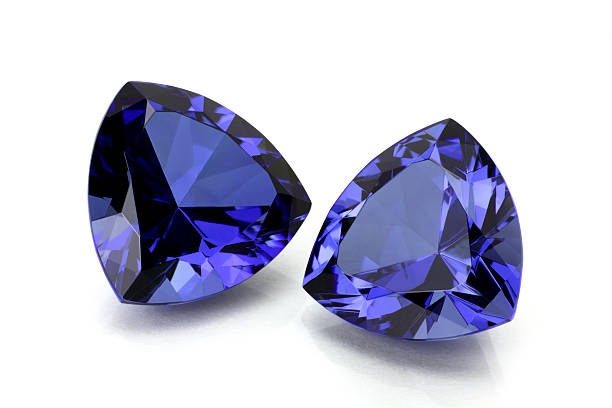
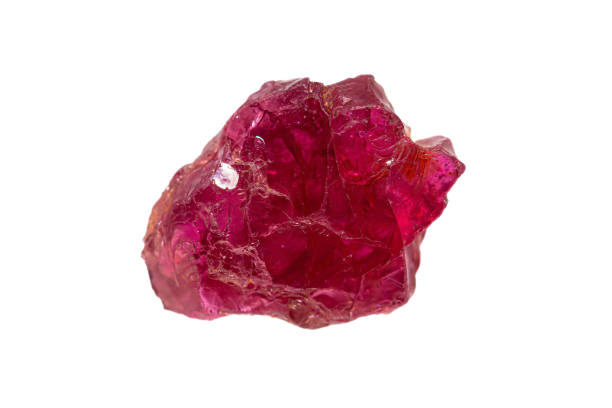
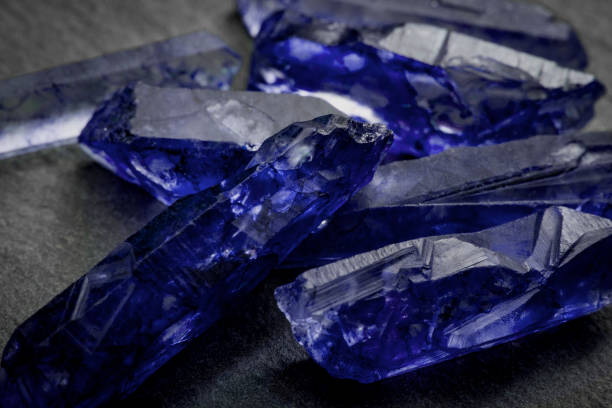
The allure of a deep blue gemstone, found nowhere else on Earth, draws many to Tanzania. The Tanzanite Experience Tour from Arusha or Moshi offers a unique opportunity to connect with the origin of this precious stone. This isn’t just a shopping trip; it’s an educational journey into the heart of Tanzanian mining culture, geology, and the vibrant communities that depend on this incredible resource. Whether you are planning your trip for 2026 or looking ahead to 2027, understanding what this tour entails is crucial for an enriching experience.
What is the Tanzanite Experience Tour?
At its core, the Tanzanite Experience Tour is designed to provide travelers with an authentic insight into the world of tanzanite. It typically involves a visit to the tanzanite mining region, a guided exploration of a mine (often a government-licensed area accessible to tourists), and an educational session on the gemstone itself – from its discovery and geological formation to its grading, cutting, and polishing processes. Many tours also include a visit to a tanzanite cutting and polishing factory, where you can witness the transformation of raw ore into dazzling gems, and perhaps even purchase tanzanite directly from a reputable dealer.
The tour originates from either Arusha or Moshi, the two primary gateway cities to Northern Tanzania’s iconic attractions like Mount Kilimanjaro and the Serengeti National Park. This strategic location makes it a convenient addition to most Northern Circuit itineraries. Operators like Top Best Tanzania Tour operator specialize in crafting these experiences, ensuring they are both informative and respectful of the local mining communities and environment.
Why Choose a Tanzanite Experience Tour from Arusha or Moshi?
The decision to undertake a Tanzanite Experience Tour is often driven by a combination of curiosity, a desire for unique souvenirs, and an appreciation for local culture and industry. Here’s why selecting this tour from Arusha or Moshi is a smart choice:
- Proximity to Mines: Arusha and Moshi are the closest major towns to the Mererani Hills, the only known tanzanite mining area. This significantly reduces travel time compared to starting from further afield.
- Expert Guidance: Local tour operators possess in-depth knowledge of the mines, the geology, and the cultural significance of tanzanite. They can arrange visits to licensed and safe mining areas and connect you with knowledgeable guides.
- Authenticity: A well-organized tour ensures you see the real mining process, not just a curated showroom. You’ll learn about the challenges and triumphs of the miners.
- Responsible Sourcing: Reputable operators partner with ethical dealers and mines, helping you avoid counterfeit stones and ensuring your purchase supports legitimate businesses.
- Convenient Add-on: For travelers already visiting Kilimanjaro, Serengeti, Ngorongoro, or Tarangire, the Tanzanite Experience is an easily integrated day trip or half-day excursion.
Planning Your Tanzanite Experience for 2026-2027
As you look towards 2026 and 2027 travel plans, integrating a Tanzanite Experience Tour requires a bit of foresight. Here’s what you need to consider:
Best Time to Visit
Tanzanite mining happens year-round. However, the overall weather in Northern Tanzania can influence your travel comfort. The dry seasons (typically June to October and December to February) are generally preferred for safaris and climbing Kilimanjaro. While not directly impacting the mine visit itself, pleasant weather makes the travel to and from the mining area more comfortable. The Tanzanite Experience can be done any day of the year, but booking in advance is always recommended, especially during peak tourist seasons in 2026 and 2027.
Duration of the Tour
A typical Tanzanite Experience Tour can range from a half-day excursion to a full day, depending on the specific itinerary and how deeply you wish to explore. A half-day tour might include a visit to a cutting factory and a reputable dealer. A full-day tour often incorporates travel to the mining area, a guided visit to a mine (where permitted), a demonstration of mining techniques, and then proceeds to a cutting factory and showroom. If you are based in Moshi, the journey to Mererani is shorter than from Arusha.
What to Expect During the Tour
The exact experience can vary, but a comprehensive Tanzanite Experience Tour usually includes:
- Transportation: Comfortable, private transport from your hotel in Arusha or Moshi to the Mererani mining region and back.
- Mine Visit: A guided tour of a licensed tanzanite mine. This is often a controlled environment designed for visitors, showcasing the methods used to extract the gemstone. You might see miners at work (depending on the mine’s operations and safety regulations) and learn about the geological conditions.
- Geological Insights: Understanding how tanzanite forms under specific geological conditions, a process unique to the Mererani Hills.
- Cutting and Polishing Demonstration: Witnessing skilled artisans transform rough tanzanite crystals into beautiful, faceted gemstones. You’ll learn about the different cuts (round, oval, pear, emerald) and how clarity, color, and carat weight affect value.
- Shopping Opportunity: A visit to a reputable tanzanite dealer or a cooperative where you can purchase tanzanite. This is where expert guidance on identifying quality stones and fair pricing is invaluable.
- Educational Briefing: Learning about the history of tanzanite’s discovery, its market, and the socio-economic impact on Tanzania.
Important Considerations for 2026-2027 Bookings:
When booking your Tanzanite Experience Tour from Arusha or Moshi for 2026 or 2027, always ensure your tour operator is reputable. Look for companies that prioritize safety at the mines, offer transparent pricing, and have strong relationships with ethical dealers. Avoid spontaneous purchases from unknown vendors on the street. A guided tour is your best bet for a genuine and secure experience.
The Journey: Arusha vs. Moshi Starting Points
Both Arusha and Moshi serve as excellent departure points for the Tanzanite Experience Tour, but they offer slightly different logistical considerations.
From Arusha
Arusha is the larger of the two cities and a major hub for Northern Tanzania tourism. It’s often the first stop for international arrivals at Kilimanjaro International Airport (JRO). The drive from Arusha to the Mererani mining area takes approximately 2-3 hours, depending on road conditions and the specific mine location. Tours from Arusha are very common and offer a wide range of operators.
From Moshi
Moshi, nestled at the foot of Mount Kilimanjaro, offers a more relaxed atmosphere. It’s also a popular base for trekkers and safari-goers. The advantage of starting from Moshi is its closer proximity to Mererani. The drive can be as short as 1.5-2 hours. This makes a half-day tour more feasible from Moshi, or it allows for a more leisurely full-day experience without such a long travel commitment.
Regardless of your starting point, the journey itself offers glimpses of rural Tanzanian life, agricultural landscapes, and the changing terrain as you approach the semi-arid region of Mererani.
Understanding Tanzanite: From Rough Stone to Gem
The Tanzanite Experience Tour is incomplete without understanding the gemstone itself. Here’s a breakdown:
Geological Formation
Tanzanite is a variety of the mineral zoisite. It was formed by a geological event involving intense heat and pressure deep within the Earth’s crust, near Mount Kilimanjaro. This unique formation process, combined with the presence of trace elements like vanadium, gives tanzanite its distinctive blue-violet color. It is found in very few places globally, but the primary commercial source is the Mererani Hills in Tanzania.
The Discovery
Tanzanite was first discovered in 1967 by Manuel de Souza, a Portuguese prospector, near the town of Arusha. Initially mistaken for sapphire, its unique color and optical properties quickly set it apart. Tiffany & Co. played a significant role in popularizing the gemstone internationally, renaming it ‘tanzanite’ after its country of origin, thereby creating a unique marketing story.
Color and Clarity
Tanzanite is famous for its trichroism, meaning it can exhibit three different colors when viewed from different angles. The most prized color is a vibrant, deep blue with hints of violet. Heat treatment is commonly used to enhance this desirable blue hue, as raw tanzanite often appears brownish or purplish. Clarity is also a key factor; eye-clean stones are more valuable. During your tour, you’ll learn how to identify these characteristics.
The 4 Cs (and Beyond)
Like diamonds, tanzanite is often evaluated using the ‘4 Cs’:
- Color: The intensity and hue of the blue-violet.
- Clarity: The presence or absence of inclusions.
- Cut: How well the gemstone has been faceted to maximize brilliance and color.
- Carat Weight: The size of the stone.
Beyond these, the origin (Tanzania) and any treatments applied are also crucial considerations. Your tour will likely provide insights into how these factors influence price and desirability.
Navigating the Mererani Mining Area
The Mererani mining area is a complex and dynamic environment. It’s divided into four blocks, with different mining companies and artisanal miners operating within them. Access for tourists is typically granted to specific, government-sanctioned areas and mines that have established protocols for visitor engagement.
Safety and Regulations
Safety is paramount. Reputable tour operators will only take you to mines that adhere to safety standards and allow controlled tourist access. You’ll likely be accompanied by a local guide who understands the mining operations and can ensure your visit is safe and respectful. It’s important to follow all instructions given by your guide and mine personnel.
The Mining Process
You might witness various stages of mining, from the initial excavation of tanzanite-bearing rock to the sorting and preliminary processing. The methods can range from traditional hand-mining techniques to more mechanized operations, depending on the scale of the mine. Understanding the physical labor and risks involved provides a deeper appreciation for the gemstone.
Artisanal Miners
A significant portion of tanzanite mining is carried out by artisanal miners. These individuals often work in challenging conditions. Some tours may offer opportunities to interact with artisanal mining cooperatives, providing a direct look at their operations and the importance of fair trade practices.
What to Pack for Your Tanzanite Experience:
- Comfortable Clothing: Light, breathable clothing suitable for warm weather.
- Closed-toe Shoes: Essential for navigating mine sites safely.
- Sun Protection: Hat, sunglasses, and sunscreen, as the mining area can be exposed.
- Camera: To capture the unique sights (always ask permission before photographing people).
- Notebook and Pen: To jot down interesting facts and figures.
- Curiosity: The most important item!
The Ethical Dimension: Responsible Sourcing and Purchasing
The ethical sourcing of minerals is a growing concern globally, and tanzanite is no exception. Choosing a responsible tour operator and dealer is vital.
Why Ethical Sourcing Matters
The tanzanite industry directly impacts thousands of Tanzanians. Supporting ethical practices means ensuring fair wages, safe working conditions for miners, and contributing to the local economy. It also helps to combat illegal mining and the trade of conflict minerals, although tanzanite is not typically associated with conflict in the same way as some other gems.
Identifying Reputable Dealers
During your Tanzanite Experience Tour from Arusha or Moshi, your guide will likely direct you to vetted dealers. Look for establishments that:
- Are certified or licensed.
- Provide clear documentation and certificates of authenticity for purchases.
- Offer fair and transparent pricing.
- Allow you to inspect stones thoroughly and provide information on grading.
- Do not pressure you into buying.
Purchasing directly from a cutting and polishing factory or a reputable dealer associated with a licensed mine often provides the best value and assurance of authenticity. For 2026 and 2027 travelers, prioritizing ethical purchases ensures your souvenir contributes positively.
Counterfeits and Imitations
Be aware that imitations exist. These can range from dyed quartz to synthetic stones that mimic tanzanite’s color. A reputable dealer and an educational tour are your best defense against being misled.
Integrating the Tanzanite Experience into Your Tanzania Itinerary (2026-2027)
The Tanzanite Experience Tour is a perfect complement to other popular Tanzanian adventures. Here are some ideas for incorporating it into your 2026 or 2027 trip:
Pre-Safari Day Trip
Arrive in Arusha or Moshi a day or two before your safari begins. Use one of these days for the Tanzanite Experience. This allows you to acclimatize and get a unique cultural insight before heading into the wild.
Post-Kilimanjaro Excursion
After successfully trekking Mount Kilimanjaro, reward yourself with a less strenuous but equally fascinating experience. A Tanzanite tour from Moshi is particularly convenient for climbers finishing their descent.
Mid-Safari Break
If your safari itinerary includes a few days based in Arusha between park visits (e.g., between Serengeti and the Ngorongoro Crater), a half-day Tanzanite tour can be a welcome change of pace.
Custom Itineraries
Top Best Tanzania Tour operator excels at creating custom itineraries. They can seamlessly weave the Tanzanite Experience into a longer trip, balancing it with safaris, cultural visits, and relaxation. Simply discuss your interests when planning your 2026-2027 Tanzanian adventure.
Cost Considerations for the Tanzanite Experience Tour
The cost of a Tanzanite Experience Tour can vary based on several factors, including the duration, inclusions, and the operator chosen. As a general guideline for 2026-2027 travel:
- Half-Day Tour: Typically ranges from $80 to $150 per person, including transport, guide, and factory visit.
- Full-Day Tour: Can range from $150 to $250 per person, often including a mine visit, cutting demonstration, and showroom visit.
These prices usually cover private transportation, a knowledgeable guide, entrance fees (if applicable), and the educational components. The cost of any tanzanite purchased is separate and depends entirely on your choices and negotiation.
It’s important to note that these are estimates. For the most accurate pricing tailored to your 2026 or 2027 travel dates and specific requirements, it is best to contact a tour operator directly.
Get Your Custom Tanzanite Experience Quote:
For personalized tour options and pricing for your Tanzanite Experience Tour from Arusha or Moshi in 2026 or 2027, contact us directly. We offer tailored experiences that combine education, authenticity, and responsible practices.
WhatsApp: +255616946642
Email: topguideadventures@gmail.com
Backup Email: info@topguideadventures.com
Frequently Asked Questions about the Tanzanite Experience Tour
Here are some common questions travelers have when considering this tour:
- Can I buy tanzanite directly from miners?
- While possible in some informal settings, it is generally not recommended for tourists due to risks of counterfeit stones, unfair pricing, and safety concerns. Reputable dealers and certified cooperatives offer a much safer and more reliable purchasing experience.
- How much tanzanite should I buy?
- This is a personal decision. Consider your budget, intended use (e.g., engagement ring, pendant), and the quality of the stone. It’s wise to research typical prices and quality indicators beforehand, and always seek expert advice from your tour guide or dealer.
- Is it safe to travel to the Mererani mining area?
- When organized through a reputable tour operator like Top Best Tanzania Tour operator, the visits are conducted in designated, safe areas with experienced guides. The risks are significantly mitigated compared to independent travel to the region.
- What is the difference between tanzanite and sapphire?
- While they can share a similar blue hue, tanzanite is a variety of zoisite, whereas sapphire is a variety of corundum. Tanzanite is significantly rarer than sapphire and is only found in Tanzania. Its trichroism (three colors) is also a distinguishing feature.
- Can I bring tanzanite back home?
- Yes, you can purchase and take tanzanite out of Tanzania, provided you have the proper documentation from the dealer. Be aware of your home country’s import regulations regarding gemstones and their value.
Conclusion: An Unforgettable Encounter with Tanzanite
The Tanzanite Experience Tour from Arusha or Moshi is more than just a gemstone excursion; it’s a deep look at Tanzania’s unique geological heritage and the lives of the people who unearth this world-renowned treasure. For travelers planning their adventures in 2026 and 2027, this tour offers an enriching, educational, and potentially rewarding experience. By choosing a responsible operator, understanding the gemstone, and approaching the purchase with informed curiosity, you can ensure your Tanzanite Experience is a highlight of your Tanzanian journey.
Ready to plan your own Tanzanite Experience Tour? Contact us to craft your perfect itinerary, whether you’re starting from Arusha or Moshi. We are dedicated to providing authentic and memorable travel experiences in Tanzania.
Connect with Top Best Tanzania Tour operator:
WhatsApp: +255616946642
Email: topguideadventures@gmail.com
Backup Email: info@topguideadventures.com
Let us help you discover the magic of tanzanite!



