
Updated planning guide for 2026, 2027-2028
Tarangire Safari From Moshi: Best Guide 2026-2027-2028
Discover the magic of a Tarangire Safari starting from Moshi. This guide provides everything you need to plan your trip, from best times to visit and what to expect, to sample itineraries and booking advice for 2026-2027.
WhatsApp +255616946642 | topguideadventures@gmail.com | info@topguideadventures.com
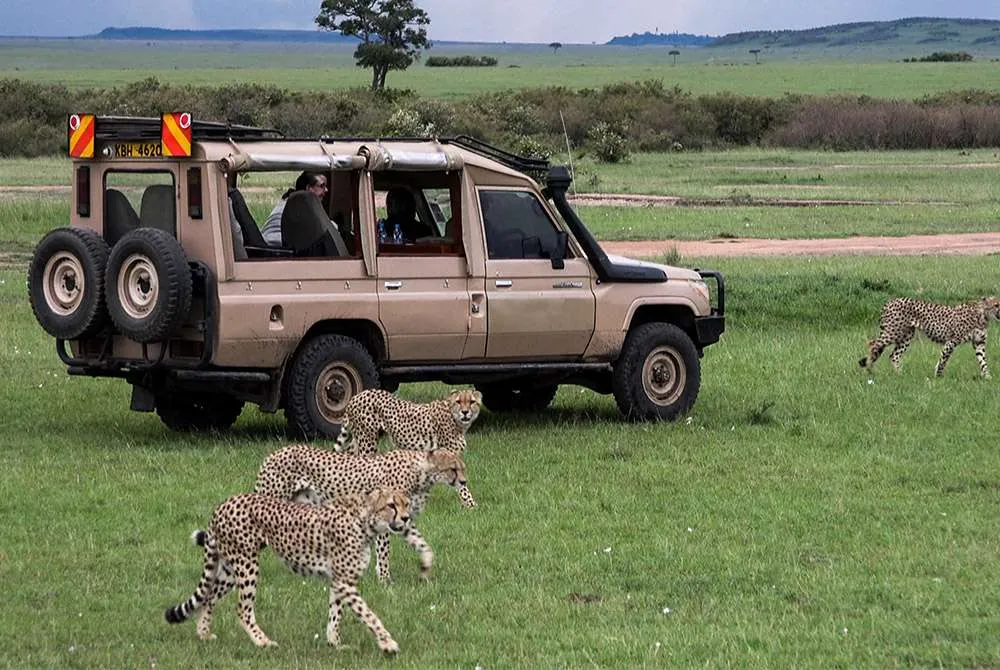
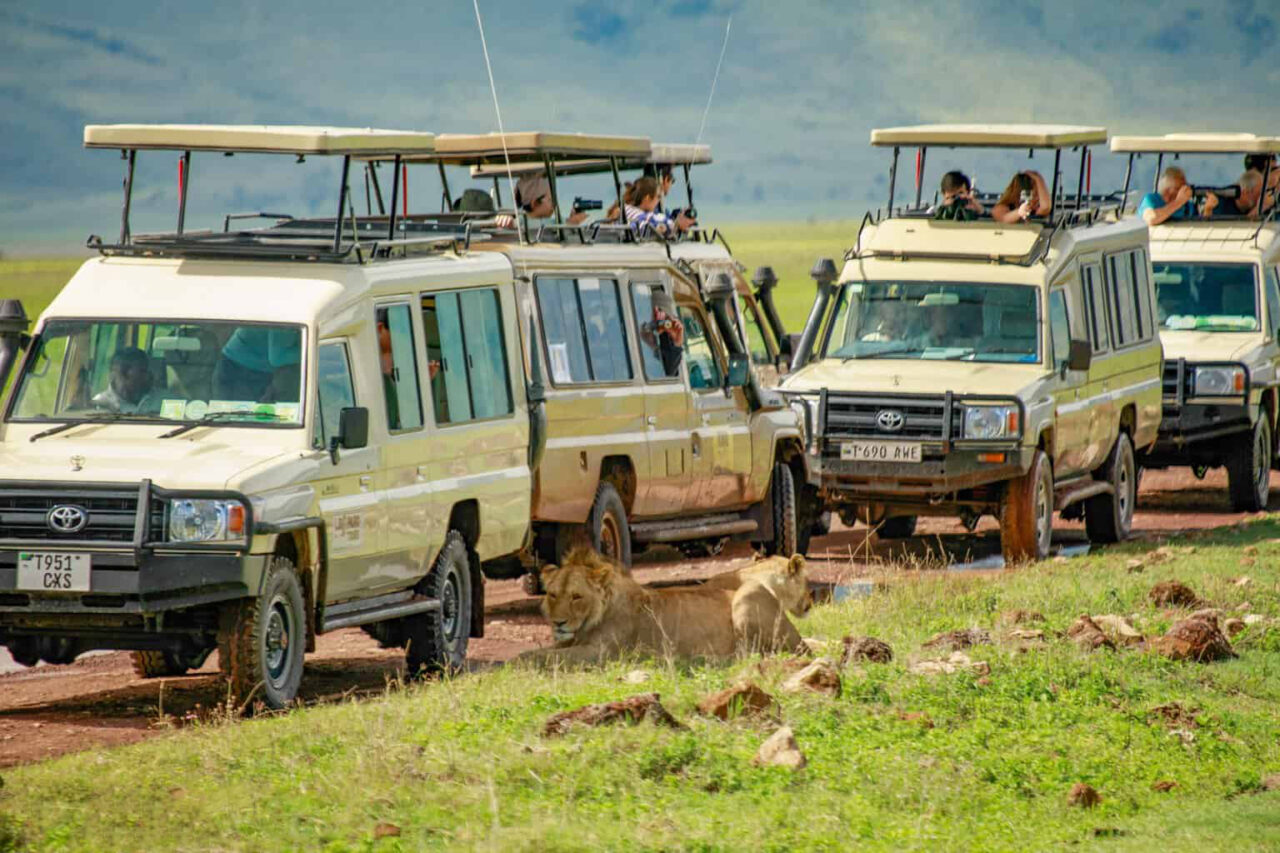
A Tarangire Safari from Moshi offers a distinct and rewarding wildlife viewing experience, often overshadowed by its more famous northern circuit neighbours. Yet, Tarangire National Park is a gem, particularly renowned for its massive elephant herds, iconic baobab trees, and diverse birdlife. For travelers based in or starting their journey from Moshi, a trip to Tarangire presents a fantastic opportunity to explore a different facet of Tanzania’s rich natural heritage. This guide is crafted to provide you with all the essential information to plan, book, and enjoy an unforgettable safari adventure in Tarangire, whether you’re looking for a day trip or a multi-day exploration.
Many visitors combine a Tarangire safari with climbing Mount Kilimanjaro or exploring other Northern Circuit parks like Lake Manyara and the Serengeti. Its proximity to Arusha, a common gateway town for safaris and Kilimanjaro treks, makes it an accessible addition to any Tanzania itinerary. Understanding the logistics, best times to visit, and what makes Tarangire unique is key to maximizing your experience.
Table of Contents
- Quick Facts: Tarangire Safari from Moshi
- Tarangire National Park: An Overview
- Why Choose Tarangire for Your Safari from Moshi?
- Best Time for a Tarangire Safari from Moshi
- Getting to Tarangire National Park from Moshi
- Sample Tarangire Safari Itinerary from Moshi
- What to Expect on a Tarangire Safari
- Safari Inclusions, Packing, and Preparation
- Common Mistakes to Avoid on Your Tarangire Safari
- Who is a Tarangire Safari from Moshi Best For?
- Alternatives to a Tarangire Safari from Moshi
- Planning Your Tarangire Safari for 2026-2027
- Booking Your Tarangire Safari: Expert Advice
- Frequently Asked Questions about Tarangire Safaris
Quick Facts: Tarangire Safari from Moshi
| Detail | Information |
|---|---|
| Location | Southwest of Arusha, Tanzania |
| Primary Draw | Large elephant herds, baobab trees, birdlife, diverse landscapes |
| Proximity to Moshi | Approx. 3-4 hour drive to park gate (depending on exact starting point in Moshi and traffic) |
| Nearest Major Town | Arusha |
| Typical Safari Duration | 1-day trip, 2-day/1-night, or as part of a longer Northern Circuit tour |
| Key Wildlife | Elephants, lions, leopards, giraffes, zebras, wildebeest, buffalo, over 550 bird species |
| Park Fees (Approximate) | Currently $50-$60 USD per person per 24 hours (subject to change) |
| Best Visiting Months | June to October (dry season), December to February (short dry season) |
Tarangire National Park: An Overview
Tarangire National Park, established in 1970, is the sixth-largest park in Tanzania and covers an area of approximately 2,850 square kilometers (1,100 sq mi). It is situated in the Manyara Region, south of the town of Arusha. The park’s name originates from the Tarangire River, which is the primary source of water for wildlife in the surrounding ecosystem, especially during the dry season. This river attracts a significant concentration of animals, making it a prime location for game viewing.
The landscape of Tarangire is dramatically diverse, ranging from vast savanna plains dotted with acacia trees to dense bushland, granite hills, and swamps. The park is particularly famous for its ancient baobab trees, some of which are hundreds of years old and stand as majestic sentinels over the plains. These trees are not only visually striking but also play a crucial role in the ecosystem, providing food and shelter for various animals.
During the dry season (roughly June to October), Tarangire becomes a sanctuary as animals from the surrounding areas, including the Maasai Steppe, migrate towards the Tarangire River seeking water. This influx leads to one of the most impressive wildlife congregations in Tanzania outside the Serengeti’s great migration. While the dry season offers peak game viewing, the green season (wet season) transforms the park into a lush paradise, ideal for birdwatching and offering a different, quieter safari experience.
Why Choose Tarangire for Your Safari from Moshi?
Opting for a Tarangire Safari from Moshi provides several compelling advantages for travelers:
- Exceptional Elephant Sightings: Tarangire is often called the “land of giants” due to its large elephant population. You can frequently see herds of up to 300 elephants, a truly awe-inspiring sight. These herds are often seen interacting, bathing in the river, or browsing on the acacia trees.
- Abundant Wildlife Concentration: Beyond elephants, the park hosts a remarkable diversity of wildlife. Predators like lions and leopards are common, and you can also spot giraffes, zebras, wildebeest, buffalo, dik-dik, and many other species. The Tarangire River acts as a magnet for wildlife, especially during dry months.
- Stunning Baobab Scenery: The park’s landscape is dominated by the iconic baobab trees. These prehistoric-looking giants create a unique and memorable backdrop for your safari photos and offer a sense of ancient wilderness.
- Birdwatcher’s Paradise: With over 550 recorded bird species, Tarangire is a haven for bird enthusiasts. Species like the yellow-collared lovebird, hornbills, and various raptors are commonly sighted. The park is also known for its breeding birds, including various storks and eagles.
- Less Crowded Experience (Compared to Serengeti): While popular, Tarangire generally experiences fewer tourist crowds than some other Northern Circuit parks, especially outside the peak dry season. This can lead to a more intimate and relaxed safari experience.
- Accessibility from Moshi: For those based in Moshi, perhaps after a Kilimanjaro climb or before heading to other destinations, Tarangire is relatively easy to reach. It’s a manageable drive, making it feasible for day trips or as a starting point for a multi-day circuit.
- Diverse Habitats: The park’s varied terrain, from open grasslands to woodlands and swamps, supports a wide range of flora and fauna, offering different viewing opportunities across its expanse.
Best Time for a Tarangire Safari from Moshi
The best time to visit Tarangire National Park depends on what you hope to see and experience. The park is accessible year-round, but wildlife viewing conditions vary significantly between the dry and wet seasons.
Dry Season (June to October)
This is widely considered the peak season for wildlife viewing in Tarangire. During these months, rainfall is minimal, and vegetation thins out, making animals easier to spot. The Tarangire River becomes the main water source, drawing in large numbers of animals from the surrounding areas. You’ll find:
- Concentrated Wildlife: Massive herds of elephants, as well as large numbers of wildebeest, zebras, and other herbivores, gather around the river.
- Excellent Predator Sightings: Predators often follow the herbivores, increasing the chances of spotting lions and leopards.
- Clear Skies: Generally pleasant weather with sunny days.
- Higher Tourist Numbers: This is a popular time, so expect more vehicles and potentially higher accommodation prices.
Green Season (November to May)
The green season, also known as the wet season or low season, offers a different, often more serene, safari experience.
- Lush Landscapes: The park is verdant and beautiful, with wildflowers blooming.
- Birdwatching: This is the prime time for birdwatching, as migratory birds arrive and resident birds are in their breeding plumage.
- Fewer Crowds: You’ll encounter fewer tourists, leading to a more exclusive feel.
- Lower Prices: Accommodation and tour packages are often more affordable.
- Calving Season: For species like wildebeest and zebras, the early months of the year (January-February) can coincide with calving season, offering chances to see young animals.
- Challenges: Some roads within the park can become difficult to navigate after heavy rains, and wildlife may disperse further due to available water sources. The northern part of the park, closer to the river, often remains good for game viewing.
For a Tarangire Safari from Moshi, the dry season (June-October) is generally recommended for the best game viewing, especially for elephant herds. However, if you are a keen birdwatcher or prefer a quieter, more budget-friendly trip, the green season can be very rewarding.
Getting to Tarangire National Park from Moshi
Traveling from Moshi to Tarangire National Park involves a road journey, typically via Arusha. The total travel time can range from 3 to 4.5 hours, depending on traffic, road conditions, and your exact starting point in Moshi.
Route Description:
- Moshi to Arusha: The first leg of the journey is from Moshi to Arusha. This is a well-traveled route, usually taking about 1 to 1.5 hours.
- Arusha to Tarangire Main Gate: From Arusha, you will drive southwest towards the park. The main road is generally in good condition. The journey takes approximately 2 to 3 hours. The entrance gate is usually the Tarangire Main Gate or the Sangaiwe Gate, depending on your tour operator’s entry point.
Travel Options:
- Private Safari Vehicle: This is the most common and recommended method for a safari. Your tour operator will arrange a 4×4 safari vehicle with a professional driver-guide. This offers flexibility, comfort, and the best experience for game viewing. The vehicle will pick you up from your hotel in Moshi.
- Public Transport (Not Recommended for Safari): While technically possible to take public transport to Arusha and then arrange a separate safari vehicle, this is highly impractical and not recommended for a safari experience. It significantly reduces flexibility and comfort.
Important Considerations:
- Day Trip Logistics: For a day trip, you’ll need an early start from Moshi (around 6:00 AM) to maximize your time in the park. Your driver will typically drive straight to the park, conduct a game drive, and return to Moshi in the evening.
- Multi-Day Trip Logistics: If you are on a multi-day safari, your driver-guide will manage the travel and accommodation within or near the park.
- Road Conditions: While main roads are usually good, internal park roads can be dusty and bumpy, especially during the wet season.
Simplified Route Illustration:
| Moshi | → | Arusha (Approx. 1-1.5 hrs) | → | Tarangire NP Gate (Approx. 2-3 hrs) |
Sample Tarangire Safari Itinerary from Moshi
Here are a couple of sample itineraries to illustrate what a Tarangire Safari from Moshi could look like. These are flexible and can be customized.
Option 1: Tarangire Day Trip from Moshi
| Time | Activity | Notes |
|---|---|---|
| 6:00 AM | Early morning pick-up from your hotel in Moshi. | Drive towards Arusha and then Tarangire National Park. |
| 9:30 AM – 10:00 AM | Arrive at Tarangire National Park. | Complete park entry formalities. Begin your game drive. |
| 10:00 AM – 1:00 PM | Morning Game Drive. | Focus on the Tarangire River area, searching for elephants and other wildlife. Look for baobabs. |
| 1:00 PM – 2:00 PM | Picnic Lunch. | Enjoy a packed lunch at a designated picnic spot within the park, surrounded by nature. |
| 2:00 PM – 4:00 PM | Afternoon Game Drive. | Explore different areas of the park, seeking out predators, giraffes, and diverse birdlife. |
| 4:00 PM | Depart from Tarangire National Park. | Begin the drive back to Moshi. |
| 7:00 PM – 7:30 PM | Arrive back in Moshi. | Drop off at your hotel. |
Option 2: Tarangire Overnight Safari from Moshi (2 Days / 1 Night)
| Day | Time | Activity | Notes |
|---|---|---|---|
| Day 1 | 6:30 AM | Pick-up from Moshi hotel. | Drive to Tarangire National Park. |
| 10:00 AM | Enter Tarangire NP, begin game drive. | Focus on elephant herds and baobab-dotted landscapes. | |
| 1:00 PM | Picnic lunch. | Enjoy lunch in the wild. | |
| 2:00 PM – 5:00 PM | Afternoon game drive. | Continue exploring. | |
| 5:00 PM | Drive to accommodation. | Check into your lodge or tented camp (inside or outside the park). | |
| Evening | Relax, dinner. | Enjoy the sounds of the African bush. | |
| Day 2 | 6:30 AM – 7:00 AM | Optional early morning game drive. | Or enjoy a leisurely breakfast. |
| 8:00 AM – 11:00 AM | Morning game drive. | Search for animals missed on day one, or revisit favorite spots. | |
| 11:30 AM | Depart from Tarangire National Park. | Drive back towards Arusha/Moshi. | |
| 2:30 PM – 3:00 PM | Arrive back in Moshi. | Drop off at your hotel. |
What to Expect on a Tarangire Safari
A Tarangire Safari from Moshi promises a rich and immersive wildlife experience. Here’s a breakdown of what you can anticipate:
Wildlife Encounters
Tarangire is most celebrated for its elephant population. Expect to see numerous herds, often very close to your vehicle. These elephants are accustomed to safari vehicles, allowing for incredible viewing opportunities. Beyond elephants, look for:
- Lions: Tarangire has a healthy lion population, and they are often seen lounging in trees during the hot afternoons, a behavior not as common in other parks.
- Leopards: While more elusive, leopards are present and can sometimes be spotted in acacia trees or rocky outcrops.
- Cheetahs: Less common than leopards but still possible, especially in the more open grassland areas.
- Giraffes: Two species of giraffes, the Masai giraffe, are abundant.
- Other Mammals: Large numbers of zebras, wildebeest, buffalo, impalas, dik-dik, warthogs, and various monkey species (like baboons and vervet monkeys) are commonly seen.
- Birdlife: For birdwatchers, Tarangire is a delight. Keep an eye out for the kori bustard (one of the heaviest flying birds), secretary birds, ostriches, and various raptors and water birds near the river.
Landscape and Scenery
The park’s landscape is a key part of its charm. You’ll drive through:
- Vast Savannas: Open plains dotted with acacia trees, ideal for spotting larger game.
- Baobab Woodlands: Groves of colossal baobab trees, creating a surreal and ancient atmosphere.
- Rocky Kopjes: These rocky outcrops can be resting spots for lions and leopards.
- Swampy Areas: Particularly around the Tarangire River, these areas are rich in birdlife and attract herbivores.
Safari Experience
Your safari will be conducted in a 4×4 safari vehicle, designed for comfort and optimal viewing with pop-up roofs. Your driver-guide is your key companion, providing insights into animal behavior, the ecosystem, and local culture. They are trained to spot wildlife and navigate the park effectively.
Pace and Duration
A day trip from Moshi is a long day, with significant driving time. You’ll get a good taste of Tarangire, but an overnight stay allows for a more relaxed pace and the chance for early morning and late afternoon game drives, which are often the most productive times for wildlife activity.
Safari Inclusions, Packing, and Preparation
Understanding what’s typically included in a safari package and how to pack is crucial for a comfortable and successful trip.
Typical Safari Inclusions
When you book a Tarangire Safari from Moshi with a reputable operator, the package usually includes:
- Transportation: A 4×4 safari vehicle with a professional, English-speaking driver-guide.
- Park Fees: Entry fees to Tarangire National Park. For day trips, this is usually for 24 hours.
- Game Drives: Guided game drives within the park.
- Meals: For day trips, typically a picnic lunch. For overnight trips, all meals (breakfast, lunch, dinner) are usually included.
- Accommodation: For overnight trips, lodging at a safari lodge or tented camp.
- Water: Bottled water in the vehicle during game drives.
What’s Often NOT Included:
- Tips for your driver-guide.
- Personal expenses (souvenirs, drinks other than water, etc.).
- Travel insurance.
- Visa fees.
- Flights to/from Tanzania.
Packing Essentials for a Tarangire Safari
Pack light and smart. Layering is key due to changing temperatures throughout the day.
- Clothing: Neutral-colored clothing (khaki, beige, green, brown) is best to blend in with the environment and avoid startling animals. Avoid bright colors and dark blue/black (which can attract tsetse flies). Pack lightweight long-sleeved shirts and trousers for sun and insect protection, and t-shirts for warmer parts of the day. A warm fleece or jacket is essential for early mornings and evenings.
- Footwear: Comfortable, closed-toe walking shoes or hiking boots. Sandals can be worn around lodges.
- Headwear: A wide-brimmed hat or cap for sun protection.
- Eyewear: Sunglasses to protect your eyes from the sun.
- Sun Protection: High SPF sunscreen, lip balm with SPF.
- Insect Repellent: Especially one containing DEET, for use in the evenings and early mornings.
- Camera: With extra batteries and memory cards. A zoom lens is highly recommended.
- Binoculars: Essential for spotting distant wildlife.
- Personal First-Aid Kit: Include any personal medications, pain relievers, antiseptic wipes, and bandages.
- Reusable Water Bottle: Stay hydrated.
- Small Backpack: For carrying essentials during game drives (camera, water, sunscreen, binoculars).
- Power Adapter: Tanzania uses Type D and G sockets.
- Wet Wipes/Hand Sanitizer: For freshening up on the go.
Preparation
- Vaccinations and Health: Consult your doctor or a travel clinic about recommended vaccinations (e.g., Yellow Fever, Hepatitis A, Typhoid) and malaria prophylaxis.
- Travel Insurance: Ensure you have comprehensive travel insurance that covers medical emergencies and evacuation.
- Visas: Check visa requirements for your nationality. Most can be obtained on arrival or online.
- Currency: The local currency is the Tanzanian Shilling (TZS), but US Dollars are widely accepted for safari payments and often preferred for park fees. Bring smaller denominations for tips.
- Fitness: No special fitness is required for a safari, but you should be comfortable sitting in a vehicle for extended periods.
Common Mistakes to Avoid on Your Tarangire Safari
To ensure your Tarangire Safari from Moshi is as smooth and enjoyable as possible, be aware of these common pitfalls:
- Underestimating Driving Times: Moshi to Tarangire is a substantial drive. Trying to cram too much into a single day trip can lead to exhaustion and less time for actual game viewing. An overnight stay is highly recommended if time permits.
- Choosing the Wrong Time of Year: Visiting during the peak of the green season might mean challenging road conditions and dispersed wildlife. While beautiful, it’s not ideal for first-time safari-goers focused on large mammal sightings.
- Not Packing Appropriately: Forgetting neutral-colored clothing, adequate sun protection, or warm layers can significantly impact your comfort. Also, avoid bringing too much luggage if you’re combining it with Kilimanjaro or other tours.
- Over-reliance on Mobile Phones: While you’ll want to capture memories, don’t spend the entire safari looking through a screen. Be present and absorb the experience.
- Ignoring Your Guide’s Advice: Your driver-guide is experienced. Trust their judgment on where to go, what to do, and safety precautions.
- Not Booking in Advance (Especially for Peak Season): Popular lodges and reliable safari operators can book up quickly, particularly during the dry season (June-October) and holiday periods.
- Expecting to See Everything: Wildlife sightings are never guaranteed. While Tarangire offers excellent chances, embrace the unexpected and enjoy whatever nature reveals.
- Not Budgeting for Tips: Tipping your guide is customary and appreciated. Factor this into your budget.
- Noise and Disturbing Wildlife: Always maintain a respectful distance from animals and avoid loud noises or sudden movements that could disturb them.
Who is a Tarangire Safari from Moshi Best For?
A Tarangire Safari from Moshi is a fantastic option for a variety of travelers:
- Post-Kilimanjaro Climbers: Many trekkers finish their Kilimanjaro climb in or near Moshi. A Tarangire safari offers a relaxing and rewarding way to experience Tanzania’s wildlife after the physical challenge of the mountain. It’s a perfect way to decompress and celebrate.
- Wildlife Enthusiasts: Anyone passionate about observing animals in their natural habitat will be thrilled by Tarangire’s dense populations, especially the elephants and diverse birdlife.
- Photographers: The dramatic landscapes with baobabs and the abundance of wildlife provide endless opportunities for stunning photography.
- First-Time Safari Goers: Tarangire offers a classic safari experience with high chances of seeing iconic African animals, making it a great introduction to safaris.
- Travelers with Limited Time: A well-organized day trip can provide a memorable safari experience even if you only have one extra day available.
- Travelers Seeking Variety: If you’re already visiting other Northern Circuit parks like the Serengeti or Ngorongoro Crater, Tarangire adds a unique dimension with its distinct landscape and elephant focus.
- Birdwatchers: The park’s exceptional bird diversity makes it a must-visit for ornithology enthusiasts, especially during the green season.
Alternatives to a Tarangire Safari from Moshi
While Tarangire is excellent, other safari destinations in Tanzania offer different experiences. If Tarangire doesn’t perfectly fit your plans, consider these alternatives:
Lake Manyara National Park
- Proximity: Very close to Arusha and often visited on the same circuit as Tarangire.
- Key Features: Famous for its tree-climbing lions (though less common now), large troops of baboons, and a stunning alkaline lake that attracts flamingos (seasonally) and other water birds. It’s also known for its dense forest and elephant herds.
- Best For: Shorter safaris, birdwatching, seeing tree-climbing lions, and experiencing a diverse ecosystem in a smaller park.
- Comparison: Smaller than Tarangire, offering a different landscape. Wildlife can be concentrated, but Tarangire often boasts larger elephant herds.
Serengeti National Park
- Proximity: Further from Moshi than Tarangire, typically requiring at least a 2-3 day trip.
- Key Features: World-renowned for the Great Migration (wildebeest and zebra), vast plains, and incredible predator-prey interactions. It’s the quintessential African safari destination.
- Best For: Experiencing the Great Migration, vast open spaces, and unparalleled wildlife density.
- Comparison: Much larger than Tarangire, offering a more extensive and varied safari. Tarangire’s baobab-studded landscapes are unique to it.
Ngorongoro Conservation Area (Ngorongoro Crater)
- Proximity: Accessible from Arusha, often part of the Northern Circuit.
- Key Features: A UNESCO World Heritage Site featuring a massive volcanic caldera with a high concentration of wildlife, including the Big Five (lion, leopard, elephant, rhino, buffalo). Offers a unique “Big Five” viewing experience in a contained ecosystem.
- Best For: High chances of seeing the Big Five in a single day, stunning natural beauty, and unique conservation model.
- Comparison: The crater floor is a contained ecosystem, offering intense wildlife viewing. Tarangire offers a more expansive, naturalistic landscape and is known for its elephants.
Selous Game Reserve (Nyerere National Park)
- Proximity: In southern Tanzania, requiring a flight or long drive from the Northern Circuit.
- Key Features: Africa’s largest game reserve, offering a more wild and remote feel. Known for large elephant and wild dog populations, and boat safaris on the Rufiji River.
- Best For: Remote safaris, boat safaris, and seeing African wild dogs.
- Comparison: Less developed than the Northern Circuit, offering a different, more adventurous safari. Tarangire is much more accessible from Moshi for a shorter trip.
For travelers based in Moshi, Tarangire and Lake Manyara offer the most practical and rewarding safari experiences within a day or two due to their proximity.
Planning Your Tarangire Safari for 2026-2027
Planning ahead is key to securing the best experiences and ensuring a smooth trip. Here are some considerations for planning your Tarangire Safari from Moshi for 2026 and 2027:
Choosing Your Dates (2026-2027)
- Peak Dry Season (June-October 2026/2027): Ideal for wildlife viewing, especially elephants. Book accommodations and safari vehicles well in advance, at least 6-12 months prior, as popular options fill up fast.
- Green Season (November-May 2026/2027): Offers lush scenery, abundant birdlife, and fewer crowds. More flexibility in booking, but still advisable to book 3-6 months ahead for popular operators.
- Shoulder Seasons (e.g., late May, early June, November): Can offer a good balance of decent wildlife viewing, fewer crowds, and potentially better prices.
Booking Your Safari Package
- Tour Operator Selection: Research and choose a reputable tour operator. Look for companies with good reviews, clear communication, and local expertise. For a Tarangire Safari from Moshi, local operators based in Moshi or Arusha often have the best knowledge and logistical advantages.
- Itinerary Customization: Discuss your interests (e.g., photography, birding, specific animals) with your operator to tailor the itinerary.
- Accommodation Options: Decide whether you prefer a luxury lodge, a comfortable mid-range lodge, or a more rustic tented camp. Options range from inside the park (more expensive, better wildlife immersion) to just outside the park gates.
Budgeting for 2026-2027
Costs can vary significantly based on the season, accommodation standard, and duration. Factors influencing cost include:
- Park Entrance Fees: These are fixed by the park authorities and are a significant part of the cost.
- Vehicle and Guide Costs: Private safari vehicles and experienced guides are an investment.
- Accommodation: Luxury lodges are substantially more expensive than mid-range options or camping.
- Duration: Longer trips naturally cost more.
- Time of Year: Peak season prices are higher.
Note: Exact prices change annually. Your tour operator will provide current quotes based on your chosen dates and preferences for 2026-2027.
Pre-Trip Preparations
- Health Consultations: Schedule appointments with your doctor 4-6 weeks before your trip.
- Visa Applications: Check requirements and apply if necessary.
- Travel Insurance: Purchase comprehensive insurance.
- Packing List Review: Ensure you have all necessary items.
Booking Your Tarangire Safari: Expert Advice
Securing the right safari experience requires careful consideration. Here’s how to book your Tarangire Safari from Moshi effectively:
1. Research and Choose a Reputable Operator
This is the most critical step. Look for:
- Local Expertise: Operators based in Tanzania often have deeper knowledge of local conditions and better logistical networks.
- Positive Reviews: Check platforms like TripAdvisor, Google Reviews, and safari forums.
- Clear Communication: A good operator responds promptly and clearly to your inquiries.
- Customization: They should be willing to tailor itineraries to your interests and budget.
- Safety Standards: Inquire about vehicle maintenance and guide training.
We at Best Tanzania Tour Operator pride ourselves on our local knowledge and personalized service. Contact us to discuss your dream safari.
2. Understand What’s Included
Always get a detailed breakdown of what your safari package includes. This prevents hidden costs and misunderstandings. Pay attention to:
- Park fees (especially for day trips vs. multi-day).
- Meals and drinks.
- Accommodation type and quality.
- Vehicle type and driver-guide qualifications.
3. Discuss Your Interests and Pace
Are you a keen photographer? A birdwatcher? Do you prefer a fast-paced trip or a more relaxed one? Communicate these preferences to your operator. For example, if you want to focus on elephants, discuss the best areas within Tarangire and optimal times of day.
4. Get a Detailed Itinerary and Quote
Once you’ve agreed on the basics, request a day-by-day itinerary and a clear, itemized quote. Compare quotes from different operators, but don’t choose solely based on price. Value, quality of service, and safety should be paramount.
5. Understand Payment Terms
Most operators require a deposit (e.g., 30-50%) upon booking and the balance payment closer to the travel date (e.g., 30-60 days before). Clarify cancellation policies.
6. Confirm Booking Details
Before making final payments, reconfirm all details: dates, number of people, accommodation, vehicle type, and any special requests.
7. Final Preparations
Once booked, focus on packing, health preparations, and obtaining necessary travel documents. Your operator should provide a comprehensive pre-departure information pack.
Ready to plan your Tarangire Safari from Moshi? Reach out to our experts:
WhatsApp: +255616946642
Email: topguideadventures@gmail.com
Backup Email: info@topguideadventures.com
Frequently Asked Questions about Tarangire Safaris
What is the best time of year for a Tarangire Safari from Moshi?
The best time for wildlife viewing, particularly for large elephant herds, is during the dry season, from June to October. The green season (November to May) is excellent for birdwatching and offers lush landscapes with fewer crowds.
How long does it take to drive from Moshi to Tarangire National Park?
The drive from Moshi to Tarangire National Park typically takes between 3 to 4.5 hours, depending on traffic conditions and the specific gate of entry. This includes the drive from Moshi to Arusha and then on to the park.
Can I do a Tarangire Safari as a day trip from Moshi?
Yes, a Tarangire Safari from Moshi can be done as a day trip. However, it involves significant driving time. An early start is necessary to maximize game viewing time. For a more relaxed experience, an overnight trip is recommended.
What is the main attraction of Tarangire National Park?
Tarangire is most famous for its large elephant herds, iconic baobab trees, and diverse birdlife. It’s also known for its predator sightings, particularly lions lounging in trees.
What wildlife can I expect to see in Tarangire?
You can expect to see large herds of elephants, lions, leopards, cheetahs, giraffes, zebras, wildebeest, buffalo, impalas, dik-dik, and numerous bird species (over 550 recorded). The Tarangire River attracts many animals, especially in the dry season.
Are safaris in Tarangire expensive?
Safari costs vary based on season, accommodation, and duration. Tarangire safaris are generally comparable in price to other Northern Circuit parks. A day trip will be more affordable than an overnight stay. Prices for 2026-2027 will depend on specific choices.
What should I pack for a Tarangire Safari?
Pack neutral-colored clothing, layers for warmth, comfortable walking shoes, a hat, sunglasses, sunscreen, insect repellent, a camera, binoculars, and any personal medications. Avoid bright colors and dark blue/black clothing.
Is Tarangire suitable for children?
Yes, Tarangire is generally suitable for children. The abundance of easily visible wildlife, especially elephants, can be very engaging for younger travelers. Ensure appropriate supervision and follow your guide’s safety instructions.
What are the park fees for Tarangire National Park?
Park fees are set by the Tanzanian government and are subject to change. Typically, they are around $50-$60 USD per person per 24 hours. Your tour operator will include these in your safari package.
How does Tarangire compare to the Serengeti?
The Serengeti is vast and famous for the Great Migration, offering immense open plains and predator-prey action. Tarangire is smaller, known for its dense elephant populations, baobab trees, and more varied landscape of woodlands and swamps. Tarangire is much more accessible from Moshi for shorter trips.
When should I book my Tarangire Safari for 2026 or 2027?
For peak season travel in 2026 or 2027 (June-October), it’s advisable to book at least 6-12 months in advance. For the green season, 3-6 months is usually sufficient, but booking earlier is always recommended for better availability.
Plan Your Unforgettable Tarangire Safari from Moshi
A Tarangire Safari from Moshi offers an incredible opportunity to witness Tanzania’s wildlife in a unique and captivating setting. Whether you have a single day to spare or wish to extend your adventure, Tarangire promises memorable encounters with nature’s giants and stunning landscapes.
Don’t miss out on the chance to explore this remarkable park. Let our expert team at Best Tanzania Tour Operator help you craft the perfect safari experience, tailored to your interests and budget for 2026 and 2027.
Get in touch today to start planning your dream safari:
WhatsApp: +255616946642
Email: topguideadventures@gmail.com
Backup Email: info@topguideadventures.com
Plan your Tarangire Safari From Moshi with Top Guide Adventures
Tell us your travel dates, group size, comfort level, and dream experience. We will help you shape a clear, realistic, and memorable Tanzania itinerary.







 Veedesigner
 Fatma Kizanga
 Benjamin Waryuba
 Philip Philip
 John jr Itaja
 Antonia Optatus
 Edith Kanyere
 Neema Iddy
 Kelvin Boniphace
 Damari Maiga



